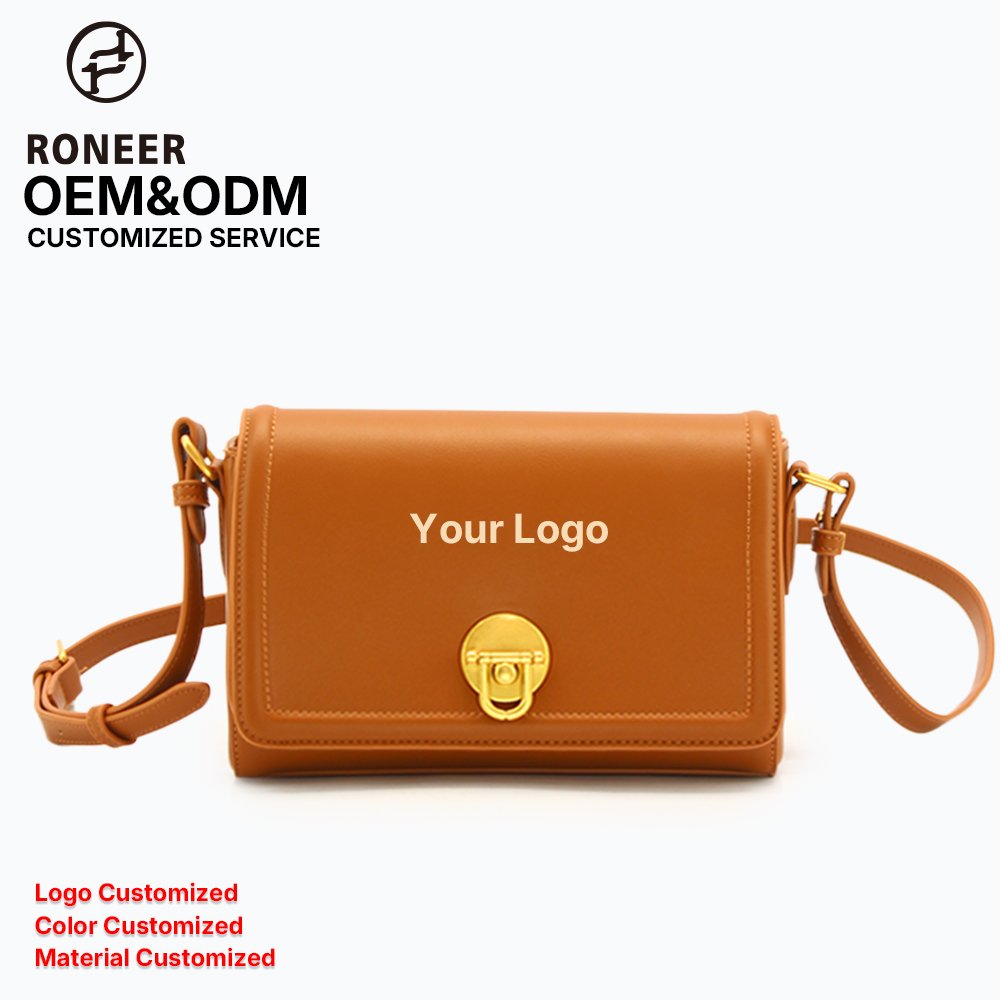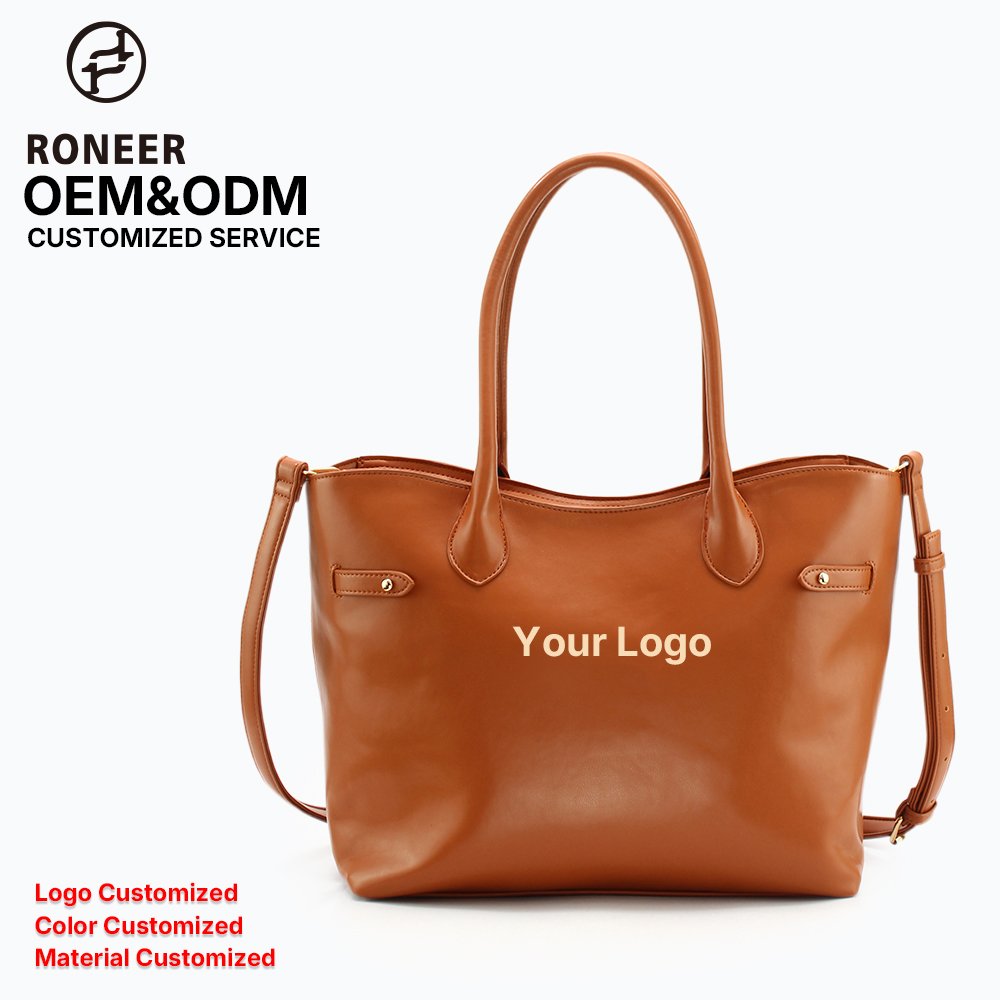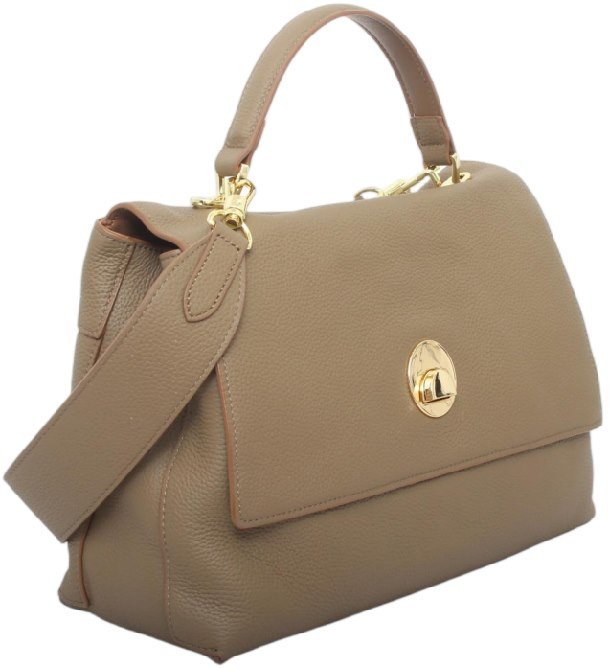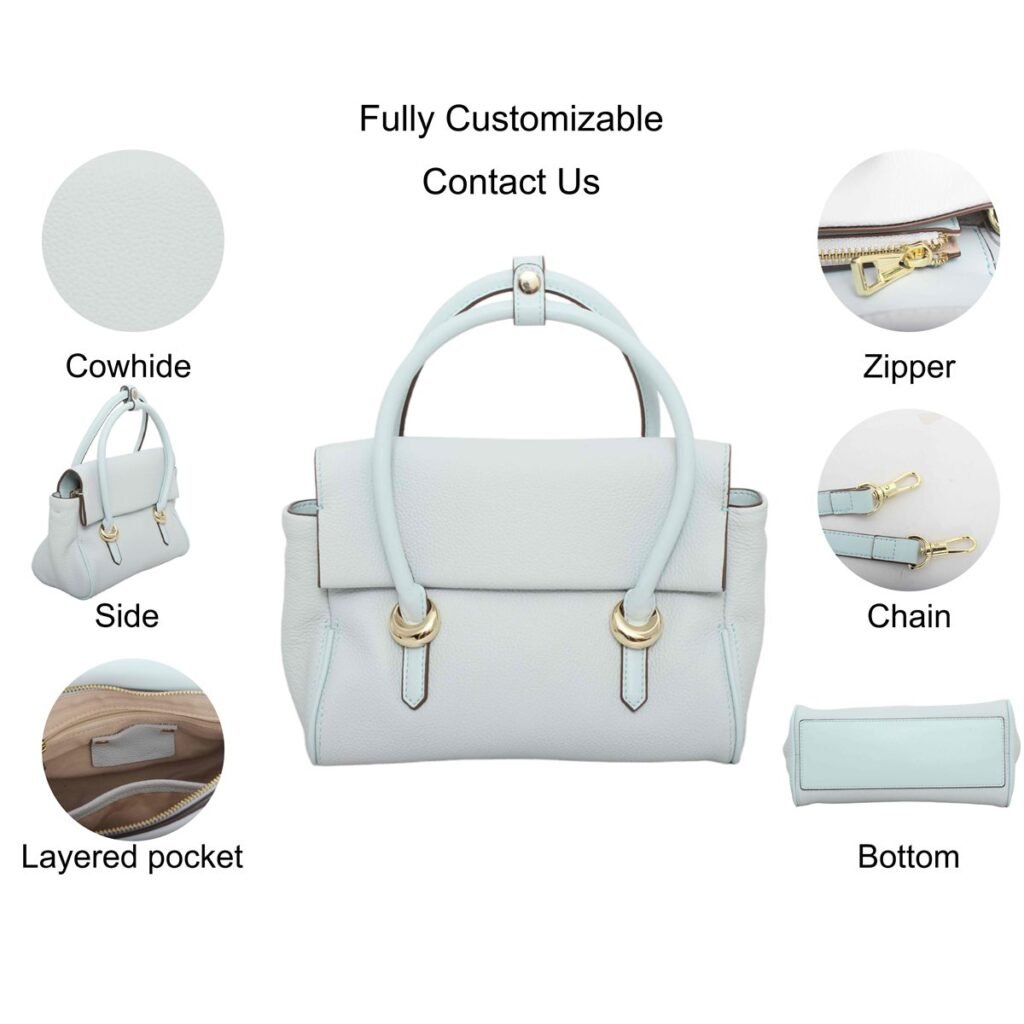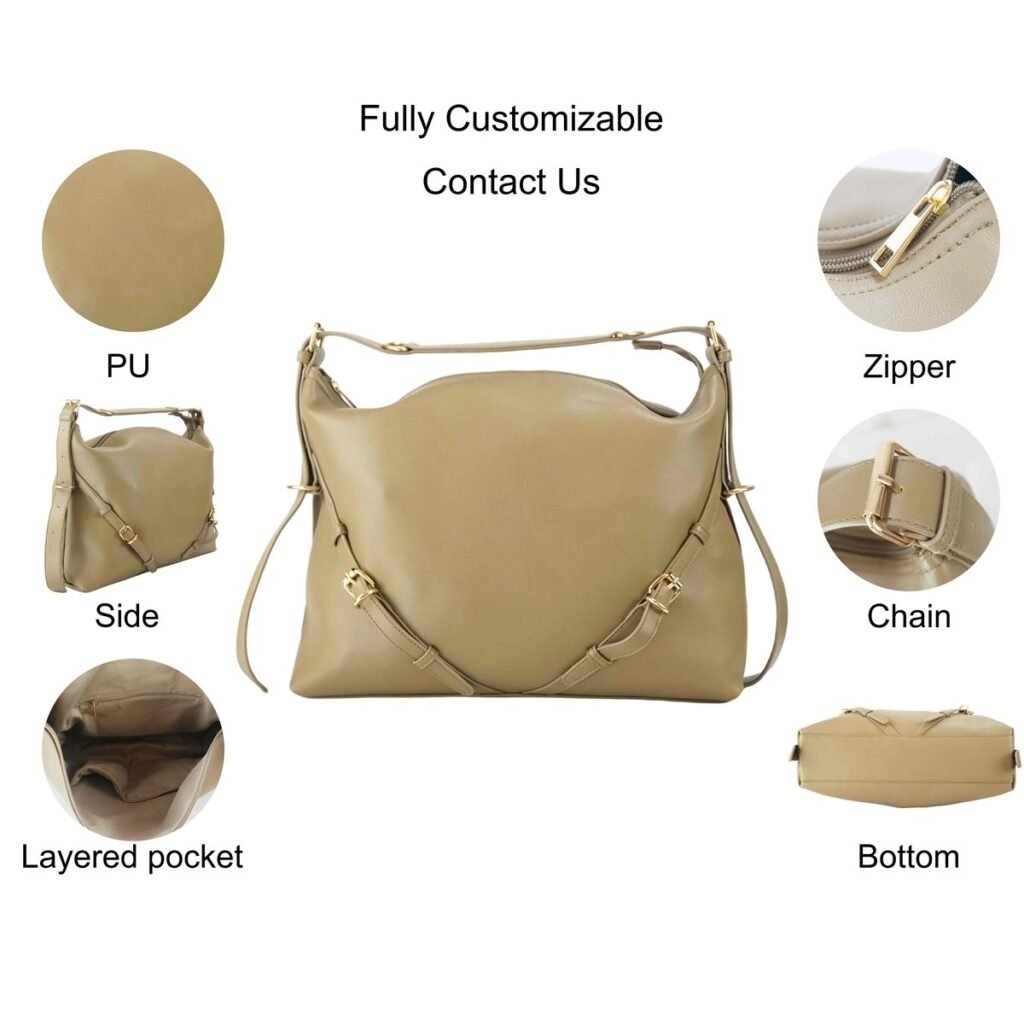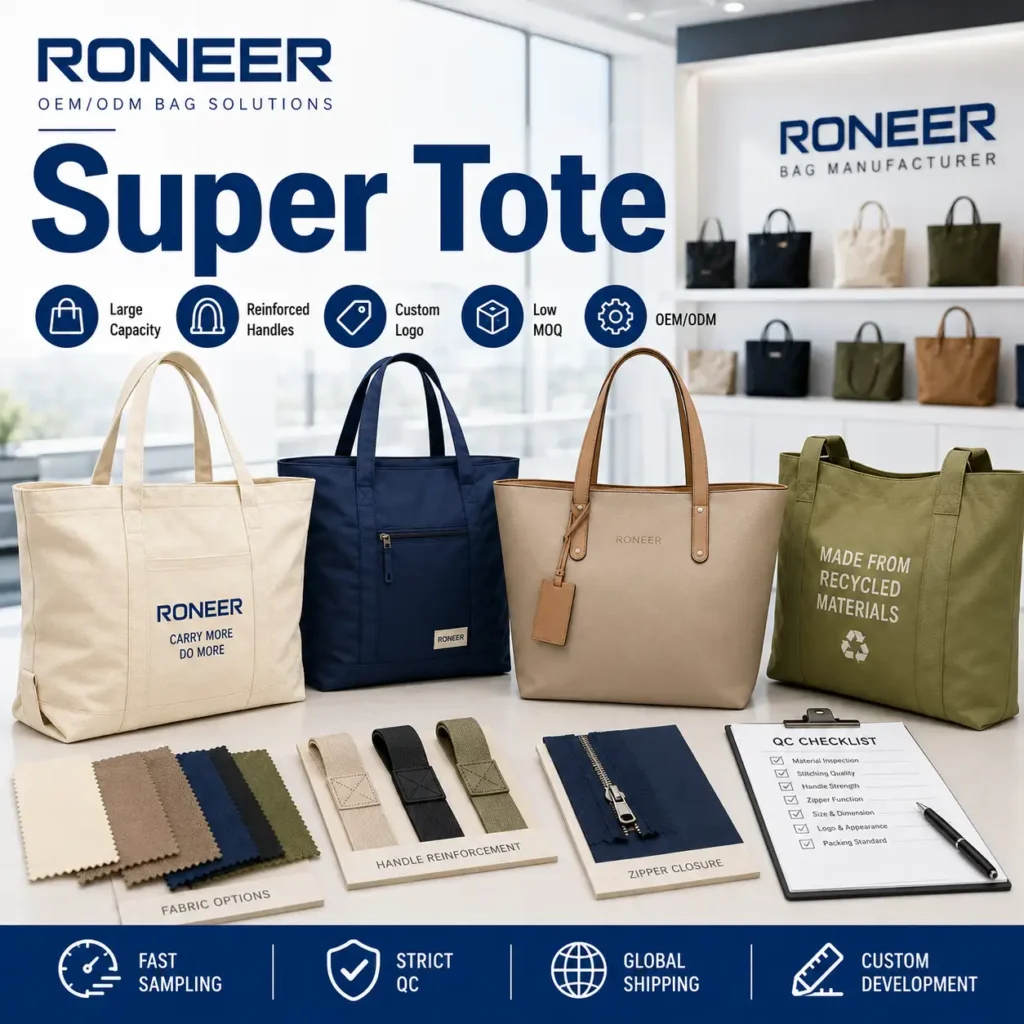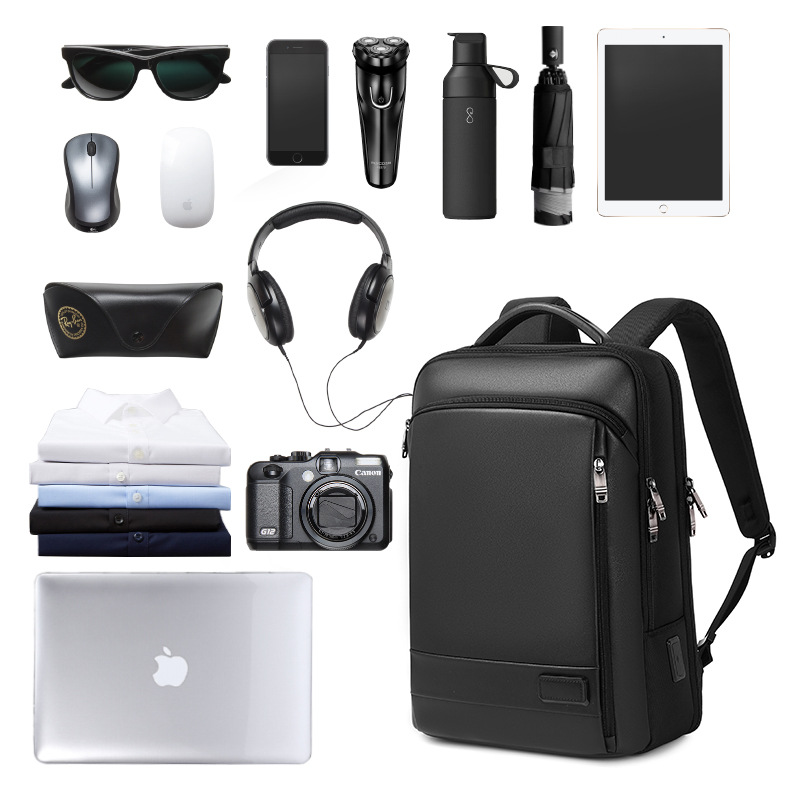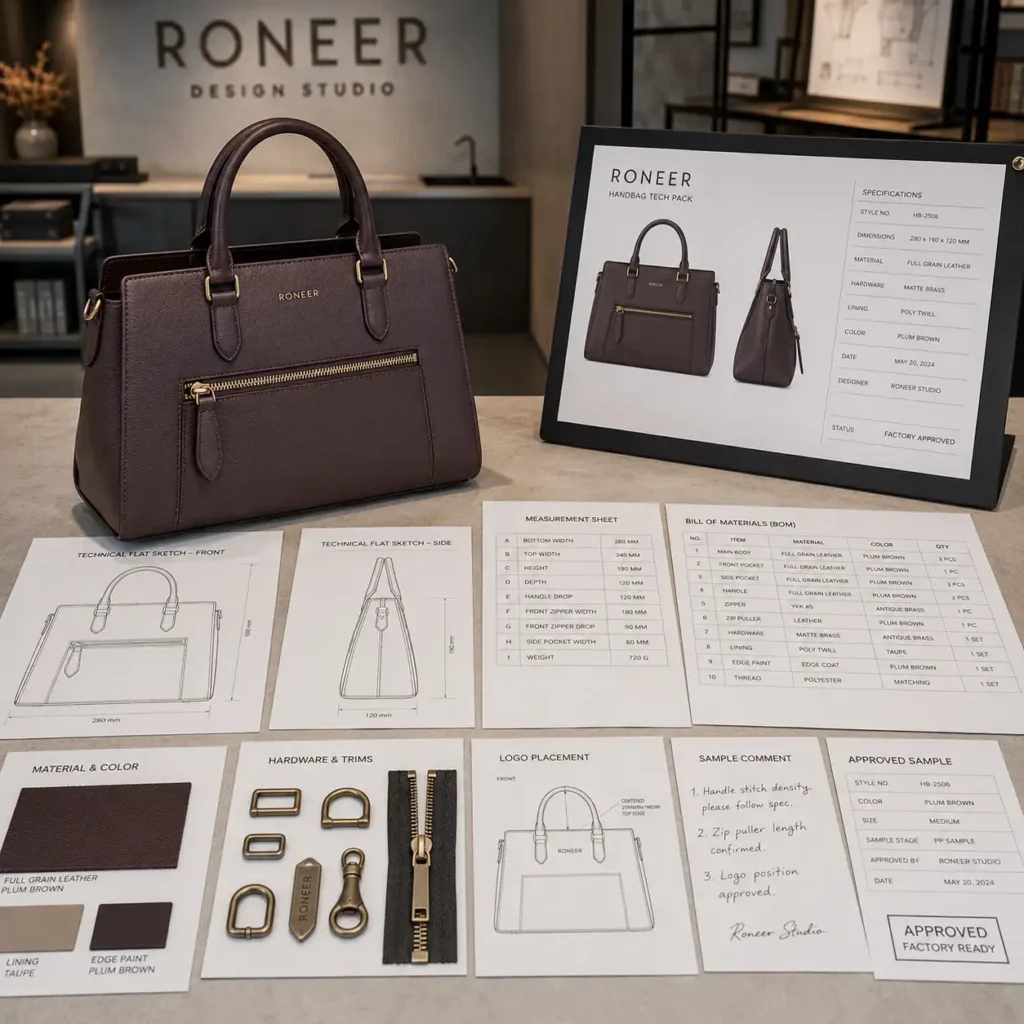










Comprendere il processo di campionamento a sacchi è uno dei passaggi più importanti prima di effettuare un ordine di borse personalizzate. Per marchi, grossisti, rivenditori, acquirenti di articoli promozionali, venditori e-commerce e startup di private label, un campione di borsa non è solo un pezzo di prova. È la prova tangibile del materiale, delle dimensioni, della struttura, del logo, delle cuciture, degli accessori metallici, dell’imballaggio e della fattibilità produttiva.
Molti problemi legati all’approvvigionamento derivano dal fatto che gli acquirenti tralasciano la fase di campionatura o approvano un campione troppo in fretta. Una foto, uno schizzo o una borsa di riferimento possono illustrare l’idea, ma non sono in grado di confermare appieno il prodotto finale. Il processo di campionamento a sacchi aiuta acquirenti e produttori a trasformare un'idea in un campione reale che possa essere verificato, modificato, approvato e utilizzato come riferimento per la produzione.
RONEER supporta progetti personalizzati di borse OEM/ODM con campionatura rapida, soluzioni per loghi personalizzati, opzioni con quantità minime d’ordine (MOQ) ridotte, personalizzazione dei materiali, confezionamento con marchio privato, rigoroso controllo qualità, imballaggio per l’esportazione e coordinamento delle spedizioni a livello globale. Gli acquirenti possono valutare le capacità complessive di RONEER tramite Servizio di produzione di borse personalizzate RONEER.
Questa guida spiega come il processo di campionamento a sacchi come funziona, cosa devono preparare gli acquirenti, come ridurre le revisioni e in che modo un flusso di lavoro professionale per la realizzazione dei campioni contribuisca a ridurre i rischi prima della produzione in serie.
In cosa consiste il processo di campionamento dei sacchi?
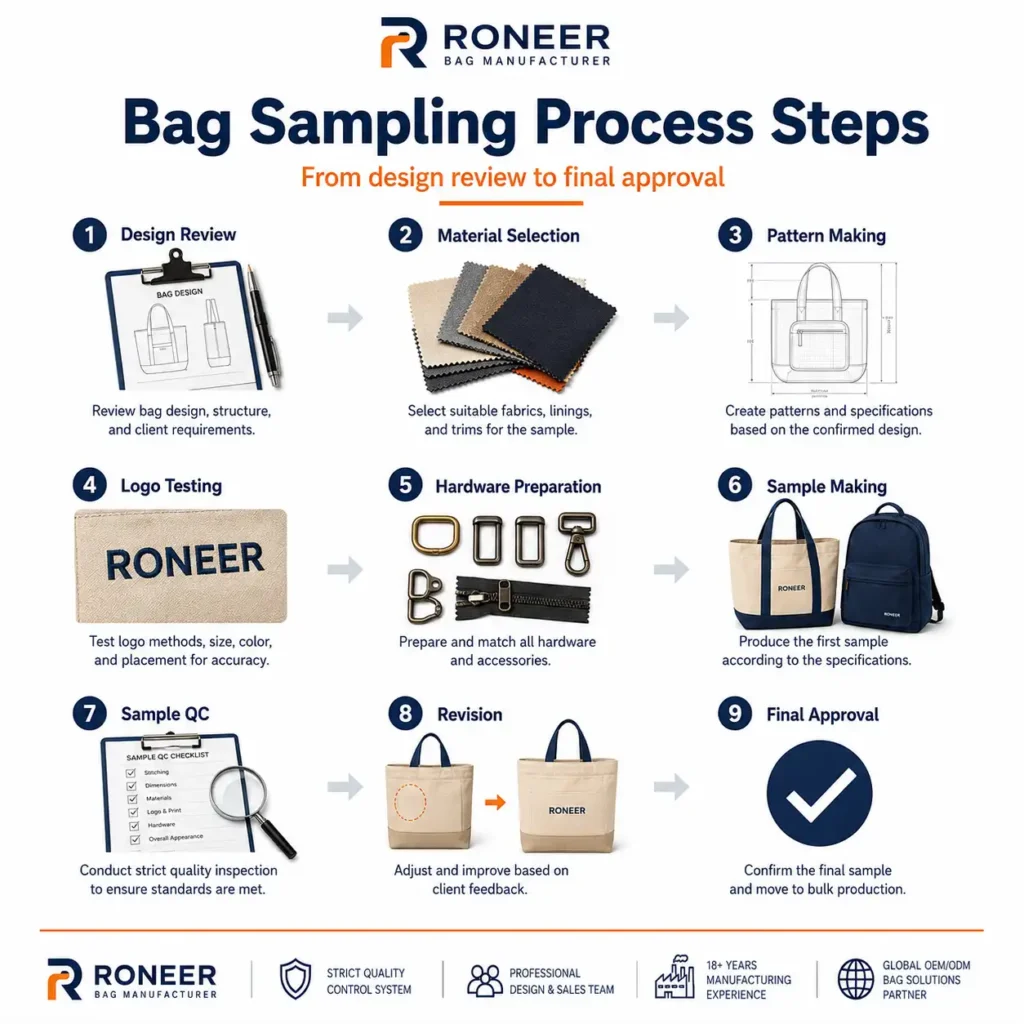
Il processo di campionamento a sacchi è il processo graduale di sviluppo di un campione fisico di borsa prima della produzione in serie. Di solito parte dall’idea di un acquirente, da una foto di riferimento, da un campione originale, da uno schizzo, da un tech pack o dai requisiti del prodotto. La fabbrica esamina quindi il progetto, conferma i materiali, realizza i cartamodelli, prepara i componenti, produce il campione, ne verifica i dettagli e lo invia per l’approvazione.
Un processo di campionamento completo può comprendere:
- Revisione del progetto
- Selezione del materiale
- Modellistica
- Test del logo
- Preparazione dell'hardware
- Esempio di cucito
- Verifica della struttura interna
- Misurazione delle taglie
- Esempio di revisione
- Approvazione definitiva del campione
- Conferma della pre-produzione
Un’azienda professionale non dovrebbe considerare il campione come un semplice oggetto da esposizione. Il campione dovrebbe servire a verificare se il prodotto è idoneo a una produzione in serie stabile. Ciò è particolarmente importante per borse personalizzate, zaini, borse a mano, borse da viaggio, trousse, borse da toilette, portafogli, astucci e borse promozionali.
Perché il processo di campionatura dei sacchetti è importante per gli acquirenti B2B
Il processo di campionamento a sacchi È importante perché aiuta gli acquirenti a ridurre l'incertezza prima di impegnarsi nella produzione in serie. Una borsa personalizzata può sembrare semplice, ma molti piccoli dettagli possono influire sul risultato finale.
Ad esempio, un campione di zaino potrebbe dover confermare il comfort degli spallacci, la scorrevolezza delle cerniere, la struttura della fodera, le dimensioni dello scomparto per il portatile, la posizione del logo e i punti di rinforzo. Per un campione di borsa a mano potrebbe essere necessario verificare la stabilità della forma, la resistenza dei manici, la finitura dei bordi, il colore delle parti metalliche e la qualità della fodera. Per un campione di borsa tote potrebbe essere necessario verificare il peso del tessuto, la nitidezza della stampa, le cuciture e la confezione.
Un chiaro processo di campionamento a sacchi aiuta gli acquirenti:
- Verificare le dimensioni e le proporzioni del prodotto
- Verificare la consistenza al tatto e il colore del materiale
- Verifica della posizione e della tecnica di applicazione del logo
- Verifica delle cuciture e della fattura
- Verificare il corretto funzionamento della cerniera e degli accessori metallici
- Migliorare la struttura interna
- Verifica i requisiti di imballaggio
- Valutare la fattibilità della produzione in serie
- Ridurre gli errori costosi
- Create a production reference sample
For private label buyers, sampling also helps confirm whether the product matches the brand image. For e-commerce sellers, the sample may be used for photography, product listings, video content, and customer testing. For wholesalers and retailers, it can support buyer presentations and internal approval.
Fase 1: Revisione del progetto e conferma dei requisiti
The first step in the processo di campionamento a sacchi is design review. At this stage, the buyer shares product information with the manufacturer. The more complete the information, the more accurate the sample can be.
Tra le informazioni utili figurano:
- Bag type
- Reference photos
- Design sketch
- Target size
- Preferenze relative ai materiali
- Color requirement
- Logo file
- Metodo del logo
- Lining requirement
- Hardware requirement
- Packaging requirement
- Expected order quantity
- Fascia di prezzo prevista
- Sales channel
- Delivery schedule
If the buyer has a tech pack, the sampling process can be more efficient. If the buyer only has a reference image, the factory may need to estimate structure, dimensions, material, and construction details.
RONEER helps buyers review product ideas and confirm whether the design is suitable for OEM or ODM development. Buyers who are not sure whether OEM or ODM is better can review this guide on OEM and ODM bag development. Although the article uses backpacks as an example, the same sourcing logic also applies to handbags, tote bags, cosmetic bags, travel bags, and other custom bag projects.
Fase 2: Scelta dei materiali
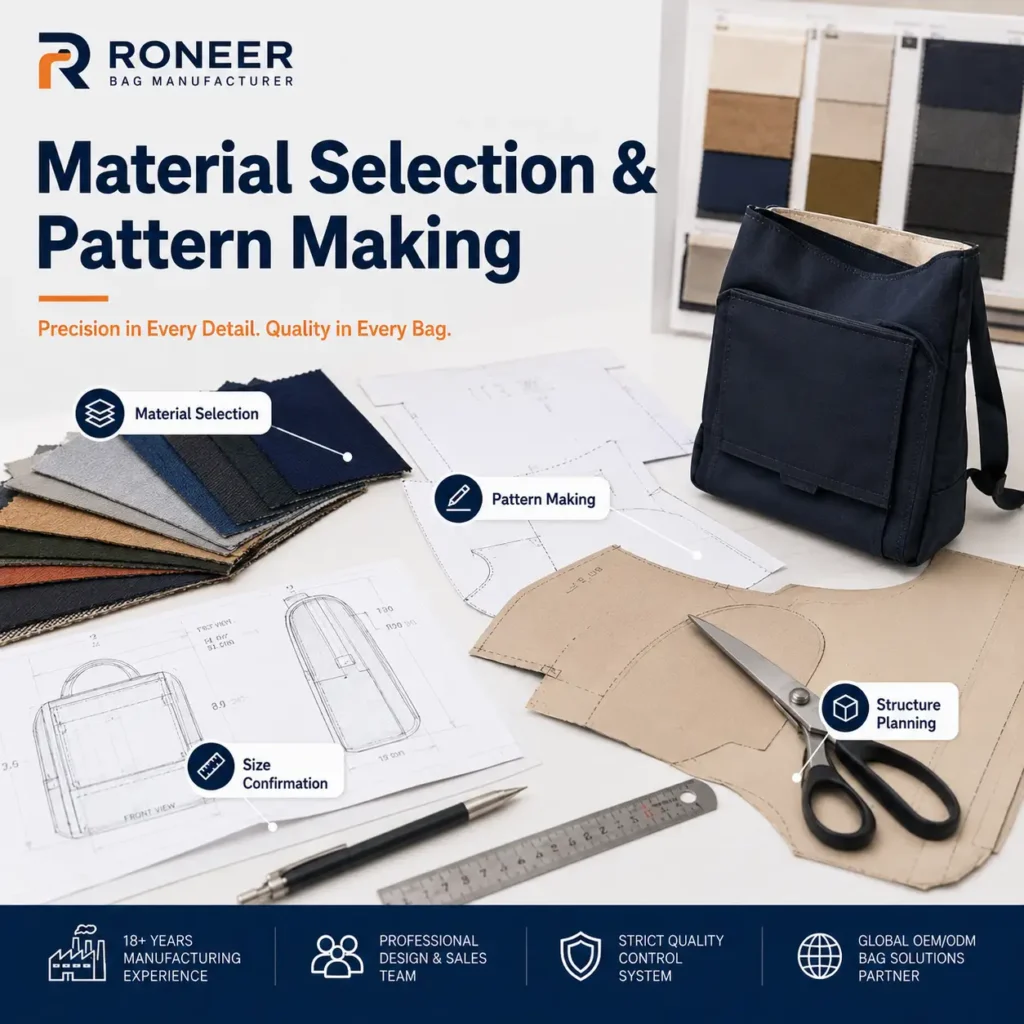
Material selection is one of the most important parts of the processo di campionamento a sacchi. The material affects appearance, durability, weight, cost, MOQ, lead time, and customer perception.
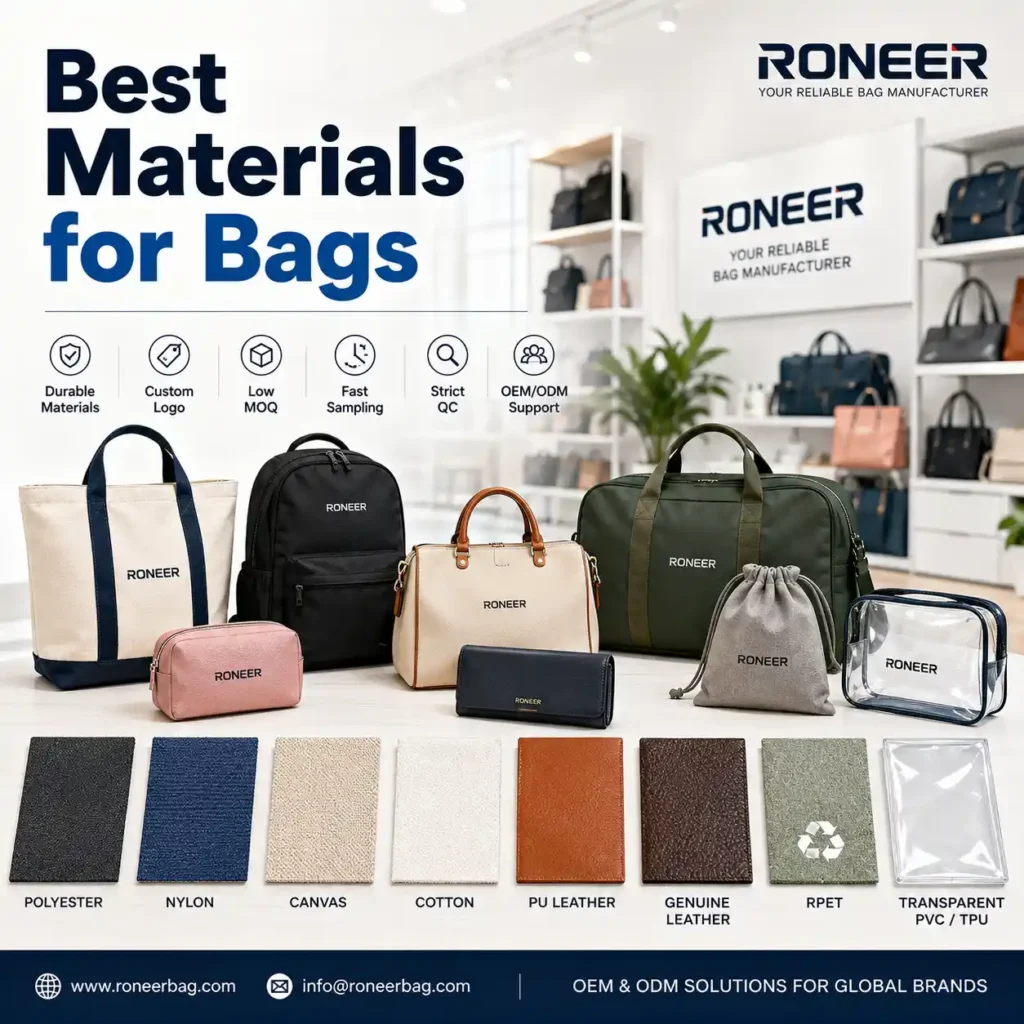
Common bag materials include polyester, nylon, canvas, cotton, PU leather, genuine leather, microfiber, RPET, mesh, PVC, TPU, and recycled fabrics. Each material has different performance, cost, and sampling requirements.
Available materials usually make sampling faster and more cost-effective. Custom-dyed materials, special textures, exclusive colors, or certified recycled materials may take longer and may require higher supplier minimums.
Buyers can review RONEER’s personalizzazione dei materiali service to understand how fabric choice affects sample development and production planning. For recycled and preferred material background, Scambio di tessuti can be used as an industry reference. However, actual material claims should always be confirmed with supplier documentation before being used in marketing.
Fase 3: Realizzazione dei modelli
Pattern making turns the design into production pieces. In the processo di campionamento a sacchi, this step decides the shape, size, structure, and construction of the bag.
A simple tote bag may have only a few pattern pieces. A backpack, handbag, travel bag, cooler bag, or laptop bag may need many more pieces, including front panels, side panels, bottom panels, lining pieces, pockets, straps, reinforcement parts, and padding.
Accurate pattern making helps control:
- Size accuracy
- Bag shape
- Folding structure
- Pocket placement
- Zipper position
- Handle and strap position
- Lining fit
- Production consistency
If the first pattern is not accurate, the sample may look different from the buyer’s expectation. This is why clear dimensions and reference information are important before sampling starts.
Fase 4: Test del metodo del logo
Logo customization is a key part of the processo di campionamento a sacchi, especially for private label and B2B buyers. A logo may look good in a digital file but perform differently on fabric, PU, leather, canvas, mesh, or lining.
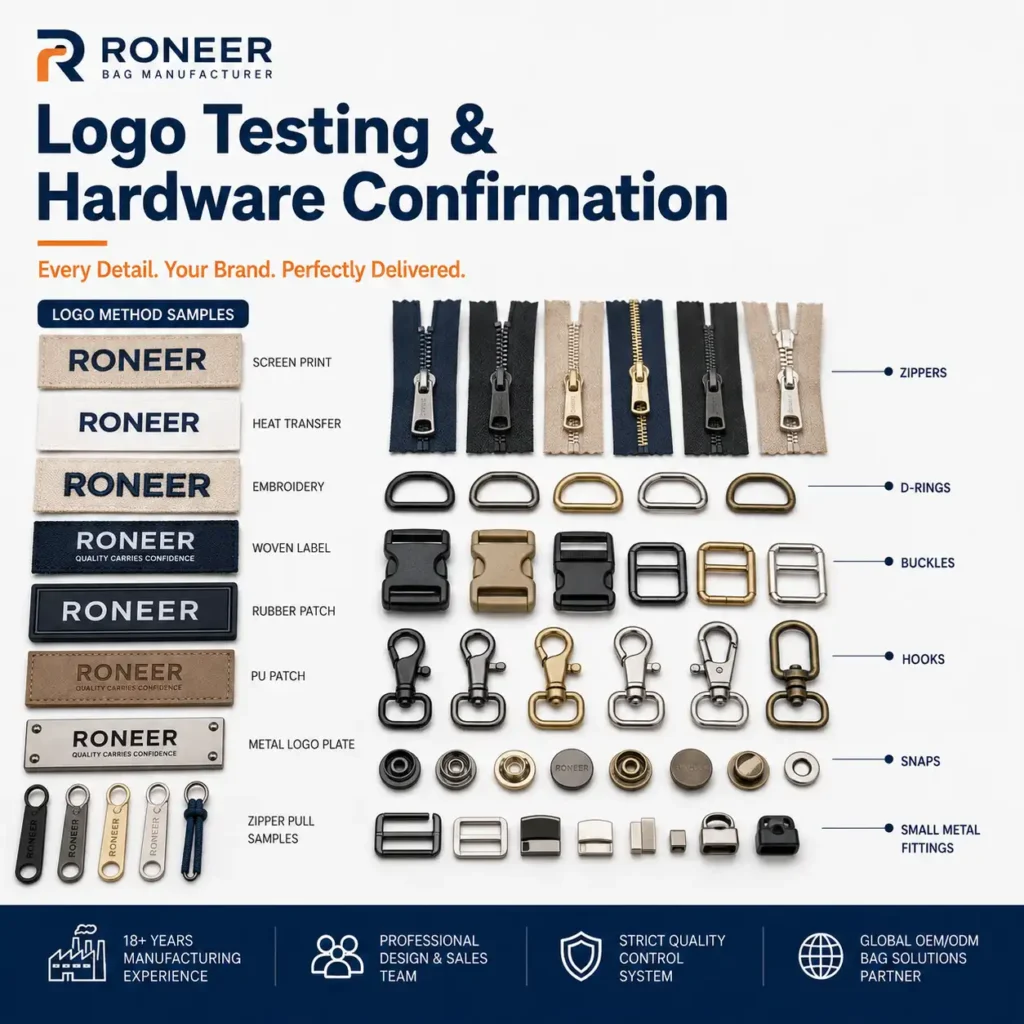
Common logo methods include:
- Stampa serigrafica
- Stampa a trasferimento termico
- Ricamo
- Etichetta tessuta
- Tappo in gomma
- PU leather patch
- Metal logo plate
- Logo in rilievo
- Logo in rilievo
- Foil-stamped logo
- Tirazip personalizzato
- Printed lining logo
- Packaging logo
Buyers can review RONEER’s personalizzazione del logo options before confirming the sample. The right logo method should match the material, brand positioning, MOQ, budget, and target market.
During logo testing, the factory should check logo size, position, color, clarity, durability, and production feasibility. If the logo is too small, too thin, or placed on an uneven surface, the final result may not be clean enough.
Fase 5: Preparazione dell'hardware e dei componenti
Hardware and components can affect both sample quality and bulk production stability. During the processo di campionamento a sacchi, the factory should confirm whether standard or custom hardware will be used.
Common hardware and components include:
- Zippers
- Sliders
- Pullers
- Fibbie
- D-rings
- Ganci
- Rivetti
- Moschettoni magnetici
- Metal logo plates
- Strap adjusters
- Elastic bands
- Foam padding
- Webbing
- Binding tape
Industry suppliers such as YKK can be used as a general reference for zipper and fastening component categories, but buyers should confirm actual zipper brand, specification, color, and cost during order negotiation. RONEER does not assume premium components unless the buyer requests and approves them.
Using available hardware can make the sample faster and more cost-effective. Custom hardware may improve brand identity but can increase sample cost, MOQ, and lead time.
Fase 6: Realizzazione del campione
Sample making is where the idea becomes a physical product. During this stage, the sample team cuts materials, prepares lining, attaches logo elements, adds hardware, sews the structure, and finishes the bag.
Il processo di campionamento a sacchi at this stage requires skilled sample makers because the first sample often needs adjustment. Unlike bulk production, sample making is usually more manual and flexible. The sample maker may need to test sewing order, reinforcement points, seam allowance, shape control, and finishing details.
Important sample making details include:
- Precisione di taglio
- Stitching density
- Seam strength
- Edge finishing
- Zipper installation
- Rinforzo della maniglia
- Strap connection
- Lining fit
- Pocket function
- Overall shape
A professional sample should not only look good in photos. It should also show whether the design can be produced consistently in bulk.
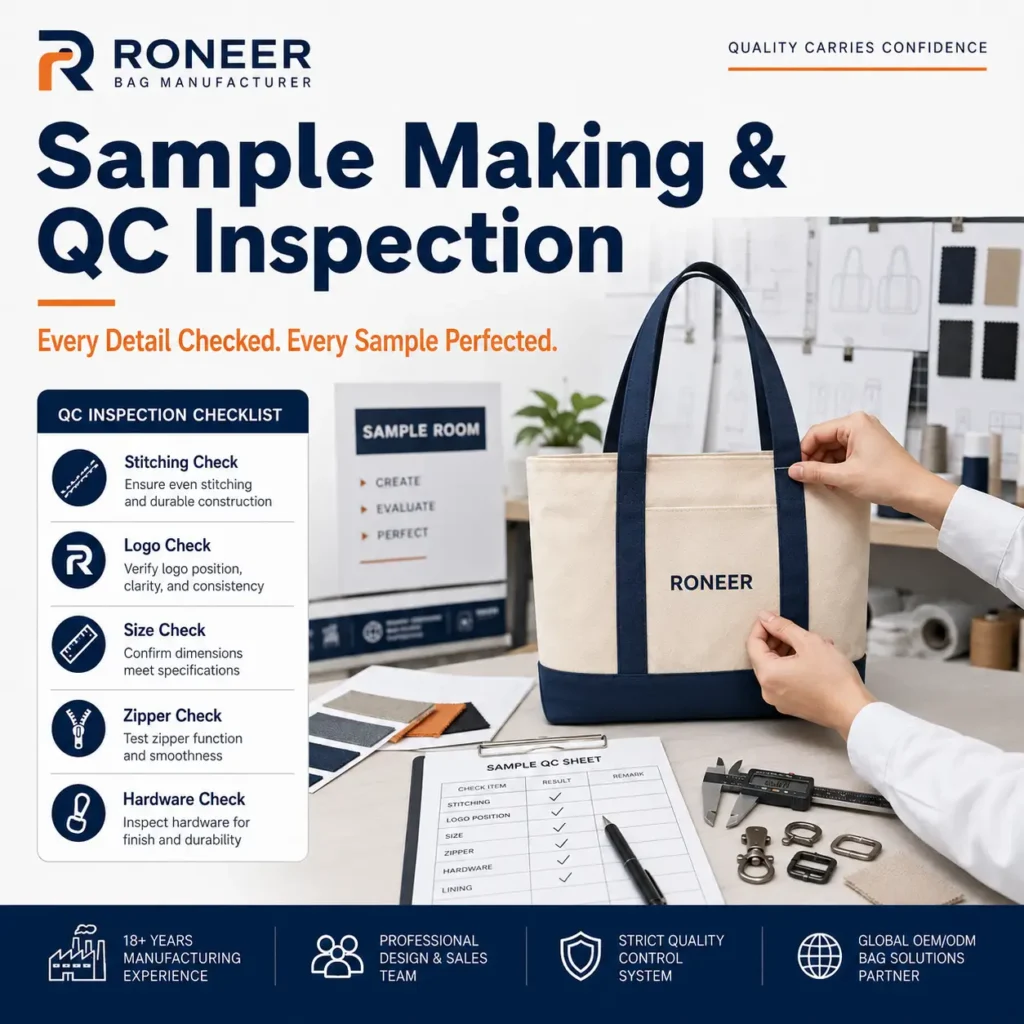
Fase 7: Controllo qualità dei campioni e revisione interna
Before sending the sample to the buyer, the factory should complete an internal quality check. This step is very important in the processo di campionamento a sacchi because it helps catch obvious problems before the buyer receives the sample.
Sample QC should check:
- Misurazione delle taglie
- Material color and texture
- Logo position and clarity
- Stitching quality
- Zipper smoothness
- Hardware function
- Lining cleanliness
- Pocket size
- Strap strength
- Shape balance
- Packaging accuracy
- Overall appearance
For inspection and testing background, buyers can refer to SGS. For material safety and harmful substance testing background, OEKO-TEX can also be used as an industry reference. Buyers should confirm any specific testing, certification, or compliance requirement before placing a bulk order.
RONEER follows QC steps during sample development to help buyers reduce revision risk and improve bulk production accuracy.
Fase 8: Revisione da parte dell'acquirente e modifica del campione
After the buyer receives the sample, the review stage begins. This is one of the most important parts of the processo di campionamento a sacchi.
Buyers should check the sample carefully instead of only looking at the overall appearance. A structured sample review should include:
- Is the size correct?
- Does the material match the expectation?
- Is the color acceptable?
- Is the logo clear and correctly positioned?
- Are the pockets practical?
- Does the zipper work smoothly?
- Is the handle or strap strong enough?
- Is the lining clean?
- Is the bag comfortable to use?
- Does the packaging fit the sales channel?
If changes are needed, the buyer should provide clear feedback. Instead of sending many separate small comments, it is better to provide one organized revision list with photos, marked areas, and specific instructions.
Common revisions include size adjustment, material change, logo position update, pocket modification, zipper improvement, strap adjustment, hardware replacement, lining change, and packaging update.
A good processo di campionamento a sacchi should make revisions clear, controlled, and efficient.
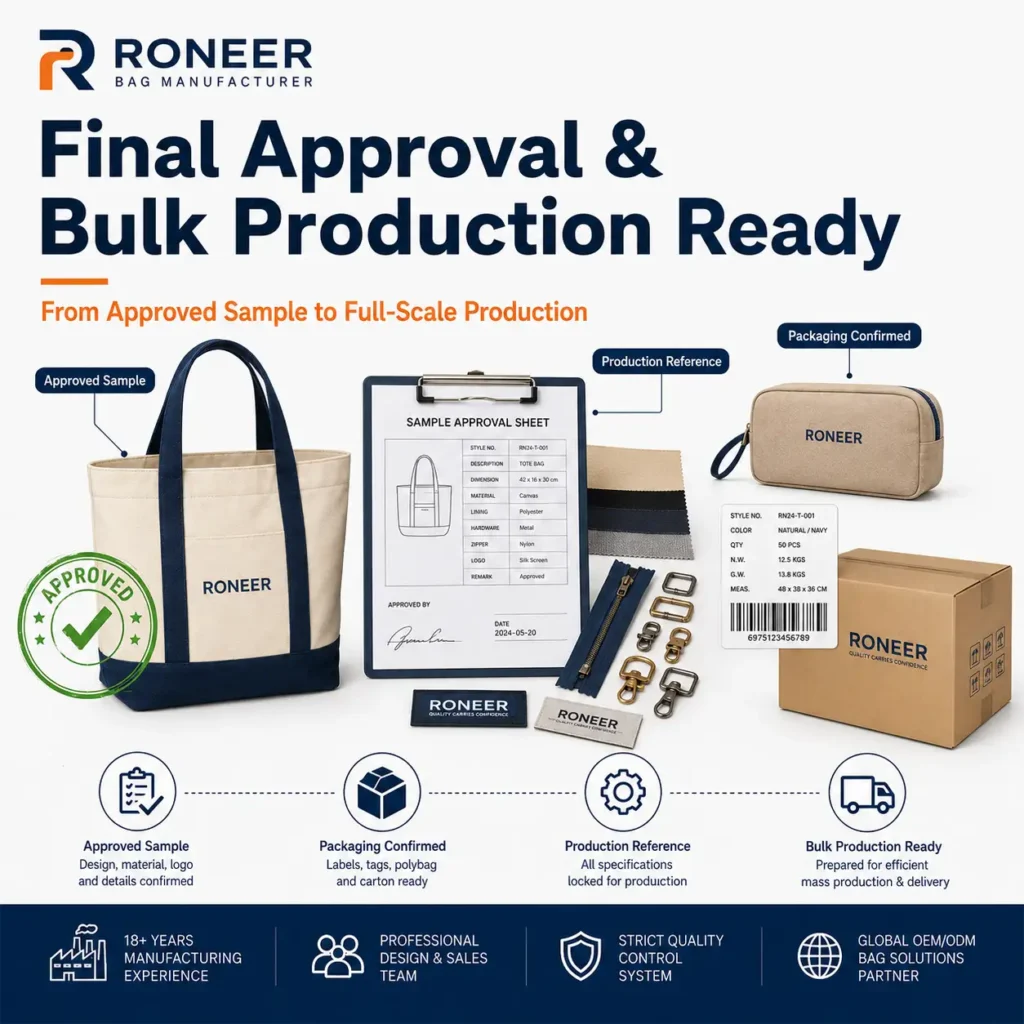
Fase 9: Approvazione definitiva del campione
Once the sample meets the buyer’s requirements, the final sample is approved. This approved sample becomes the reference for bulk production.
Before approval, buyers should confirm:
- Final size
- Material and color
- Logo method and placement
- Hardware specification
- Lining and inner structure
- Stitching standard
- Imballaggio
- Labeling
- QC requirements
- Bulk order quantity
- Delivery schedule
The approved sample should be kept as a production reference. In many cases, both buyer and factory keep one approved sample to reduce misunderstanding during bulk production.
A clear final approval step helps ensure that the processo di campionamento a sacchi connects smoothly with mass production.
Quanto tempo richiede il processo di campionamento dei sacchetti?
The sample lead time depends on design complexity, material availability, logo method, hardware, packaging, and revision requirements.
A simple tote bag, pouch, or drawstring bag using available materials may be faster. A backpack, handbag, cooler bag, travel bag, or laptop bag with custom structure and special materials may take longer.
Factors that affect sample lead time include:
- Completeness of buyer information
- Material sourcing time
- Pattern making complexity
- Logo setup
- Hardware availability
- Sample room schedule
- Number of revisions
- Packaging trial
- Buyer feedback speed
RONEER supports fast sampling for qualified projects while keeping samples practical for later bulk production.
Quanto costa il processo di campionamento dei sacchetti?
The cost of the processo di campionamento a sacchi depends on the product type, material, logo method, pattern complexity, hardware, packaging, and sample quantity.
A simple sample usually costs less because it requires fewer materials and less development time. A complex sample may cost more because it includes more pattern pieces, structure testing, logo testing, hardware preparation, and revision work.
Buyers who want more detail can review RONEER’s custom bag sample cost planning content or request a project-based quotation. In general, buyers should treat sample cost as part of development risk control, not only as an extra expense.
Errori comuni nel processo di campionamento dei sacchi
Many sampling delays come from avoidable mistakes. Buyers can improve the processo di campionamento a sacchi by preparing clearly and reviewing samples carefully.
Sending Incomplete Information
A single reference photo is often not enough. Buyers should provide size, material, logo, color, function, and packaging requirements whenever possible.
Changing Key Details Too Late
Changing material, logo method, or structure after the sample is made can increase cost and delay the project.
Ignoring MOQ and Bulk Feasibility
A sample may be possible, but bulk production may have different MOQ or supplier requirements. Buyers should confirm production feasibility early.
Approving Only Based on Photos
Photos are useful, but physical sample checking is better for material, size, weight, hand feel, function, and workmanship.
Skipping Packaging Confirmation
Packaging affects cost, carton size, shipping, and retail presentation. Buyers should discuss packaging before final sample approval. RONEER’s personalizzazione degli imballaggi service can help align packaging with private label and export needs.
Come rendere più efficiente il processo di campionamento delle borse
To make the processo di campionamento a sacchi smoother, buyers should prepare clear information and work with a factory that understands OEM/ODM development.
Practical ways to improve efficiency include:
- Provide a clear reference image or tech pack
- Confirm target size early
- Choose available materials when possible
- Select a practical logo method
- Avoid unnecessary custom hardware at the first stage
- Confirm packaging before final approval
- Give organized revision feedback
- Approve a final sample before bulk production
- Keep one approved sample as reference
- Plan future repeat orders early
RONEER helps buyers review design ideas, select materials, test logo methods, develop samples, check quality, and prepare for bulk production.
Domande frequenti sul processo di campionamento dei sacchetti
1. What is the bag sampling process?
Il processo di campionamento a sacchi is the step-by-step development of a physical bag sample before bulk production. It includes design review, material selection, pattern making, logo testing, sample making, QC checking, buyer review, revision, and final approval.
2. Why is the bag sampling process important?
Il processo di campionamento a sacchi helps buyers confirm size, material, structure, logo, stitching, hardware, packaging, and production feasibility before bulk manufacturing. It reduces the risk of costly mistakes in large orders.
3. What information should I provide before sampling?
Buyers should provide bag type, reference photos, dimensions, material preference, color, logo file, logo method, lining requirement, hardware preference, packaging requirement, expected quantity, target price, and delivery schedule.
4. How long does the bag sampling process take?
Il processo di campionamento a sacchi timeline depends on design complexity, material availability, logo method, hardware, packaging, and revision needs. Simple samples can be faster, while complex bags may require more development time.
5. Can RONEER make a sample from only a reference photo?
Yes. RONEER can review a reference photo and help develop a sample direction. However, more complete information usually makes the processo di campionamento a sacchi faster and more accurate.
6. Does logo testing happen during the bag sampling process?
Yes. Logo testing is usually part of the processo di campionamento a sacchi, especially for private label orders. The factory should check logo size, position, color, clarity, material compatibility, and production feasibility before bulk production.
7. Can I revise the sample after receiving it?
Yes. Sample revision is common. Buyers can request changes to size, material, logo position, pockets, zipper, hardware, lining, stitching, or packaging. Clear feedback helps reduce revision time.
8. Is the approved sample used for bulk production?
Yes. The approved sample should be used as a reference for bulk production. It helps the factory control material, size, structure, logo, workmanship, and packaging consistency.
9. Does the bag sampling process affect MOQ?
Yes. During the processo di campionamento a sacchi, the factory can confirm whether the final material, logo method, hardware, and packaging requirements affect MOQ. Some custom details may require higher minimums.
10. Should I approve a custom bag sample only by photos?
Photos can help with early review, but physical sample approval is better when material, hand feel, size, structure, and function are important. For custom bag projects, physical sample checking is strongly recommended.
11. How can I reduce revisions in the bag sampling process?
You can reduce revisions by providing complete specifications, choosing practical materials, confirming logo method early, avoiding unnecessary complexity, and giving organized feedback with photos or marked comments.
12. Why choose RONEER for the bag sampling process?
RONEER supports the processo di campionamento a sacchi with OEM/ODM development, fast sampling, material customization, custom logo solutions, low MOQ options, private label packaging, strict QC, export packing, and global shipping coordination.
Conclusione
Un chiaro processo di campionamento a sacchi is one of the best ways to reduce risk before custom bag bulk production. It allows buyers to confirm material, size, structure, logo, hardware, stitching, packaging, and production feasibility before placing a larger order.
For startups, private label brands, wholesalers, retailers, promotional buyers, and e-commerce sellers, the processo di campionamento a sacchi is more than a development step. It is a sourcing tool that helps control cost, reduce mistakes, improve product quality, and prepare for repeat orders.
RONEER works with global buyers who need a reliable processo di campionamento a sacchi for OEM/ODM custom bags. From design review and material selection to logo testing, sample making, QC inspection, revision, final approval, and bulk production preparation, RONEER helps buyers move from idea to finished product with clearer communication and lower risk.
Whether you are developing tote bags, backpacks, handbags, cosmetic bags, toiletry bags, travel bags, wallets, pouches, or promotional bags, RONEER can support the processo di campionamento a sacchi with fast sampling, low MOQ options, custom logo solutions, material customization, private label packaging, strict QC, export packing, and global shipping experience.
Request a Bag Sample or Production Quote
Send your product type, reference images or tech pack, target quantity, material direction, logo artwork and delivery country. RONEER will review sampling feasibility before confirming cost and timing.
Request a sample or review our custom bag manufacturing services.
Start Your Sampling Request