









Sürdürülebilir Çanta Üreticisi: Doğru OEM/ODM Fabrikası Nasıl Seçilir
Denizaşırı alıcılar bir ev aradıklarında sürdürülebi̇li̇r çanta üreti̇ci̇si̇, Genellikle sadece standart torbalar üreten basit bir tedarikçi aramazlar. Geri dönüştürülmüş malzemeler, özel markalama, OEM/ODM üretimi, kalite kontrol, numune alma, toplu üretim, ihracat ambalajı ve sorumlu malzeme iletişiminden anlayan bir fabrikaya ihtiyaç duyarlar.
Sürdürülebilir çantalar artık sadece çevreci markalar tarafından kullanılmıyor. Artık e-ticaret markaları, perakende zincirleri, kurumsal alıcılar, moda etiketleri, promosyon ürünleri şirketleri ve toptan dağıtımcılar tarafından talep ediliyor. Alıcılar, marka değerini destekleyen, tek kullanımlık ambalajları azaltan ve daha sorumlu ürün seçenekleri için tüketici talebini karşılayan çantalar istiyor.
A sürdürülebi̇li̇r çanta üreti̇ci̇si̇ RPET, geri dönüştürülmüş pamuk, organik pamuk, geri dönüştürülmüş polyester, dokunmamış kumaş, yıkanabilir kraft kağıt veya diğer yeniden kullanılabilir malzemeler gibi daha düşük etkili malzeme seçeneklerini kullanarak özel çantalar üreten ve aynı zamanda logo özelleştirme, özel etiket üretimi, kalite denetimi ve ihracata hazır ambalajlamayı destekleyen bir fabrikadır.
B2B alıcıları için doğru fabrikayı seçmek sadece bir tedarikçinin “çevre dostu” olup olmamasıyla ilgili değildir. Fabrikanın malzeme seçeneklerini net bir şekilde açıklayıp açıklayamaması, desteklenmeyen sürdürülebilirlik iddialarından kaçınması, istikrarlı üretim kalitesini yönetmesi ve alıcının hedef pazar için doğru malzemeyi seçmesine yardımcı olup olmamasıyla ilgilidir.
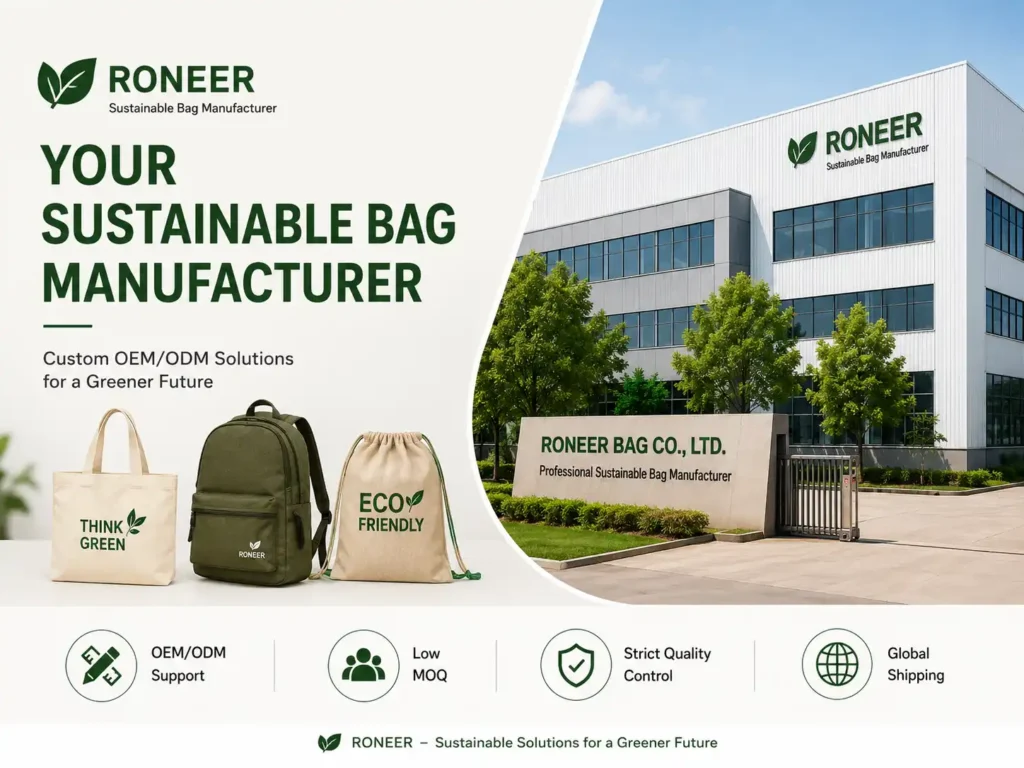
Markanız daha geniş bir özel çanta koleksiyonu oluşturmayı planlıyorsa, farklı çanta kategorilerinde sürdürülebilir malzemeleri anlayan bir fabrika ile çalışmak uzun vadeli kaynak verimliliğini artırabilir. RONEER aşağıdaki konularda destek sağlar RONEER özel çanta fabrikası, OEM / ODM üretim desteği ile denizaşırı alıcıların bez çantalar, sırt çantaları, dış mekan çantaları, promosyon çantaları ve özel etiketli özel çantalar geliştirmelerine yardımcı olur.
Sürdürülebilir Çantalar B2B Alıcıları İçin Neden Önemli?
Sürdürülebilir çantalar, pratik işlevi marka sorumluluğuyla birleştirdikleri için güçlü bir ürün kategorisi haline gelmiştir. Yeniden kullanılabilir bir bez çanta, geri dönüştürülmüş sırt çantası, RPET alışveriş çantası veya organik pamuk promosyon çantası hem günlük kullanıma hem de marka iletişimine hizmet edebilir.
E-ticaret markaları için sürdürülebilir çantalar, daha güçlü ürün farklılaştırması oluşturmaya yardımcı olabilir. Toptan alıcılar için, yeniden kullanılabilir ve geri dönüştürülmüş malzemeden üretilen çantalar tekrar satın alma fırsatları yaratabilir. Kurumsal alıcılar için çevre dostu özel çantalar etkinlikler, çalışan hediyeleri, promosyon kampanyaları, sergiler ve markalı ürünler için uygundur. Moda markaları için, sürdürülebilir kumaşlar sezonluk koleksiyonları ve özel etiket hikayelerini destekleyebilir.
Ancak her alıcının kaynak bulma hedefi aynı değildir. Yeni kurulan bir marka, pazarı test etmek için düşük MOQ'lu sürdürülebilir çantalara ihtiyaç duyabilir. Toptan bir alıcı, tekrarlanan üretim tutarlılığına daha fazla önem verebilir. Kurumsal bir alıcı özel logo baskısına, teslimat planlamasına ve güvenilir ihracat ambalajına ihtiyaç duyabilir. Bir moda markası kumaş dokusu, renk uyumu, astar, süslemeler ve perakende sunumuna odaklanabilir.
Bu yüzden profesyonel bir sürdürülebi̇li̇r çanta üreti̇ci̇si̇ sadece bir “yeşil” malzeme ve bir standart tasarım sunmamalıdır. Fabrika, alıcıların malzeme, yapı, logo yöntemi, MOQ, fiyat seviyesi, paketleme ve teslim süresini gerçek satın alma senaryosuyla eşleştirmesine yardımcı olmalıdır.
Özel Çanta Üretiminde Kullanılan Yaygın Sürdürülebilir Malzemeler
Bir seçim yapmadan önce sürdürülebi̇li̇r çanta üreti̇ci̇si̇, alıcılar, özel torba üretiminde kullanılan ana malzeme seçeneklerini anlamalıdır. Her malzemenin farklı avantajları, sınırlamaları, fiyat seviyeleri ve uygun uygulamaları vardır.
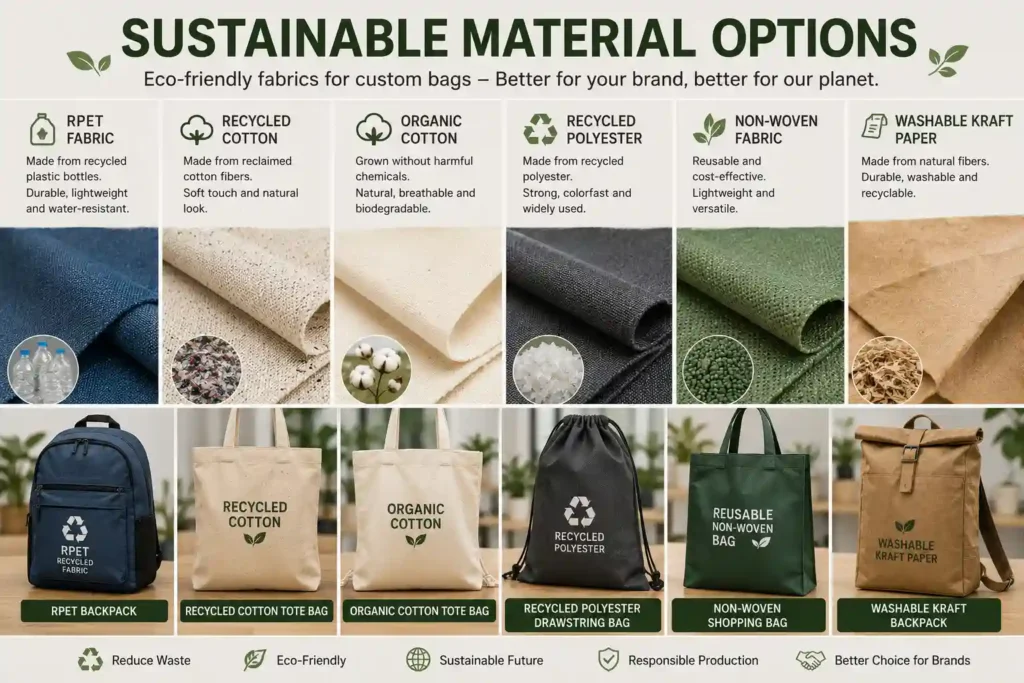
RPET Kumaş
RPET geri dönüştürülmüş plastik malzemelerden yapılır ve genellikle sırt çantaları, alışveriş çantaları, bez çantalar, soğutucu çantalar, ipli çantalar ve promosyon çantaları için kullanılır. Daha sorumlu bir malzeme seçeneği sunarken aynı zamanda iyi bir dayanıklılık ve esneklik sağladığı için popülerdir.
Geri dönüştürülmüş malzeme iddialarını değerlendiren markalar için Küresel Geri Dönüştürülmüş Standart bilgileri Textile Exchange'den geri dönüştürülmüş içerik, tedarikçi dokümantasyonu ve malzeme izlenebilirliği konularını tartışırken referans olarak kullanılabilir. sürdürülebi̇li̇r çanta üreti̇ci̇si̇. Bu, her fabrikanın veya her kumaşın otomatik olarak sertifikaya sahip olduğu anlamına gelmez; alıcılar, sertifikasyon gerekliyse üretimden önce belgeleri onaylamalıdır.
Geri Dönüştürülmüş Pamuk
Geri dönüştürülmüş pamuk bez çantalar, alışveriş çantaları, ipli çantalar, ambalaj çantaları ve gündelik yaşam çantaları için kullanılabilir. Yumuşak bir tekstil hissi ve doğal bir görünüm isteyen markalar için uygundur.
İşlenmemiş pamukla karşılaştırıldığında, geri dönüştürülmüş pamuğun elyaf mukavemeti, renk tutarlılığı ve kumaş apresi açısından bazı farklılıkları olabilir. Sorumlu bir sürdürülebi̇li̇r çanta üreti̇ci̇si̇ geri dönüştürülmüş pamuğun alıcının kullanım amacına uygun olup olmadığını, özellikle de torbanın ağır yük kapasitesine veya birinci sınıf perakende finisaja ihtiyacı varsa açıklamalıdır.
Organik Pamuk
Organik pamuk genellikle özel bez çantalar, ipli çantalar, alışveriş çantaları ve promosyon çantaları için kullanılır. Doğal bir malzeme hikayesi ve temiz bir görsel görünüm isteyen markalar için uygundur.
Alıcılar, toplu üretimden önce kumaş ağırlığını, çekme kontrolünü, baskı uyumluluğunu ve malzeme dokümantasyonunu onaylamalıdır. Organik pamuk geleneksel pamuktan daha pahalı olabilir, bu nedenle malzeme seçimini ürünün hedef fiyatı ve satış kanalı ile eşleştirmek önemlidir.
Geri Dönüştürülmüş Polyester
Geri dönüştürülmüş polyester, daha güçlü dayanıklılık, su direnci, renk kararlılığı veya işlevsel yapıya ihtiyaç duyan çantalar için uygundur. Sırt çantaları, spor çantaları, dış mekan çantaları, seyahat çantaları ve okul çantaları için kullanılabilir.
Alıcılar performans odaklı ürünlere ihtiyaç duyuyorsa, geri dönüştürülmüş polyester doğal elyaf malzemelerden daha pratik olabilir. Örneğin, geri dönüştürülmüş bir polyester sırt çantası, hafif bir pamuklu çantaya göre daha iyi bir yapı, astar, bölmeler ve günlük dayanıklılığı destekleyebilir.
Dokumasız Kumaş
Non-woven kumaş genellikle promosyon çantaları, alışveriş çantaları, süpermarket kampanyaları, sergi çantaları ve büyük hacimli kurumsal hediye projeleri için kullanılır. Genellikle uygun maliyetli ve hafiftir.
Ancak, dokuma olmayan torbalar birinci sınıf perakende konumlandırma için uygun olmayabilir. Profesyonel bir sürdürülebi̇li̇r çanta üreti̇ci̇si̇ alıcıların non-woven kumaşı RPET, pamuk, geri dönüştürülmüş pamuk ve kanvas ile proje bütçesi, dayanıklılık gereksinimleri ve marka imajına göre karşılaştırmasına yardımcı olmalıdır.
7 Sürdürülebilir Çanta Üreticisi Seçmek için En İyi OEM İpuçları
1. Fabrikanın Gerçek Sürdürülebilir Malzeme Seçeneklerini Anlayıp Anlamadığını Kontrol Edin
Güvenilir bir sürdürülebi̇li̇r çanta üreti̇ci̇si̇ “eko”, “yeşil” veya “çevre dostu” gibi genel kelimeleri detay vermeden kullanmak yerine maddi farklılıkları açıklayabilmelidir.
Alıcılar pratik sorular sormalıdır:
Hangi malzeme kullanılıyor?
RPET, geri dönüştürülmüş pamuk, organik pamuk, geri dönüştürülmüş polyester veya dokuma olmayan kumaş mı?
Malzeme torba yapısına uygun mu?
Gerekirse tedarikçi belgeleri sağlanabilir mi?
Malzeme gerekli logo yöntemini destekliyor mu?
Malzeme MOQ, fiyat veya teslim süresini etkileyecek mi?
Kumaş stokta mı yoksa özel olarak mı temin edildi?
Kurumsal alıcılar, perakende markaları ve promosyon ürünleri alıcıları için tekstil güvenliği ve malzeme güvenilirliği, tedarik kontrol listesinin bir parçası olabilir. Alıcılar şunlara başvurabilir OEKO-TEX tekstil güvenlik standartları ile tekstil testleri, malzeme güvenliği beklentileri ve tüketiciye yönelik ürün gereksinimlerini tartışırken bir endüstri referansı olarak sürdürülebi̇li̇r çanta üreti̇ci̇si̇.
Kilit nokta basittir: sürdürülebilirlik iddiaları dikkatli bir şekilde ele alınmalıdır. Fabrika uygun belgeler sunmadığı sürece, ürün sayfaları sertifikasyon veya çevresel performans hakkında desteklenmeyen ifadelerden kaçınmalıdır.
2. Geliştirmeye Başlamadan Önce OEM ve ODM Kapasitesini Onaylayın
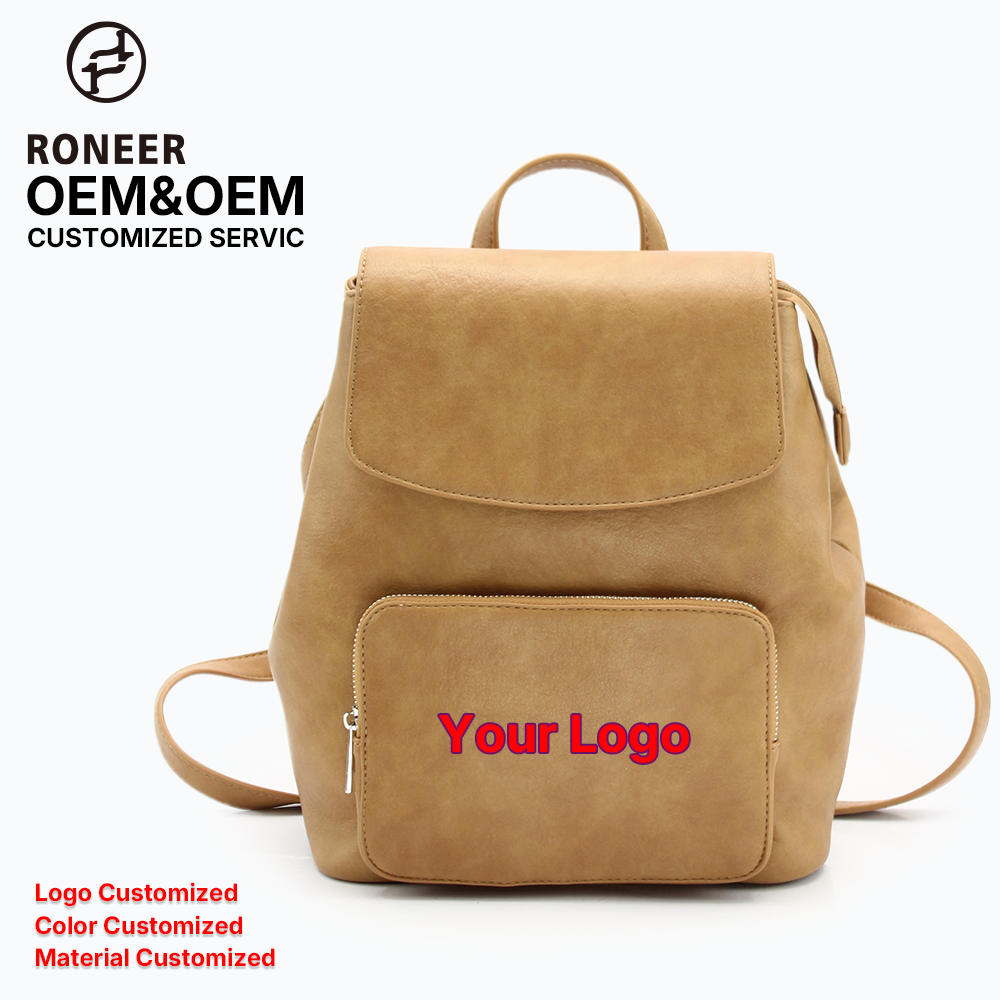
Bazı alıcılar yalnızca basit bir özel logolu yeniden kullanılabilir çantaya ihtiyaç duyar. Diğerleri ise özel yapısı, astarı, cepleri, fermuarlı kapağı, süsleri, etiketleri ve ambalajı ile tamamen geliştirilmiş özel markalı bir ürüne ihtiyaç duyar.
İşte bu noktada OEM ve ODM kabiliyeti önem kazanmaktadır.
OEM üretimi, alıcının net özellikler, resim, boyut, malzeme, logo konumu, paketleme yöntemi ve miktar sağladığı anlamına gelir. Fabrika bu gereksinimlere göre üretim yapar.
ODM üretimi, alıcının bir konsepte, referans görüntüye veya ürün yönüne sahip olduğu ve fabrikanın çanta yapısını, malzeme önerisini, numune ayarını ve üretim çözümünü geliştirmeye yardımcı olduğu anlamına gelir.
Projenize hangi modelin uygun olduğundan emin değilseniz, RONEER'in OEM ve ODM çanta üretimi bu iki özelleştirme modelinin nasıl çalıştığını açıklamaktadır. Kılavuzda örnek olarak sırt çantası üretimi kullanılsa da, aynı mantık sürdürülebilir bez çantalar, RPET sırt çantaları, geri dönüştürülmüş alışveriş çantaları ve özel etiketli özel çantalar için de geçerlidir.
Güçlü bir sürdürülebi̇li̇r çanta üreti̇ci̇si̇ hem OEM hem de ODM ihtiyaçlarını desteklemelidir. Bu, alıcılara yeni ürünler geliştirirken veya mevcut tasarımları geri dönüştürülmüş veya yeniden kullanılabilir malzemeler için ayarlarken daha fazla esneklik sağlar.
3. Malzeme ve Özelleştirme Seviyesine Göre Adedi Sorunuz
MOQ, denizaşırı alıcılar için en önemli sorulardan biridir. Düşük bir MOQ sürdürülebilir çanta üreticisi, yeni başlayan markaların, e-ticaret satıcılarının ve kurumsal alıcıların daha büyük siparişler vermeden önce pazarı test etmelerine yardımcı olabilir.
Ancak, MOQ çeşitli faktörlere bağlıdır:
Malzeme mevcudiyeti
Kumaş rengi
Kumaşın stok veya özel sipariş olup olmadığı
Logo yöntemi
Çanta yapısı
Aksesuarlar ve süslemeler
Paketleme gereksinimleri
Üretim programı
Baskı kurulum maliyeti
Sertifika belgelerinin gerekli olup olmadığı
Örneğin, tek renkli logo baskısına sahip basit bir RPET alışveriş çantası, birden fazla bölme, özel astar, dokuma etiketler ve perakende ambalajı olan tamamen özelleştirilmiş geri dönüştürülmüş bir sırt çantasından daha düşük bir MOQ'u destekleyebilir.
Envanter riskini kontrol etmek isteyen alıcılar, MOQ'un toplam maliyeti nasıl etkilediğini anlamalıdır. RONEER'in nasıl yapılacağına dair kılavuzu Özel çanta MOQ ve maliyetlerini optimize edin alıcıların sürdürülebilir bir torba projesine başlamadan önce malzeme seçimi, sipariş planlama, numune alma ve maliyet kontrolü konularında düşünmelerine yardımcı olabilir.
Bir profesyonel sürdürülebi̇li̇r çanta üreti̇ci̇si̇ MOQ'u net bir şekilde açıklamalı ve stok kumaş, standart renkler, basitleştirilmiş logo yöntemleri ve aşamalı üretim planlaması gibi pratik çözümler önermelidir.
4. Numune Alma Hızını ve Numune Doğruluğunu Değerlendirin
Hızlı numune alma önemlidir, ancak numune doğruluğu daha önemlidir. Sürdürülebilir çanta projeleri genellikle yeni malzemeler, geri dönüştürülmüş kumaşlar, özel dokular veya markaya özgü konumlandırma içerir. Alıcılar numuneyi dikkatlice kontrol etmeden toplu üretimi onaylamamalıdır.
Standart bir örnekleme süreci şunları içermelidir:
Ürün gereksinim onayı
Malzeme seçimi
Logo resmi onayı
Boyut ve yapı onayı
Örnek üretim
Örnek inceleme
Alıcı geri bildirimi
Gerekirse örnek revizyon
Üretim öncesi numune onayı
Sürdürülebilir çantalar için numune, kumaş hissi, dikiş kalitesi, renk, logo netliği, sap mukavemeti, cep düzeni, astar, etiket konumu ve paketleme yöntemi açısından kontrol edilmelidir.
Güvenilir bir sürdürülebi̇li̇r çanta üreti̇ci̇si̇ onaylı numuneyi üretim referansı olarak kullanmalıdır. Bu, toplu üretim sırasında varyasyonu azaltmaya yardımcı olur ve alıcılara daha büyük miktarlar için taahhütte bulunmadan önce daha fazla kontrol sağlar.
5. Logo Baskı Yöntemini Malzeme ile Eşleştirin
Logo uygulaması, özel sürdürülebilir çantalarda önemli bir rol oynar. Yeniden kullanılabilir bir çanta iyi bir malzemeye sahip olabilir, ancak kötü logo baskısı marka değerini düşürebilir.
Yaygın logo yöntemleri şunlardır:
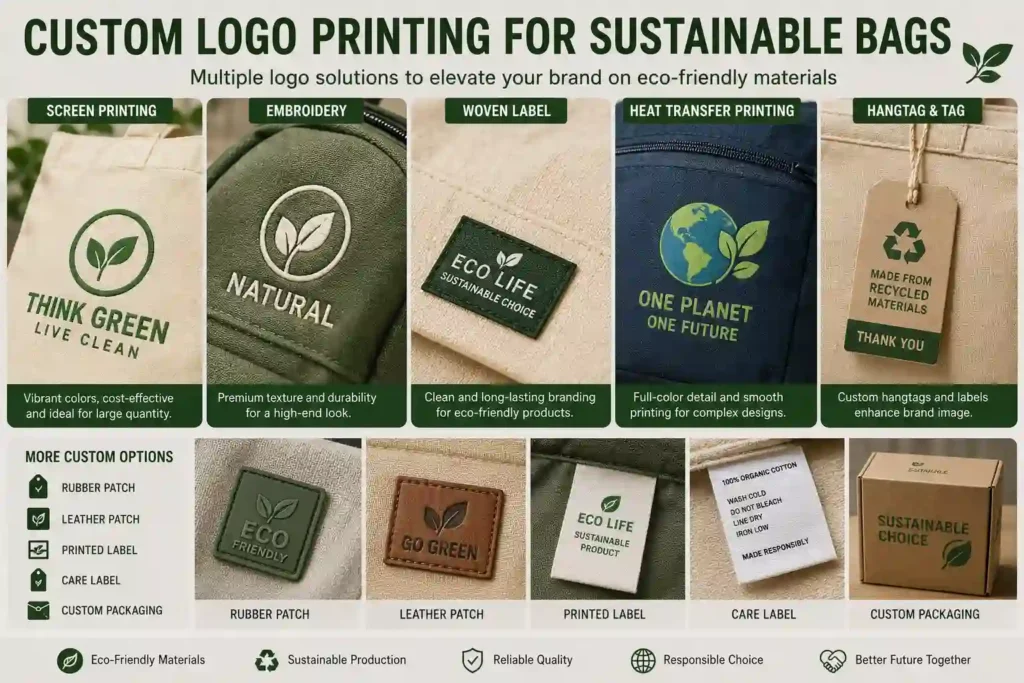
Serigrafi baskı
Isı transfer baskı
Dijital baskı
Nakış
Dokuma etiket
Baskılı etiket
Kauçuk yama
Deri yama
Hangtag
Özel paketleme
En iyi yöntem malzeme türüne, sanat eseri karmaşıklığına, miktara, bütçeye ve marka konumlandırmasına bağlıdır. Örneğin, serigrafi baskı pamuk ve kanvas bez çantalar için yaygındır. Isı transfer baskı daha ayrıntılı grafikler için işe yarayabilir. Nakış birinci sınıf bir görünüm katabilir, ancak çok ince kumaşlar veya çok ayrıntılı resimler için uygun olmayabilir. Dokuma etiketler ve yamalar genellikle özel etiketli çantalar için kullanılır.
İyi bir sürdürülebi̇li̇r çanta üreti̇ci̇si̇ hem markalaşma hem de üretim fizibilitesine dayalı olarak doğru logo yöntemini önermelidir. Alıcılar, toplu üretimden önce logo boyutunu, rengini, yerleşimini, dayanıklılığını ve numune sonucunu onaylamalıdır.
6. Dökme Sürdürülebilir Torba Üretimi için Kalite Kontrolünü Gözden Geçirin
Alıcılar bu ürünleri genellikle marka kampanyaları, perakende satışlar, kurumsal hediyeler veya uzun vadeli ürün serileri için kullandığından, sürdürülebilir çanta siparişlerinde kalite kontrolü kritik önem taşır. Bir kalite sorunu yalnızca ürüne değil, markanın sorumlu kaynak kullanımı mesajına da zarar verebilir.
Pratik bir kalite kontrol süreci şunları içermelidir:
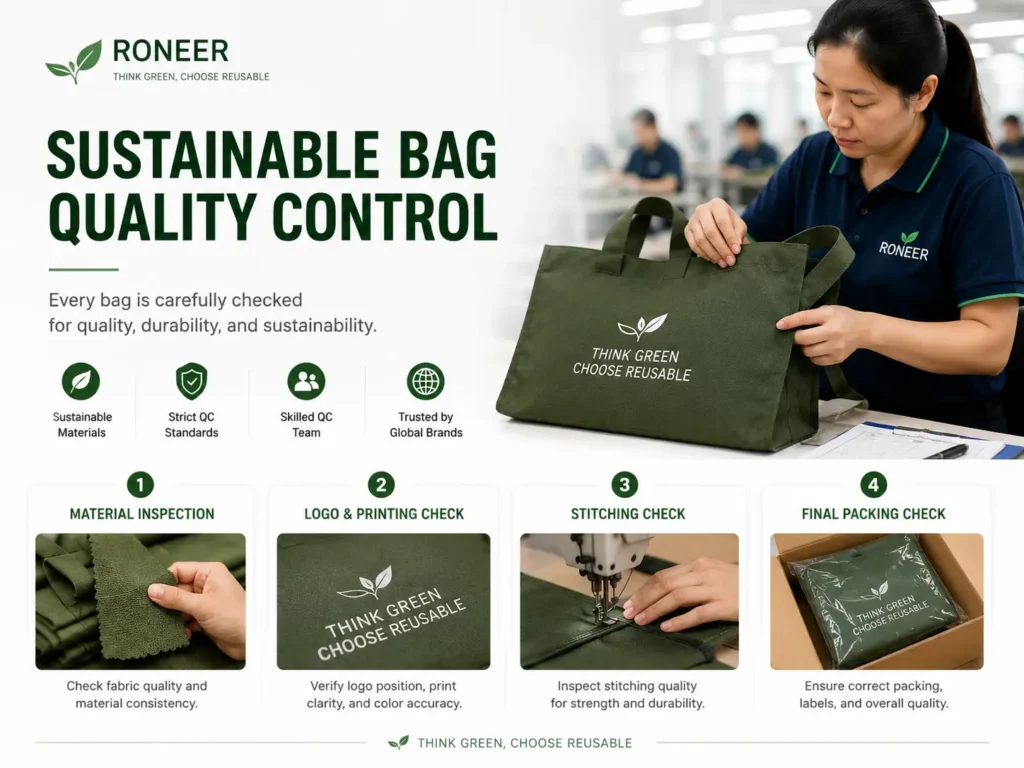
Malzeme kontrolü
Kesim boyutu kontrolü
Logo baskı denetimi
Dikiş denetimi
Tutamak gücü kontrolü
Dikiş tutarlılığı kontrolü
Inline üretim denetimi
Son rastgele denetim
Ambalaj denetimi
Karton ve nakliye işareti kontrolü
Sürdürülebilir torbalar için fabrika ayrıca malzeme tutarlılığını, renk çeşitliliğini, kumaş kusurlarını, logo yapışmasını, dikiş mukavemetini ve paketleme doğruluğunu kontrol etmelidir.
Alıcılar aşağıdakilerin olup olmadığını sormalıdır sürdürülebi̇li̇r çanta üreti̇ci̇si̇ onaylı numuneleri, üretim sayfalarını, denetim standartlarını ve son paketleme kontrollerini kullanır. Tekrarlanan siparişlerde fabrika, üretim partileri arasında tutarlılığı korumak için ürün spesifikasyonlarını saklamalıdır.
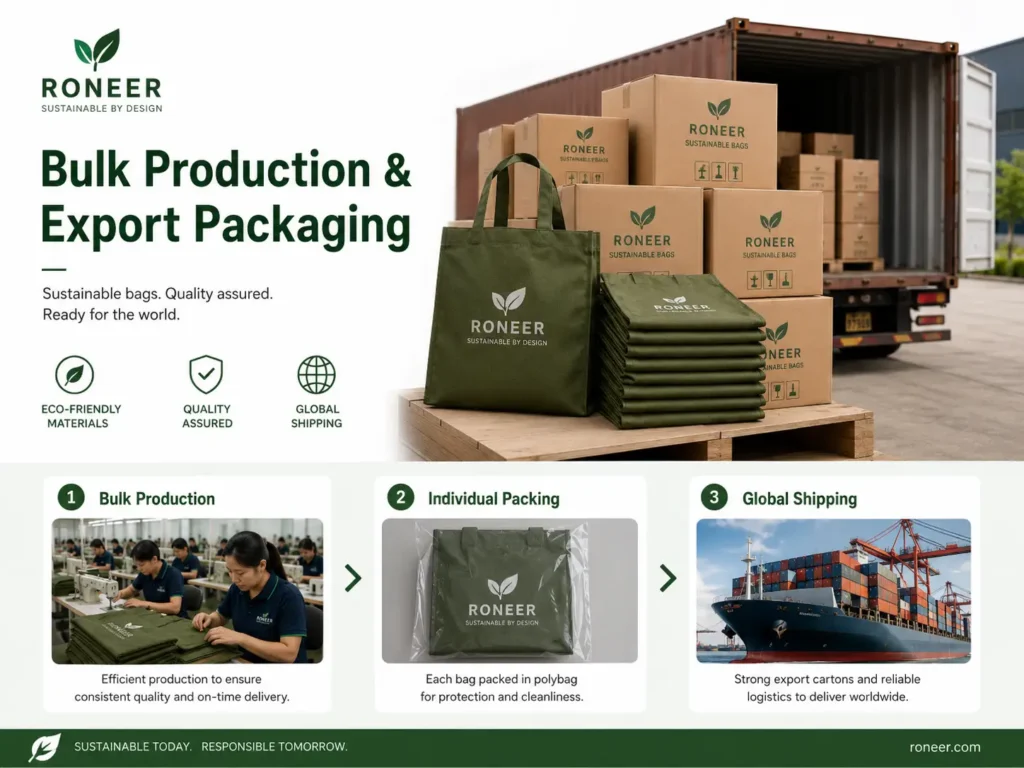
7. İhracat Ambalajını, Nakliyesini ve Belgelerini Onaylayın
İhracat deneyimi özellikle denizaşırı alıcılar için önemlidir. Çanta kalitesi kabul edilebilir olsa bile, zayıf paketleme veya zayıf sevkiyat koordinasyonu üretim sonrasında sorun yaratabilir.
Alıcılar onaylamalıdır:
Bireysel çoklu torba veya toplu paketleme
Geri dönüştürülmüş veya azaltılmış ambalaj seçenekleri
Karton boyutu ve ağırlığı
Karton işaretleri
SKU ayırma
Barkod etiketleri
Hangtags
Perakende ambalajlama
Nakliye yöntemi
Belge dışa aktarma desteği
Teslimat programı
E-ticaret markaları için SKU doğruluğu ve barkod etiketleme önemli olabilir. Toptan alıcılar için karton tutarlılığı ve verimli toplu paketleme önemlidir. Kurumsal alıcılar için teslimat zamanlaması ticari fuarlar, kampanyalar veya etkinlik tarihleriyle bağlantılı olabilir.
A sürdürülebi̇li̇r çanta üreti̇ci̇si̇ ihracat deneyimine sahip olması, alıcıların paketleme karmaşasından, sevkiyat gecikmelerinden ve depo teslim alma sorunlarından kaçınmasına yardımcı olabilir.
Farklı Alıcılar Sürdürülebilir Bir Çanta Fabrikası ile Nasıl Çalışmalı?
E-Ticaret Markaları
E-ticaret markalarının hızlı ürün testine, esnek sipariş planlamasına ve rekabetçi bir pazarda öne çıkabilecek tasarımlara ihtiyacı vardır. Ana riskleri, hangi ürünün satacağını bilmeden envantere çok fazla yatırım yapmaktır.
Bu alıcı türü için bir sürdürülebi̇li̇r çanta üreti̇ci̇si̇ hızlı örneklemeyi, düşük MOQ seçeneklerini, çoklu malzeme seçeneklerini ve tekrarlı üretimi desteklemelidir. RPET bez çantalar, geri dönüştürülmüş sırt çantaları ve yeniden kullanılabilir alışveriş torbaları, e-ticaret markalarının envanter riskini kontrol altında tutarken ürün farklılaştırması yaratmasına yardımcı olabilir.
Toptan Alıcılar
Toptan alıcılar istikrarlı kaliteye, rekabetçi fiyatlandırmaya ve tekrarlanan sipariş tutarlılığına ihtiyaç duyar. Genellikle perakendecilere, distribütörlere veya promosyon ürünü müşterilerine tedarik sağlarlar.
Uygun bir sürdürülebi̇li̇r çanta üreti̇ci̇si̇ toplu üretim desteği, sıkı kalite kontrol, malzeme tutarlılığı ve güvenilir yeniden sipariş belgeleri sağlamalıdır. Toptan alıcılar sadece en düşük fiyatı seçmek yerine üretim istikrarına öncelik vermelidir.
Startup Markalar
Yeni kurulan markalar genellikle sınırlı bütçelere ve belirsiz pazar talebine sahiptir. Sürdürülebilir ürünler istiyor olabilirler ancak hangi malzemelerin, logo yöntemlerinin veya MOQ seviyelerinin gerçekçi olduğunu bilmiyor olabilirler.
Yeni başlayanlar için düşük MOQ'lu sürdürülebilir çantalar, daha büyük üretime geçmeden önce pazar testlerini destekleyebilir. Pratik bir fabrika uygun maliyetli malzeme seçenekleri, basit ama profesyonel logo yöntemleri ve gerçekçi ambalaj çözümleri önermelidir.
Kurumsal Alıcılar
Kurumsal alıcılar genellikle etkinlikler, çalışan hediyeleri, sergiler, konferanslar, marka kampanyaları veya promosyon ürünleri için sürdürülebilir çantalara ihtiyaç duyar. Başlıca endişeleri teslimat süresi, logo doğruluğu, paketleme ve marka sunumudur.
Bir profesyonel sürdürülebi̇li̇r çanta üreti̇ci̇si̇ kurumsal alıcıların sanat eseri onayını, üretim programını, paketleme ayrıntılarını ve küresel sevkiyat hazırlığını daha verimli bir şekilde planlamasına yardımcı olabilir.
Moda Markaları
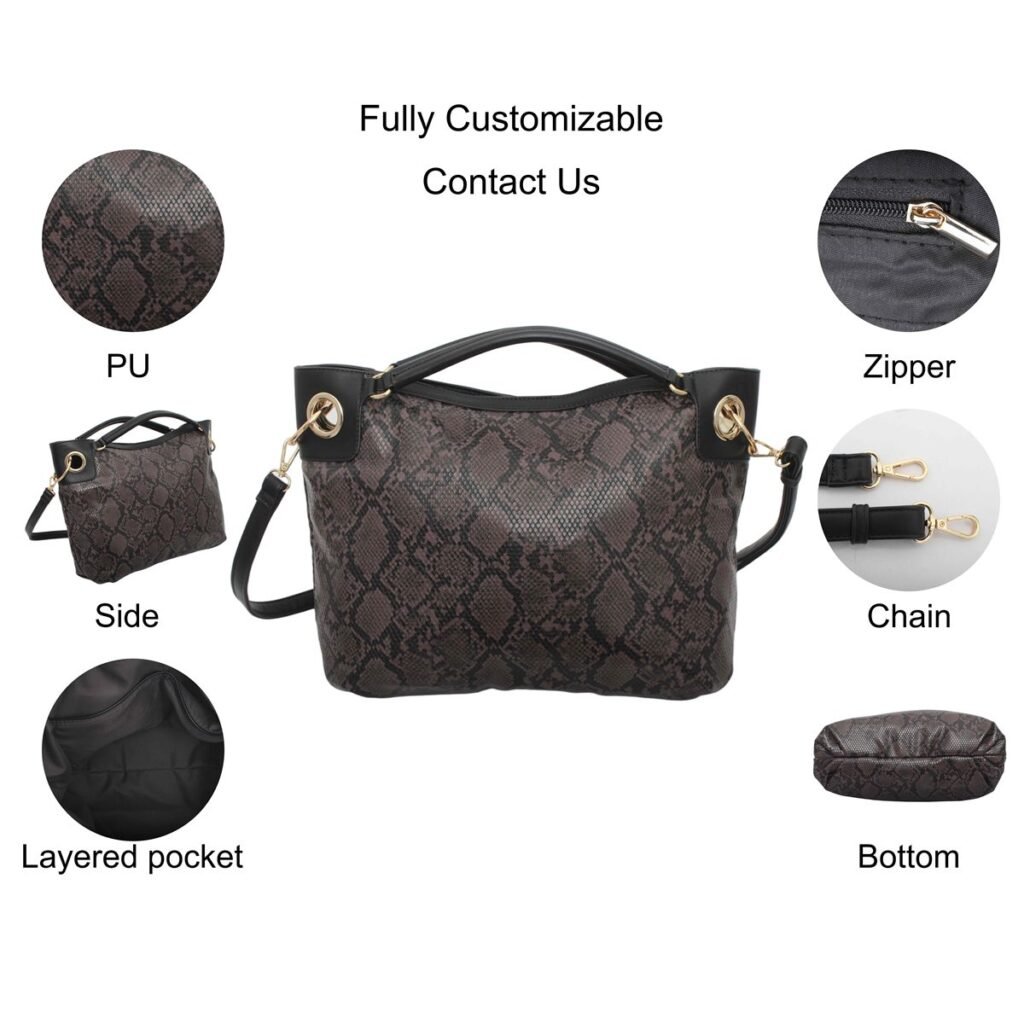
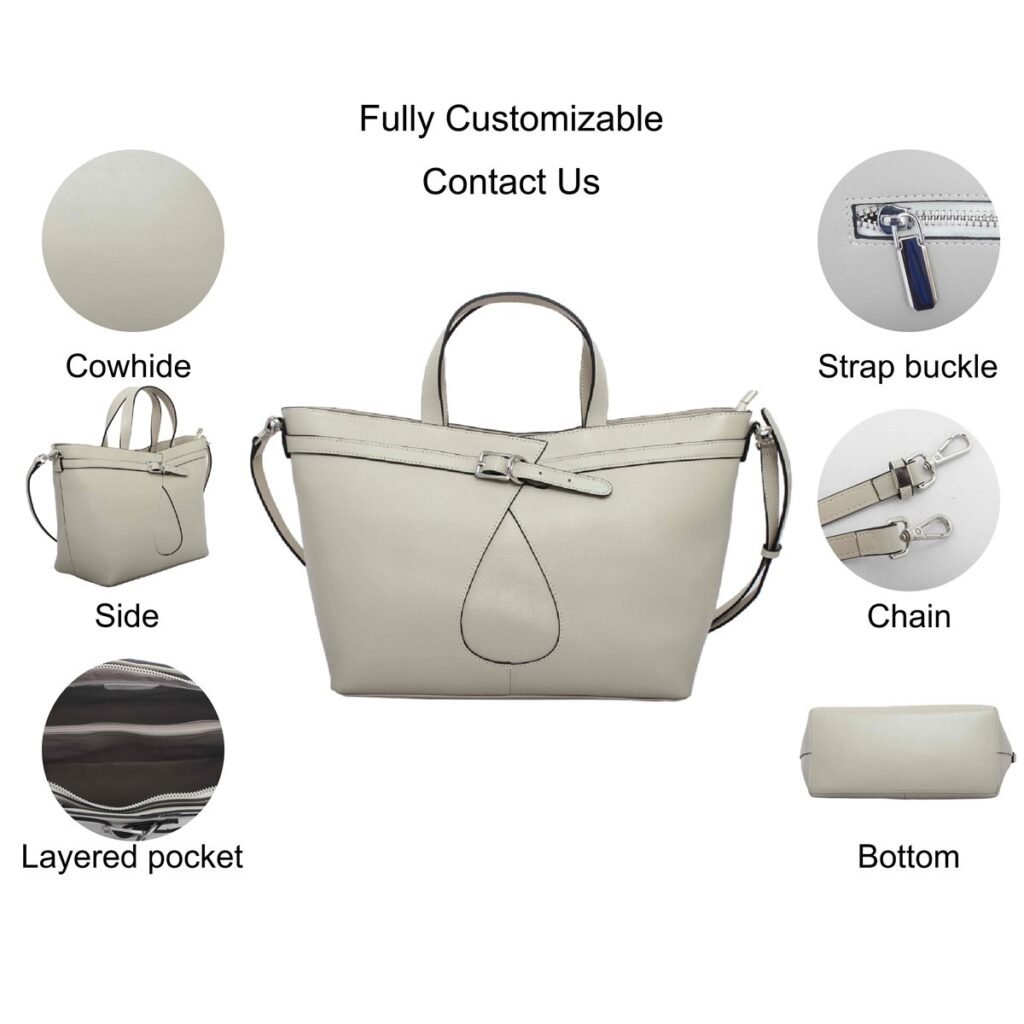
Moda markaları malzeme dokusuna, yapısına, mevsimsel rengine, özel etiket detaylarına ve perakende sunumuna önem verir. Sürdürülebilir moda çantaları geri dönüştürülmüş kumaş, özel astar, fermuar kapatma, özel dikiş, nakış, dokuma etiketler ve markalı ambalaj gerektirebilir.
Bu projeler için ODM desteği değerlidir. Fabrika, markanın görsel kimliğini kaybetmeden tasarım yönünün üretilebilir ürünlere dönüştürülmesine yardımcı olmalıdır.
Sürdürülebilir Çanta Üreticisinin Destekleyebileceği Ürün Kategorileri
A sürdürülebi̇li̇r çanta üreti̇ci̇si̇ malzeme mevcudiyetine ve üretim kapasitesine bağlı olarak birçok özel torba kategorisini destekleyebilir.
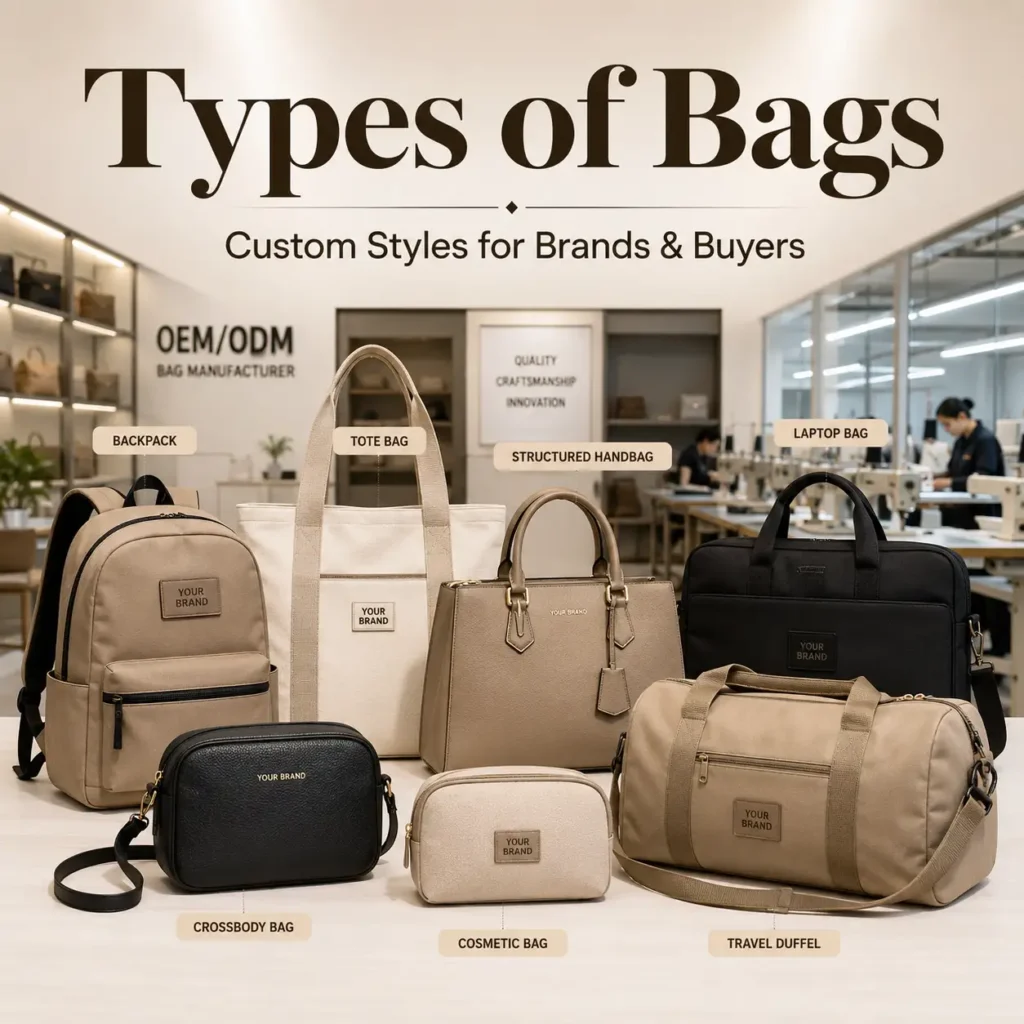
Yaygın ürün kategorileri şunlardır:
RPET bez çantalar
Organik pamuklu bez çantalar
Geri dönüştürülmüş pamuklu alışveriş torbaları
Yeniden kullanılabilir market poşetleri
Sürdürülebilir sırt çantaları
Çevre dostu ipli çantalar
Geri dönüştürülmüş polyester seyahat çantaları
Promosyon dokumasız çantalar
Özel markalı moda çantalar
Özel logolu yeniden kullanılabilir çantalar
Kurumsal hediye çantaları
Perakende ambalaj poşetleri
Yeniden kullanılabilir alışveriş poşetlerinin ötesine geçmek isteyen markalar için özel sırt çantası üreticisi tutarlı marka ve üretim standartlarına sahip geri dönüştürülmüş sırt çantaları, okul çantaları, dizüstü bilgisayar sırt çantaları ve günlük kullanım çantaları geliştirmeye yardımcı olabilir.
Ürün daha güçlü dayanıklılık, dış mekan yapısı, suya dayanıklı kumaş, güçlendirilmiş dikiş veya işlevsel bölmeler gerektiriyorsa, RONEER'in özel diş mekan çanta çözümleri̇ performans odaklı özel çanta geliştirme için bir referans olarak da kullanılabilir.
Fiyat Teklifi İstemeden Önce Hazırlanması Gerekenler
Bir şirketten doğru bir fiyat teklifi almak için sürdürülebi̇li̇r çanta üreti̇ci̇si̇, alıcılar mümkün olduğunca çok proje bilgisi hazırlamalıdır.
Yararlı ayrıntılar şunları içerir:
Çanta tipi
Hedef kullanım
Boyut
Malzeme tercihi
Biliniyorsa kumaş ağırlığı
Miktar
Logo çizimi
Logo yöntemi tercihi
Renk gereksinimi
Sap veya kayış tasarımı
Cep yapısı
Astar gereksinimi
Etiket ve askı etiketi ihtiyaçları
Paketleme yöntemi
Hedef ülke
Beklenen teslimat süresi
Varsa hedef fiyat
Gerekirse sertifika veya belge gereksinimleri
Bazı ayrıntılar teyit edilmemişse, fabrika pratik öneriler sunmalıdır. Bir profesyonel sürdürülebi̇li̇r çanta üreti̇ci̇si̇ alıcıların sürdürülebilirlik hedefleri, ürün kalitesi, fiyat, MOQ ve teslim süresi arasında denge kurmasına yardımcı olmalıdır.
Doğrudan Fabrika Üretimi Neden Önemlidir?
Doğrudan bir fabrika ile çalışmak iletişimi geliştirebilir, yanlış anlaşılmaları azaltabilir ve özel geliştirmeyi daha verimli hale getirebilir. Sürdürülebilir çanta projeleri için bu özellikle önemlidir çünkü malzeme seçimi, logo yöntemi, MOQ, numune onayı ve dokümantasyonun tümü nihai ürünü etkiler.
Bir ticaret şirketi ürün seçenekleri sunabilir, ancak doğrudan bir fabrika sürdürülebilir çanta üreticisi genellikle üretim fizibilitesi, malzeme teslim süresi, maliyet yapısı, kalite kontrol süreci ve toplu üretim planlaması hakkında daha net iletişim kurabilir.
Doğrudan fabrika işbirliği, uzun vadeli alıcıların daha istikrarlı bir tedarik zinciri oluşturmasına da yardımcı olur. Malzeme, desen, logo yöntemi ve ambalaj onaylandıktan sonra, fabrika gelecekteki tekrar siparişler ve ürün yelpazesinin genişletilmesi için üretim kayıtlarını tutabilir.
SSS
Sürdürülebilir bir çanta üreticisi ne yapar?
A sürdürülebi̇li̇r çanta üreti̇ci̇si̇ RPET, geri dönüştürülmüş pamuk, organik pamuk, geri dönüştürülmüş polyester, dokuma olmayan kumaş ve diğer uygun kumaşlar gibi daha düşük etkili veya yeniden kullanılabilir malzeme seçeneklerini kullanarak özel çantalar üretir. Profesyonel bir sürdürülebi̇li̇r çanta üreti̇ci̇si̇ ayrıca OEM / ODM özelleştirme, logo baskısı, örnekleme, özel etiket ayrıntıları, kalite kontrol, toplu üretim ve ihracat ambalajını da destekler.
Sürdürülebilir bir çanta üreticisi hangi malzemeleri sunabilir?
A sürdürülebi̇li̇r çanta üreti̇ci̇si̇ proje gereksinimlerine bağlı olarak genellikle RPET, geri dönüştürülmüş polyester, geri dönüştürülmüş pamuk, organik pamuk, kanvas, dokunmamış kumaş, kraft kağıt benzeri yıkanabilir malzemeler ve diğer yeniden kullanılabilir kumaş seçenekleri sunabilir. En iyi malzeme ürün kullanımına, hedef fiyata, dayanıklılık ihtiyaçlarına, logo yöntemine ve miktara bağlıdır.
Sürdürülebilir çantalar için MOQ nedir?
MOQ malzeme mevcudiyetine, renge, logo yöntemine, yapıya, aksesuarlara, ambalaja ve kumaşın stokta olup olmamasına veya özel olarak tedarik edilmesine bağlıdır. Düşük bir MOQ sürdürülebilir çanta üreticisi, alıcılar stok malzemeleri, standart renkler ve basit logo baskısı kullandığında daha küçük deneme siparişlerini destekleyebilir. Tamamen özelleştirilmiş geri dönüştürülmüş kumaş çantalar daha yüksek MOQ gerektirebilir.
Sürdürülebilir torbalar için örnekleme ne kadar sürer?
Numune alma süresi malzeme mevcudiyetine ve tasarımın karmaşıklığına bağlıdır. Basit bir yeniden kullanılabilir bez çanta, özel astarlı, bölmeli, nakışlı ve özel etiketli ambalajlı geri dönüştürülmüş bir sırt çantasından daha hızlı örneklenebilir. Güvenilir bir sürdürülebi̇li̇r çanta üreti̇ci̇si̇ numuneyi yapmadan önce malzemeleri, resmi, boyutu ve yapıyı onaylamalıdır.
Logomu sürdürülebilir çantalara basabilir miyim?
Evet. A sürdürülebi̇li̇r çanta üreti̇ci̇si̇ serigrafi, ısı transfer baskı, dijital baskı, nakış, dokuma etiketler, yamalar, hangtag'ler ve özel ambalajlar gibi logo seçenekleri sağlayabilir. En iyi yöntem malzeme türüne, resim detayına, sipariş miktarına, bütçeye ve marka konumlandırmasına bağlıdır.
Sürdürülebilir bir torba üreticisi özel markalı üretimi destekleyebilir mi?
Evet. Özel etiket desteği dokuma etiketleri, baskılı bakım etiketlerini, iç etiketleri, askı etiketlerini, barkod etiketlerini, markalı ambalajları, SKU sıralamasını ve karton işaretlerini içerebilir. Bu, eksiksiz bir markalı ürün sunumuna ihtiyaç duyan e-ticaret markaları, perakende markaları, moda markaları ve toptan alıcılar için kullanışlıdır.
OEM ve ODM sürdürülebilir çanta üretimi arasındaki fark nedir?
OEM üretimi, alıcının net spesifikasyonlar sağladığı ve fabrikanın bunlara göre üretim yaptığı anlamına gelir. ODM üretimi şu anlama gelir sürdürülebi̇li̇r çanta üreti̇ci̇si̇ bir konsepte, referans görüntüye veya pazar gereksinimine dayalı olarak ürünün geliştirilmesine yardımcı olur. ODM, alıcılar malzeme önerilerine, yapı geliştirmeye veya numune iyileştirmeye ihtiyaç duyduğunda kullanışlıdır.
Sürdürülebilir bir çanta üreticisi kaliteyi nasıl kontrol eder?
Bir profesyonel sürdürülebi̇li̇r çanta üreti̇ci̇si̇ malzeme denetimi, kesim kontrolü, logo denetimi, dikiş denetimi, sap mukavemeti kontrolü, hat içi üretim incelemesi, son denetim ve paketleme denetimi yoluyla kaliteyi kontrol etmelidir. Onaylı numune, toplu üretim için standart olarak kullanılmalıdır.
Sürdürülebilir çantalar kurumsal hediyeler için kullanılabilir mi?
Evet. Sürdürülebilir çantalar kurumsal hediyeler, sergiler, çalışan karşılama kitleri, perakende ambalajları, promosyon kampanyaları, konferanslar ve marka etkinlikleri için uygundur. A sürdürülebi̇li̇r çanta üreti̇ci̇si̇ kurumsal alıcıların logo baskısı, paketleme, teslimat programları ve ihracat hazırlıklarını yönetmelerine yardımcı olabilir.
Sürdürülebilir malzemeler toplu üretimi destekleyebilir mi?
Evet, ancak alıcılar büyük siparişler vermeden önce malzeme mevcudiyetini teyit etmelidir. A sürdürülebi̇li̇r çanta üreti̇ci̇si̇ toplu üretimi onaylamadan önce kumaş stoğunu, tedarik süresini, renk tutarlılığını, üretim programını ve paketleme gereksinimlerini kontrol etmelidir.
Sürdürülebilir poşetler standart poşetlerden daha mı pahalı?
Bazı sürdürülebilir malzemeler, özellikle geri dönüştürülmüş içerik, organik malzeme, özel kumaş tedariki veya dokümantasyon gerekiyorsa, standart malzemelerden daha pahalı olabilir. Bununla birlikte, nihai maliyet çanta boyutuna, yapısına, logo yöntemine, MOQ'a, ambalaja ve nakliyeye de bağlıdır. Pratik bir sürdürülebi̇li̇r çanta üreti̇ci̇si̇ alıcıların maliyet ve marka değeri arasında denge kurmasına yardımcı olabilir.
Sürdürülebilir bir çanta üreticisi küresel nakliyeyi destekliyor mu?
Evet. A sürdürülebi̇li̇r çanta üreti̇ci̇si̇ ihracat deneyimi ile karton ambalaj, nakliye işaretleri, SKU ayrımı, barkod etiketleri, ihracat belgeleri ve sevkiyat koordinasyonunu destekleyebilir. Alıcılar, hedef ülke, sipariş miktarı, son teslimat tarihi ve paketleme gereksinimlerini projenin başında sağlamalıdır.
Sonuç
Doğru seçimi yapmak sürdürülebi̇li̇r çanta üreti̇ci̇si̇ sadece geri dönüştürülmüş kumaş kullanabilen bir tedarikçi bulmakla ilgili değildir. Malzeme seçimi, OEM / ODM özelleştirme, numune geliştirme, düşük MOQ planlama, logo baskısı, kalite kontrol, toplu üretim, ihracat ambalajı ve sorumlu iletişimi anlayan bir fabrika ile çalışmakla ilgilidir.
E-ticaret markaları için esnek bir sürdürülebi̇li̇r çanta üreti̇ci̇si̇ hızlı örnekleme ve küçük parti ürün testlerini destekleyebilir. Toptan alıcılar için doğru fabrika, istikrarlı kalite ve tekrarlanan üretim tutarlılığı sağlar. Yeni kurulan markalar için, düşük MOQ'lu sürdürülebilir çantalar envanter riskini azaltır. Kurumsal alıcılar için yeniden kullanılabilir çantalar etkinlikleri, kampanyaları ve markalı ürünleri destekleyebilir. Moda markaları için sürdürülebilir malzemeler, ürün tasarımının ve özel etiket konumlandırmasının bir parçası haline gelebilir.
Alıcılar bir fabrikayı sadece pazarlama sözlerine göre değil, gerçek üretim kabiliyetine göre değerlendirmelidir. Güvenilir bir sürdürülebi̇li̇r çanta üreti̇ci̇si̇ malzeme seçeneklerini net bir şekilde açıklamalı, desteklenmeyen sertifikasyon iddialarından kaçınmalı, pratik MOQ çözümleri sunmalı, numune doğruluğunu kontrol etmeli, toplu üretim kalitesini yönetmeli ve ihracata hazır ambalaj hazırlamalıdır.
Eğer deneyimli bir sürdürülebi̇li̇r çanta üreti̇ci̇si̇ Esnek OEM / ODM desteği, hızlı örnekleme, düşük MOQ çözümleri, geri dönüştürülmüş malzeme seçenekleri, özel logo baskısı, özel etiket desteği, istikrarlı toplu üretim, sıkı kalite kontrol ve ihracat deneyimi ile RONEER, küresel markalar, toptancılar, perakendeciler, kurumsal alıcılar ve e-ticaret işletmeleri için özelleştirilmiş çanta üretim hizmetleri sunmaktadır.