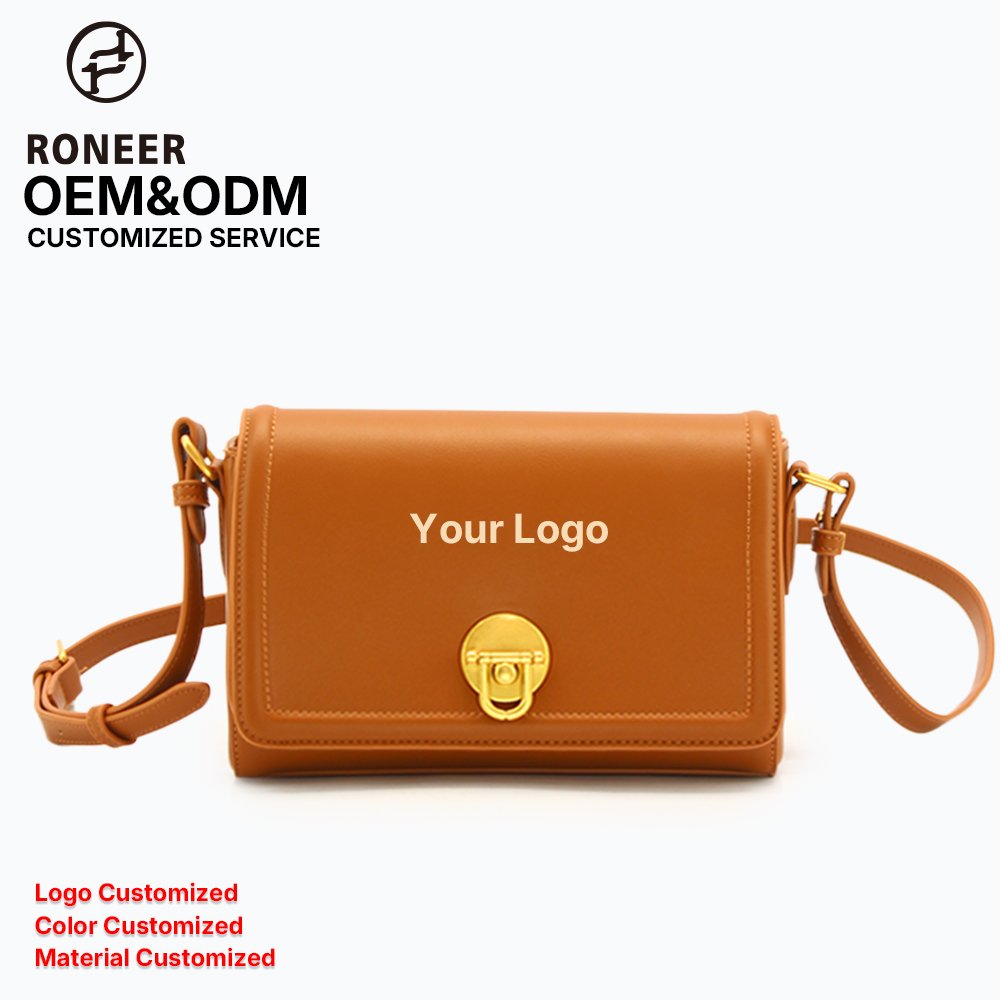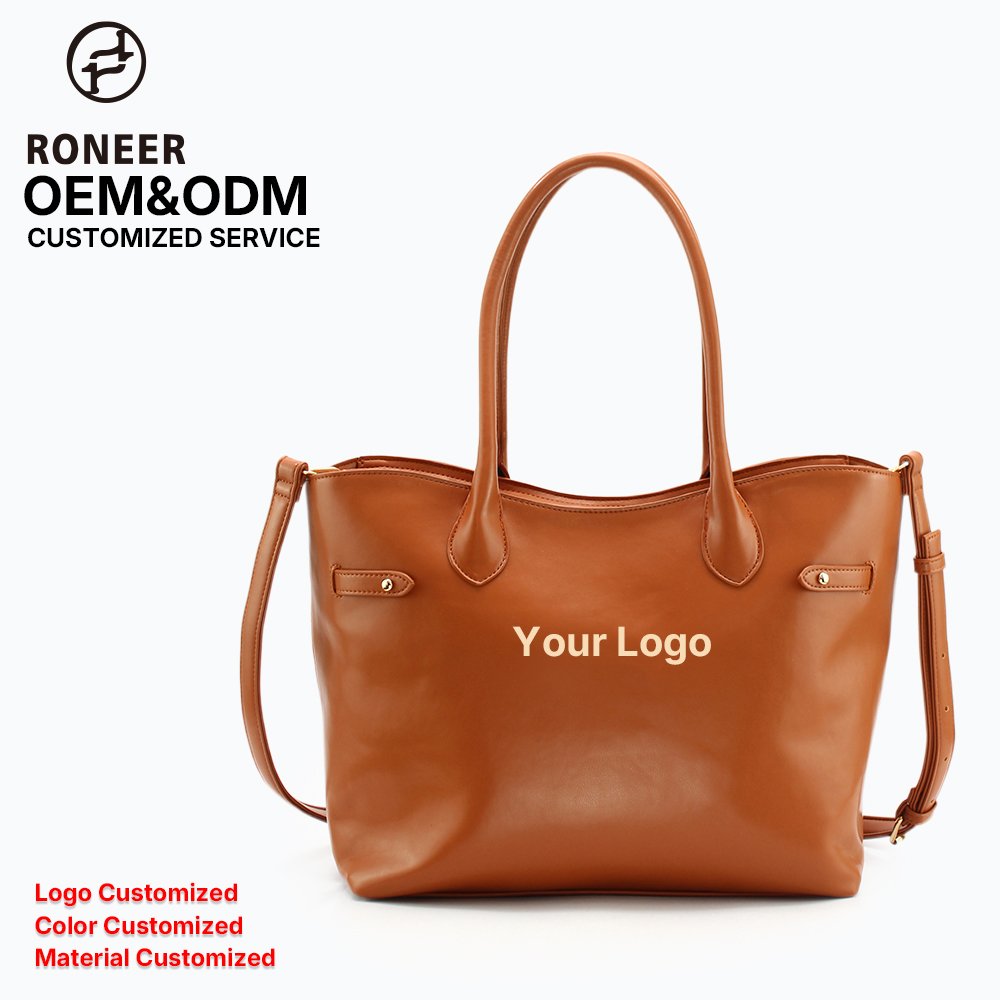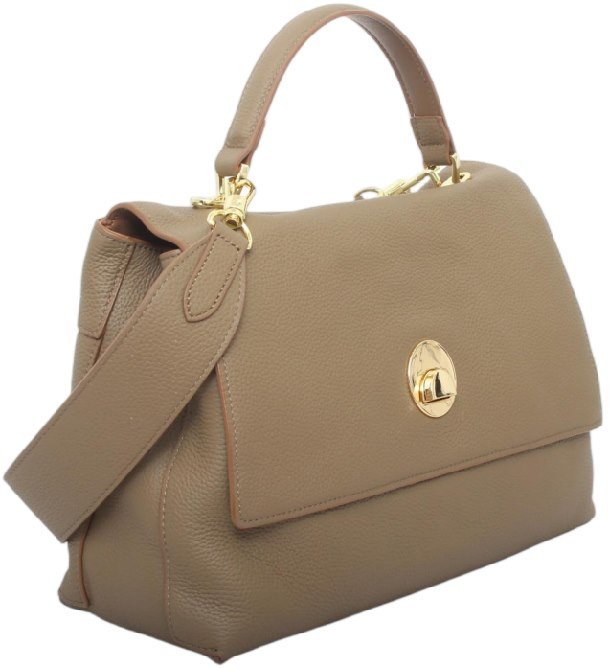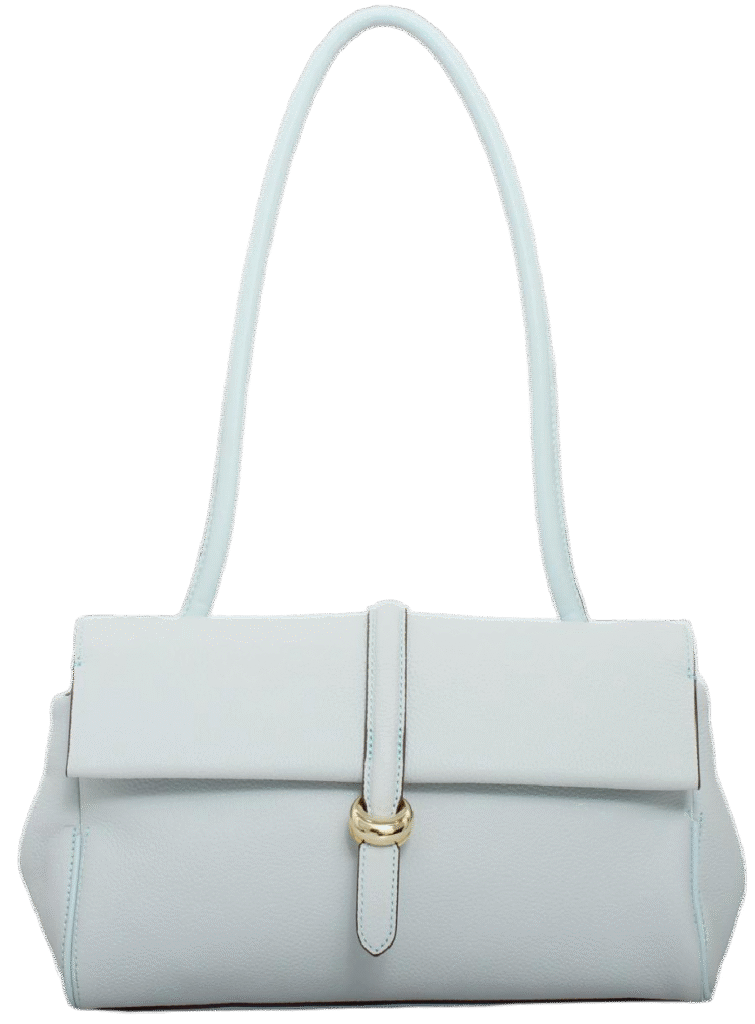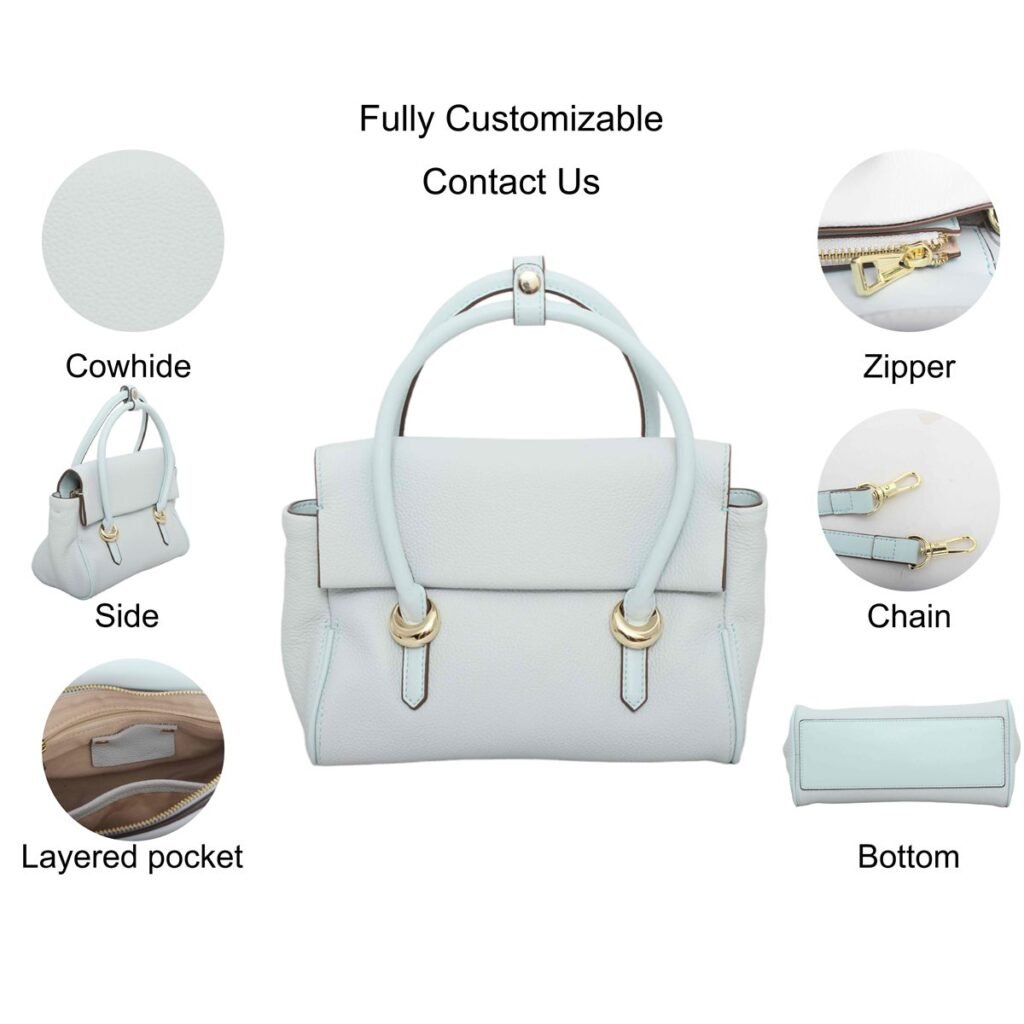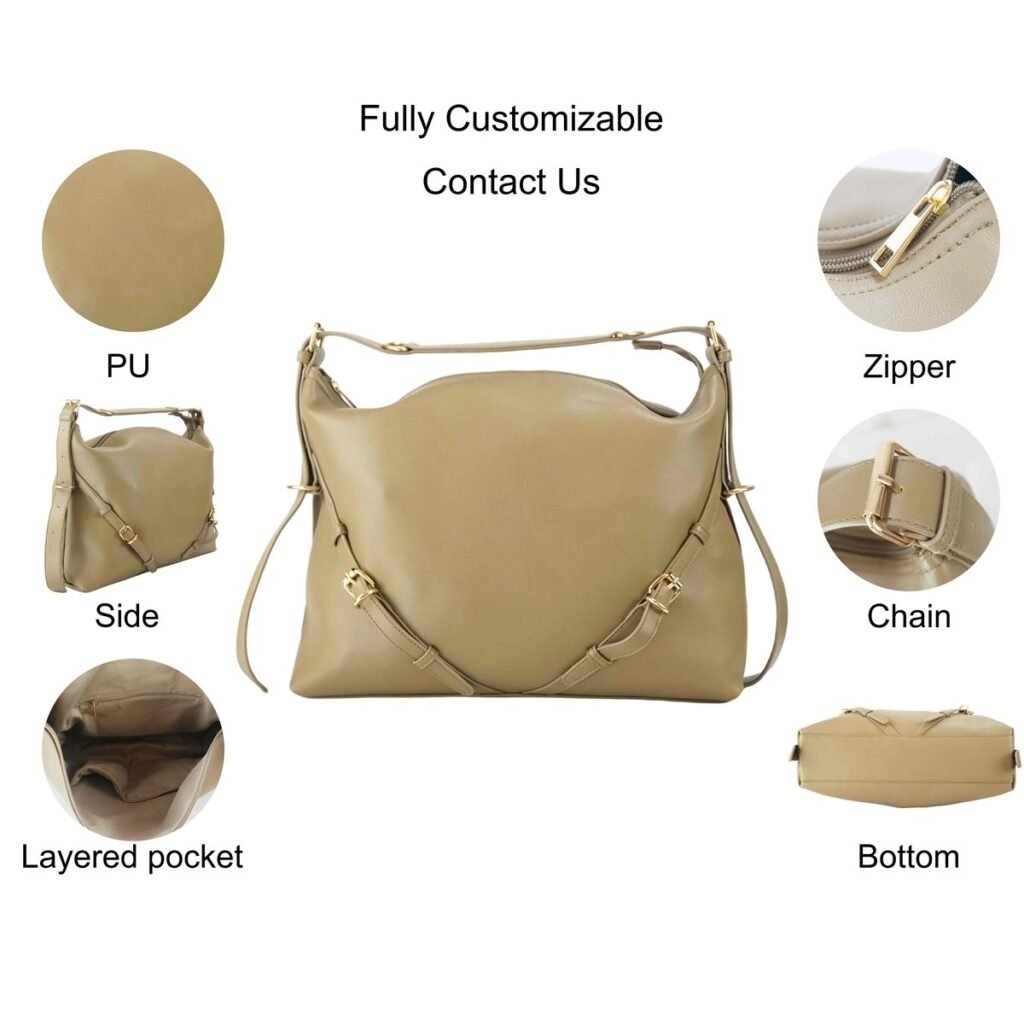









Проект по производству сумок может провалиться задолго до начала производства. Дизайн может выглядеть хорошо на экране, логотип — быть четким, а целевая цена — казаться реалистичной, но если материал выбран неверно, конечный продукт будет выглядеть дешево, терять форму, слишком легко царапаться или не соответствовать рыночной позиции покупателя.
Именно поэтому материалы для изготовления сумок на заказ Ни в коем случае не следует выбирать материал, ориентируясь только на фотографию. Материал, который хорошо подходит для холщовой сумки, может оказаться неподходящим для сумки с жесткой конструкцией. Мягкий полиуретан может выглядеть привлекательно на небольшом мешочке, но не подойдет для большой сумки, которая должна сохранять форму. Легкий нейлон может снизить стоимость, но он может не обеспечить достаточную прочность для дорожной сумки. Для покупателей в сегменте B2B выбор материала влияет практически на все: минимальный объем заказа, сроки изготовления образца, себестоимость единицы продукции, метод нанесения логотипа, долговечность, упаковку, объем отгрузки и отзывы клиентов.
При производстве сумок по схеме OEM/ODM лучший материал — это не всегда самый дорогой. Лучший материал — это тот, который соответствует категории сумки, целевому рынку, розничной цене, функциональным требованиям и производственному плану. Если вы разрабатываете новую коллекцию под собственной торговой маркой, Услуги по изготовлению сумок на заказ от RONEER можем обеспечить поиск поставщиков материалов, разработку образцов, адаптацию логотипов, планирование с минимальным объемом заказа, а также серийное производство различных видов сумок.
Что такое материалы для изготовления сумок на заказ?
Под «материалами для изготовления сумок» понимаются ткани, кожа, синтетические материалы, подкладки, покрытия, отделочные элементы и усилительные детали, подбираемые для сумки с учетом её назначения, внешнего вида, ценовой категории, минимального объема заказа и позиционирования бренда.
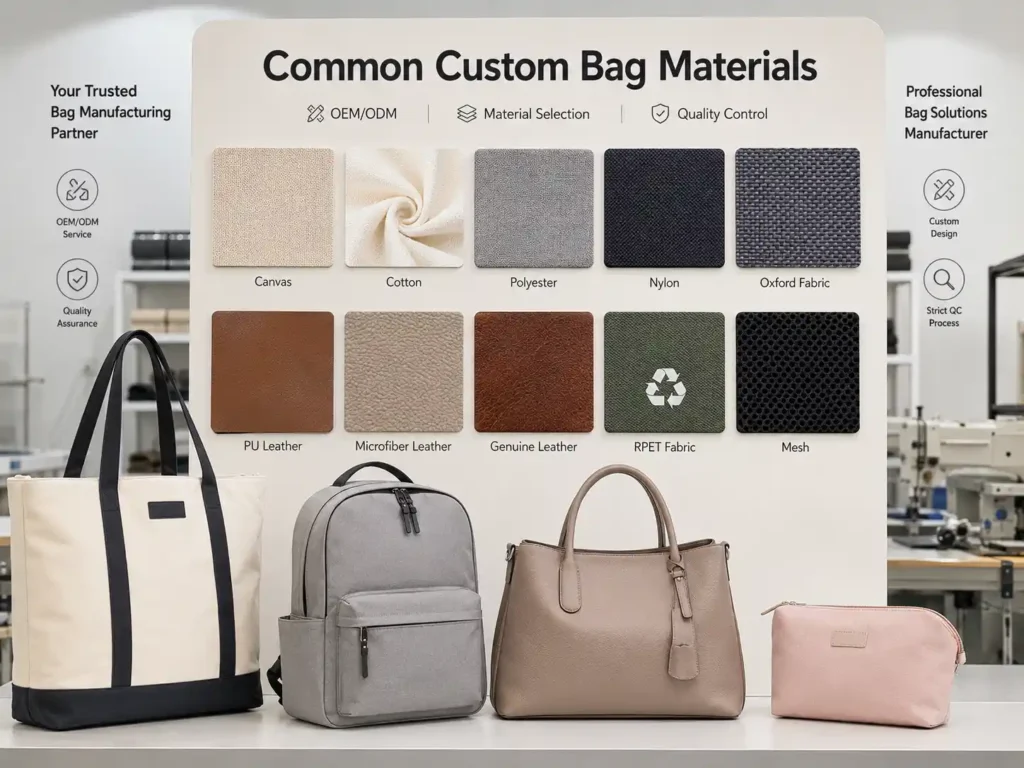
В заводском производстве, материалы для изготовления сумок на заказ в том числе брезент, хлопок, полиэстер, нейлон, ткань «оксфорд», искусственная кожа, микрофибра, натуральная кожа, ткань RPET, сетка, ПВХ, ТПУ, джут, нетканый материал, материалы, имитирующие замшу, подкладочные ткани, поролоновая набивка, лямки, окантовочная лента и усилительные вставки.
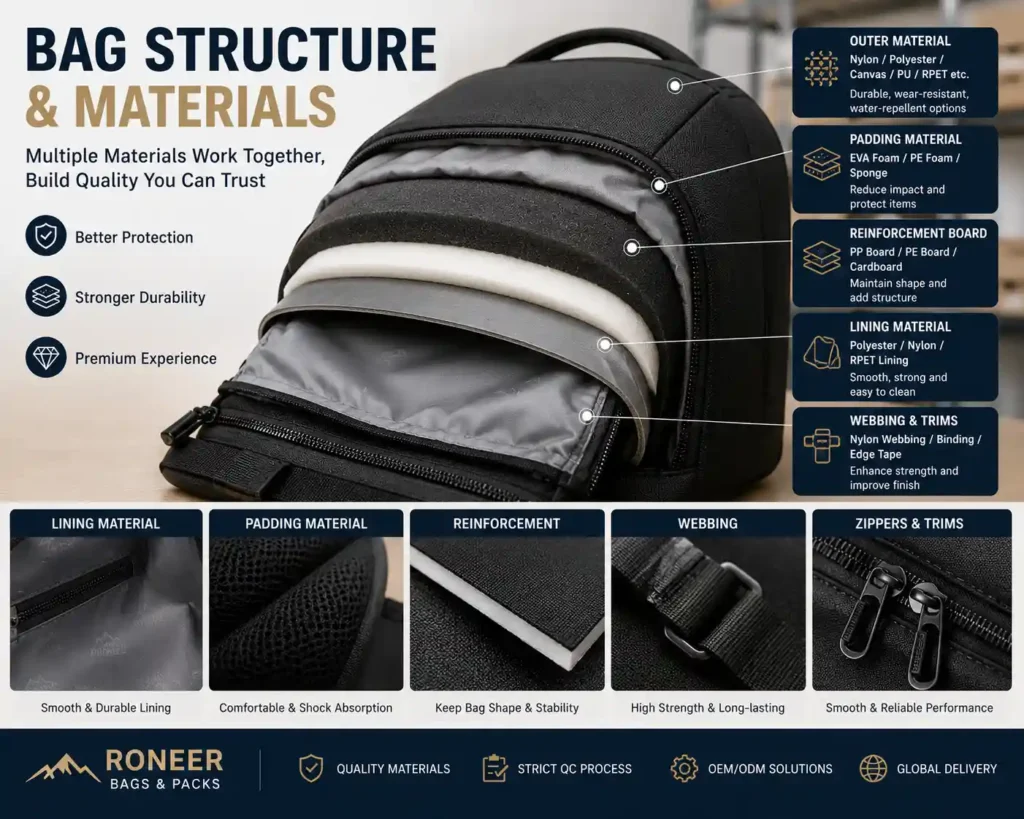
Для покупателей главное — понимать, что выбор материала — это не однократное решение. В готовой сумке часто используется сразу несколько видов материалов:
Материал внешней оболочки
Материал подкладки
Прокладка или набивка
Лента
Клейкая лента
Лента-молния
Усиление ручки
Нижняя опора
Материал нашивки с логотипом
Отделка корпуса
Упаковочные материалы
Например, при изготовлении рюкзака в качестве внешнего материала может использоваться полиэстер или нейлон, для задней панели — пенопластовая прокладка, для вентилируемых участков — сетка, для ремней — лямки, для логотипов — искусственная кожа, а внутри — полиэстеровая подкладка. В сумочке в качестве поверхности может использоваться искусственная кожа или микрофибра, внутри — подкладка из полиэстера, краска для обработки краев, металлическая фурнитура и укрепляющий материал для сохранения формы.
Вот почему материалы для изготовления сумок на заказ должно утверждаться одновременно со структурой, логотипом, фурнитурой, подкладкой и упаковкой, а не в качестве отдельного решения.
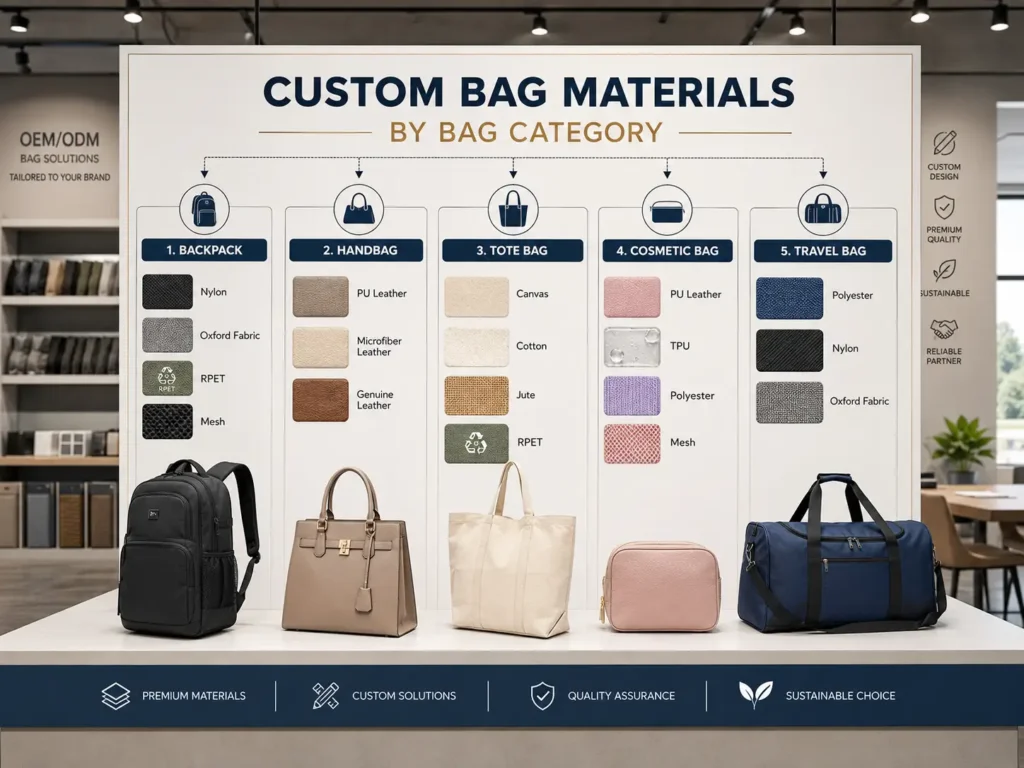
1. Начните с категории сумок, а не с названия материала
Многие покупатели вначале запрашивают “нейлон”, “холст” или “искусственную кожу”. Это звучит конкретно, но этого недостаточно. Материалы с одинаковым названием могут различаться по толщине, покрытию, тактильным ощущениям, плотности, структуре основы и уровню износостойкости.
Лучше всего начать с раздела «Сумки».
Рюкзаки, как правило, должны отличаться прочностью, устойчивостью к разрывам, удобными лямками, надежными молниями и качественной подкладкой. Чаще всего для их изготовления используют полиэстер, нейлон, ткань «оксфорд», RPET, ткань с покрытием и сетку.
Сумки должны отличаться привлекательным внешним видом, четкой формой, высоким качеством пошива, аккуратной обработкой краев и подходящей фурнитурой. Чаще всего используются искусственная кожа, микрофибра, натуральная кожа, замшеподобные материалы, тканые материалы и жесткие текстильные материалы.
Материалы для изготовления сумок-тоут могут быть самыми разными. В зависимости от того, предназначена ли сумочка для розничной торговли, рекламных целей, модной индустрии или корпоративного использования, в качестве материала могут подойти холст, хлопок, полиэстер, RPET, нейлон, джут, искусственная кожа и ламинированные материалы.
Косметички должны быть простыми в уходе, компактными, иметь привлекательный дизайн и, зачастую, водоотталкивающий или легко очищаемый внутренний материал. Чаще всего для их изготовления используют искусственную кожу, ПВХ, ТПУ, нейлон, полиэстер, сатин, сетку и ткани с принтом.
Дорожные сумки должны обладать высокой прочностью, устойчивостью к истиранию, иметь усиленные ручки и обеспечивать компактность при упаковке. Часто используются такие материалы, как нейлон, полиэстер, ткань «оксфорд», брезент, ткань с полиуретановым покрытием, а также элементы из лямок.
Для покупателей, которые сравнивают конструкции сумок перед выбором материалы для изготовления сумок на заказ, Разработка рюкзаков на заказ и оптовая продажа рюкзаков поможет понять, как ткань, отделения, набивка, молнии и укрепления взаимодействуют друг с другом в процессе реального производства.
2. Соотносите качество материала с целевой ценой
Стоимость материалов может существенно повлиять на итоговую стоимость заказа. Две сумки могут выглядеть одинаково на фотографии, но их себестоимость может значительно различаться в зависимости от плотности ткани, покрытия, подкладки, фурнитуры, укреплений и отделки.
В качестве рекламной продукции начального уровня покупатели могут выбрать нетканый материал, базовый полиэстер, простую парусину или стандартный полиуретан. Эти материалы подходят в тех случаях, когда главными приоритетами являются заметность логотипа и экономия средств.
Для розничных товаров среднего ценового диапазона покупатели могут выбрать изделия из более качественного полотна, ткани «оксфорд», нейлона, искусственной кожи, микрофибры, RPET или смешанных материалов. Такой уровень качества характерно для брендов интернет-магазинов, продавцов под собственными торговыми марками и оптовиков.
При создании коллекций премиум-класса покупатели могут рассмотреть такие материалы, как натуральная кожа, высококачественная микрофибра, специальные тканые материалы, плотная канва, нейлон премиум-класса или текстуры, разработанные по индивидуальному заказу. Эти варианты могут повысить воспринимаемую ценность продукции, но при этом могут увеличить минимальный объем заказа, сроки изготовления образцов и стоимость материалов.
Ошибка заключается не в том, чтобы выбрать более дешевый материал. Ошибка заключается в том, чтобы выбрать материал, который не соответствует ожидаемой розничной цене. Недорогой материал может отлично подойти для сумки для мероприятий. Но он может не подойти для сумки из бутика, которая должна выглядеть превосходно на витрине.
Good материалы для изготовления сумок на заказ planning should balance product value and buyer budget instead of blindly pushing the most expensive option.
3. Сравнение популярных вариантов материалов
Different materials solve different product problems.
Canvas and Cotton
Canvas and cotton are often used for tote bags, casual bags, shopping bags, promotional bags, and lifestyle products. They offer a natural look, good printability, and strong compatibility with screen printing, embroidery, woven labels, and patches.
Canvas can feel more durable and structured than plain cotton. It is suitable for brands that want a casual, eco-style, or retail-friendly look. However, buyers should confirm fabric weight, shrinkage, color fastness, and whether the product needs lining or coating.
Полиэстер
Polyester is widely used because it is cost-effective, stable, and suitable for many bag types. It can be used for backpacks, travel bags, drawstring bags, cosmetic bags, cooler bags, and promotional products.
It supports printing, lamination, coating, and different textures. For buyers needing low MOQ and controlled cost, polyester is often practical. The final quality depends on denier, weave, coating, color fastness, and backing.
Нейлон
Nylon usually feels stronger and smoother than many standard polyester options. It is often used for backpacks, outdoor bags, travel bags, lightweight fashion bags, and performance-style products.
It can be more expensive than polyester, but it may provide better hand feel, tear resistance, and premium appearance depending on specification. For outdoor or travel categories, nylon is often a strong option.
Ткань оксфорд
Oxford fabric is popular for backpacks, travel bags, tool bags, outdoor bags, and functional products. It is known for its woven texture, durability, and practical appearance.
Buyers should check coating, water resistance, thickness, and abrasion performance before bulk production.
Кожа PU
PU leather is common for handbags, wallets, cosmetic bags, laptop sleeves, and fashion accessories. It offers a leather-like appearance at a lower cost than genuine leather and supports many textures, colors, and logo methods.
However, PU quality varies widely. Buyers should check peeling resistance, surface coating, softness, backing, smell, color fastness, and long-term performance.
Кожа из микрофибры
Microfiber leather is a higher-performance synthetic material. It can provide better strength, hand feel, and durability than many standard PU options. It is useful for brands that want a premium synthetic alternative or vegan-style positioning.
Натуральная кожа
Genuine leather is suitable for premium handbags, wallets, small leather goods, business bags, and luxury-style collections. It offers natural value and higher positioning, but buyers should confirm leather grade, surface finish, thickness, color variation, and cost.
RPET Fabric
RPET fabric is made using recycled polyester sources and is often considered by brands looking for recycled material options. Buyers should request proper documents if they plan to make recycled or sustainability claims.
For responsible material discussions, buyers can reference Текстильная биржа as an industry resource. This should support education only; factories should not claim specific certifications unless documents are available for the actual material or order.
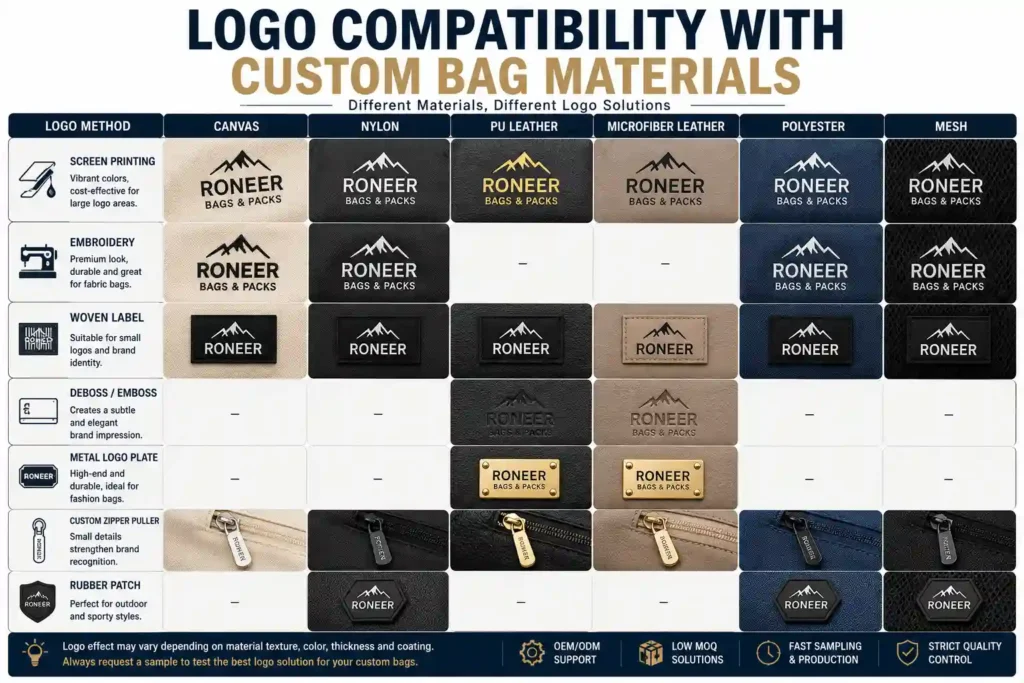
4. Проверьте совместимость логотипа перед изготовлением образца
Logo design and material choice are closely connected. A logo method that works on one material may fail on another.
Canvas works well with screen printing, embroidery, woven labels, and patches. Polyester can support heat transfer, screen printing, woven labels, and rubber patches. Nylon may require special testing because some coatings affect adhesion. PU leather can support debossing, embossing, metal logo plates, hot stamping, and custom zipper pullers. Mesh may need woven labels, patches, or alternative branding because direct printing may not be clear.
For материалы для изготовления сумок на заказ, buyers should ask the factory to test logo clarity, adhesion, stitching stability, and color accuracy during sample development.
A detailed logo may not work well on textured material. A metallic logo may look premium on handbags but unnecessary on low-cost promotional bags. A rubber patch may work well on outdoor backpacks but feel too sporty for a boutique fashion line.
If branding is a major part of your project, Персонализация логотипа can connect material selection with logo methods such as printing, embroidery, woven labels, metal plates, debossing, and zipper pullers.
5. Перед выбором специальных материалов следует учесть минимальный объем заказа
MOQ often becomes a problem when buyers choose special materials too early. A custom color, custom texture, special coating, exclusive print, or non-stock material may require a higher minimum order than expected.
Stock materials usually support faster sampling and lower MOQ. Custom-dyed fabric, special PU textures, exclusive prints, custom jacquard fabric, or unusual color combinations may require higher material MOQ.
For startup brands, the smartest route is often to begin with available materials, test the market, then upgrade materials after sales are proven.
A practical low-risk path may look like this:
Start with one core bag style
Use available material colors
Choose a reliable logo method
Keep hardware simple
Confirm packaging step by step
Test customer feedback
Upgrade material in the next order
This approach helps buyers avoid over-investing before they understand demand.
For brands managing low MOQ and cost, Эффективные способы оптимизации минимального объема заказа и затрат на изготовление рюкзаков на заказ provides useful planning logic that can also apply to handbags, cosmetic bags, tote bags, and travel bags.
6. Не пренебрегайте подкладкой, набивкой и армированием
Many buyers focus only on outer материалы для изготовления сумок на заказ, but internal materials are equally important. A bag may look good outside but fail in daily use if the lining tears, padding is too thin, or reinforcement is weak.
Lining materials may include polyester, nylon, cotton, satin, RPET lining, printed lining, or waterproof lining. For cosmetic bags, wipeable lining may be important. For laptop bags, soft lining and padding help protect devices. For handbags, branded lining can improve private label presentation.
Padding is important for backpacks, laptop bags, camera bags, and travel products. EVA foam, PE foam, sponge, and other cushioning materials may be used depending on protection needs.
Reinforcement materials help bags keep shape. Structured handbags, bottom panels, handles, and flap covers may require internal support. Without proper reinforcement, the bag may collapse or deform after use.
This is where OEM/ODM factory experience matters. A buyer may choose a beautiful outer material, but the factory must still build the correct internal structure.
For private label projects where material, lining, logo, and presentation need to work together, Private Label Handbag Manufacturer can support the connection between product identity and production details.
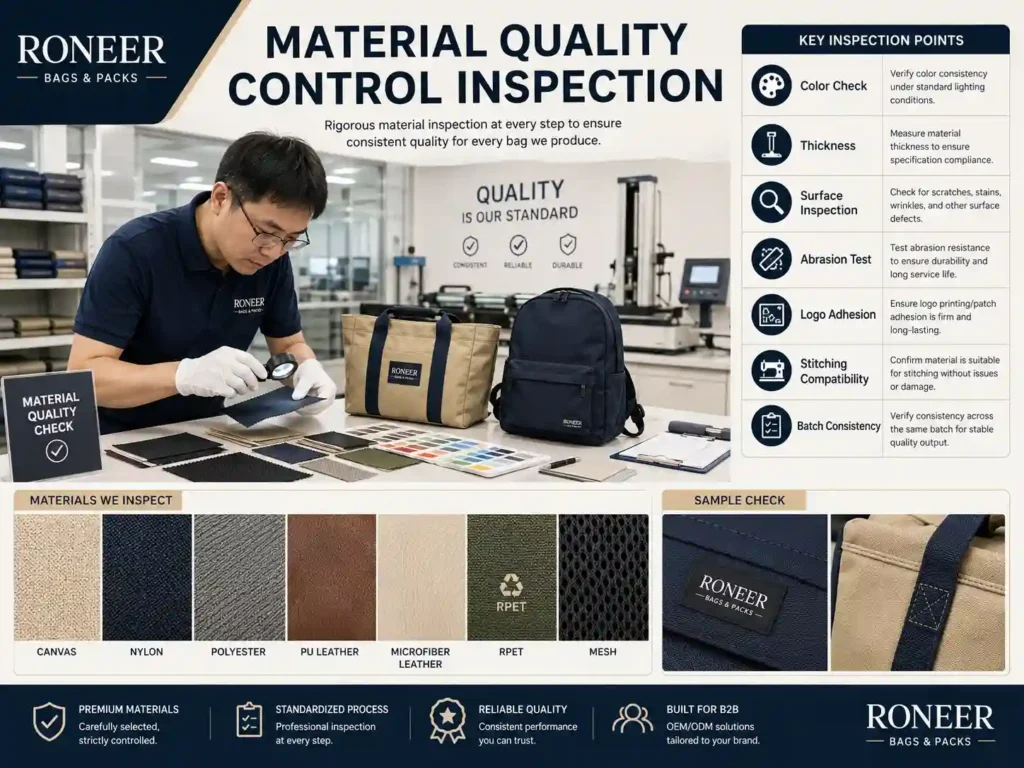
7. Подтвердить стандарты испытаний материалов и контроля качества
Before bulk production, material quality should be checked carefully. A material that looks acceptable in one sample may create problems in bulk if color, coating, thickness, or backing is inconsistent.
Common material checks include:
Подбор цвета
Thickness check
Surface defect inspection
Color fastness
Peeling resistance
Abrasion resistance
Tear strength
Coating stability
Smell check
Shrinkage check
Water resistance
Logo adhesion
Batch consistency
For zippers and fastening components used with the selected material, buyers may reference YKK for general zipper and fastening knowledge. This should be treated as an industry reference only and not as a claim unless branded components are confirmed in the order.
For material safety and restricted substance requirements, buyers may review OEKO-TEX as a reference for harmful substance testing discussions. Testing claims should be supported by actual documents, not assumptions.
For third-party inspection or shipment verification, organizations such as SGS may support testing and inspection depending on the buyer’s requirements.
A reliable factory should compare bulk materials against approved swatches and final samples before mass production continues.
Как разным покупателям следует выбирать материалы
An e-commerce seller often needs materials that photograph well, support fast sampling, and keep cost controlled. PU leather, polyester, nylon, canvas, and compact textured materials can be practical choices.
A wholesale buyer needs materials that are stable for repeat orders. Standard colors, proven fabrics, and consistent suppliers help reduce reorder risk.
A startup brand should avoid too many custom-developed materials at the beginning. Available materials with strong logo and packaging presentation may be enough for market testing.
A corporate buyer usually needs practical materials with clear logo visibility and reliable delivery. Polyester, canvas, Oxford fabric, and PU are often useful depending on the product.
A fashion brand may need more seasonal material direction, such as special textures, microfiber leather, woven fabric, mesh, metallic finishes, or structured PU. In this case, sampling and swatch approval become more important.
The best материалы для изготовления сумок на заказ strategy depends on how the product will be sold, who will use it, and how much risk the buyer can accept in the first order.
Распространенные ошибки, которых следует избегать покупателям
One common mistake is choosing material only from photos. Real swatches are necessary because hand feel, thickness, flexibility, shine, and color can look different in person.
Another mistake is copying a luxury material without matching the target price. A premium-looking reference may require a much higher material budget than expected.
Some buyers choose too many colors at once. More colors can increase MOQ, material management difficulty, and inventory risk.
Another issue is ignoring the logo method. A buyer may choose a textured material, then discover that the logo cannot be printed clearly.
A final mistake is ignoring packaging and shipping. Some materials wrinkle, scratch, deform, or transfer color if packed incorrectly. Material selection should always consider how the bag will be packed and shipped.
ЧАСТО ЗАДАВАЕМЫЕ ВОПРОСЫ
What are custom bag materials?
Custom bag materials are the fabrics, leathers, synthetic materials, linings, coatings, padding, trims, and reinforcement components used to produce a bag according to the buyer’s product type, brand positioning, target price, MOQ, and quality requirements. Common options include canvas, cotton, polyester, nylon, Oxford fabric, PU leather, microfiber leather, genuine leather, RPET fabric, mesh, PVC, TPU, and lining fabrics.
What are the most common custom bag materials for OEM/ODM production?
The most common материалы для изготовления сумок на заказ for OEM/ODM production include canvas for tote bags, nylon and polyester for backpacks, Oxford fabric for travel and outdoor bags, PU leather and microfiber leather for handbags, RPET fabric for recycled material projects, and mesh for breathable or sporty designs. The best choice depends on the bag category, logo method, durability target, MOQ, and budget.
Which custom bag materials are best for backpacks?
For backpacks, the most practical материалы для изготовления сумок на заказ are polyester, nylon, Oxford fabric, RPET fabric, coated fabric, mesh, webbing, foam padding, and durable lining materials. Buyers should check tear strength, abrasion resistance, coating quality, zipper compatibility, strap reinforcement, back panel comfort, and water resistance before approving backpack materials.
Which custom bag materials are suitable for handbags?
For handbags, common материалы для изготовления сумок на заказ include PU leather, microfiber leather, genuine leather, suede-like materials, woven textiles, structured fabrics, polyester lining, reinforcement boards, and metal hardware trims. The right material should match the desired shape, surface texture, hand feel, logo method, hardware finish, edge treatment, and retail price.
Are sustainable custom bag materials available?
Yes. Sustainable or lower-impact материалы для изготовления сумок на заказ may include RPET fabric, recycled PU, organic cotton, recycled lining, reusable packaging materials, or other preferred materials depending on supplier availability. Buyers should request supporting documents before using recycled, organic, eco-friendly, or sustainable claims in product listings or marketing materials.
How do custom bag materials affect MOQ?
Custom bag materials can directly affect MOQ. Stock materials usually support lower MOQ, faster sampling, and better cost control. Special materials such as custom-dyed fabric, exclusive PU textures, printed fabric, special coatings, custom jacquard, or rare colors may require higher material MOQ because suppliers need minimum production quantities.
Can one bag use multiple custom bag materials?
Yes. Most custom bags use multiple материалы для изготовления сумок на заказ in one product. A backpack may combine nylon shell fabric, mesh back panel, polyester lining, foam padding, webbing straps, PU logo patches, and reinforcement materials. A handbag may combine PU leather, microfiber trim, polyester lining, metal hardware, edge paint, and internal support boards.
How should buyers choose the right custom bag materials?
Buyers should choose материалы для изготовления сумок на заказ based on product category, target user, retail price, durability needs, logo method, MOQ, shipping method, and brand positioning. Instead of choosing only by appearance, buyers should request swatches, test samples, confirm hand feel, check color, review thickness, and approve the final production standard.
Which logo methods work best with different custom bag materials?
Different материалы для изготовления сумок на заказ support different logo methods. Canvas works well with screen printing and embroidery. Nylon and polyester often work with woven labels, heat transfer, rubber patches, and zipper puller branding. PU leather and microfiber can support debossing, embossing, hot stamping, metal plates, and custom hardware logos. Logo testing should be done before bulk production.
What quality tests are important for custom bag materials?
Important checks for материалы для изготовления сумок на заказ include color consistency, thickness, surface defects, coating stability, abrasion resistance, peeling resistance, color fastness, tear strength, smell, shrinkage, logo adhesion, stitching compatibility, and batch consistency. For bulk orders, the factory should compare production materials against approved swatches and final samples.
Do custom bag materials affect shipping and packaging?
Yes. Custom bag materials can affect packaging method, carton size, folding style, shipping volume, and product protection. Structured PU handbags may need stuffing and surface protection, while nylon backpacks may need careful folding and strap placement. Light-colored materials may require dust protection and color-transfer prevention during shipment.
Заключение
Custom bag materials play a major role in how a bag looks, feels, performs, photographs, ships, and sells. For B2B buyers, material selection is not just a design choice. It affects MOQ, sample development, logo application, production cost, durability, packaging method, QC standards, and customer satisfaction after purchase.
A strong материалы для изготовления сумок на заказ strategy should begin with the bag category and target market. Backpacks need strength, comfort, padding, and wear resistance. Handbags need surface appeal, structure, lining, and finishing details. Tote bags need printability, cost balance, and daily-use durability. Cosmetic bags need compact structure and easy-clean interiors. Travel bags need reinforced materials, strong webbing, and abrasion-resistant surfaces.
Before bulk production, buyers should confirm материалы для изготовления сумок на заказ through swatches, sample bags, logo tests, lining checks, padding review, reinforcement details, color tolerance, packaging method, and material QC standards. This process helps reduce material mistakes, avoid unstable bulk quality, and protect the buyer’s brand reputation.
For startup brands, using available материалы для изготовления сумок на заказ can reduce MOQ and speed up sampling. For wholesale buyers, stable material supply helps support repeat orders. For fashion brands, material texture and color direction can shape the entire collection. For corporate buyers, practical materials with clear logo compatibility can improve usability and brand exposure.
If you are looking for an experienced bag factory with flexible OEM/ODM support, fast sampling, low MOQ solutions, stable bulk production, strict quality control, and export experience, RONEER provides материалы для изготовления сумок на заказ sourcing and customized bag manufacturing services for global brands, wholesalers, retailers, corporate buyers, and e-commerce businesses.