








Types of Bags: 12 Proven Options for Custom Brands and B2B Buyers
When buyers search for types of bags, they are usually not only looking for a simple list. For brands, wholesalers, e-commerce sellers, corporate buyers, and purchasing managers, the real question is: which bag category is suitable for my target market, order quantity, logo method, material budget, and sales channel?
Choosing the right bag type affects product positioning, retail price, MOQ, sampling time, production cost, packaging, shipping volume, and customer satisfaction. A fashion brand may need seasonal handbags with custom hardware. A corporate buyer may need logo tote bags for events. An outdoor brand may need durable backpacks with water-resistant fabric. An e-commerce seller may need low MOQ products that can be tested quickly before scaling into bulk production.
A professional OEM/ODM bag factory does more than manufacture bags. It helps buyers match the right product structure, material, logo solution, and production plan to the final market. If you are developing a new bag line, Services de fabrication de sacs sur mesure RONEER can support product development, sampling, private label customization, and bulk production for different bag categories.
What Are the Main Types of Bags?
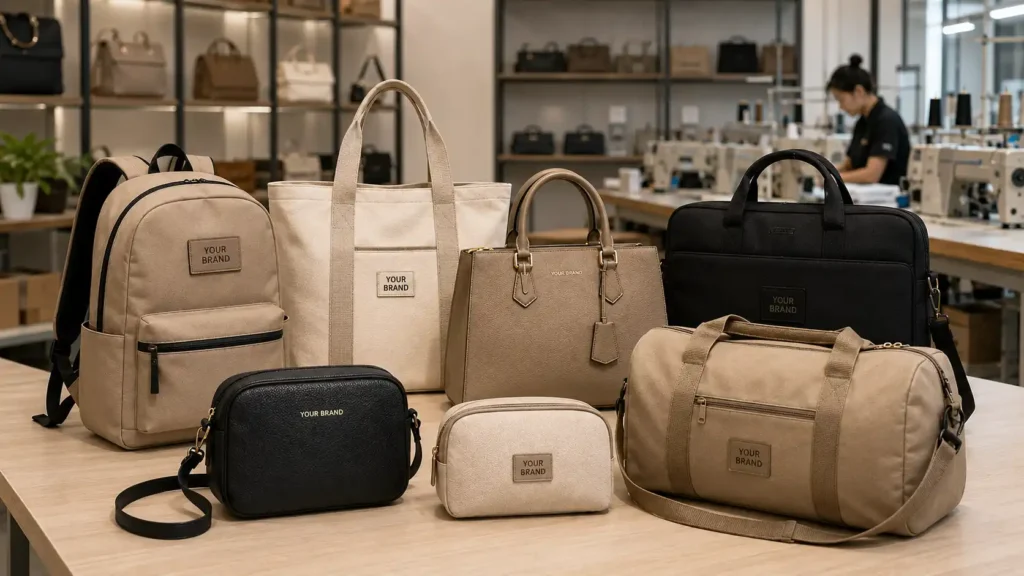
In B2B bag manufacturing, types of bags refer to different product categories designed for specific usage scenarios, customer groups, materials, structures, and branding needs.
A simple definition:
Types of bags are product categories such as backpacks, tote bags, handbags, travel bags, cosmetic bags, outdoor bags, and promotional bags, each designed for different carrying needs, target customers, materials, and customization methods.
For sourcing, this definition matters because every bag category has different production requirements. A backpack requires shoulder strap strength, back panel comfort, lining structure, and zipper durability. A handbag may focus more on shape, hardware, edge finishing, surface texture, and logo placement. A cosmetic bag needs easy-clean lining, compact structure, and flexible branding. A travel bag must balance capacity, reinforcement, and packing efficiency.
For B2B buyers, understanding the main types of bags helps reduce sourcing mistakes and makes communication with the factory more efficient.
1. Backpacks
Backpacks are one of the most practical and high-demand bag categories. They are used for school, work, travel, commuting, outdoor activities, sports, business, and promotional programs.
For custom backpack projects, buyers should consider capacity, laptop compartment size, shoulder strap padding, back panel structure, zipper quality, lining fabric, side pockets, hidden pockets, and logo position. Common materials include polyester, nylon, canvas, RPET fabric, PU leather, Oxford fabric, and waterproof-coated textiles.
Backpacks are suitable for:
E-commerce brands launching daily-use products
Wholesale buyers needing repeatable styles
Corporate buyers ordering employee or event bags
Outdoor brands developing functional products
Startups testing low MOQ custom bags
For brands focused on backpacks, custom backpack and wholesale backpack development is a useful internal resource for understanding product structure, customization, and bulk sourcing logic.
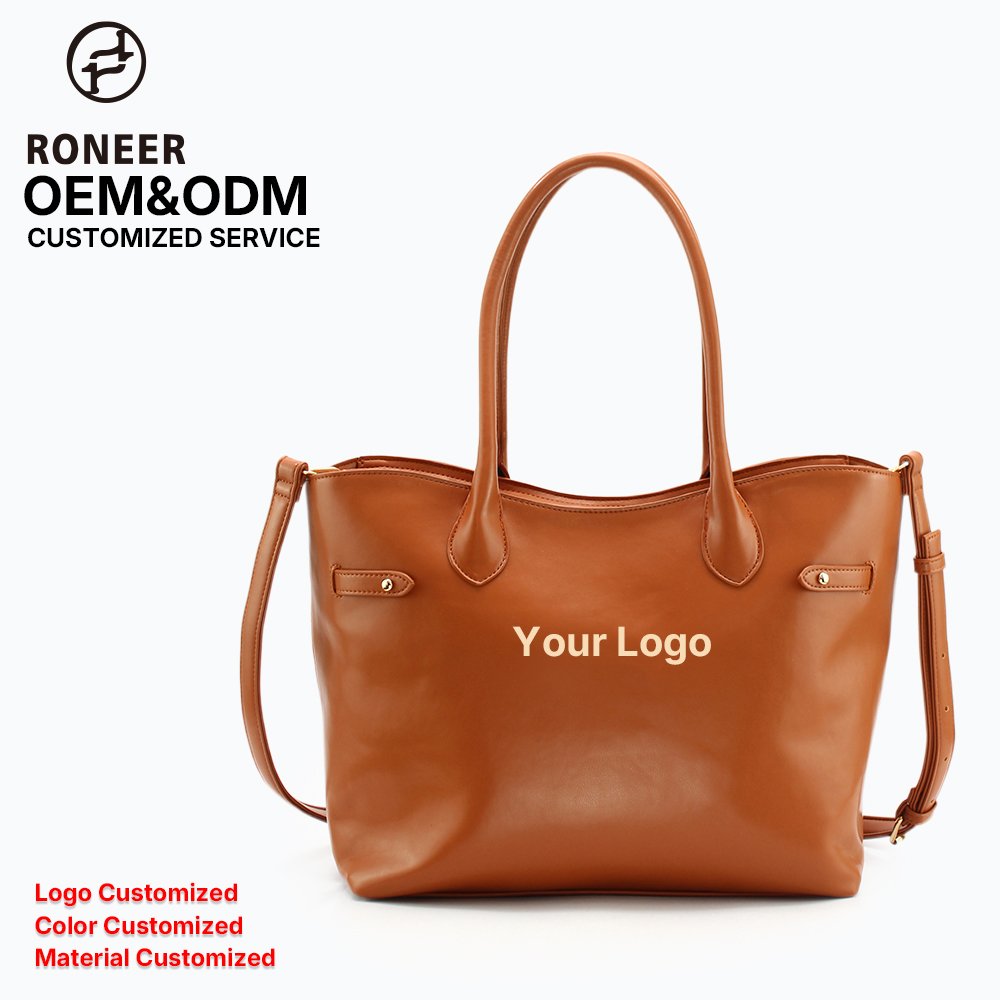
2. Tote Bags
Tote bags are simple, versatile, and easy to customize. They are widely used for shopping, office use, retail packaging, trade shows, corporate gifts, fashion collections, and eco-friendly promotional programs.
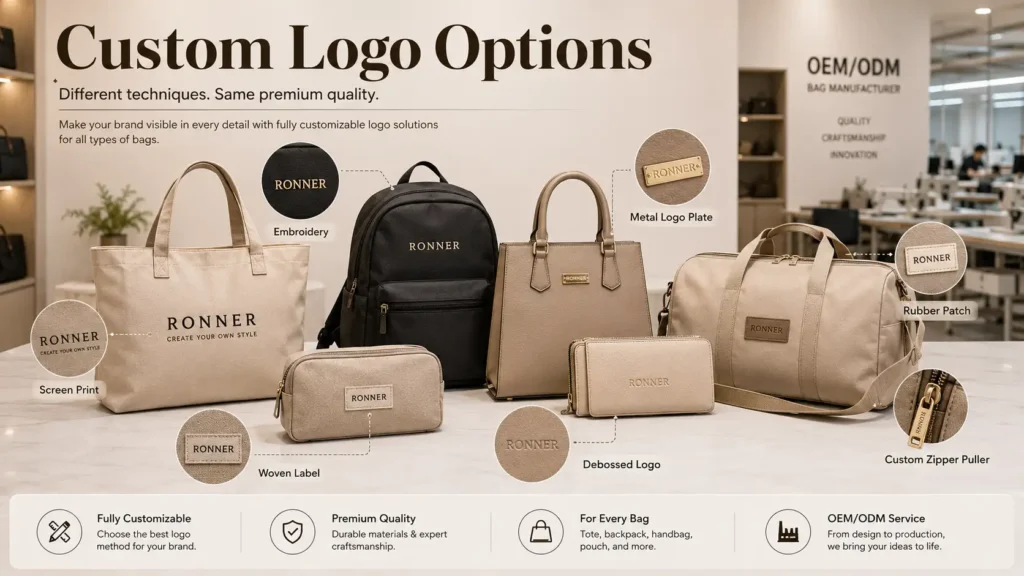
The key advantage of tote bags is their flexible structure. They can be made from canvas, cotton, polyester, jute, RPET, nylon, PU leather, genuine leather, or laminated materials. Logo options include screen printing, heat transfer, embroidery, woven labels, leather patches, and metal plates.
For brands comparing types of bags for low MOQ testing, tote bags are often a practical starting point because the structure is simpler than backpacks or handbags. They can be produced in many sizes and are easy to pack for international shipping.
Tote bags work especially well for corporate buyers and retailers that need custom logo bags with clear brand exposure.
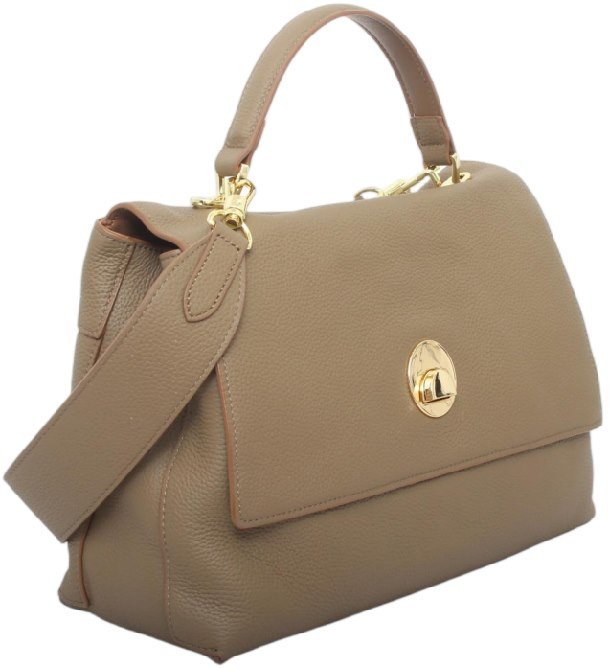
3. Handbags
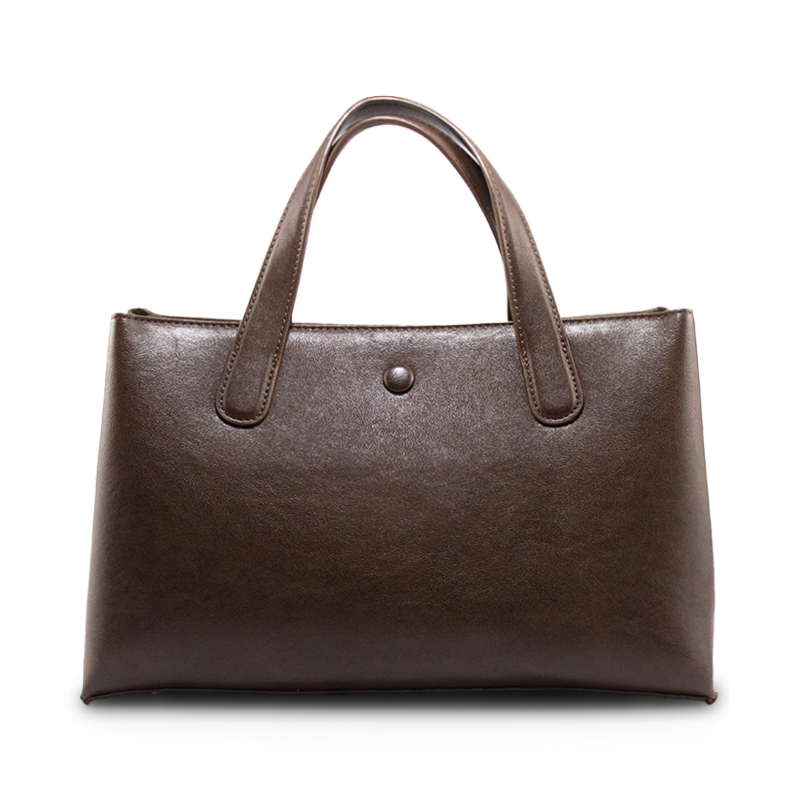
Handbags are more design-driven than many other categories. They are commonly used by fashion brands, boutiques, private label sellers, and retail chains that need products with stronger style identity.
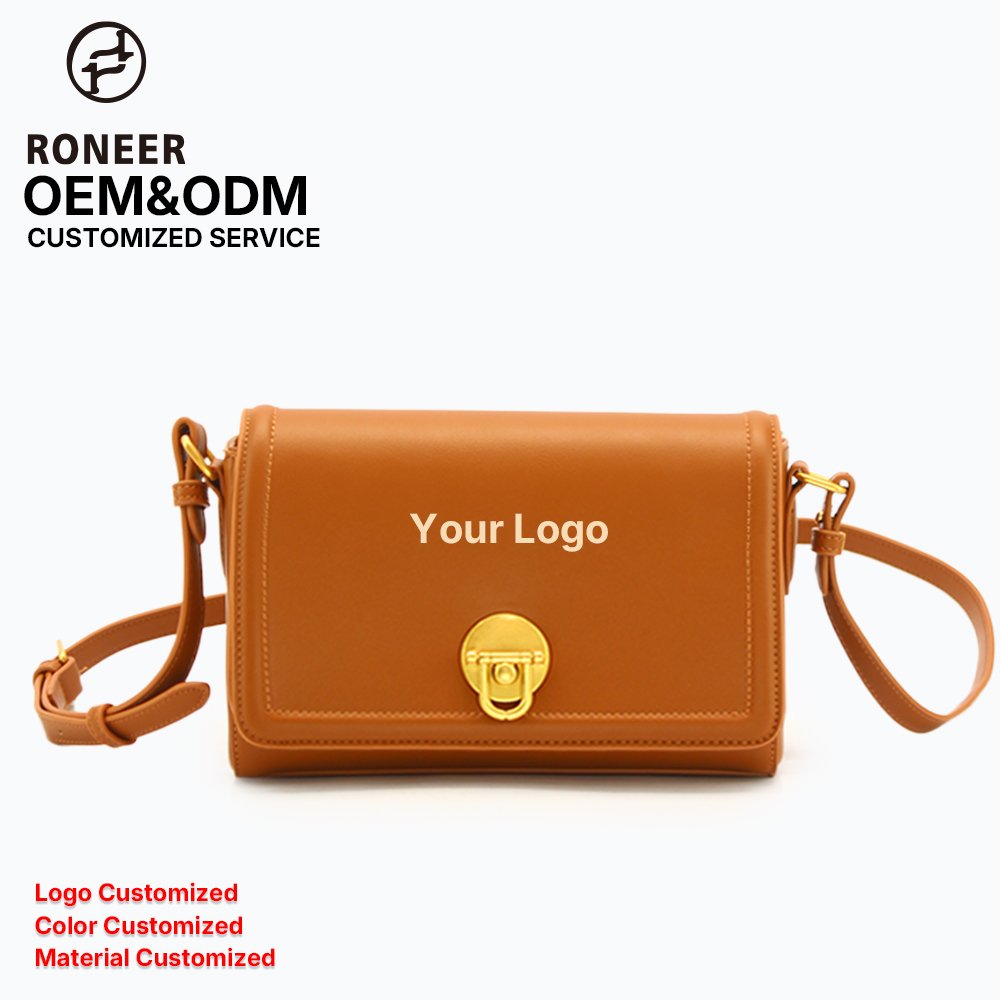
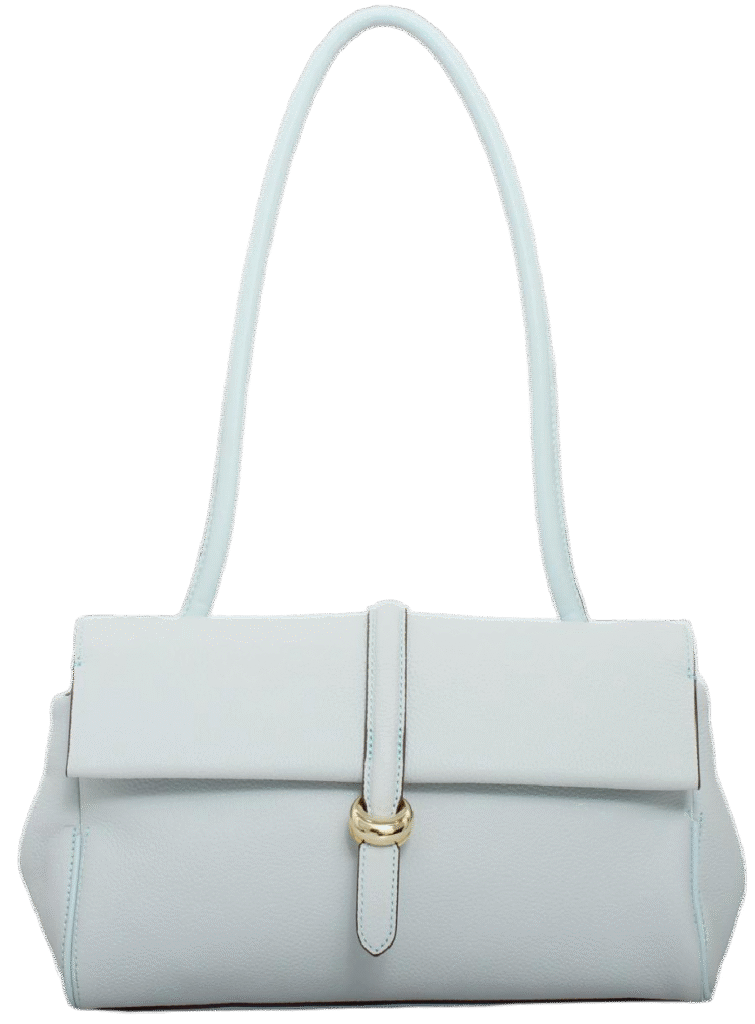
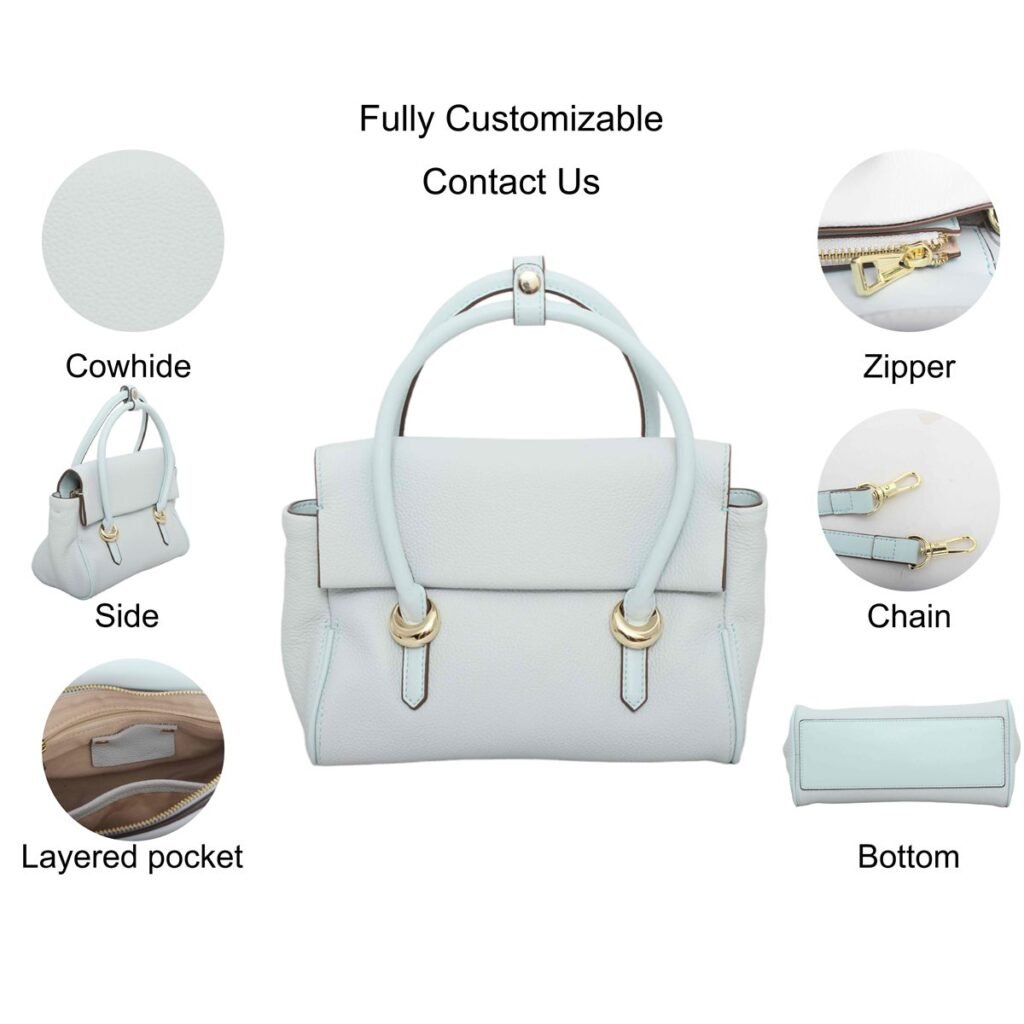
Custom handbags may include top-handle bags, shoulder bags, flap bags, bucket bags, satchels, mini bags, hobo bags, and structured handbags. Important production details include material selection, pattern accuracy, edge paint, hardware finish, stitching, lining, logo plate, handle construction, strap length, and packaging.
Compared with basic tote bags, handbags usually require more sampling work and stricter appearance control. Buyers should confirm color, texture, hardware tone, shape retention, and logo position before bulk production.
For fashion brands, handbags are one of the most valuable types of bags because they allow strong seasonal design and private label positioning.
4. Crossbody Bags
Crossbody bags are compact, convenient, and suitable for daily travel, urban commuting, fashion styling, and lightweight carrying. They are popular with both men’s and women’s brands.
Key design points include strap adjustability, zipper placement, pocket layout, body size, hardware strength, and material flexibility. A crossbody bag can be made from nylon, polyester, canvas, PU leather, microfiber, genuine leather, or mixed materials.
For e-commerce sellers, crossbody bags are attractive because they are easy to photograph, ship, and test in different colors. They also support many branding methods, including woven labels, silicone patches, metal logos, printed logos, and customized zipper pullers.
Among different types of bags, crossbody bags often balance fashion, function, and cost control well.
5. Shoulder Bags
Shoulder bags are suitable for fashion, business, lifestyle, and casual daily-use markets. They can be soft and relaxed or structured and premium, depending on the brand’s target customer.
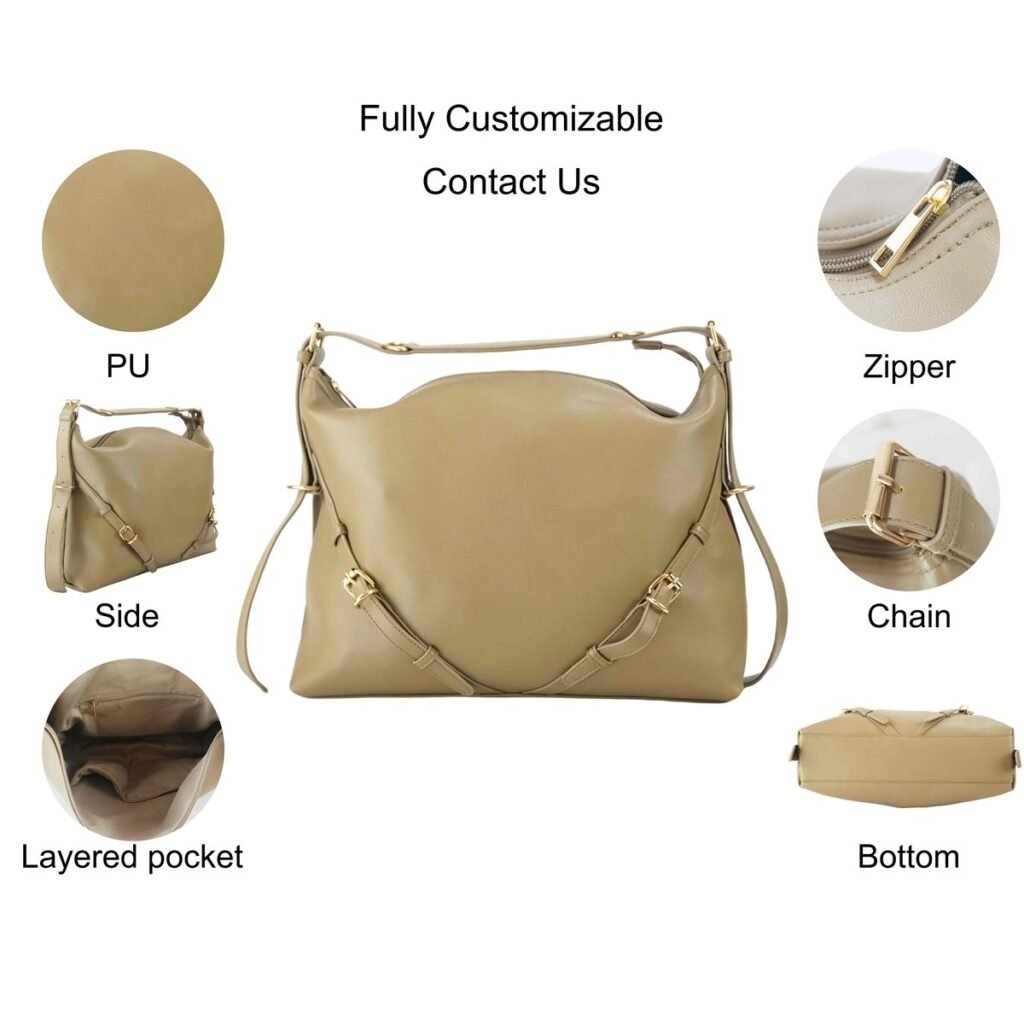
For custom shoulder bags, buyers should pay attention to strap comfort, hardware connection points, weight distribution, lining strength, zipper smoothness, and logo visibility. If the product uses PU or leather materials, surface texture and edge finishing become especially important.
Shoulder bags are suitable for fashion brands that need seasonal product development and private label collections. They can also be useful for wholesalers that want a stable, repeatable style with broad retail appeal.
6. Travel Bags
Travel bags include duffel bags, weekend bags, luggage-style carry bags, garment bags, and large-capacity overnight bags. This category requires stronger construction because the product usually carries more weight.
Important details include handle reinforcement, shoulder strap strength, bottom support, zipper durability, lining quality, inner organization, trolley sleeve design, waterproof fabric, and packing volume. Travel bags are often made from nylon, polyester, canvas, PU-coated fabric, leather trim, or mixed materials.
For buyers comparing types of bags for long-term product lines, travel bags can offer higher perceived value but usually require more careful development and QC.
If the target market includes outdoor, sports, or travel categories, Fabrication de sacs d'extérieur sur mesure can help buyers understand functional materials, structure, reinforcement, and factory development logic.
7. Cosmetic Bags
Cosmetic bags are used by beauty brands, skincare companies, retailers, gift suppliers, hotels, promotional buyers, and private label sellers. They are usually compact but highly customizable.
Common materials include PU leather, PVC, nylon, polyester, canvas, velvet, satin, mesh, and transparent TPU. Buyers often request waterproof lining, easy-clean interiors, zipper closure, printed logo, woven label, custom shape, and gift packaging.
Cosmetic bags are suitable for low MOQ testing and seasonal campaigns. They also work well as gift-with-purchase items for beauty brands.
Among different types of bags, cosmetic bags are especially useful for buyers who need smaller products with high branding value and controlled production cost.
8. Laptop Bags
Laptop bags are designed for business users, students, remote workers, and corporate clients. They include laptop sleeves, laptop briefcases, messenger laptop bags, and backpack-style laptop bags.
The key production points include padded protection, compartment size, lining softness, zipper safety, handle strength, water resistance, and clean business styling. Materials may include nylon, polyester, felt, PU leather, genuine leather, microfiber, and EVA padding.
Corporate buyers often choose laptop bags for employee gifts, business events, and client promotions. E-commerce brands may choose laptop sleeves because they are lightweight, easy to ship, and suitable for custom logo branding.
For this category, QC should focus on measurement accuracy, padding thickness, stitching strength, and zipper smoothness.
9. Outdoor Bags
Outdoor bags include hiking backpacks, sports bags, hydration bags, tactical-style bags, cycling bags, camping bags, fishing bags, and functional utility bags.
These products require more technical planning than many fashion categories. Buyers should consider fabric strength, water resistance, breathable padding, buckle quality, webbing strength, reflective details, compartment structure, and load-bearing points.
Outdoor bags are suitable for specialized brands and retailers that need function-driven products. They may require stronger testing and more detailed sampling than simple promotional bags.
For buyers studying types of bags for performance markets, outdoor bags are a strong category but should not be developed only by appearance. Structure and material performance are more important than style alone.
10. Drawstring Bags
Drawstring bags are lightweight, simple, and cost-effective. They are commonly used for events, sports, schools, gyms, promotions, packaging, and giveaway programs.
Materials include polyester, nylon, cotton, canvas, mesh, non-woven fabric, and RPET. Logo options include screen printing, heat transfer, sublimation, and woven labels.
Drawstring bags are suitable for corporate buyers, event organizers, promotional product companies, and wholesalers. Their simple construction usually supports lower MOQ and faster production than more complex bag styles.
However, buyers should still check cord strength, seam reinforcement, print quality, fabric weight, and color fastness before confirming bulk production.
11. Cooler Bags
Cooler bags are used for food delivery, outdoor activities, grocery shopping, picnics, lunch storage, and promotional campaigns. This category requires insulation performance and practical structure.
Common materials include polyester, Oxford fabric, aluminum foil lining, PEVA lining, foam insulation, non-woven fabric, and laminated materials. Buyers should check insulation thickness, seam quality, zipper closure, handle strength, and lining safety.
Cooler bags are suitable for supermarkets, food brands, delivery platforms, outdoor brands, and corporate gifting projects. They can be developed as tote-style cooler bags, lunch bags, backpack cooler bags, and large-capacity insulated bags.
12. Promotional Bags
Promotional bags are designed for marketing campaigns, trade shows, events, retail giveaways, corporate gifts, and brand exposure. They can include tote bags, drawstring bags, non-woven bags, foldable bags, cooler bags, cosmetic pouches, and simple backpacks.
For promotional buyers, the main concerns are cost control, logo visibility, delivery time, packing method, and stable quality. Materials should be selected based on campaign budget, target user, and expected usage period.
Promotional bags are one of the most flexible types of bags because they can be adjusted for many industries, including beauty, sports, education, retail, travel, food, and corporate events.
How to Choose the Right Bag Type for Your Brand
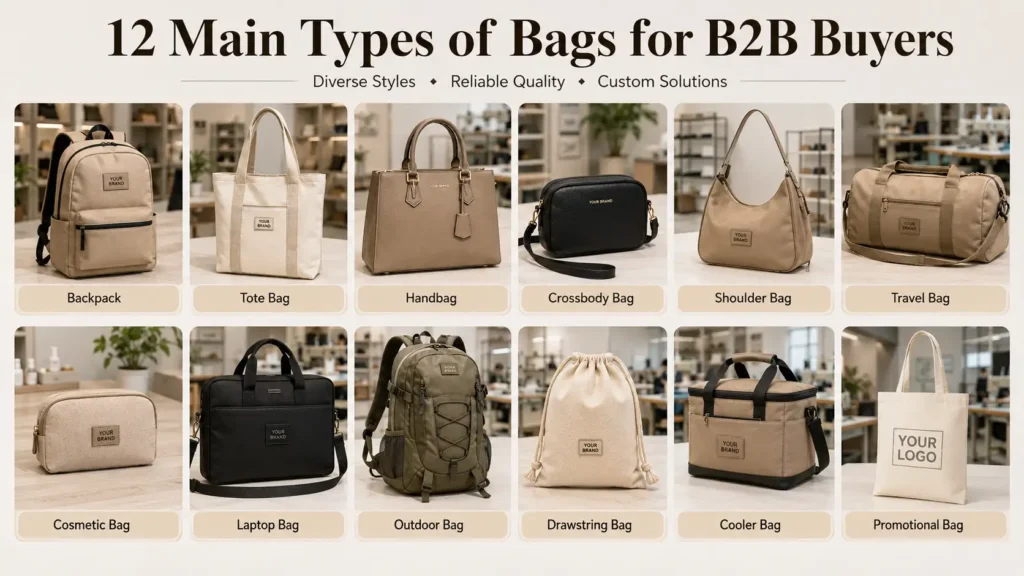
Choosing from different types of bags should start with the buyer’s market, not only the product image.
E-commerce brands usually need fast sampling, low MOQ, attractive product photos, and manageable inventory risk. Crossbody bags, cosmetic bags, tote bags, and compact backpacks are often good starting points.
Wholesale buyers need stable quality and repeatable supply. They should focus on durable materials, standard colors, proven structures, and clear QC standards.
Startup brands need flexible customization without over-investing in inventory. Low MOQ custom bags help test demand before scaling into larger production.
Corporate buyers need logo visibility, practical use, and reliable delivery. Tote bags, laptop bags, promotional bags, cooler bags, and drawstring bags often work well.
Fashion brands need seasonal design flexibility. Handbags, shoulder bags, crossbody bags, and small accessories allow more style variation and private label value.
For buyers managing MOQ and cost, smart ways to optimize custom backpack MOQ and costs can also apply to many bag categories, especially when balancing sampling, material choice, logo method, and production quantity.
Sélection des matériaux pour les différents types de sacs
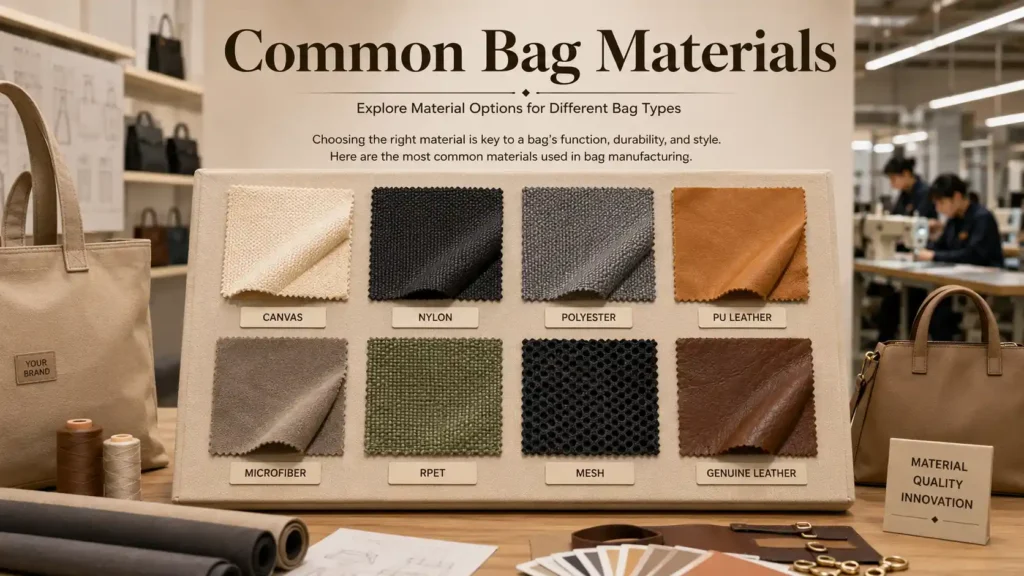
Material selection directly affects product cost, durability, appearance, and customer experience.
Canvas is suitable for tote bags, casual bags, drawstring bags, and eco-style collections. Nylon and polyester are commonly used for backpacks, travel bags, outdoor bags, and promotional products. PU leather and microfiber are suitable for handbags, cosmetic bags, laptop sleeves, and fashion accessories. Genuine leather is often used for premium handbags, wallets, and business products.
For sustainability-focused buyers, recycled polyester, RPET, organic cotton, and preferred material options may be considered. Textile Exchange provides industry guidance on preferred fibers and materials, helping brands and suppliers understand more responsible material choices.
For leather and textile safety, OEKO-TEX offers standards related to harmful substance testing for textiles and leather products, which can be useful as a reference when buyers require material safety documentation.
A factory should not claim certifications unless they are actually available for the specific material, supplier, or production batch. For B2B sourcing, material claims should be supported by documents, test reports, or third-party verification.
Logo Customization for Bag Categories
Different types of bags support different logo methods.
Tote bags often use screen printing, heat transfer, embroidery, or woven labels. Backpacks may use rubber patches, woven labels, metal plates, embroidery, or custom zipper pullers. Handbags can use metal logo plates, debossing, embossing, lining logos, and branded hardware. Cosmetic bags may use printing, labels, zipper pullers, or custom packaging. Laptop bags and business bags often use subtle debossed logos, metal plates, or clean woven labels.
Logo placement should be confirmed during sampling because it affects product appearance and brand recognition. A logo that looks good on a flat tote may not work well on a curved handbag or textured material.
For buyers comparing OEM and ODM development, OEM and ODM backpack differences can help clarify how factories support custom design, existing styles, pattern changes, and private label development.
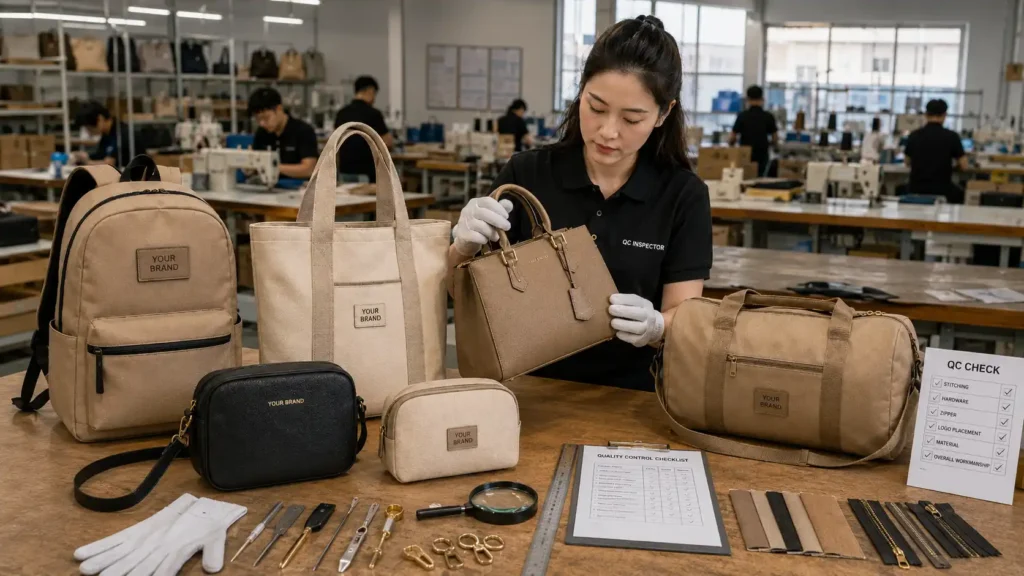
Quality Control Before Bulk Production
Quality control should match the bag category. A cosmetic pouch does not need the same load-bearing test as a travel bag, but it still needs clean stitching, smooth zipper function, and stable logo quality.
For backpacks, check strap strength, zipper function, fabric defects, lining, seams, and stress points. For handbags, check shape, surface finish, logo position, edge paint, hardware color, and stitching. For travel bags, check reinforcement, bottom support, handles, trolley sleeve, and packing. For cooler bags, check insulation, lining, zipper closure, and sealing details.
Zippers and fastening parts are important for many bag categories. Buyers may reference established fastening suppliers such as YKK when discussing zipper expectations, but branded components should only be claimed if they are actually used and confirmed in the order. YKK describes itself as a fastening products company with zipper and fastening solutions for different applications.
Strict QC should include material inspection, in-line inspection, finished product inspection, packing inspection, and final shipment review.