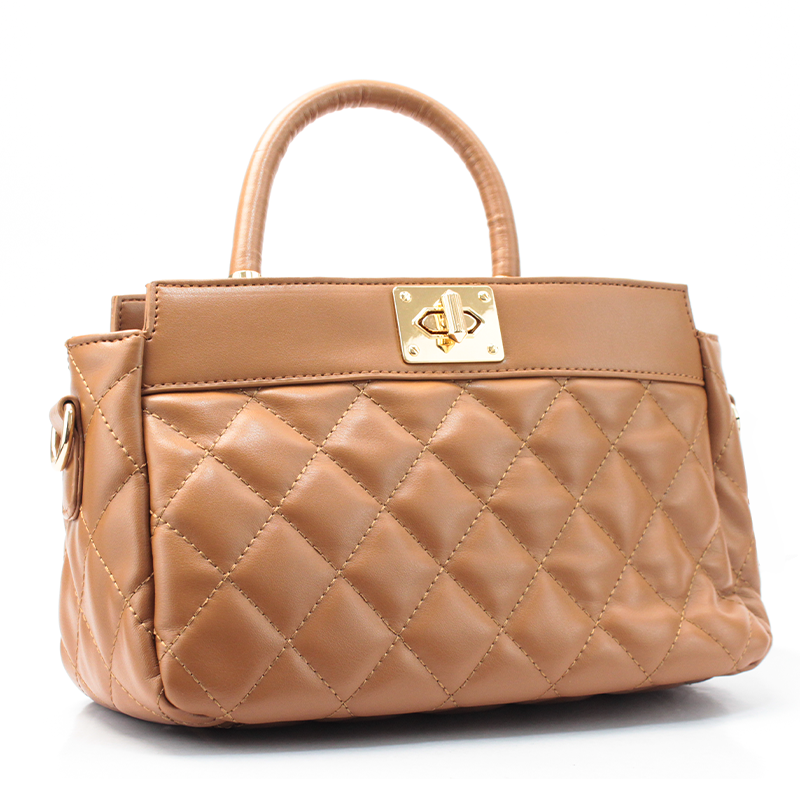





Are you currently looking for the right bags for your project? As a Chinese manufacturer with 19 years of experience in this industry, RONEER has witnessed too many failed attempts by various brands due to not finding the right bag styles that suit them. Therefore, having a good design is extremely important.
In this article, I will guide you on how to choose between cross-body bags and shoulder bags. I hope this article will be helpful!
What Is a Crossbody Bag?
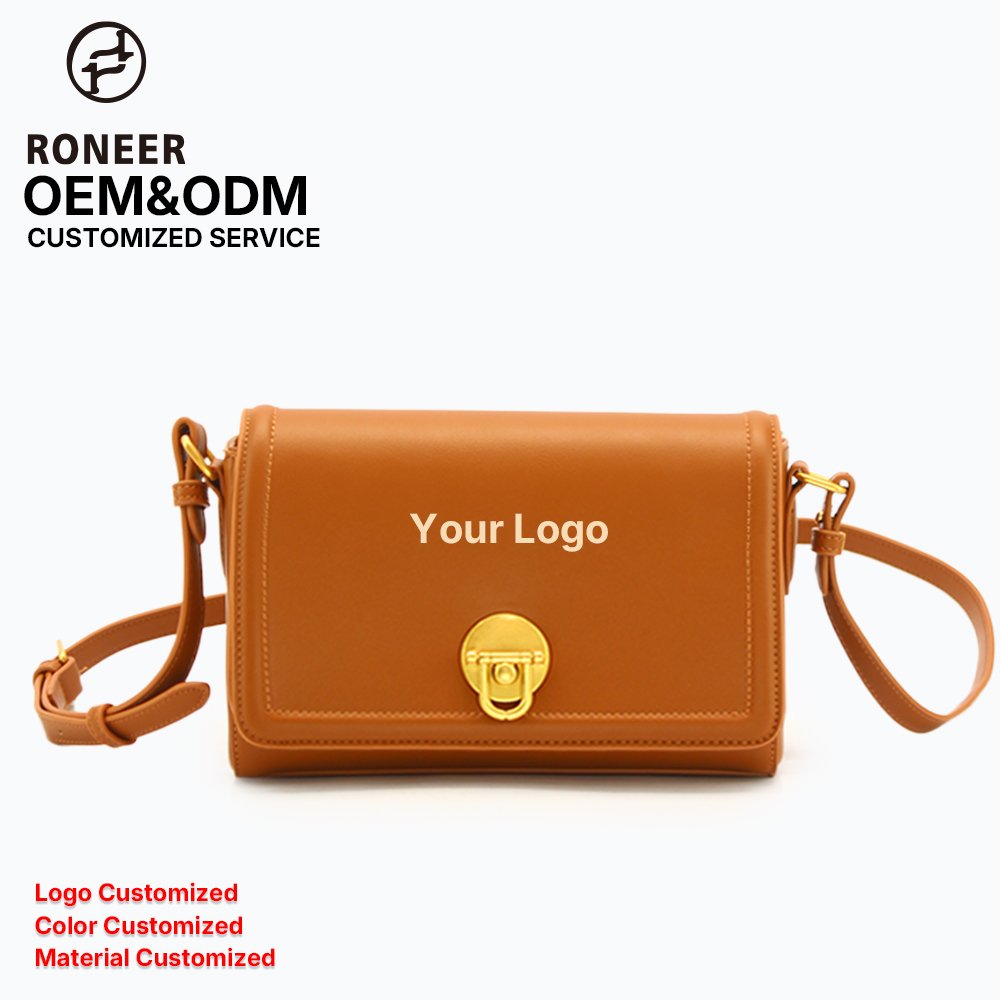
The design concept of the cross-body bag is simply to carry the bag diagonally across the body, with the shoulder strap resting on one shoulder and the bag body hanging down on the other hip. This design enables the bag to closely fit the body, stabilize movement, and free up the hands. Therefore, it has become a relatively common bag style in travel, commuting, and daily urban life.
From the perspective of product development, cross-body bags generally have the following characteristics:
- Long adjustable shoulder straps: The total length is usually around 110-140 centimeters, allowing for adaptation to different heights and body types.
- Thin and soft fabric: It fits closely to the body, and when worn on the chest, it won’t look bulky or cumbersome.
- Internal space layout (zippered pockets, card slots, phone compartment): Aim for organizing essential items rather than pursuing large capacity.
In the global handbag market, cross-body bags have evolved from a niche “free your hands” option to a mainstream category. This is mainly due to changes in lifestyle: increased usage of public transportation, more travel, and the popularity of mobile phones and small necessities. Market reports also confirm this, showing that the sales of cross-body bags have steadily increased, especially in North America and the Asia-Pacific regions.
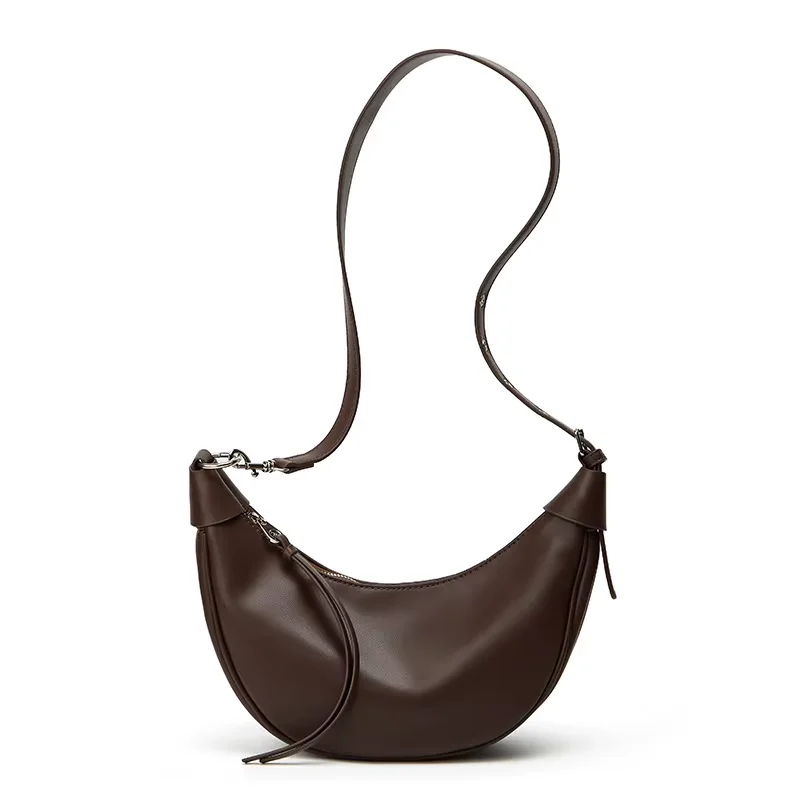
What Is a Shoulder Bag?
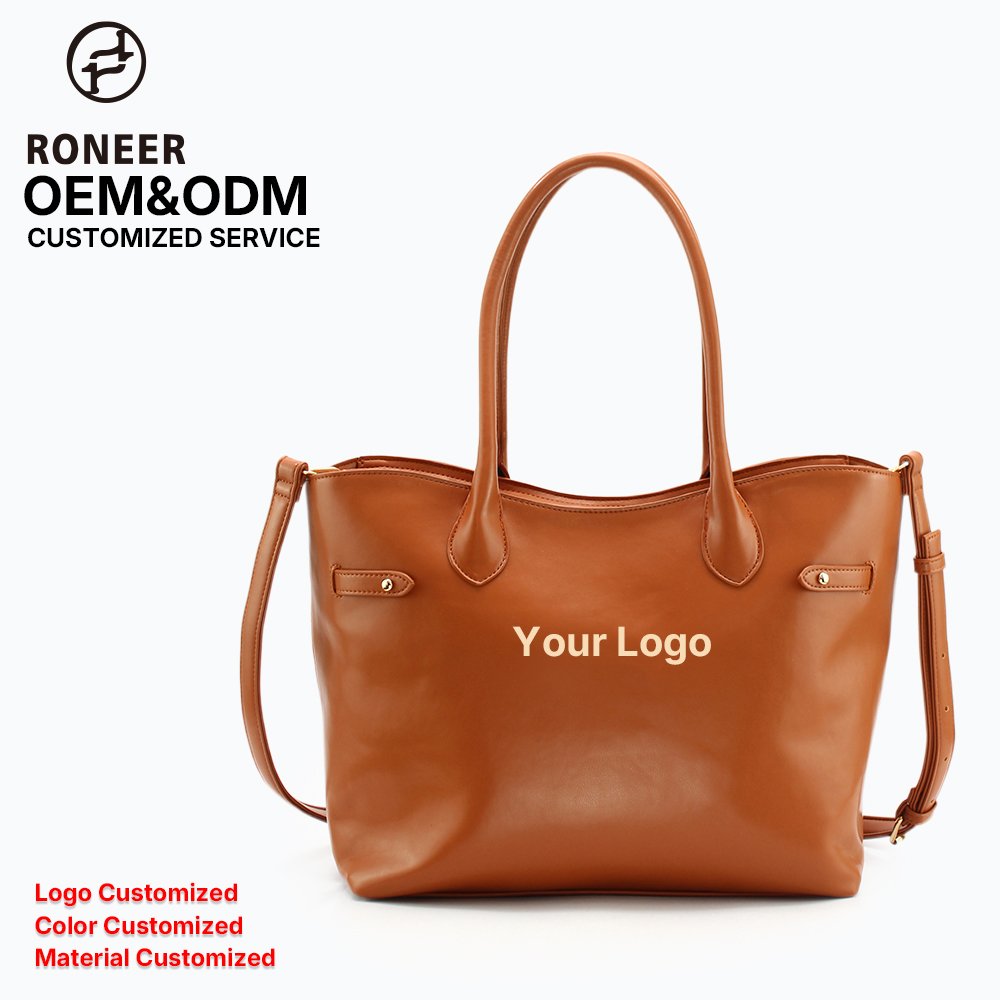
The single-shoulder bag is worn on one shoulder, with the strap directly attached to the shoulder, and the bag body naturally hangs down, usually located between the ribs and the hips. It is one of the oldest and most versatile modern bag styles, suitable for various occasions such as office settings and dinner parties.
The main structure and design features of the single-shoulder bag are as follows:
- The shorter shoulder straps, usually about 20-30 centimeters in length, allow the bag to be comfortably tucked under the arm.
- The bag’s volume is more flexible, ranging from the slender bag shape of a baguette to more stylish rectangular or handbag-like structures.
- It is strongly associated with a refined and somewhat formal appearance, especially in leather and semi-rigid structures.
For many brands, shoulder bags are “image” products that convey the brand’s identity. They are used for advertising and window displays. Usually, with their distinctive designs and unique hardware accessories, they become the core of the series, thereby generating higher profits and longer service life.
What Are the Key Differences Between Crossbody Bags and Shoulder Bags?
Key Differences Between Crossbody and Shoulder Bags
At retail, customers do not buy “theory.” They feel the strap length, balance, access to items, and how the bag sits when they walk. To build a profitable assortment, you need to translate those sensations into clear design choices and technical specs.
Design and Function Differences
Wearing style
Crossbody: Diagonally across the body, offering very stable, hands‑free carry.
Shoulder: On one side only, with more freedom of movement but less stability when walking quickly.
Weight distribution
Crossbody: Spreads weight across the torso, reducing stress on a single shoulder, especially useful for long wear.
Shoulder: Puts all the weight on one shoulder, which can feel heavier as the contents increase.
Capacity and organization
Crossbody: Often smaller to medium size, focused on essentials; too much volume makes it uncomfortable against the body.
Shoulder: Can scale from compact to large; easier to build in substantial volume without compromising comfort.
Styling and positioning
Crossbody: Reads more casual, sporty, or travel‑oriented depending on materials.
Shoulder: Naturally leans dressier or more “office‑ready,” especially in structured leather.
Crossbody vs Shoulder: Multi‑Dimensional Comparison
Which Bag Style Is Better for Wholesale and Customization?
For wholesale and custom projects, the “better” design depends on the channel, price range, and the target user group, rather than fixed rules. However, certain structural realities make cross-body bags more efficient in some projects, while shoulder bags are more suitable in others.
When is a crossbody bag more suitable?
A crossbody bag is usually most suitable in the following situations:
- Your target audience consists of people who are interested in lifestyle, travel, youth culture, or street fashion, whether online or offline.
- The main sales channels are e-commerce or social e-commerce, and the conversion rates of “hands-free” and “anytime, anywhere” information are very high.
- You want to control returns: If you use longer and adjustable shoulder straps, then people of different body types can wear the same SKU.
From the perspectives of manufacturing and customization:
If the size remains within the range of small to medium, the sizing for cross-body bags is usually relatively simple. Adjusting the strap accessories (slide clasp, buckle, additional holes) is an effective way to achieve personalized customization at a lower tool cost.
If your buyers are targeting commuters, travelers, or young consumers who value safety and portability, then a crossbody bag would be a safer “large-capacity” option.
When is a single-shoulder bag a better choice
Single-shoulder bags are particularly popular in the following situations:
The key point is for office, formal, or semi-formal settings, especially for leather or high-quality PU materials.
Retailers need a flagship product that can carry a strong brand image: metallic logos, unique flip covers, or distinctive handles.
The end market values classical and durable designs, and such designs will not become outdated after just one or two quarters.
Custom options:
- The single-shoulder bag provides a larger area for the brand logo, embroidery, embossing, or hardware accessories to be displayed on the front.
- Structured design can better meet the needs of enterprise buyers and high-end boutiques for repeatedly ordering the same style over multiple quarters.
- If your partner is located in a commercial area, a department store, or a more conservative market, a carefully designed shoulder bag collection usually leads to more stable repeat orders.

How Should Different Markets Choose the Right Bag Style?
End users in different countries do not carry bags in the same way. Commuting habits, climate, safety concerns, and dress codes all affect what actually sells once your products hit the store or the platform.
North America
In many US and Canadian cities, people move between cars, public transport, and walking. Casual style is strong, but there is still a need for office‑appropriate options.
- Crossbody:Works very well for urban and suburban everyday use, especially in casual and athleisure‑influenced wardrobes. Hands‑free carry and security are strong selling points for commuting, events, and travel.
- Shoulder:Important for work, smart‑casual, and “elevated basic” segments. A medium‑sized, clean shoulder bag in leather or high‑quality PU often becomes the “one good bag” many users rely on for years.
For this region, a slightly crossbody‑heavy unit mix, supported by a few strong, timeless shoulder silhouettes, tends to balance volume and brand perception.
Europe
European markets often combine strong fashion awareness with heavy use of walking, cycling, and public transport in cities. At the same time, there is a long tradition of classic leather goods.
- Crossbody:Very suitable for daily commuting and weekend city life. Designs that are too sporty may feel less relevant in more style‑driven cities; compact leather crossbody bags with good finishing usually gain more trust.
- Shoulder:Structured shoulder bags and baguette shapes have a strong place in wardrobes for office and social use. Users are more likely to keep one style for multiple seasons if it is well made and visually balanced.
Here, a balanced crossbody‑shoulder mix works, but with more attention to finish, hardware, and proportion. Overly large or overly “logo‑heavy” pieces can feel out of place in some European contexts.
Asia‑Pacific
This region is diverse but shares a few strong trends: dense urban life, heavy use of public transport, rapid growth of online fashion, and a high level of digital influence on buying decisions.
- Crossbody:Extremely attractive for young and urban users. Compact and lightweight designs with neat organization, plus clean strap adjustment, are key. Multi‑wear options that can shift from crossbody to shoulder with one strap adjust are especially useful in smaller apartments and crowded cities.
- Shoulder:Still important for office and formal dressing, especially in more conservative business environments. In some markets, lighter colors and softer silhouettes resonate more than very heavy, dark, rigid shapes.
In this region, crossbody bags often deserve a larger share of units, but shoulder bags remain essential as a sign of maturity, career, and status in certain segments.
Latin America, the Middle East, and Other Emerging Markets
In many developing markets, urbanization, rising incomes, and growing access to international fashion all come together.
- Crossbody:Offers comfort and a sense of safety in crowded areas. Lighter, colorful, or seasonal designs can match the climate and local style while staying functional.
- Shoulder:Plays a strong role in social events, professional use, and special occasions. Well‑designed shoulder bags in flexible price ranges can become aspirational yet reachable products.
In these markets, it often makes sense to keep selection focused: a compact range of crossbody options for daily and travel use, plus a few clear, versatile shoulder shapes that dress up easily.
How to Find the Right Bag Manufacturer?
Once you know how crossbody and shoulder bags fit into your product plan, you need a manufacturer that can support both categories with consistent quality and realistic lead times. China, and especially the Huadu leather cluster in Guangzhou, remains one of the strongest ecosystems for fashion bag production.
Step 1: Clarify Your Requirements in Detail
Before you approach any factory, prepare a clear brief that covers:
- Product types and mix
Define how many crossbody and how many shoulder styles you want, their target sizes, and their role in your collection. - Target markets and regulations
Note the countries where you will sell and any material or chemical standards that must be met. This is important for coatings, metal, adhesives, and linings. - Price structure and volume
Set a range for target FOB and specify planned order quantities per style and color, including any expected reorders.
This preparation saves time and lets you quickly identify factories that understand fashion bags rather than generic luggage.
Step 2: Focus on Specialist Bag Producers
Look for manufacturers whose main business is handbags and small leather goods. In Huadu and similar clusters, you can find factories that work every day with lady bags, crossbody styles, and structured shoulder silhouettes.
When you review their company information or catalogs, pay attention to:
- The proportion of fashion bags versus travel or other products
- Experience in both PU and genuine leather, if you need multiple tiers
- Evidence of long‑term cooperation with brands or importers in your key markets
Factories in established leather districts benefit from dense local supply chains: they can source hardware, lining, and trims quickly and adjust to your development needs with less disruption.
Step 3: Evaluate Sampling and Development Capability
A manufacturer’s development speed and quality often matter more than its maximum monthly capacity. To test this:
- Start with a few crossbody and shoulder prototypes
Provide detailed measurements for strap length, drop, and body dimensions, along with sketches or tech packs. - Check the refinement of comfort details
For crossbody bags, look at strap width, softness, and edge finishing; for shoulder bags, check how the bag sits under the arm and whether it stays stable when worn. - Review pattern and construction logic
A good developer will suggest adjustments that improve balance, reduce unnecessary seam stress, and make mass production more stable.
This stage tells you if the factory can translate your concept into a product that still feels good after months of daily use, not just in a studio photo.
Step 4: Inspect Quality Systems and Production Control
A strong bag manufacturer will have clear procedures for:
- Incoming material inspection
They should test or at least check each batch of leather or PU, lining, and hardware for color, strength, and consistency. - In‑line and final inspection
Ask how often they perform checks on the production line, and how they handle issues such as skewed straps, misaligned hardware, or uneven edge paint. - Testing of key points
For crossbody bags, look at how they test strap pull strength, D‑ring or buckle durability, and seam strength at stress points. For shoulder bags, check attention to structure: bottom boards, side reinforcement, and keeping the silhouette clean after stuffing.
You do not need a lab‑level audit for every supplier, but a factory that can explain its quality process clearly is more likely to support long‑term cooperation.
Step 5: Use Pilot Orders as a Real‑World Test
Before scaling up:
- Place a controlled pilot order across your main crossbody and shoulder styles
- Monitor returns, customer comments, and internal feedback on finishing, comfort, and consistency
- Share specific issues back to the factory and watch how quickly and accurately they respond
A manufacturer that can adjust patterns, materials, and assembly methods after real feedback becomes a strategic partner, not just a place to place orders. Over time, this feedback loop helps you fine‑tune strap lengths, bag weights, and construction details to suit each target market more precisely.
Conclusion
“Should I choose a crossbody bag or a shoulder bag?” From a simple perspective, crossbody bags excel in portability and daily practicality, while shoulder bags have the edge in terms of style, aura, and classic charm. From a strategic viewpoint, the best choice depends on who will carry this bag, on what occasions they will carry it, and whether the manufacturer can mass-produce these two styles.
If your core customer group is quick-moving, frequently uses public transportation, and does online shopping, then cross-body bags are usually the main sellers for you. If they are looking for a bag that looks elegant and sophisticated in office or dinner party settings, then shoulder bags remain your main style. Regardless of the situation, choosing a manufacturer that is specialized and experienced – especially in a mature luggage manufacturing center – can provide you with technical support, ensuring that your bags offer a natural and comfortable experience, whether held in hand, carried on the shoulder, or in any market.
Finally, please note that RONEER is a Chinese bag manufacturer. We have collaborated with dozens of countries and have gained a thorough understanding of their bag designs, the preferences of their customers, and so on. If you are looking for such a bag factory, please leave your information on our website. We are looking forward to cooperating with you! Thank you for your reading!