




Backpacks may sound simple—just a few panels, straps, zippers, and some fabric. However, for manufacturers, retailers, and product teams, the differences between travel backpacks and regular backpacks determine design choices, materials, pricing, and marketing strategies.
In this article, I’ll introduce the definitions, applicable scenarios, structural and usage differences of each type, as well as the latest customer expectations. I hope this article is helpful; let’s discuss it together!
What is a travel backpack?
Travel backpacks are specialized carrying solutions designed for multi-day trips, convenient travel, and organized packing. Compared to everyday backpacks, travel backpacks prioritize convenience, comfort, and protection.
What are its features?
- Packaging-first structure: Travel backpacks typically open like suitcases (flip-top or zippered), making it easy to organize bags and clothing.
- Structured compartments: Dedicated laptop compartments, document pockets, toiletries space, and sometimes a detachable day bag.
- Larger capacity: From 25-liter weekend backpacks to 70-liter expedition backpacks, they typically feature padded waist belts and weight adjusters for even weight distribution.
- Security features: Lockable zippers, concealed pockets, and RFID-protected compartments.
- Weather resistance: Protected with DWR coating, high-denier fabric, and a rain cover.
- Transport compatibility: Compression straps, external anchor points, and luggage pass-through covers.
When should you typically use a travel backpack?
- Suitable for use when traveling.
- Suitable for travelers who frequently travel between planes, trains, and cars.
- When durability, safety, and professional functionality are the priorities.
What are some of the most common brands of travel backpacks?
| Brand | Focus / Use Case |
|---|---|
| Osprey | Outdoor travel, adventure trips |
| Peak Design | Urban travel, photography |
| Tortuga | Urban travel, carry-on travel |
| Cotopaxi | Lifestyle travel, eco-conscious consumers |
| Away | Urban travel, carry-on, business travel |
What is a regular backpack?
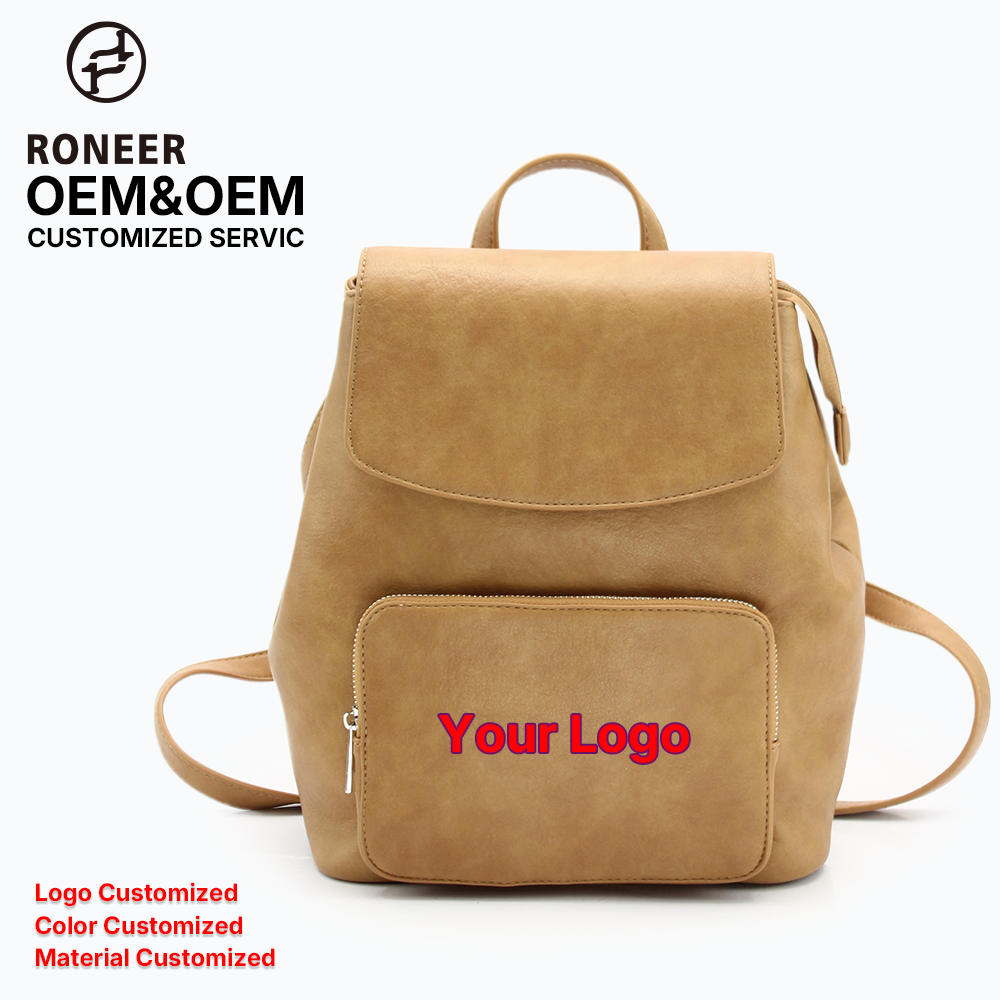
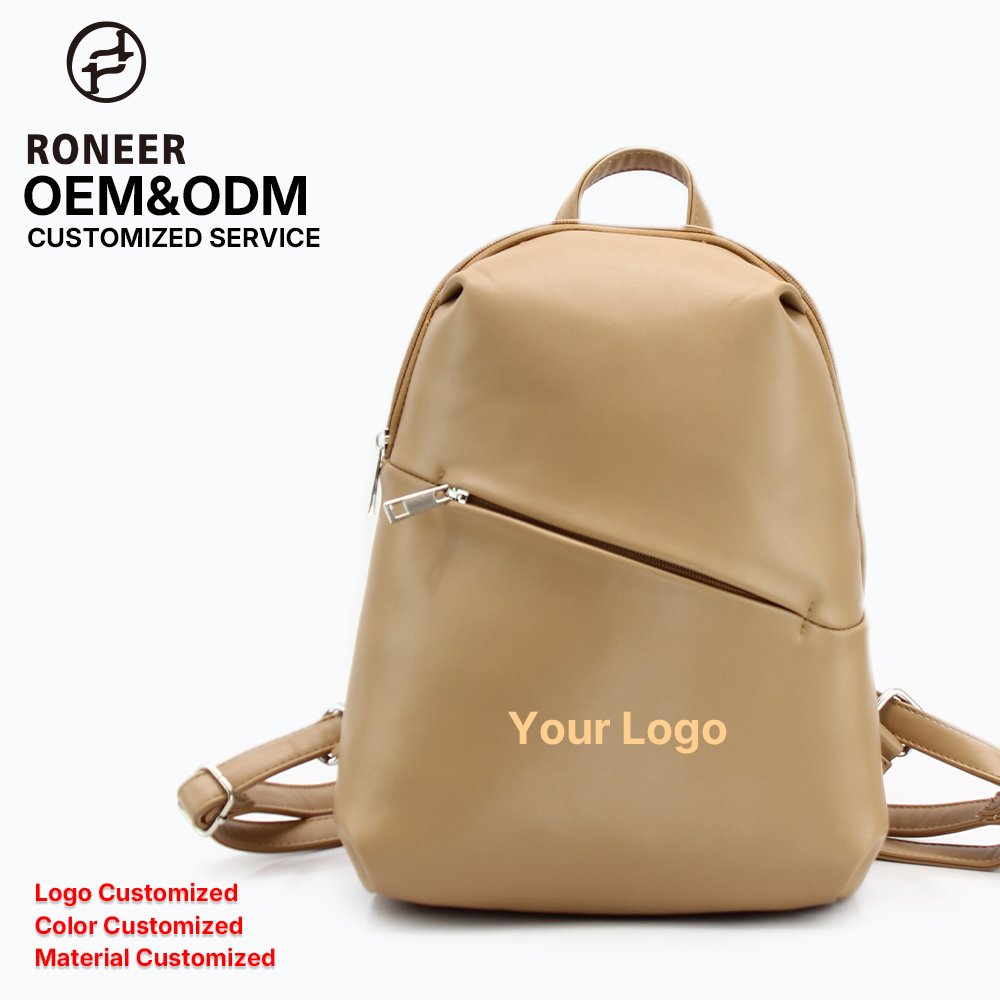
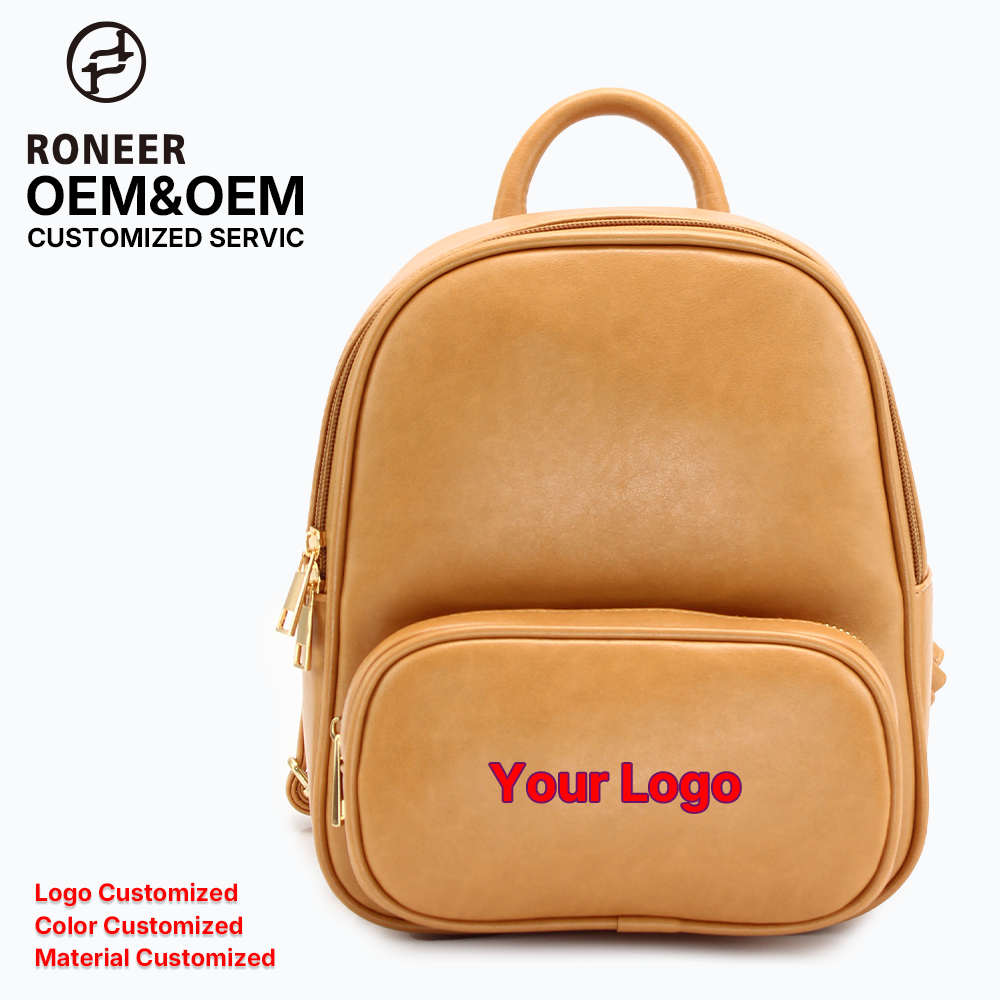
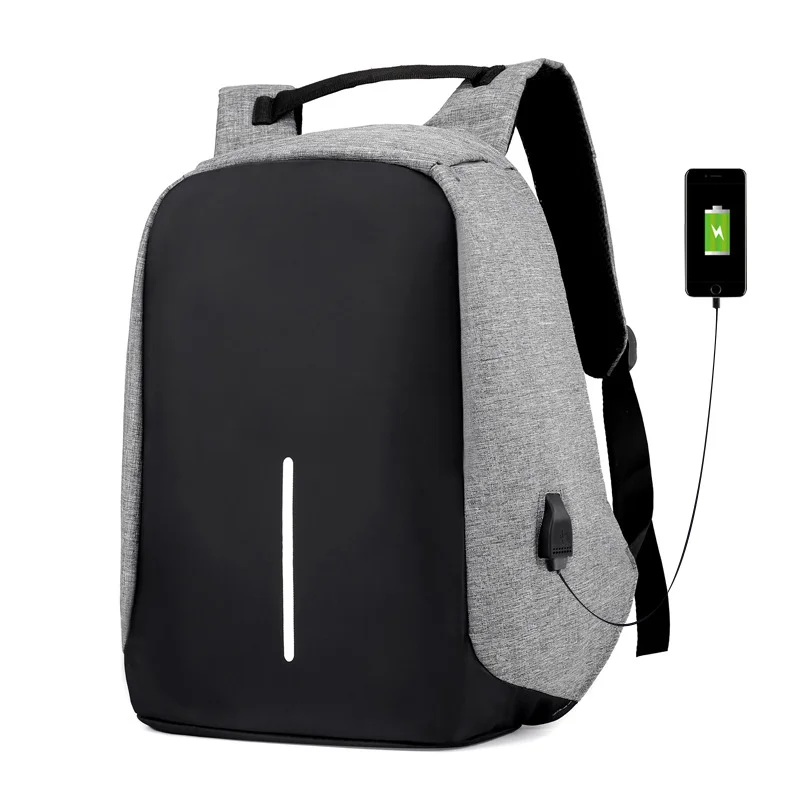
A standard backpack refers to a model of everyday use, typically used for school, work, or light commuting, or called a “backpack.” These backpacks emphasize simplicity, comfort, and style, rather than travel-specific features.
What are its features?
- Simplified layout: A main compartment and one or two accessory pockets.
- Smaller capacity: Usually between 10L and 30L.
- Lightweight construction: Fewer pads, lighter materials.
- Casual ergonomics: No hip belts or technical harnesses.
- Design flexibility: Styles vary from sporty to fashion-forward.
When should you typically use a regular backpack?
- For commuting, daily errands, or light day trips.
- When cost, comfort, and simplicity are top priorities.
- When aesthetics or brand identity matter more than technical performance.
What are some of the most common brands of regular backpacks?
| Brand | Focus / Use Case |
|---|---|
| Herschel Supply Co. | Every day use, casual and urban settings |
| Jansport | Students, daily commuting |
| Eastpak | Every day use, school, and light travel |
| Nike | Active lifestyle, gym, casual wear |
| Adidas | Sports, urban casual, students |
Main differences between travel backpacks and regular backpacks
Although travel backpacks and regular backpacks may seem similar at first glance, they are different in terms of their needs. Here, I have compiled a table of their differences:
| Feature | Travel Backpack | Regular Backpack |
|---|---|---|
| Volume | 25L – 70L+ | 10L – 30L |
| Opening style | Clamshell / front-panel access | Top or single front zip |
| Internal organization | Multiple compartments, compression straps | Simple, open space |
| Load system | Hip belt, sternum strap, load lifters | Basic shoulder straps |
| Security | Lockable zips, hidden pockets | Standard zippers |
| Weatherproofing | High (DWR, coated zips) | Moderate |
| Fabric | Cordura nylon, high-denier polyester | Polyester, canvas, cotton |
| Hardware | Heavy-duty YKK zippers, robust buckles | Lightweight components |
| Use case | Travel, carry-on, business trips | School, work, casual |
| Price | Mid–high | Entry–mid |
| Production complexity | Advanced stitching, multiple panels | Simplified design |
How to choose the right backpack based on customer needs?
When choosing the right backpack, you need to understand what the user truly needs. This includes considering how and where the backpack will be used, the type and quantity of items carried, and the user’s priorities—whether it’s durability, organization, comfort, style, or budget. Here are the detailed steps:
1. Determine your backpack type:
- Commuting + Laptop = 20-30L, with a padded laptop sleeve.
- Travel = 35-45L flap backpack with load-bearing straps.
- Hiking = 50L and above, with a frame and waist belt.
2 . What do your customers prefer?
- Durability → Choose high-denier nylon or Cordura fabric.
- Weight → Choose a lighter polyester fabric.
- Security → Lockable zippers and security panels.
3 . Choose a suitable material:
- Please specify the denier number, coating, zipper size, and percentage of recycled materials.
- Durable design
- Use replaceable buckles and modular shoulder straps.
4 . Request samples from the manufacturer for testing.
- Abrasion resistance, load-bearing capacity, and water resistance testing are crucial for travel products.
- Price matches function.
- Create a clear functional hierarchy: Basic, Advanced, Premium.
5 . Sustainable Development Goals:
Whenever you can, opt for backpacks made with recycled fibers and responsibly certified supply chains—it’s better for both your customers and the planet.
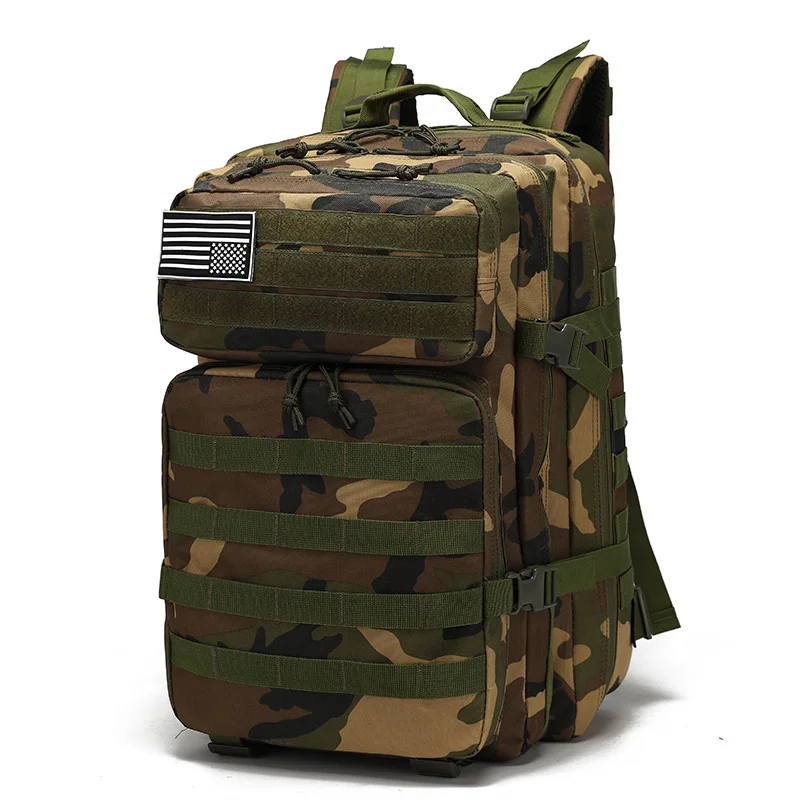
Backpack preference trends by user group
Different groups are looking for different things in their backpacks. Please see the information below
- Students: Prefer simple, affordable designs with colorful styles and lightweight polyester materials.
- Commuters: Seek compact, tech-friendly packs with laptop sleeves and minimalist looks.
- Outdoor travelers: Value durability, support, and weather resistance; often choose Cordura or ballistic nylon.
- E-commerce customers: Focus on aesthetics, clear visuals, and sustainable materials.
- Fashion-oriented users: Choose design and texture—canvas, leather, or vintage styling—over technical performance.
- Business professionals: Look for organization, sleek silhouettes, and durable yet elegant materials.
How to make your backpack last longer
This is a question that many people are concerned about. I’ve bought a backpack I like – whether it’s a travel backpack or a daily backpack – how can I make it last longer?
When I was working in a luggage factory, a master craftsman with over ten years of experience shared the following valuable maintenance tips:
- Regularly empty and air dry: Moisture will shorten the service life of the fabric. Please keep dry and store open after use.
- For local cleaning only: Use mild soap and a soft cloth. Avoid machine washing.
- Protect the zipper: Clean the zipper track; Never forcibly pull a stuck zipper.
- Minor damages should be repaired in time: Early sewing or repair can prevent major problems.
- Reapply DWR coating: When water droplets no longer form, use a spray-type water repellent.
- Proper storage: Keep upright, slightly stuffed, and store in a cool and dry place.
- Replace hardware when necessary: Low maintenance costs, and can extend the product’s service life.
Current design trends and innovations in backpacks
With the continuous changes in lifestyle and travel habits, backpack design is also constantly evolving.
- Smart and modular designs: USB ports, removable organizers, and modular accessories for tech users.
- Sustainability as standard: Recycled materials, PFC-free coatings, and transparent sourcing.
- Hybrid travel-luggage models: Convertible duffel-to-backpack structures appeal to frequent travelers.
- Advanced waterproofing: TPU laminations and sealed seams offer weather protection without weight.
- Ergonomic improvement: Adjustable torso systems and better weight balance for comfort.
- Material innovation: New lightweight ballistic nylons and recycled performance fabrics.
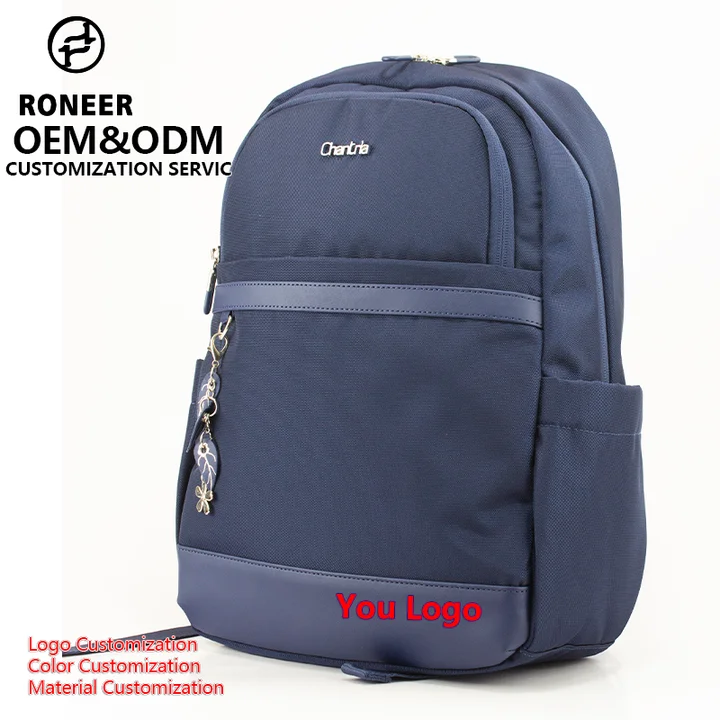
- Customization: Personalizable panels, colors, and detachable accessories for individuality.
Conclusion
Travel backpacks and regular backpacks are designed to meet very different needs. Travel backpacks emphasize organization, durability, and comfort; regular backpacks focus on convenience, affordability, and everyday practicality.
For anyone designing, sourcing, or selling backpacks, aligning materials, size, and functionality with user needs is crucial. A well-made travel backpack requires thoughtful testing, durable materials, and an ergonomic design. Regular backpacks thrive on simplicity and aesthetics.
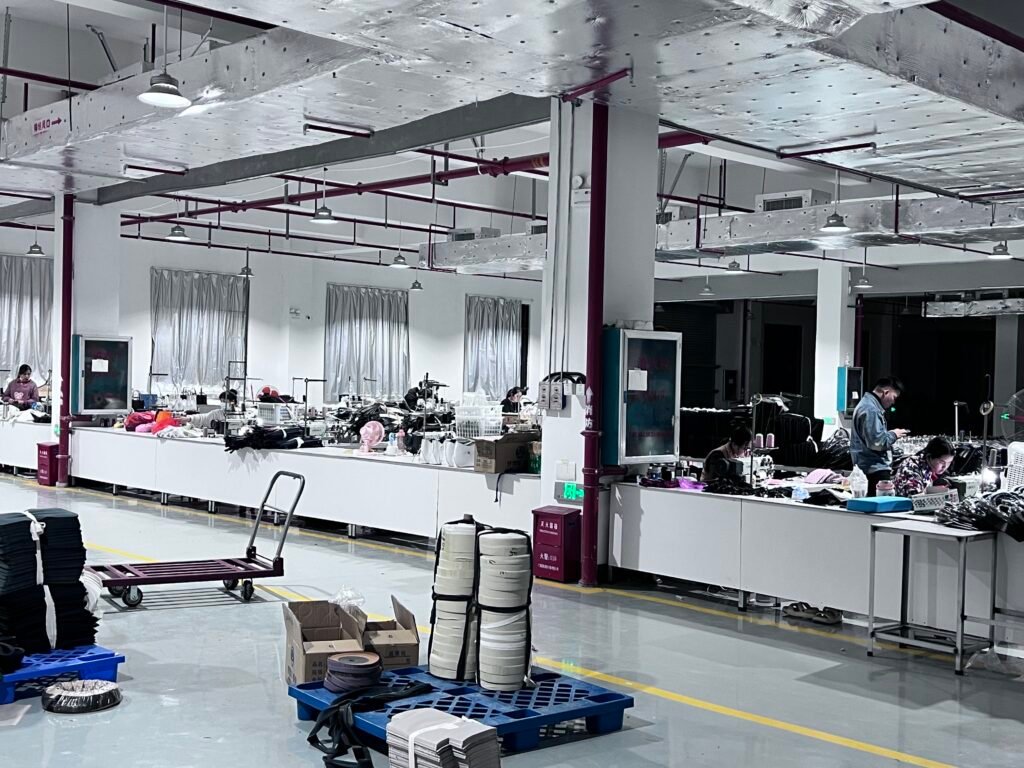
If you are looking for a backpack manufacturer, RONEER is a factory with 18 years of experience offering OEM & ODM services. Please leave your information on our website or contact our sales team directly via WhatsApp.