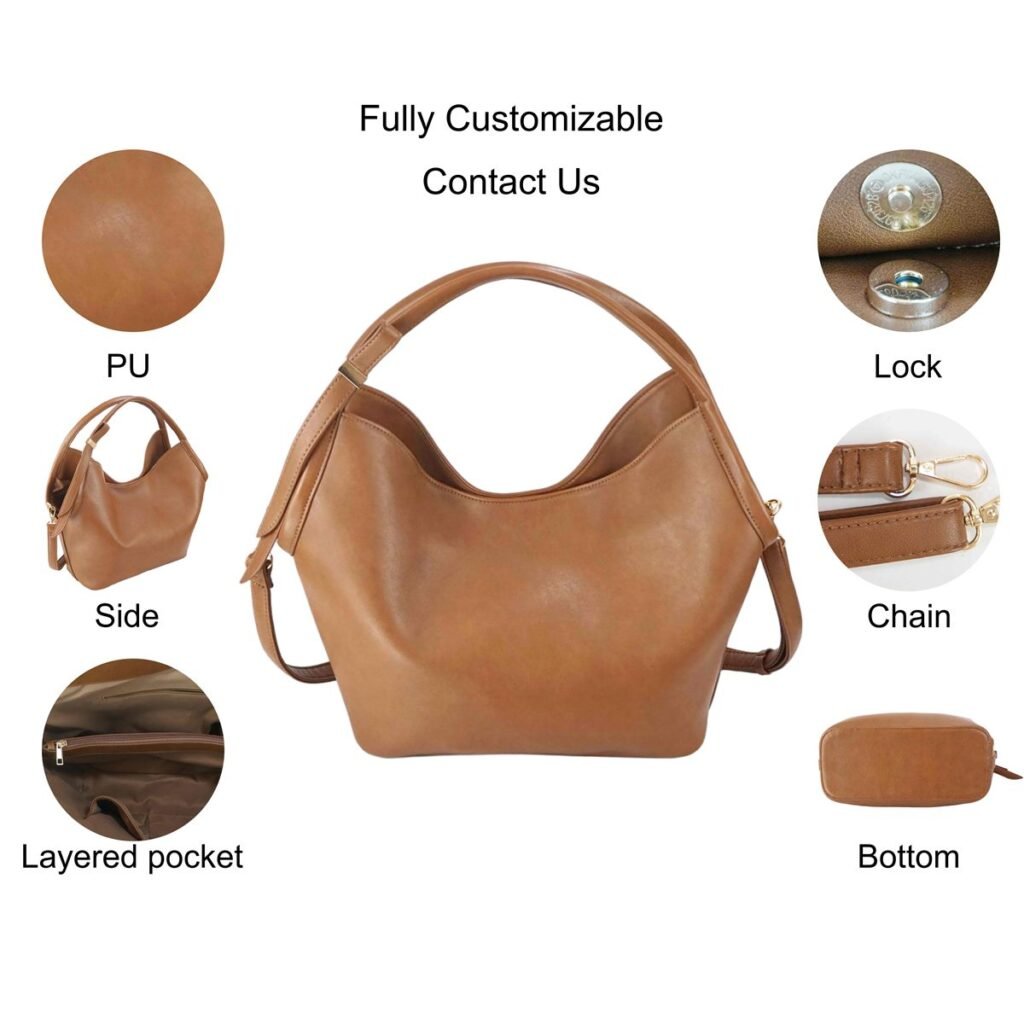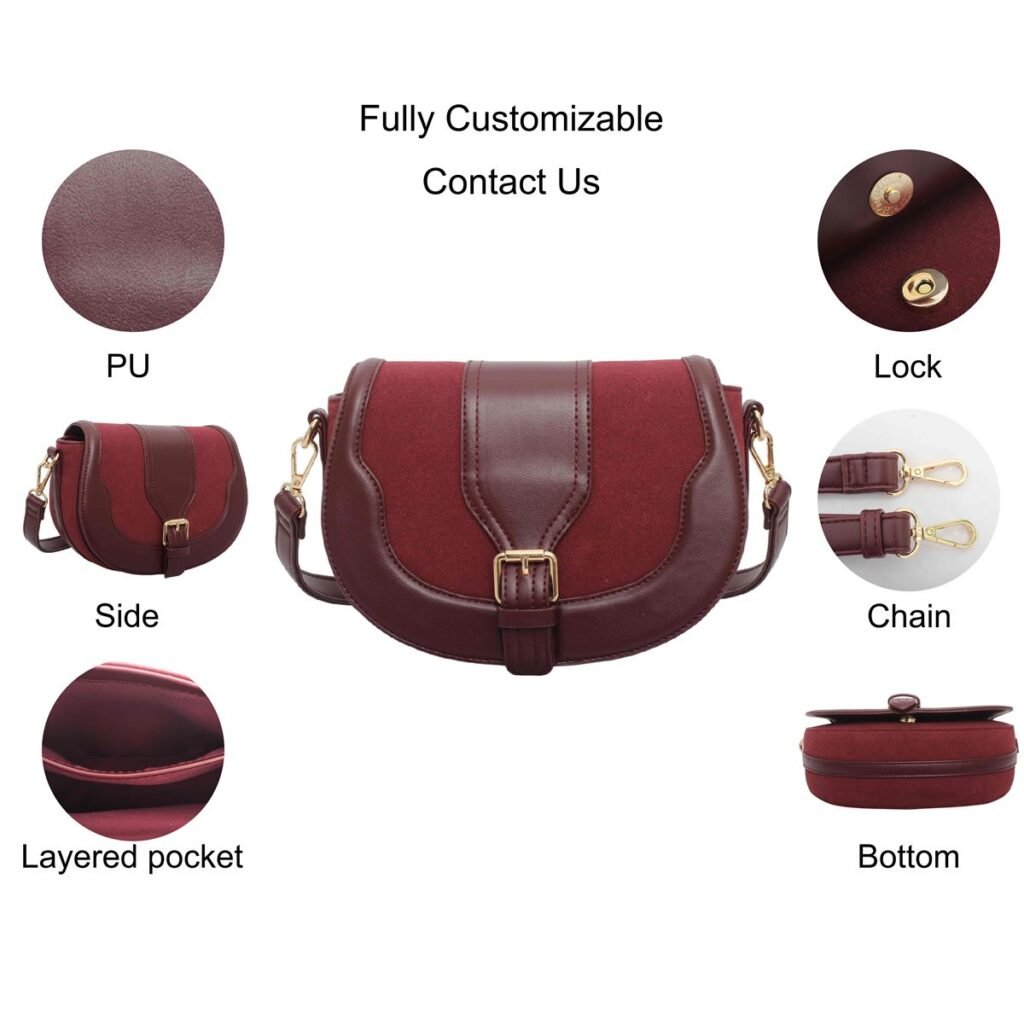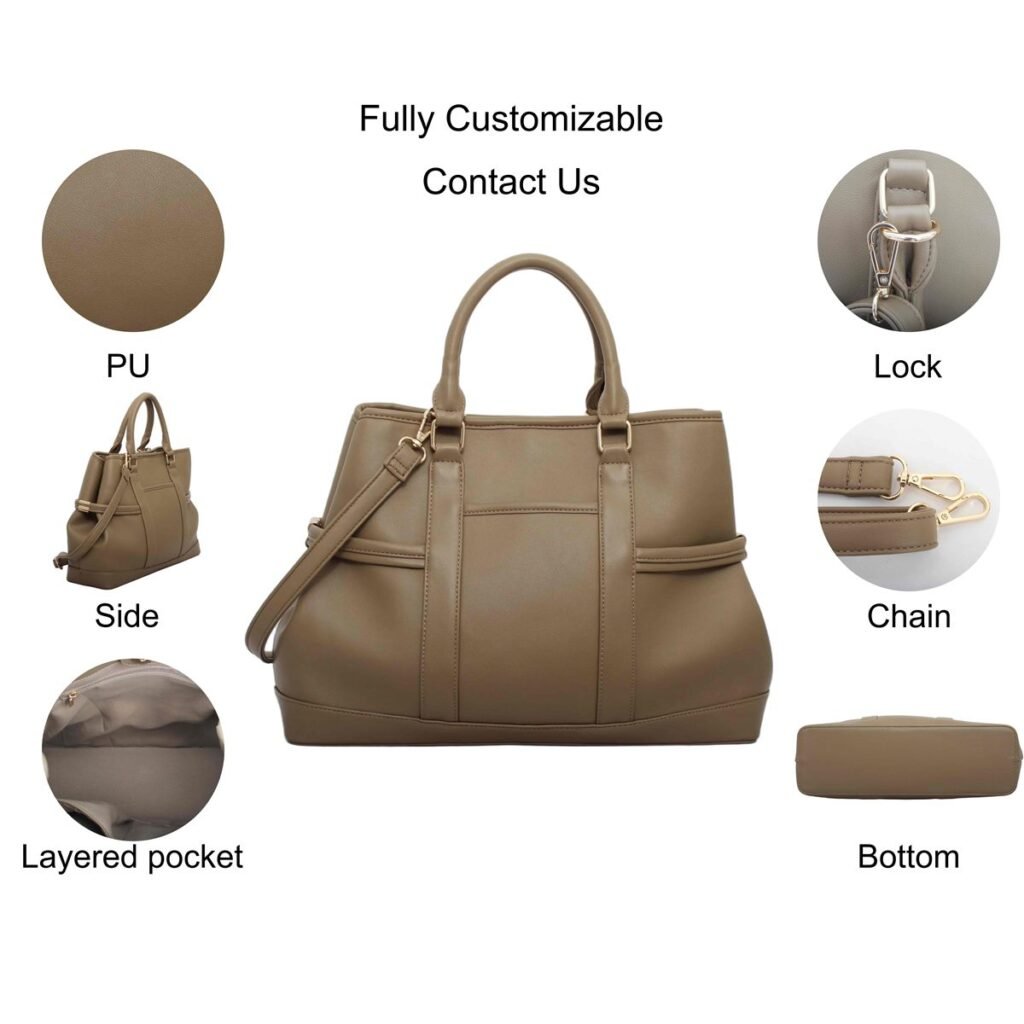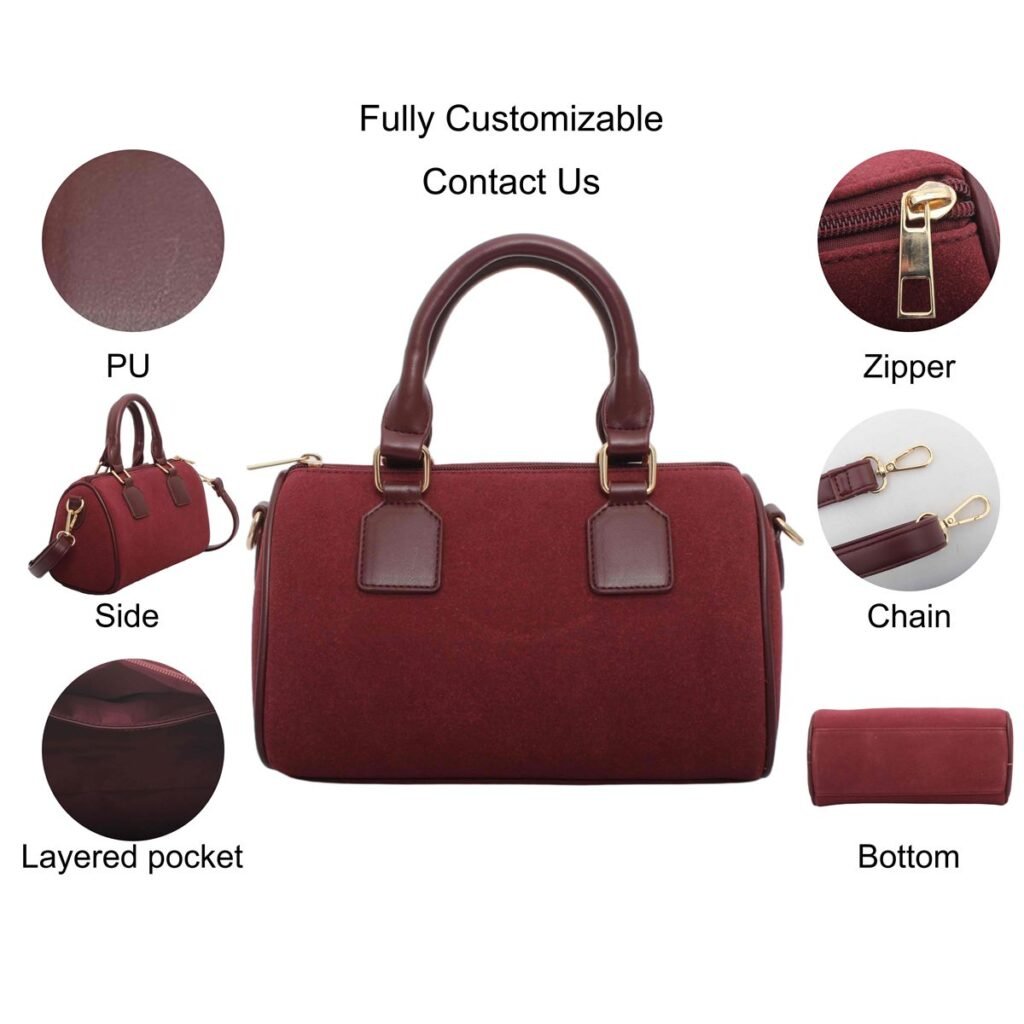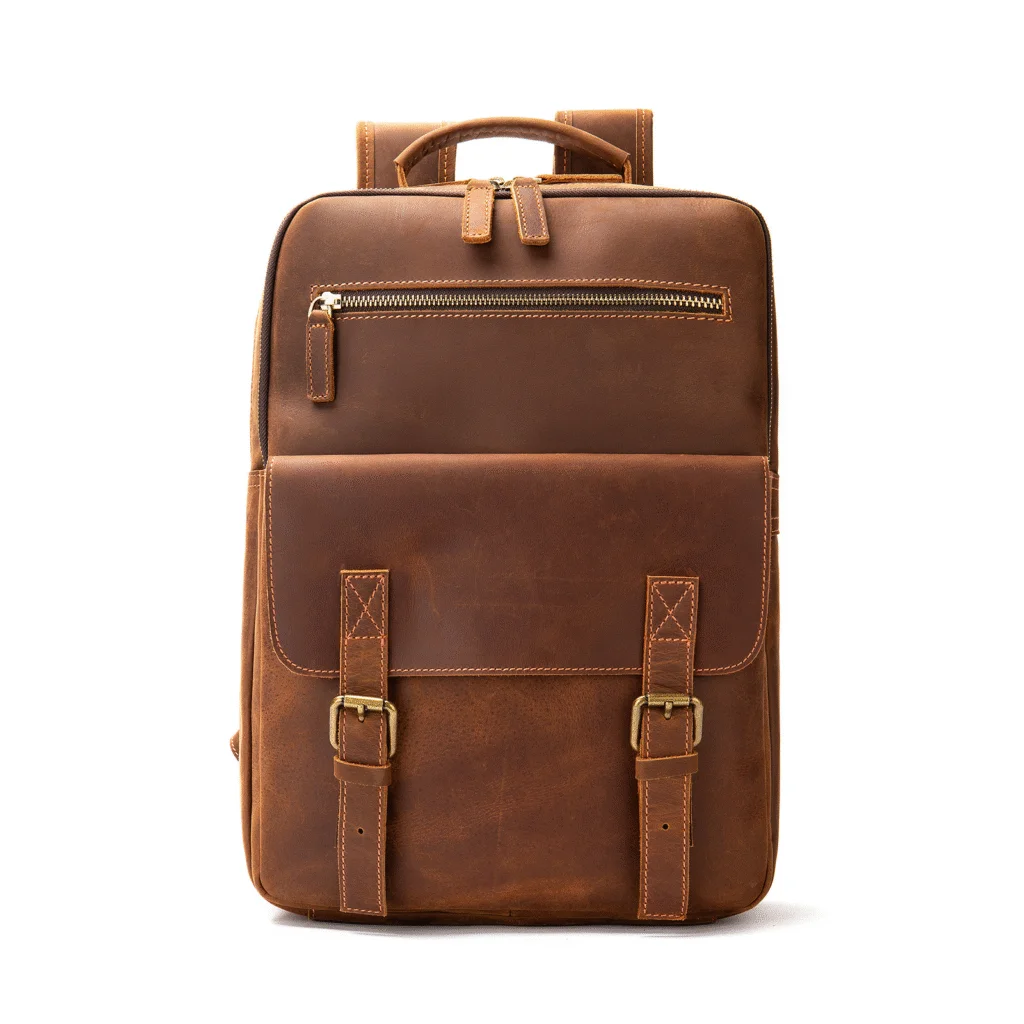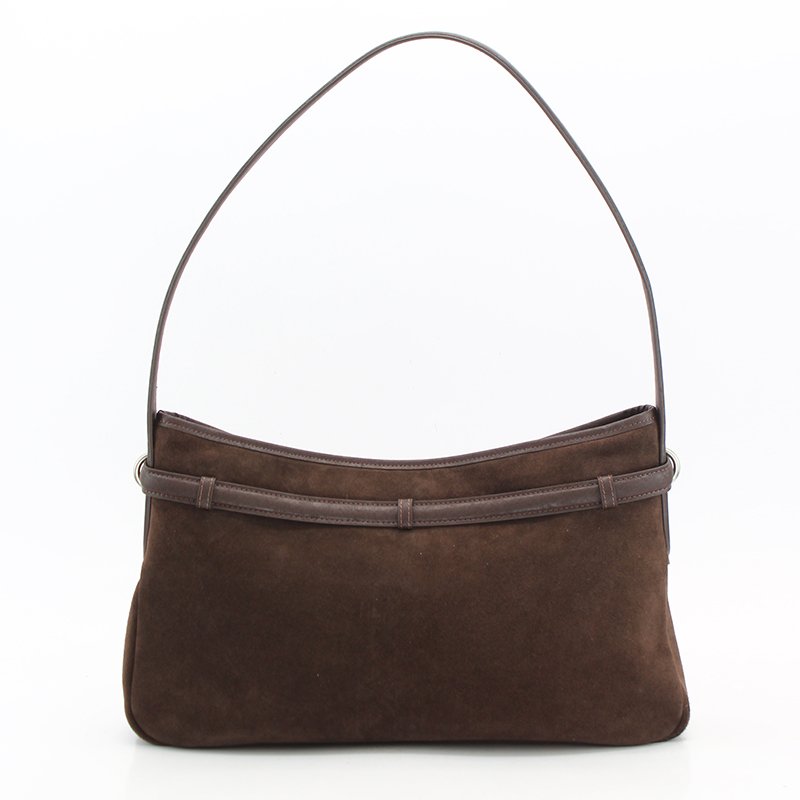










Choosing a suitable travel backpack is not just for the convenience of the journey. For brand owners, it is more of a commitment – a commitment to the quality of the product, the dedication of the design, and the reliability of the user experience. An outstanding backpack not only makes the user feel comfortable and convenient, but also reflects the professional image and competitiveness of the brand in the market.
During the development and selection process, many brands encounter challenges, such as striking a balance among appearance, material, function, and durability. How can the professionalism and sense of value of a brand be conveyed through design and details? In this guide, RONEER, a company with over a decade of industry experience, will help you create high-quality travel backpacks that not only meet user needs but also enhance your brand image by analyzing the size selection, functional design, and product selection methods of travel backpacks. It is hoped that through this information, you can create durable and practical products and make your brand stand out in the highly competitive market.
What Makes a Travel Backpack Truly Good?
What does a good travel bag have? Most people think that as long as it’s big enough and good-looking enough, that’s fine. However, those who have actually used it will tell you That Comfort, durability, and ease of use are the most important factors. When you are a brand owner or manufacturer, it is not just “a bag”, but a reflection of the brand’s reputation and product strength. So I think a good travel bag should have the following features:
Stable structural design
A good travel backpack should first be able to maintain its shape, whether it is fully loaded or half loaded. The internal support structure, reinforced base plate, and reasonable stitching layout can ensure that the backpack does not deform or sag during long-distance transportation, which directly affects users’ trust in the brand’s quality.
Comfortable ergonomic design
Traveling means carrying for a long time. The curvature of the shoulder strap, the breathability of the back support, the weight distribution system, and other details determine whether the backpack is easy to carry or tiring. An ergonomic backpack not only enhances the user experience but also reflects the brand’s attention to detail and professionalism.
Reliability of materials
The material of a backpack not only determines its appearance but also relates to its durability and service life. High-density fabrics, high-quality leather, or eco-friendly recycled materials must be able to resist wear, water splashing, and tearing. For brands, choosing the right materials means that the products will be more competitive in the market and, at the same time, reduce after-sales risks.
Efficient internal layout
The design of the internal compartments determines the usability of the backpack. Reasonable space allocation and convenient storage methods enable users to easily organize clothes, electronic products, and daily items. Such thoughtful design details can also create a professional and high-quality brand impression in the minds of users.
Durable and long-lasting
Durability is an important manifestation of the value of a backpack. A backpack that has undergone rigorous testing, reinforced key parts, and is equipped with high-quality hardware and zippers can not only withstand the test of travel but also earn the brand long-term trust. Products that stand the test of time are the foundation for a brand to establish itself in the market.

Best Travel Backpack Size for Different Types of Trips
| Trip Type | Recommended Capacity | Typical Use Case | Key Design Focus |
|---|---|---|---|
| Short Business Trips | 20–30L | 1–3 days, quick business trips | Compact and lightweight, with laptop and document compartments for easy access |
| Weekend Getaways | 30–40L | 2–3 days of leisure travel | Flexible internal organization, enough space for clothing and essentials, easy to carry |
| Extended Travel | 40–50L | 5–10 days of long-distance travel | Ergonomic weight distribution, durable materials, ample space for clothing and necessities |
| Adventure & Outdoor | 45–60L | Hiking, camping, outdoor exploration | Water-resistant, abrasion-proof, breathable back panel, reinforced straps for heavier loads |
| Hybrid Travel | 35–45L | Work + leisure combined trips | Modular compartments to store electronics and personal items, suitable for both city and outdoor use |
Pro tip:Always match backpack size to the type and duration of travel—comfort and functionality matter more than sheer capacity.
Essential Features of the Best Travel Backpack
You can imagine that when you walk through airports, squeeze through subways, and frequently switch between different cities, it is those seemingly insignificant details that truly determine whether your backpack is “practical” or not. From the perspective of practical application and product development, I think there are the following points:
- Practical opening and closing methods: The most dreaded thing during a trip is having your bag rummaged through when looking for something. The backpack that can be opened at a large Angle and unfolded like a suitcase makes storage and organization intuitive and efficient. Users can see all the items at a glance without having to rummage through them repeatedly. This convenient experience will greatly enhance their favorable impression of the product.
- Clear and secure electronic device compartments: Nowadays, travel is almost inseparable from laptops, tablets, and various charging devices. An independent, thickened, and suspended computer compartment can effectively reduce the risk of collision and compression. Storing electronic devices and clothes separately is not only safer but also makes the entire backpack appear more professional and orderly.
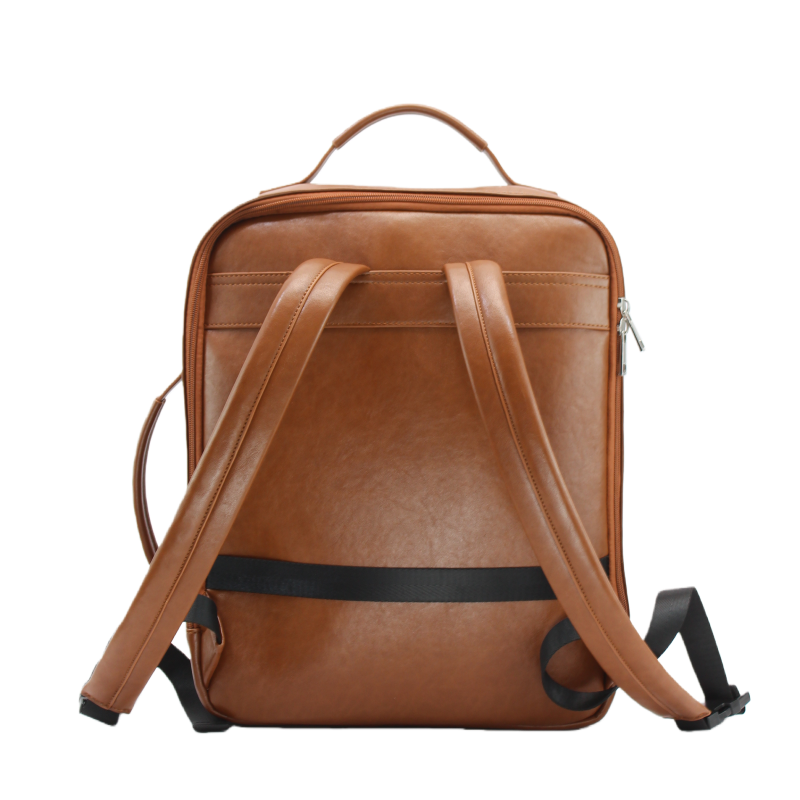
- Only when it feels comfortable to carry is it truly good: No matter how good-looking a backpack is, if it causes shoulder pain after just a few hours, it will soon be phased out. The reasonable ergonomic design, including shoulder straps that fit the shoulders, a load-bearing system that evenly distributes weight, and a backboard with a sense of support, makes long-term carrying easy. This “not tiring to carry” experience will make users trust the brand.
- The internal layout should be easy to use: A good internal structure doesn’t require an instruction manual. Clothes, certificates, and daily necessities each have their own places, which are convenient to take and can be quickly put back in their original positions after use. Such a design will make the user feel that this backpack has truly been considered from my perspective. Over time, this sense of convenience will turn into a favorable impression of the brand.
- Practical yet not exaggerated safety design: During travel, a sense of security is important, but it doesn’t need to be complicated. Hidden pockets, anti-theft zippers, or lockable designs, as long as they are done just right, can protect valuable items without affecting their usage efficiency. A low-key and effective security design is more likely to be accepted in the long term.
- Breathable back design: In hot or humid environments, the back will be immediately magnified. The breathable mesh fabric or air circulation structure can effectively reduce stuffiness and sweating, ensuring that the backpack remains comfortable during long-term use. This kind of experience often adds points to the product unconsciously.
- Water repellency and daily protection capability: During a trip, it is common to encounter rain or accidentally spill water. The fabric with basic water repellency and the protected zipper can safeguard the items inside the bag at critical moments. This doesn’t necessarily have to be “completely waterproof”, but it must be reliable enough.
- Built-in USB interface, more in line with real usage scenarios: Many travelers carry power banks with them. The built-in USB interface makes charging more convenient, allowing you to charge your phone without opening your backpack. As long as the interface positions are reasonable and the internal wiring is clear, this small detail can significantly enhance the practical value of the backpack and also reflect the product’s understanding of modern travel methods.
- Durable and responsible material selection: The materials determine how long a backpack can be used and also convey the brand’s attitude. Wear-resistant and sturdy fabrics, combined with eco-friendly or sustainable material options, not only extend the product’s lifespan but also better meet the current market’s expectations for quality and responsibility.
How to Choose the Right Travel Backpack for Your Project?
The following steps, derived from the experience gained during actual development and implementation, are closer to real operations and easier to execute.
- The first step: Think clearly about “who is using it”: Before discussing the design, ask yourself a question: Who is this backpack ultimately for? Are you a frequent business traveler or a user who travels for long periods of time? The packaging habits, usage frequencies, and concerns of different groups of people are all different. If you have a clear understanding of your target users, the subsequent choices will be much simpler.
- Step 2: Sort out the real usage scenarios: Where would travel backpacks be used? Airports, subways, urban commuting, or cross-city movement? Clarifying these scenarios helps determine whether the backpack needs to be lighter or more durable, and also avoids the accumulation of functions.
- Step 3: Capacity selection should be just right: Capacity is not necessarily the larger the better, but rather just sufficient for use. Choosing the wrong capacity can, at best, affect comfort and, at worst, directly impact the user experience. It will be more reliable to first determine the approximate number of days for the trip and the items to carry, and then work backward to determine the appropriate size of the backpack.
- Step 4: Materials should serve usage: Materials not only determine the appearance, but also how long the backpack can be used. Wear-resistant and sturdy fabrics can reduce after-sales problems, while eco-friendly materials can enhance the brand image. When choosing materials, practicality always comes first.
- Step 5: Comfort when carrying is very important: The carrying experience is often the first part that users perceive. Whether the shoulder straps fit well, whether there is support for the back, and whether the weight distribution is reasonable all need to be repeatedly tested during actual carrying, rather than just looking at the design drawings.
- Step 6: Production capacity should match the design. No matter how good the design is, if the factory is not stable, it will be difficult to implement. Understanding the manufacturing party’s technological level, quality control process, and testing capabilities is an important step to ensure product consistency.
- Step 7: Sample making, testing, and further optimization: Sample making is not about following a process but about identifying problems. Fill the samples and carry them out for a whole day. Only by actually using them can you discover the detailed problems. Eliminating superfluous designs and strengthening the truly valuable parts will actually make the product more mature.
- Step 8: Let the product “speak the image of the brand”: The travel backpack is part of the brand. Details such as stitching, hardware, and material selection will all be perceived by users. Only by ensuring that the final product is consistent with the brand positioning can the product truly add points to the brand.
RONEER Bag Manufacturer
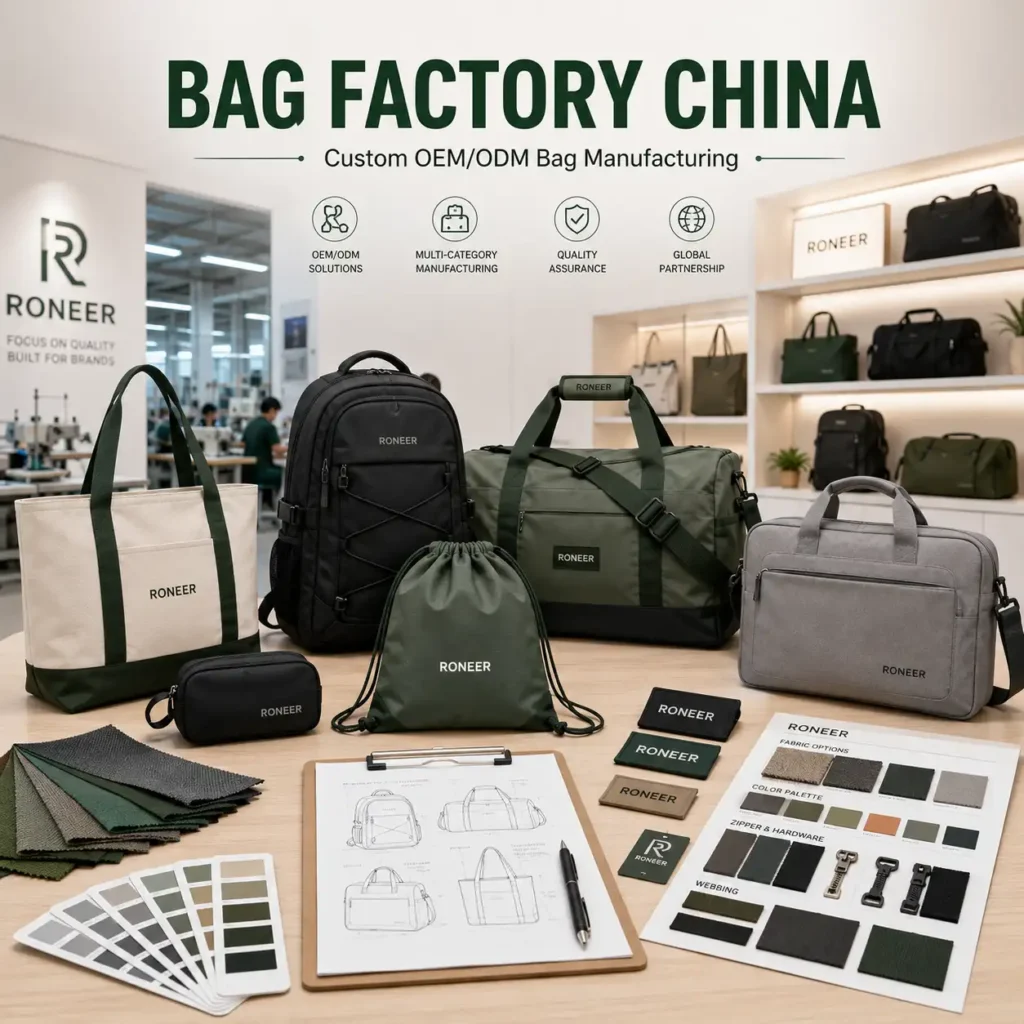
RONEER is a brand under Jiangmen Baijia Leather Goods. We have always been dedicated to creating high-quality, practical, and design-sense leather bags. Whether it’s handbags, backpacks, travel bags, crossbody bags, computer bags, or wallets, each bag embodies our dedication and pursuit of detail. For us, a bag is not merely a tool for carrying things; it is a reliable companion during our travels, at work, and even in our daily lives.
When making each backpack, we will repeatedly refine it from the material to the craftsmanship. Leather should be durable, fabric should be wear-resistant, and both stitching and zippers should be able to withstand long-term use. At the same time, we also hope that our products are not only practical but also environmentally friendly. Therefore, many bags are made of sustainable materials, allowing fashion and environmental protection to be balanced.
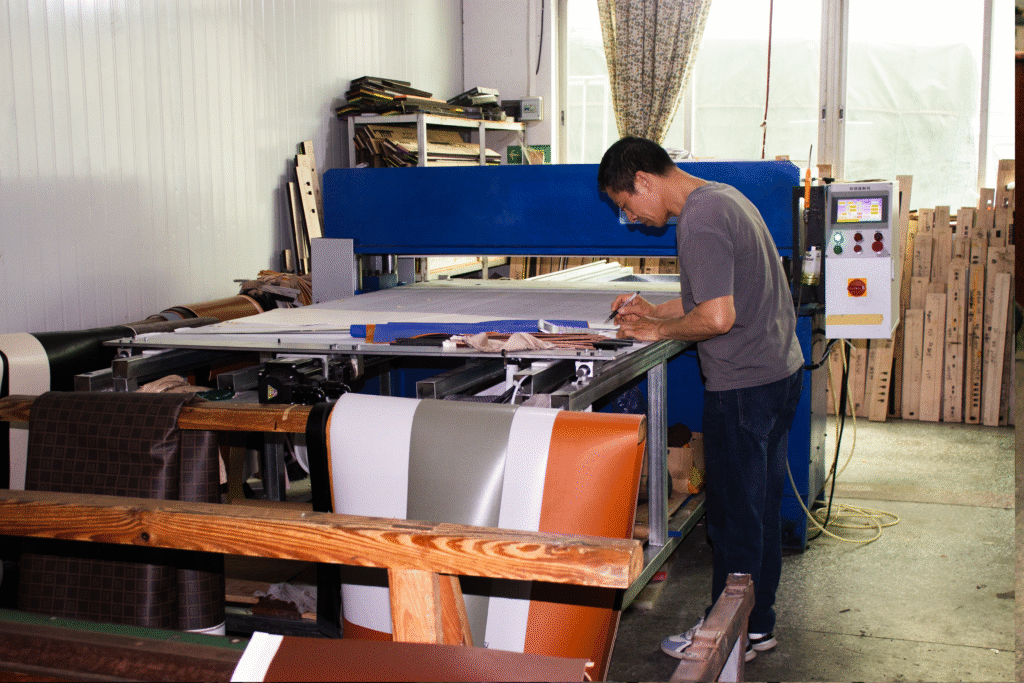
Our factory is located in Shiling Town, Huadu District, Guangzhou, which is known as the “Capital of Leather Goods in China”. There are over 200 experienced craftsmen and advanced testing equipment here. No matter the size of the order, we can guarantee stable quality, making every bag trustworthy for users.
RONEER’s products have gone global and are exported to over 50 countries and regions in Europe, Asia, America, and so on. When we see users carrying our bags walking on the streets, at airports, or in office Settings, that sense of security and comfort is precisely the goal we have been striving for.
If you are looking for a reliable and professional bag partner, please feel free to contact us. We hope that through every cooperation, we can bring high-quality products and thoughtful designs to more people, and at the same time help your brand become more competitive in the market.