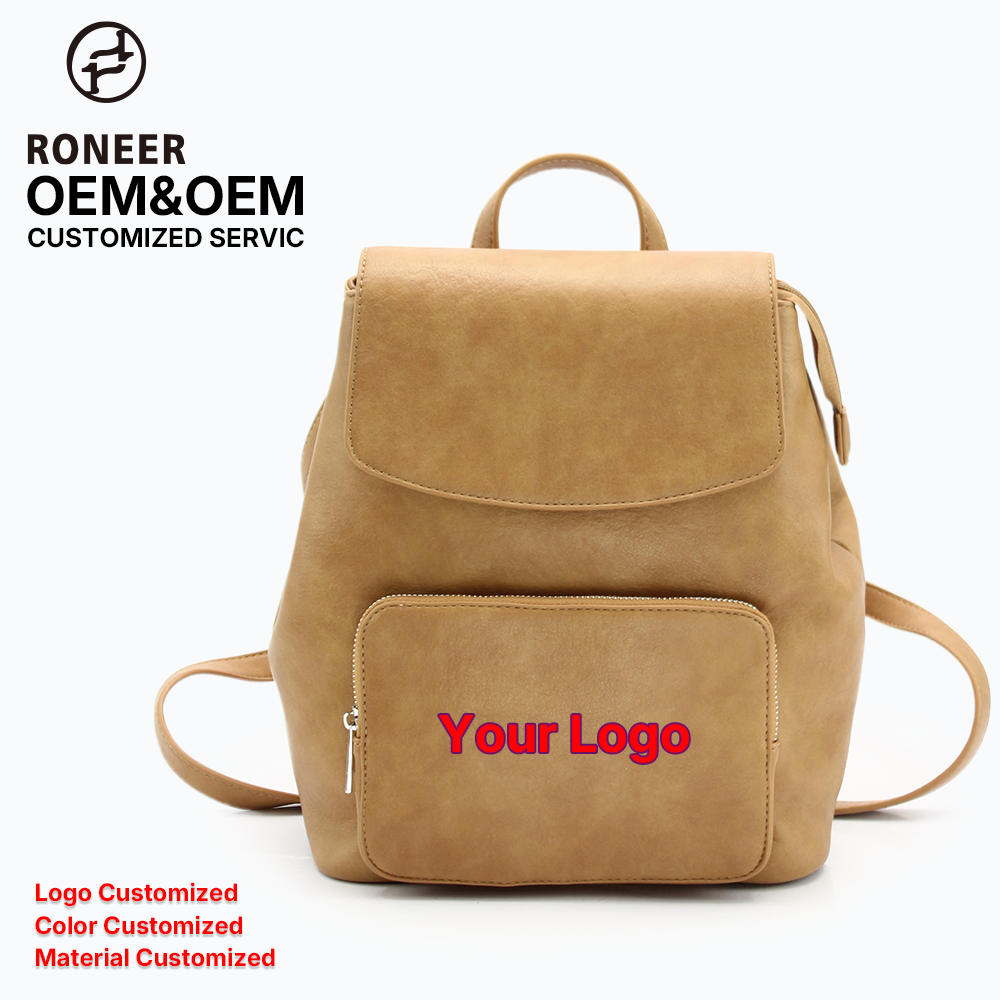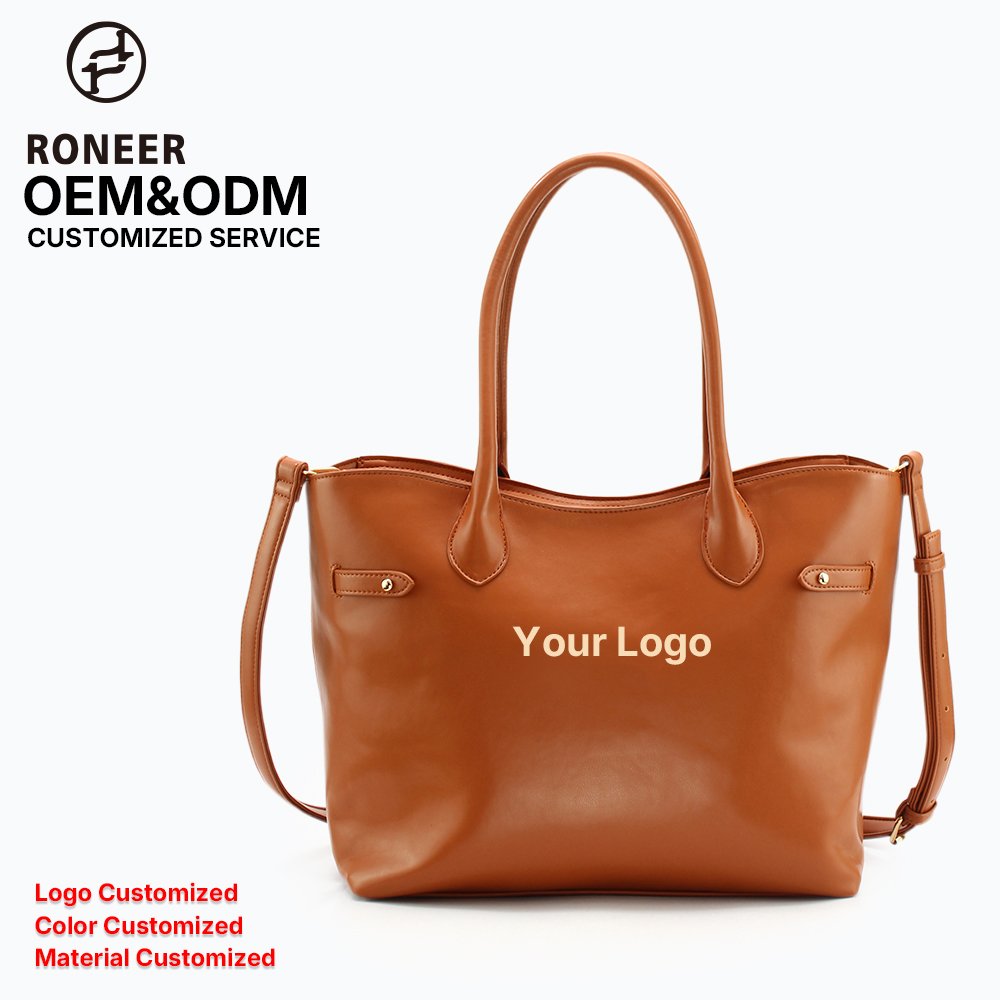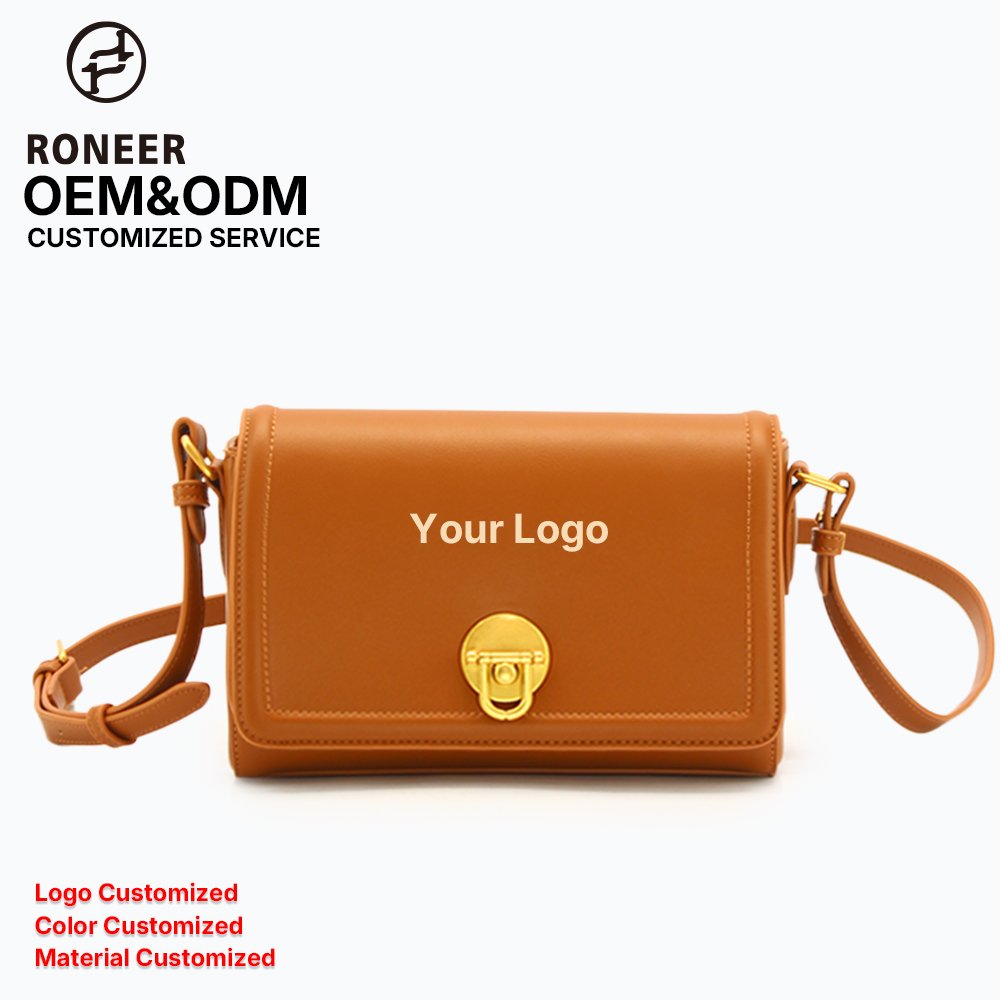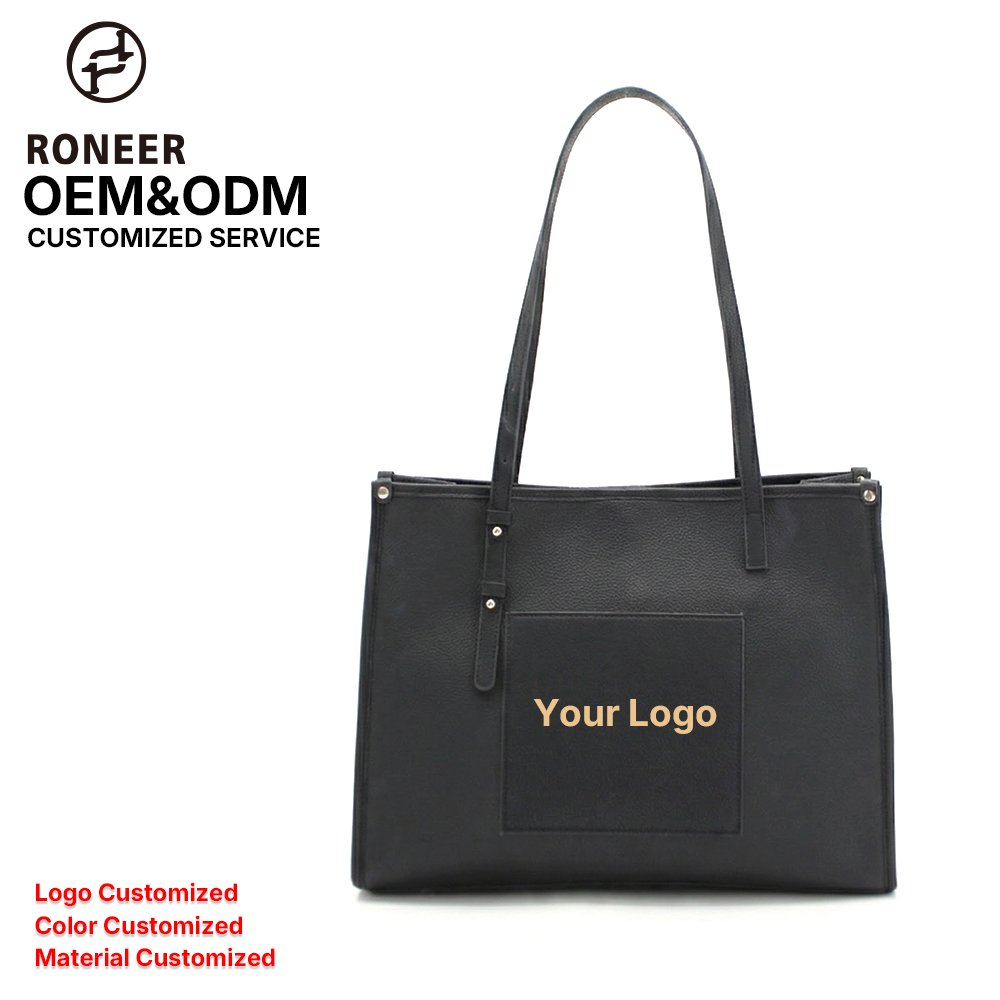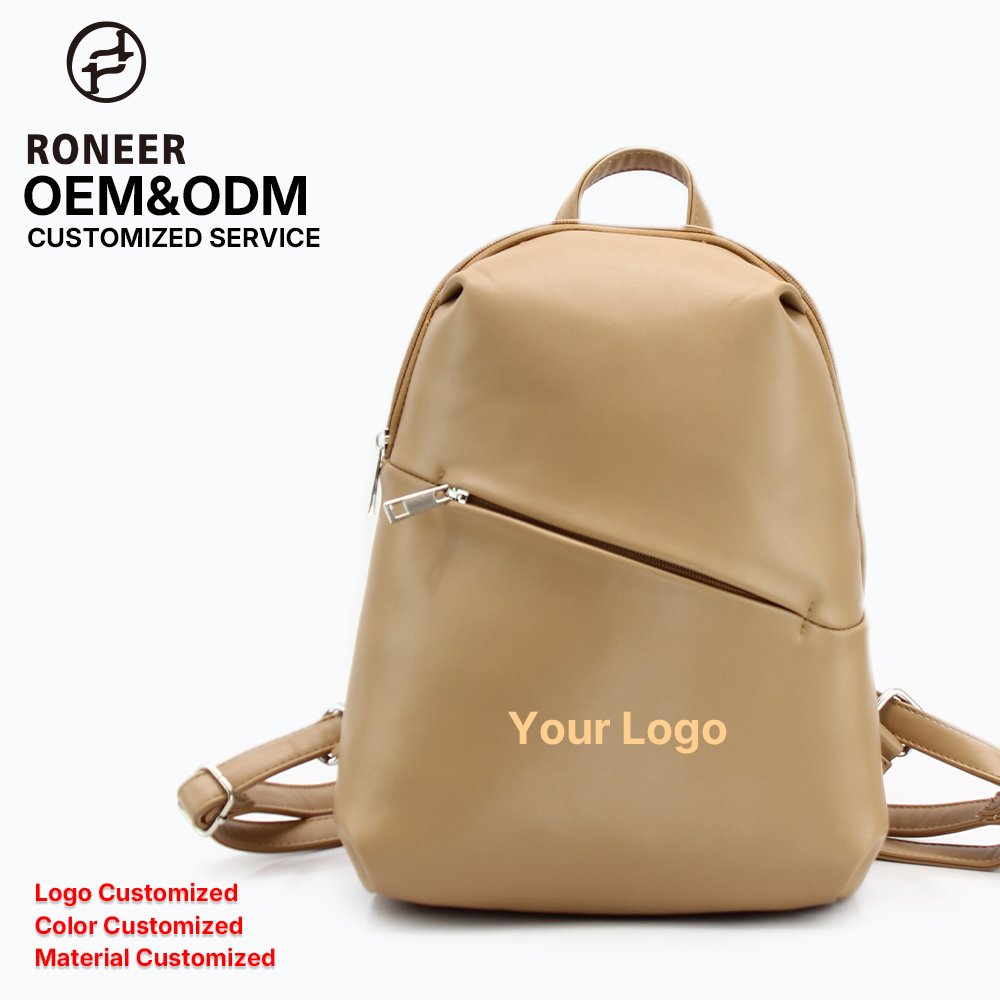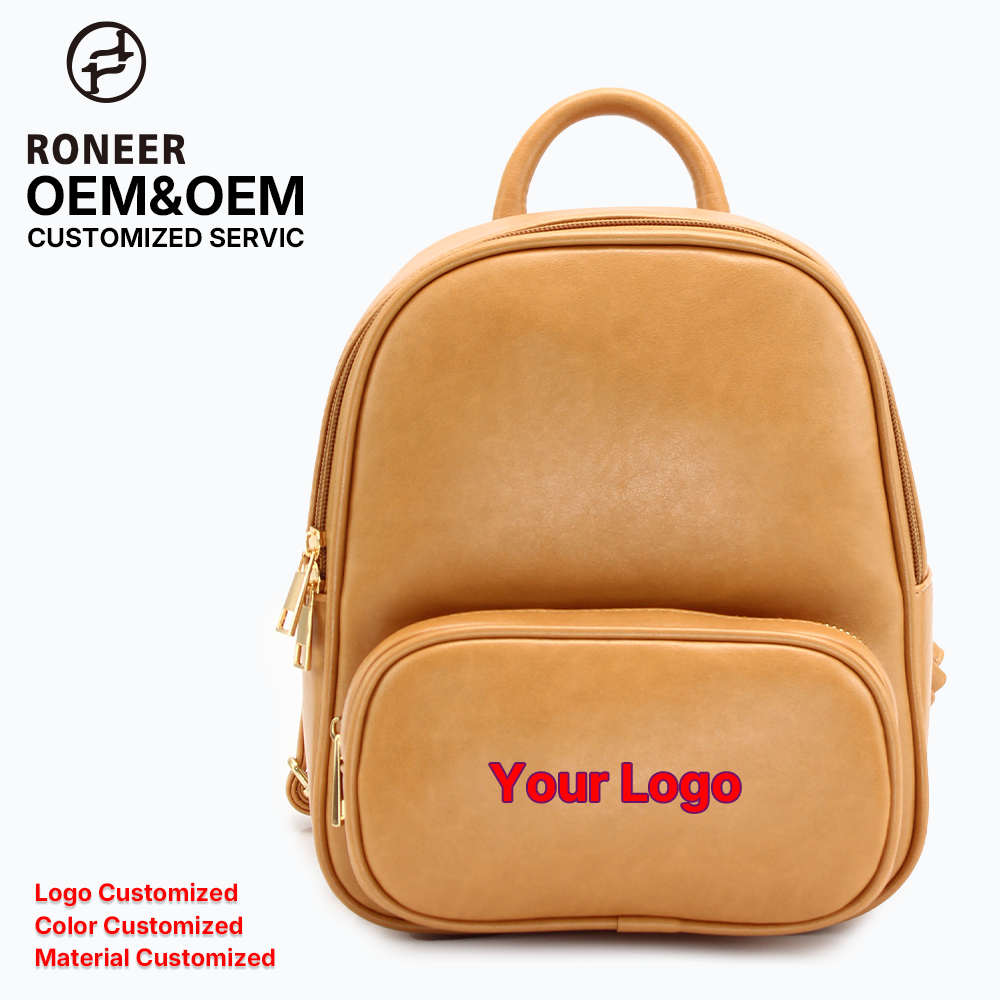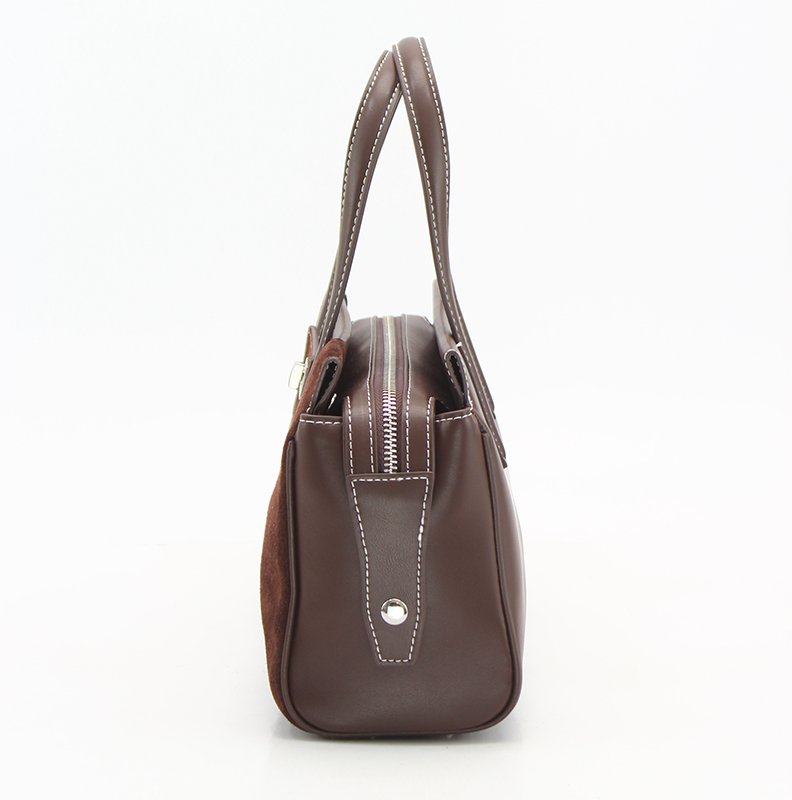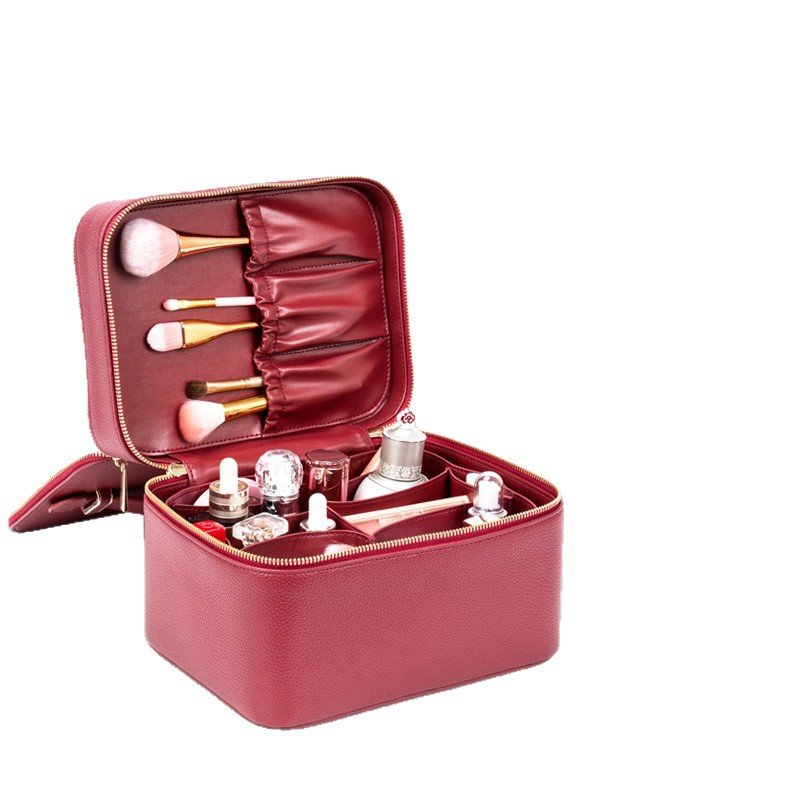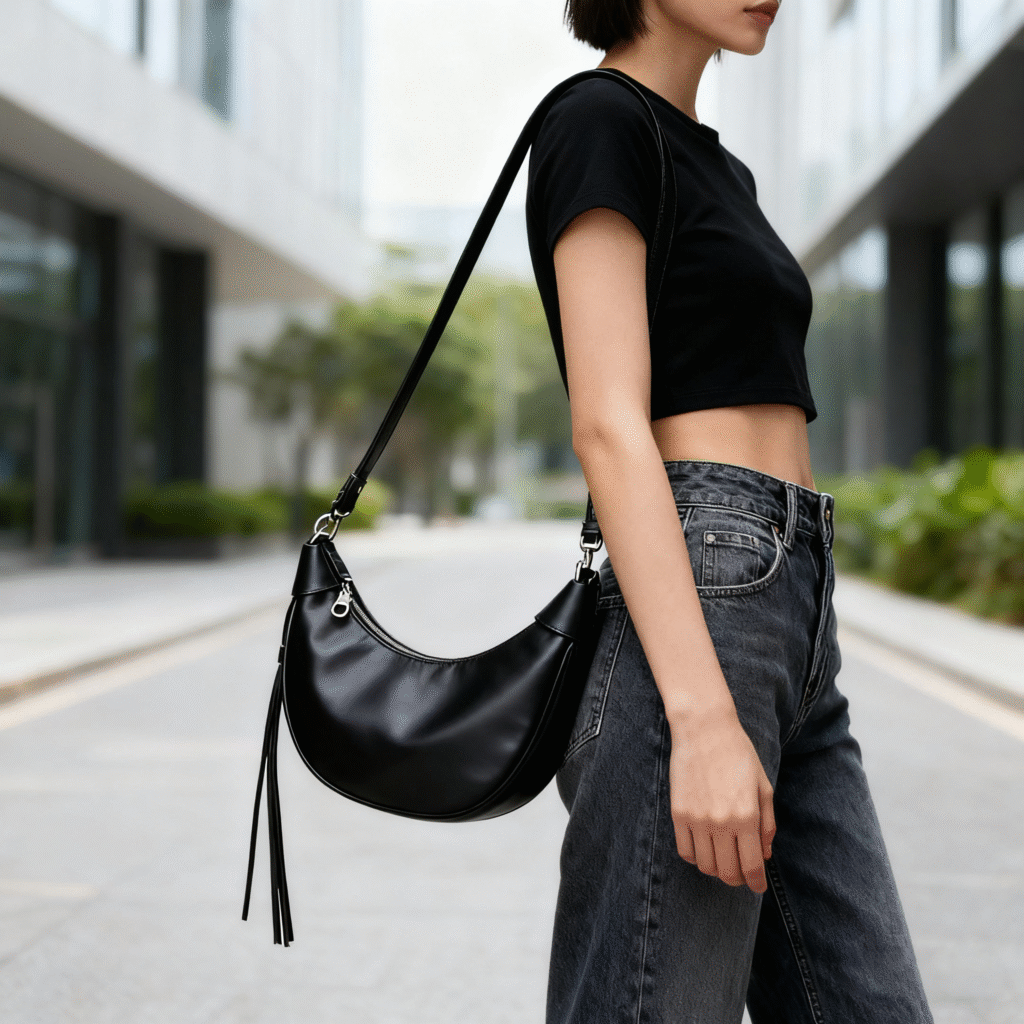





Most people don’t own just one shoulder bag. The one that is truly used for a long time is often the most “handy” – it doesn’t get tiring to carry on the shoulder, it doesn’t take much effort to pick up things, and it never goes out of style. Over time, it was no longer even regarded as a product, but more like a part of daily work and life.
It is precisely for this reason that the quality of a single-shoulder bag is rarely determined at first glance. It will be tested in daily carrying: Is the weight properly distributed? Will the shoulder strap deform over time when pulled? Can the bag still maintain its original structure after being filled with items? These problems will only truly surface through long-term use.
In this article, we will step by step break down the core logic of custom single-shoulder bags – what they are, where they differ from ordinary single-shoulder bags, and why more and more brands are beginning to attach importance to this more rational and long-term product approach. All the content is centered around practical design and manufacturing experience, helping you to start from the product itself and see the way of thinking behind an excellent custom shoulder bag.
Whether you are an individual seller or a purchaser, I hope this article is helpful to you!
What Are Custom Shoulder Bags?
Custom shoulder bags are shoulder-carry bags that are developed around specific functional, structural, and usage requirements rather than produced as fixed, off-the-shelf items. Instead of adapting users to a pre-defined design, customization starts from how the bag will actually be used—what it needs to carry, how often it will be worn, and under what conditions it must remain stable and comfortable.
In practical terms, a custom shoulder bag is the result of a series of deliberate product decisions. Dimensions are defined to support real carrying needs, materials are selected based on durability and aging behavior, and internal structures are designed to improve access and weight distribution. These elements work together to create a bag that performs consistently over time, not just at first impression.
From a manufacturing perspective, customization is less about adding features and more about removing uncertainty. When structure, materials, and construction standards are clearly defined before production, quality becomes repeatable and predictable at scale. This is what separates a truly custom shoulder bag from a standard product with surface-level changes.
Advantages of Custom Shoulder Bags
- Stronger Brand Differentiation: Structural details and proportions create built-in differentiation beyond surface design.
- Flexible Design for Target Markets: Size, materials, and layout can be adjusted to match specific market needs.
- Material Control and Quality Consistency: Defined materials and standards help maintain stable quality across batches.
- Improved Functional Performance: Design decisions are based on real use, improving comfort and usability.
- Cost Optimization at Scale: Clear specifications reduce rework and support more efficient large-scale production.
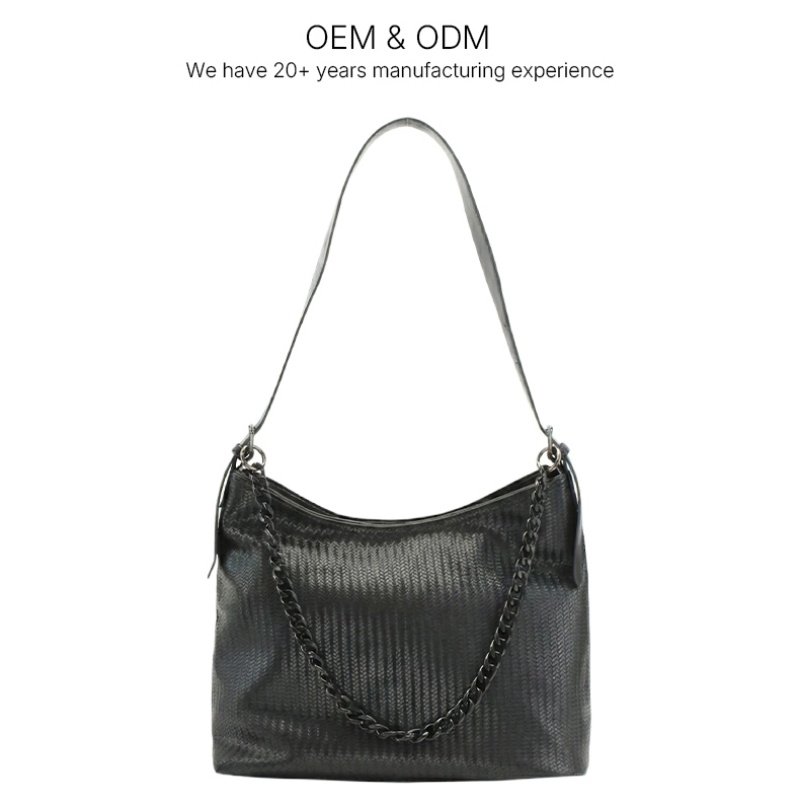
How Are Custom Shoulder Bags Different from Standard Shoulder Bags?
The design of standard shoulder bags is usually aimed at catering to the widest possible user group. Their sizes, pocket positions, shoulder strap lengths, and materials are all designed in an average manner. Although this approach reduces production complexity, it also involves compromises. Such bags may be acceptable to many users, but they are not ideal for any user.
The design of custom shoulder bags has its specific priority considerations. These priority factors usually include:
- Target carrying capacity rather than general capacity
- Weight balance calculated based on actual content
- The width and length of the strap are matched to the duration of wearing.
- When choosing the thickness of the material, focus on durability rather than cost reduction.
- The internal organizational structure is based on the frequency of item appearances, rather than decoration.
Another key difference lies in production control. For standard bags, brands usually accept the pre-set specifications provided by the factories. However, for custom bags, the specifications will be negotiated, tested, refined, and finally determined before large-scale production. This includes factors such as thread density, edge paint thickness, lining fixation method, and the load-bearing capacity of hardware components.
From a business perspective, custom-made shoulder bags can also reduce the degree of product homogeneity. In a market where visual repetition is common, even if the logo is not prominent, some subtle structural differences – such as the angle of the shoulder strap fixation, the proportion of the bag body, and the depth of the side panel – can also serve as brand identifiers.
Common Types of Custom Shoulder Bags
| Type | Typical Structure | Common Use Scenarios | Customization Focus |
|---|---|---|---|
| Classic Shoulder Bag | Rectangular or trapezoidal body | Daily commuting, retail | Strap comfort, internal layout |
| Crossbody-Style Shoulder Bag | Slim profile with long strap | Travel, hands-free use | Strap length, weight balance |
| Tote-Style Shoulder Bag | Open-top, large capacity | Work, shopping | Reinforcement, load-bearing seams |
| Flap Shoulder Bag | Front flap closure | Casual to semi-formal | Closure durability, edge finish |
| Bucket Shoulder Bag | Cylindrical or soft structure | Lifestyle, fashion | Drawstring quality, shape retention |
| Structured Box Bag | Rigid panels | Premium positioning | Panel stiffness, corner protection |
Material Options for Custom Shoulder Bags
When you customize a single shoulder bag, the selection of materials is a very important matter. Here are some suggestions for material choices for different parts.
Primary Exterior Materials
- PU and Synthetic Leather
Selected for consistency, color control, and surface uniformity. Modern PU materials can be engineered for improved abrasion resistance and controlled flexibility. Thickness selection plays a major role in how the bag holds its shape. - Genuine Leather
Offers natural grain variation and long-term aging characteristics. Customization often involves leather grade selection, surface treatment, and thickness control to balance softness with structure. - Textile Fabrics (Canvas, Nylon, Polyester)
Chosen for lightweight performance and casual use. Custom shoulder bags using fabric materials require attention to edge binding, seam reinforcement, and lining attachment to avoid premature wear.
Internal Materials
- Lining Fabrics
Density, weave, and color influence both durability and perceived quality. Dark linings may hide wear, while lighter linings improve visibility. - Interlinings and Reinforcement Layers
Often overlooked, these layers determine shape retention, corner strength, and strap anchoring stability.
Hardware Materials
- Zippers and Sliders
Selected based on usage frequency and opening tension. Smoothness and durability must be tested together. - Metal Accessories
D-rings, buckles, and hooks should be load-rated to match intended capacity, not just aesthetic preference.
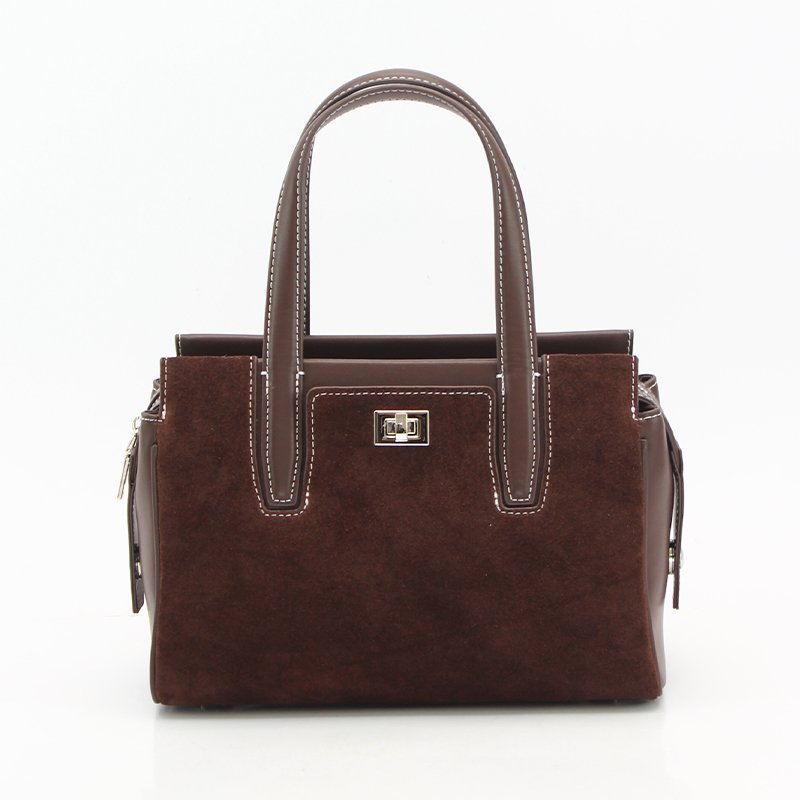
What Customization Options Do We Provide?
At RONEER, we prefer to view customization as a complete product development process rather than simply adding options to an existing product. Based on our practical experience in leather bag design and manufacturing over the years, every project will start by focusing on three core aspects: feasibility, suitability of materials, and the ability to maintain stability during mass production.
Product scope and development capabilities
We have been involved in the customized development of various types of bags for a long time, including shoulder bags, handbags, backpacks, cross-body bags, travel bags, laptop bags, and wallets. Although the bag designs vary, the same principles have always been followed during the development process – whether the structure is reasonable, whether the load-bearing capacity is reliable, and whether they can withstand the test of time in real usage scenarios. These basic judgments help different products maintain a relatively consistent quality level.
Before the sample stage, we usually have extensive communication with the clients to clarify the product direction. This stage often determines whether the subsequent process can proceed smoothly. By adjusting the structure, providing suggestions on materials, and optimizing the functional details, we try to ensure that the design not only meets the market expectations but also conforms to the actual production conditions, thereby reducing the space for subsequent revisions.
Material selection that takes sustainability into account
In terms of materials, we offer both conventional leather options and support eco-friendly material solutions. The selection of materials is not solely based on appearance; instead, it is determined by factors such as usage frequency, load-bearing requirements, and the condition after long-term use.
For projects with sustainability requirements, we will seek a balance among environmental attributes, structural stability, and product lifespan to ensure that the choice is rational, feasible, and not made at the expense of quality for the sake of concepts.
Design, color, and function customization
During the actual customization process, the adjustments are usually focused on the following aspects:
- Based on the actual carrying requirements, optimize the dimensions and overall structure
- Color matching is controlled through proofing and consistency standards to ensure stable production batches.
- The internal structure is designed based on the sequence of taking and placing frequently used items.
- The functional details have been carefully refined to enhance the wearing comfort and the overall user experience.
We support both OEM and ODM projects. From the conceptual stage to the final confirmation, we will provide corresponding design support to help the ideas be implemented more smoothly.
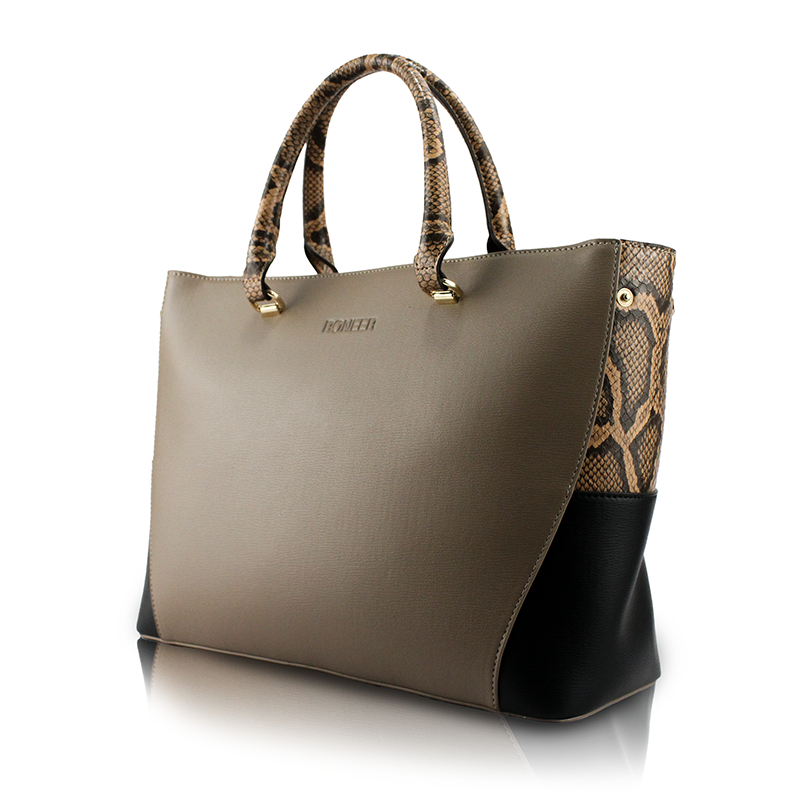
Why Custom Shoulder Bags Matter for Brand Development?
At different stages of a brand’s development, the single-shoulder bag often plays a role far beyond that of merely being a “product itself”. It is frequently used, highly visible, and accompanies users throughout their daily activities. Therefore, its impact on brand perception is continuous and cumulative. That’s why custom-made shoulder bags are not merely a means of product differentiation, but a deeper brand-building approach.
Firstly, custom-made shoulder bags help brands establish stable and clear product characteristics. When the size ratio, structural design, and functional layout are all defined based on specific usage scenarios, the product itself will develop identifiable traits. This recognition does not rely on obvious logos, but is gradually perceived through the usage experience, thus enabling the brand to maintain a more lasting presence in a highly homogeneous market.
Customization enables brands to better control their long-term quality performance. Standardized products tend to have boundaries that are easily exposed in different usage environments. In contrast, customized backpacks are designed with the load-bearing method, material properties, and structural emphasis clearly defined during the development stage, making the products more stable during long-term use. This stability often directly affects the willingness to repurchase and brand trust.
From the perspective of product management, custom shoulder bags can also reduce the frequency of subsequent adjustments. When key design and manufacturing parameters are clearly defined in the early stage, the product is more likely to maintain consistency after entering the market, reducing costs and uncertainties caused by repeated revisions. This controllability is particularly important for brands that aim for long-term product line operation.
More importantly, customizing shoulder bags enables the brand to actively define “how it is used” rather than passively accepting market feedback. By understanding the real usage scenarios, the brand can incorporate value into the details, allowing the product to continuously reinforce the brand image during daily use.
Therefore, the significance of customizing shoulder bags lies not merely in creating different products but in establishing a sustainable and perceptible long-term value for the brand.
Conclusion
The value of customizing a single-shoulder bag does not lie in its visual novelty, but in the attention to its long-term performance, including whether the structure is reliable, whether the performance is stable, and whether the production process is controllable. By clearly defining the usage scenarios, material standards, and production details during the development stage, the brand can achieve higher consistency in quality and form a clearer product positioning.
Compared to standardized products, customization makes key design decisions more based on facts rather than relying on chance. This approach not only helps reduce the homogeneity of products, but also enhances the stability of the bags in actual use, thereby providing support for the long-term and sustainable development of the brand.
If you are looking for a manufacturer that can produce custom crossbody bags, please contact our team. We are looking forward to working with you!