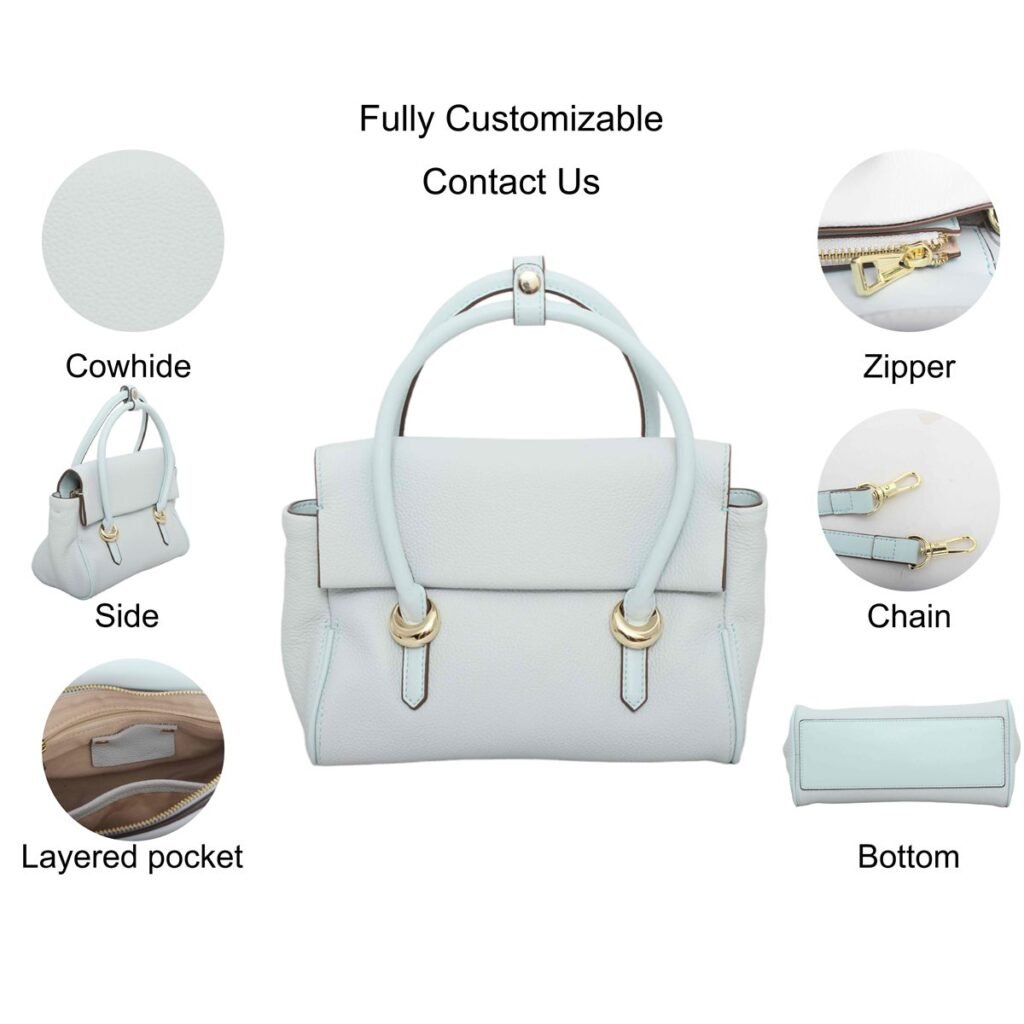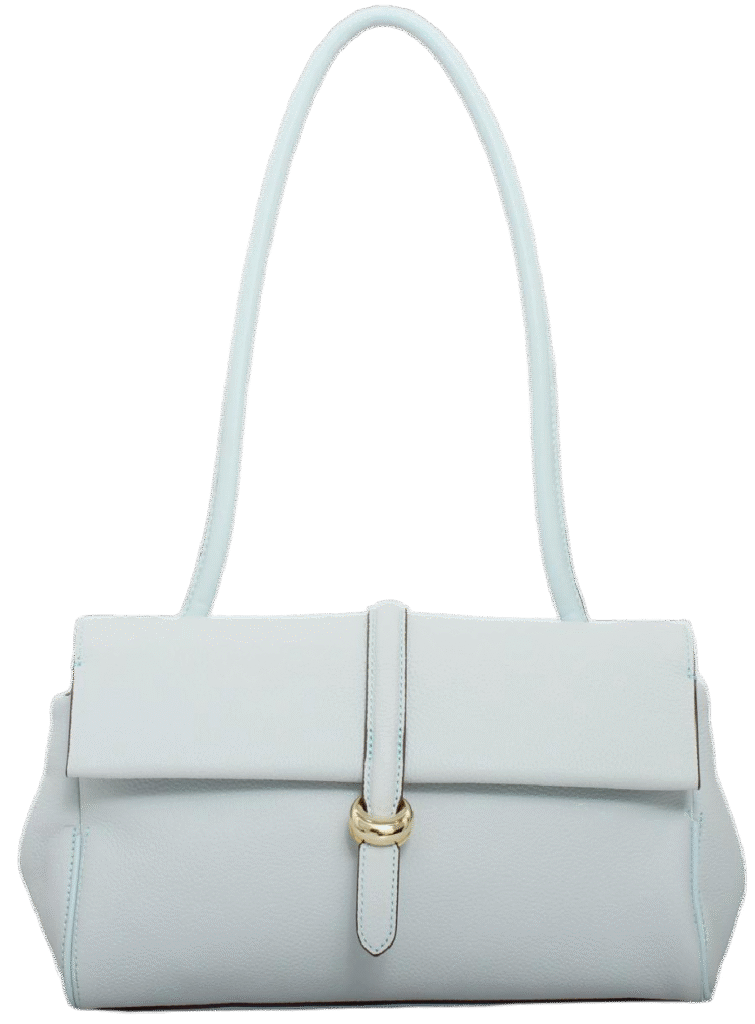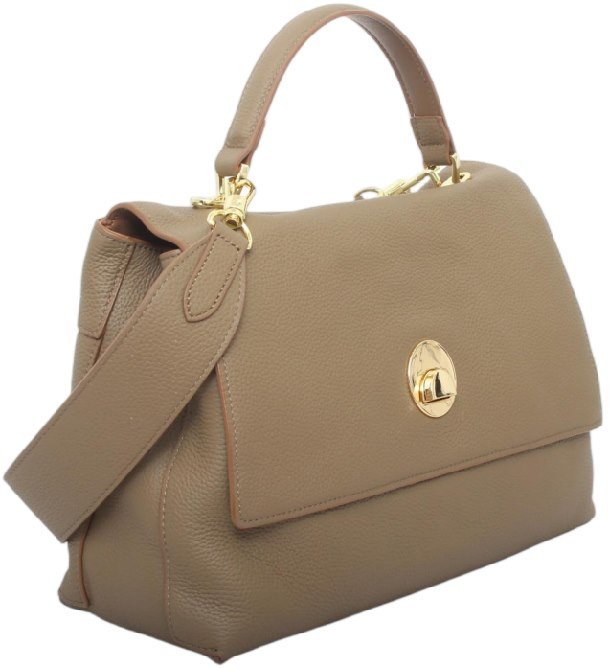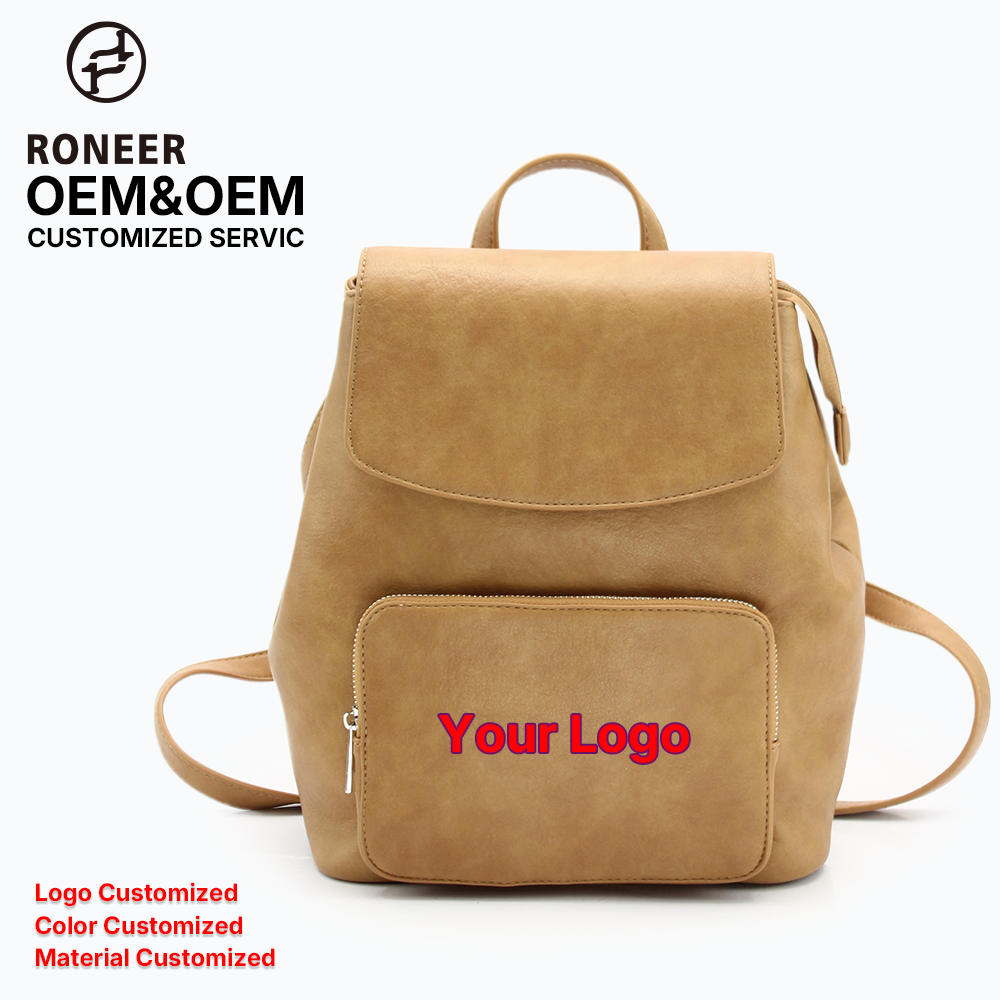









Choosing Oxford fabric bags is a practical option for OEM/ODM buyers who need durable, structured, cost-effective, and versatile custom bags. Oxford fabric is widely used for backpacks, travel bags, laptop bags, tote bags, cooler bags, outdoor bags, school bags, cosmetic bags, tool bags, promotional bags, and private label collections because it can provide strength, shape stability, and many coating options.
For B2B buyers, Oxford fabric is not just a general “strong fabric.” It can vary by fiber type, denier, weave, coating, thickness, texture, water resistance, color availability, and finishing. A 210D Oxford fabric bag and a 600D Oxford fabric bag may look similar in photos, but their strength, structure, cost, MOQ, and final use can be very different.
RONEER supports OEM/ODM custom bag projects with material customization, custom logo options, fast sampling, low MOQ support, private label packaging, strict QC, export packing, and global shipping coordination. Buyers can review overall factory capabilities through RONEER custom bag manufacturing service.
This guide explains how Oxford fabric bags work, which product types are suitable, how Oxford fabric compares with nylon, polyester, canvas, and PU leather, and what buyers should confirm before sampling and bulk production.
What Are Oxford Fabric Bags?
Oxford fabric bags are bags made with Oxford cloth, a woven fabric known for its basket-like texture, strength, and practical structure. Oxford fabric can be made from polyester or nylon fibers, and it can be finished with different coatings to improve water resistance, stiffness, durability, or surface performance.
Oxford fabric is commonly used for:
- Sırt Çantaları
- Travel bags
- Duffel bags
- Laptop bags
- School bags
- Cooler bags
- Outdoor bags
- Sports bags
- Tote bags
- Tool bags
- Cosmetic bags
- Toiletry bags
- Storage bags
- Promotional bags
The biggest advantage of Oxford fabric is its balance of durability, structure, and customization flexibility. For buyers who need custom bags that look professional and perform well in daily use, Oxford fabric bags can be a strong material direction.
Why Buyers Choose Oxford Fabric Bags
Many B2B buyers choose Oxford fabric bags because Oxford cloth can support practical production, good durability, and broad product application.
Durable Structure
Oxford fabric has a woven structure that can offer better strength and shape stability than many lightweight fabrics. This makes it useful for backpacks, laptop bags, travel bags, and products that need repeated daily use.
Water-Resistant Options
Oxford fabric can be coated with PU, PVC, TPU, or water-repellent finishes. These coatings can help improve water resistance for travel bags, cooler bags, outdoor bags, and toiletry bags. Buyers should remember that water-resistant fabric is not the same as a fully waterproof bag. Zippers, seams, lining, and construction also matter.
Cost-Effective Performance
Oxford fabric often provides a good balance between cost and durability. It can be more structured than many soft fabrics while still being more cost-controlled than leather-like materials or highly technical fabrics.
Good Logo Compatibility
Oxford fabric can support several logo methods, including screen printing, heat transfer, embroidery, woven labels, rubber patches, PU patches, metal logo plates, and custom zipper pullers. Buyers can review RONEER’s logo özelleşti̇rme options before confirming the best branding method.
Suitable for Many Bag Categories
From promotional backpacks to retail travel bags, Oxford fabric can support many product types. This makes it useful for startups, wholesalers, retailers, e-commerce sellers, promotional buyers, and private label brands.
Main Types of Oxford Fabric for Bags
Not all Oxford fabric is the same. When developing Oxford fabric bags, buyers should confirm the fabric specification early.
210D Oxford Fabric
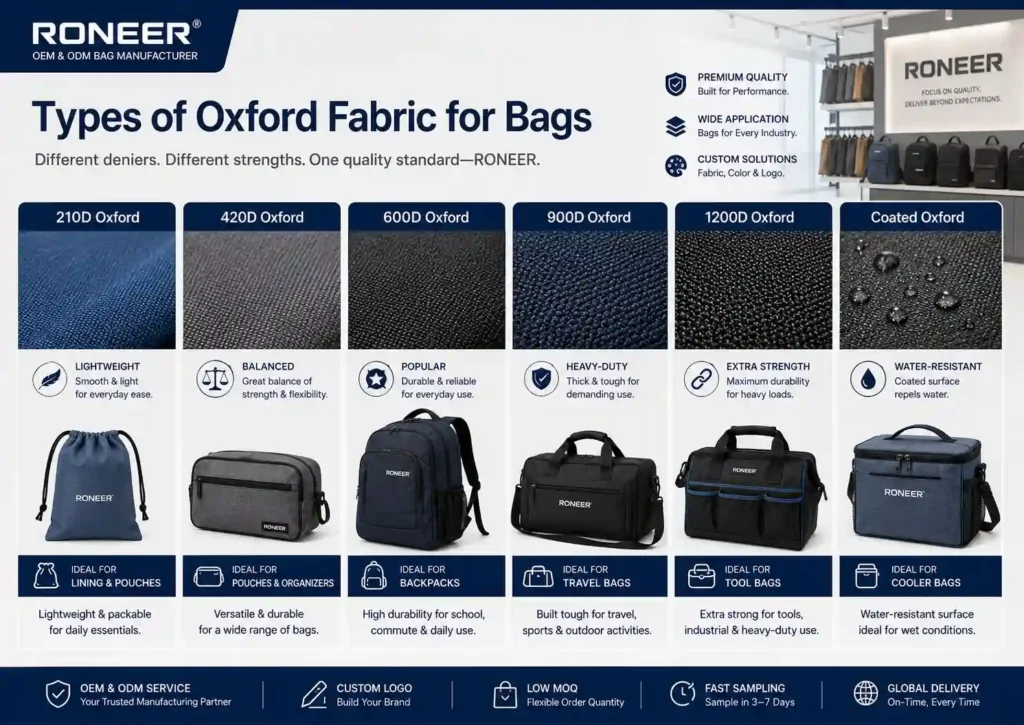
210D Oxford fabric is lightweight and flexible. It is often used for linings, lightweight drawstring bags, simple storage bags, foldable bags, and promotional items. It can be cost-effective but may not be strong enough for heavy-duty bags.
420D Oxford Fabric
420D Oxford fabric is stronger than 210D and can be used for casual backpacks, cosmetic bags, pouches, lightweight travel organizers, and small functional bags. It offers a better balance of weight and durability.
600D Oxford Kumaş
600D Oxford fabric is one of the most common choices for custom bags. It is often used for backpacks, school bags, laptop bags, travel bags, tool bags, cooler bags, and promotional bags. It offers good structure, durability, and cost control.
900D Oxford Fabric
900D Oxford fabric is stronger and more structured. It can be used for heavy-duty backpacks, outdoor bags, tactical-style bags, tool bags, and travel bags that require higher abrasion resistance.
1200D Oxford Fabric
1200D Oxford fabric is used for more demanding products that need extra strength and structure. It may be suitable for heavy-duty tool bags, outdoor equipment bags, large travel bags, and industrial-style storage bags.
Coated Oxford Fabric
Coated Oxford fabric includes PU-coated, PVC-coated, TPU-coated, or water-repellent finished fabric. Coating can improve water resistance and structure, but it may also affect hand feel, flexibility, cost, and sewing performance.
For buyers who are not sure which specification to choose, RONEER’s malzeme özelleşti̇rme service can help compare Oxford fabric options based on product type, target price, MOQ, lead time, and quality requirements.
Oxford Polyester vs Oxford Nylon
Oxford fabric bags can be made with polyester Oxford or nylon Oxford. Both are useful, but they have different advantages.
Polyester Oxford
Polyester Oxford is widely used because it is cost-effective, easy to source, and stable for many custom bag projects. It is suitable for backpacks, tote bags, promotional bags, cooler bags, school bags, storage bags, and travel bags.
Polyester Oxford may be better for:
- Cost-controlled projects
- Promotional bags
- School bags
- Basic backpacks
- Cooler bags
- Large-volume production
- Private label bags with stable pricing
Nylon Oxford
Nylon Oxford can offer a smoother hand feel and stronger functional positioning depending on the fabric grade. It is often used for travel bags, outdoor bags, lightweight backpacks, sports bags, and premium functional products.
Nylon Oxford may be better for:
- Travel bags
- Outdoor bags
- Premium backpacks
- Sports bags
- Lightweight functional bags
- Higher-performance custom projects
The right choice depends on target price, product function, MOQ, coating requirement, logo method, and customer expectation.
Which Bag Types Are Suitable for Oxford Fabric?
Oxford fabric bags can cover many product categories because the fabric is durable, structured, and adaptable.
Oxford Fabric Backpacks
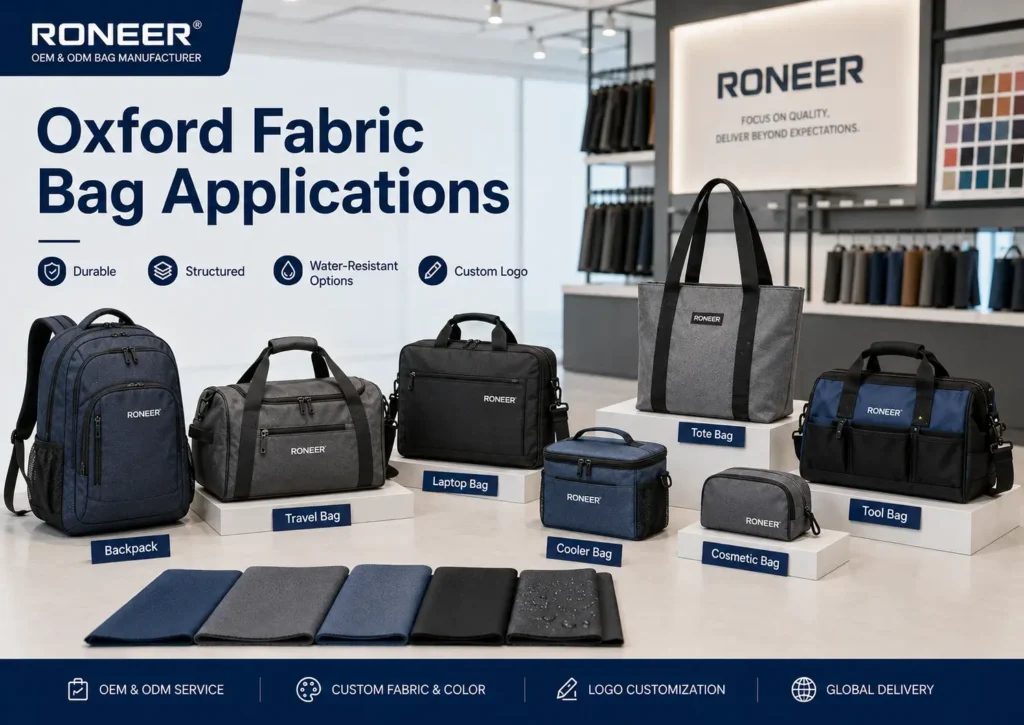
Backpacks are one of the most common applications for Oxford fabric. 420D, 600D, and 900D Oxford fabrics are often used for daily backpacks, school backpacks, laptop backpacks, outdoor backpacks, and promotional backpacks. Buyers should confirm lining, straps, padding, zippers, reinforcement points, and stitching quality.
Oxford Travel Bags
Oxford fabric is suitable for duffel bags, weekend bags, gym bags, and travel organizers. Travel bags need strong handles, reinforced seams, durable zippers, and good abrasion resistance.
Oxford Laptop Bags
Laptop bags need structure, padding, lining, zipper protection, and clean finishing. Oxford fabric can provide a professional and durable exterior when matched with proper foam and lining.
Oxford Cooler Bags
Cooler bags often use Oxford fabric outside with insulation lining inside. Buyers should confirm coating, insulation material, inner lining, zipper, handle strength, and leak-resistance requirements.
Oxford Tote Bags
Oxford fabric tote bags can be stronger and more structured than lightweight cotton totes. They are useful for retail, promotional, school, event, and corporate gift projects.
Oxford Cosmetic Bags and Toiletry Bags
Coated Oxford fabric can be practical for cosmetic bags, toiletry bags, and travel pouches. It can offer better structure and water-resistant performance than many basic fabrics.
Oxford Tool Bags and Storage Bags
Heavy-duty Oxford fabric can be used for tool bags, organizer bags, equipment bags, and storage bags. Buyers should choose higher denier fabric and strong stitching for heavy-use products.
Oxford Fabric Bags vs Nylon Bags
Oxford fabric and nylon bags are often compared because both can be used for backpacks, travel bags, and outdoor-style products.
Nylon bags may feel smoother and lighter depending on the fabric. Oxford fabric bags often have a more structured woven texture and can be more cost-effective when made with polyester Oxford.
Oxford fabric may be better for:
- Structured backpacks
- School bags
- Cooler bags
- Tool bags
- Promotional backpacks
- Cost-controlled travel bags
- Bags needing better shape
Nylon may be better for:
- Lightweight travel bags
- Foldable bags
- Soft fashion bags
- Outdoor bags requiring ripstop fabric
- Premium lightweight collections
Both materials can be good choices. The best option depends on the bag’s function and target market.
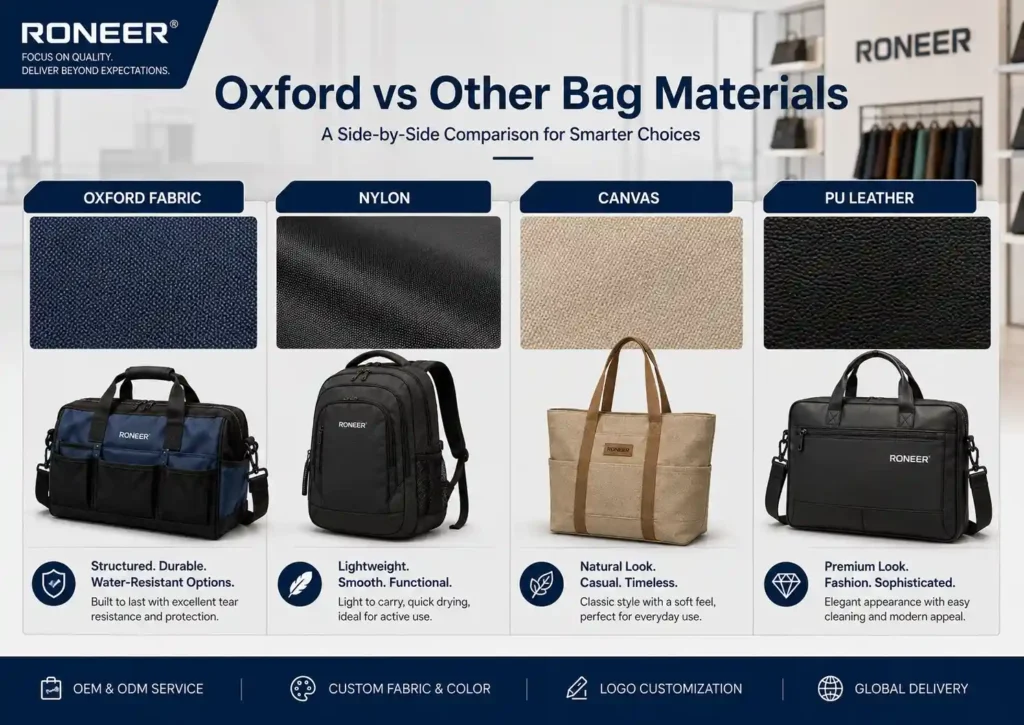
Oxford Fabric Bags vs Canvas Bags
Canvas is natural-looking, strong, and popular for casual tote bags and lifestyle bags. Oxford fabric has a more technical and functional appearance.
Canvas may be better for:
- Natural style tote bags
- Eco-style retail bags
- Casual lifestyle bags
- Heavy cotton-look products
- Products needing a printed natural surface
Oxford fabric may be better for:
- Water-resistant bags
- Sırt Çantaları
- Travel bags
- School bags
- Cooler bags
- Laptop bags
- Bags needing structure and coating
For buyers who want a durable bag with more functional positioning, Oxford fabric bags may be more practical than canvas.
Oxford Fabric Bags vs PU Leather Bags
PU leather gives a leather-like appearance and is commonly used for handbags, wallets, cosmetic bags, and fashion accessories. Oxford fabric is more practical for functional bags.
PU leather may be better for:
- Fashion handbags
- Cüzdanlar
- Cosmetic gift bags
- Premium pouches
- Structured retail accessories
- Leather-like private label products
Oxford fabric may be better for:
- Sırt Çantaları
- Travel bags
- Laptop bags
- Cooler bags
- Outdoor bags
- School bags
- Tool bags
- Promotional bags
If the buyer needs a practical, durable, and functional bag, Oxford fabric is often a strong option. If the buyer needs a fashion or premium leather-like appearance, PU leather may be better.
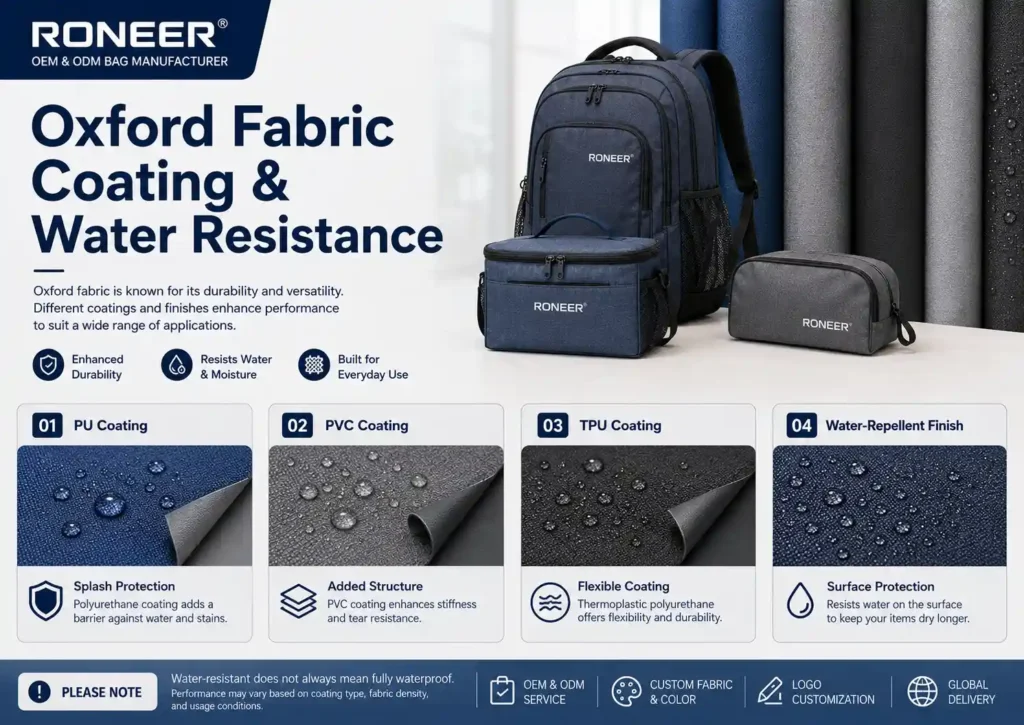
Coating and Water Resistance for Oxford Fabric Bags
Water resistance is one of the main reasons buyers choose Oxford fabric bags. However, the final performance depends on the coating and construction.
Common coating options include:
- PU coating
- PVC coating
- TPU coating
- Water-repellent finish
- Laminated backing
PU coating is common and cost-effective. It can improve water resistance and structure. PVC coating can offer stronger stiffness and protection but may affect hand feel. TPU coating can be more flexible and may be used for certain higher-performance projects. Water-repellent finish helps water bead on the surface but does not make the entire bag waterproof.
Buyers should clearly define whether they need water-resistant, splash-resistant, leak-resistant, or waterproof performance. These are different production requirements.
Logo Options for Oxford Fabric Bags
Logo customization is important for private label and promotional Oxford fabric bags. The best logo method depends on fabric texture, coating, bag type, MOQ, and target price.
Common logo options include:
- Serigrafi baskı
- Isı transfer baskı
- Nakış
- Dokuma etiket
- Kauçuk yama
- PU patch
- Metal logo plakası
- Özel fermuar çektirmesi
- Printed lining logo
- Hang tag
- Ambalaj logosu
Screen printing and heat transfer can be practical for many Oxford fabric bags. Embroidery can work on thicker Oxford fabric, but the logo size and stitch density should be tested. Woven labels and patches are flexible options for backpacks, travel bags, cooler bags, and pouches.
A professional factory should test logo clarity, adhesion, position, and durability during sample development.
Hardware and Zipper Choices for Oxford Fabric Bags
Oxford fabric is often used for bags that need strong construction, so hardware and zippers are important.
Common components include:
- Zippers
- Sliders
- Pullers
- Tokalar
- D-rings
- Kancalar
- Webbing
- Strap adjusters
- Perçinler
- Manyetik çıtçıtlar
- Foam padding
- Binding tape
Industry suppliers such as YKK can be used as a general reference for zipper and fastening component categories. Buyers should confirm actual zipper brand, specification, color, and cost during order negotiation. RONEER does not assume premium components unless the buyer requests and approves them.
For backpacks, laptop bags, travel bags, and cooler bags, zipper strength, webbing quality, and reinforcement stitching are very important.
Oxford Fabric Bags MOQ, Cost, and Lead Time
The MOQ, cost, and lead time of Oxford fabric bags depend on material availability, denier, coating, color, logo method, bag structure, lining, hardware, packaging, and order quantity.
Available Oxford fabric usually helps reduce MOQ and shorten sampling time. Custom-dyed Oxford fabric, special coating, exclusive texture, special recycled material, or imported fabric may increase MOQ and lead time.
Cost factors include:
- Oxford fabric grade
- Polyester or nylon base
- Denier
- Coating
- Color availability
- Fabric width
- Astar
- Logo yöntemi
- Zipper and hardware
- Çanta yapısı
- Paketleme
- Order quantity
For low MOQ or first-time orders, buyers should start with available Oxford fabric and practical logo methods. This can help reduce sample cost, MOQ pressure, and delivery risk.
Buyers who need MOQ planning can review RONEER’s guide on custom backpack MOQ cost planning, because many MOQ principles apply to Oxford backpacks, travel bags, cooler bags, laptop bags, and promotional bags.
Packaging for Oxford Fabric Bags
Packaging should match the bag type and sales channel. Oxford fabric bags can be used for retail, promotional, travel, outdoor, school, and e-commerce markets, so packaging needs may vary.
Common packaging options include:
- Individual polybags
- Hang tags
- Insert cards
- Barkod etiketleri
- Dust bags
- Paper sleeves
- Retail boxes
- Export cartons
For promotional Oxford bags, simple polybags and hang tags may be enough. For laptop bags, travel bags, or premium private label collections, insert cards, dust bags, stronger cartons, and barcode labels may be more suitable.
Buyers can review RONEER’s ambalaj özelleşti̇rme service to match packaging with product positioning, shipping method, and export requirements.
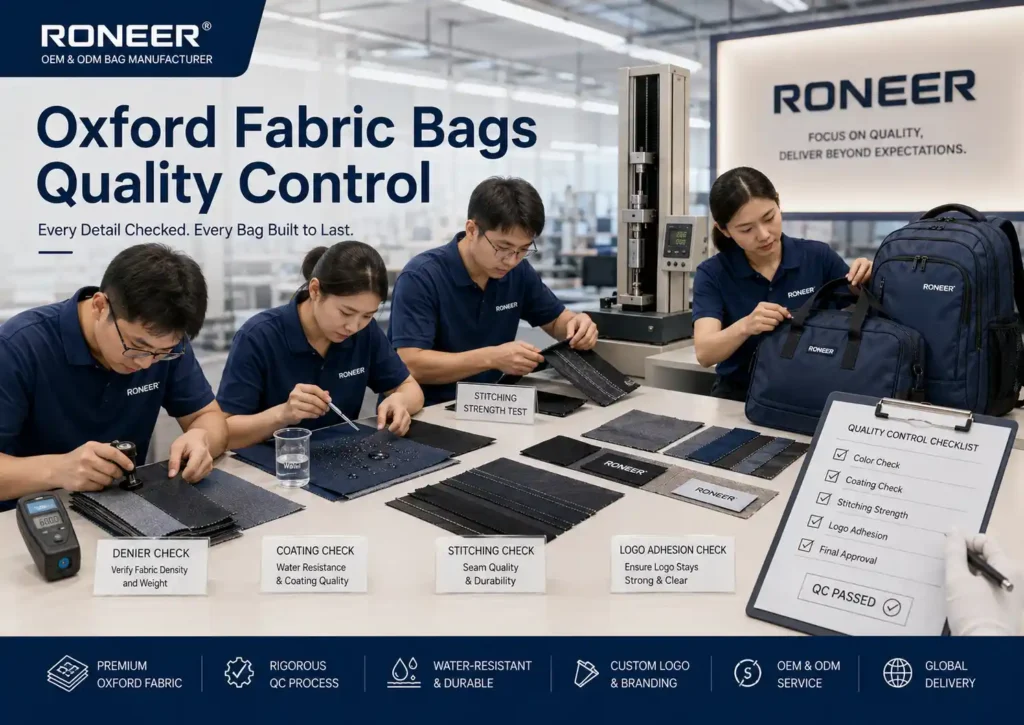
Quality Control for Oxford Fabric Bags
Quality control is important for Oxford fabric bags because fabric defects, coating problems, weak stitching, zipper failure, or poor reinforcement can affect the final product.
Important QC checks include:
- Fabric color consistency
- Denier and fabric weight
- Coating quality
- Water resistance if required
- Surface defects
- Abrasion resistance
- Tear strength
- Logo adhesion
- Stitching quality
- Seam strength
- Webbing strength
- Zipper smoothness
- Hardware function
- Strap reinforcement
- Lining cleanliness
- Packaging accuracy
- Export carton condition
For inspection and testing background, buyers can refer to SGS. For harmful substance and material safety background, OEKO-TEX can also be used as an industry reference. Buyers should confirm specific testing, certification, or compliance requirements before production.
RONEER follows QC steps during material checking, sample development, production, final inspection, and export packing to help buyers reduce defects and improve bulk consistency.
Common Mistakes When Choosing Oxford Fabric Bags
Many production problems happen because buyers choose Oxford fabric without checking the full specification.
Assuming All Oxford Fabric Is the Same
210D, 420D, 600D, and 900D Oxford fabrics have different strength, structure, and applications.
Assuming Oxford Fabric Is Fully Waterproof
Coating can improve water resistance, but the whole bag also depends on seams, zippers, lining, and construction.
Choosing Only by Price
Low-cost Oxford fabric may have weaker coating, poor color consistency, or lower abrasion resistance.
Ignoring Logo Compatibility
Some coatings or textures may affect logo adhesion and clarity. Logo testing should happen before bulk production.
Using Too Many Colors in the First Order
Multiple colors can increase MOQ, sourcing time, and QC complexity.
Ignoring Reinforcement
Even strong Oxford fabric can fail if straps, handles, seams, and zippers are not properly reinforced.
How RONEER Helps Buyers Develop Oxford Fabric Bags
RONEER helps buyers develop Oxford fabric bags based on product type, target market, budget, MOQ, logo method, packaging, and quality expectations.
RONEER can support:
- Oxford fabric selection
- Material swatch review
- Denier and coating comparison
- Water-resistant material options
- Logo compatibility testing
- Backpack and travel bag structure review
- Cooler bag material matching
- Laptop bag padding and lining planning
- Private label packaging
- Low MOQ planning
- Fast sampling
- Bulk production
- QC inspection
- Export packing
For startups, RONEER can recommend available Oxford fabric options that support faster sampling and lower MOQ. For established brands, RONEER can help develop more specific Oxford fabric, coating, structure, and packaging solutions for private label collections.
FAQ About Oxford Fabric Bags
1. What are Oxford fabric bags?
Oxford fabric bags are bags made with Oxford cloth, a woven fabric known for durability, structure, and practical performance. Oxford fabric can be made from polyester or nylon and can be coated to improve water resistance, stiffness, and surface protection.
2. Are Oxford fabric bags durable?
Yes. Oxford fabric bags can be durable when the correct denier, coating, lining, stitching, and reinforcement are used. 600D Oxford fabric is common for backpacks, laptop bags, travel bags, cooler bags, and promotional bags, while higher denier Oxford can be used for heavy-duty products.
3. Are Oxford fabric bags waterproof?
Not always. Oxford fabric can be water-resistant when coated with PU, PVC, TPU, or water-repellent finishes. However, fully waterproof performance also depends on seams, zippers, lining, and construction. Buyers should confirm the required performance before sampling.
4. What bag types are best for Oxford fabric?
Oxford fabric bags are suitable for backpacks, travel bags, laptop bags, school bags, cooler bags, outdoor bags, tote bags, cosmetic bags, toiletry bags, tool bags, storage bags, and promotional bags.
5. Is Oxford fabric better than nylon for bags?
Oxford fabric and nylon serve different needs. Oxford fabric has a structured woven texture and is useful for backpacks, cooler bags, school bags, and travel bags. Nylon can be lighter and smoother depending on the specification. The better choice depends on product function and target price.
6. Is Oxford fabric better than canvas for bags?
Oxford fabric is often better for water-resistant, structured, and functional bags. Canvas is better for natural-looking tote bags, casual bags, and lifestyle products. Buyers should choose based on brand style, function, MOQ, and cost target.
7. Can Oxford fabric bags have a custom logo?
Yes. Oxford fabric bags can support screen printing, heat transfer, embroidery, woven labels, rubber patches, PU patches, metal logo plates, custom zipper pullers, hang tags, and packaging logos. Logo compatibility should be tested on the actual Oxford fabric surface.
8. Does Oxford fabric support low MOQ orders?
Yes, Oxford fabric can support low MOQ orders when buyers use available colors, standard denier, practical logo methods, and simple packaging. Custom colors, special coating, exclusive textures, or custom hardware may require higher MOQ.
9. What should buyers check before choosing Oxford fabric?
Buyers should check denier, fiber type, coating, thickness, hand feel, color consistency, water resistance, abrasion resistance, tear strength, logo compatibility, lining match, stitching performance, and packaging requirements.
10. Can RONEER provide Oxford fabric swatches before sampling?
Yes. RONEER can help buyers review Oxford fabric swatches before sample development. Swatch review helps confirm color, texture, denier, coating, hand feel, logo compatibility, and production feasibility.
11. Is Oxford fabric suitable for promotional bags?
Yes. Oxford fabric bags are suitable for promotional projects because Oxford cloth can offer durability, structure, custom logo options, and practical cost control. It is commonly used for backpacks, tote bags, cooler bags, and event bags.
12. Why choose RONEER for Oxford fabric bags?
RONEER helps buyers develop Oxford fabric bags with OEM/ODM support, material customization, custom logo solutions, fast sampling, low MOQ options, private label packaging, strict QC, export packing, and global shipping coordination.
Sonuç
Oxford fabric bags are a practical material choice for buyers who need durable, structured, versatile, and cost-effective custom bags. Oxford fabric is widely used for backpacks, travel bags, laptop bags, cooler bags, school bags, outdoor bags, tote bags, cosmetic bags, tool bags, storage bags, and promotional bags.
For B2B buyers, successful Oxford fabric bags depend on choosing the right denier, polyester or nylon base, coating, color, logo method, lining, hardware, structure, packaging, and QC standard. The best Oxford fabric is not simply the thickest or cheapest option. It is the fabric that matches the bag’s function, target customer, MOQ, budget, lead time, and brand positioning.
RONEER works as a practical manufacturing partner for buyers who need Oxford fabric bags with material customization, custom logo options, fast sampling, low MOQ support, private label packaging, durable fabric choices, stable bulk production, strict QC, export carton packing, and global shipping experience.
Whether you are developing Oxford fabric backpacks, travel bags, cooler bags, laptop bags, cosmetic bags, tote bags, school bags, outdoor bags, tool bags, or promotional bags, RONEER can help you compare Oxford fabric options, develop accurate samples, test logo methods, control quality, and prepare your custom bag project for stable production and international shipment.