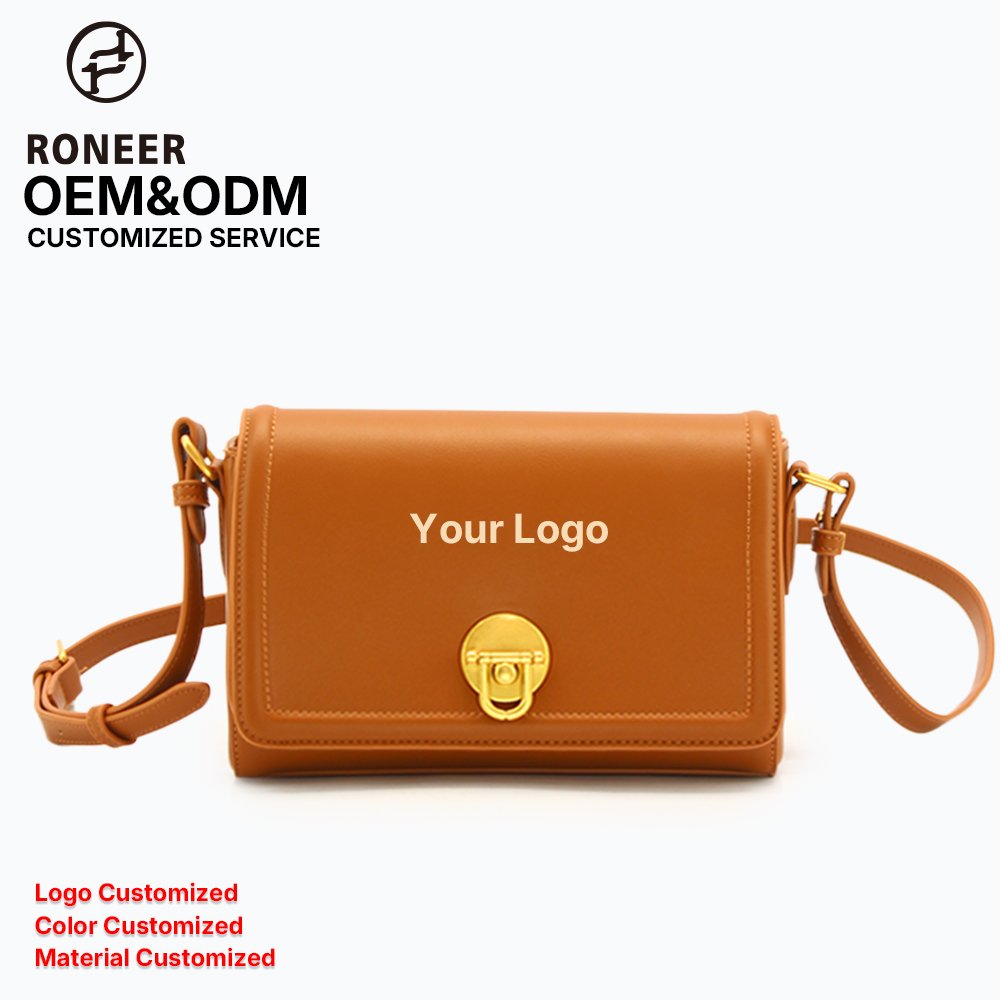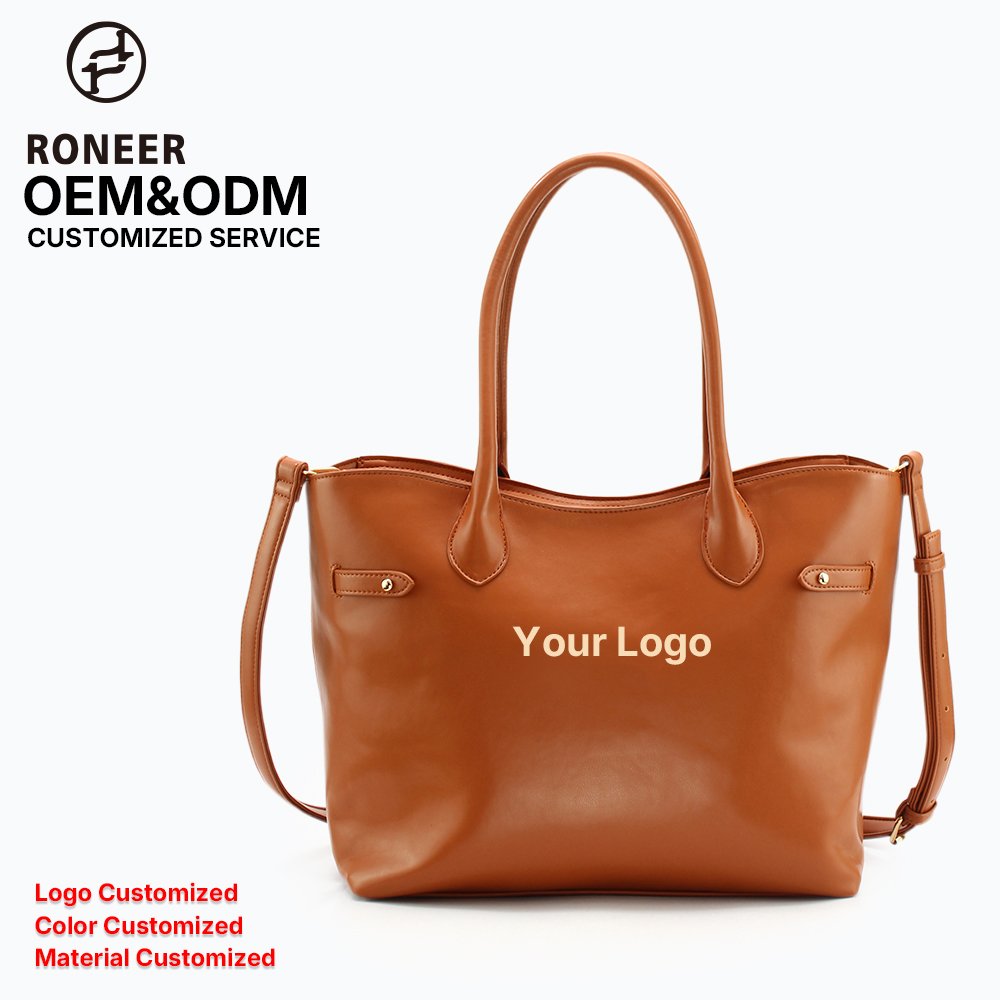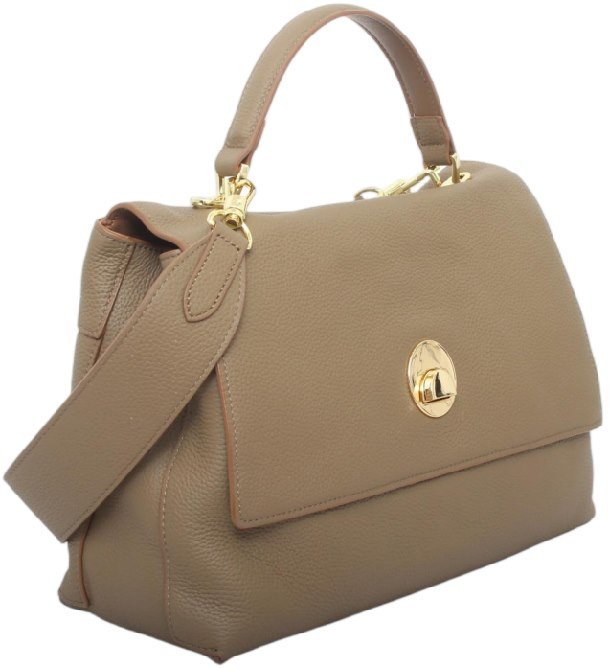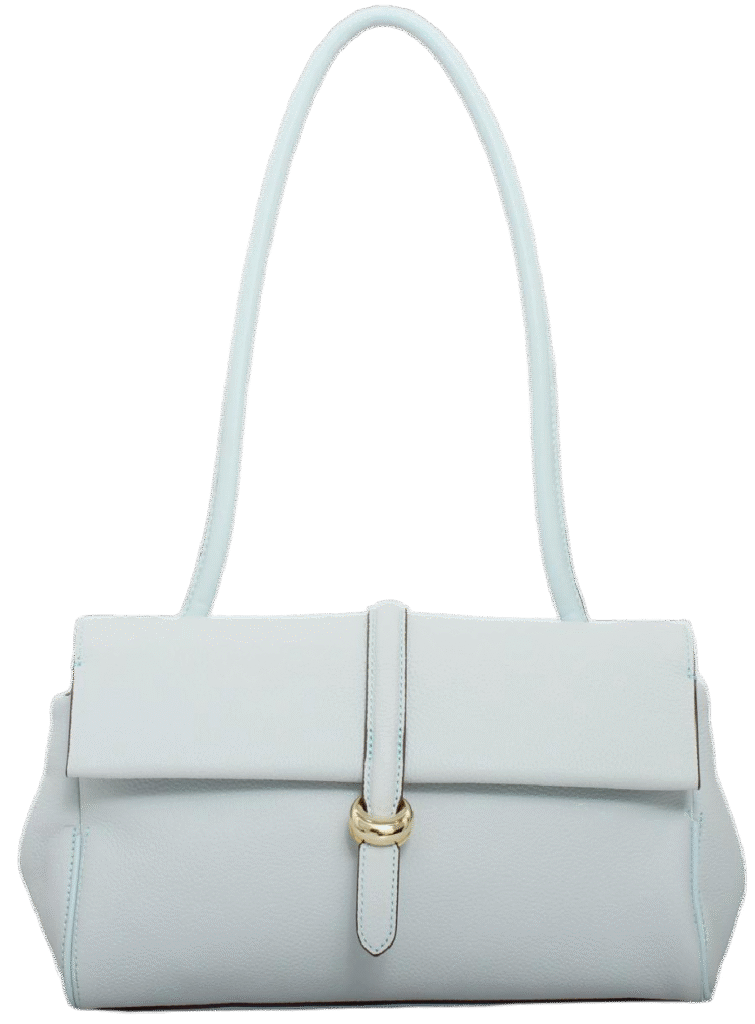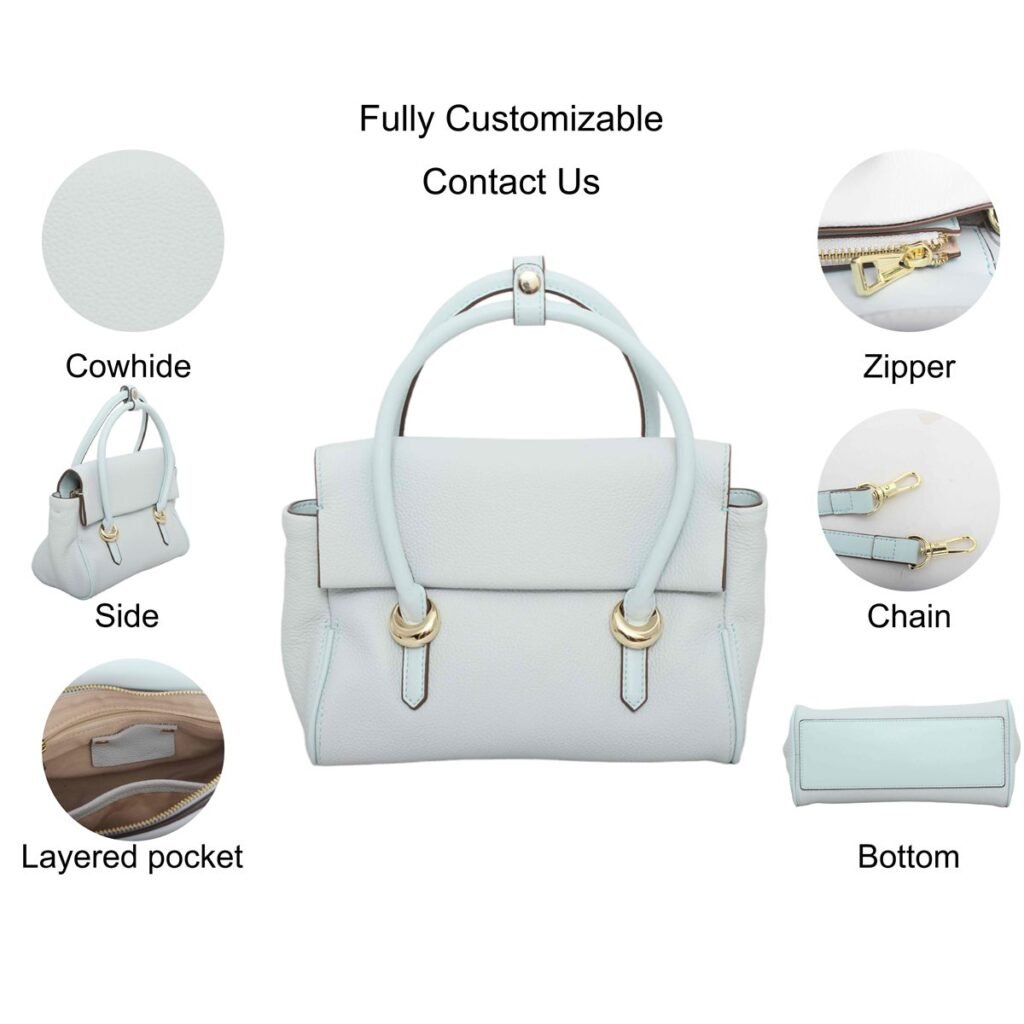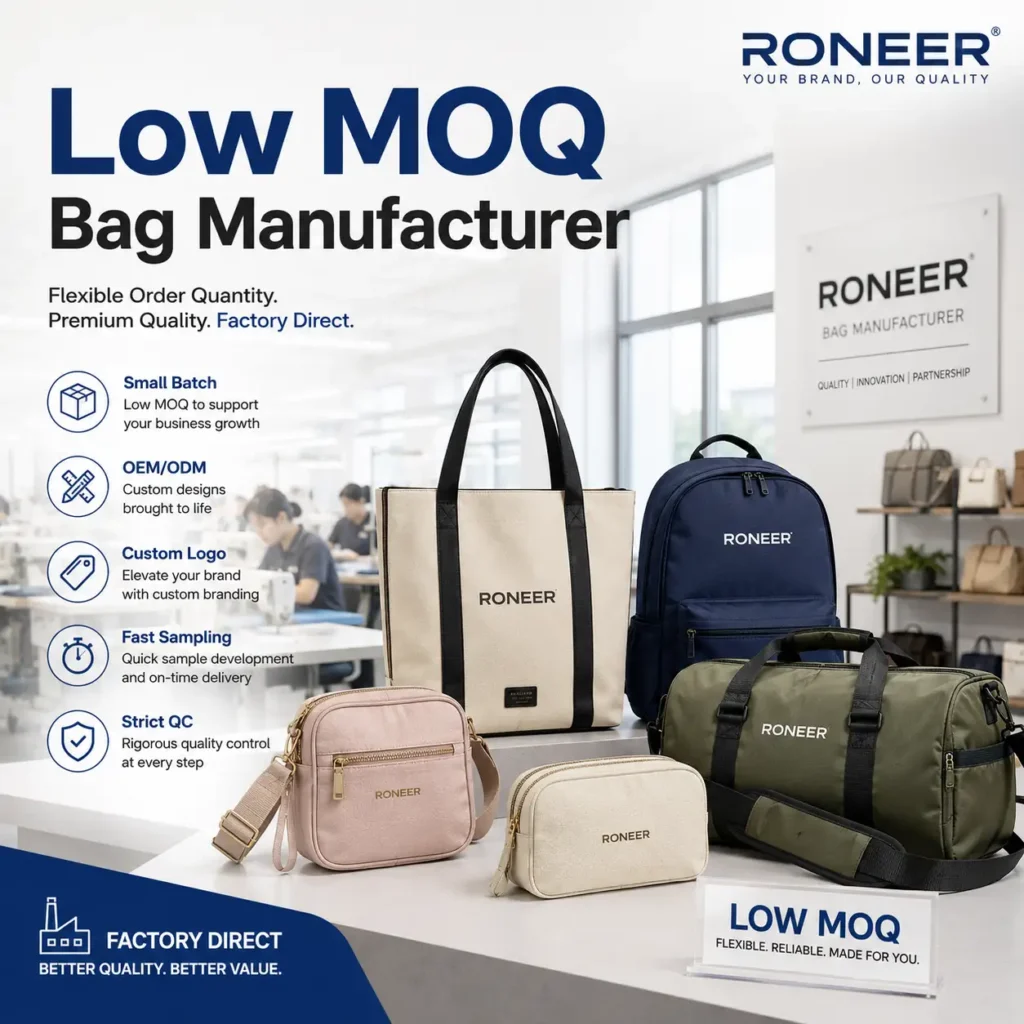










A purse may be selected for a phone, wallet, keys, and other personal essentials, while a travel bag must carry clothing, shoes, documents, toiletries, or equipment for a longer journey. The two products may share colors, materials, logos, and packaging graphics, but their technical requirements are very different.
For OEM/ODM buyers, purse and travel bag development should not begin with appearance alone. Capacity, carrying comfort, opening structure, reinforcement, finished weight, storage organization, airline use, packing volume, and quality control all affect whether the final product is commercially suitable.
Purse and travel bag products can strengthen the same collection when they serve different parts of the customer’s journey. A purse may remain accessible during commuting or travel, while a travel bag carries larger items for an overnight trip, weekend, business journey, gym visit, or holiday.
This guide explains purse and travel bag differences according to use, size, carrying methods, materials, compartments, branding, sampling, inspection, and coordinated collection planning.
What Do Purse and Travel Bag Mean?
A purse is generally a personal accessory used to carry money, cards, a phone, keys, cosmetics, and other daily items. The word has regional variation. In American English, purse commonly refers to a woman’s handbag, while British English more often uses purse for a smaller money holder. The Cambridge Dictionary purse definition reflects these different uses.
A travel bag is a broader functional category designed to hold personal belongings during a journey. It may include a duffel bag, weekender, overnight bag, garment bag, foldable travel bag, carry-on bag, sports duffel, or travel tote.
Purse and travel bag products therefore differ in more than size. They are developed around different contents, carrying periods, access frequency, load levels, storage conditions, and transport environments.
Quick Purse and Travel Bag Comparison
| Buying Factor | Purse | Дорожная сумка |
|---|---|---|
| Main use | Daily personal essentials | Clothing, footwear, equipment, and travel items |
| Typical capacity | Small to medium | Medium to large |
| Carrying methods | Hand, shoulder, crossbody, or underarm | Hand, shoulder, trolley sleeve, or convertible straps |
| Common materials | PU, microfiber, leather, canvas, fashion textiles | Nylon, polyester, canvas, coated fabric, leather trim |
| Key construction focus | Shape, access, logo, hardware, surface finish | Capacity, reinforcement, zippers, handles, packing efficiency |
| Typical organization | Phone, wallet, keys, cosmetics, cards | Clothing, shoes, documents, toiletries, electronics |
| Main comfort issue | Strap drop, balance, quick access | Loaded weight, handle strength, shoulder comfort |
| Packaging priority | Shape protection and retail presentation | Folded volume, handle control, carton efficiency |
The table is a starting point. Purse and travel bag specifications should still include exact dimensions, materials, carrying methods, compartments, hardware, logo requirements, packing instructions, and an approved physical sample.
1. Purse and Travel Bag Serve Different Customer Needs
The first difference is the customer problem each product solves.
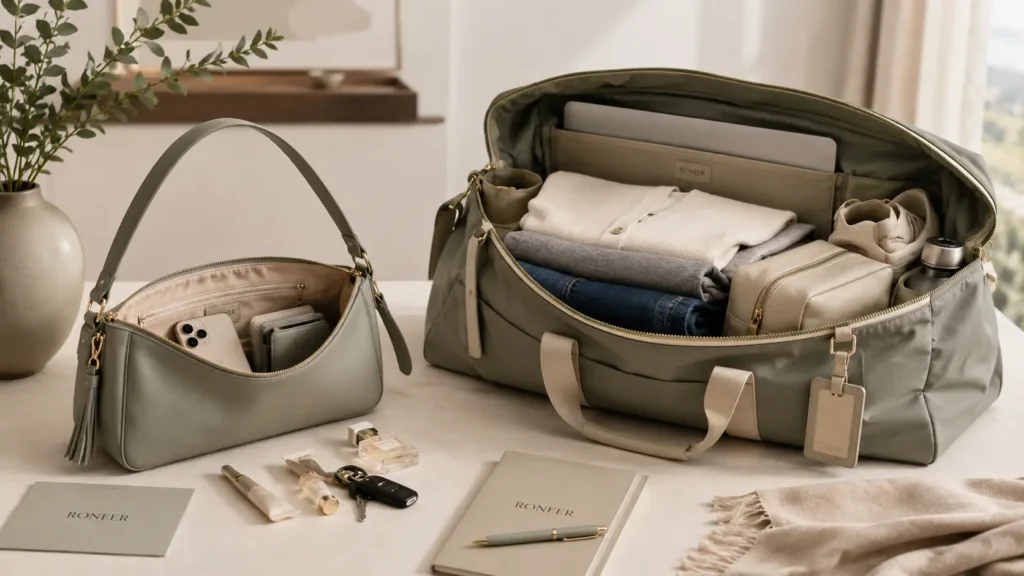
A purse is normally opened frequently during the day. The customer may need quick access to a phone, wallet, keys, cards, cosmetics, or travel documents. The opening, pocket layout, strap length, closure, and interior visibility are therefore important.
A travel bag is normally used to transport more items over a longer period. Depending on the product, it may need to hold:
- Clothing
- Shoes
- Toiletries
- A laptop or tablet
- Travel documents
- Chargers
- Sports equipment
- A water bottle
- Laundry
- Small accessories
Purse and travel bag planning should begin with a clear use scenario. A compact crossbody purse for airport documents has different priorities from a weekend duffel intended for clothing and shoes.
The buyer should define whether the travel product is for overnight use, weekend travel, sports, business trips, airline carry-on, car travel, or general leisure. This decision affects the pattern, material, structure, weight, and internal organization.
2. Size and Capacity Must Be Measured Differently
Purse capacity is usually evaluated around personal essentials. Buyers may test whether the sample holds a phone, wallet, keys, sunglasses case, cosmetics, passport, and small notebook.
Travel bag capacity should be tested with realistic packing sets. A nominal liter figure is useful, but it does not show whether the opening, base, gusset, pocket layout, and internal shape allow efficient packing.
A travel sample may be tested with:
- Folded clothing
- Shoes
- A toiletry pouch
- A laptop
- A jacket
- A water bottle
- Documents
- Charging accessories
Purse and travel bag dimensions should include width, height, and depth, but travel products may also need folded dimensions, opening length, base width, trolley-sleeve dimensions, shoe-compartment size, and carton volume.
Airline cabin-baggage dimensions are not universal. The IATA passenger baggage guidance states that baggage rules are set by individual airlines, and the TSA carry-on size guidance also tells travelers to confirm dimensions with their airline.
For that reason, a factory or brand should avoid claiming that one travel bag is accepted by every airline unless the claim is carefully limited and supported.
3. Carrying Methods Change Reinforcement and Comfort
A purse may use:
- Short top handles
- A shoulder strap
- A crossbody strap
- A chain
- A wrist loop
- Detachable or convertible straps
A travel bag may use:
- Two reinforced carrying handles
- A detachable shoulder strap
- A padded shoulder pad
- A trolley sleeve
- Backpack-style convertible straps
- Compression straps
- Side grab handles
Purse and travel bag carrying systems experience different loads. A small purse strap may prioritize appearance, adjustment, and balance. A travel-bag handle must often support a heavier load for a longer period.
Travel-bag reinforcement may be required at:
- Handle bases
- Shoulder-strap D-rings
- Side grab handles
- Trolley sleeves
- Base panels
- Zipper ends
- Shoe-compartment seams
The sample should be tested with the expected load. A handle that appears secure on an empty bag may stretch, twist, or pull the body out of shape after the product is packed.
For purse products, buyers should check handle drop, crossbody range, chain weight, hardware position, and whether the bag tilts when loaded. For travel bags, the buyer should also review shoulder comfort, grip width, load balance, and the ability to lift the bag from different positions.
4. Material Selection Follows Use and Transport Risk
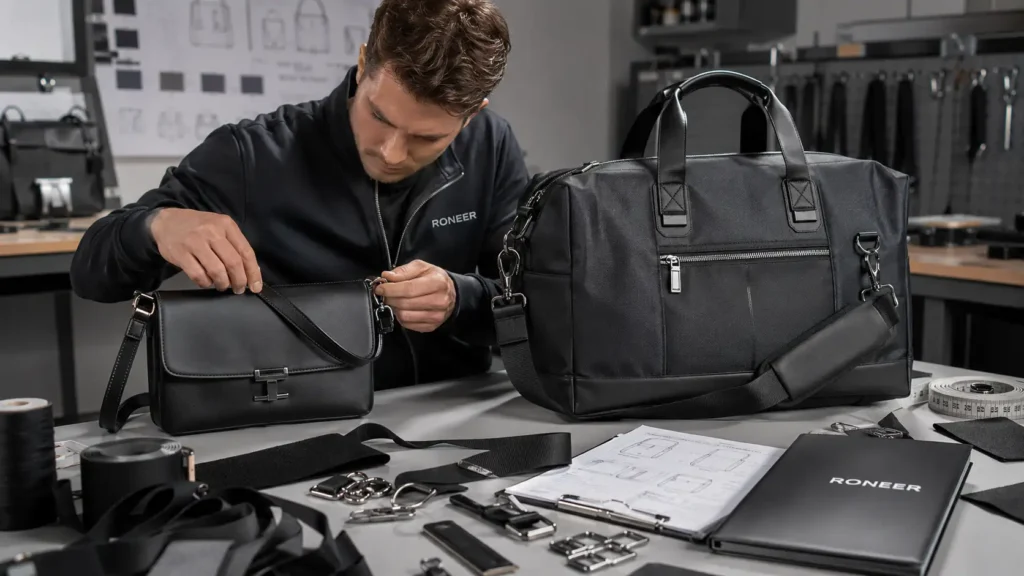
Both products may use PU leather, microfiber leather, genuine leather, canvas, nylon, polyester, coated textiles, or mixed materials. However, the most suitable grade and reinforcement can differ.
A purse may prioritize:
- Surface grain
- Цвет
- Hand feel
- Edge paint
- Hardware appearance
- Logo clarity
- Shape retention
- Fashion positioning
A travel bag may prioritize:
- Abrasion resistance
- Tear strength
- Finished weight
- Foldability
- Seam strength
- Water resistance
- Easy cleaning
- Repeated zipper use
Purse and travel bag products may share one visual material while using different backing, thickness, or reinforcement. For example, a fashion collection may use the same PU color on a structured purse and as trim on a nylon travel bag.
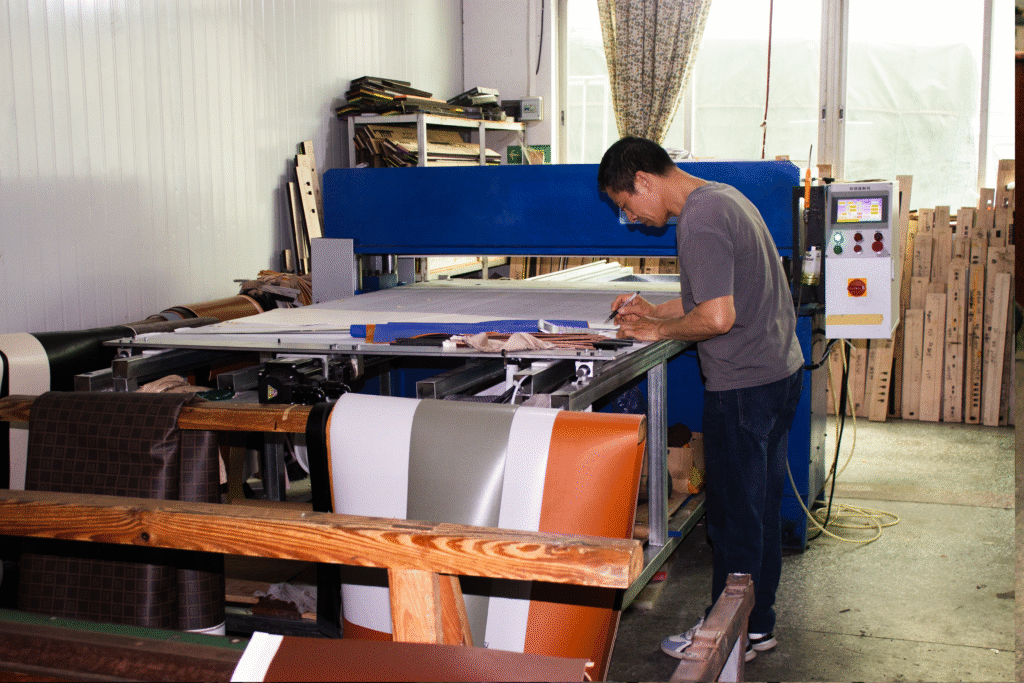
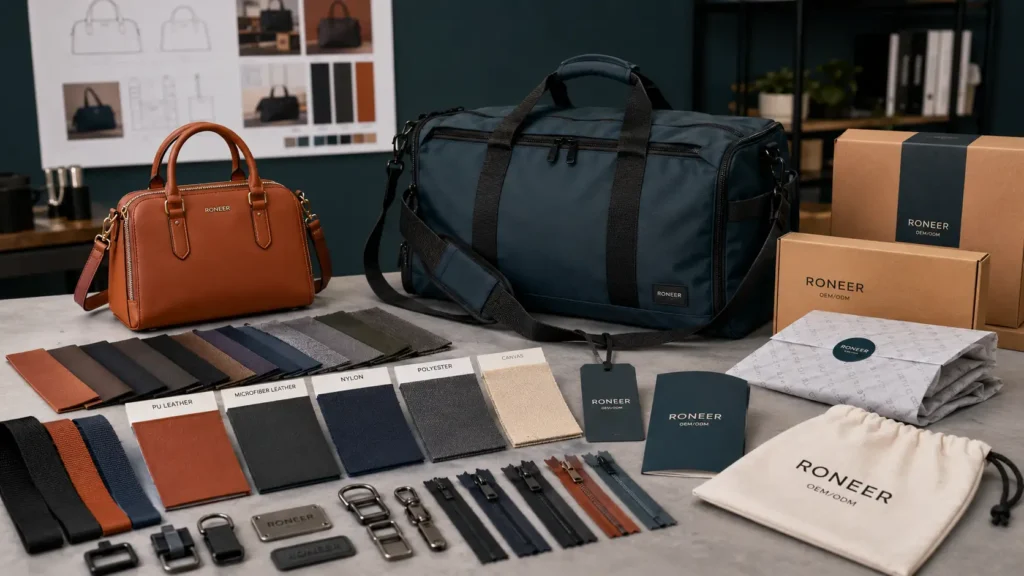
RONEER’s material customization service can help buyers compare material thickness, backing, texture, weight, color, coating, lining, webbing, foam, and reinforcement.
The buyer should approve physical swatches and finished samples. Photographs cannot accurately confirm thickness, stiffness, surface recovery, abrasion, or the way the material behaves around large travel-bag seams.
5. Compartment Design Should Follow Real Packing Behavior
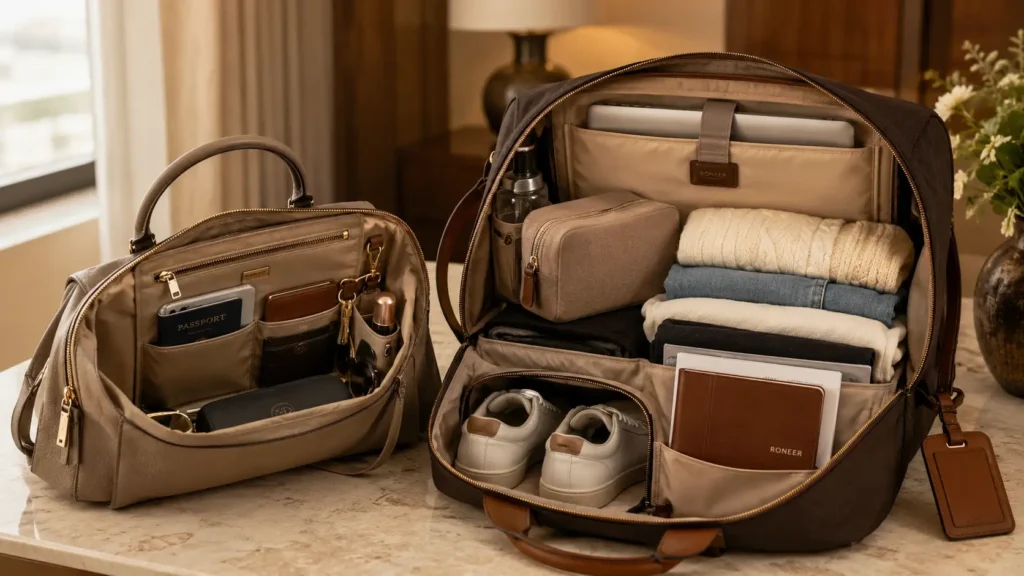
A purse usually needs compact and accessible organization. Common features include:
- Основное отделение
- Zipper pocket
- Open phone pocket
- Card slots
- Key clip
- Removable pouch
- Passport pocket
A travel bag may require:
- Large main compartment
- Отделение для обуви
- Мокрый карман
- Laptop sleeve
- Document pocket
- Bottle pocket
- Laundry section
- Mesh organizers
- Exterior quick-access pocket
- Втулка тележки
Purse and travel bag compartments should not be added only to increase the feature count. Each pocket affects pattern complexity, material consumption, sewing time, weight, and possible defects.
The buyer should test whether the pockets remain accessible after the bag is filled. A side shoe compartment may reduce the usable main volume. A thick laptop section may make the bag heavier. A deep purse pocket may make small items difficult to find.
For travel products that may carry liquids, the product description should not imply that the bag itself guarantees airport acceptance. The TSA liquids rule applies to the traveler’s containers and screening requirements, not to a general claim that a travel bag is “TSA approved.”
6. Branding and Packaging Need Different Priorities
A purse is often displayed as a fashion accessory. Branding may use:
- Металлические таблички с логотипом
- Debossing
- Embossing
- Foil stamping
- Branded locks
- Индивидуальные застежки-молнии
- Подкладка с принтом
- Woven labels
Travel bags often use durable and visible branding methods such as:
- Вышивка
- Rubber patches
- Woven labels
- Трафаретная печать
- Теплопередача
- PU patches
- Metal badges
- Индивидуальные застежки-молнии
The logo should be tested on the actual material. A method that works on a small purse panel may not produce the same result on textured polyester or padded travel-bag fabric.
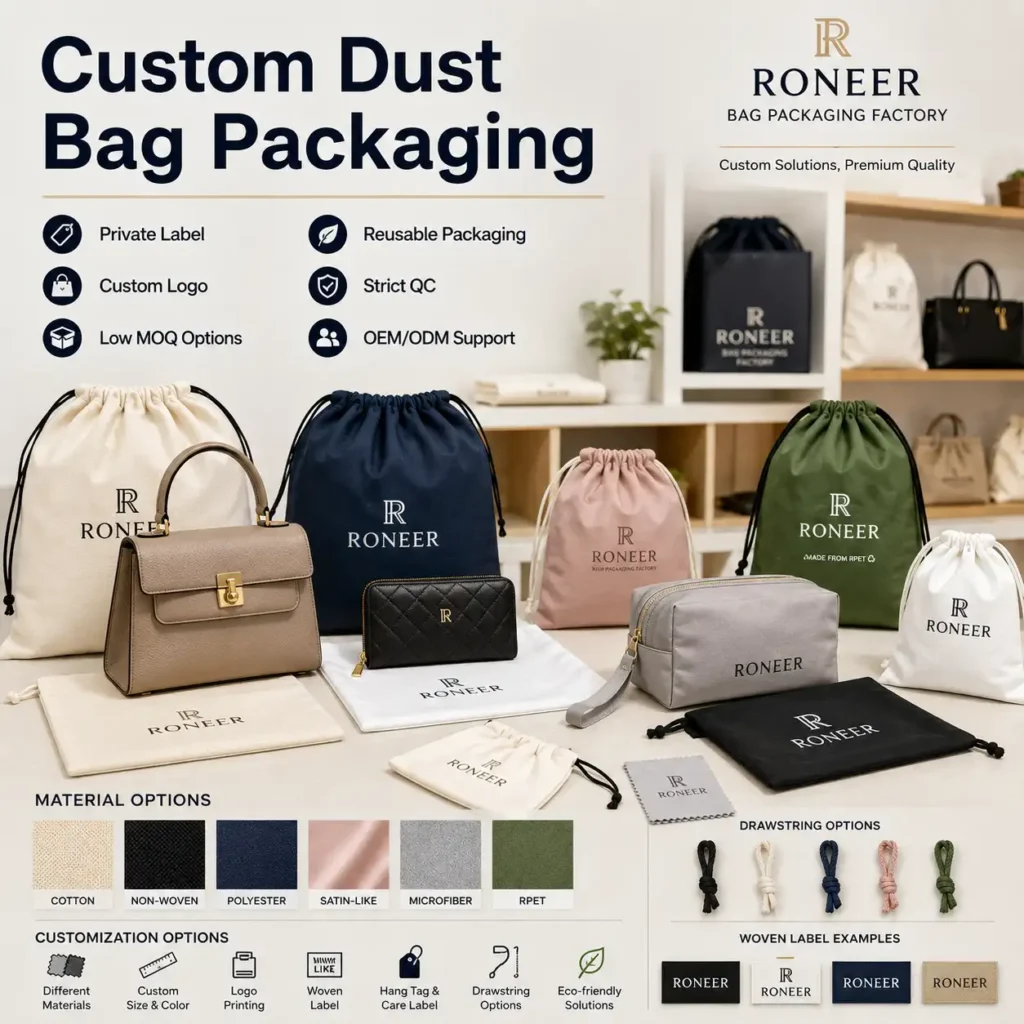
Purse and travel bag packaging also differs. A structured purse may need tissue, shape stuffing, a dust bag, hardware protection, and a retail box. A foldable travel bag may prioritize compact folding, strap control, polybag size, carton quantity, and shipping efficiency.
RONEER’s персонализация логотипа и изготовление упаковки на заказ pages can support coordinated branding and packing decisions across both categories.
7. Sampling and Quality Control Must Remain Product-Specific
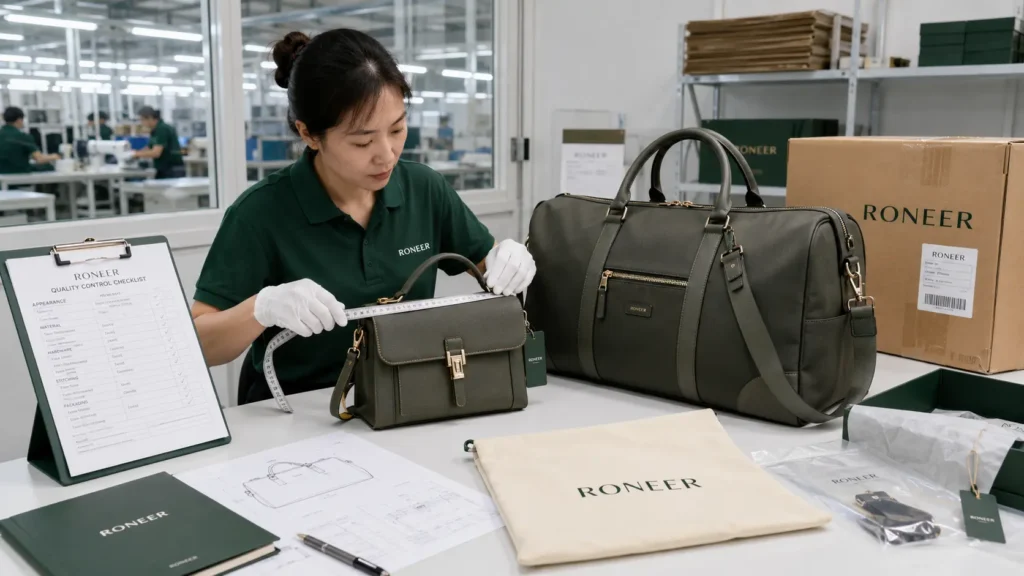
Purse and travel bag samples should be reviewed separately even when they belong to one collection.
A purse sample review may focus on:
- Shape and symmetry
- Surface marks
- Edge paint
- Handle alignment
- Размещение логотипа
- Отделка корпуса
- Closure function
- Lining fit
- Strap balance
- Розничная упаковка
A travel bag sample review may focus on:
- Вместимость
- Loaded shape
- Прочность ручки
- Shoulder-strap function
- Zipper operation
- Base reinforcement
- Compartment dimensions
- Trolley-sleeve fit
- Seam strength
- Folded packing size
The buyer should record revisions in the tech pack, measurement table, bill of materials, and sample-comment file.
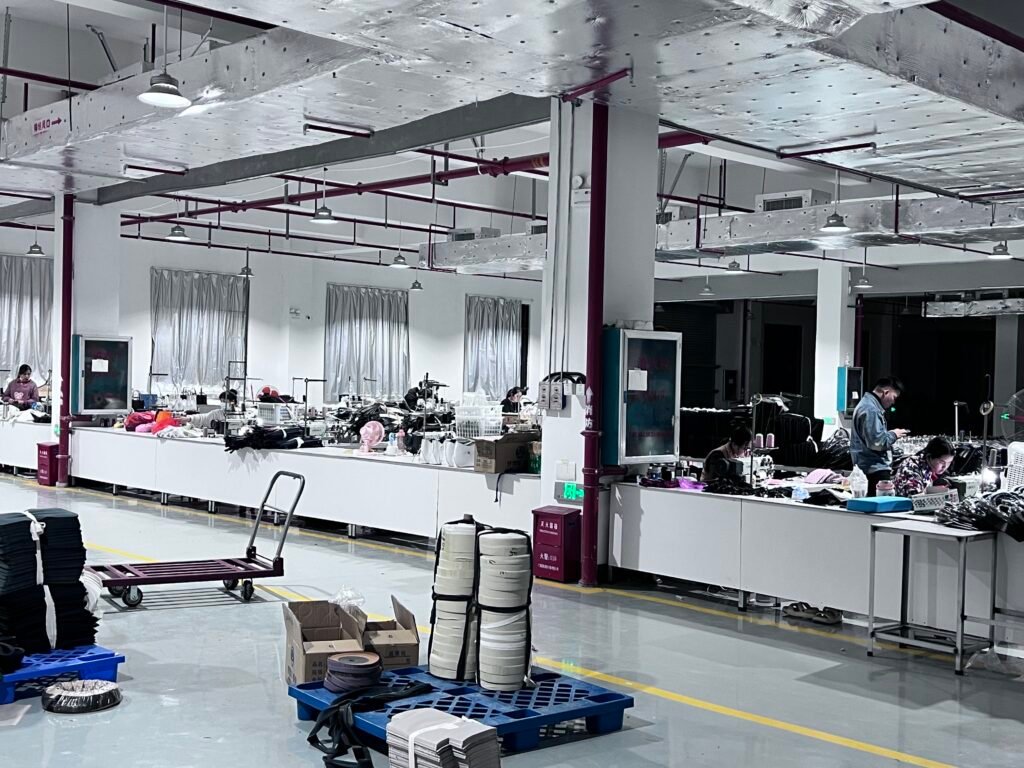
For finished bulk orders, ISO 2859-1:2026 defines acceptance-sampling schemes indexed by AQL for lot-by-lot inspection. The sampling plan still requires clear defect definitions, approved specifications, and product-specific checks.
RONEER’s AQL inspection for bags guide explains how buyers can prepare critical, major, and minor defect standards before shipment.
8. Purse and Travel Bag Can Build a Coordinated Collection
The two products can serve different stages of one customer journey.
Possible coordinated sets include:
- Crossbody purse and weekend duffel
- Passport purse and carry-on travel bag
- Work purse and business weekender
- Cosmetic purse and overnight bag
- Mini purse and foldable travel tote
- Shoulder purse and garment travel bag
Purse and travel bag collections may share:
- Color palette
- Exterior trim
- Подкладка
- Оформление логотипа
- Отделка корпуса
- Zipper color
- Клейма
- Packaging graphics
Sharing components may improve visual consistency and simplify sourcing. However, the same material should not be approved for both products without testing.
A material suitable for a small purse may be too heavy, weak, or expensive for a large travel bag. A lightweight travel fabric may not create the structure or premium surface required for a fashion purse.
The buyer should decide which elements must match visually and which elements must change for performance.
How to Describe a Purse and Travel Bag Project
A clear inquiry should separate the technical information for each product.
Purse Specification
Include:
- Specific purse style
- Width, height, and depth
- Handle drop
- Длина ремешка
- Exterior material
- Подкладка
- Закрытие
- Internal pockets
- Отделка корпуса
- Logo method
- Упаковка
Travel Bag Specification
Include:
- Travel-bag type
- Width, height, and depth
- Target capacity
- Intended trip length
- Exterior material
- Lining and reinforcement
- Конструкция рукоятки
- Плечевой ремень
- Отделения
- Втулка тележки
- Zippers and buckles
- Logo method
- Folded packing requirements
RONEER’s custom handbag catalog и custom travel bag catalog show why the two categories require separate structures and product-development decisions.
Common Buyer Mistakes
Using One General Specification for Both Products
Shared colors and logos do not mean the products should use the same pattern, reinforcement, or inspection checklist.
Advertising Universal Airline Acceptance
Airline baggage allowances vary. Product pages should state measured dimensions and advise customers to confirm their airline’s current requirements.
Ignoring Finished Weight
Large bags can become uncomfortable when heavy materials, hardware, lining, reinforcement, and contents are combined.
Adding Too Many Compartments
Extra pockets may reduce usable capacity, increase labor, and create more failure points.
Approving Handles Without Load Testing
Travel-bag handles and shoulder attachments should be reviewed under the expected load.
Selecting Materials Only by Appearance
A visually attractive material may scratch, stretch, crease, or fail during travel use.
Forgetting Export Packing Volume
A large travel bag may require substantially more carton space than a purse. Foldability and shape protection should be planned before the quotation is finalized.
How RONEER Supports Purse and Travel Bag Development
RONEER supports brands, wholesalers, retailers, e-commerce sellers, corporate buyers, and private label customers developing purse and travel bag collections.
Project support may include:
- Product-category review
- Size and capacity planning
- Material comparison
- Color development
- Hardware selection
- Logo testing
- Pattern making
- Sample revisions
- MOQ planning
- Quality inspection
- Индивидуализация упаковки
- Export packing
- Repeat-order records
RONEER reviews each product according to its own functional requirements while helping the buyer maintain a consistent visual identity across the collection.
Frequently Asked Questions About Purse and Travel Bag
What is the main difference between a purse and travel bag?
A purse is generally designed for personal daily essentials and frequent access. A travel bag is designed for larger loads such as clothing, shoes, toiletries, documents, or equipment.
Can a purse be used as a travel bag?
A larger purse may serve as a personal item or day bag, but it normally does not replace a weekender or duffel when the traveler needs to carry clothing and larger items.
Which product usually has more capacity?
A travel bag usually has greater capacity. Purse size ranges from a compact coin holder to a large tote-style handbag.
Can purse and travel bag products use the same material?
Yes, when the material performs correctly in both products. The factory should evaluate weight, reinforcement, abrasion, stitching, folding, and finished appearance.
Which materials are common for travel bags?
Common options include nylon, polyester, Oxford fabric, canvas, coated textiles, and leather or PU trim. The correct material depends on weight, target price, structure, and use.
Can the two products share the same logo?
Yes. The logo artwork can remain consistent, but the application method, size, and placement may change according to the material and available surface.
Does a travel bag need a shoe compartment?
Not always. A shoe compartment is useful for some weekend, sports, or gym products, but it reduces main-compartment space and adds construction.
How should buyers plan carry-on dimensions?
State the exact finished dimensions and target airlines or markets. Airline allowances vary, so brands should avoid universal approval claims.
Do the two products require different quality inspections?
Yes. Purse inspection emphasizes appearance, shape, hardware, logo, and finishing. Travel-bag inspection emphasizes capacity, handles, zippers, seams, compartments, and loaded performance.
Which product is easier for a startup brand?
The answer depends on the customer and design. A compact purse may be easier to ship, while a simple travel duffel may have broad practical demand. Custom hardware and technical compartments can increase complexity in either category.
What should a physical sample confirm?
The sample should confirm dimensions, capacity, material, color, weight, straps, handles, hardware, zippers, compartments, logo, comfort, workmanship, and packaging.
Can RONEER manufacture a matching purse and travel bag collection?
RONEER can support coordinated OEM/ODM purse and travel bag development, including materials, colors, logos, hardware, samples, packaging, quality control, and bulk production, subject to the confirmed project requirements.
Заключение
Purse and travel bag products belong to the broader accessories market, but they serve different customer needs and require different manufacturing decisions.
A purse is normally developed around daily personal items, quick access, fashion presentation, compact organization, straps, hardware, and surface finishing. A travel bag is developed around larger capacity, heavier loads, reinforced handles, durable zippers, practical compartments, and efficient transport.
The correct purse and travel bag strategy depends on the customer, trip length, expected contents, material, selling price, shipping method, and brand position.
For a coordinated collection, the two products may share colors, logo artwork, lining, hardware finishes, hangtags, and packaging graphics. Each product should still retain its own measurements, pattern, reinforcement, carrying system, sampling checklist, and quality standard.
Physical samples remain essential. Buyers should test capacity, weight, access, carrying comfort, loaded shape, hardware, zippers, workmanship, and packaging before approving bulk production.
RONEER helps OEM/ODM buyers develop purse and travel bag products according to confirmed specifications. By separating the technical requirements while coordinating the visual identity, buyers can reduce sourcing misunderstandings, improve production consistency, and build a more practical accessories collection.