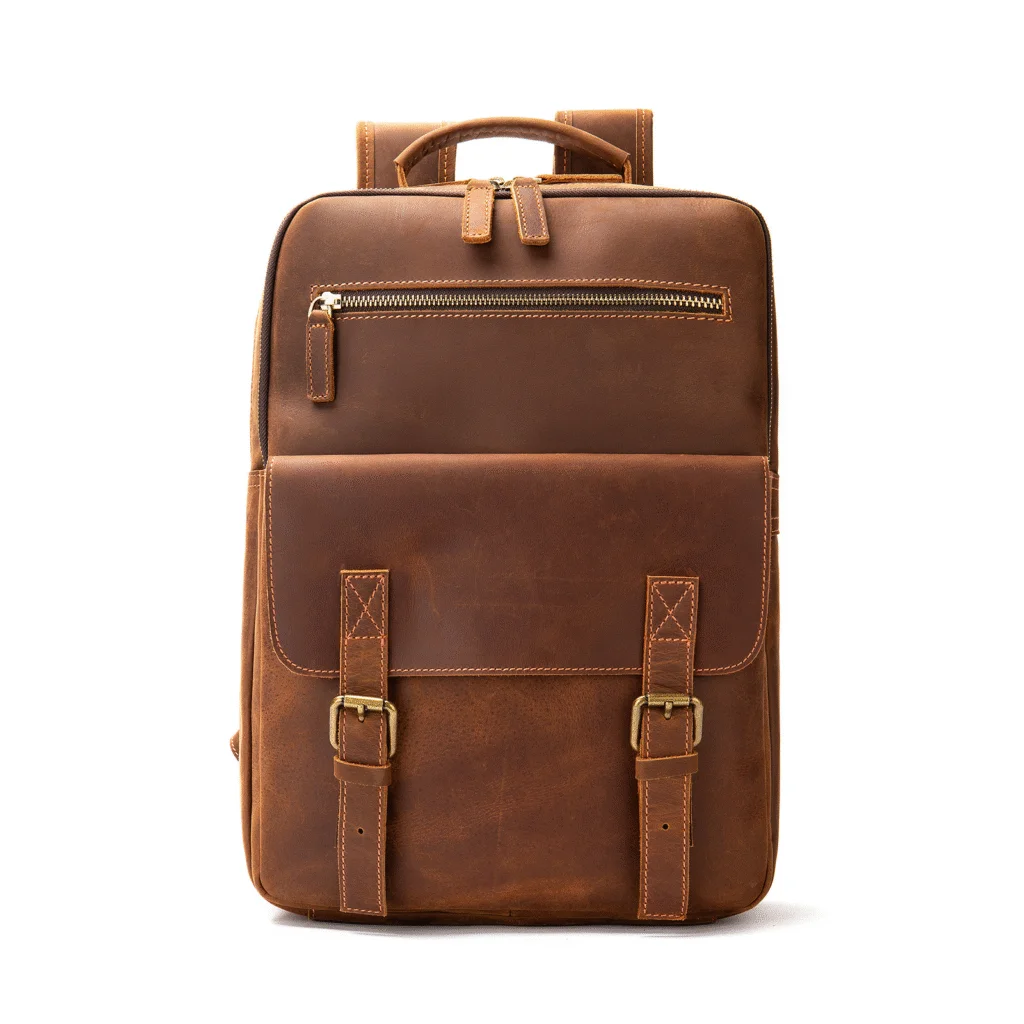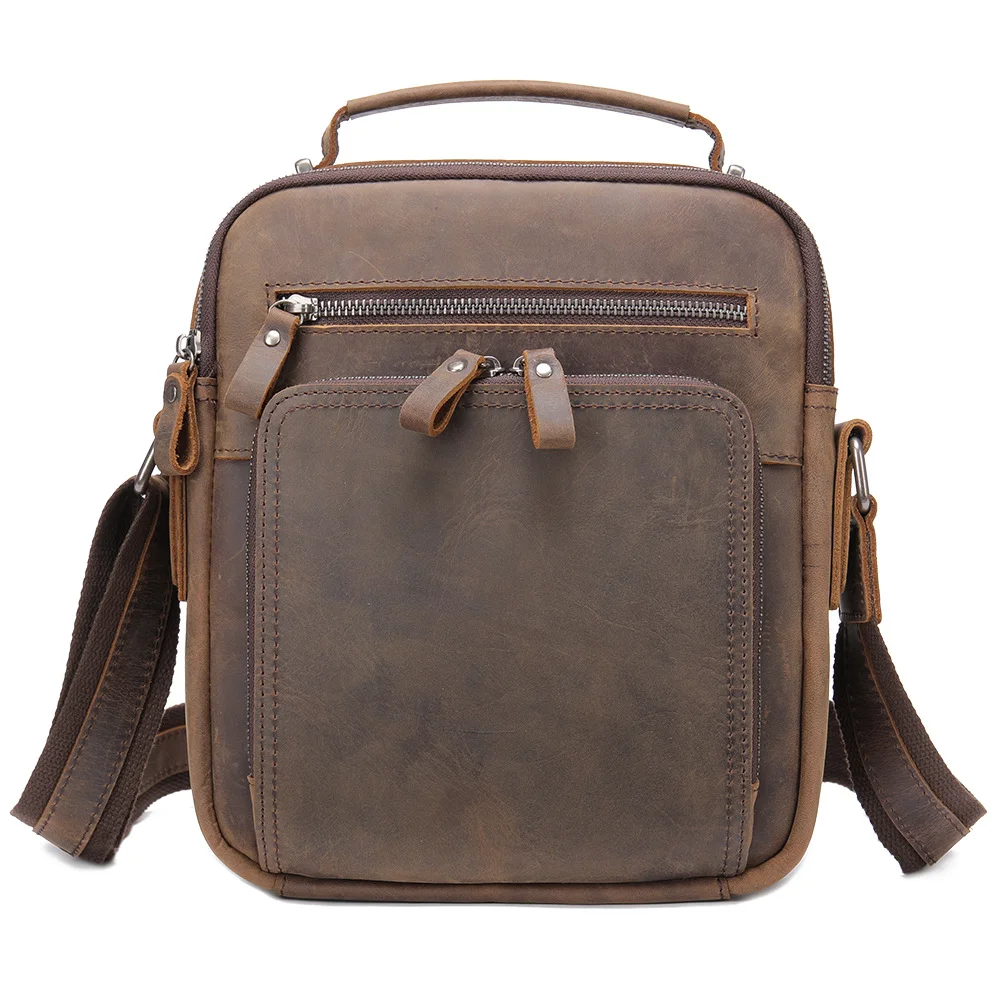




Do you always take a bag with you every time you go out? Whether it’s handbags or backpacks and so on, yes, bags have long become essential items for People’s Daily life, whether they go out or work. However, as consumers’ demands for life keep rising, so do backpacks, which are a reflection of lifestyle, functionality, and durability. Behind every successful backpack brand lies an important choice, and that is the material. Among so many materials to choose from, why do polyester and nylon stand out?
Next, in this article, I will introduce the choice between them, which is an important factor influencing the development of your brand. Let’s start exploring!
What Is Polyester?
Polyester is the abbreviation of polyethylene terephthalate (PET), which is a synthetic fiber made through a chemical reaction between petroleum-derived alcohols and acids. It first became popular in the 1940s and was introduced by British chemists Whinfield and Dickson. By the 1970s, polyester had caused a global sensation in the textile industry and was renowned as “a miraculous fiber that never wrinkles”.
With the development of luggage, polyester has become one of the most widely used fabrics in fashion, luggage, and outdoor equipment. Its multi-functionality and economy make it a pillar material for countless luggage manufacturers.
What Are Its Features?
- Durability: Resistant to stretching and shrinking, holding its shape over time.
- Moisture Resistance: Naturally hydrophobic — it repels water rather than absorbing it.
- Color Fastness: Polyester fibers bond well with dye, producing vibrant, long-lasting colors.
- Cost Efficiency: Cheaper to produce and easier to source than many other synthetics.
- Easy Maintenance: Quick-drying and resistant to mildew and mold.
What Are The Common Brands Of Polyester Backpacks?
Major brands such as Adidas, Herschel, and JanSport often use polyester in casual, school, and travel backpacks. These brands value the lightness and flexibility of polyester in printing or digital patterns, making it highly suitable for large, fashionable, and avant-garde collections.
Composition
Typical polyester backpacks are made of 100% polyester, or blended polyester such as 600D or 900D polyester coated with polyurethane (PU) for water resistance. “D” stands for Denier – a measure of fiber thickness. The higher the denier number, the stronger and heavier the fabric.
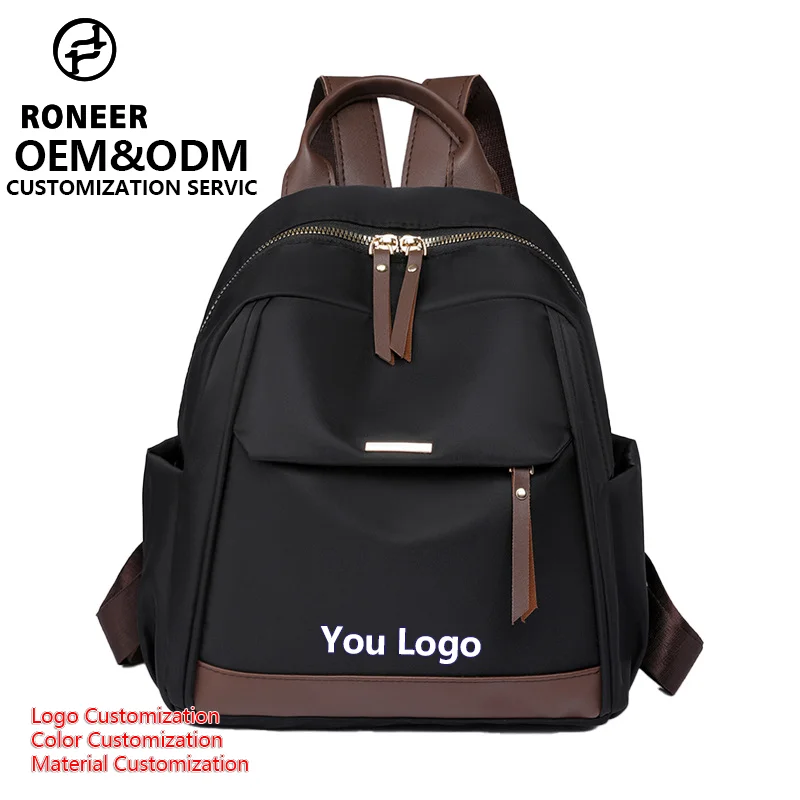
What Is Nylon?
Nylon was the first fully synthetic fiber invented by DuPont in 1935. It was initially used as a substitute for silk in parachutes and military equipment during World War II. This tradition of strength and performance has continued to this day – nylon remains synonymous with elasticity.
This nylon backpack gained global attention as early as the 1980s, when outdoor and high-performance brands began to look for lightweight and sturdy fabrics for hiking and tactical uses.
What Are Its Features?
- Exceptional Strength: Nylon is stronger and more abrasion-resistant than polyester.
- Elasticity: Slightly more stretchable, which adds comfort and reduces tearing under stress.
- Soft Hand-feel: Smoother and more luxurious touch, appealing for premium backpacks.
- Water Resistance: Absorbs slightly more moisture than polyester but dries quickly when coated.
- Temperature Sensitivity: More heat-sensitive — requires careful handling during manufacturing.
What Are The Common Brands Of Polyester Backpacks?
Major brands such as Adidas, Herschel, and JanSport often use polyester in casual, school, and travel backpacks. These brands value the lightness and flexibility of polyester in printing or digital patterns, making it highly suitable for large, fashionable, and avant-garde collections.
Composition
Most nylon backpacks use Nylon 6 or Nylon 6,6, often coated with PU or TPU (thermoplastic polyurethane) for extra waterproofing. Cordura nylon, a well-known variation, enhances durability through air-jet textured yarns.
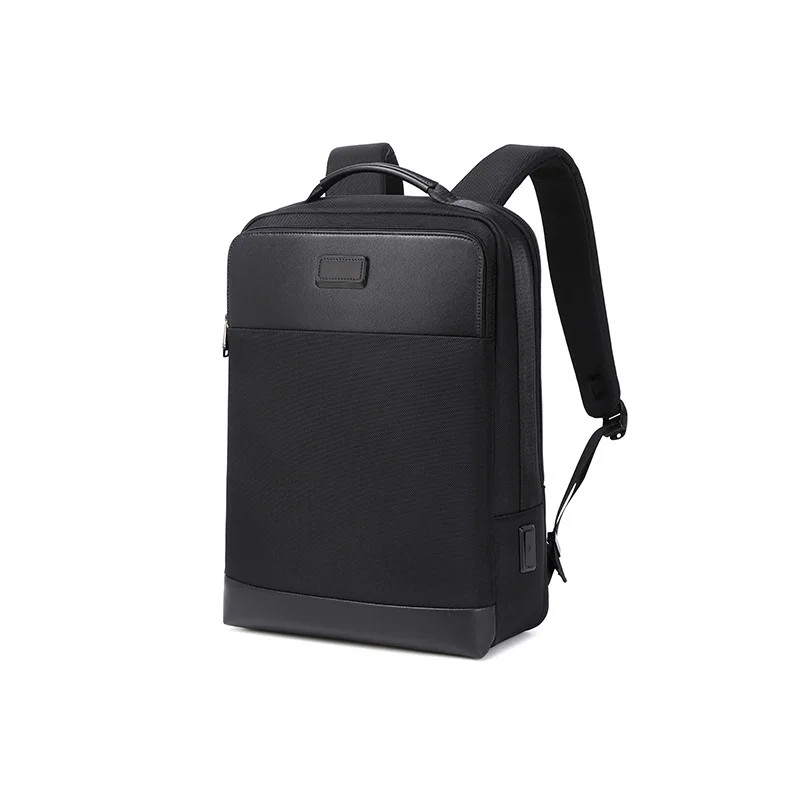
Who Uses Polyester and Nylon Backpacks More?
Backpacks made of different fabrics are used by different people, and the following are some common classifications;
| User Type | Preferred Material | Reason |
|---|---|---|
| Students and daily commuters | Polyester | Affordable, lightweight, colorful, easy to clean |
| Outdoor enthusiasts and hikers | Nylon | Durable, tear-resistant, handles rugged conditions |
| Travelers | Nylon or Polyester (depending on budget) | Polyester for cost-efficient luggage; nylon for long-haul durability |
| Corporate and promotional buyers | Polyester | Lower cost, printable surface ideal for branding |
| Luxury or performance brands | Nylon | Affordable, lightweight, colorful, and easy to clean |
Note: these are industry patterns, not absolutes. Your brand positioning, target price, and durability expectations matter more than geography alone.
Durability and Waterproof Comparison
| Feature | Polyester | Nylon |
|---|---|---|
| Tensile Strength | Moderate (500D polyester ≈ 150 lbs/inch) | High (500D nylon ≈ 200 lbs/inch) |
| Abrasion Resistance | Good | Excellent |
| Weight | Slightly heavier per denier | Lighter and stronger |
| Water Resistance | Naturally water-repellent | Absorbs slight moisture but dries fast |
| UV Resistance | Superior; resists fading | Weaker; color may fade under sunlight |
| Cost Efficiency | More affordable | Higher cost (about 20–30% more) |
| Texture | Slightly coarse | Smooth and luxurious |
| Maintenance | Easier to clean | May require gentle washing |
| Best Use | School, fashion, business, promotional | Outdoor, military, travel, tactical |
Which Material Is More Environmentally Friendly?
Sustainability seems to be receiving increasing attention globally, and the same goes for backpacks. More and more customers are concerned about this: Is your polyester fabric an environmentally friendly type? Is this nylon fabric of yours sustainable? I often hear such questions.
Both polyester and nylon are petroleum-based synthetic materials, which means neither of them can be completely biodegraded. However, you don’t need to worry about this issue. With technological development, this statement changes.
Recycled Polyester (rPET)
Polyester’s advantage lies in its recyclability. Recycled polyester, made from used plastic bottles, reduces dependence on virgin petroleum and lowers carbon emissions.
It consumes about 50% less energy and emits 30% less CO₂ than virgin polyester.
Recycled Nylon (Econyl and others)
Recycled nylon, often branded as Econyl, comes from industrial waste such as fishing nets and carpets. The process is more complex and costly, but results in high-quality yarn with nearly identical performance to virgin nylon.
Environmental Comparison
| Aspect | Recycled Polyester | Recycled Nylon |
|---|---|---|
| Availability | Widely accessible and affordable | Limited and more expensive |
| Carbon Footprint | Lower overall | Moderate reduction |
| Energy Consumption | Lower during production | Higher due to purification process |
| Durability | Excellent | Excellent |
| Consumer Perception | Recognized and accepted | Higher due to the purification process |
Reminder: RONEER has always paid attention to the details of every product – not only in design and quality, we choose recycled and sustainable materials to ensure that every journey you take – you and ours – leaves a lighter footprint on the planet.
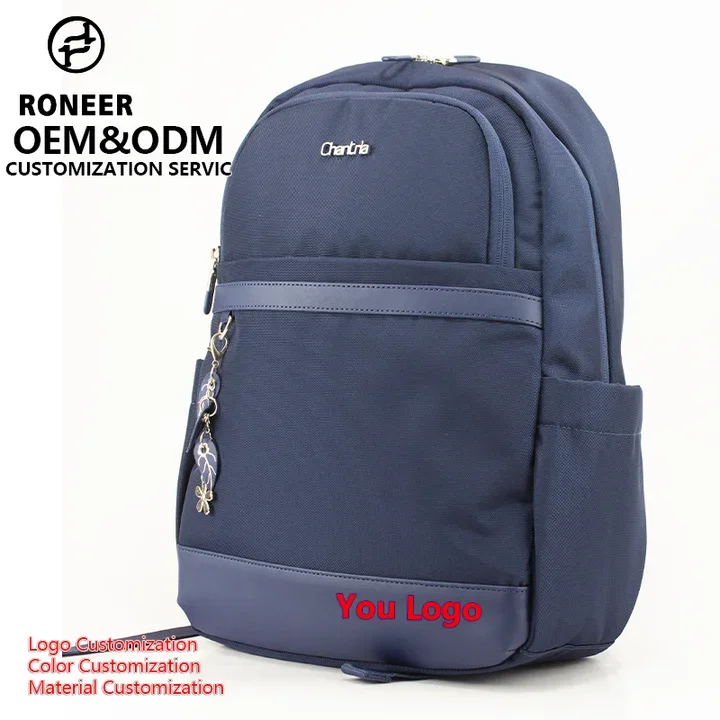
How to Choose the Right Material for Your Project?
When choosing between polyester and nylon, please consider the following five key factors:
- Product application: Daily backpacks or school bags: Choose polyester material because it has rich colors, is easy to print, and is affordable. Outdoor, hiking, or tactical backpacks: Choose nylon material as it has tear resistance and durability.
- Target market: Young and fashionable brand: Polyester fabric with bright designs and lower prices.
- High-performance or high-end brands: Nylon material gives people a sense of professionalism and durability.
- Your Budget: If your project requires cost-effectiveness in mass production, then polyester materials are affordable and a more practical choice.
- Climate and usage conditions: Coated nylon performs best in damp or rainy environments. In regions with abundant sunlight and high requirements for UV stability and color retention, polyester fabrics have the upper hand.
- Sustainable Development Goals: If your brand values environmentally friendly production, then recycled polyester fiber (rPET) or Econyl® nylon are both good choices
Conclusion
Each backpack carries more than just items – it also holds a story, a lifestyle, and the philosophy of a brand. Choosing the right material is not only about functionality, but also about who you are and the values you represent.
Polyester represents versatility, creativity, and daily convenience – a perfect match for brands that value color, style, and ease of use. Nylon embodies strength, durability, and professionalism – it is the ideal choice for those who pursue outstanding performance and adventurous spirit and are unwilling to compromise.
At RONEER, we firmly believe that innovation and responsibility can go hand in hand. Whether made of durable nylon or eco-friendly recycled polyester, we are committed to creating backpacks that both inspire travel and respect the Earth. Because every great journey begins with the right choice – and the right material.
If you are looking for a backpack manufacturer, please contact us!