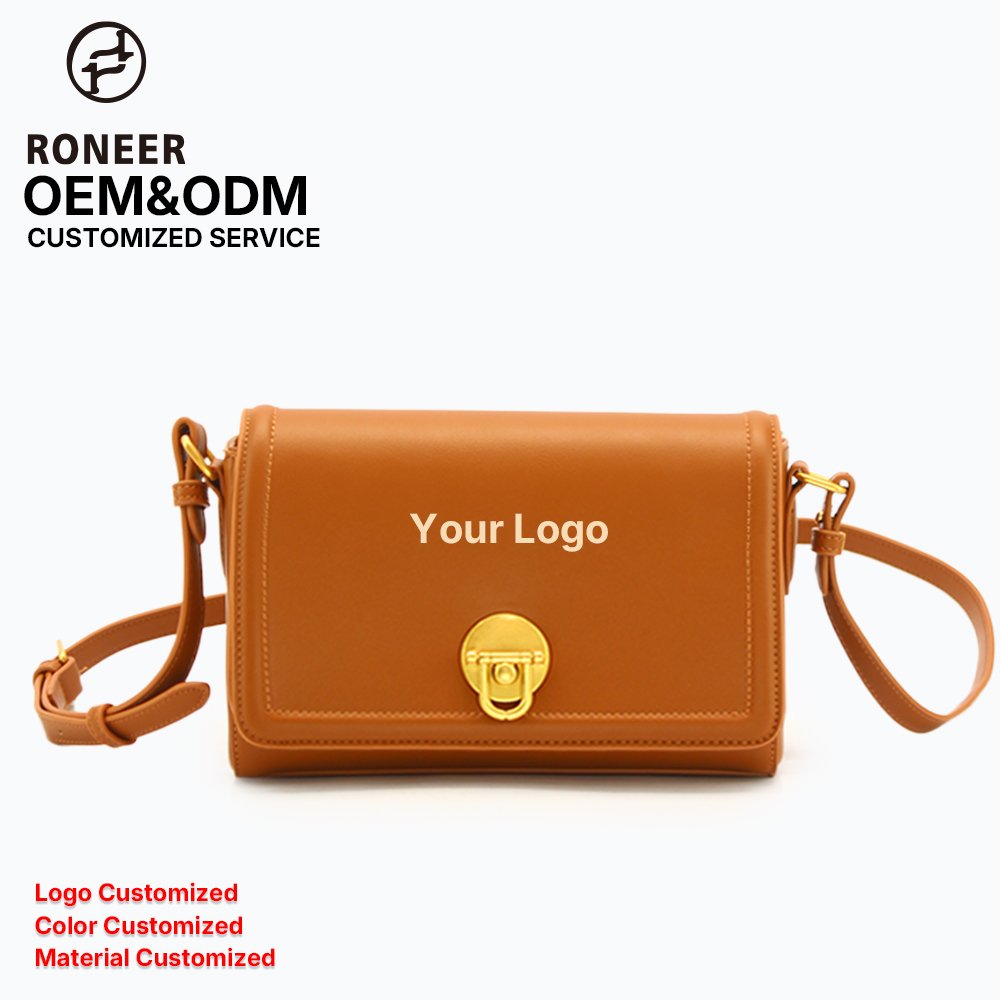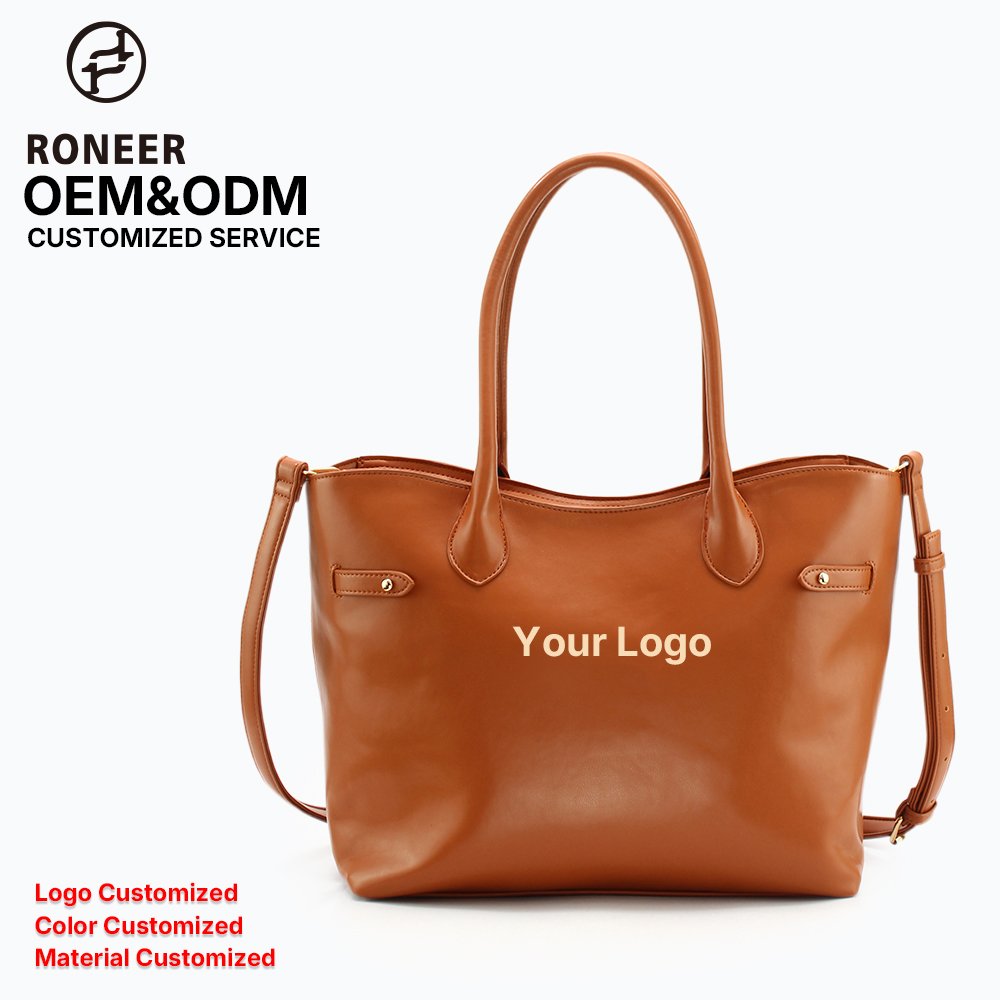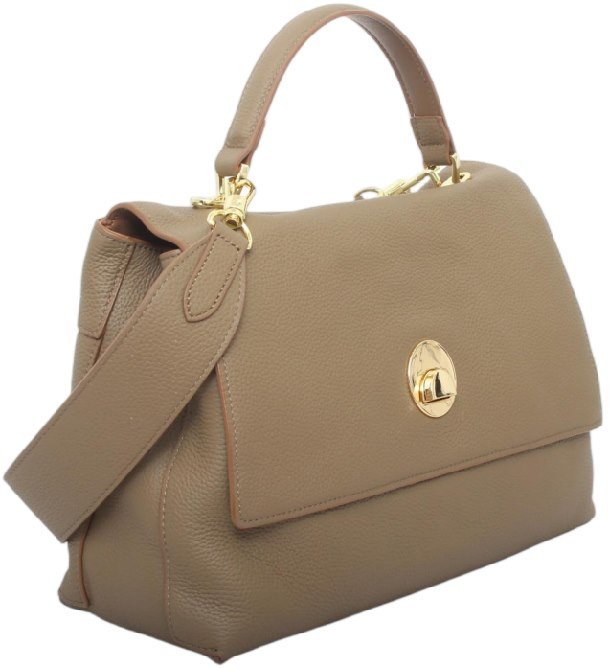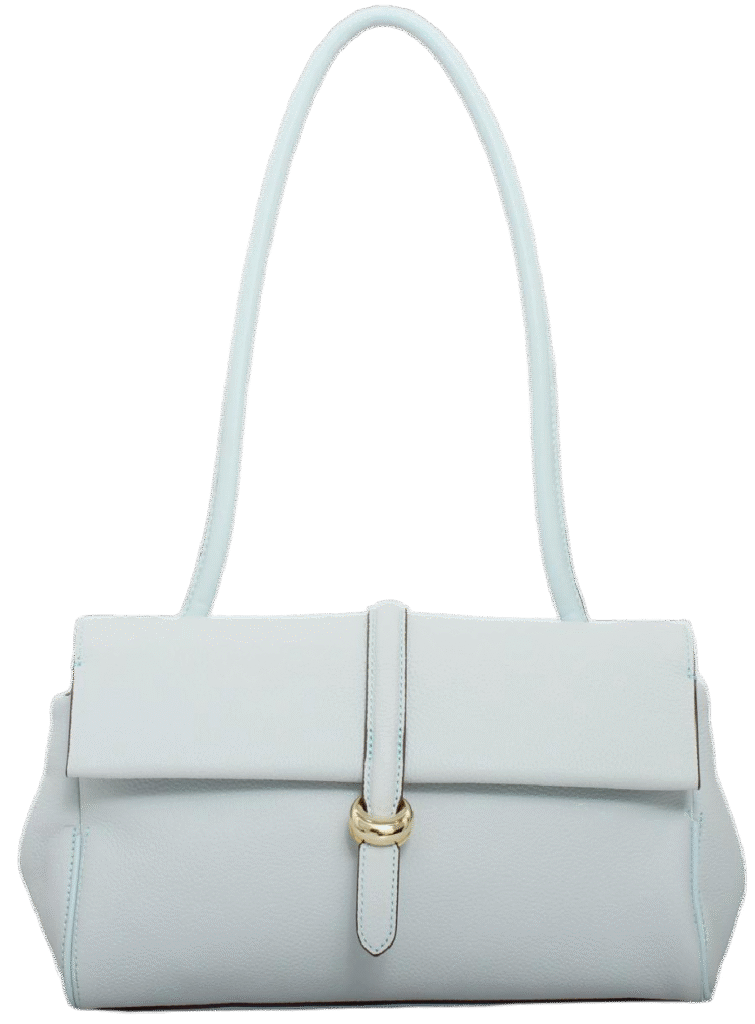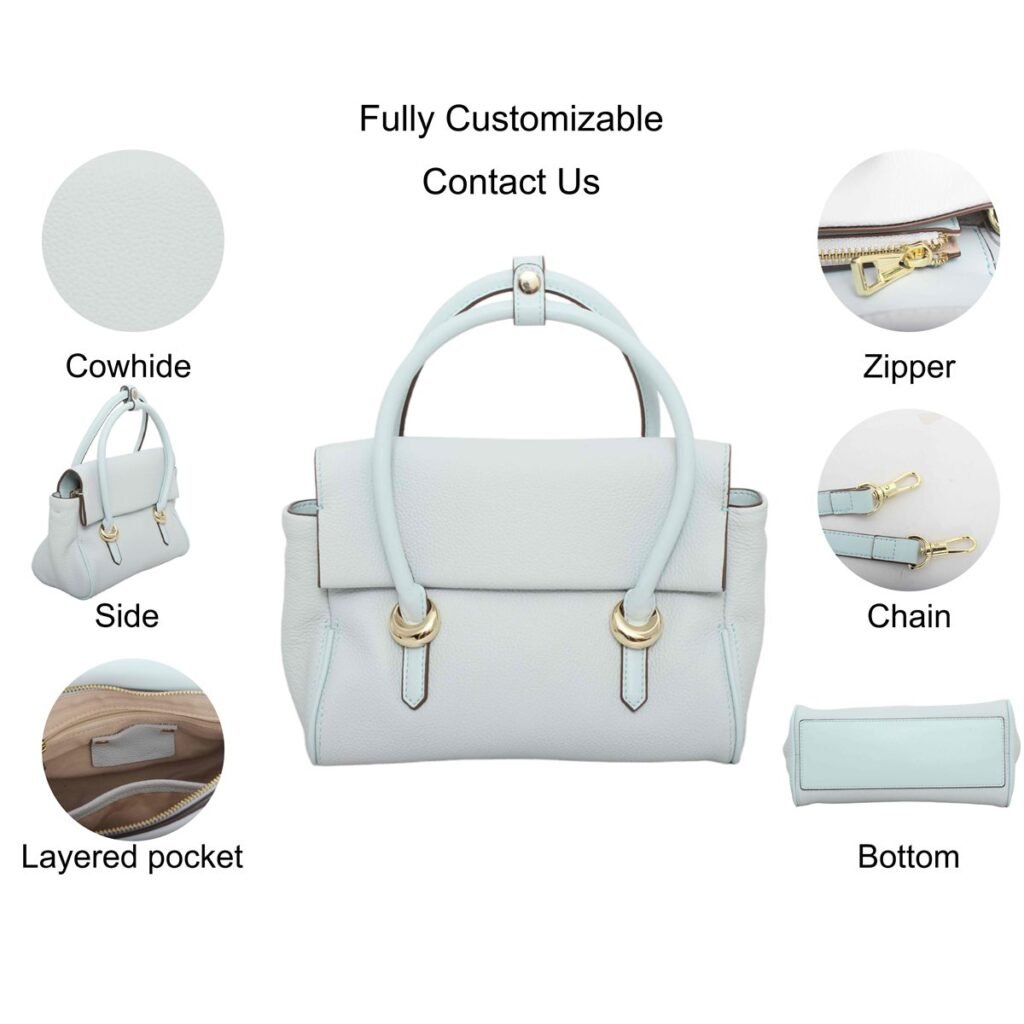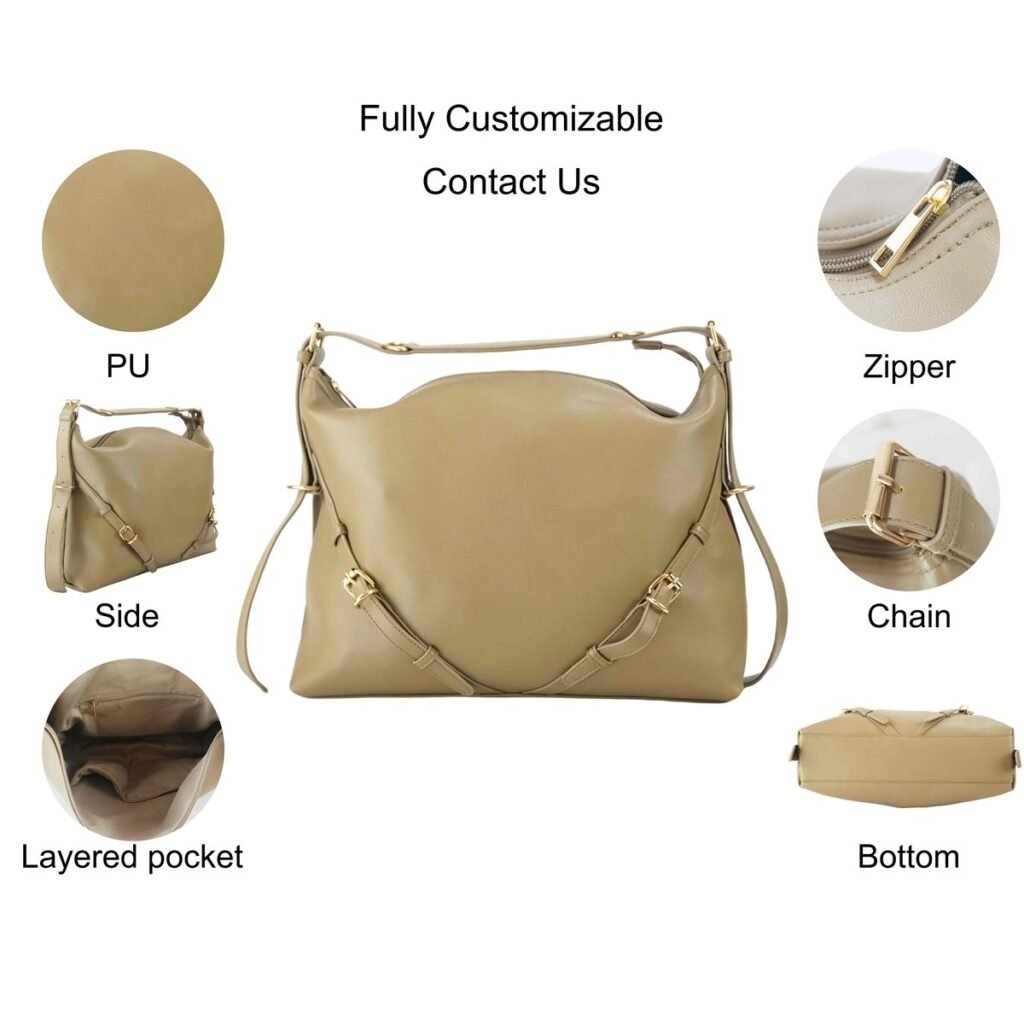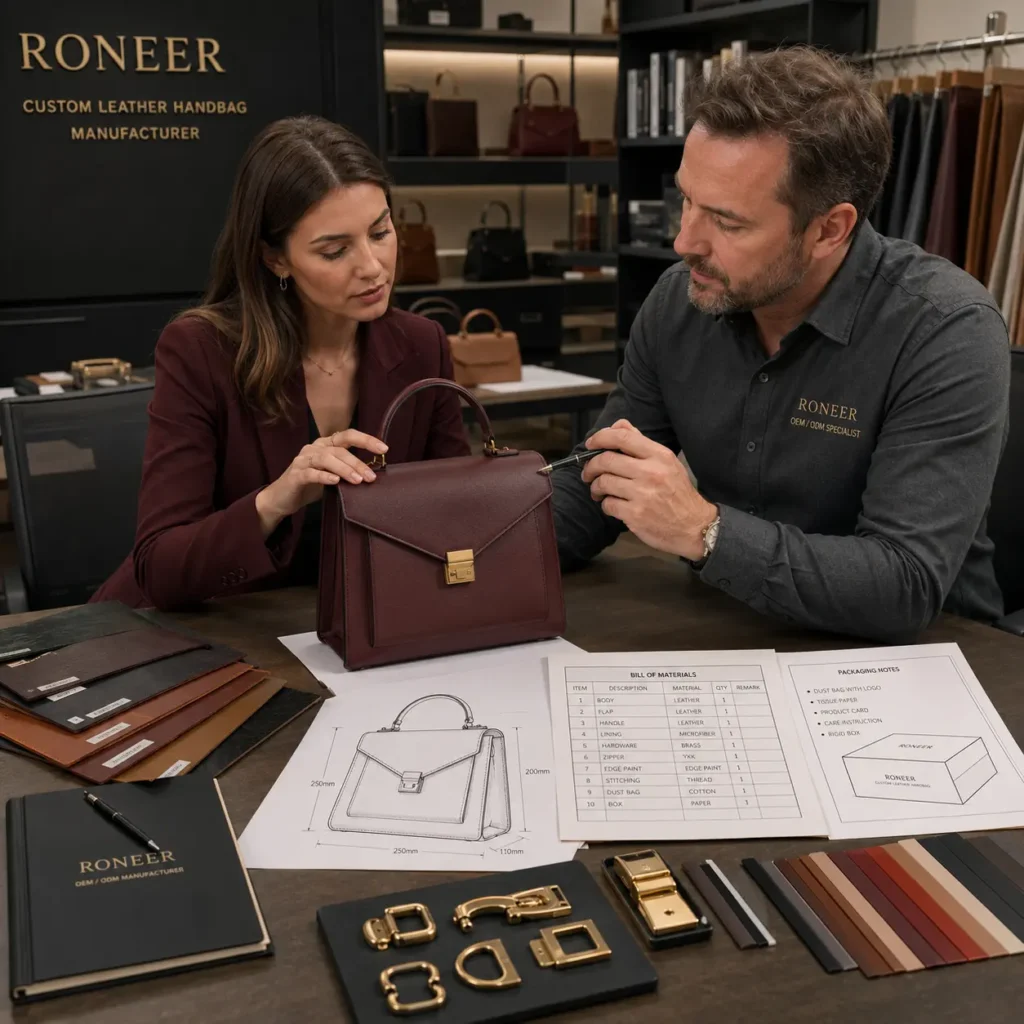






Two founders can launch the same number of handbags and spend completely different amounts.
One founder may customize an existing factory-developed style, use available materials, launch one color, photograph the product independently, and sell through a simple online store. Another founder may develop several original structures, create custom hardware, order exclusive materials, produce luxury packaging, hire a creative agency, and launch through wholesale and direct-to-consumer channels.
That is why how much does it cost to start a handbag line cannot be answered with one universal number.
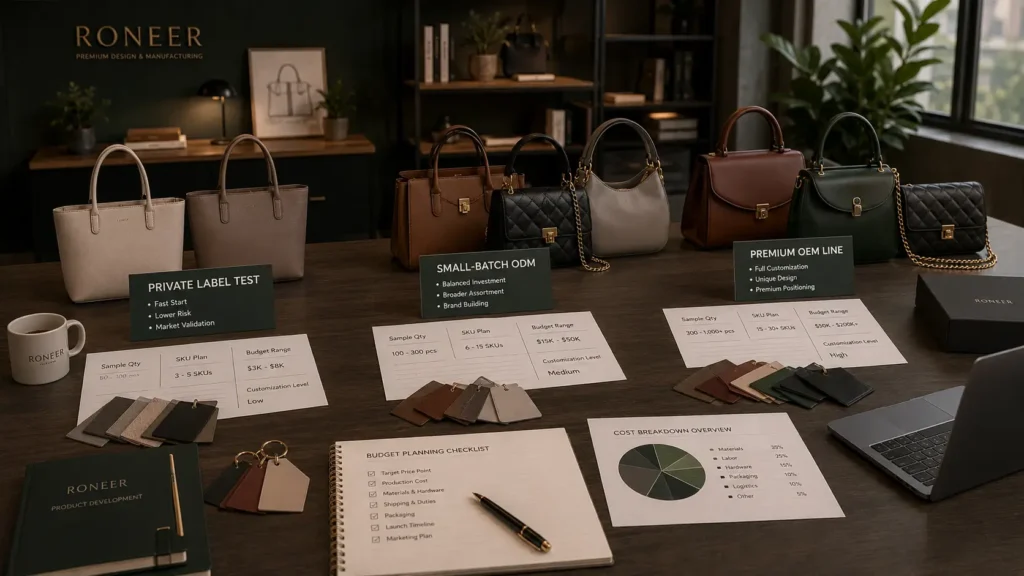
A lean private label test may be planned with approximately $4,000 to $10,000. A more developed small-batch OEM or ODM launch may require around $10,000 to $30,000. An original premium handbag line involving several styles, custom materials, custom hardware, professional campaigns, testing, inventory, and working capital can exceed $30,000 and may reach $100,000 or more.
These ranges are planning examples rather than factory quotations. How much does it cost to start a handbag line depends on the launch model, number of styles, total SKUs, development route, material, MOQ, packaging, sales channel, destination market, and amount reserved for marketing and reorders.
The most common budgeting mistake is calculating only the first production invoice. A complete handbag line budget may include research, business setup, product design, technical files, samples, tooling, inventory, branding, barcodes, packaging, inspection, freight, duties, photography, website development, advertising, returns, and reorder capital.
The U.S. Small Business Administration recommends identifying both one-time and ongoing expenses and specifically lists inventory, market research, legal and accounting work, websites, marketing, permits, insurance, and operating expenses among common startup-cost categories. Review the SBA startup-cost guidance.
This guide explains how much does it cost to start a handbag line through nine major cost areas. It is written for startup founders, fashion designers, boutique brands, private label buyers, e-commerce sellers, wholesalers, retailers, and established companies entering the handbag category.
Quick Answer: How Much Does It Cost to Start a Handbag Line?
For preliminary planning, founders can use three broad launch models.
| Launch Model | Illustrative Budget | Typical Characteristics |
|---|---|---|
| Lean private label validation | $4,000–$10,000 | One existing or lightly modified style, limited colors, simple packaging and founder-managed launch |
| Small-batch OEM or ODM collection | $10,000–$30,000 | One to three developed styles, physical samples, branded packaging, professional photography and controlled inventory |
| Original premium handbag line | $30,000–$100,000+ | Original structures, custom materials or hardware, multiple samples, premium packaging, campaigns and greater working capital |
These ranges should not be used as automatic quotations. A single complicated style can cost more to develop than several simple private label products.
When evaluating how much does it cost to start a handbag line, build the budget from the actual project specification rather than selecting a target number first and forcing the product to fit it.
1. Choose the Launch Model Before Building the Budget
The first factor determining how much does it cost to start a handbag line is the development route.
자사 브랜드
Private label normally starts with an existing product or base structure. The brand may customize:
- 로고
- 라벨
- Available material color
- 행태그
- 먼지 봉투
- 기본 포장
Because the pattern and construction already exist, private label may reduce design work, sample revisions, tooling, and development time.
It may be suitable for a founder who wants to validate branding, price, audience, and sales channels before investing in an original handbag structure.
ODM
ODM uses a factory-developed style that can be modified through:
- 재료
- 색상
- Strap
- Pocket layout
- 하드웨어 마감
- 안감
- 로고
- 포장
ODM can provide more differentiation than basic private label production while avoiding some original pattern-development expenses.
OEM
OEM develops the founder’s original handbag from a tech pack, drawing, prototype, or detailed specification.
An original OEM project may require:
- Product design
- Technical drawings
- 새로운 패턴
- 시공 시험
- Multiple samples
- Material development
- Custom components
- Detailed tolerances
- Pre-production approval
How much does it cost to start a handbag line through OEM is normally higher because the brand is funding both product development and initial manufacturing.
The correct route depends on which product differences customers will value. A founder should not pay for original molds, exclusive lining, and complex structures merely to make the project appear more professional.
RONEER의 how to start a handbag business guide provides a wider framework for customer research, brand planning, manufacturer selection, pricing, launch, and reorders.
2. Budget for Market Research and Business Setup
Before spending heavily on samples, determine whether the proposed product has a realistic customer base.
Market validation may include:
- Customer interviews
- Competitor analysis
- Review analysis
- Price testing
- Product mockups
- Landing pages
- Waiting lists
- Preorder interest
- Small retail tests
The SBA states that market research helps founders identify customers and reduce risk, while competitive analysis helps establish a meaningful advantage. Review the SBA market research guidance.
For a founder personally conducting the research, this phase may require more time than money. A brand hiring consultants, researchers, strategists, or legal advisers will need a larger budget.
Business setup costs may include:
- Company registration
- Local licenses or permits
- Accounting setup
- Contracts
- Insurance
- Legal review
- Bank and payment accounts
- Brand-name clearance
When asking how much does it cost to start a handbag line, do not mix the product-development budget with every possible corporate expense. List them separately so the founder can see which costs create the product and which costs establish the business.
An illustrative lean allocation for research and basic setup might be $300–$2,000, while a project using professional legal, strategy, and accounting support can require more.
The amount depends heavily on the country, business structure, professional adviser, and scope of work.
3. Pay for Product Design and the Handbag Tech Pack
A product idea must be converted into manufacturing information.
Original handbag development may require:
- Concept sketches
- Technical flat drawings
- 치수
- Internal layout
- Material direction
- 하드웨어
- Logo placement
- Construction notes
- Colorways
- 포장
- Measurement tolerances
- Bill of materials
A factory may begin from reference photographs, but assumptions increase when measurements, materials, pockets, hardware, lining, and construction are not clearly documented.
The RONEER handbag tech pack guide explains how drawings, measurements, BOM information, hardware, logo placement, packaging, revisions, and approvals work together during factory development.
How much does it cost to start a handbag line with original design support depends on who prepares these files.
Possible routes include:
- Founder-created specification
- Freelance fashion designer
- Technical bag designer
- Product-development studio
- Factory-assisted ODM development
- Full-service creative agency
An illustrative budget may range from several hundred dollars for a simple, organized specification to several thousand dollars for multiple original styles with detailed technical files.
Do not judge the file by page count. A concise, accurate tech pack is more valuable than a long document containing inconsistent measurements and unclear construction.
Ownership should also be defined. The agreement with the designer should address sketches, technical files, revised concepts, artwork, patterns, and permitted future use.
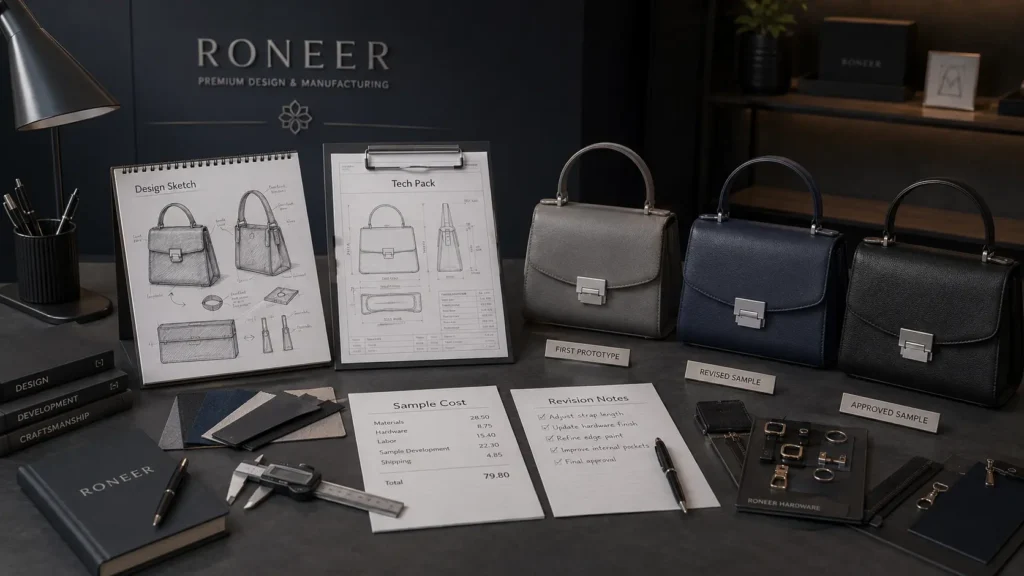
4. Include Samples and Revision Costs
Sample development is one of the most important answers to how much does it cost to start a handbag line.
The founder may need to pay for:
- Pattern development
- First prototype
- Revised sample
- Material swatches
- 로고 금형 제작
- Custom hardware prototype
- Packaging sample
- Courier delivery
- Pre-production sample
The first sample is rarely guaranteed to be production-ready.
Revisions may involve:
- Shape
- 치수
- Handle drop
- 스트랩 길이
- Pocket size
- 클로저 함수
- Hardware weight
- 로고 위치
- Material firmness
- 보강
- 가장자리 마감
- Lining construction
A founder should reserve money for more than one development round rather than approving a weak sample because the original budget has been exhausted.
A simple modified ODM handbag may require limited development. A structured original handbag with special hardware can require several rounds.
For planning purposes, a lean project might allocate approximately $300–$1,500 for samples and deliveries. A multi-style original collection may allocate $2,000–$8,000 or more.
These figures are illustrative. The actual amount depends on the number of styles, materials, pattern work, revision count, custom components, location, and courier cost.
The approved physical sample should be connected to the final tech pack, material card, hardware finish, colorway, and packaging specification.
5. Add Tooling, Materials, and Custom Component Development
Custom elements can increase how much does it cost to start a handbag line before any finished inventory is produced.
Possible one-time or minimum-purchase expenses include:
- Logo embossing plate
- Printing screen
- Custom metal logo mold
- Zipper-puller mold
- Lock or buckle mold
- Custom-dyed exterior material
- Printed lining
- Custom webbing
- Special plating
- Packaging dies
- Rigid-box setup
A factory may accept a manageable number of completed handbags while the component supplier requires a much larger quantity of hardware, labels, lining, or boxes.
This creates hidden inventory.
For example, a brand may produce 200 handbags but purchase enough logo plates or printed lining for several future orders. The unused components still consume working capital.
When calculating how much does it cost to start a handbag line, ask:
- Is the tooling reusable?
- Who owns the mold?
- How long will it be stored?
- Is unused material included in the price?
- Can unused components support the reorder?
- What happens if the product is discontinued?
- Does each color need a separate setup?
- Can standard components reduce the minimum?
A lean launch can use available materials, regular hardware, and simpler logo processes. Greater customization can be introduced after customer demand becomes clearer.
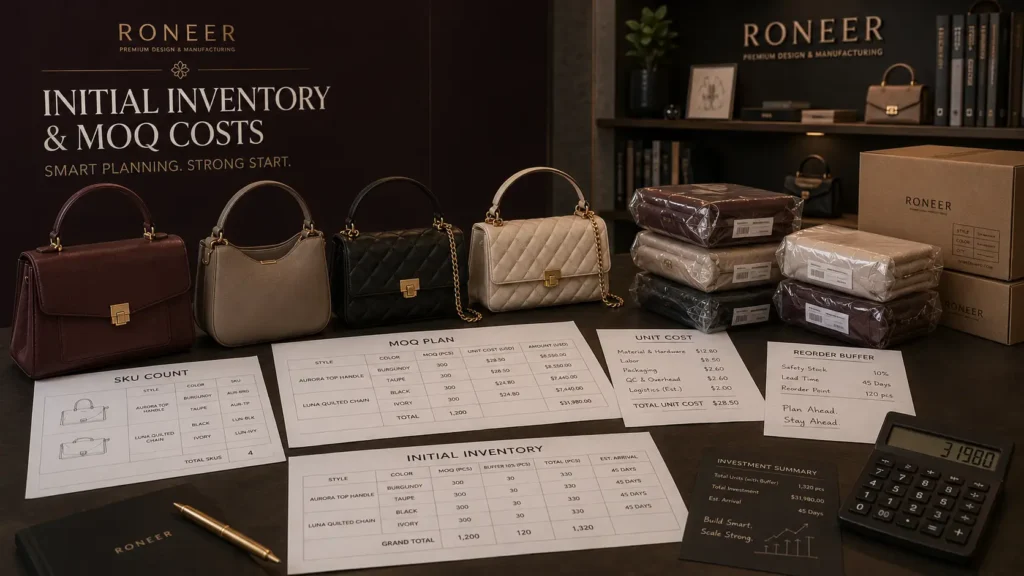
6. Calculate Initial Inventory and MOQ Costs
Inventory is often the highest single cost in a handbag launch.
The basic calculation is:
Factory unit price × production quantity = initial finished-product cost
However, the final amount may also include:
- Sample credit or development charges
- 사용자 정의 소재
- 하드웨어
- Logo application
- 안감
- 포장
- Replacement units
- Export cartons
How much does it cost to start a handbag line changes rapidly when the number of SKUs increases.
Consider one handbag offered in:
- Three colors
- Two sizes
That creates six SKUs.
If the factory or material supplier requires a minimum per style, color, or material, the total order can become much larger than the founder expected.
A controlled first launch may use:
- 원 히어로 핸드백
- One supporting product
- 한 가지 또는 두 가지 색상
- One hardware finish
- 하나의 포장 시스템
The goal is not to create an empty-looking brand. It is to collect reliable information about sales, preferred colors, customer questions, return reasons, and reorder timing.
RONEER의 low MOQ handbag manufacturer guide explains why minimums may apply separately to styles, colors, materials, hardware, logo methods, packaging, and repeat orders.
A private label test may allocate approximately $1,500–$5,000 for initial inventory. A small OEM or ODM capsule may require $5,000–$20,000. A premium multi-style leather line can require substantially more.
These planning ranges must be replaced with an actual quotation based on the approved specification and quantity.
7. Include Branding, Trademarks, and Barcodes
A handbag line needs more than a product.
Brand-development costs may include:
- Brand name
- 로고
- Typography
- Color system
- Product naming
- Packaging artwork
- Hangtags
- Care cards
- 라벨
- Product-page copy
- Brand photography direction
A founder may create the initial system independently or hire a professional designer or agency.
Trademark filing is another possible expense. The current USPTO base application filing fee is $350 per class when the application meets the stated requirements, and additional fees may apply depending on filing content and basis. Legal search and attorney services are separate from the USPTO filing fee. Review USPTO trademark fee information.
Brands selling through retailers or marketplaces may also need product identifiers.
GS1 US currently lists:
- One GS1 US GTIN at $30
- A prefix supporting ten items starting at $250, with a $50 annual renewal fee
- Larger prefixes at higher initial and renewal fees
The correct number of identifiers depends on the number of separately identified product variations. Review GS1 US barcode pricing.
When calculating how much does it cost to start a handbag line, count styles, colors, sizes, and packaging variations before purchasing barcodes.
A founder with two styles in three colors may need more identifiers than a founder launching one handbag in one color.
8. Add Packaging, Inspection, Freight, and Import Costs
The factory quotation is not the landed cost.
Packaging may include:
- Shape support
- 티슈
- Hardware protection
- 먼지 봉투
- 케어 카드
- 행태그
- 바코드 라벨
- 폴리백
- 선물 상자
- 내부 상자
- 마스터 카톤
- 골판지 표시
RONEER의 포장 맞춤 제작 page outlines common packaging options for private label handbag and custom bag projects.
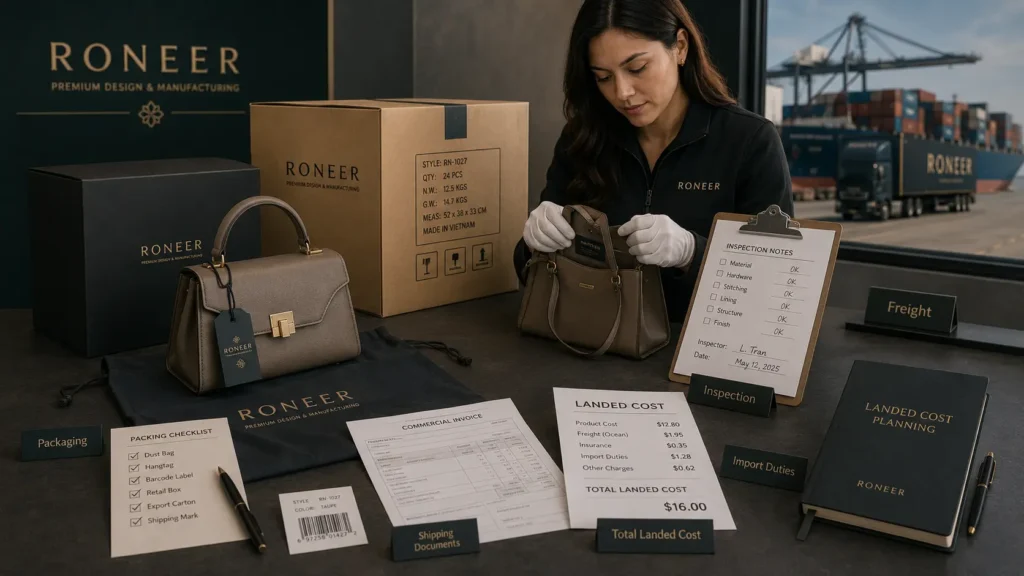
Inspection costs may include:
- Factory final inspection
- Buyer inspection
- Third-party inspection
- Product testing
- Replacement production
- Reinspection where necessary
Logistics may include:
- Sample courier
- Factory-to-port transportation
- Export handling
- Ocean or air freight
- Insurance
- Customs brokerage
- Duties and taxes
- Destination delivery
- 창고 입고
For handbags imported into the United States, CBP generally requires foreign-origin articles to be marked conspicuously and legibly with the English name of the country of origin unless an exception applies. Product-specific decisions should be confirmed before labels and packaging are produced.
How much does it cost to start a handbag line should therefore be calculated using landed cost rather than the factory unit price.
A useful structure is:
**Product cost
- packaging
- inspection
- freight
- import charges
- receiving
= landed inventory cost**
Do not approve premium packaging before the final handbag dimensions, shape protection, handle position, and shipping method are confirmed.
9. Reserve Cash for Website, Photography, Marketing, and Reorders
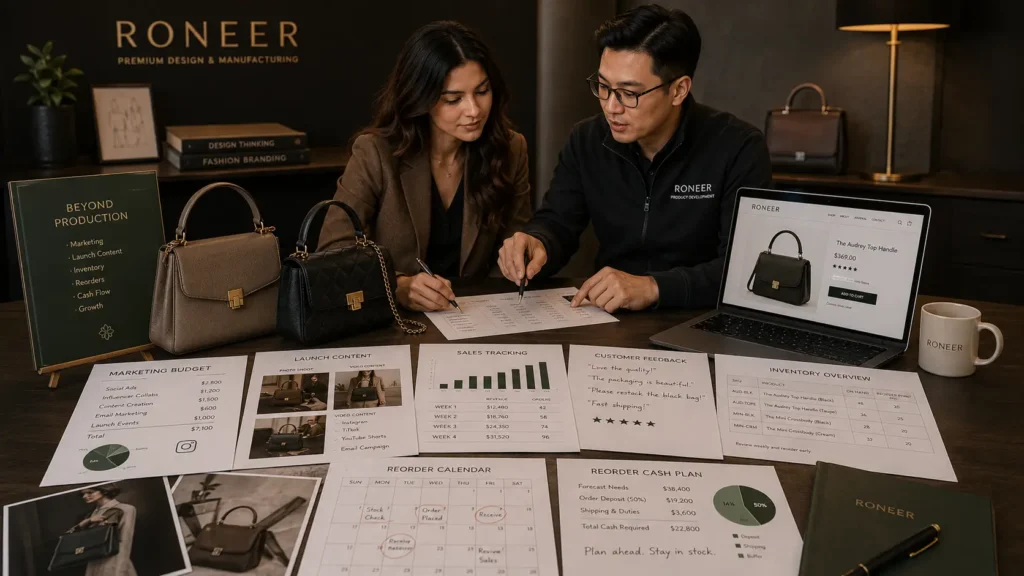
A completed production order does not automatically create sales.
The launch budget may need to include:
- Domain and website
- E-commerce platform
- Product photography
- Lifestyle photography
- Video
- Models
- Studio rental
- Copywriting
- Email marketing
- Influencer samples
- Paid advertising
- 마켓플레이스 수수료
- Pop-up events
- Wholesale samples
- Public relations
- Returns and replacements
The founder should separate launch assets from ongoing customer-acquisition costs.
A brand may spend heavily on premium photography but have no budget left to drive traffic. Another brand may produce large inventory but lack cash for fulfillment, returns, or customer service.
This is why how much does it cost to start a handbag line must include working capital.
Working capital may be needed for:
- Monthly software
- Storage
- 이행
- Payment-processing delays
- 반품
- Replacement orders
- 마케팅
- New samples
- 예치금 재입금
- Freight for the second production run
Do not assume the first order will sell before the next production deposit is due.
A practical startup budget should retain a reorder reserve rather than using all available capital for initial inventory.
Three Illustrative Handbag Line Budgets
The following examples show how different strategies affect how much does it cost to start a handbag line. They are planning models, not quotations.
Model A: Lean Private Label Validation
| Cost Area | Illustrative Range |
|---|---|
| Research and basic setup | $300–$1,000 |
| Branding and simple artwork | $300–$1,200 |
| Samples and shipping | $300–$1,000 |
| Initial inventory | $1,500–$4,000 |
| Basic packaging and barcodes | $150–$700 |
| Website and photography | $500–$1,500 |
| Freight, inspection and import | $500–$1,500 |
| Marketing and reorder reserve | $500–$1,500 |
| Estimated total | $4,050–$12,400 |
A disciplined founder may remain near the lower end by using one available style, one or two colors, simple packaging, founder-managed photography, and a small sales test.
Model B: Small-Batch OEM or ODM Collection
| Cost Area | Illustrative Range |
|---|---|
| Research, setup, and legal | $800–$2,500 |
| Product design and tech packs | $800–$3,000 |
| Samples and revisions | $800–$3,000 |
| Tooling and custom components | $500–$3,000 |
| Initial inventory | $5,000–$15,000 |
| Packaging and barcodes | $500–$2,000 |
| Photography, website and content | $1,500–$5,000 |
| Freight, inspection and import | $1,500–$5,000 |
| Marketing and reorder reserve | $2,000–$6,000 |
| Estimated total | $13,400–$44,500 |
This model may include one to three handbag styles, controlled colorways, physical samples, branded packaging, and professional launch assets.
Model C: Original Premium Handbag Line
| Cost Area | Illustrative Range |
|---|---|
| Strategy, legal and ownership | $2,000–$8,000 |
| Original design and technical development | $3,000–$12,000 |
| Multiple sample rounds | $2,000–$8,000 |
| Custom materials and hardware tooling | $3,000–$15,000 |
| Initial production inventory | $15,000–$60,000 |
| Premium packaging | $3,000–$15,000 |
| Testing, inspection and compliance | $1,000–$8,000 |
| Photography, website and campaign | $8,000–$30,000 |
| Freight, import and receiving | $5,000–$20,000 |
| Working capital and reorder reserve | $5,000–$20,000 |
| Estimated total | $47,000–$196,000 |
A premium line does not automatically need to spend at the top of this range. The model demonstrates how several original products, custom components, premium presentation, larger inventory, and professional launch campaigns can expand the budget.
A Simple Handbag Line Startup Cost Formula
Use the following planning structure:
**Development costs
- tooling and setup
- initial inventory
- packaging
- inspection and logistics
- brand-launch costs
- operating reserve
- reorder reserve
= total handbag line startup budget**
When working out how much does it cost to start a handbag line, keep one-time expenses separate from costs that repeat with every production order.
One-Time or Infrequent Costs
- Brand identity
- Initial tech packs
- Pattern development
- Custom molds
- Website setup
- Legal agreements
- Trademark applications
Recurring Costs
- Inventory
- 포장
- 점검
- Freight
- Duties
- Warehousing
- 이행
- 마케팅
- 반품
- Reorders
A brand can survive a high one-time design cost when margins and repeat sales support it. Recurring costs are more dangerous when they make every reorder unprofitable.
Common Budgeting Mistakes
Calculating Only the Factory Invoice
The production invoice excludes many costs needed to make the handbags saleable and deliver them to customers.
Launching Too Many SKUs
Every style, color, size, and packaging variation divides the budget and increases inventory complexity.
Underfunding Sample Revisions
A founder may approve an unsuitable product because another sample was not included in the budget.
Ordering Packaging Too Early
Final dimensions and protection requirements can change during sample development.
Ignoring Unused Materials and Components
Low finished-product quantities can still create excess leather, lining, hardware, labels, or boxes.
Spending All Capital on Inventory
The brand may have products but no budget for marketing, returns, fulfillment, or reorders.
Setting Retail Price From Factory Cost Alone
Retail pricing must support landed cost, platform fees, customer acquisition, discounts, returns, operating expenses, and future development.
Assuming the Second Order Will Be Easy to Fund
Reorder deposits may be required before the first batch has generated enough available cash.
FAQ About How Much Does It Cost to Start a Handbag Line?
1. How much does it cost to start a handbag line with a limited budget?
How much does it cost to start a handbag line with limited capital depends on the production route and number of launch SKUs. A controlled private label test using one existing style, one or two colors, simple packaging, and founder-managed marketing may be planned from approximately $4,000 to $10,000.
Original designs, professional photography, paid advertising, custom packaging, and larger inventory will increase the required budget.
2. How much does it cost to start a handbag line using private label products?
How much does it cost to start a handbag line through private label production is often lower because the base pattern and construction already exist.
The brand still needs to budget for samples, Logo application, labels, packaging, inventory, freight, import charges, photography, website preparation, marketing, and reorder capital.
3. How much does it cost to start a handbag line with ODM development?
How much does it cost to start a handbag line with ODM depends on how extensively the factory-developed style is modified.
Changes to available colors and Logos may be relatively economical. New materials, pocket layouts, straps, lining, hardware, and packaging can increase sample costs, component minimums, and production pricing.
4. How much does it cost to start a handbag line with original OEM designs?
How much does it cost to start a handbag line through OEM development is usually higher because the founder may need original sketches, a handbag tech pack, new patterns, several prototypes, custom materials, tooling, and a pre-production sample.
A controlled small-batch OEM launch may require approximately $10,000 to $30,000 or more, depending on complexity and inventory.
5. How much does it cost to start a handbag line with one product?
How much does it cost to start a handbag line with one hero handbag can be significantly lower than launching several unrelated styles.
One product reduces pattern work, samples, barcodes, photography, packaging variations, inventory management, and quality-control decisions. The total still depends on quantity, materials, hardware, branding, logistics, and marketing.
6. How much does it cost to start a handbag line with several colors?
How much does it cost to start a handbag line increases when every color becomes a separate SKU or triggers a separate material minimum.
Three colors may require additional swatches, samples, barcodes, product images, packaging labels, and inventory. Founders should confirm whether the factory MOQ applies to the full order, each style, or each color.
7. Does MOQ determine how much does it cost to start a handbag line?
MOQ strongly influences how much does it cost to start a handbag line because it determines the initial number of finished handbags.
MOQ may also create minimum purchases for exterior materials, lining, hardware, Logos, dust bags, labels, and boxes. A low finished-product MOQ does not always mean a low total investment.
8. How much should be budgeted for handbag design and tech packs?
Design and technical-development costs vary according to the number of products and level of originality.
A simple structured specification may cost several hundred dollars. Several original styles with detailed drawings, measurements, BOMs, construction notes, colorways, and revisions may cost several thousand dollars. These expenses should be included when calculating how much does it cost to start a handbag line.
9. How much should be reserved for handbag samples?
Sample costs depend on patterns, materials, hardware, Logo tooling, revision rounds, packaging samples, and courier delivery.
Founders calculating how much does it cost to start a handbag line should reserve enough money for more than one prototype rather than assuming the first sample will be approved.
10. Are packaging and barcodes included in the startup budget?
Yes. When calculating how much does it cost to start a handbag line, include dust bags, hangtags, care cards, barcode labels, polybags, retail boxes, export cartons, and artwork setup where applicable.
Packaging suppliers may also have minimum quantities that exceed the first handbag production order.
11. How much does it cost to start a handbag line after freight and import charges?
The factory invoice does not show the complete landed cost.
How much does it cost to start a handbag line after logistics depends on packaging volume, shipping method, destination, insurance, customs brokerage, duties, taxes, warehouse delivery, and receiving fees. These costs should be estimated before the retail price is finalized.
12. Should marketing be included when calculating how much does it cost to start a handbag line?
Yes. A complete answer to how much does it cost to start a handbag line must include product photography, video, website content, e-commerce fees, email marketing, influencer samples, advertising, events, or wholesale outreach.
Inventory cannot generate revenue when the brand has no practical customer-acquisition plan.
13. How much reorder capital should a handbag startup keep?
The required reserve depends on the reorder MOQ, supplier payment terms, manufacturing lead time, freight timing, and sales speed.
Founders asking how much does it cost to start a handbag line should preserve enough cash for a new production deposit, shipping, marketing, and operating expenses before the first batch is fully sold.
14. How can a founder reduce how much does it cost to start a handbag line?
A founder can reduce how much does it cost to start a handbag line by launching fewer SKUs, using available materials, selecting standard hardware, simplifying the Logo method, avoiding unnecessary custom lining, and choosing practical packaging.
Testing customer demand before production and preserving cash for marketing and reorders can also reduce financial risk.
15. How does RONEER help estimate how much does it cost to start a handbag line?
RONEER can review the handbag structure, materials, dimensions, colors, hardware, Logo process, quantity, samples, and packaging to estimate factory development and production costs.
The wider answer to how much does it cost to start a handbag line must still include the buyer’s branding, legal, logistics, import, sales, marketing, fulfillment, and working-capital expenses.
결론
Understanding how much does it cost to start a handbag line requires a complete launch budget rather than a single factory quotation. The production invoice is important, but it represents only one part of the capital needed to develop, manufacture, present, sell, and reorder a handbag collection.
The first factor affecting how much does it cost to start a handbag line is the manufacturing route. Private label may reduce pattern and development expenses, ODM can provide controlled customization, and OEM can support an original handbag concept. Greater originality usually requires more technical work, samples, tooling, and production control.
The number of products also changes how much does it cost to start a handbag line. Every additional style, color, size, and packaging variation can create new samples, barcodes, photographs, material minimums, and inventory. A focused hero handbag or compact capsule collection can make the first launch easier to finance and evaluate.
Product development should be calculated before inventory is ordered. Design work, handbag tech packs, patterns, physical samples, revisions, material cards, custom hardware, and pre-production approval all contribute to how much does it cost to start a handbag line.
Inventory is often the largest expense, but the buyer should not evaluate only the number of finished handbags. Material, lining, hardware, Logo, and packaging minimums can create unused components that still consume working capital. This is why how much does it cost to start a handbag line should be calculated according to total SKU and component exposure.
The factory price must then be converted into landed cost. Packaging, inspection, freight, insurance, duties, brokerage, warehouse delivery, and receiving fees determine how much capital is committed before the handbags are ready for sale.
Branding and customer acquisition also belong in the calculation. Trademarks, barcodes, product photography, website development, copywriting, marketplaces, advertising, influencer samples, events, and wholesale outreach can materially change how much does it cost to start a handbag line.
Working capital is equally important. A founder may have enough money to produce the first order but not enough to fund returns, fulfillment, advertising, operating expenses, or the next deposit. A reliable calculation of how much does it cost to start a handbag line therefore includes both a launch reserve and a reorder reserve.
For practical planning, a tightly controlled private label test may require approximately $4,000 to $10,000. A small-batch OEM or ODM collection may require around $10,000 to $30,000. An original premium handbag line with several styles, custom materials, custom hardware, professional campaigns, and larger inventory can require $30,000 to $100,000 or more.
These figures are planning examples rather than fixed quotations. The most accurate answer to how much does it cost to start a handbag line comes from validating the customer, controlling the first collection, approving physical samples, obtaining itemized quotations, calculating landed cost, and protecting enough cash to market and reorder the products.
RONEER supports OEM and ODM handbag development through product review, material selection, technical-file review, sampling, Logo customization, hardware, lining, packaging, production coordination, quality communication, export packing, and repeat-order documentation.
Ultimately, how much does it cost to start a handbag line depends on how carefully the founder connects product development, MOQ, inventory, branding, logistics, marketing, and cash flow. A realistic budget should not only help the brand launch its first handbags; it should also provide enough control and liquidity to improve the product, serve customers, and place the next production order.