









Choosing between a handbag and a backpack is far more than just a matter of style. For manufacturers, designers, and buyers, this choice directly impacts product engineering, ergonomics, materials, pricing, and brand perception. Making the right choice can enhance user experience, productivity, and even long-term market positioning.
In this article, we’ll delve into these two distinct bag options—from construction and comfort to material composition, functionality, and sourcing in China. Let’s explore some important details when deciding which bag type best suits your customers and product goals.
What Is a Handbag?
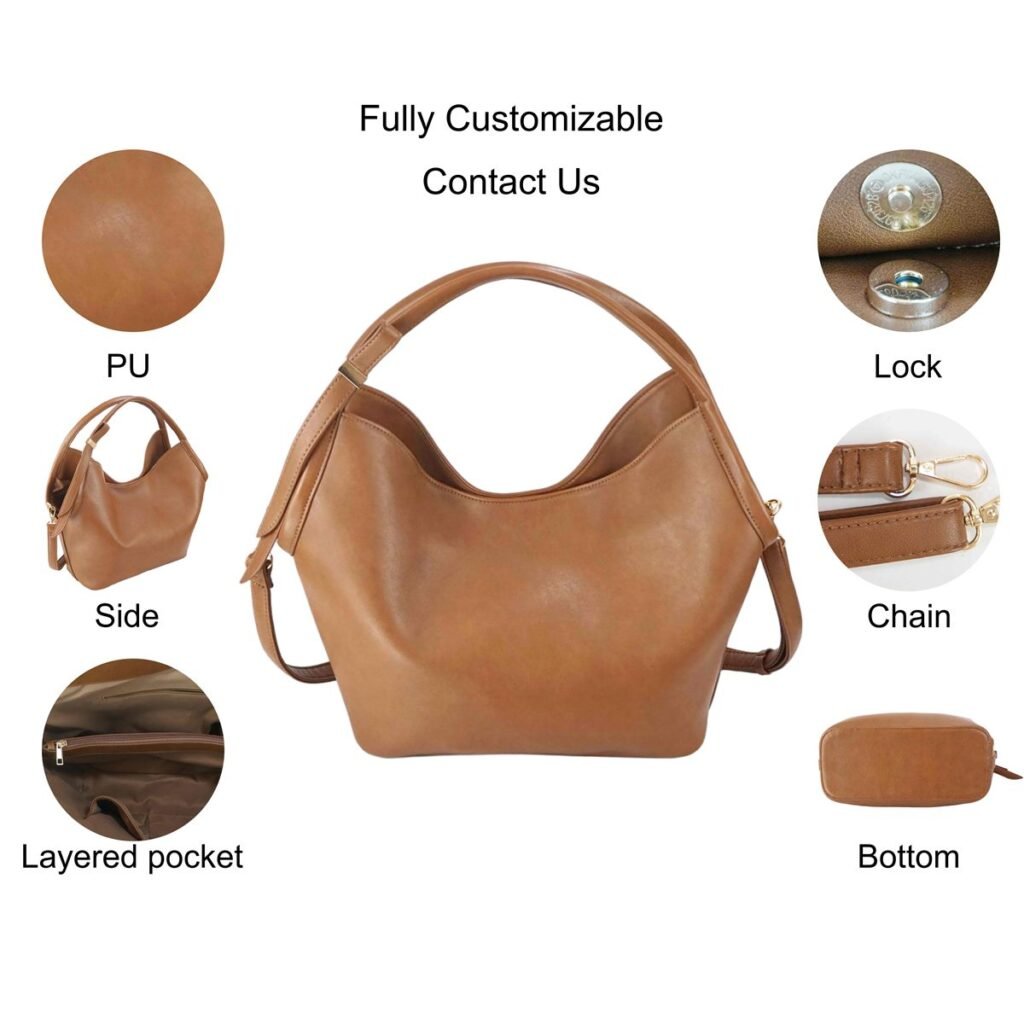
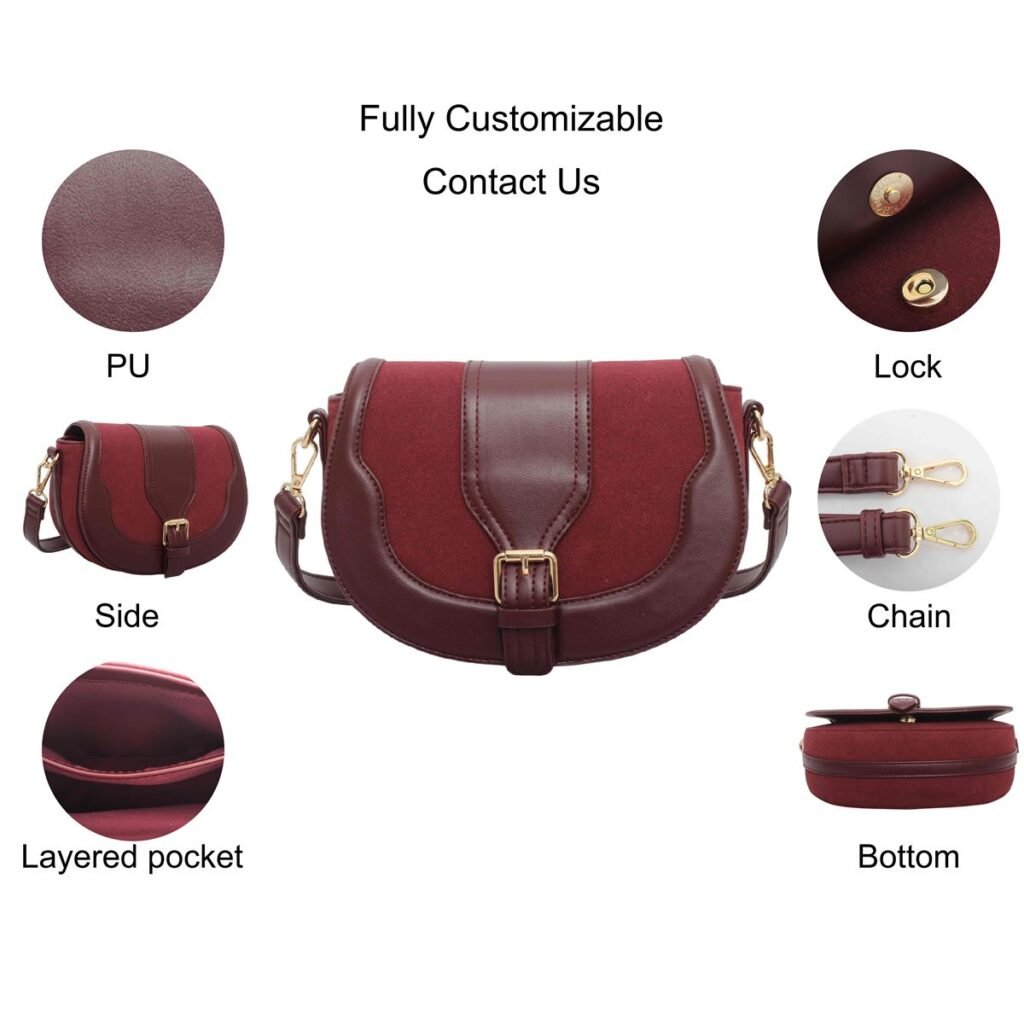
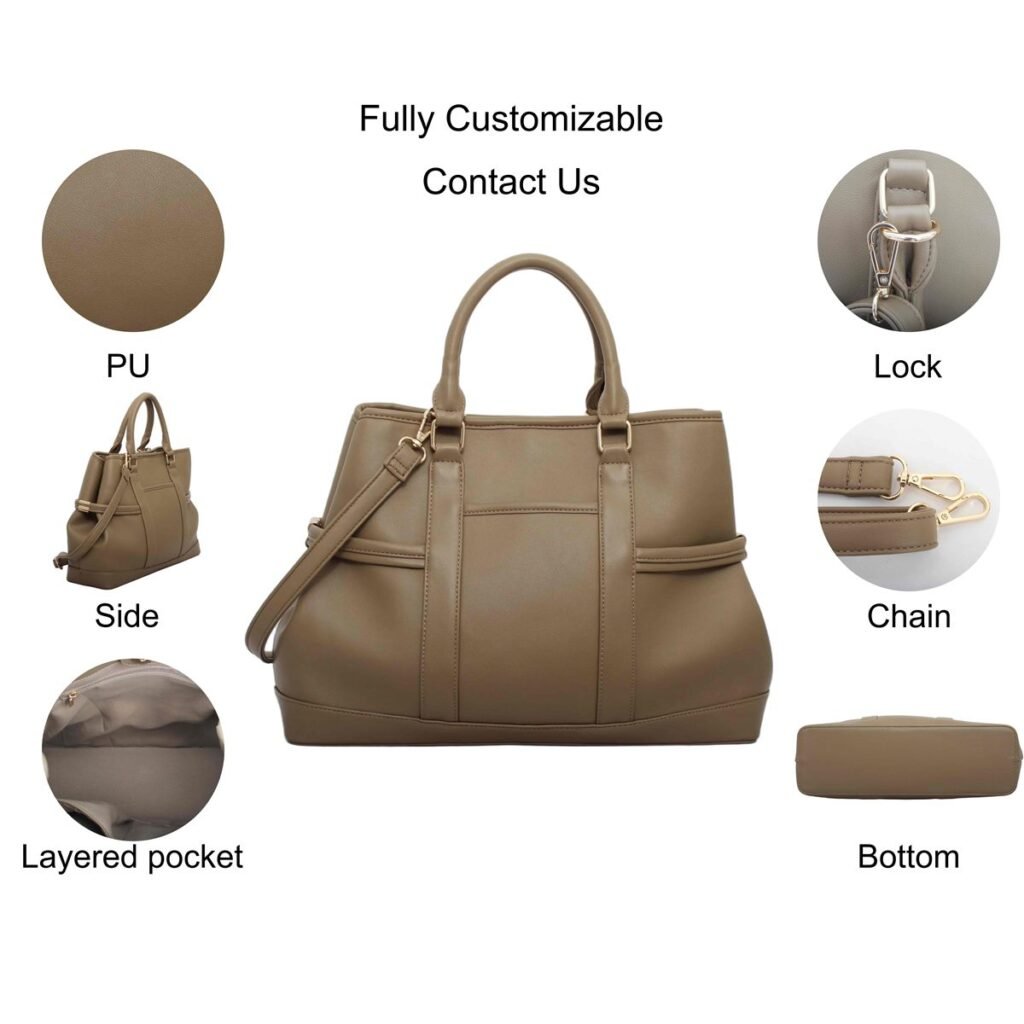
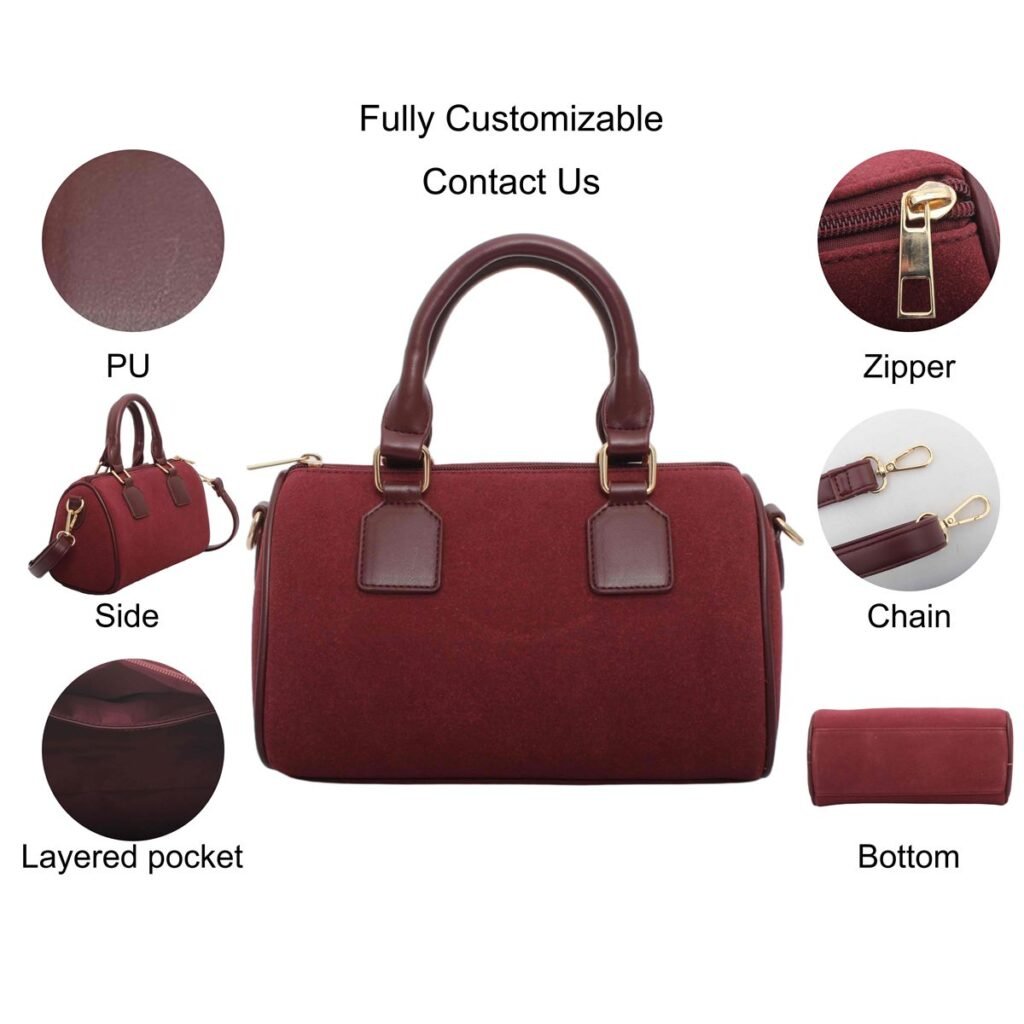
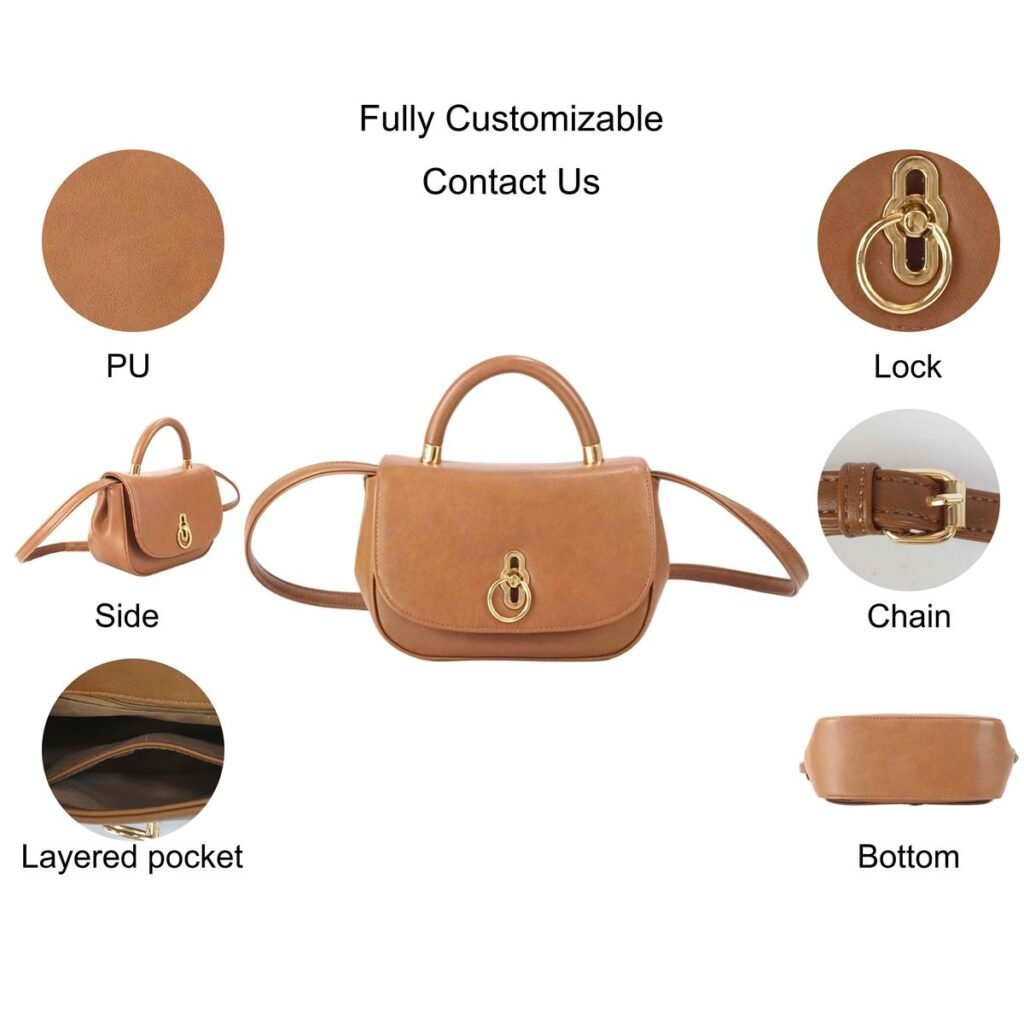
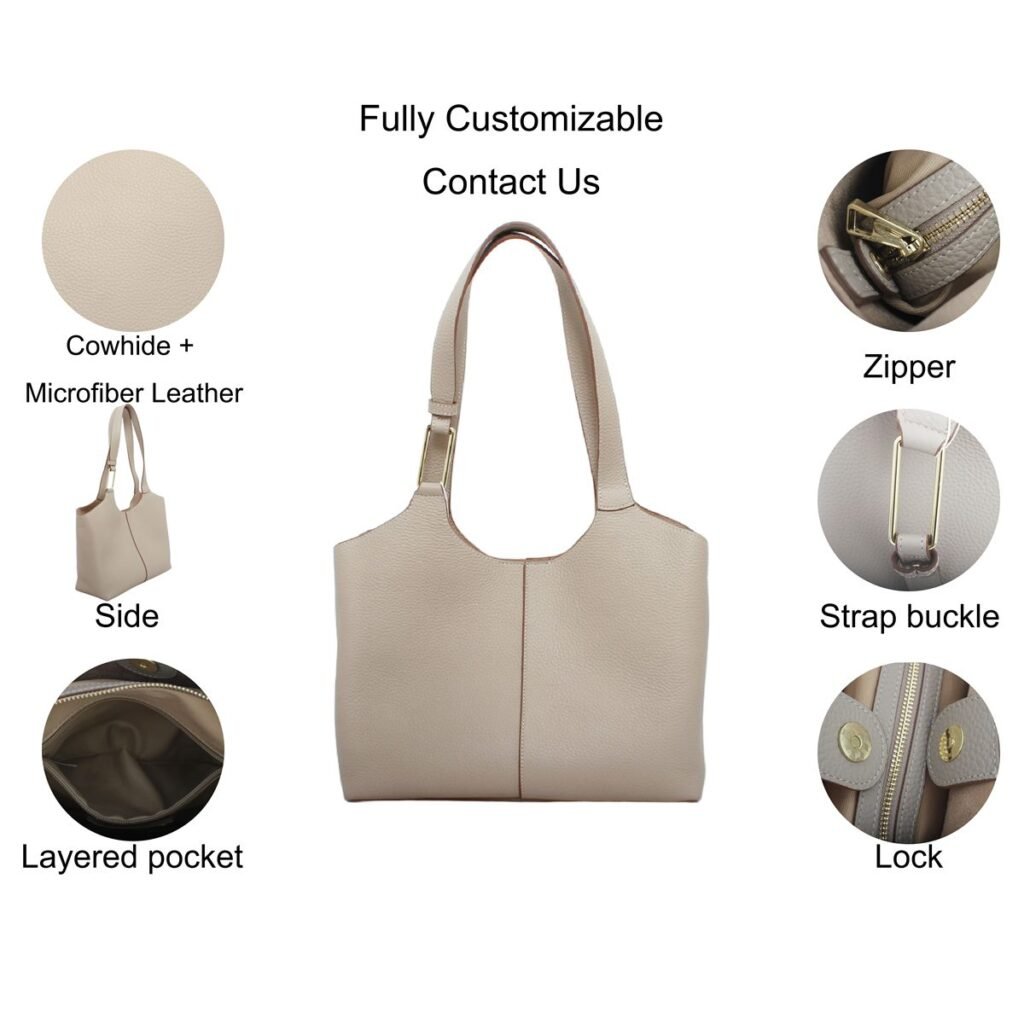
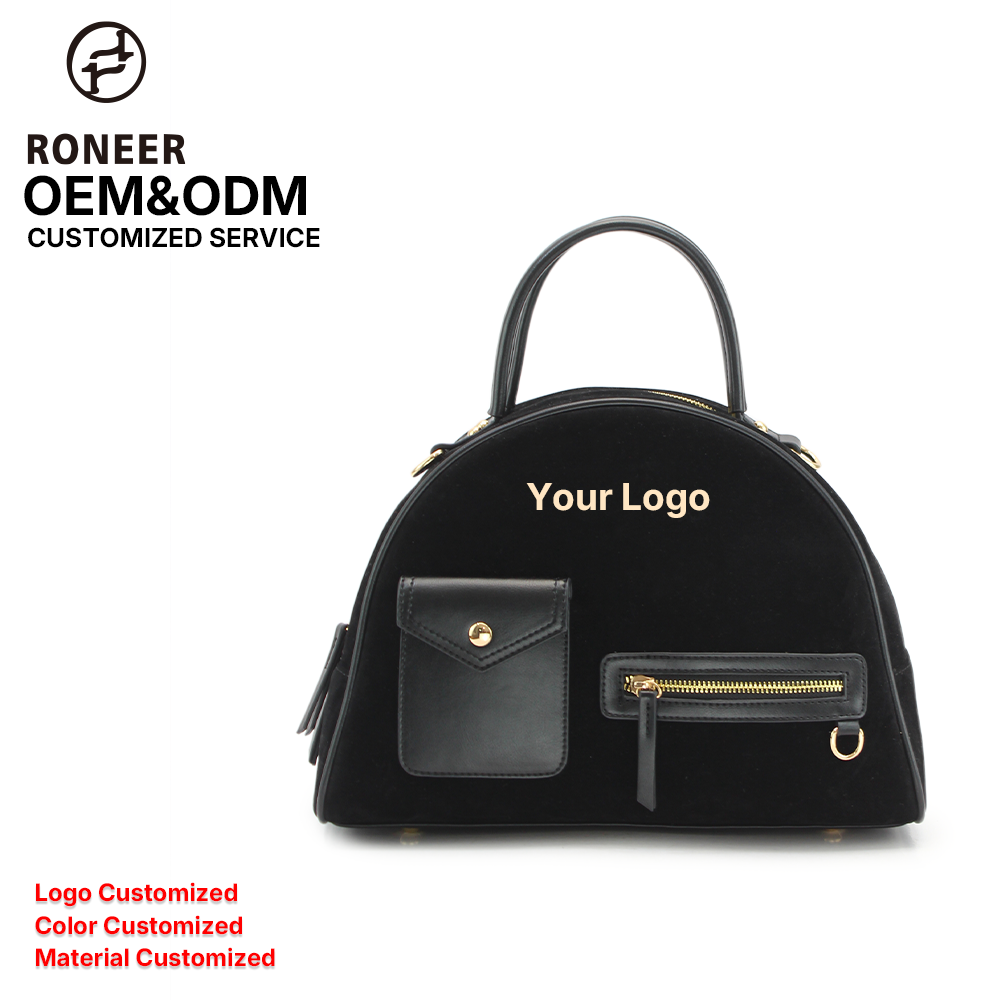
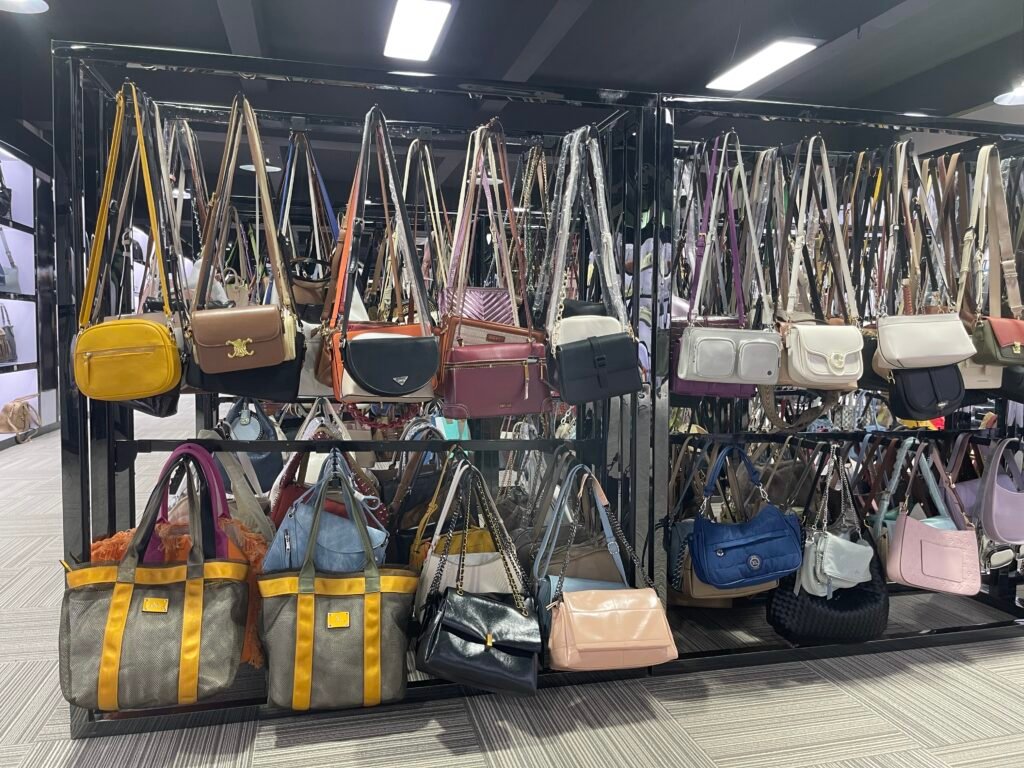
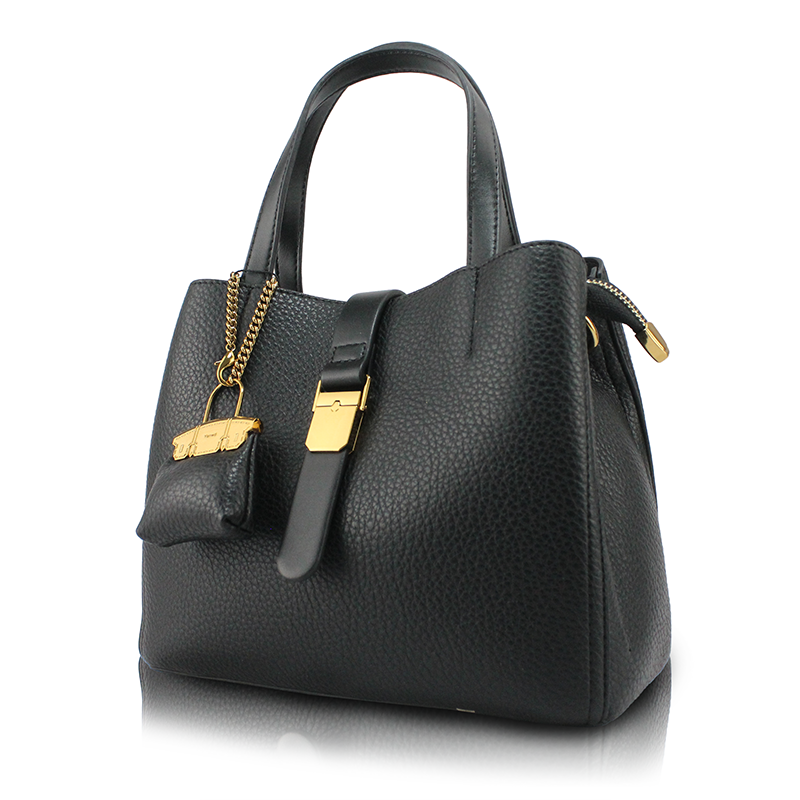
Handbags are one of the most common types of bags in our daily lives. They come in many styles, such as crossbody bags, tote bags, shoulder bags, clutches, hobo bags, and so on. Although their shapes differ, they all share one thing in common—convenience and portability, allowing you to grab and go.
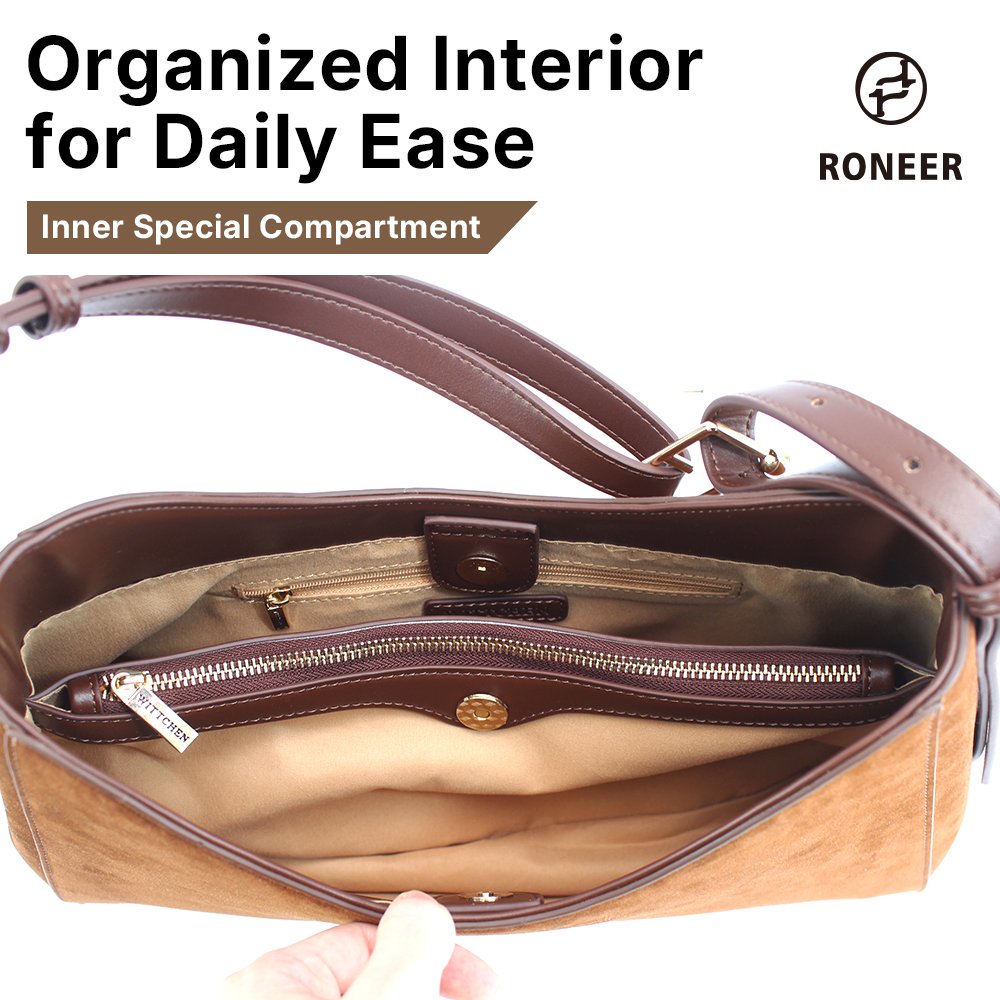
Different styles of bags have their own unique details: some use zippers, some use magnetic closures; some have shiny hardware, some are understated and simple; some have large interior spaces, some are clearly divided, making it easy to see what’s inside.
From a business perspective, handbags are often considered fashion items. Unlike backpacks, they don’t emphasize capacity but rather design and quality. Many handbags are meticulously crafted, using high-quality materials and designs, aiming for both practicality and aesthetics.
Some common characteristics of handbags:
- Handles or short shoulder straps: Suitable for carrying by hand or over the shoulder, offering a more elegant look.
- Elegant appearance: The leather, stitching, and buckles are all exquisitely detailed.
- Lightweight and functional: Ideal for carrying small items such as phones, keys, and cosmetics.
Why do people love handbags?
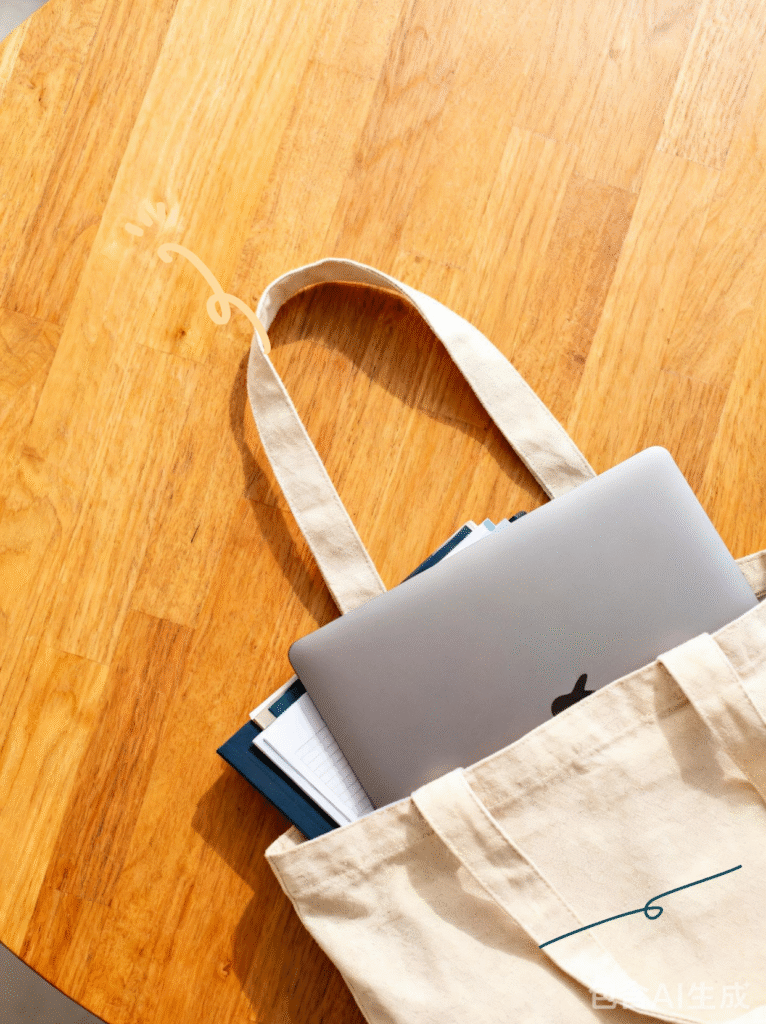
Because it can not only hold everyday items, but also complement your outfit and showcase your personal style. Gently place it on the table when you walk into a coffee shop—it’s both convenient and stylish—it’s not just a bag, but a lifestyle.
What is a backpack?
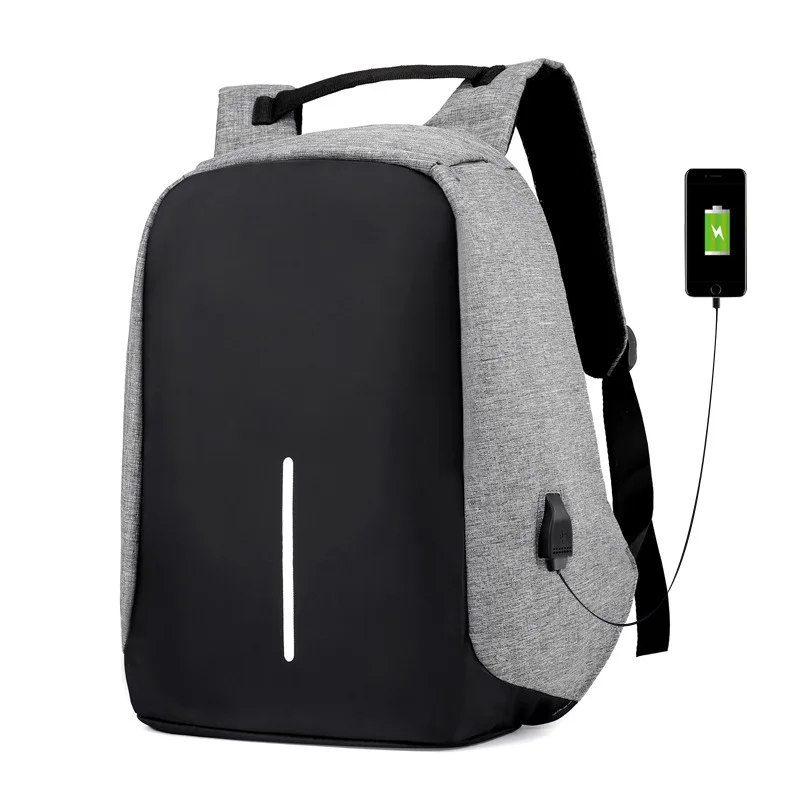
Backpacks are designed to make carrying belongings easier. They distribute weight across both shoulders via shoulder straps, and some professional models also include a hip belt to distribute pressure to the back and hips, making long-term carrying more comfortable.
Backpacks come in many types, from small backpacks for city commuting to large-capacity backpacks for long trips and hikes, each with different uses. Designers prioritize functionality, durability, and comfort during development—these determine a backpack’s usability.
Key Features of Backpacks
- Shoulder straps and reinforced back panel: Provides greater stability and reduces shoulder pressure.
- Effective weight distribution and compartmentalized design: Facilitates organization and easy access to items.
- Durable fabrics and hardware: Common materials include ripstop fabric, Cordura fabric, and waterproof zippers.
What are the many uses of backpacks?
For brands and businesses, backpacks are a versatile product. They can be used in fashion outfits and are frequently seen outdoors, on campus, or as corporate gifts—practical and versatile, they are one of the most “capable” items in the world of bags.
Which is more suitable for everyday use: a handbag or a backpack?
A suitable everyday bag should make life easier, not more cumbersome. Whether a handbag or a backpack is more suitable for you depends on your usage habits and daily occasions. Both have their advantages in terms of comfort, convenience, and practicality.
If you spend most of your day on the go, such as commuting, walking, or cycling, a backpack is usually a wiser choice. It distributes weight evenly across your shoulders, frees your hands, and reduces pressure on your neck and shoulders. Modern backpacks are increasingly intelligently designed, not only ergonomic but also stylish, allowing you to navigate from the subway to the office easily.
If your daily routine includes short commutes, client meetings, or formal occasions, a handbag may be more suitable. It allows you to quickly access what you need—such as your phone, cards, or documents—while projecting a sharp and professional image. For traveling light, a handbag is both convenient and lightweight.
Simple Selection Advice
If your daily routine involves walking, carrying heavy items, or prolonged carrying, choose a backpack.
If you prioritize appearance, occasional style, and portability, choose a handbag.
For many modern professionals, the most practical approach is to have both.
Use a lightweight backpack for commuting—comfortable and hands-free; switch to a sophisticated handbag for meetings or events—presentable and appropriate. This combination offers both modern functionality and classic elegance.
Which Is More Comfortable to Carry?
| Feature | Handbag | Backpack |
|---|---|---|
| Load Distribution | Single shoulder or hand; weight concentrated on one side | Even across both shoulders, it reduces strain on neck and spine |
| Suitable Load | Light (up to ~3 kg / 7 lbs) | Moderate to heavy (3–10+ kg / 7–22 lbs) |
| Strap Design | Narrow, short or medium-length; occasional padding | Wide, padded, adjustable; some include chest or hip straps |
| Long-Term Wear | Can cause shoulder fatigue and posture imbalance | Supports long-term wear; distributes weight evenly |
| Breathability | Minimal; depends on strap material | Often includes padded mesh panels for airflow |
| Flexibility / Mobility | Easy to swing or quickly remove | Hands-free, stable; ideal for walking, cycling, or commuting |
| Special Considerations | Crossbody designs reduce asymmetry | Ergonomic designs prevent back and shoulder discomfort |
| Best Use Cases | Short trips, meetings, light daily essentials | Even across both shoulders, it reduces strain on the neck and spine |
Which Offers More Storage and Organization?
Backpacks
- Typically offer multiple compartments, including padded laptop sleeves, external mesh pockets, and internal organizers.
- Features zippers, straps, and compartments designed for functionality.
- Ideal for carrying work gear, clothing, and gadgets.
Handbags
- Provide segmented pockets for smaller items — cosmetics, cards, and phones.
- Focus on quick access and a neat internal layout.
- Usually lack the large-volume organization that backpacks provide.
For daily commuters, students, and professionals carrying multiple items, backpacks win in storage versatility. Handbags cater more to elegant, light organizational needs.
Key Differences Between Handbags and Backpacks
| Feature | Handbag | Backpack |
|---|---|---|
| Primary Purpose | Style-oriented, short trips, client-facing environments | Utility-focused, commuting, travel, school, outdoor activities |
| Carrying Method | Handheld, shoulder strap, or crossbody | Dual shoulder straps; sometimes includes chest or hip support |
| Load Distribution | Asymmetric; concentrated on one shoulder | Balanced; weight distributed across shoulders and back |
| Average Capacity | 5–15 liters | 10–40 liters |
| Organization | Multiple small pockets, compartments for cards, phone, and cosmetics | Multi-layered compartments; laptop sleeves, hydration pockets, external pockets |
| Comfort Over Long Use | Limited; may cause shoulder or neck strain | Excellent; ergonomically designed for long-duration wear |
| Security | Moderate; open-top, flap, or zippered closure | Utility-focused, commuting, travel, school, and outdoor activities |
| Durability | Moderate; surface materials sensitive to scratches | High; reinforced seams, high-denier fabrics, water-resistant options |
| Material Emphasis | Premium aesthetics: leather, coatings, polished hardware | Functionality: high-denier nylon, Cordura, polyester, ergonomic padding |
| Price Range | Often higher per unit due to craftsmanship and finish | Wide range; can scale efficiently for mass-market or premium segments |
| Best Use Cases | Office, meetings, social events, light daily essentials | Commuting, tech gear, school, travel, heavier loads |
| Popular Regions | Italy, France, Japan, China (luxury & mid-range) | Higher, concealed or padded compartments, anti-theft features |
How to Choose Between a Handbag and a Backpack?
Choosing between the two is a common dilemma. Remember that you need to weigh functionality, comfort, and brand positioning when making your choice. RONEER, a company with 18 years of experience in the bag industry, has summarized the following steps:
Step 1 – Understand your customers.
Are your customers daily commuters, students, travelers, office professionals, or those looking for outdoor activities?
Step 2 – Determine the functions your bag needs.
- If users need to carry electronic devices, choose a backpack with padded compartments.
- If they value style and minimalism, choose a structured, well-made handbag.
- If versatility is key, develop a convertible handbag/backpack hybrid product.
Step 3 – Evaluate some manufacturing factors for your product.
- Genuine leather handbags require exquisite craftsmanship and strict quality control.
- Professional backpacks require sturdy fabric, foam padding, and reliable zippers.
- Different cost structures: Handbags have higher unit manufacturing costs, while backpacks are more efficient due to mass production.
Step 4 – Matching Materials to Purpose
- Choose based on durability, finish, and market demand:
- Handbags: Full-grain or top-grain cowhide, metal hardware, soft lining
- Backpacks: High-denier nylon, Cordura® fabric, reinforced stitching, ergonomic paneling
Step 5 – Prototyping and Testing
Before mass production, request samples from the manufacturer and conduct tests for comfort, closure reliability, and pressure resistance. Real-world feedback reveals shortcomings in lab testing.
Step 6 – Optimizing Market Fit
The best branded bags resonate with lifestyle and personal style – providing both comfort and reflecting the user’s image.
Hopefully, these steps will help you choose a bag that suits your brand and contributes to its growth!
Handbag and Backpack Manufacturers in China
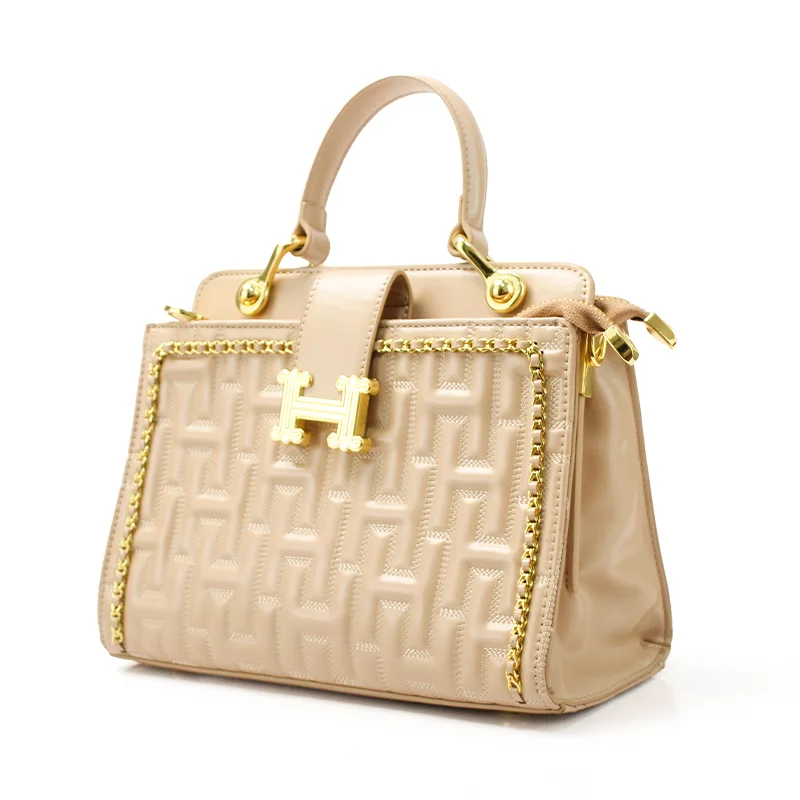
If you’re choosing a suitable bag manufacturer for your project, I would recommend Chinese bag manufacturers. With numerous factories possessing mature production processes and extensive experience in handbags and backpacks, you can access everything from sourcing high-quality materials like leather, canvas, and technical fabrics to handling precise stitching, hardware finishing, and quality control. They also offer flexible one-stop services, allowing for customization of your brand.
Especially in regions like Guangdong and Hebei, with thousands of manufacturers, you have a wide range of choices.
RONEER is one such manufacturer. We have been deeply involved in the bag industry for 18 years, with factories in Jiangmen and Guangzhou Huadu, the “Leather Capital.” We focus on designing and producing high-quality leather bags.
We are proud not only of the craftsmanship and quality of our products but also of our commitment to environmental responsibility. Many of our bags are made from environmentally friendly materials, ensuring that style, durability, and sustainability go hand in hand.Here is a list of eleven manufacturers in China!
Conclusion
Did you know? Handbags and backpacks play different roles in modern life. Handbags represent elegance, refinement, and personal style, and are suitable for light daily use or formal occasions. Backpacks, on the other hand, place more emphasis on comfort, practicality, and capacity, and are often used for commuting, studying, or traveling.
The final choice depends on your needs and lifestyle. For brands, understanding the target users, choosing the right materials, and maintaining high-quality craftsmanship are the keys to winning the market.
Whether you prefer the delicacy of a handbag or the functionality of a backpack, the true goal is the same – to find a balance between fashion and practicality, making life easier and more textured.
If you are looking for a bag manufacturer, you might as well learn about RONEER. Its headquarters is located in Jiangmen, China, and it has a factory in Huadu, Guangzhou, providing you with convenient services.
Would you like to know more? Please visit our website or contact our team!