




If you are developing a custom laptop bag for your project, the decisions you make in the early stages are much more important than most people realize. The choices regarding the structure, materials, and functions not only affect the appearance of the bag, but also its performance months or even years later.
RONEER has over a decade of experience in the bag industry. Therefore, in this article, I will explain in detail the process of customizing laptop bags step by step – starting from understanding the true meaning of “customization”, and then choosing the appropriate materials, design, and manufacturing partners. Whether you are a designer or a purchaser, I hope this article will be helpful to you!
What Is a Custom Laptop Bag?
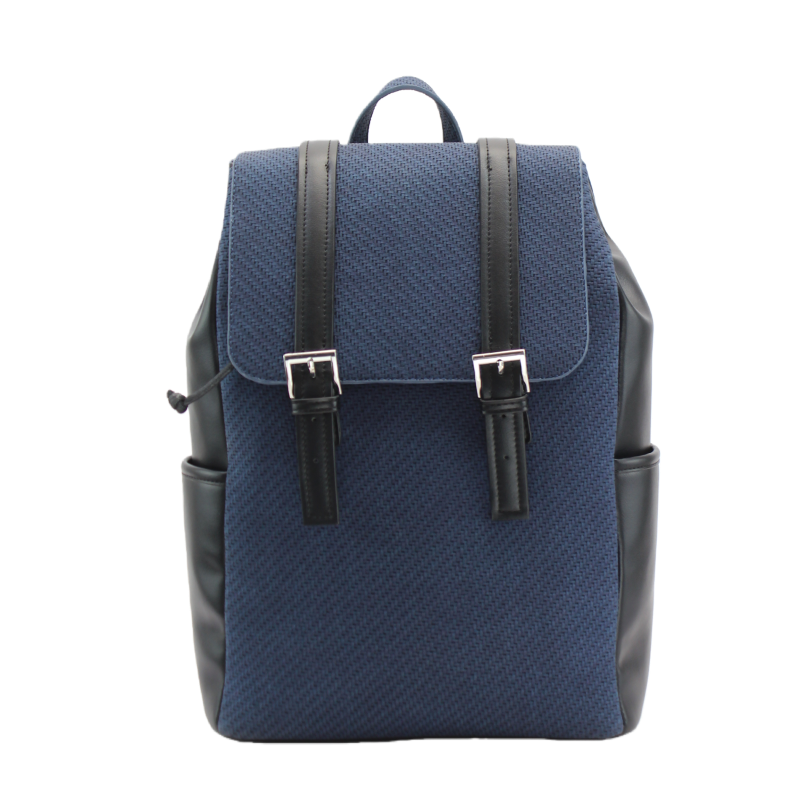
A custom laptop bag refers to a bag that is developed based on specific specifications rather than being selected from a ready-made catalog. The most basic customization might simply be adding a logo to an existing bag design. More advanced customization means defining the structure, internal layout, materials, hardware components, protection system, and production standards of the bag according to the actual way the customer uses the laptop.
Common customizations include:
- Clearly defined size range and size tolerance for laptops
- An internally structured approach based on goals, rather than a generic fill-in structure
- The material selection is based on durability, weight, and brand positioning.
- The design of the functional details is all centered around the actual usage scenarios.
- The production standards meet your quality expectations.
From a manufacturing perspective, customizing is not simply a matter of doing it once; it is a system. All components such as the outer shell, lining, padding, reinforcing materials, stitching, zippers, and handles, work together in coordination. Customization means you can control the interaction between these elements.
What Types of Laptop Bags Can Be Customized?
Laptop bags come in various forms, and the choice should be made based on the customer’s requirements. If you make the wrong selection at the early stage, it may limit the flexibility of subsequent design. Here are some common types.
Laptop Sleeves
Laptop sleeves are minimalist by nature. They focus on basic protection and portability rather than storage.
They are best customized when:
- Your audience already carries another bag
- Weight and simplicity are priorities
- Branding needs to be subtle and clean
However, sleeves leave little room for structural correction. If the fit or padding is wrong, the product fails immediately. Custom sleeves require precise sizing and high-quality padding materials.
Laptop Briefcases
Briefcases are popular in professional environments because they balance formality and function.
They allow for:
- Clear compartment zoning
- Strong brand expression through material choice
- Structured reinforcement for long-term shape retention
Customization opportunities here are deeper, but so are the risks. Poor internal layout or weak handle construction becomes noticeable within weeks of use.
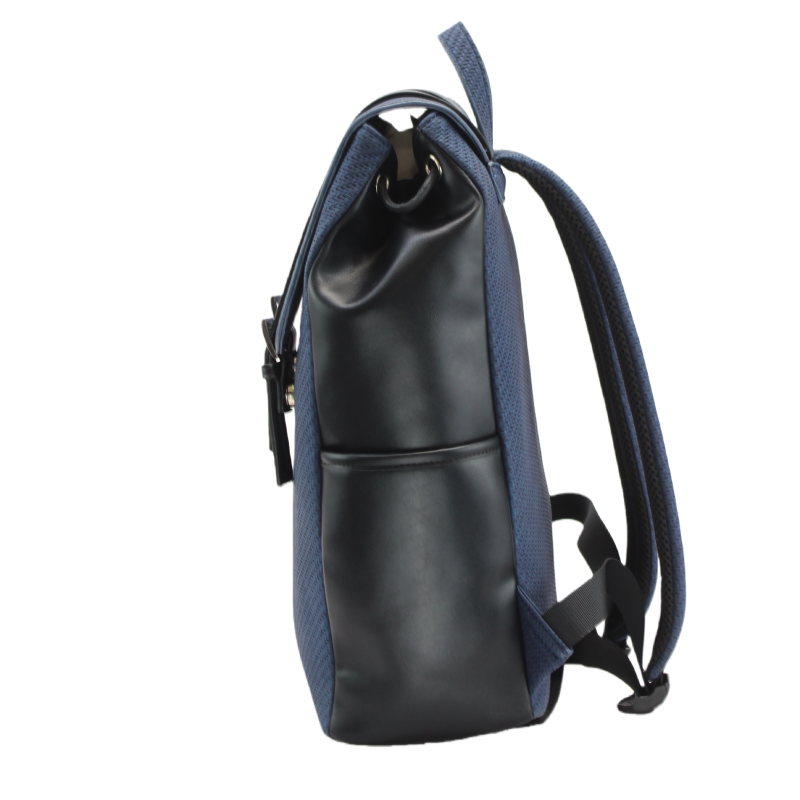
Laptop Backpacks
Backpacks are the most complex category to customize—and often the most rewarding.
They require:
- Ergonomic load distribution
- Reinforced laptop suspension systems
- Breathable back panels
- Strong stitching at stress points
Because backpacks carry more weight and are used daily, small design mistakes multiply quickly. This is where experienced manufacturing input becomes critical.
Convertible Laptop Bags
Convertible designs shift between backpack, briefcase, and shoulder bag modes.
They appeal to users who move between work settings, but they demand:
- Advanced pattern design
- Strong hardware and anchor points
- Clear usability logic
What Materials Work Best for Laptop Bags?
Polyester and Nylon Fabrics
These materials are widely used for laptop bags because they offer a reliable balance of strength, weight, and cost.
High-density polyester and nylon can provide:
- Strong abrasion resistance
- Consistent color retention
- Predictable performance in mass production
The key difference lies in yarn density and coating quality. Low-grade fabrics may look acceptable initially, but fail quickly at seams and corners.
PU-Coated and Synthetic Leather Materials
PU materials are often used to achieve a refined look at a controlled cost.
They are suitable when:
- Visual consistency is important
- Water resistance is required
- You want easier cleaning and maintenance
However, PU quality varies dramatically. Thickness, base fabric, and coating process all affect how the material cracks or peels over time. Always evaluate aging performance, not just surface appearance.
Genuine Leather
Leather offers a premium feel and long lifespan when handled correctly.
It works best when:
- Your brand positions itself at the higher end
- Weight increase is acceptable
- Natural variation aligns with your aesthetic
Leather laptop bags require careful internal reinforcement. Leather stretches, and without proper structure, laptop protection is compromised.
Lining and Padding Materials
Outer material gets the attention, but internal materials determine performance.
High-quality laptop bags are used:
- Shock-absorbing foam with consistent density
- Soft linings that prevent surface scratches
- Reinforced base panels to protect against impact
Cutting corners here is the fastest way to create returns and complaints.
How Can Brands Design Laptop Bags That Balance Function and Style?
Start With Usage Scenarios
Before drawing anything, define how the bag will be used:
- How long is it carried each day?
- Is it placed on the ground frequently?
- Does it travel by car, subway, plane, or all three?
Define Internal Architecture First
A laptop bag should protect before it impresses.
Focus on:
- Laptop compartment positioning
- Clearance between the laptop and the bag base
- Separation between electronics and accessories
Let Materials Do the Styling Work
Instead of adding unnecessary decorative elements, use:
- Clean panel construction
- Thoughtful stitching lines
- Balanced proportions
Design for Manufacturing Reality
Even the best design fails if it cannot be produced consistently.
Good design accounts for:
- Stitching tolerances
- Material behavior under tension
- Assembly sequence

How Do You Choose the Right Manufacturer for Custom Laptop Bags?
Choosing the right manufacturer is often more important than choosing the right style.
Design drawings can be revised, and materials can be replaced. But if a manufacturer’s understanding and execution do not align with your requirements, problems tend to repeat—and costs quietly accumulate over time.
The following steps can help you make a more rational judgment about whether a manufacturer is truly suitable for producing custom laptop bags.
Step 1: First, confirm whether the manufacturer truly understands “laptop bags.”
Not every factory that produces bags is skilled at making laptop bags. This category places far higher demands on structure and protection than ordinary handbags or promotional bags.
Pay close attention to a few key signals during early communication:
- Do they proactively ask about your laptop’s size, weight, and usage scenarios?
- Can they explain the differences between various cushioning or shock-absorbing structures, instead of simply recommending a “standard solution”?
- Are they clear about which areas are most prone to stress, wear, or deformation?
If the conversation starts and ends with phrases like “It can be done,” “No problem,” or “We’ve done it before,” without explaining why or how, it usually indicates that their understanding is still superficial.
Step 2: Focus on communication quality, not just the sample
A good-looking sample does not guarantee stable mass production. What matters more is whether the manufacturer communicates in a clear and structured way.
A suitable manufacturer will usually:
- Break down your requirements into structure, materials, and production processes
- Clarify which elements are critical and which can be adjusted before sampling begins
- Clearly explain how changes to a sample will affect cost, lead time, or tooling
If every discussion requires repeated explanations from your side, or responses are vague and inconsistent, coordination will become increasingly difficult as the project moves forward.
Step 3: Look at quality control during production, not only final inspection
Many quality issues do not appear at the final inspection stage—they emerge during production.
Try to understand the manufacturer’s internal controls:
- Are there inspection standards for raw materials when they enter the factory?
- Are key production steps subject to random or in-line inspections?
- Are there clear quality standards for stitching, zippers, and high-stress areas?
For laptop bags, failures in cushioning systems or load-bearing points significantly increase usage risks. Once that happens, rework costs and after-sales issues rise quickly.
Step 4: Evaluate long-term stability, not just the initial quotation
A low price may look attractive at the beginning, but long-term stability is what truly protects your project.
You can assess this by asking:
- Does the manufacturer have a relatively stable material supply chain?
- Are workers experienced with this product type, or frequently replaced?
- Is there the capacity to scale production consistently as volumes grow?
Stable manufacturers are far more likely to deliver consistent quality across multiple orders, rather than treating each one as a fresh start.
Step 5: Confirm whether the manufacturer is willing to think from your perspective
A suitable manufacturer is not just an executor, but a partner who can offer constructive input.
For example:
- When a design poses a higher risk in real-world use, will they proactively flag it?
- Can they suggest better material or structural alternatives without compromising functionality?
- Are they willing to explain why something is not recommended, instead of simply agreeing?
This type of collaboration often determines how far a product can go in the market.
Step 6: Validate through small-scale cooperation before committing fully
No amount of evaluation replaces real collaboration.
By starting with a small batch, you can observe:
- Whether execution progresses according to agreed timelines
- How issues are handled and resolved
- Whether the final delivery matches earlier commitments
When performance remains stable at this stage, moving into deeper cooperation becomes far less risky.
Conclusion
A good computer bag can last for many years. This depends on various factors such as the manufacturer, materials, etc. RONEER is a Chinese bag factory that provides high-quality products to customers. If you are also looking for a manufacturer, please contact us.