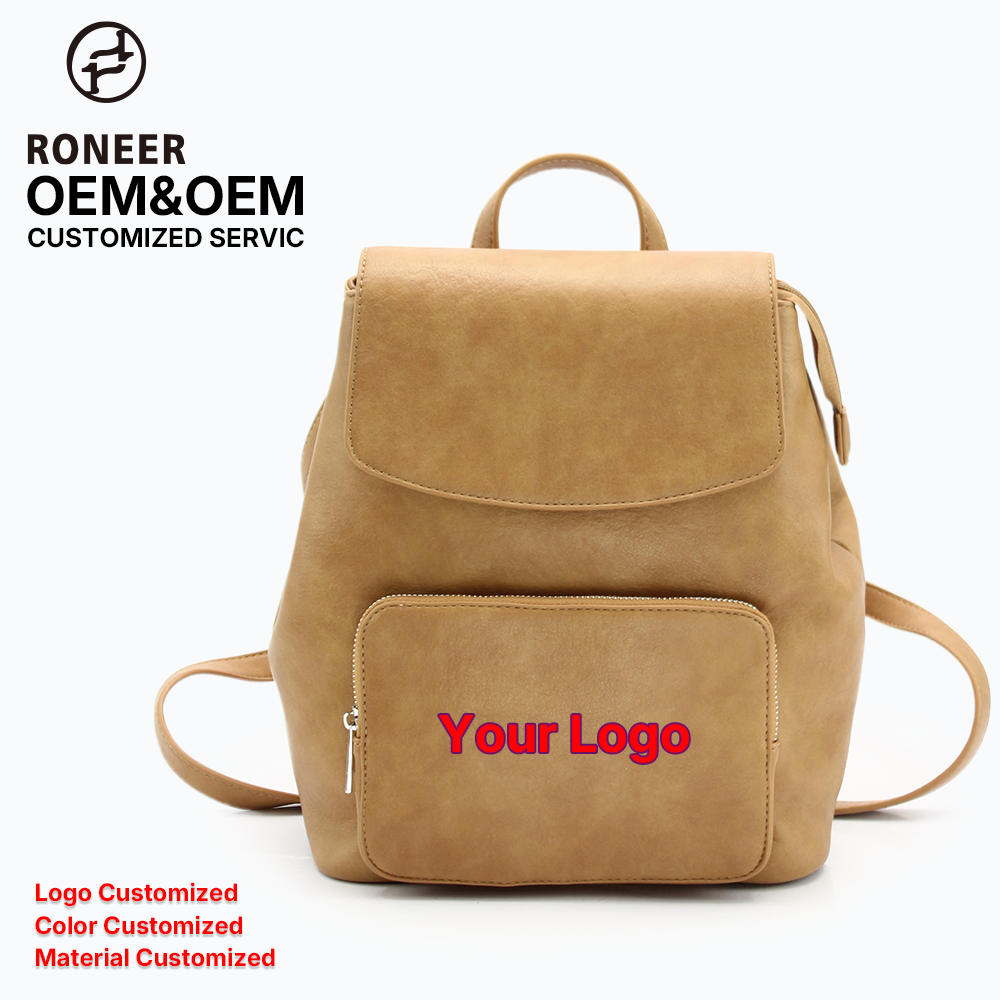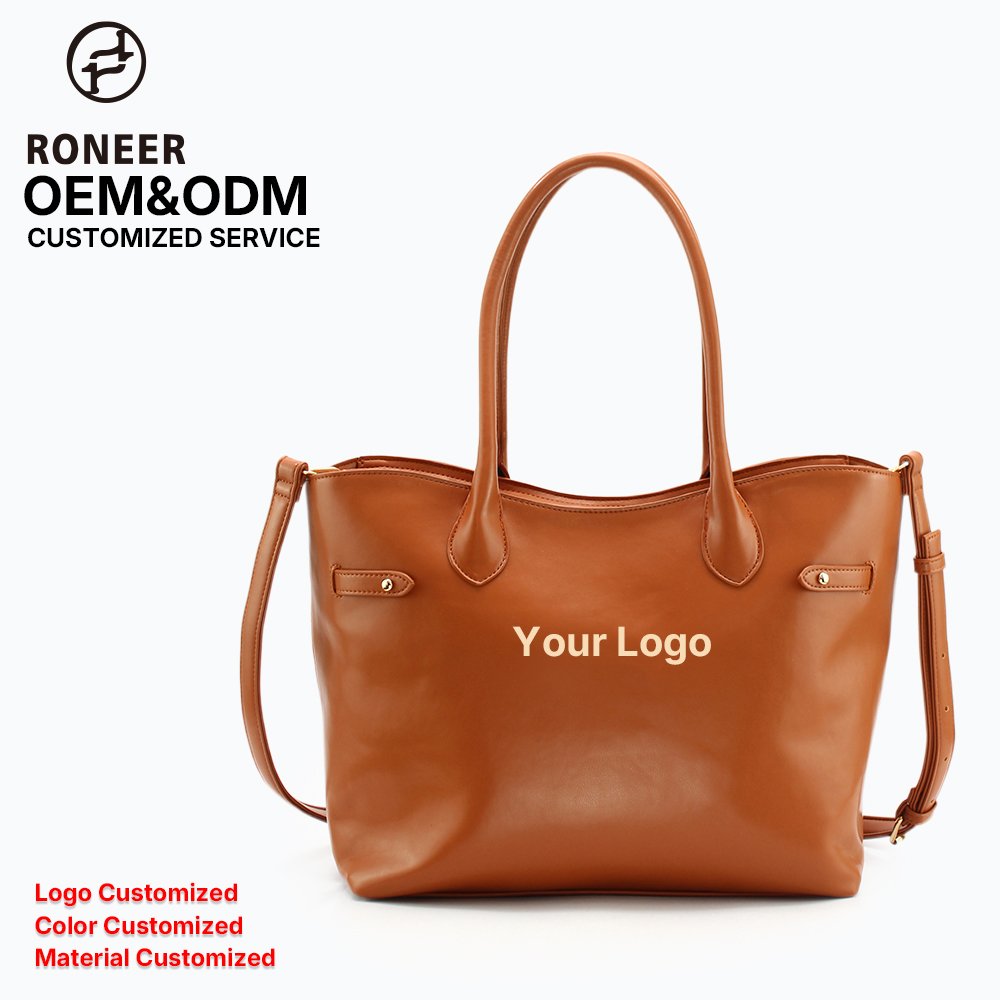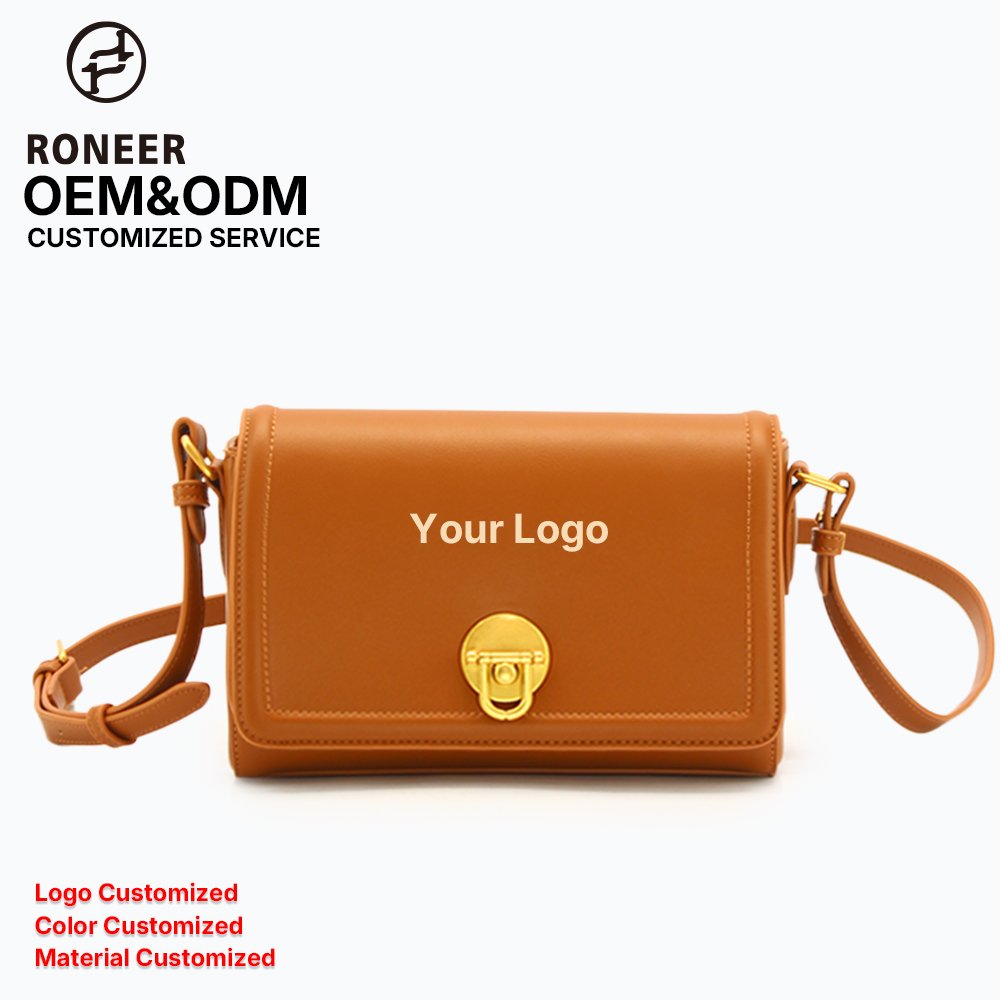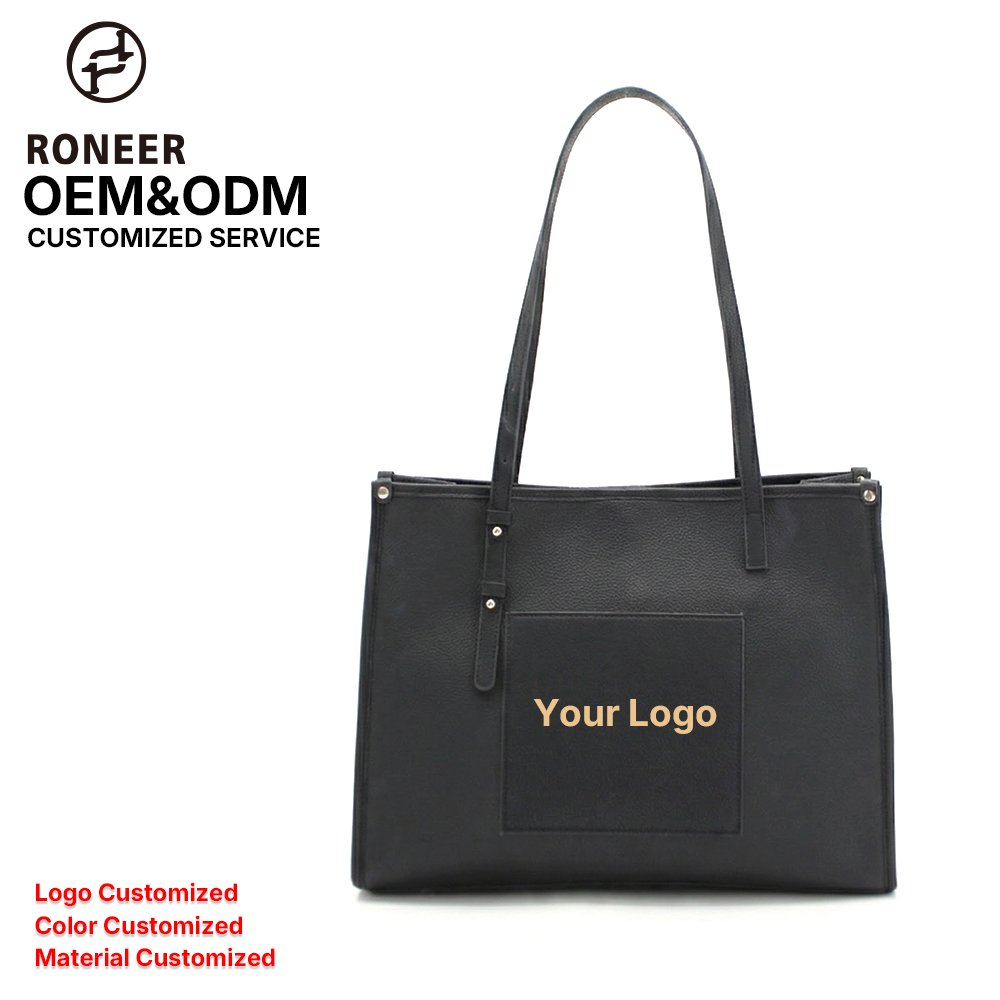





Leather bags have remained popular over the past few centuries because of their quality, reliability, and long-term value, rather than short-term trends. A genuine leather bag should be able to maintain its shape over time, remain fresh and durable, and function properly even after years of daily use. These expectations place extremely high demands on the selection of materials, manufacturing processes, and quality control.
RONEER has over ten years of experience in the luggage industry and has always been highly proficient in leather bags. In this article, I will introduce you to what a leather bag is, how it is made, and how to choose a manufacturer. I hope this article will be helpful to you!
What Is a Genuine Leather Bag?
A genuine leather bag refers to a bag made from natural animal leather and processed through a complete tanning process. This process can stabilize the leather material, maintain its structure, and make it durable. The key lies in “natural”. Genuine leather is not a coated fabric, glued scraps of leather, or a synthetic imitation. It comes from real animal leather and retains the internal fiber structure that gives leather its strength and aging characteristics
One common source of misunderstanding lies in the word “leather”. In consumer product marketing, it is sometimes misinterpreted as a low-end product. However, in the manufacturing and materials science fields, leather merely refers to genuine leather, not artificial leather. Its quality depends on which part of the leather is used, the tanning process, and the final processing method.
From a structural perspective, the dermis is composed of densely interwoven collagen fibers. This structure enables leather to bend without cracking, bear weight without tearing, and gradually adapt to the usage patterns of bags. Synthetic materials can imitate their surface appearance, but they cannot replicate this internal characteristic.
When you own a genuine leather bag, you are not merely admiring its surface. You are interacting with a material that breathes, compresses, rebounds, and ages over time. This is why genuine leather develops a unique patina rather than peeling off, and it is also why well-made genuine leather bags are often more durable than many non-leather bags.
Why Choose Genuine Leather for Your Bags?
From the perspective of different roles, the value of leather varies. However, the reason why it is repeatedly chosen is precisely that it can reduce uncertainty on multiple levels.
For individual users, the value of genuine leather does not lie in its initial feel, but in its longevity. It changes relatively uniformly over time and is unlikely to suddenly fail at any specific point. Areas such as corners, handles, and edges, which are frequently subjected to stress, often determine how long a bag can be used. And the performance of genuine leather in these areas is more predictable; there won’t be significant structural collapse or surface fractures within a short period.
From the perspectives of store operation and product planning, leather is more like a “long-term controllable” material. It ensures that the appearance and feel of the same bag remain similar across different batches, reducing the risk of deviation when restocking. For styles that need to be repeatedly displayed and continuously sold, the material’s stability directly affects whether the customer’s expectations are repeatedly violated. And leather is easier to manage in this regard.
From the manufacturing perspective, the significance of leather lies in the tolerance space at the execution level. The differences in thickness, extensibility, and surface condition of leather are relatively small, making the processes of cutting, sewing, and shaping easier to standardize. When the design requires clear lines or stable structures, leather can express the form without adding excessive internal reinforcement, which not only improves production efficiency but also reduces the probability of rework and quality fluctuations.
Different Bag Types and the Leather That Fits Them
| Bag Type | Suitable Leather Type | Typical Thickness | Functional Reason |
|---|---|---|---|
| Tote Bags | Full-grain or firm top-grain leather | 1.8–2.2 mm | Supports weight and maintains structure |
| Shoulder Bags | Soft top-grain leather | 1.6–2.0 mm | Comfort with controlled flexibility |
| Backpacks | Full-grain or nubuck leather | 2.0–2.4 mm | Handles friction and dynamic loads |
| Crossbody Bags | Lightweight top-grain leather | 1.4–1.8 mm | Reduces fatigue during extended wear |
| Briefcases | Vegetable-tanned full-grain leather | 2.0–2.6 mm | Preserves formal structure |
| Small Leather Goods | Split leather with reinforcement | 1.0–1.4 mm | Precision cutting and cost efficiency |
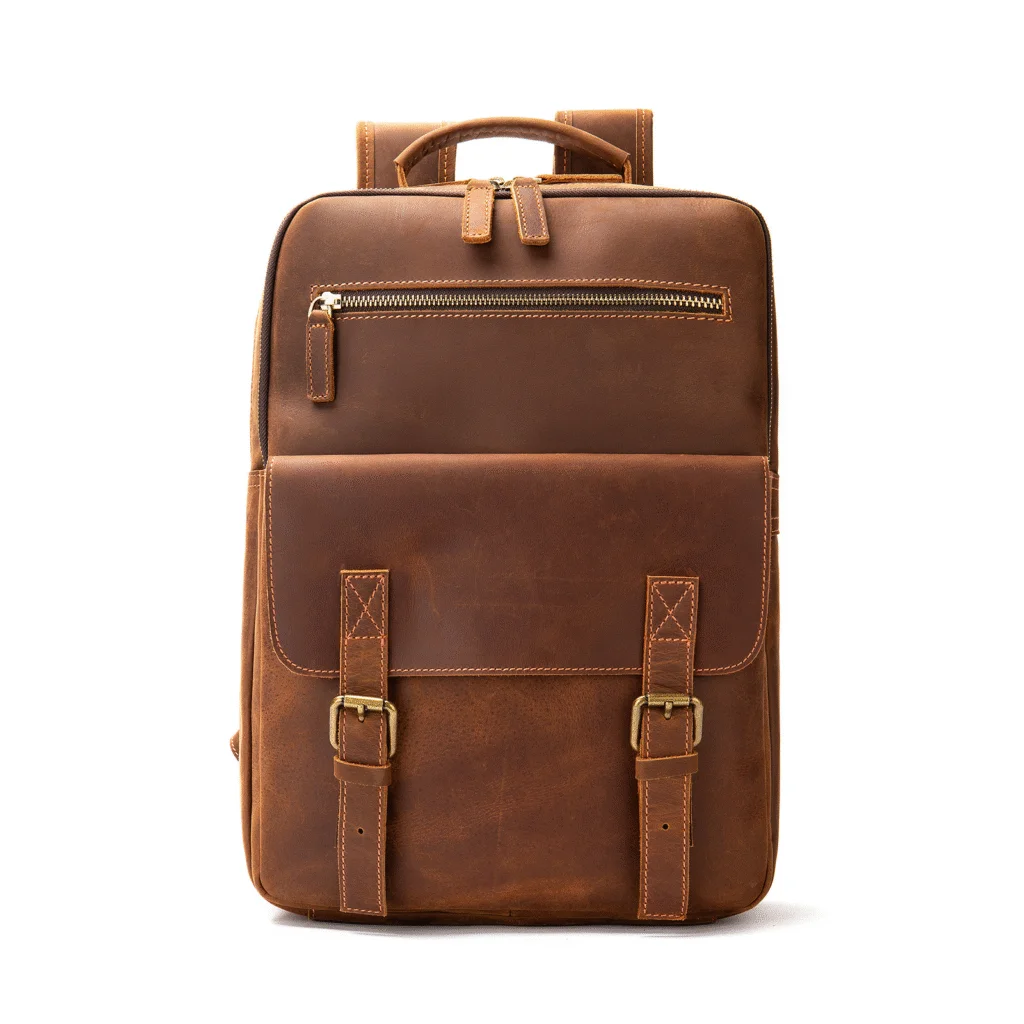
How Genuine Leather Bags Are Manufactured
The manufacturing quality of genuine leather bags is not determined on the sewing table; rather, the outcome is usually set long before that.
The truly crucial first step is the internal screening and matching of the leather materials. Even if all are classified as genuine leather, there are still differences in fiber density, oil content, and resilience among different batches. Experienced manufacturers do not directly put them into production based on the label “genuine leather”, but instead, according to the structure of the bag, they will divide the leather materials into different grades that are more suitable for the main body, side panels, or stressed areas. If this step is overlooked, even the most meticulous subsequent processes will be difficult to make up for.
The subsequent tanning and post-processing are not merely for making the leather “look good”. The tanning parameters directly affect the stability of the leather in terms of stretching, bending, and long-term use, while the surface treatment determines whether the genuine leather is prone to early cracks or local wear. Excessive pursuit of surface uniformity often sacrifices the flexibility of the leather, thereby introducing hidden dangers in the final product stage. During the cutting stage, the advantages of the leather begin to manifest.
The relatively stable thickness makes the cut pieces easier to align, reducing errors between the structural components. However, this stage is also the most prone to exposing the problem of insufficient experience – if the cutting direction ignores the direction of the fibers, even with leather, asymmetrical stretching may occur after use.
Entering the sewing and shaping stage, the requirements for the process parameters of the leather are very clear. If the needle spacing, thread tension, and needle type are not properly matched, irreversible damage will be done to the leather material. This is why even for the same type of leather bag, the durability produced by different factories varies greatly. It is not because of the difference in materials, but because of the different standards implemented.
In the final inspection stage, what is truly valuable is not “appearance compliance” but the assessment of the stress points and structural stability. The connection points of the handle, the corners at the bottom of the bag, and the areas around the zipper often provide more information about whether a genuine leather bag can withstand long-term use than the overall surface.
Differences Between Genuine Leather and Other Leather Grades
| Material | Composition | Durability | Aging Behavior | Typical Application |
|---|---|---|---|---|
| Full-Grain Leather | Top hide layer | Very high | Develops natural patina | High-end bags |
| Top-Grain Leather | Sanded top layer | High | Smooth, controlled aging | Structured bags |
| Genuine Leather | Real hide layers | Variable | Depends on processing | Broad applications |
| Split Leather | Lower hide layers | Moderate | Limited aging | Reinforced designs |
| Bonded Leather | Leather fibers + adhesive | Low | Peels over time | Low-cost products |
| Synthetic Leather | Artificial material | Low to moderate | Cracks or flakes | Short-term use |