 Deutsch
  English
  Español
  Français
  Italiano
  Русский
  日本語
日本語  العربية
  Türkçe
  한국어
한국어 Auswahl PU-Leder für Taschen ist eine praktische Alternative für viele OEM-/ODM-Käufer, die eine hochwertige Optik, flexible Anpassungsmöglichkeiten und eine bessere Kostenkontrolle als bei echtem Leder wünschen. Für Handtaschen, Geldbörsen, Kosmetiktaschen, Beutel, Umhängetaschen, Moderucksäcke, Reiseaccessoires und Geschenksets unter Eigenmarken bietet PU-Leder eine große Auswahl an Strukturen, Farben, Oberflächen und Logo-Optionen.
Allerdings eignet sich nicht jedes PU-Leder für jedes Taschenprojekt. Die Oberflächenstruktur, das Trägermaterial, die Dicke, die Weichheit, die Abriebfestigkeit, der Geruch, die Farbbeständigkeit und die Kompatibilität mit Logos können stark variieren. Ein Material, das auf einem Foto gut aussieht, erweist sich in der Produktion möglicherweise als ungeeignet, wenn es zu dünn, zu steif, zu weich, leicht abblätternd oder für die Taschenkonstruktion ungeeignet ist.
Für B2B-Einkäufer geht es nicht einfach nur darum, das günstigste Kunstleder auszuwählen. Das Ziel ist es, PU-Leder für Taschen die zum Produkttyp, zum Zielpreis, zur Markenpositionierung, zur Mindestbestellmenge, zur Logoprägung, zur Verpackungsart und zur voraussichtlichen Verwendung durch den Kunden passt.
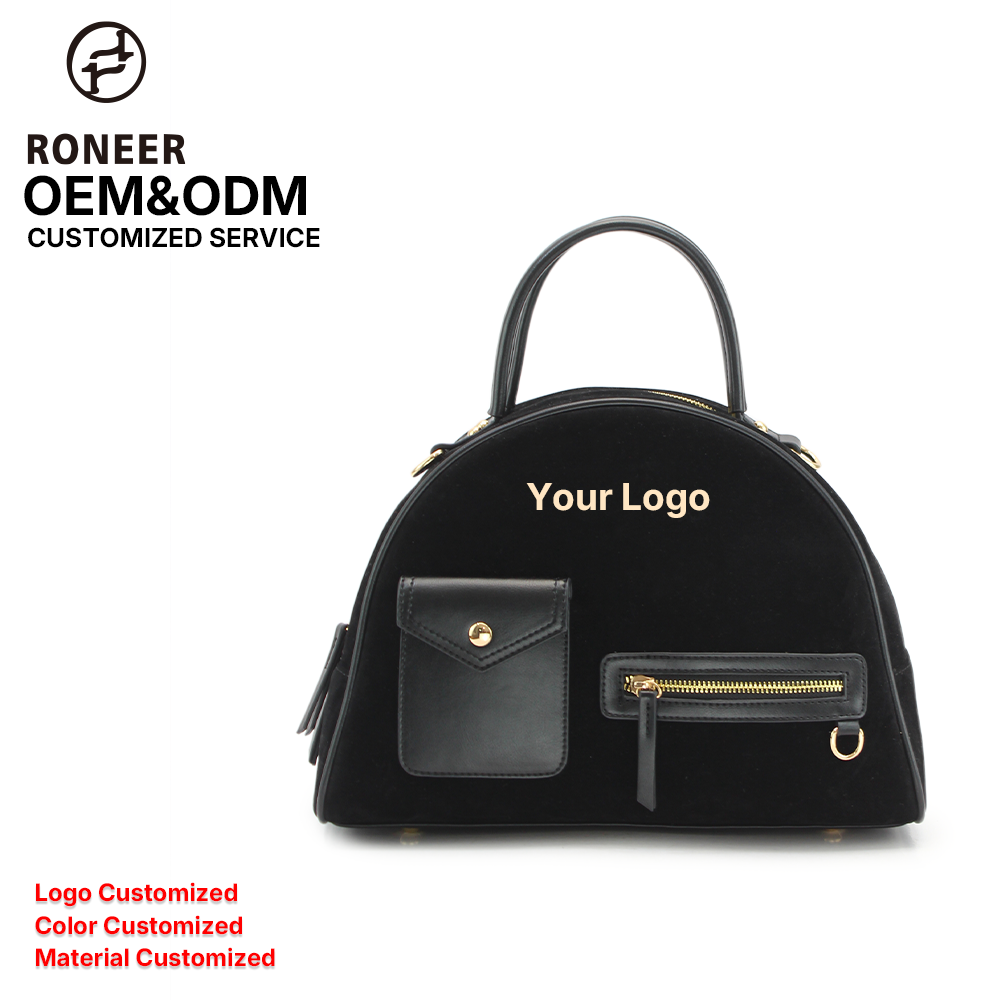
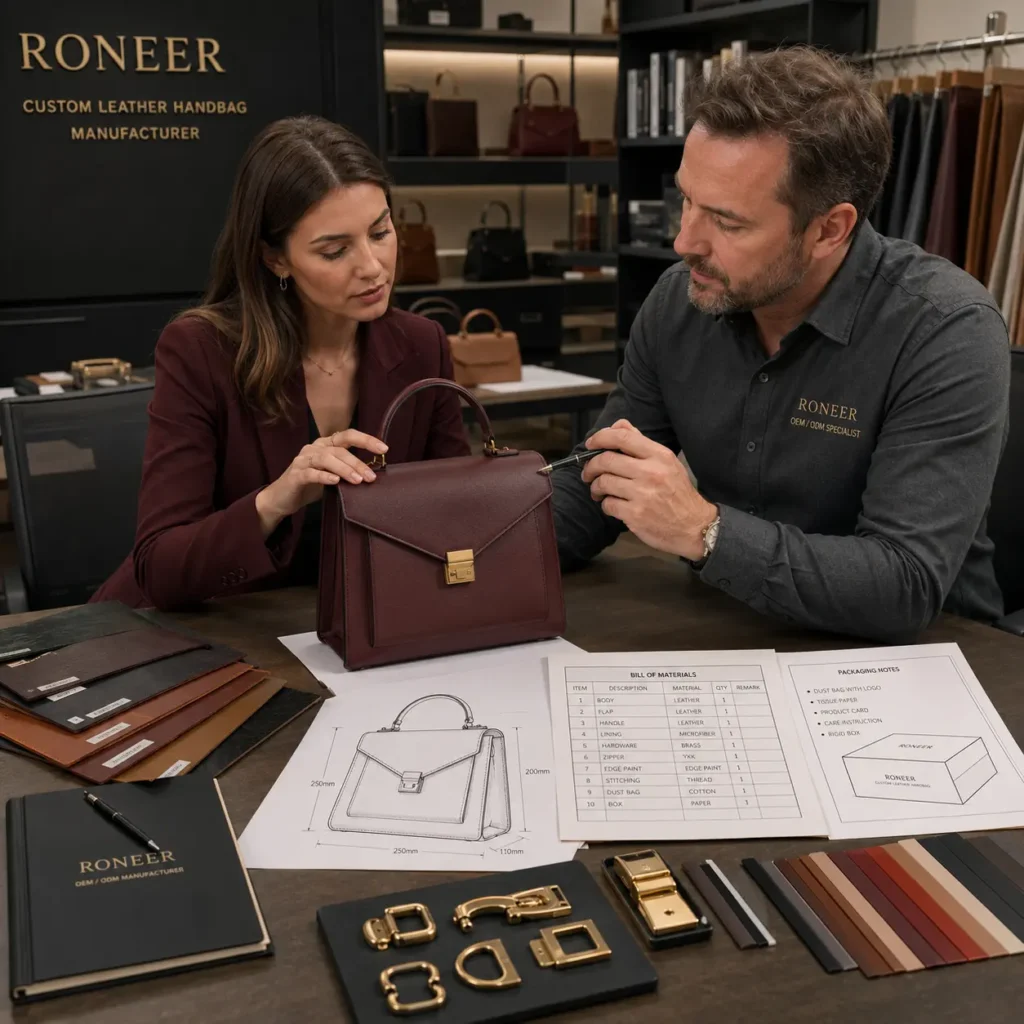
RONEER unterstützt OEM-/ODM-Projekte für maßgeschneiderte Taschen durch individuelle Materialanpassungen, Optionen für individuelle Logos, schnelle Mustererstellung, Unterstützung bei geringen Mindestbestellmengen, Private-Label-Verpackungen, strenge Qualitätskontrolle, Exportverpackung und weltweite Versandkoordination. Einkäufer können sich einen Überblick über die gesamten Produktionskapazitäten von RONEER verschaffen unter RONEER – Maßgeschneiderte Taschenanfertigung.
In dieser Anleitung wird erklärt, wie PU-Leder für Taschen welche Funktionen sie haben, für welche Beuteltypen sie geeignet sind, worauf Käufer vor der Musterprüfung achten sollten und wie sich das Risiko bei der Serienproduktion minimieren lässt.
Was ist PU-Leder für Taschen?
PU-Leder für Taschen ist ein Kunstleder, das aus einer auf ein Grundgewebe oder eine Trägerfolie aufgebrachten Polyurethan-Oberflächenschicht besteht. Es ist so konzipiert, dass es das Aussehen und die Haptik von Echtleder nachahmt und gleichzeitig flexiblere Möglichkeiten hinsichtlich Kosten, Farbe, Struktur und Herstellung bietet.
PU-Leder wird häufig bei der Herstellung von Taschen verwendet, da es in vielen verschiedenen Ausführungen erhältlich ist, darunter glatte, genoppte, im Saffiano-Stil gestaltete, matte, glänzende, Soft-Touch-, geprägte, metallische, Vintage- oder strukturierte Oberflächen.
Zu den gängigen Produkten aus PU-Leder gehören:
- Handtaschen
- Geldbörsen
- Karteninhaber
- Kosmetiktaschen
- Kulturbeutel
- Beutel
- Umhängetaschen
- Umhängetaschen
- Modische Rucksäcke
- Laptop-Hüllen
- Geschenksets
- Kleine Lederwaren
Für viele Einkäufer von Eigenmarken, PU-Leder für Taschen ist ein nützliches Material, da es ein hochwertigeres Erscheinungsbild als einfacher Stoff vermittelt, während Kosten und Mindestbestellmenge im Vergleich zu echtem Leder überschaubarer bleiben.
Warum sich Käufer für Taschen aus PU-Leder entscheiden
B2B-Einkäufer entscheiden sich für PU-Leder für Taschen aus mehreren Gründen. Es ermöglicht ein stilvolles Erscheinungsbild, eine flexible Farbauswahl, zahlreiche Strukturvarianten und verschiedene Möglichkeiten zur Logoprägung. Außerdem lässt es sich bei vielen individuellen Projekten leichter verarbeiten als Naturleder.
Kostenkontrolle
Kunstleder ist in der Regel kostengünstiger als echtes Leder. Dies ermöglicht es Marken, Handtaschen, Geldbörsen, Kosmetiktaschen und Accessoires zu flexibleren Preisen anzubieten.
Gleichmäßige Oberfläche
Im Vergleich zu echtem Leder bietet PU-Leder eine gleichmäßigere Textur und Farbe über verschiedene Produktionschargen hinweg. Dies trägt dazu bei, sichtbare Abweichungen in der Massenproduktion zu reduzieren.
Vielfältige Farben und Texturen
PU-Leder lässt sich in vielen Farben und Ausführungen herstellen und eignet sich daher für Modekollektionen, saisonale Produktlinien, Eigenmarkenprojekte und Werbegeschenksets.
Logo-Anpassung
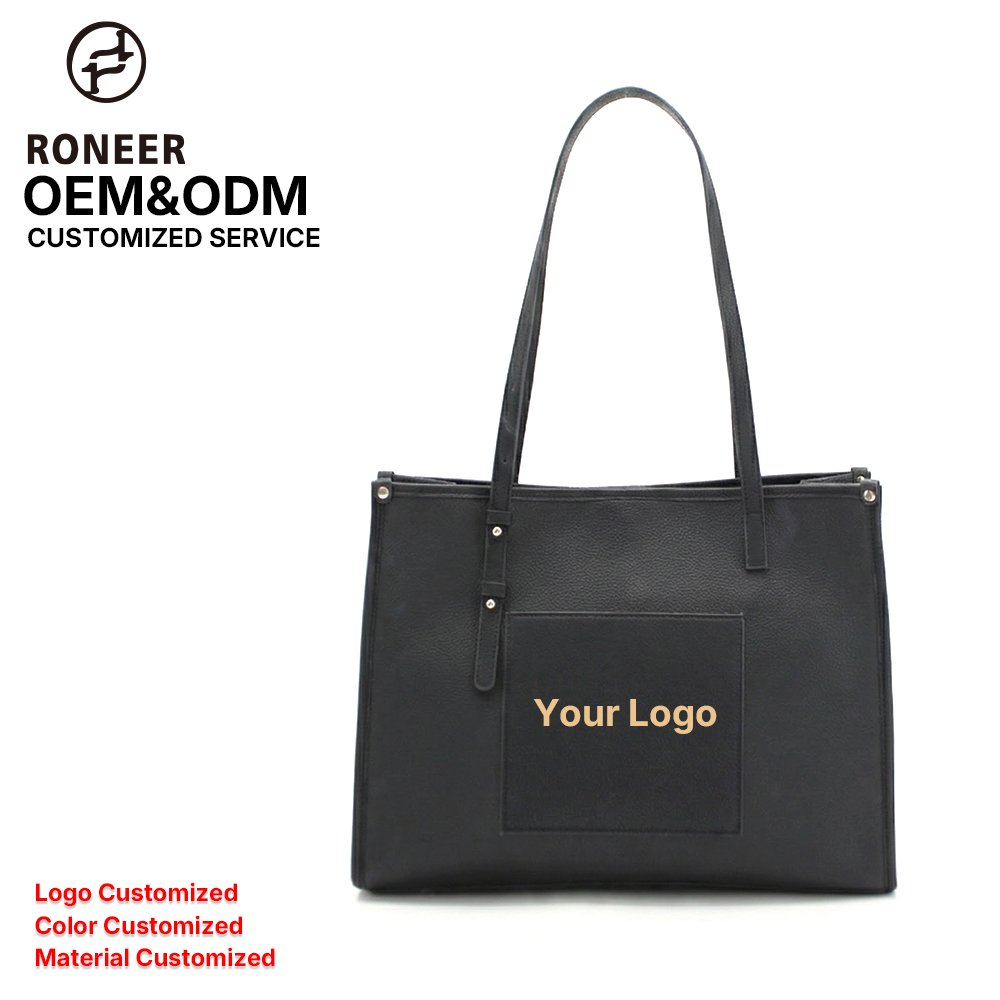
PU-Leder eignet sich gut für viele verschiedene Logo-Verfahren, darunter Tiefprägung, Hochprägung, Folienprägung, Metall-Logo-Plaketten, gewebte Etiketten, PU-Aufnäher, Anhängeetiketten und Verpackungslogos. Käufer können sich die Angebote von RONEER ansehen Anpassung des Logos Optionen, bevor man sich für die beste Methode entscheidet.
Geeignet für kleine und mittelgroße Taschen
PU-Leder eignet sich oft gut für Handtaschen, Geldbörsen, Beutel, Kosmetiktaschen und kleine Accessoires. Damit können Käufer ein verkaufsfertiges Erscheinungsbild erzielen, ohne echtes Leder zu verwenden.
Die wichtigsten Arten von PU-Leder für Taschen
Verschiedene Arten von PU-Leder für Taschen kann unterschiedliche Optik und Funktionen bieten. Käufer sollten nicht davon ausgehen, dass alle PU-Lederarten aus demselben Material bestehen.
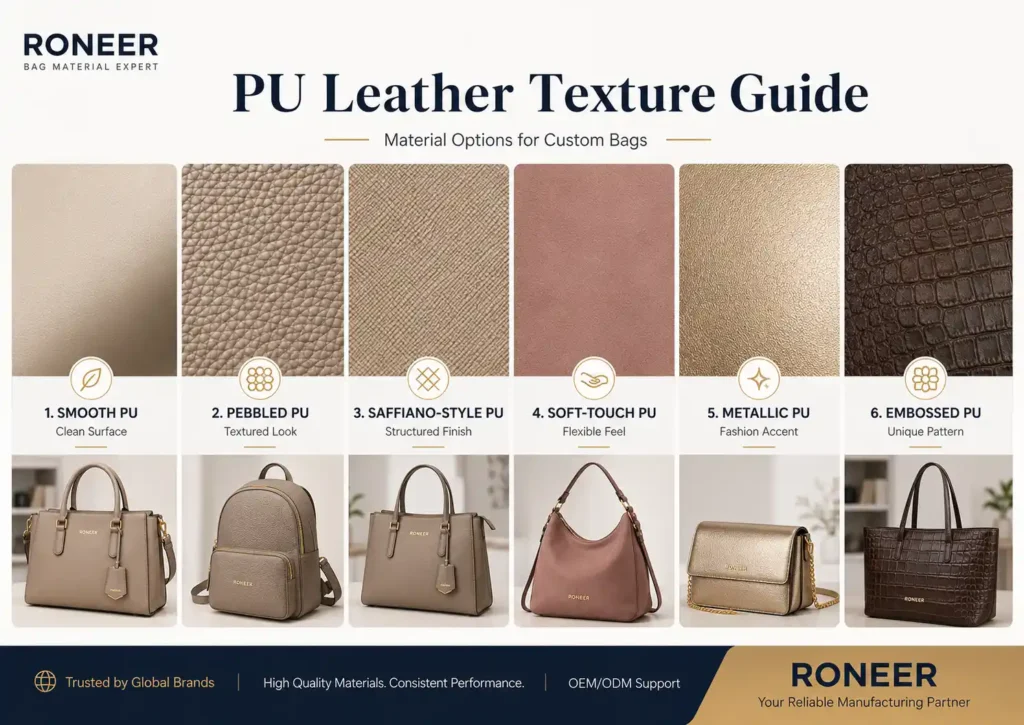
Glattes PU-Leder
Glattes PU-Leder hat eine glatte Oberfläche und eignet sich für minimalistische Handtaschen, Geldbörsen, Kosmetiktaschen und Modetaschen. Es wirkt modern und schlicht, doch je nach Oberflächenqualität können Kratzer stärker sichtbar sein.
Körniges PU-Leder
PU-Leder mit Noppenstruktur hat eine körnige Textur, die kleine Kratzer kaschiert und dem Material ein noch lederähnlicheres Aussehen verleiht. Es wird häufig für Handtaschen, Geldbörsen, Kartenetuis und Kosmetiktaschen verwendet.
PU-Leder im Saffiano-Stil
PU-Leder im Saffiano-Stil weist eine kreuzförmige Struktur auf. Es wirkt strukturiert, elegant und strapazierfähig. Es eignet sich häufig für Geldbörsen, Handtaschen, Laptoptaschen und hochwertige Beutel.
Soft-Touch-PU-Leder
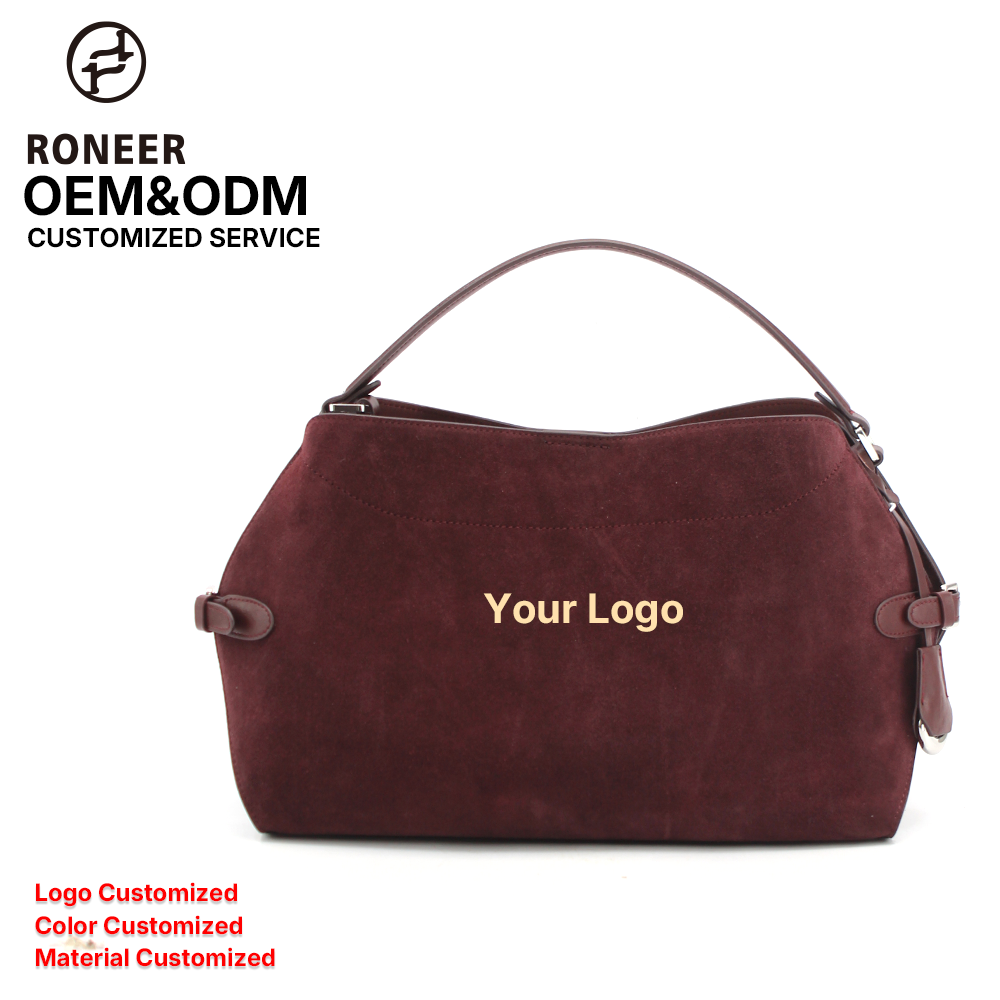
Soft-Touch-PU-Leder fühlt sich weicher an und eignet sich für Modetaschen, Beutel, Accessoires im Kordelzug-Stil sowie für Produkte, die eine flexiblere Struktur erfordern.
Metallic- oder Glanz-PU-Leder
Metallic or glossy PU leather can be used for fashion-forward products, cosmetic bags, gift sets, or seasonal collections. Buyers should test surface durability and color stability carefully.
Embossed PU Leather
Embossed PU leather can include crocodile texture, lizard texture, geometric patterns, woven effects, or custom surface patterns. It is useful for buyers who want a distinctive look.
A professional manufacturer should help buyers compare different PU-Leder für Taschen based on appearance, thickness, backing, MOQ, logo method, and product function.
Welche Taschenarten eignen sich für PU-Leder?
PU-Leder für Taschen is suitable for many product categories, but the structure and usage should match the material performance.
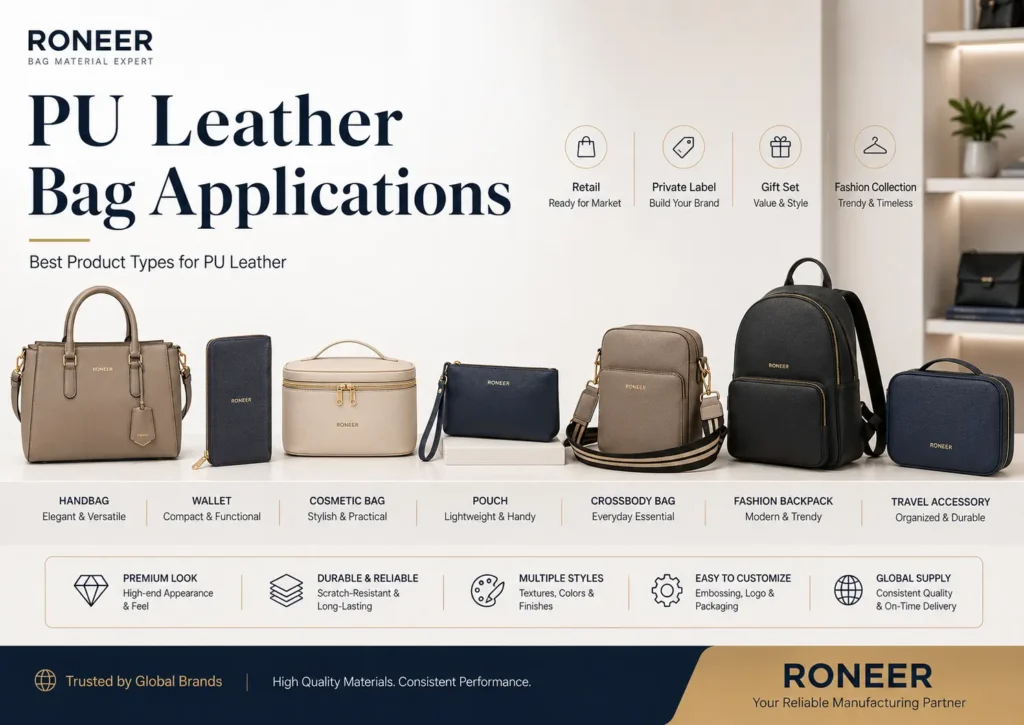
PU Leather Handbags
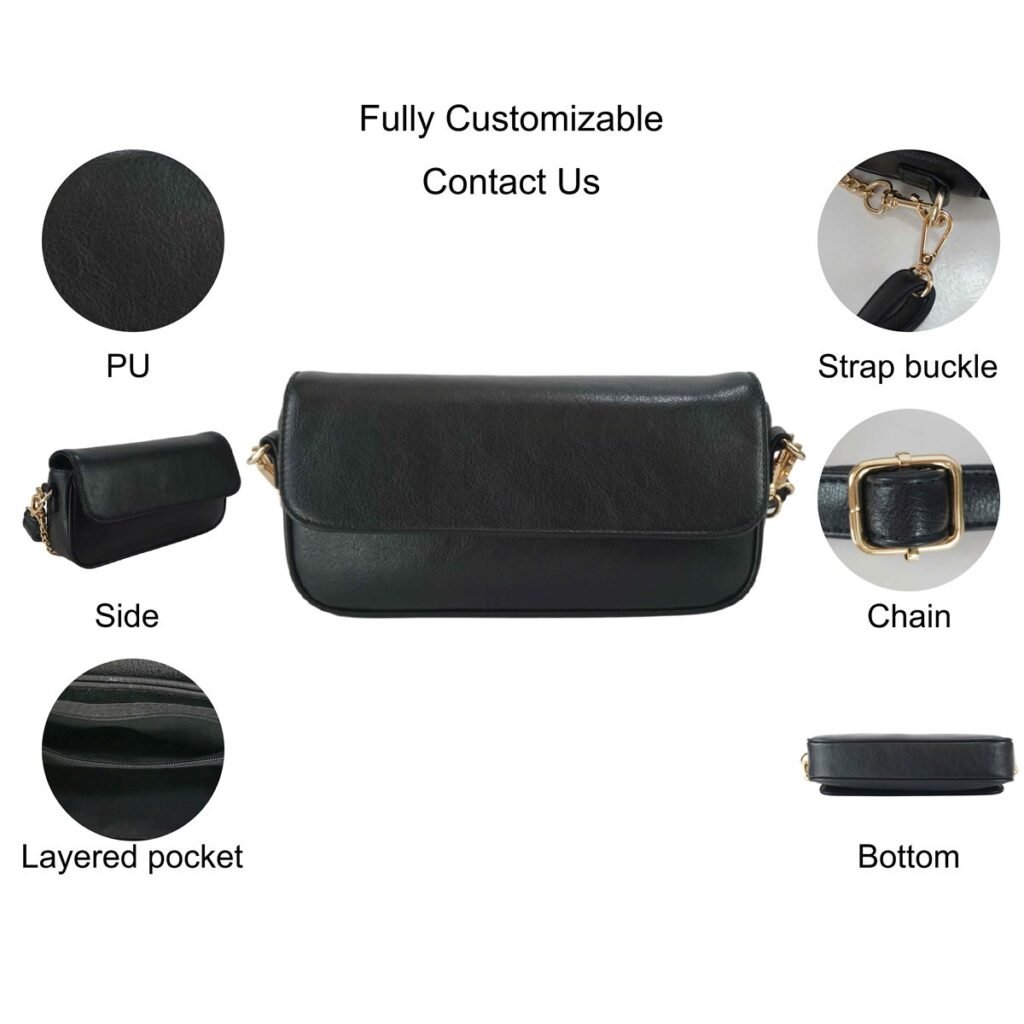
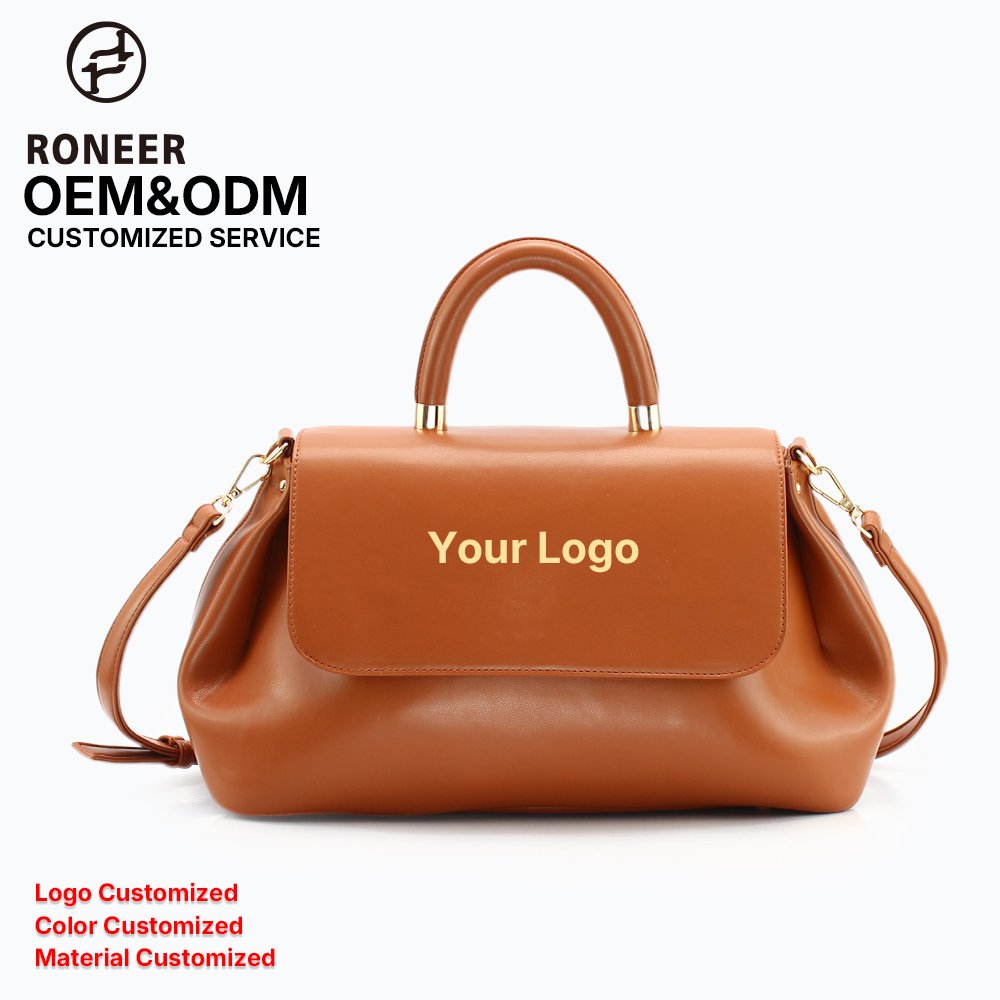
Handbags are one of the most common applications. PU leather can create a premium look for shoulder bags, top-handle bags, crossbody bags, mini bags, bucket bags, and structured handbags. Buyers should confirm material thickness, surface durability, lining, hardware, and shape retention before production.
PU Leather Wallets
Wallets require precision cutting, clean edge finishing, stable card slots, and good folding performance. PU leather for wallets should not be too thick or too weak. Saffiano-style PU, pebbled PU, and microfiber-backed PU can be useful options.
PU Leather Cosmetic Bags
Cosmetic bags often need a clean surface, zipper compatibility, easy wiping, and attractive packaging. PU leather can create a premium look for makeup pouches, toiletry bags, beauty gift sets, and private label cosmetic accessories.
PU Leather Pouches
Small pouches can use PU leather for a stylish and brand-ready look. Buyers can add debossed logos, metal plates, woven labels, or custom zipper pullers.
PU Leather Fashion Backpacks
PU leather can be used for fashion backpacks, but buyers should check weight, tearing strength, strap reinforcement, and surface durability. For heavy-use backpacks, polyester, nylon, or Oxford fabric may be more practical.
PU Leather Travel Accessories
Passport holders, luggage tags, jewelry cases, toiletry bags, and travel pouches can use PU leather to improve presentation and perceived value.
RONEER can help buyers compare PU-Leder für Taschen with other materials through Anpassung des Materials, especially when buyers need to balance durability, cost, MOQ, and brand positioning.
Kunstleder vs. Echtleder bei Taschen
Many buyers compare PU-Leder für Taschen with genuine leather. Both materials have advantages, but they suit different business needs.
PU leather is usually better when buyers need:
- Lower material cost
- More color options
- More consistent surface
- Easier texture control
- Flexible private label development
- Lower entry cost for new designs
- Faster sampling with available materials
Genuine leather is usually better when buyers need:
- Premium natural material
- Long-term aging character
- Higher perceived value
- Luxury positioning
- Natural grain and texture
- High-end leather goods
PU leather is not simply a “cheap replacement.” For the right product and price level, it can be a practical material choice. The key is to choose the right PU quality and confirm that it matches the product use.
PU-Leder vs. Mikrofaserleder
Microfiber leather is often considered a higher-performance synthetic leather compared with standard PU leather. It can offer better tear strength, abrasion resistance, and surface stability depending on the specification.
For buyers choosing PU-Leder für Taschen, microfiber leather may be worth considering when the product needs better durability, a more premium hand feel, or stronger long-term performance.
PU leather may be more cost-effective for:
- Fashion pouches
- Kosmetiktaschen
- Geldbörsen
- Simple handbags
- Geschenksets
- Promotional accessories
Microfiber leather may be better for:
- Premium wallets
- Business accessories
- Higher-end handbags
- Products needing better durability
- Repeated-use accessories
The best choice depends on target market, cost, MOQ, logo method, and expected product life.
Wie sich PU-Leder auf die individuelle Gestaltung von Logos auswirkt
Logo effect is one of the biggest advantages of PU-Leder für Taschen. The material surface can support several premium-looking logo methods.
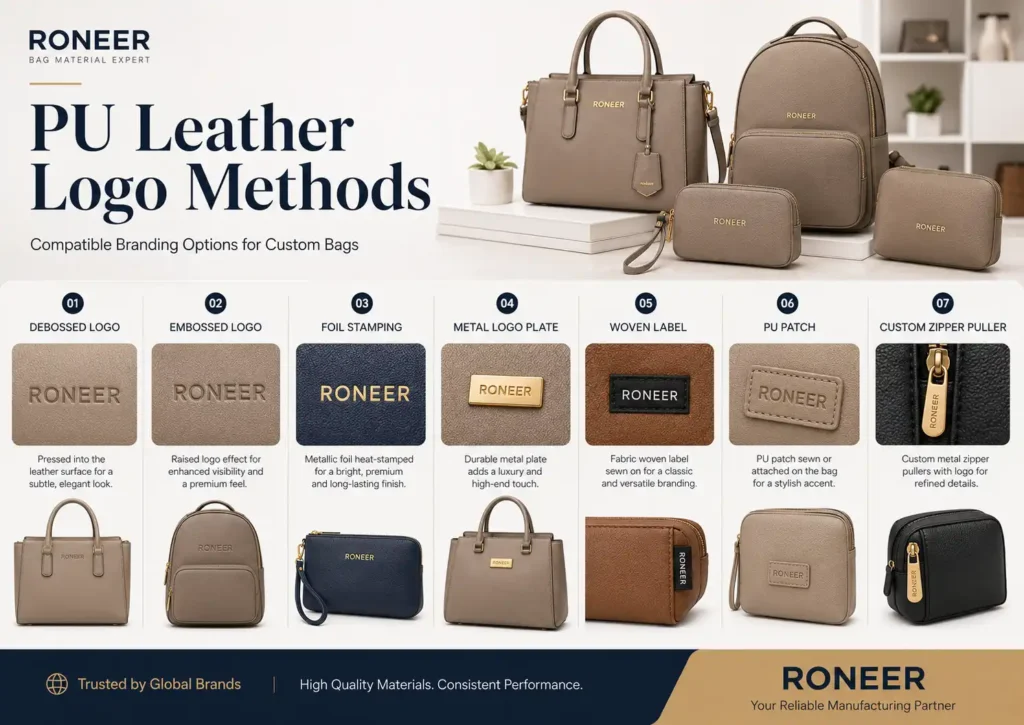
Debossed Logo
A debossed logo is pressed into the PU leather surface. It gives a subtle and premium look, especially for wallets, handbags, and pouches.
Geprägtes Logo
An embossed logo creates a raised effect. It can work well for certain PU leather surfaces, but the factory should test pressure, heat, and material recovery.
Foil-Stamped Logo
Foil stamping adds a metallic logo effect, often in gold, silver, or other finishes. It is suitable for wallets, cosmetic bags, gift sets, and fashion handbags.
Metal Logo Plate
A metal logo plate can create a premium branded look. However, it may require mold cost, plating confirmation, and higher MOQ depending on design.
Woven Label or PU Patch
Woven labels and PU patches are flexible choices for many bag types. They can be more practical than custom metal hardware for low MOQ orders.
During sampling, the factory should test logo clarity, position, color, pressure, and surface compatibility. A logo method that looks good on one PU leather may not work the same on another texture.
Dicke und Rückseite von PU-Leder
Thickness and backing are important when choosing PU-Leder für Taschen. If the material is too thin, the bag may look weak or wrinkle easily. If it is too thick, the bag may be difficult to sew, fold, or shape.
Käufer sollten Folgendes prüfen:
- PU surface thickness
- Base fabric backing
- Total material thickness
- Softness or stiffness
- Stretch and recovery
- Reißfestigkeit
- Edge performance
- Folding performance
- Sewing compatibility
Common backing materials may include woven fabric, non-woven backing, microfiber base, or fabric backing. The backing affects strength, flexibility, and stability.
For wallets, the material should support folding and precision cutting. For handbags, the material should support shape and surface appearance. For cosmetic bags, the material should work well with zippers and lining.
Auswahl an Farben und Strukturen für PU-Leder
One advantage of PU-Leder für Taschen is color and texture flexibility. Buyers can choose from classic colors such as black, brown, beige, navy, white, gray, and tan, or seasonal colors such as pastel pink, sage green, burgundy, metallic silver, or soft blue.
Texture also matters. A pebbled texture may look more leather-like and hide scratches better. A smooth texture may look clean but may show marks more easily. A saffiano-style texture may look structured and refined. A glossy texture may attract attention but needs careful QC.
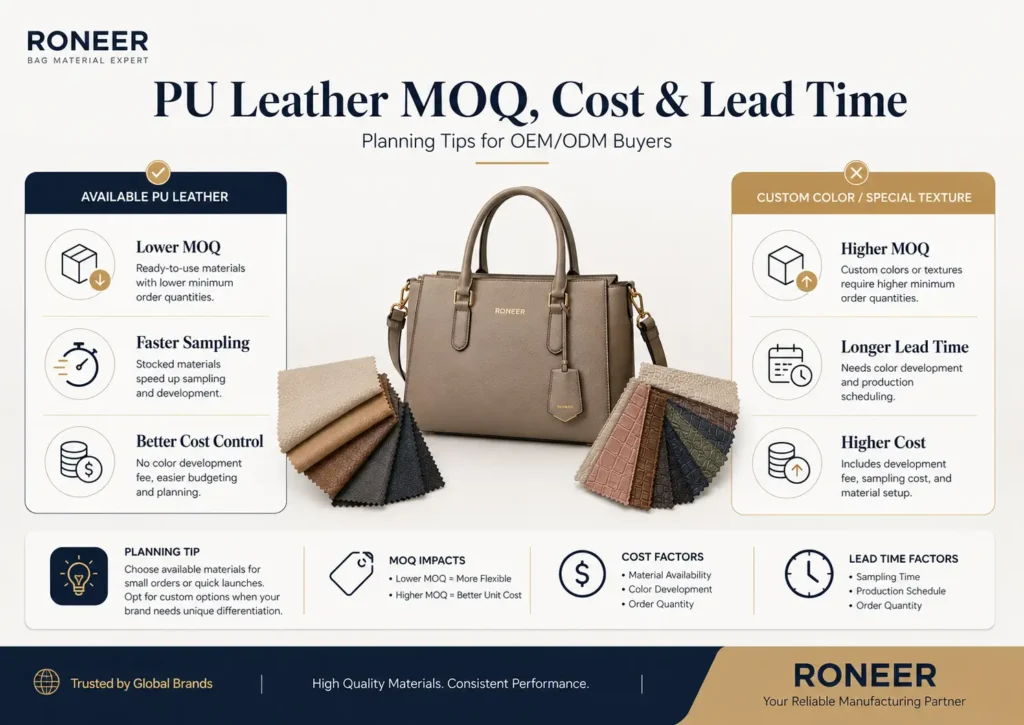
For first orders or low MOQ projects, buyers should start with available PU leather colors and textures. Custom colors may require higher MOQ and longer lead time.
Mindestbestellmenge, Kosten und Lieferzeit für PU-Leder
PU-Leder für Taschen can support flexible MOQ when buyers use available colors and textures. However, custom colors, special textures, exclusive embossing, or unique backing requirements may increase MOQ and lead time.
The main cost factors include:
- PU leather grade
- Dicke
- Backing quality
- Textur
- Color availability
- Logo-Methode
- Bag structure
- Hardware
- Auskleidung
- Verpackung
- Order quantity
For low MOQ projects, buyers should avoid too many colors, excessive logo methods, and custom hardware in the first order. A clean design with available PU leather and a practical logo method can make the project more cost-effective.
Buyers who want to control MOQ and cost can review RONEER’s guide on Kostenplanung für die Mindestbestellmenge bei maßgefertigten Rucksäcken. Although it uses backpacks as an example, many MOQ principles also apply to PU leather handbags, pouches, wallets, and cosmetic bags.
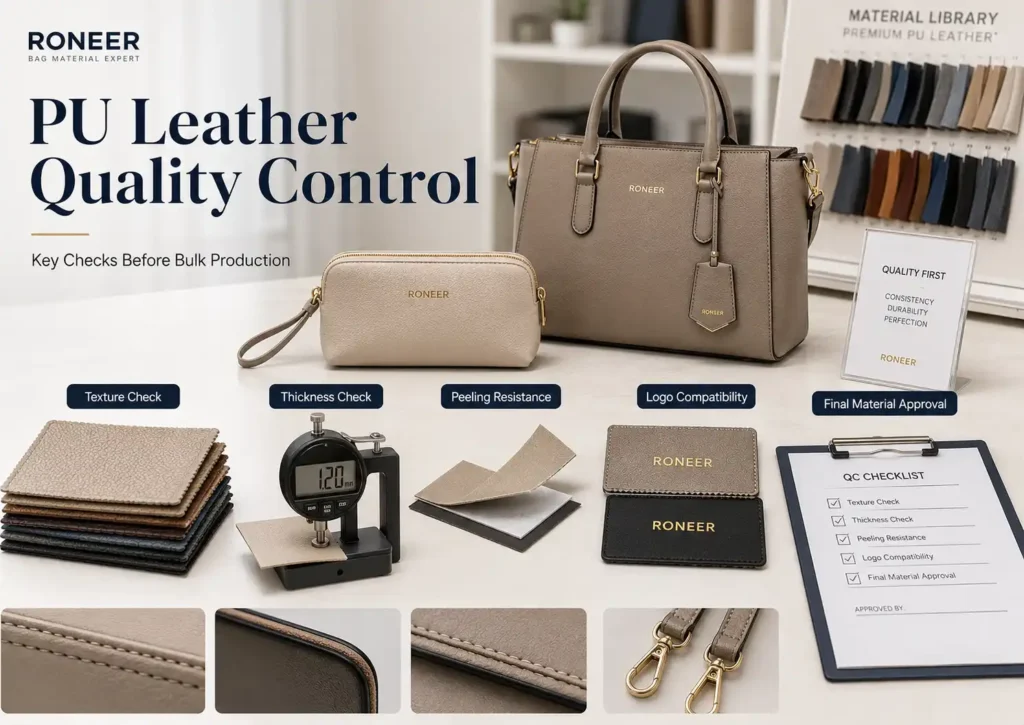
Qualitätskontrolle bei PU-Leder
Quality control is very important when using PU-Leder für Taschen. Poor PU leather may peel, crack, wrinkle, smell strong, fade, or show surface defects.
Important QC points include:
- Surface texture consistency
- Farbkonsistenz
- Dicke
- Backing strength
- Peeling resistance
- Scratch resistance
- Folding resistance
- Geruch
- Oberflächenfehler
- Logo-Kompatibilität
- Stitching performance
- Kantenbearbeitung
- Packaging protection
Informationen zum Hintergrund von Inspektionen und Prüfungen finden Käufer unter SGS. Was die Hintergründe zu Schadstoffen und zur Materialsicherheit betrifft, OEKO-TEX can also be used as an industry reference. Buyers should confirm specific testing, certification, or compliance requirements before production.
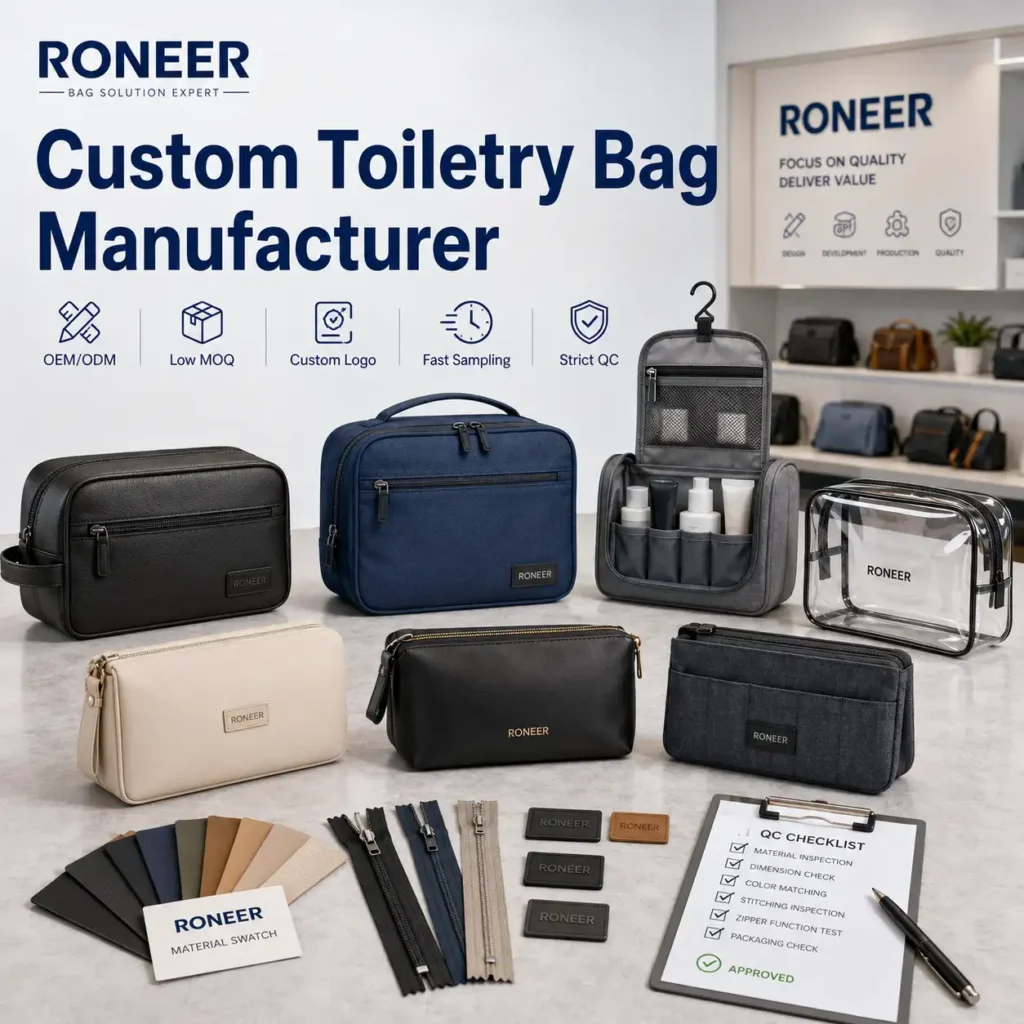
RONEER follows QC steps during material checking, sample development, production, final inspection, and export packing to help buyers reduce risk.
Verpackungen für Taschen aus PU-Leder
Packaging matters because PU leather surfaces can be affected by pressure, friction, sharp hardware, or poor storage. Buyers should choose packaging that protects the surface and supports brand presentation.
Common packaging options include:
- Individual polybags
- Tissue paper
- Staubbeutel
- Hang tags
- Insert cards
- Care cards
- Barcode labels
- Paper boxes
- Export cartons
For premium PU leather handbags, wallets, or gift sets, dust bags and boxes may improve perceived value. For cosmetic bags or pouches, branded polybags, insert cards, and clean labels may be enough.
Käufer können die Produkte von RONEER Individuelle Gestaltung der Verpackung service to match packaging with product level, shipping method, and private label needs.
Häufige Fehler bei der Auswahl von PU-Leder für Taschen
Many sourcing problems happen because buyers select PU leather too quickly. Avoiding common mistakes can reduce sample revisions and bulk production issues.
Choosing Only by Photo
Photos cannot fully show thickness, softness, backing, odor, folding performance, or surface durability. Physical swatches are important.
Die Produktfunktion außer Acht lassen
A wallet, handbag, cosmetic bag, and backpack require different PU leather properties. One PU leather quality cannot fit every product.
Choosing the Cheapest PU Leather
Very low-cost PU leather may look acceptable at first but may peel, smell, crack, or fail during use.
Logo-Kompatibilität ignorieren
Some PU textures are not suitable for embossing, debossing, foil stamping, or printing. Logo testing should happen before bulk production.
Using Too Many Colors in the First Order
Too many colors can increase material preparation, MOQ, and QC complexity.
Ignoring Packaging Protection
PU leather surfaces may need protection during packing and shipping. Poor packing can cause pressure marks or scratches.
Wie RONEER Käufern bei der Beschaffung von PU-Leder für Taschen hilft
RONEER helps buyers choose PU-Leder für Taschen based on product type, target market, budget, MOQ, logo method, packaging, and quality expectations.
RONEER bietet Unterstützung für:
- PU leather material selection
- Texture and color comparison
- Überprüfung der Stoffmuster
- Prüfung der Logo-Kompatibilität
- Entwicklung von Mustern
- Handbag and wallet structure review
- Cosmetic bag material matching
- Verpackungen für Eigenmarken
- Planung mit niedrigen Mindestbestellmengen
- Massenproduktion
- Qualitätskontrolle
- Exportverpackung
For startups, RONEER can recommend available PU leather options that support faster sampling and lower MOQ. For established brands, RONEER can help develop more specific textures, colors, structures, and packaging solutions for private label collections.
Häufig gestellte Fragen zu PU-Leder für Taschen
1. What is PU leather for bags?
PU-Leder für Taschen is a synthetic leather material made with a polyurethane surface layer on a fabric or backing base. It is designed to provide a leather-like appearance and hand feel while offering flexible color, texture, cost, and customization options for custom bag manufacturing.
2. Is PU leather for bags durable?
PU-Leder für Taschen can be durable if the buyer chooses the right grade, thickness, backing, texture, and structure. Durability depends on surface quality, peeling resistance, stitching performance, folding resistance, and how the final product will be used.
3. What bag types are best for PU leather?
PU-Leder für Taschen is commonly used for handbags, wallets, cosmetic bags, pouches, crossbody bags, shoulder bags, fashion backpacks, laptop sleeves, passport holders, and gift sets. It is especially suitable for products that need a stylish look with controlled cost.
4. Is PU leather better than genuine leather for bags?
PU leather and genuine leather serve different needs. PU leather is usually better for cost control, color consistency, and flexible customization. Genuine leather is better for premium natural texture and luxury positioning. The best choice depends on target market, budget, MOQ, and brand positioning.
5. Can PU leather bags have a custom logo?
Yes. PU-Leder für Taschen supports several logo methods, including debossing, embossing, foil stamping, metal logo plates, woven labels, PU patches, custom zipper pullers, hang tags, and packaging logos. Logo testing should be confirmed during sample development.
6. Does PU leather for bags support low MOQ orders?
Yes, PU-Leder für Taschen can support low MOQ orders when buyers use available colors, standard textures, practical logo methods, and simple packaging. Custom colors, exclusive textures, custom hardware, or special packaging may increase MOQ.
7. What should buyers check before choosing PU leather?
Buyers should check texture, thickness, backing, softness, stiffness, peeling resistance, scratch resistance, folding performance, odor, color consistency, logo compatibility, and suitability for the product structure.
8. Is PU leather suitable for wallets?
Yes. PU leather can be suitable for wallets when the material supports precision cutting, folding, card slot construction, edge finishing, and logo application. Saffiano-style PU, pebbled PU, and microfiber-backed PU are common wallet material options.
9. Is PU leather suitable for cosmetic bags?
Yes. PU-Leder für Taschen is often used for cosmetic bags because it can create a premium appearance, support custom logo options, and work well with zipper construction. Buyers should confirm lining, zipper quality, surface durability, and packaging protection.
10. How can I reduce cost when using PU leather for bags?
Buyers can reduce cost by choosing available PU leather colors, limiting colorways, using practical logo methods, avoiding custom hardware at the first stage, simplifying the structure, and selecting simple but branded packaging.
11. Can RONEER provide PU leather swatches before sampling?
Yes. RONEER can help buyers review PU leather swatches before sample development. Swatch review helps confirm texture, color, thickness, backing, hand feel, logo compatibility, and production feasibility.
12. Why choose RONEER for PU leather for bags?
RONEER helps buyers source PU-Leder für Taschen with OEM/ODM support, material customization, custom logo solutions, fast sampling, low MOQ options, private label packaging, strict QC, export packing, and global shipping coordination.
Schlussfolgerung
PU-Leder für Taschen is a practical material choice for buyers who need a premium appearance, flexible customization, and controlled cost. It is widely used for handbags, wallets, cosmetic bags, pouches, crossbody bags, fashion backpacks, travel accessories, and private label gift sets.
For OEM/ODM buyers, successful use of PU-Leder für Taschen depends on choosing the right texture, thickness, backing, color, logo method, lining, structure, and packaging. The cheapest PU leather is not always the best option. A better choice is the PU leather that matches the product function, target customer, MOQ, lead time, budget, and brand positioning.
RONEER works as a practical manufacturing partner for buyers who need PU-Leder für Taschen with material customization, custom logo options, fast sampling, low MOQ support, private label packaging, durable material choices, stable bulk production, strict QC, export carton packing, and global shipping experience.
Whether you are developing PU leather handbags, wallets, cosmetic bags, pouches, travel accessories, laptop sleeves, or promotional gift items, RONEER can help you compare materials, develop accurate samples, test logo methods, control quality, and prepare your custom bag project for stable production and international shipment.