 Deutsch
  English
  Español
  Français
  Italiano
  Русский
  日本語
日本語  العربية
  Türkçe
  한국어
한국어 Was ist Saffiano-Leder? Ein praktischer Leitfaden für Käufer von maßgefertigten Taschen
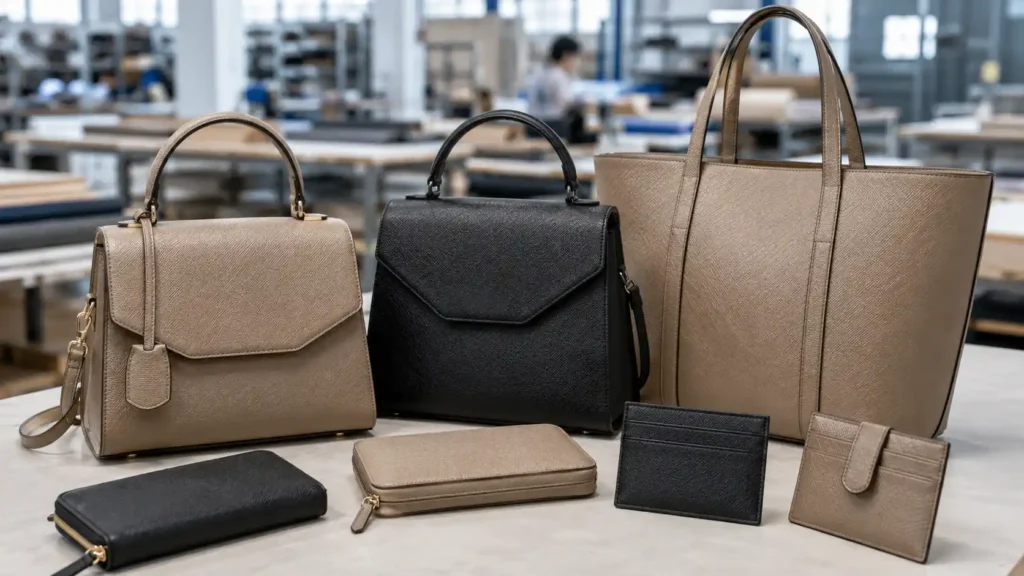
Für globale Beutelkäufer ist die Wahl Saffiano-Leder Es geht nicht nur um das Aussehen. Die Oberfläche muss der Markenpositionierung, dem Verkaufspreis, dem täglichen Gebrauch, den Qualitätserwartungen und dem Produktionsbudget gerecht werden. Deshalb Saffiano-Leder wird nach wie vor häufig für Handtaschen, Tragetaschen, Geldbörsen, Kartenetuis, Business-Accessoires und Eigenmarkenkollektionen verwendet.
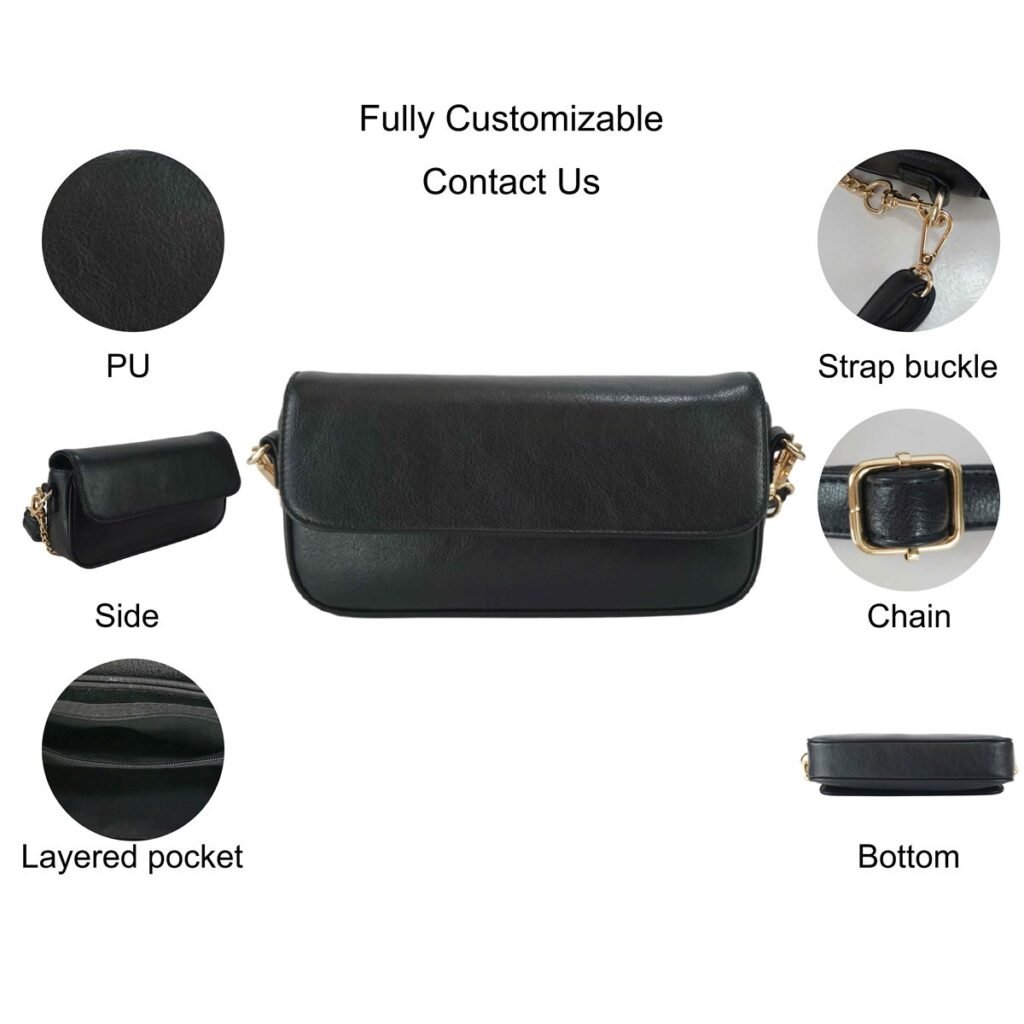
Brands considering Saffiano textures for a new collection can review our custom leather handbag manufacturing service for material selection, structure, logo options, sampling and bulk production support.
Käufer, die nach diesem Thema suchen, möchten in der Regel mehr als nur eine einfache Definition. Sie möchten wissen, ob das Material für Taschen mit individuellem Logo, Tests mit geringen Mindestbestellmengen, die Massenproduktion, die Einführung von E-Commerce-Produkten, Werbegeschenke oder hochwertige Modekollektionen geeignet ist. Außerdem müssen sie den Unterschied zwischen echtem Leder, PU, Mikrofaser und anderen beschichteten Materialien verstehen.
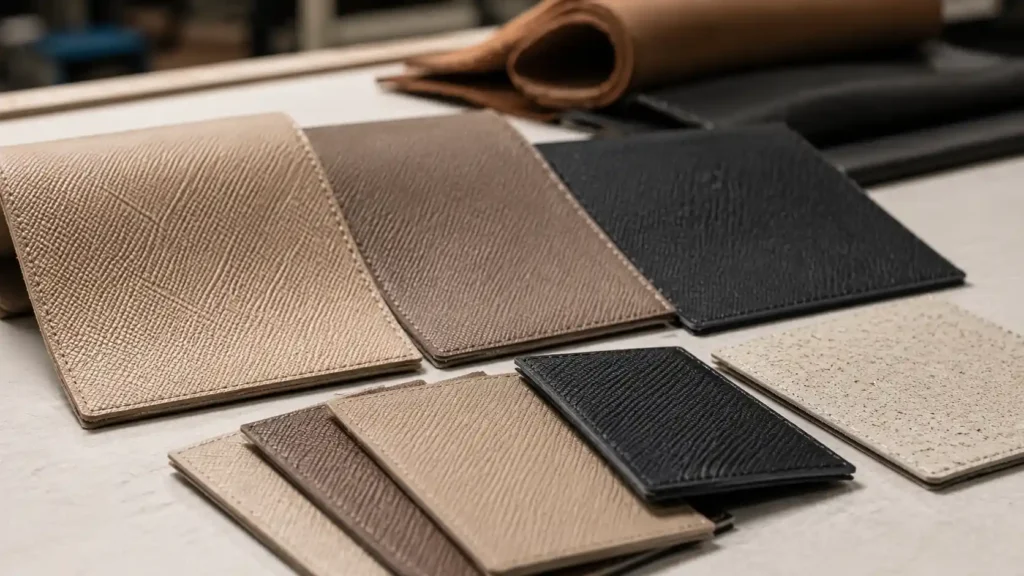
Bei der Herstellung von maßgefertigten Taschen, Saffiano-Leder bezeichnet ein Material mit einer feinen, kreuzförmig geprägten Struktur und einer schützenden Oberflächenbeschichtung. Saffiano-Leder kann aus Echtleder, PU-Leder, Mikrofaserleder, recyceltem PU oder synthetischen Alternativen hergestellt werden. Die endgültige Qualität hängt vom Grundmaterial, der Beschichtung, der Prägungstiefe, der Festigkeit der Rückseite, der Dicke, der Farbechtheit und der werkseigenen Qualitätskontrolle ab.
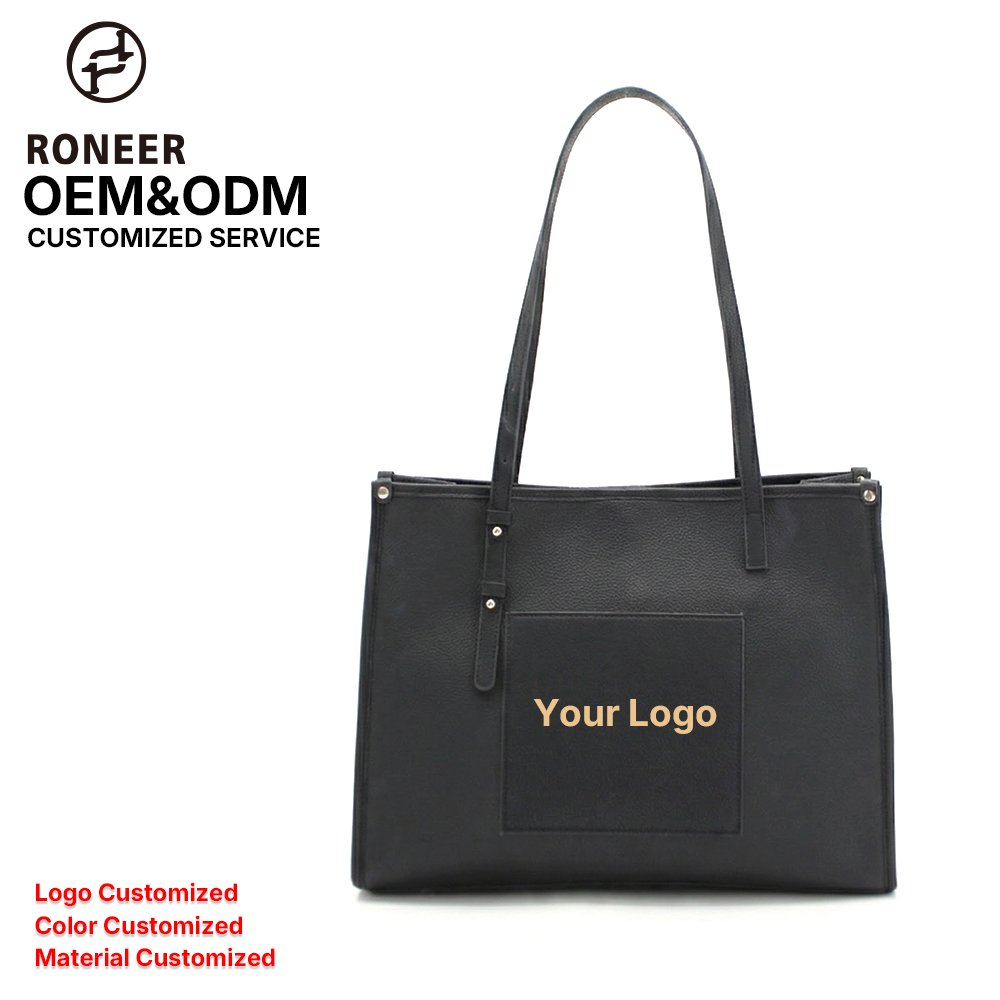
Für Marken, die eine neue Kollektion entwickeln, Saffiano-Leder ist attraktiv, weil es strukturiert wirkt, auf Fotos gut zur Geltung kommt, leichte Kratzer besser kaschiert als glatte Oberflächen und sich hochwertiger anfühlt als viele einfache Kunststoffe. Wenn Sie ein Programm für maßgeschneiderte Taschen planen, können Sie sich RONEER – Maßgeschneiderte Taschenherstellung für OEM-/ODM-Unterstützung, Logo-Entwicklung, Mustererstellung und Planung der Serienfertigung.
Warum dieses Material bei der Herstellung von Taschen so beliebt ist
Ein wesentlicher Vorteil von Saffiano-Leder ist ihre charakteristische Kreuzschraffur. Diese Oberfläche verleiht Handtaschen und Accessoires ein klares, edles und strukturiertes Erscheinungsbild. Im Vergleich zu glatten Materialien trägt das Muster dazu bei, kleine Flecken weniger sichtbar zu machen, und sorgt für ein einheitlicheres Erscheinungsbild über verschiedene Produktbereiche hinweg.
Dies ist besonders bei B2B-Bestellungen von Vorteil. Großhandelskunden, Modemarken und E-Commerce-Anbieter benötigen oft ein einheitliches Erscheinungsbild über Hunderte oder Tausende von Stücken hinweg. Natürliche Abweichungen in der Oberfläche mögen bei manchen Luxusprodukten hochwertig wirken, können jedoch bei der kommerziellen Massenproduktion zu Qualitätsbedenken führen, wenn die Käufer eine optische Einheitlichkeit erwarten.
Die beschichtete Oberfläche sorgt zudem dafür, dass Saffiano-Leder pflegeleichter. Viele Varianten sind widerstandsfähiger gegen leichtes Wasser, Staub und oberflächliche Flecken als unbehandeltes Leder. Das bedeutet jedoch nicht, dass die fertige Tasche vollständig wasserdicht ist, da Nähte, Reißverschlüsse, Kantenlackierung und Steppnähte weiterhin sorgfältig verarbeitet sein müssen. Die Oberfläche eignet sich jedoch gut für Produkte des täglichen Gebrauchs wie Büro-Tragetaschen, kompakte Handtaschen, Geldbörsen und Business-Etuis.
Für Online-Marken hat dieses Material einen weiteren Vorteil: Es eignet sich hervorragend für die Produktfotografie. Die strukturierte Oberfläche reflektiert das Licht, ohne übermäßig glänzend zu wirken. Dadurch wirken Produktseiten detailreicher und hochwertiger, was zu einer höheren wahrgenommenen Wertigkeit in E-Commerce-Angeboten beitragen kann.
Ist es immer echtes Leder?
Ein häufiger Fehler bei der Beschaffung ist die Annahme, dass alle Saffiano-Leder ist echtes Leder. In der Praxis bezeichnet “Saffiano” die Struktur und die Oberflächenbeschaffenheit, nicht zwangsläufig die Materialqualität.
Echtes Saffiano-Material basiert auf echtem Leder, das anschließend geprägt und oberflächenveredelt wird. Es eignet sich für hochwertige Handtaschen, Geldbörsen und Lederaccessoires, bei denen der Käufer Wert auf echtes Leder als Verkaufsargument legt.
Bei PU-Saffiano-Material wird Polyurethan als Oberflächenschicht verwendet. Es ist kostengünstiger und bietet mehr Flexibilität hinsichtlich Farben, saisonaler Designs, Werbeprojekte und Tests mit geringeren Mindestbestellmengen. Diese Option wird häufig von Modemarken und Online-Händlern genutzt, die einen hochwertigen Look bei kontrollierten Kosten erzielen möchten.
Saffiano-Mikrofaser ist eine leistungsstärkere synthetische Alternative. Je nach Spezifikation bietet sie im Vergleich zu herkömmlichem PU eine höhere Festigkeit, einen angenehmeren Griff und eine bessere Reißfestigkeit. Bei einigen veganen Lederkollektionen kommen Mikrofaser-Alternativen zum Einsatz, wenn ein edlerer Griff gewünscht ist.
PVC-Saffiano-Material ist in der Regel eher preisorientiert. Es eignet sich zwar für Werbeartikel, wirkt jedoch oft weniger hochwertig und ist möglicherweise nicht die beste Wahl für Marken, die auf einen höheren Verkaufspreis abzielen.
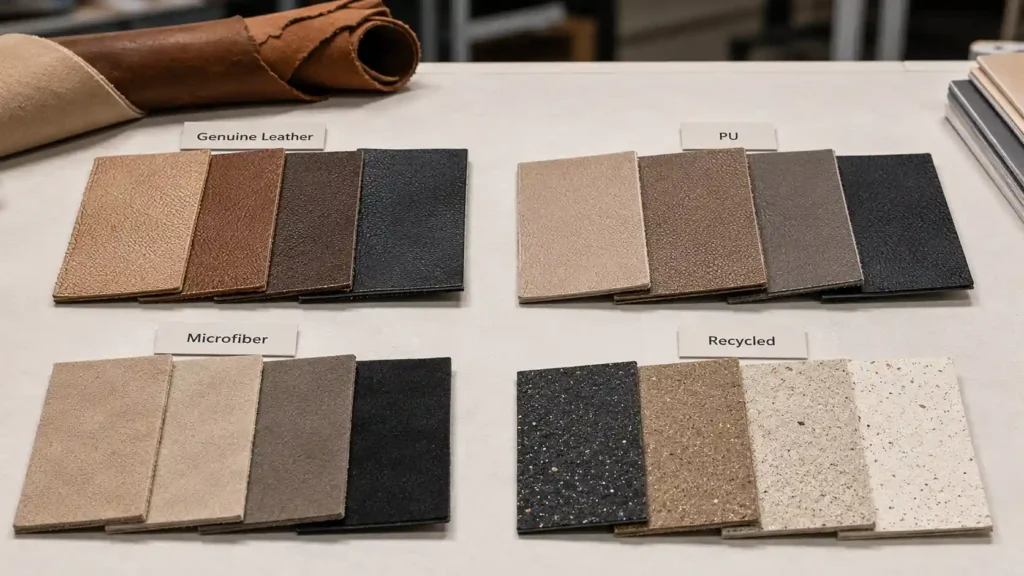
Bevor sie einen Lieferanten bestätigen, sollten Einkäufer Informationen zur Materialzusammensetzung, zur Materialstärke, zu Farbmuster, zur Haptik, zur Beschichtungsqualität, zur Abziehfestigkeit und zu den Prüfanforderungen einholen. Eine klare Materialbestätigung hilft, Unklarheiten vor der Mustererstellung und der Serienproduktion zu vermeiden.
Die wichtigsten Vorteile für B2B-Einkäufer
Saffiano-Leder wird nicht nur deshalb ausgewählt, weil es ansprechend aussieht. Es unterstützt mehrere praktische Beschaffungsziele.
Erstens verleiht es ein hochwertiges Erscheinungsbild, ohne dass eine komplizierte Taschenkonstruktion erforderlich ist. Eine einfache Tragetasche, eine Klappentasche, ein Portemonnaie oder ein Beutel können wertvoller wirken, wenn das Material eine klare Kreuzschraffur aufweist.
Zweitens trägt es dazu bei, sichtbare Kratzer zu reduzieren. Auf glatten Oberflächen können sich im täglichen Gebrauch schnell Spuren zeigen, insbesondere bei Geldbörsen und Handtaschen. Durch die strukturierte Narbung fallen leichte Kratzer weniger auf, was zu weniger Kundenbeschwerden führen kann.
Drittens sorgt das Material für Formbeständigkeit. Viele Varianten sind fest genug für strukturierte Designs, darunter Box-Taschen, Business-Taschen, Schulranzen, Kosmetiktaschen und Dokumententaschen.
Viertens eignet es sich gut für das Branding. Je nach Material und den Anforderungen des Käufers können Metall-Logo-Schilder, eingeprägte Logos, geprägte Markierungen, aufgedruckte Logos, individuell gestaltete Reißverschlusszüge und Markenverpackungen entwickelt werden.
Fünftens, Saffiano-Leder unterstützt sowohl Premium- als auch preisgünstige Produktlinien. Eine Marke kann zwischen echtem Leder für Accessoires im Luxussegment und PU-Material für schnelllebige Online-Kollektionen wählen.
Für Käufer, die verschiedene Entwicklungsmodelle vergleichen, Unterschiede zwischen OEM- und ODM-Rucksäcken kann verdeutlichen, wie sich die Unterstützung durch den Hersteller auf die Verantwortung für das Design, die Musteranfertigung, die Schnittanpassung und die Produktionsplanung auswirkt.
Die besten Produktkategorien für diese Oberflächenausführung
Saffiano-Leder eignet sich besonders gut für Produkte, die Struktur, klare Formen und häufige Handhabung erfordern.
Handtaschen sind die häufigste Kategorie. Box-Taschen, Schulertaschen, Klappentaschen, Taschen mit Tragegriff und Umhängetaschen profitieren alle von der edlen Textur.
Tragetaschen sind ebenfalls eine gute Wahl. Büroangestellte, Einzelhandelskunden und Firmenkunden bevorzugen oft eine Tragetasche, die ordentlich, professionell und leicht zu reinigen ist.
Auch Geldbörsen und Kartenetuis eignen sich gut für diese Oberflächenbehandlung, da sie häufig angefasst werden und eine hohe Oberflächenbeständigkeit erfordern.
Kosmetiktaschen aus PU-Saffiano-Material eignen sich als hochwertiges Werbegeschenk oder Verkaufsaccessoire für Kosmetikmarken.
Laptop-Hüllen und Business-Taschen können mit diesem Material versehen werden, um einen professionelleren Look zu erzielen, insbesondere in Kombination mit Beschlägen mit individuellem Logo oder einer dezenten Prägung.
For functional bags, buyers may combine the textured material with nylon, polyester, webbing, or reinforced lining. If your project involves outdoor or travel categories, custom outdoor bag manufacturing offers useful structure and material ideas that can be adapted to different product lines.
Benutzerdefinierte Logo-Optionen
Saffiano-Leder can support many logo methods, but the right option depends on texture depth, coating, logo size, and target positioning.
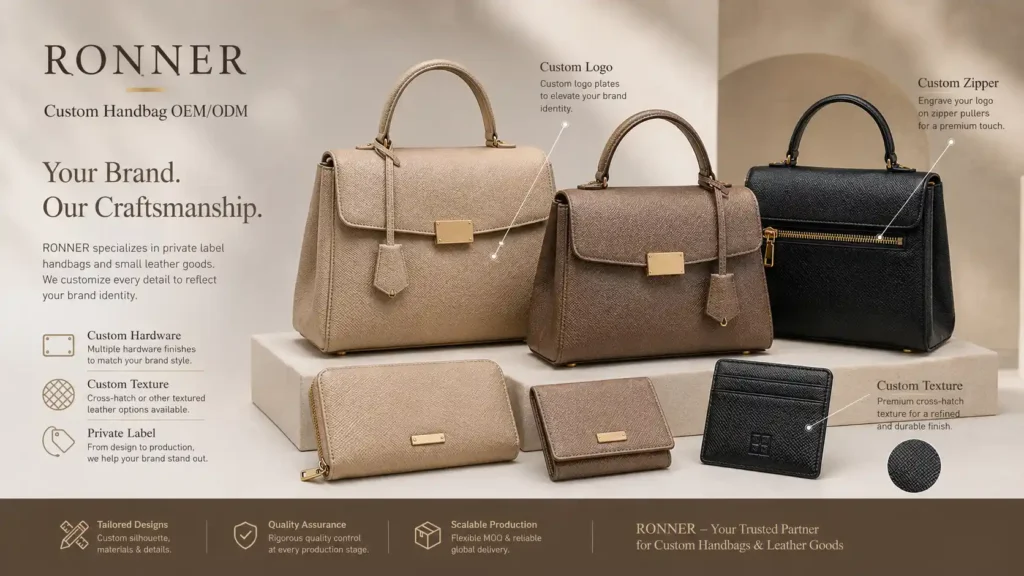
Metal logo plates are often used for handbags and wallets because they match the structured and premium look. Debossed logos can create a subtle brand effect, but the logo must be tested because the grain may reduce fine detail clarity. Screen printing and heat transfer can work on some PU materials, but adhesion should be checked before bulk production.
Other options include woven labels, rubber patches, metal zipper pullers, custom lining, branded dust bags, hangtags, and printed gift boxes. For private label buyers, packaging is part of the product experience, especially for online sales and retail displays.
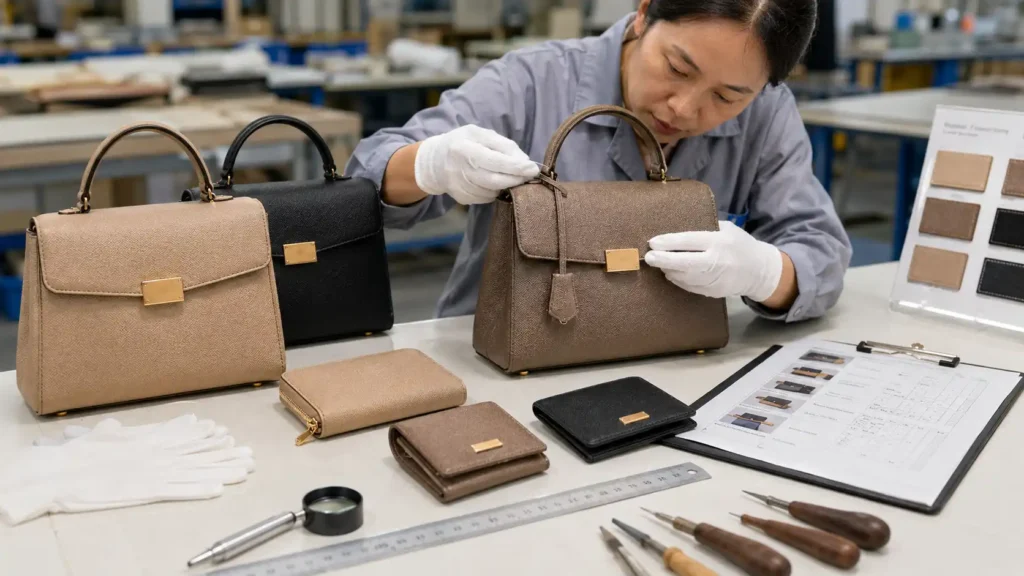
Before mass production, the factory should provide a confirmed sample showing logo position, depth, color, hardware finish, stitching, edge paint, lining, and packing method. This step is especially important for buyers placing repeat orders or building a long-term private label product line.
If MOQ and cost control are important, the article optimizing custom backpack MOQ and costs gives practical logic that can also apply to custom handbag and accessory projects.
Käufertypen und passende Lösungen
E-Commerce-Marken
E-commerce brands need fast product testing and strong product photos. For them, Saffiano-Leder can create a premium look while low MOQ production reduces inventory pressure. Fast sampling helps test colors, shapes, and price points before scaling.
Großhandelskunden
Wholesale buyers need consistent quality and repeatable supply. A stable material specification, strict QC, and bulk production planning help reduce defective rates and improve reorder confidence.
Startup-Marken
Startup brands often have limited budgets and uncertain demand. PU or microfiber options can support small-batch custom bags, allowing founders to validate the market before investing in larger orders.
Firmenkunden
Corporate buyers need practical branded products for events, employee gifts, business promotions, or client giveaways. Custom logo printing, controlled cost, and easy-care surfaces make this material suitable for branded business accessories.
Modemarken
Fashion brands need seasonal flexibility. They may test multiple silhouettes, colors, hardware finishes, and strap designs. OEM/ODM sampling allows them to adjust the collection before bulk production.
Qualitätskontrollpunkte vor der Serienfertigung
A reliable supplier should not only show attractive samples. Buyers should check whether the same standard can be maintained during bulk production.
Important inspection points include material thickness, surface grain consistency, color matching, coating stability, peeling resistance, edge paint, stitching density, handle strength, lining quality, zipper smoothness, logo clarity, hardware color, carton packing, and final inspection criteria.
For zippers and components, buyers may study established fastening references such as YKK when comparing hardware expectations. This should be used as sourcing knowledge only, not as a claim unless the confirmed product actually uses branded components.
For buyers focused on responsible materials, organizations such as Textile Exchange provide useful information about material responsibility and preferred fiber discussions. Sustainability claims should always be supported by real documents or third-party verification.
For testing and compliance, third-party service providers such as SGS can help verify color fastness, restricted substances, material performance, and shipment inspection when required by the buyer’s market.
So beziehen Sie maßgefertigte Taschen aus diesem Material
A clear development process helps reduce mistakes and improve delivery reliability.
Start by confirming the product type, target price, retail positioning, and order quantity. Then choose the correct material version: genuine leather for premium collections, PU for cost-controlled fashion lines, microfiber for higher-end synthetic products, or recycled options when sustainability is part of the brand direction.
Next, prepare technical details. Buyers should provide dimensions, reference photos, logo files, Pantone colors, lining preferences, hardware finish, strap design, packaging requirements, and quality expectations.
After that, request swatches before sampling. Swatches help compare hand feel, thickness, texture depth, flexibility, color, and coating quality. Once the material is approved, the factory can develop a sample and adjust the pattern, construction, logo method, and finishing details.
Before bulk production, confirm the final sample, material card, logo standard, color tolerance, packaging method, carton marks, inspection standard, lead time, and payment terms. This process protects both the buyer and the factory from unclear expectations.
FAQ
What is saffiano leather in bag manufacturing?
Saffiano leather is a bag material known for its fine cross-hatch embossed texture and protective surface finish. In bag manufacturing, saffiano leather can be made from genuine leather, PU, microfiber, recycled PU, or other coated materials. Buyers should always confirm the base material, thickness, coating quality, and testing requirements before sampling or bulk production.
Is saffiano leather suitable for custom handbags?
Yes. Saffiano leather is suitable for custom handbags because it offers a structured look, premium texture, practical scratch resistance, and good compatibility with custom logo applications. It works well for tote bags, wallets, crossbody bags, cosmetic pouches, business accessories, and private label handbag collections.
Is all saffiano leather real leather?
No. Saffiano leather is not always real leather. The word usually describes the cross-hatch texture and coated finish, not the material grade. Saffiano leather may be genuine leather, PU leather, microfiber leather, recycled PU, or PVC. For B2B sourcing, buyers should confirm the exact material composition before approving samples.
What is the MOQ for custom saffiano leather bags?
The MOQ for custom saffiano leather bags depends on the bag style, material availability, color choice, logo method, hardware, and packaging requirements. Stock PU saffiano leather usually supports lower MOQ, while custom colors, genuine saffiano leather, special hardware, or new molds may require higher order quantities.
Can saffiano leather be used for vegan bag collections?
Yes. Saffiano leather can be used for vegan bag collections when the buyer selects PU, microfiber, recycled PU, or other non-animal material options. However, any vegan, recycled, or sustainable claim should be supported by supplier documents or third-party verification to avoid unclear marketing claims.
Which logo method works best on saffiano leather bags?
Metal logo plates, debossed logos, embossed logos, screen printing, custom zipper pullers, woven labels, and branded packaging can all work on saffiano leather bags. The best method depends on the texture depth, surface coating, logo size, and brand positioning. A pre-production sample is recommended to confirm logo clarity before bulk production.
How long does sampling take for saffiano leather bags?
Sampling time for saffiano leather bags depends on design complexity, material availability, logo mold development, hardware sourcing, and pattern adjustment. A simple pouch or wallet may require less development time, while a structured saffiano leather handbag with custom hardware, edge painting, lining, and packaging needs more detailed sampling.
Is saffiano leather waterproof?
Saffiano leather is usually water-resistant, not fully waterproof. Many saffiano leather materials have a coated surface that can resist light water, dust, and stains. However, the finished bag also depends on seams, zippers, stitching, lining, and edge construction. Buyers should only market the bag as waterproof if the full product structure has been tested.
What should buyers inspect before shipping saffiano leather bags?
Before shipment, buyers should inspect saffiano leather surface consistency, color matching, coating stability, peeling resistance, stitching quality, edge paint, handle strength, zipper function, lining quality, logo clarity, hardware finish, carton packing, and quantity accuracy. These checks help ensure the bulk order matches the approved sample.
Schlussfolgerung
Saffiano leather is a practical and premium-looking material choice for brands that want custom bags with a structured shape, refined texture, easy-care surface, and flexible branding options. For B2B buyers, the most important point is to understand that saffiano leather describes a cross-hatch finish, while the base material may be genuine leather, PU, microfiber, recycled PU, PVC, or other coated alternatives.
When used correctly, saffiano leather can support handbags, tote bags, wallets, card holders, cosmetic bags, business pouches, corporate gifts, and private label accessories. Its clean appearance, scratch-resistant texture, and stable surface make saffiano leather especially useful for e-commerce brands, wholesale buyers, startup labels, corporate buyers, and fashion brands that need a balance between product value, durability, customization, and production efficiency.
For custom bag development, buyers should confirm the saffiano leather type, material thickness, surface coating, logo method, hardware quality, lining, packaging, MOQ, sample details, and QC standards before bulk production. A reliable factory should help buyers compare genuine saffiano leather, PU saffiano leather, microfiber saffiano leather, and other material options based on target market, price range, order quantity, and long-term sales plan.
If you are looking for an experienced bag factory with flexible OEM/ODM support, fast sampling, low MOQ solutions, stable bulk production, strict quality control, and export experience, RONEER provides customized saffiano leather bag manufacturing services for global brands, wholesalers, retailers, corporate buyers, and e-commerce businesses.