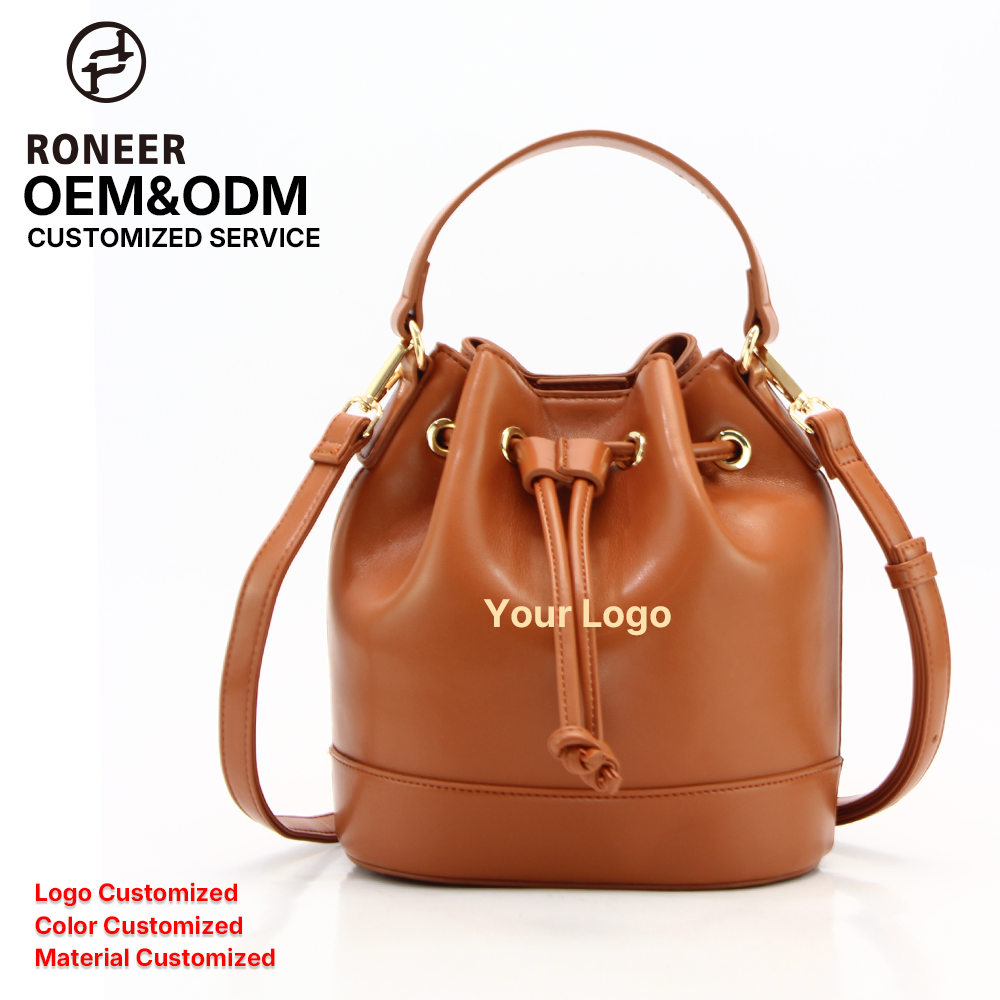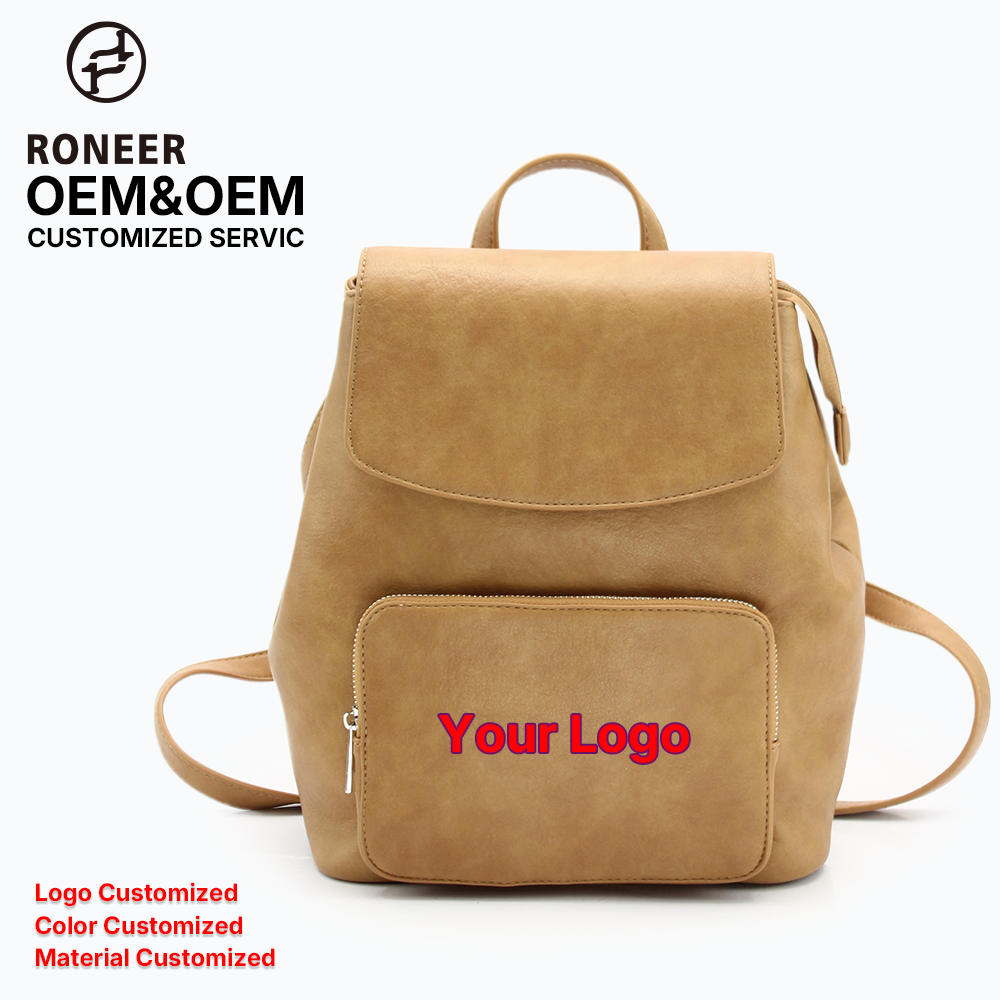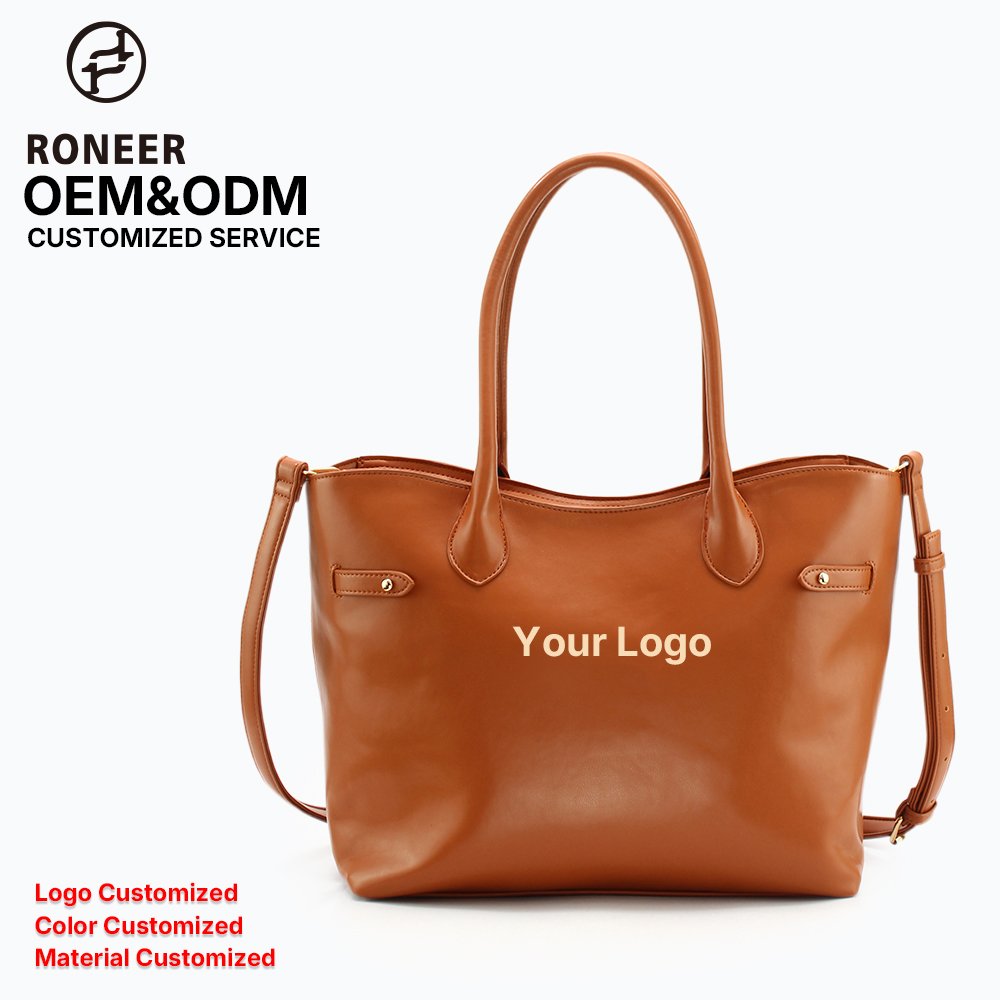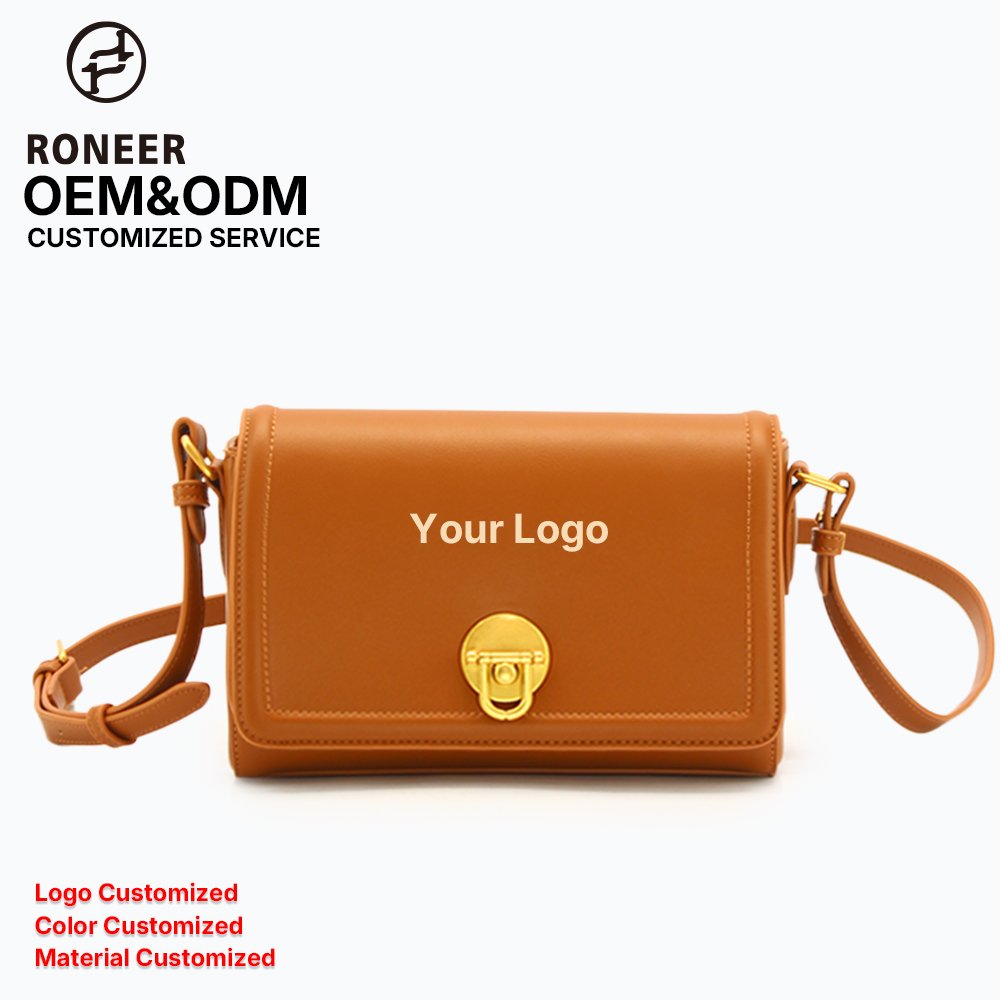




Are you currently looking for an appropriate material for your bag? Are you currently looking for the right material for your bags? There is a wide variety of materials available on the market, ranging from canvas to PU and more. With so many options, you might feel a bit anxious. The material you choose not only affects the appearance and feel of the product, but also its durability, cost, target audience, and brand positioning.
Whether you are launching a new series or optimizing your existing product line, you need to understand the differences between various materials, as this is the first step in creating truly outstanding products.
RONEER, in this article, I will introduce to you the differences between PU and nylon, and how to make a choice between them. Let me start with this.
What Is a Canvas Bag?
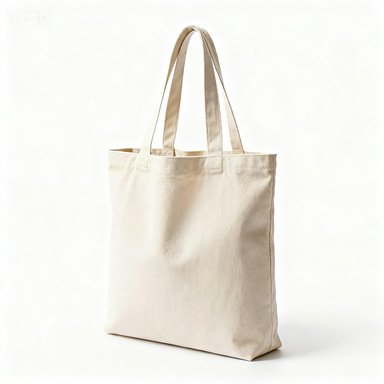
Canvas is a plain-woven fabric, traditionally made from cotton, though modern variants incorporate polyester blends, linen, or treated fibers. The weave structure is what gives canvas its characteristic density and strength. You’re not dealing with a surface treatment or a laminate — the durability is baked into the fabric itself.
Weight is the most important spec to understand when working with canvas. It’s measured in grams per square meter (GSM) or ounces per square yard (oz):
Lightweight canvas (200–250 GSM): Urban totes, foldable shopping bags, cosmetic pouches. Easy to print on, lightweight for end users, and cost-effective for high-volume runs.
Midweight canvas (250–400 GSM): The workhorse category. Everyday backpacks, promotional totes, gym bags. Structured enough to hold shape but not stiff to the point of discomfort.
Heavyweight / Duck canvas (400–800+ GSM): Tool bags, military-inspired gear, premium duffels. This is the material that survives abuse. The weave is tight enough to resist abrasion and puncture in ways that lighter fabrics simply cannot.
Beyond weight, canvas can be treated in several ways that dramatically change its performance. Waxed canvas — infused with paraffin or beeswax — develops a water-repellent surface over time, making it a favorite for outdoor and heritage-style products. PU-coated canvas applies a polyurethane laminate to the back of the fabric, creating a fully waterproof barrier while preserving the natural canvas look on the exterior. Silicone-coated variants offer similar water resistance with a softer hand feel, often used in food-service or medical tote applications.
One thing Canvas does exceptionally well that often gets overlooked: it takes customization beautifully. Screen printing, embroidery, heat transfer, and debossing — canvas accepts all of them with minimal surface prep. The natural fiber provides enough texture for prints to read as intentional rather than simply applied, which matters a great deal in brand-forward products.
Common applications include promotional tote bags, trade show giveaways, retail shopping bags, school backpacks, beach bags, and corporate gifting.
What Is a PU Bag?
PU stands for polyurethane — a synthetic polymer manufactured to mimic the look, texture, and drape of genuine leather at a fraction of the cost. Understanding how PU is constructed helps explain both its strengths and its limitations.
In most bag applications, PU leather consists of a fabric base (typically polyester or nylon) coated with a polyurethane surface layer. The quality of both the base and the coating varies significantly across manufacturers. Low-grade PU uses a thin coating over a flimsy substrate. High-grade PU — sometimes called PU microfiber or vegan leather — uses a denser base with a thicker, more flexible coating that genuinely approaches the feel of genuine leather.
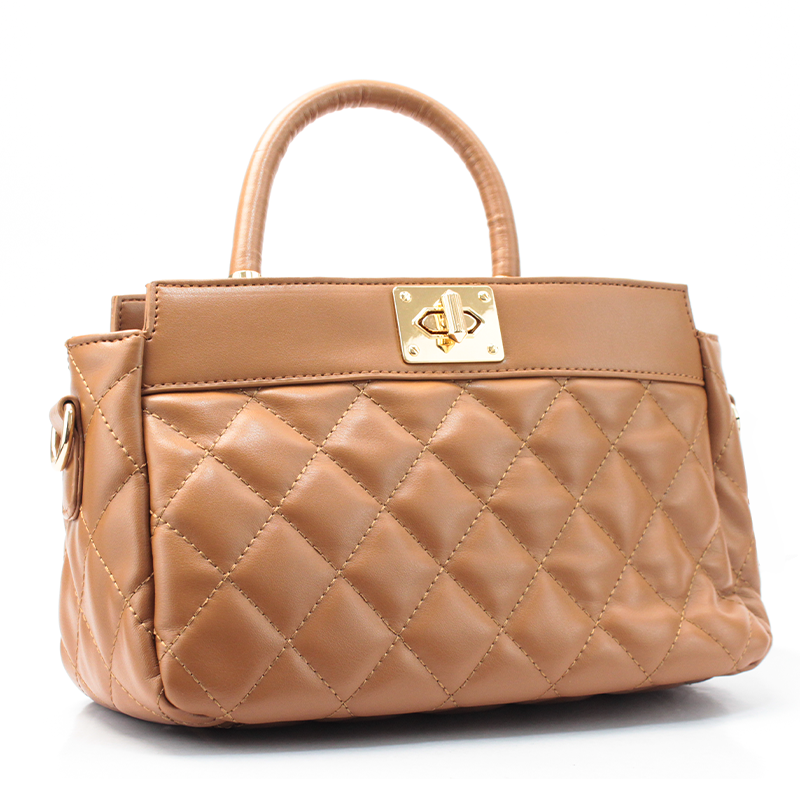
The surface of PU can be finished in multiple ways: smooth and glossy for a patent leather effect, matte for an understated premium look, embossed with grain patterns to simulate full-grain or pebbled leather, or suede-effect for a softer aesthetic. This flexibility makes PU highly adaptable across fashion categories.
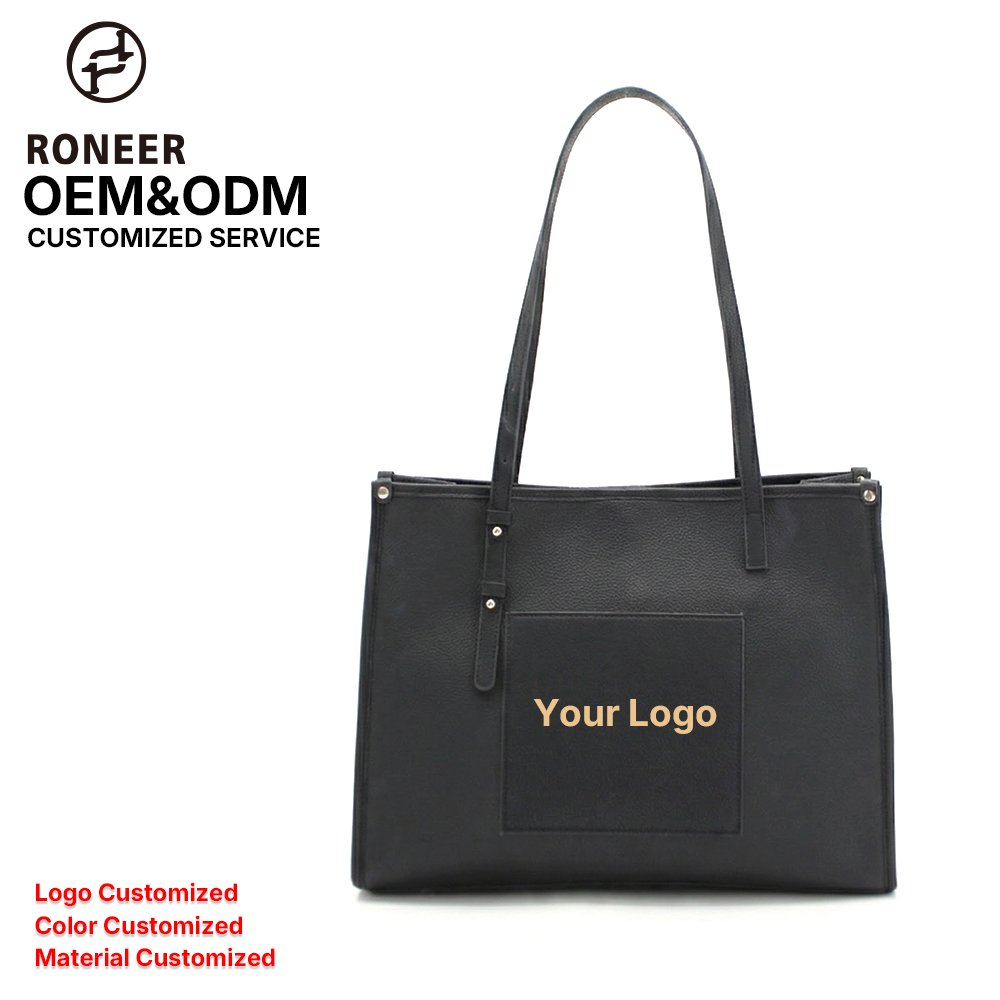
PU bags perform well in fashion handbags, crossbody bags, wallets, clutches, and structured totes where visual sophistication matters more than multi-year durability. The material is inherently water-resistant — liquid sits on the surface rather than absorbing into the fibers — which is a genuine functional advantage over untreated canvas in everyday use.
The trade-off is longevity. PU does not age gracefully. With exposure to heat, UV light, humidity, and friction, the surface layer begins to delaminate, crack, and peel — typically within two to five years of regular use, sometimes sooner depending on quality tier. This isn’t a manufacturing defect. It’s an inherent characteristic of how the material is constructed.
Canvas vs PU Bags: Key Differences
| Dimension | Canvas | PU | Winner |
|---|---|---|---|
| Durability | Very strong, long-lasting | Prone to cracking/peeling | ✅ Canvas |
| Lifespan | 5–10+ years | 2–5 years | ✅ Canvas |
| Water Resistance | Low (unless treated) | Naturally water-resistant | ✅ PU |
| Weight | Heavier | Lightweight | ✅ PU |
| Breathability | Breathable | Non-breathable | ✅ Canvas |
| Customization | Excellent (print & embroidery) | Limited | ✅ Canvas |
| Aesthetic | Casual / natural | Premium / leather-like | 🎯 Depends |
| Eco-Friendly | Strong | Weak | ✅ Canvas |
Pros and Cons of Canvas vs PU Bags
Canvas Bags
Where canvas excels:
Canvas ages well — physically and aesthetically. A well-made canvas bag from five years ago often still looks intentional, even with visible wear. The natural fiber structure is compatible with a wide range of surface treatments, meaning you can take one base material and produce dramatically different product aesthetics depending on finish and construction. Canvas is compatible with standard industrial washing, which matters for certain categories like grocery bags or produce totes. From a production standpoint, canvas is relatively forgiving to cut and sew — it’s a stable fabric that behaves predictably at the machine.
Where canvas has limits:
Untreated cotton canvas absorbs moisture readily. In humid storage conditions or prolonged wet exposure, untreated canvas can develop mildew, weaken at seam points, and shrink. This isn’t a problem for treated or blended canvas, but it requires careful specification when placing orders. Canvas bags are also heavier than PU alternatives at the same dimensions, which affects per-unit shipping costs at scale. And visually, canvas carries an inherently casual register — even premium canvas bags read as more relaxed than structured PU fashion bags.
PU Bags
Where PU excels:
PU delivers a premium visual in a way canvas cannot match at comparable price points. A well-finished PU bag with metal hardware reads as a fashion accessory rather than a functional carry item. The surface is easy to wipe clean, resistant to most everyday spills, and consistent in color and texture across a production run — which simplifies quality control significantly. For brands that need a leather-look product without the ethical or cost complications of genuine leather, PU is the practical answer.
Where PU has limits:
The lifespan ceiling on PU is real and worth being direct about. Even good-quality PU will show surface degradation within a few years under normal use. If your brand positioning relies on products that age well or carry a long-term durability narrative, PU creates a credibility problem down the line. PU also carries environmental concerns — the production process involves chemical compounds, and most PU is not easily recyclable at end of life. As more markets implement extended producer responsibility regulations, this matters operationally, not just reputationally.

Which Material Is Better for Different Uses?
For Promotional Bags
Canvas is the default for high-volume promotional bags, and the reasoning is sound. The material screen-prints in large runs at consistent quality. Natural cotton canvas carries an implicit eco-friendly association that brands use actively in their marketing. Canvas bags are reusable in a way that feels genuine rather than forced — end users actually keep and use them, which extends impressions-per-bag dramatically compared to disposable alternatives.
The most common spec for promotional canvas totes runs between 10 oz and 12 oz cotton canvas with a flat-bottom gusset and reinforced handles. This configuration holds its shape with moderate loads, survives machine washing, and prints cleanly. If you’re producing for trade shows, retail open houses, or brand gifting programs, this is typically the right starting point.
PU bags can work in promotional contexts when the brand is positioning toward a premium audience — executive-level corporate gifts, for instance, or high-end retail shopping bags. But PU’s durability limitations mean the perceived value diminishes faster than canvas, which can undercut the brand impression you’re investing in.
For Retail and Fashion Brands
Here the answer depends heavily on price tier and brand identity.
For contemporary fashion brands selling handbags and structured totes at accessible price points, PU is functionally the right choice. It delivers the leather aesthetic that the market expects at a price point that allows healthy margins. The key is being deliberate about which PU grade you specify — the difference between low-grade and premium PU leather is dramatic in terms of how long the product maintains its appearance, and your return rate will reflect that spec decision.
For lifestyle and streetwear brands, canvas actually serves the fashion market extremely well. The heritage associations of heavy duck canvas, the customization depth of printed or embroidered canvas, and the authenticity narrative all translate into genuine product value at retail. Canvas bags in fashion contexts work best when they lean into the material’s inherent character rather than trying to approximate more expensive materials.
For Eco-Focused Brands
Canvas is the clearer choice, though with important nuance. Organic cotton canvas carries genuine sustainability credentials — certifications like GOTS (Global Organic Textile Standard) and OEKO-TEX provide third-party verification that matters to both consumers and retail partners. Recycled cotton and recycled polyester canvas blends offer a compelling material story for brands prioritizing post-consumer waste reduction.
The sustainability case for PU is more complicated. Conventional PU is petroleum-derived, and its end-of-life recyclability is limited. Bio-based PU variants — made from plant-derived polyols — are becoming more available at production scale, and some recycled PU products use post-industrial waste as feedstock. If sustainability is central to your brand positioning and PU is necessary for product or market reasons, specifying recycled or bio-based PU is worth the conversation with your supplier.
For Premium vs Budget Positioning
Neither material maps cleanly to a single price tier, and understanding this is important for making good sourcing decisions.
Premium canvas — heavyweight, waxed, constructed with full-grain leather trim and solid brass hardware — is a legitimate premium product. It commands a price point comparable to entry-level genuine leather goods, and it’s backed by a durability narrative that the price supports. Budget canvas at lightweight grades with minimal construction is the opposite end of the spectrum entirely.
Premium PU similarly spans a wide range. High-grade microfiber PU with thick backing, detailed embossing, and quality hardware construction looks and feels significantly different from basic PU at commodity price points. If you’re specifying PU for a premium product, the grade of the material matters more than almost any other production variable.
The key insight: material name alone doesn’t determine perceived value. Execution does. A beautifully finished canvas bag with thoughtful hardware and clean construction can hold its own against PU products at higher price points. And a well-specified PU product can deliver genuine value at a price point that canvas, with its material costs and weight, cannot.
Cost Comparison: Canvas vs PU Bags
Direct material costs vary considerably based on grade, origin, certifications, and order volume, so treat the following as directional rather than prescriptive.
Cotton canvas at commodity grades (10–12 oz, standard weave, no treatment) is one of the most cost-effective materials in the bag industry at production quantities. Organic-certified or specialty-treated canvas adds meaningful cost — sometimes 30–60% above standard — but the certification supports premium pricing at retail that more than compensates.
PU leather spans a wider cost range than canvas because quality variation is more dramatic. Entry-level PU on thin polyester backing can come in below basic canvas per meter. Premium PU — thick, flexible, with detailed grain embossing — is substantially more expensive and may approach the cost of split-grain genuine leather.
The real cost story, though, isn’t the material price per meter. It’s cost-per-unit modeled across the full product lifecycle: cut-and-sew complexity, hardware, finishing, and — critically — returns and warranty costs.
Canvas bags generate fewer returns related to material failure because of their durability profile. PU bags at lower quality tiers generate more returns over time as surface degradation issues surface. When you model total product cost including post-sale service, the gap between canvas and budget PU often closes considerably. That math is worth running before you make a spec decision based on material cost alone.
Lead times and minimum order quantities factor in as well. Standard canvas products have broad supplier availability and predictable lead times. Certified or specialty canvas may require longer planning and higher minimums. PU sourcing is similarly variable — commodity PU from established production hubs is widely available, while bio-based or certified sustainable PU may require more lead time and supplier development.
Sustainability: Which One Is More Eco-Friendly?
This question deserves genuine engagement rather than a marketing-friendly shortcut, because the sustainability picture for both materials is more complex than it’s usually presented.
The case for canvas: Natural cotton canvas is biodegradable, produced from a renewable crop, and can carry meaningful third-party certifications. Cotton cultivation does require significant water inputs and, in conventional production, substantial chemical inputs as well — organic cotton addresses this, but at higher cost. A canvas bag that’s genuinely used for five or ten years and then composted at end of life has a favorable environmental profile. The caveat is that lifecycle analysis matters: a canvas bag that sits unused represents a significant resource investment for very little functional return.
The honest assessment of PU: Conventional PU is synthesized from petrochemical feedstocks using processes that generate chemical waste. It does not biodegrade in any meaningful timeframe, and most municipal recycling infrastructure cannot process it. When PU bags delaminate through normal wear, they can shed microplastic particles that enter soil and water systems. These are real environmental costs that don’t always appear in simple material comparisons.
Where the picture evolves: Bio-based polyurethane — using polyols derived from corn, sugarcane, or castor oil rather than petroleum — represents genuine progress in the material science. Recycled PU, produced using post-industrial waste, reduces virgin material demand meaningfully. Neither is yet mainstream at commodity scale, but both are increasingly available from suppliers who invest in material transparency.
For brands making meaningful sustainability claims, the honest approach is to audit the full supply chain — material origin, certifications, production processes, and end-of-life scenarios — rather than defaulting to a “natural equals good” framing. The story is more nuanced than that, and sophisticated retail partners and consumers increasingly know it.

How to Choose the Right Bag Material for Your Business
The decision framework is more straightforward than it might appear when you map it against your actual business requirements.
- Start with your brand identity and market position. If your brand is built around durability, authenticity, and long-term value, canvas is the natural material fit. If your brand is built around fashion-forward aesthetics, accessible luxury, and trend responsiveness, PU gives you more visual flexibility at the right price point. These aren’t absolute rules — but misaligning your material choice with your brand narrative creates friction throughout the entire product lifecycle.
- Clarify the use case before specifying material. A promotional tote that needs to survive one trade show and then serve as a grocery bag for five years has entirely different performance requirements than a fashion handbag meant to anchor a seasonal collection. Canvas handles the former better. PU handles the latter better.
- Be specific about the quality tier. “Canvas” can mean 6 oz unfinished cotton or 16 oz waxed duck with reinforced stitching — they’re both technically canvas but they’re not remotely the same product. “PU” can mean budget polyester-backed laminate or premium microfiber construction. Specify GSM, treatment, certification requirements, and base fabric clearly in your product brief. Request samples at the specified grade before committing to production quantities.
- Model total cost, not just material cost. If your target customer expects a product to last two to three years, specifying a material that shows failure at eighteen months creates warranty costs, negative reviews, and reorder friction. The slightly more expensive material option is often the better business decision when you account for the full product lifecycle and downstream service costs.
- Consider your supply chain’s actual capabilities. A supplier with deep expertise in canvas production — strong quality control processes, established testing protocols, experienced cut-and-sew teams — brings real value to execution. Don’t switch materials casually without verifying that your supply chain has equivalent capability in the new material category.
- Factor in regulatory and certification requirements for your target markets. If you’re selling into markets with specific chemical safety requirements (REACH in the EU, CPSC in the US, or OEKO-TEX as a retail partner requirement), verify that your chosen material and any treatments or hardware can be produced to those standards before committing to development. PU production in particular involves chemical compounds that may require specific certifications for market access in regulated retail channels.
Conclusion
The choice of canvas and PU materials ultimately depends on your product goals and brand direction – canvas excels in durability, sustainability, and customization, while PU materials offer a more refined and fashionable appearance at a more competitive price. The key lies in matching the materials with your target market, usage scenarios, and price positioning, so as to create a product that truly resonates with people.
If you are looking for a reliable production partner, RONEER would be the ideal choice. With our extensive experience in luggage production, stable quality control, and flexible customization capabilities, RONEER consistently delivers high-quality products and reliable delivery, helping you turn your design concepts into reality and supporting your business growth in the global market. Take action now!