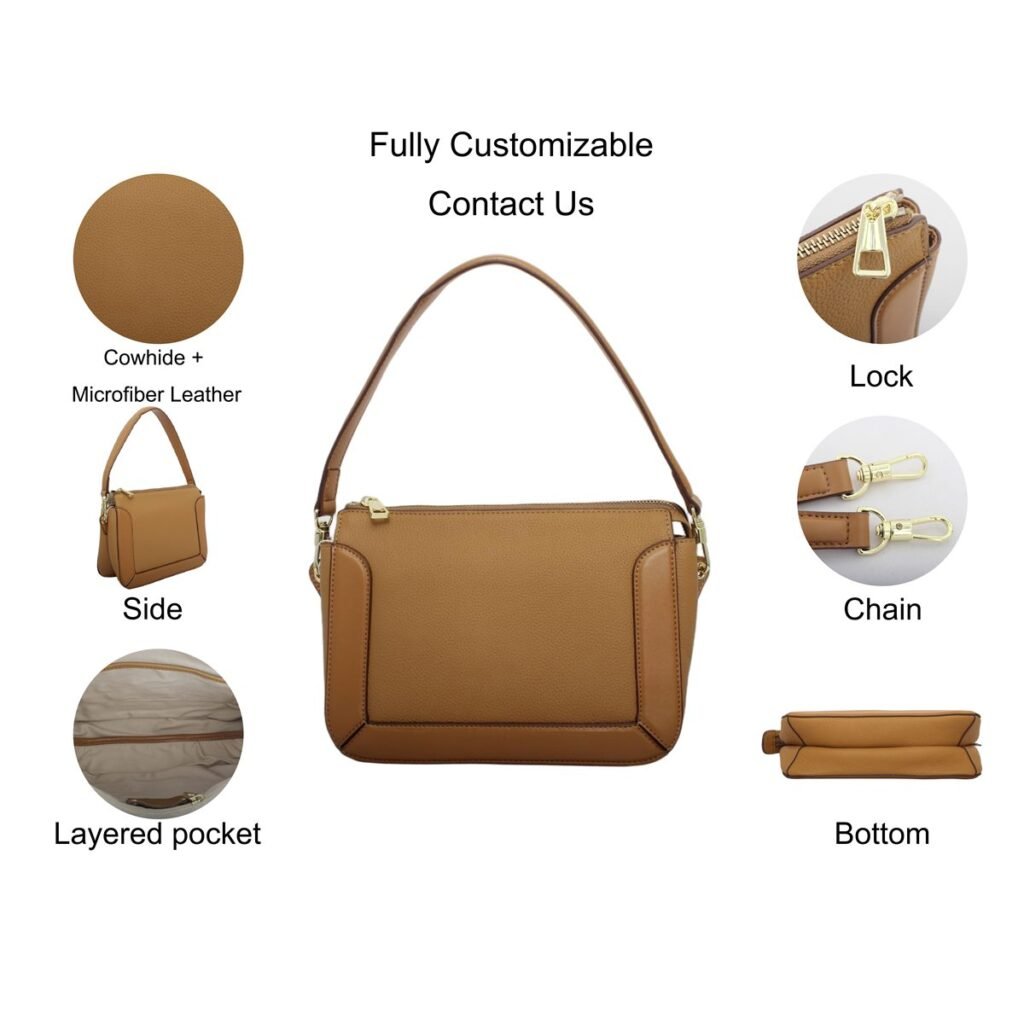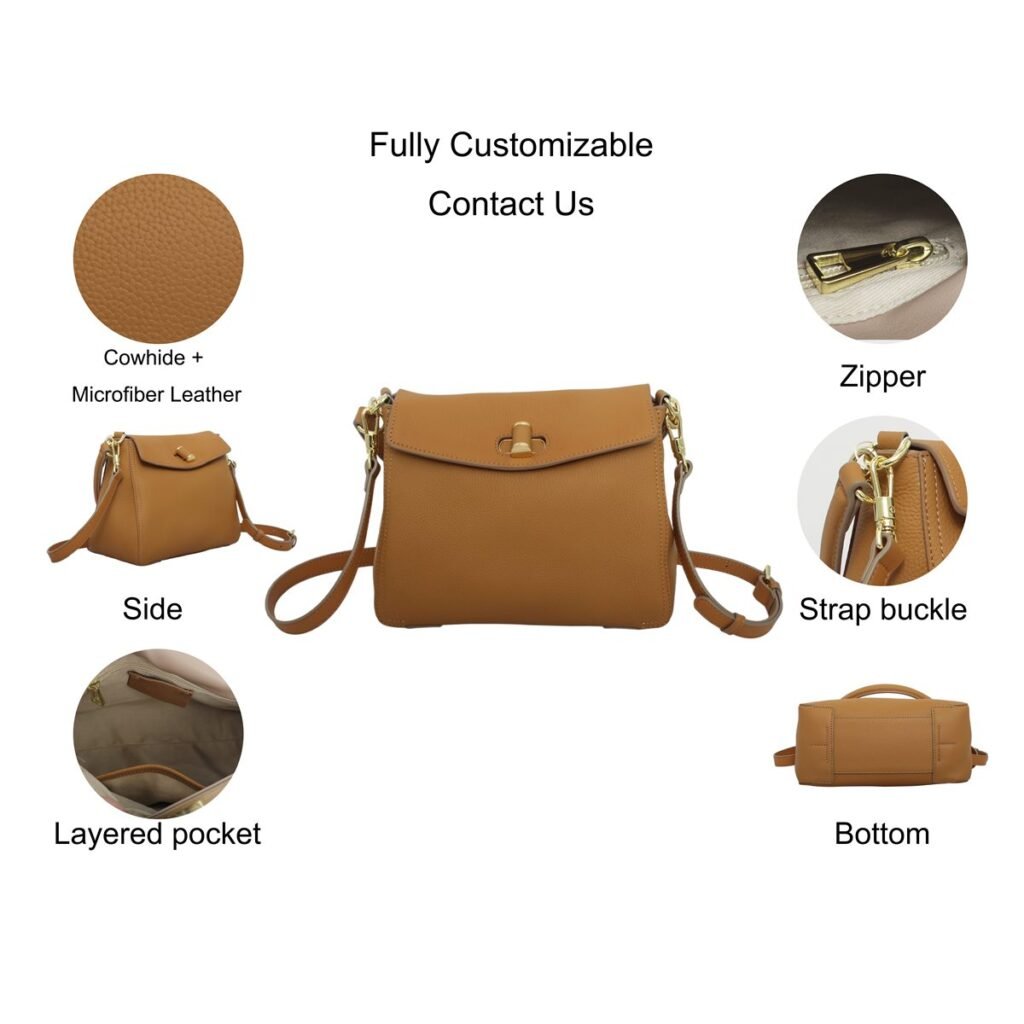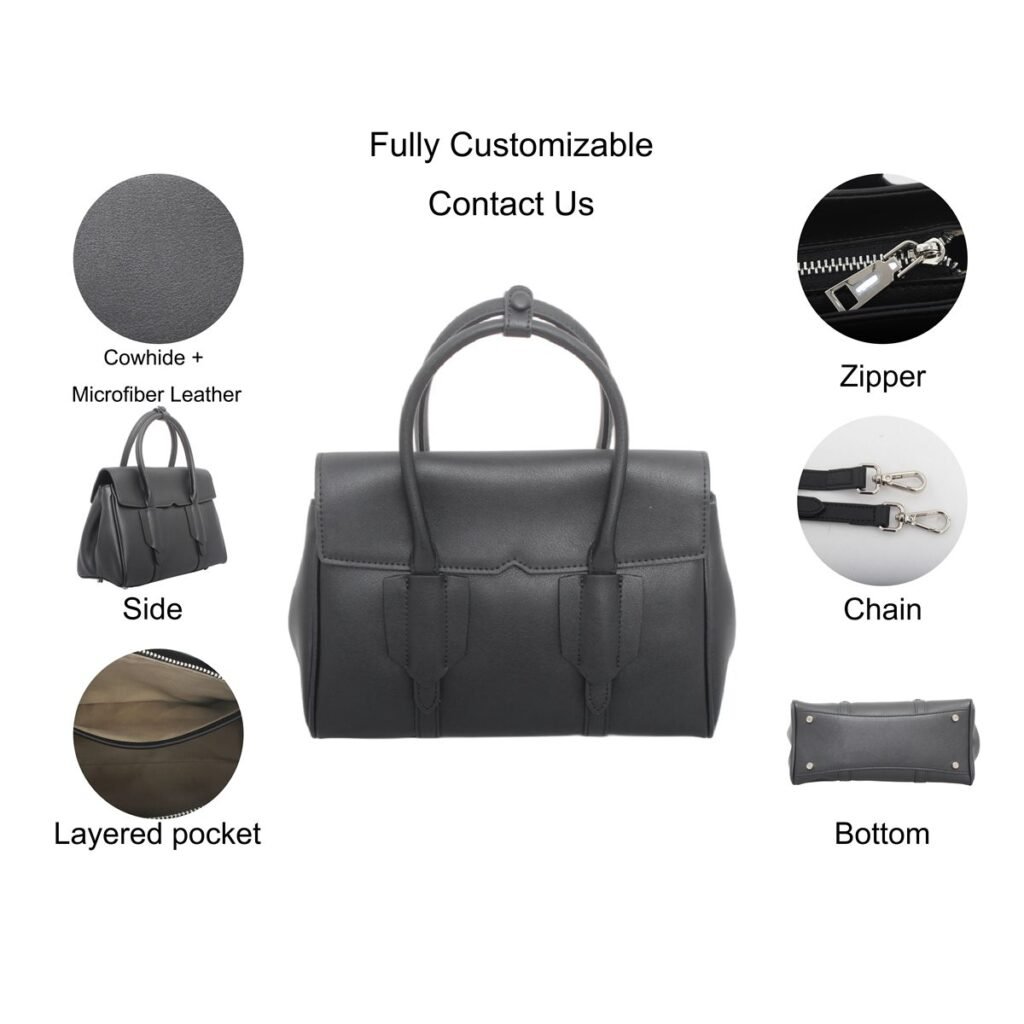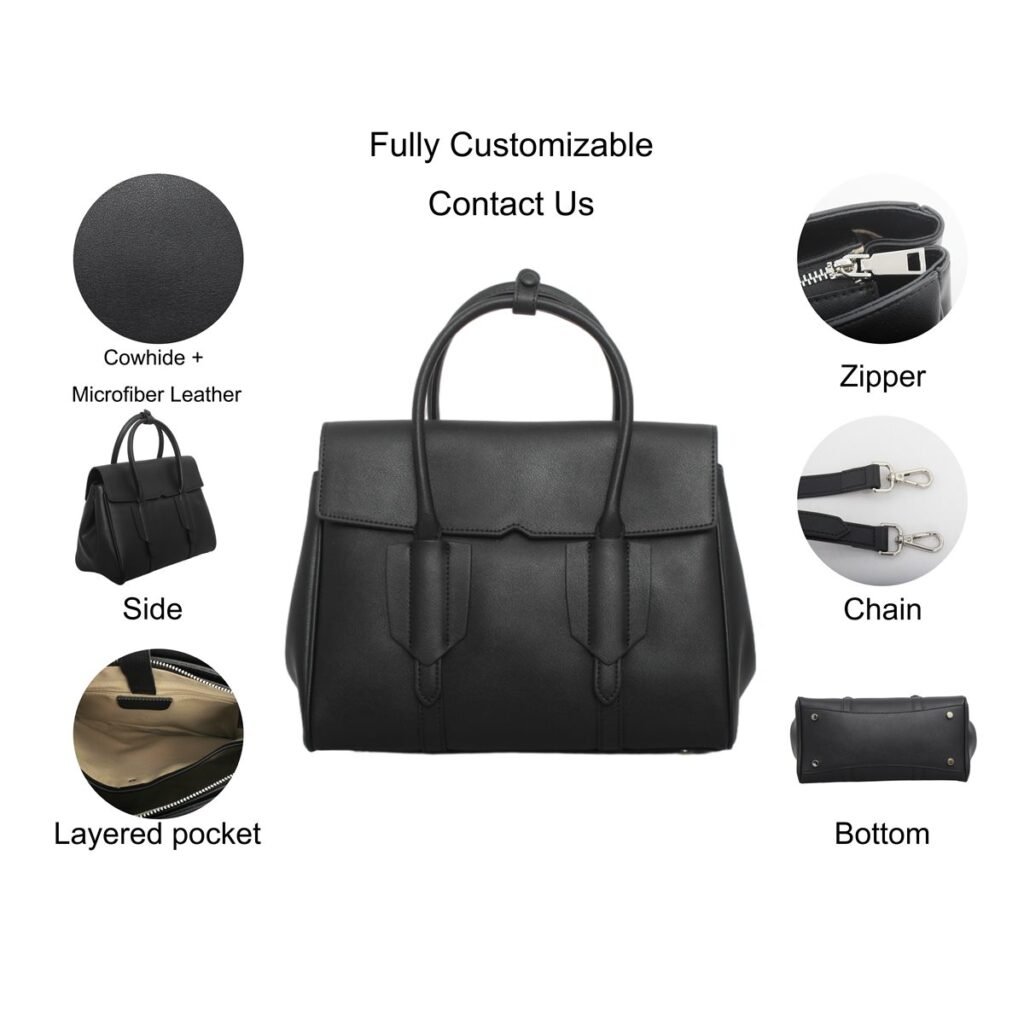









Understanding the main types of handbags is important for brands, wholesalers, retailers, fashion labels, e-commerce sellers, and corporate buyers planning a custom handbag collection. A handbag is not only a fashion accessory. It is also a product that must match user habits, price positioning, material performance, logo presentation, production cost, and market demand.
For B2B buyers, choosing the right handbag style affects more than appearance. It influences material usage, MOQ, sample development time, packaging, retail price, quality control standards, and bulk production efficiency. A tote bag, crossbody bag, clutch bag, and bucket bag may all belong to the handbag category, but each one serves a different customer group and requires different manufacturing decisions.
This guide explains the most common types of handbags from a sourcing and manufacturing perspective. It is designed for buyers who need private label handbags, custom logo handbags, wholesale handbags, OEM/ODM handbag production, and market-ready handbag collections.
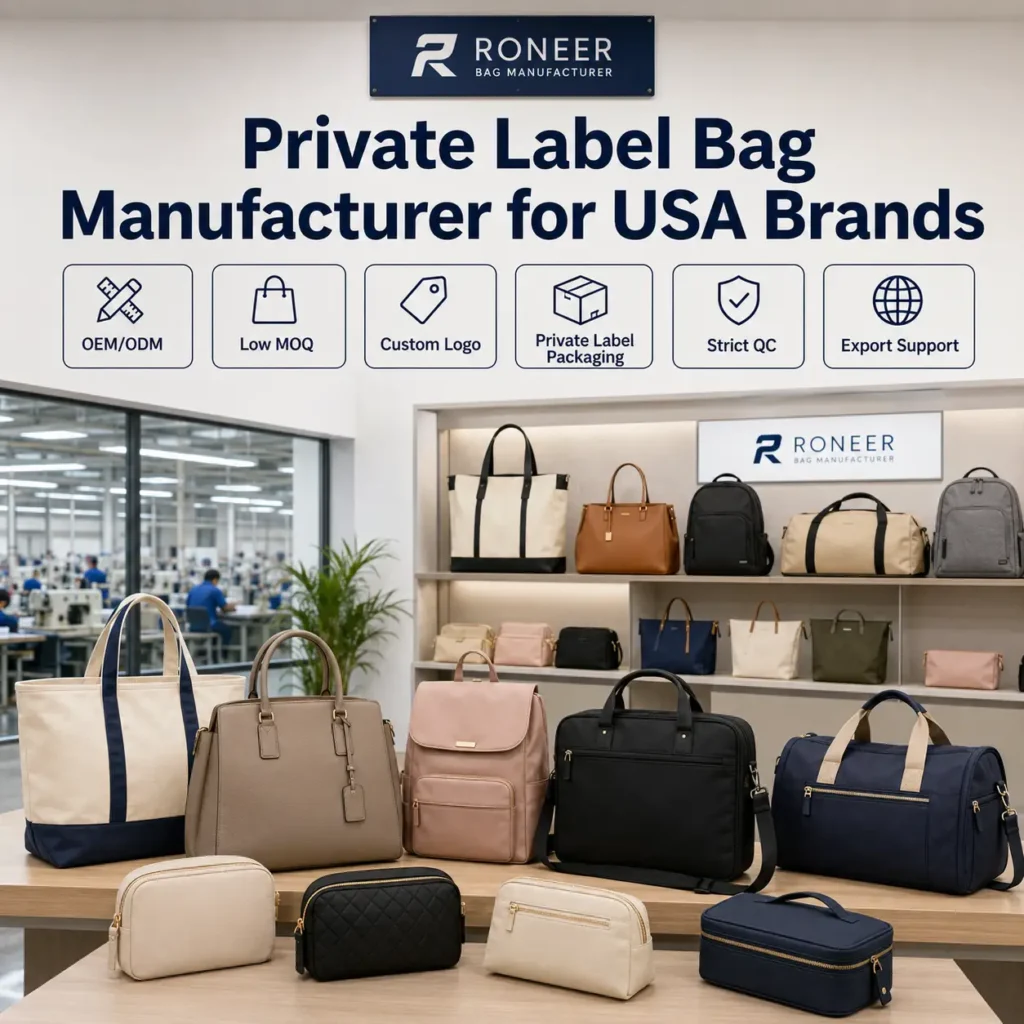
If you are developing a handbag line and need factory-direct production support, RONEER provides custom handbag manufacturer services with OEM/ODM support, material selection, logo customization, sample development, MOQ planning, quality control, and export packaging.
What Are the Main Types of Handbags?
The main types of handbags include tote bags, shoulder bags, crossbody bags, satchel bags, hobo bags, clutch bags, mini bags, bucket bags, backpack handbags, wallet bags, cosmetic pouches, and business handbags. Each handbag type has a different structure, user scenario, material requirement, and brand positioning.
For example, tote bags are suitable for daily use, shopping, work, and large-capacity collections. Crossbody bags are popular for hands-free carrying and casual fashion markets. Clutch bags are often used for evening wear, events, weddings, and premium gift collections. Mini bags are more trend-driven and suitable for fashion brands testing seasonal designs.

A professional handbag factory should help buyers understand which handbag style fits their target customer, sales channel, order quantity, and target price.
Why Handbag Style Selection Matters for Brands
Choosing the right types of handbags is a business decision, not only a design decision.
E-commerce brands often need trend-focused handbag styles that are easy to photograph, easy to ship, and attractive in online listings. Mini bags, crossbody bags, and shoulder bags are common choices because they can be updated with colors, textures, hardware, and logo details.
Wholesale buyers usually care about stable demand, repeat orders, and broad market acceptance. Tote bags, shoulder bags, satchel bags, and wallet bags are often suitable because they cover daily use and multiple customer groups.
Startup brands need lower-risk handbag styles for market testing. A simple crossbody bag, tote bag, or cosmetic pouch can help them test color, material, logo, and price before expanding into more complex designs.
Corporate buyers may need handbags or pouches for promotional gifts, events, loyalty programs, or branded merchandise. Their priority is usually logo visibility, cost control, packaging, and delivery schedule.
Fashion brands may need ODM support for seasonal silhouettes, unique hardware, material combinations, and refined details. They need a manufacturer that understands both style development and bulk production feasibility.
1. Tote Bags
Tote bags are one of the most practical and commercially stable types of handbags. They usually feature a large opening, two handles, and generous storage capacity. Tote bags are widely used for work, shopping, travel, daily commuting, and lifestyle collections.
For brands, tote bags are attractive because they can be produced in many materials, including PU leather, genuine leather, canvas, nylon, polyester, vegan leather, microfiber leather, and recycled material options. The structure can be simple for cost control or more refined for premium private label collections.
Common custom options include inner pockets, zipper closure, magnetic closure, lining, metal feet, detachable straps, logo embossing, metal logo plates, woven labels, hang tags, and custom packaging.
Tote bags are suitable for wholesale buyers, fashion brands, corporate gifting, and e-commerce sellers because they have broad market demand and strong daily-use value.
2. Shoulder Bags
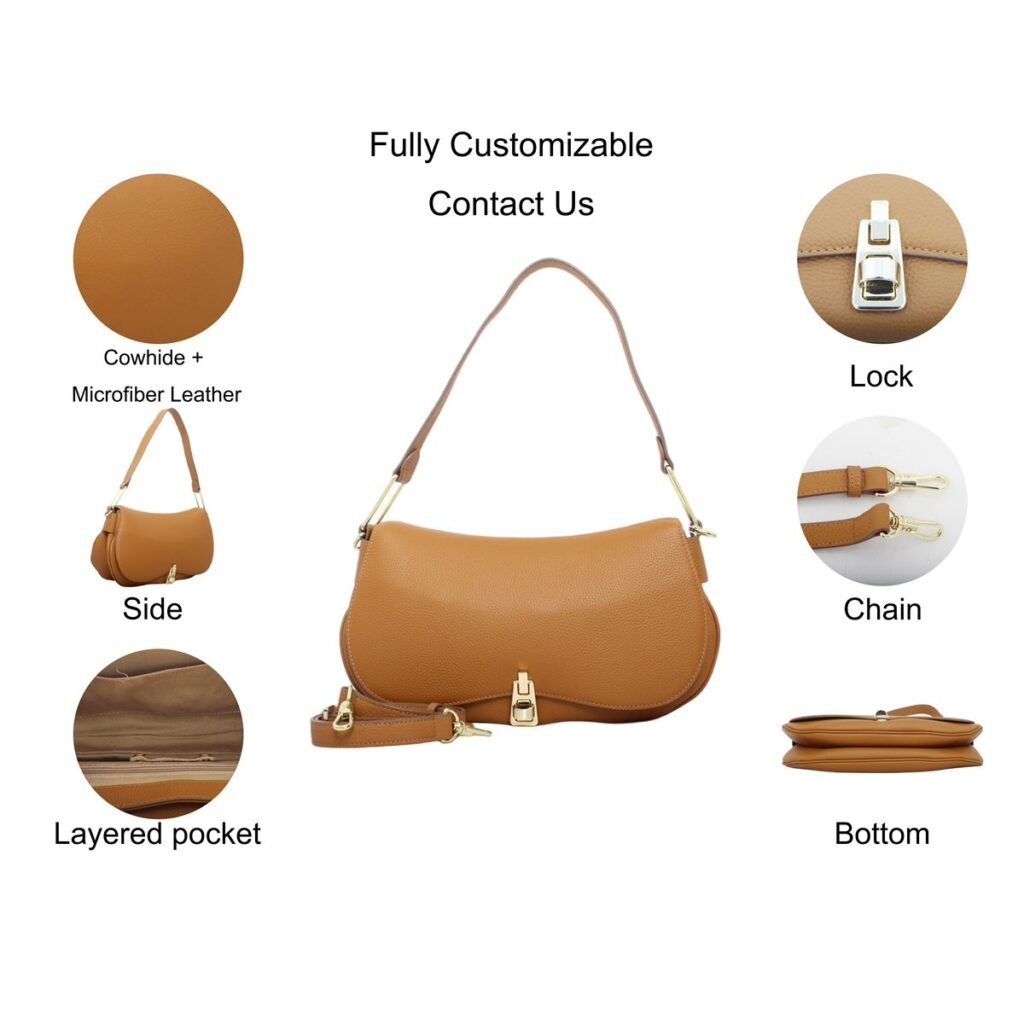
Shoulder bags are classic handbag styles designed to be carried over one shoulder. They can be structured, soft, casual, premium, minimal, or fashion-driven depending on material and hardware choices.
Among different types of handbags, shoulder bags are especially popular for women’s fashion collections because they balance functionality and style. They can be designed as small daily bags, medium-capacity bags, or premium leather handbags.
Manufacturing details matter in shoulder bag production. Buyers should pay attention to strap width, strap length, handle reinforcement, zipper smoothness, lining quality, edge finishing, and hardware plating.
For private label brands, shoulder bags offer strong logo opportunities, including debossed logos, metal logo plates, custom zipper pullers, and branded lining.
3. Crossbody Bags
Crossbody bags are designed with a long strap that allows users to wear the bag across the body. They are one of the most popular types of handbags for casual, travel, streetwear, and daily-use markets.
The key value of crossbody bags is convenience. They allow hands-free carrying and can be designed for different customer groups, from fashion shoppers to travelers and commuters.
For custom crossbody bag production, buyers should consider strap adjustability, buckle strength, zipper quality, bag weight, internal pocket layout, and mobile phone storage. A poorly designed strap or weak attachment point can create quality problems after daily use.
Crossbody bags can be made with PU leather, genuine leather, nylon, canvas, polyester, microfiber leather, or mixed materials. Logo methods can include embroidery, woven labels, rubber patches, debossing, printing, and metal logos.
For brands looking for factory-direct customization across multiple categories, RONEER’s custom bag manufacturing support can help develop handbags, backpacks, travel bags, cosmetic bags, outdoor bags, and private label bag collections.
4. Satchel Bags
Satchel bags are usually structured handbags with a top handle and often a detachable shoulder strap. They are suitable for business, office, daily fashion, and semi-formal markets.
Among the main types of handbags, satchel bags often require more careful structure development because they need to hold shape. Material thickness, lining stiffness, bottom reinforcement, handle attachment, and hardware quality all affect the final product.
Satchel bags are suitable for brands targeting a more refined, professional, or premium customer group. They can be produced with genuine leather, PU leather, microfiber leather, or structured synthetic materials.
For B2B buyers, satchel bags may require more sample revisions than simple tote bags because proportion, handle height, flap structure, and closure design must be carefully balanced.
5. Hobo Bags
Hobo bags are soft, relaxed handbags with a curved shape and slouchy structure. They are often used in casual fashion, lifestyle collections, and soft leather handbag lines.
This type of handbag usually requires flexible materials, such as soft PU leather, genuine leather, microfiber leather, or fabric-based materials. If the material is too stiff, the hobo shape may not drape naturally. If the material is too weak, the bag may lose structure too quickly.
For brands, hobo bags can create a relaxed and fashionable look. However, buyers should confirm handle reinforcement, lining strength, zipper quality, and internal pocket structure before bulk production.
6. Clutch Bags
Clutch bags are small handbags usually carried by hand. They are common in evening wear, events, weddings, formal occasions, gift collections, and fashion accessories.
Compared with other types of handbags, clutch bags usually use less material but require careful finishing. Logo placement, edge quality, closure alignment, hardware color, and surface texture are important because the product is often viewed up close.
Common customization options include metal frame closures, magnetic snaps, chain straps, embossed logos, printed logos, metal logo plates, satin lining, and gift packaging.
Clutch bags are suitable for fashion brands, event brands, wedding-related businesses, and promotional buyers looking for premium small accessories.
7. Mini Bags
Mini bags are trend-driven handbag styles with small capacity and strong fashion appeal. They are often used by fashion brands, influencer-driven labels, and seasonal collections.
Mini bags are attractive because they can be developed in many shapes, colors, textures, and logo styles. However, buyers should understand that small bags still require careful manufacturing control. Zipper length, hardware proportion, strap width, internal space, and logo size must be balanced.
For e-commerce brands, mini bags can be useful for testing new designs with lower material usage. For fashion brands, they can help expand a collection without committing to large functional handbags.
8. Bucket Bags
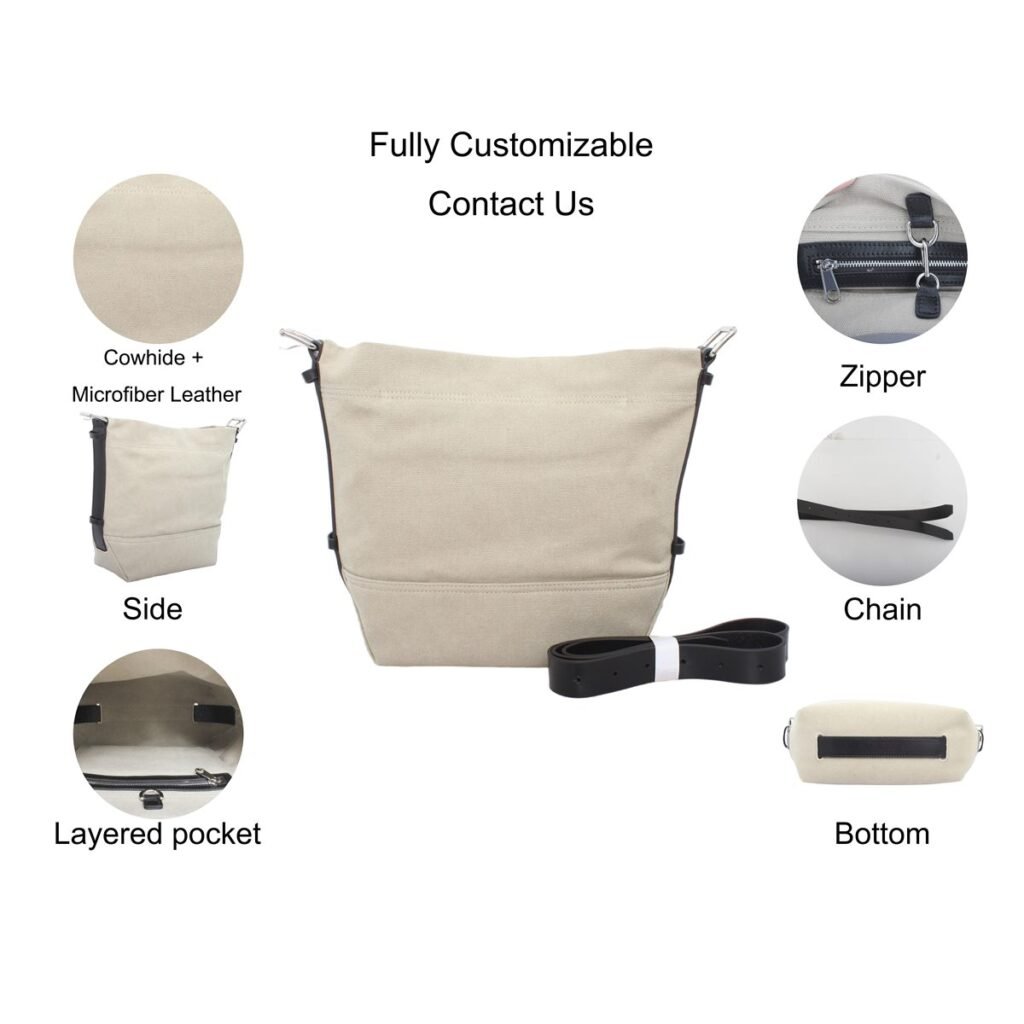
Bucket bags have a rounded or cylindrical shape and usually include a drawstring or magnetic closure. They are one of the more recognizable types of handbags because of their unique silhouette.
Bucket bags are suitable for casual fashion, lifestyle brands, and private label collections. They can be made from PU leather, genuine leather, canvas, nylon, or mixed materials.
Buyers should pay attention to drawstring quality, opening structure, bottom reinforcement, lining attachment, and strap strength. The bag should look attractive while still being easy to open, close, and carry.
Bucket bags are a good option for brands that want a distinctive handbag style without developing a highly complex structure.
9. Backpack Handbags
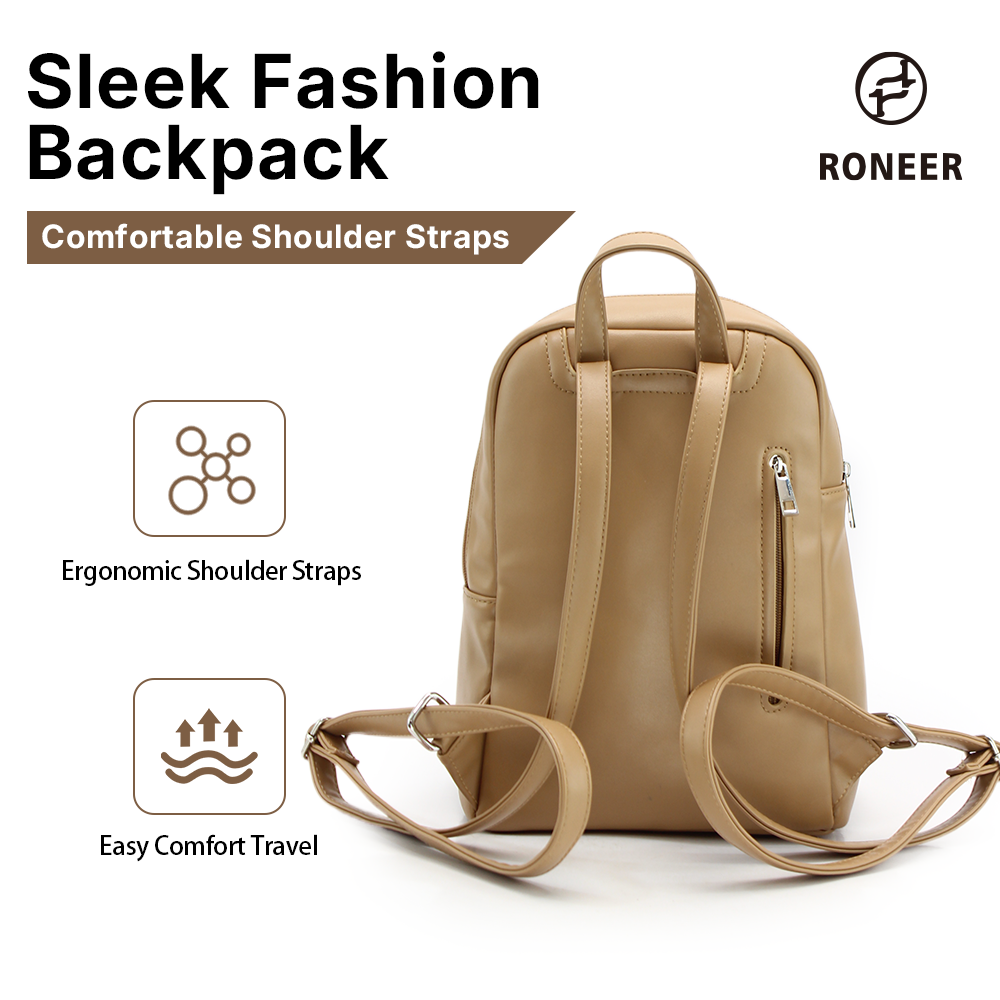
Backpack handbags combine handbag styling with backpack function. They are especially suitable for commuters, students, travelers, and customers who want both fashion and practicality.
This category connects handbag and backpack manufacturing. It requires attention to shoulder strap comfort, back panel structure, zipper position, anti-theft pockets, handle reinforcement, and internal storage.
For buyers sourcing both backpacks and handbags, this style can help connect different product lines. RONEER also provides wholesale backpack supplier services for brands needing custom backpacks, laptop backpacks, school backpacks, travel backpacks, outdoor backpacks, and promotional backpacks.
10. Wallet Bags
Wallet bags are compact bags that combine wallet storage with small crossbody or wristlet functionality. They are commonly used for mobile phones, cards, cash, keys, and small essentials.
Wallet bags are suitable for fashion accessories, travel accessories, gift programs, and private label collections. They can be developed with PU leather, genuine leather, microfiber leather, vegan leather, or fabric materials.
Production details include card slot accuracy, zipper smoothness, snap button quality, strap attachment, edge finishing, and logo placement.
For brands, wallet bags can be a useful add-on product because they are smaller, easier to package, and suitable for cross-selling with handbags or travel bags.
11. Cosmetic Pouches
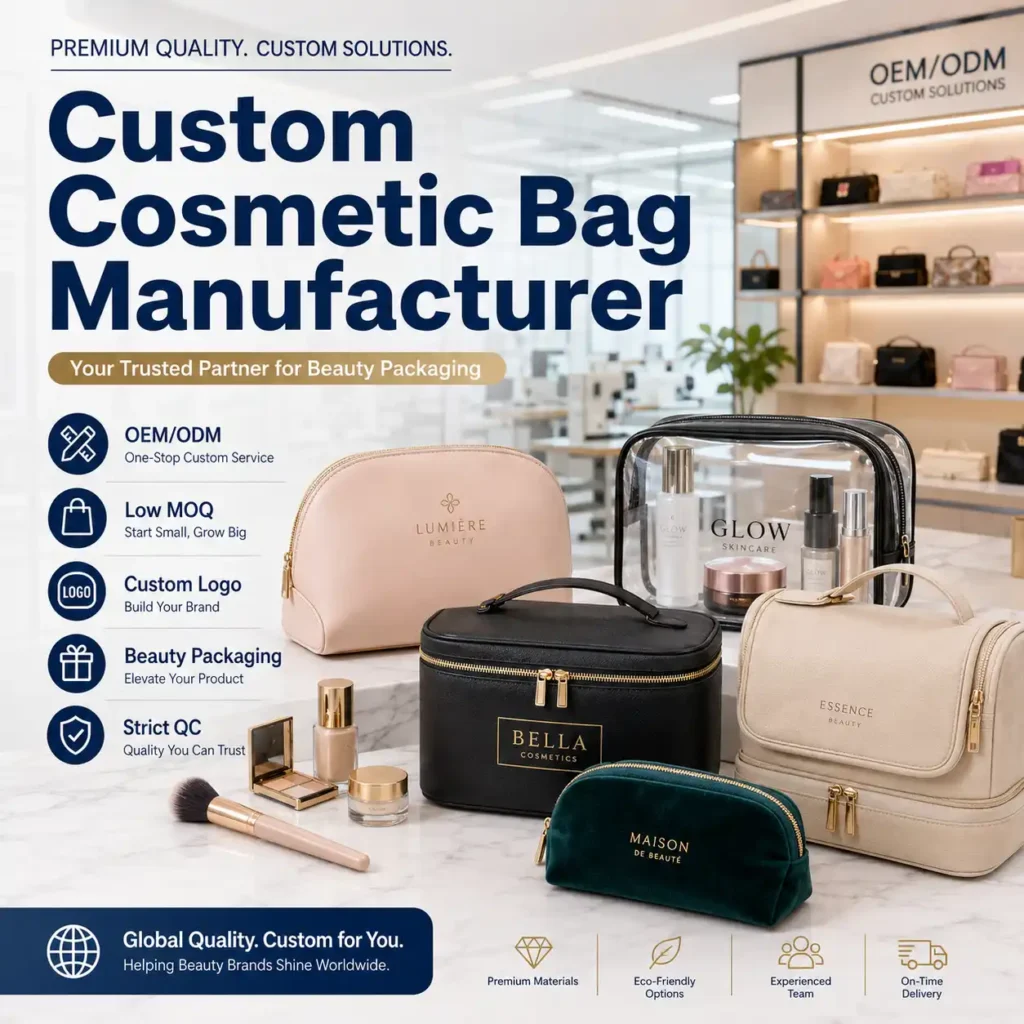
Cosmetic pouches are not always considered traditional handbags, but they are closely related to handbag collections. Many brands add cosmetic pouches, makeup bags, or small organizer pouches to complete their product range.
Cosmetic pouches are suitable for beauty brands, travel brands, promotional programs, fashion labels, and gift sets. They can be made with PU leather, nylon, polyester, transparent TPU, canvas, or recycled materials.
For custom production, buyers should consider waterproof lining, zipper quality, easy-clean materials, internal compartments, logo printing, and packaging.
Cosmetic pouches can help brands increase average order value and create matching sets with tote bags, handbags, or travel bags.
12. Business Handbags
Business handbags are designed for office, professional, and work-related use. They often need to carry documents, tablets, laptops, notebooks, wallets, and daily essentials.
This type of handbag requires a balance of style and structure. Materials should look professional while providing enough durability. Common features include padded compartments, document pockets, metal feet, reinforced handles, zipper closures, and organized interiors.
Business handbags are suitable for corporate buyers, professional fashion brands, retail stores, and private label collections targeting working customers.
For buyers, the key manufacturing concerns are structure, handle strength, internal organization, hardware quality, and long-term durability.
Material Selection for Different Types of Handbags
Material selection should match the handbag type, target market, price level, and user scenario. A professional custom handbag manufacturer should recommend materials based on real production experience, not only appearance.
PU leather is widely used for fashion handbags because it offers stable color, flexible texture, and cost control. Genuine leather is suitable for premium handbags, business bags, and long-lasting collections. Microfiber leather can offer better consistency and performance for structured handbag designs. Canvas and nylon are suitable for casual, travel, and lightweight handbag styles.

For buyers considering responsible materials, external standards and organizations such as OEKO-TEX can help buyers understand textile and material testing frameworks. Buyers should request valid material documents when sustainability or chemical safety claims are important.
Logo Customization for Handbag Collections
Logo customization plays an important role in private label handbag development. Different types of handbags require different logo methods.
Debossing and embossing are common for leather and PU leather handbags. Metal logo plates work well for premium fashion bags. Woven labels and printed logos are suitable for casual fabric bags. Zipper puller branding, hang tags, and custom packaging can help create a more complete brand presentation.

For higher-end handbag projects, hardware quality is important. Buyers may specify recognized suppliers such as منتجات التثبيت YKK for zippers when smoother performance and stronger reliability are required.
Before bulk production, buyers should confirm logo size, position, color, pressure, material compatibility, and final appearance through real samples or pre-production samples.
MOQ, Sampling, and Bulk Production Planning
MOQ for different types of handbags depends on style complexity, material availability, color requirements, logo process, hardware, lining, packaging, and order quantity.
Simple pouches, tote bags, and small crossbody bags may be easier to start with flexible MOQ if standard materials and existing trims are used. Structured satchel bags, custom hardware bags, premium leather handbags, and complex multi-compartment designs may require higher MOQ because of material sourcing, molds, and production setup.
Sampling is important because handbag appearance can change significantly after real material, stitching, hardware, and logo methods are applied. Buyers should not approve bulk production based only on drawings or digital mockups.
A reliable factory should help buyers confirm material, structure, logo, lining, hardware, packaging, and cost before bulk production begins.

How to Choose the Right Handbag Type for Your Market
The best handbag type depends on your target customer, sales channel, price point, and brand positioning.
For e-commerce brands, crossbody bags, mini bags, tote bags, and cosmetic pouches are often suitable for fast testing and visual marketing. For wholesale buyers, tote bags, shoulder bags, satchel bags, and wallet bags may provide broader demand and repeat order potential.
For startup brands, simple structures with standard materials can reduce development cost and inventory risk. For corporate buyers, logo visibility, packaging, and delivery schedule are more important. For fashion brands, style differentiation, material texture, and hardware details are key.
Instead of choosing a handbag style only by trend, buyers should consider production feasibility, MOQ, target price, quality control, shipping cost, and long-term repeat potential.