 English
  Deutsch
  Español
  Français
  Italiano
  Русский
  日本語
日本語  العربية
  Türkçe
  한국어
한국어 When you are planning to create a custom tote bag for your brand, the material you choose is far more than just a surface decoration. It determines the feel and durability of your tote bag, and even how it presents the image of your brand or project. Just imagine, you pick up two handbags – one made of lightweight and cheap fabric, and the other made of sturdy and firm material.
Therefore, the materials you choose will affect every aspect of the product, ranging from durability to aesthetics. Carefully selected fabrics can enhance the practicality of the product, create a comfortable touch, and even simplify the production process. If you choose inappropriate materials, although the initial price is lower, it will damage the functionality of the product and increase long-term costs.
In this article, RONEER will share with you how to design a product that combines durability, fashion, and performance. Let’s explore the following information together.
Common Materials Used in Tote Bags
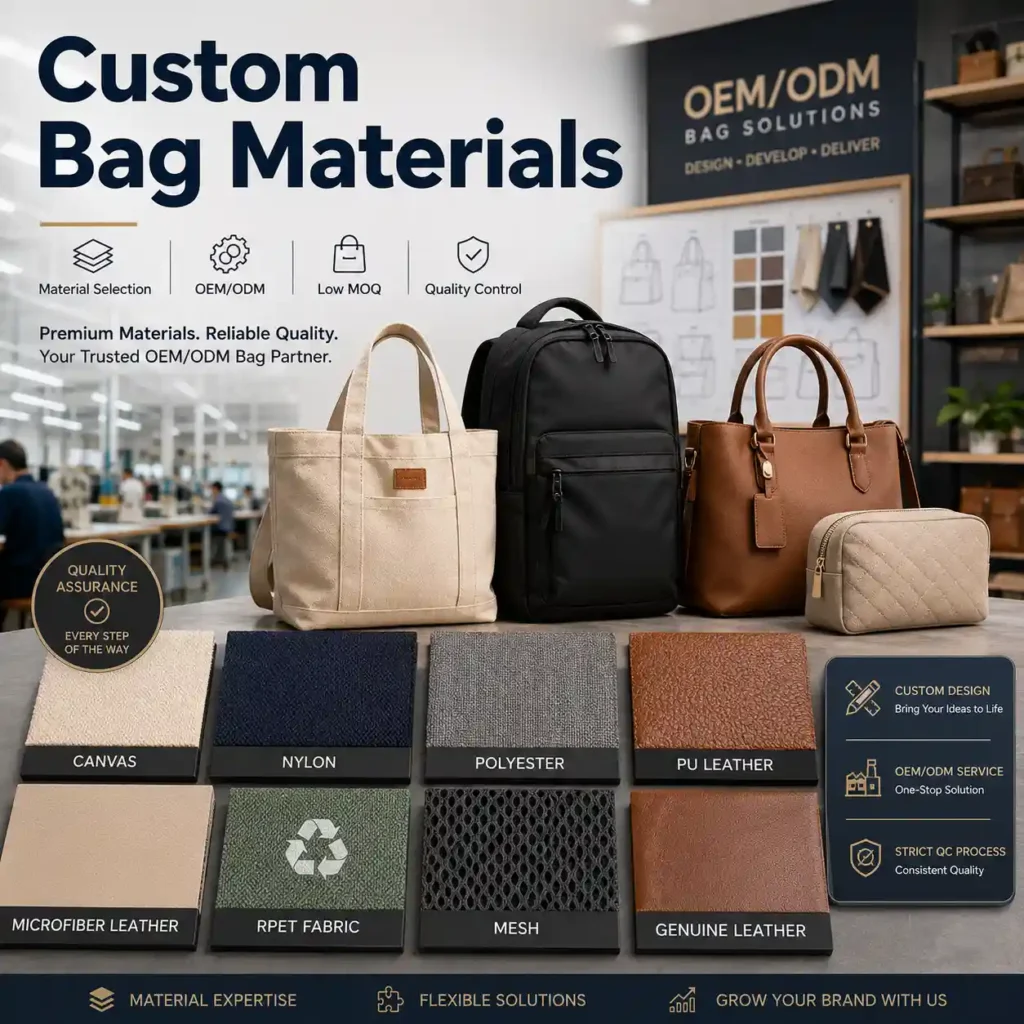
Cotton Canvas: Cotton canvas is a classic choice for tote bags. It’s natural, breathable, and has a sturdy weave. Lighter canvas is soft and easy to fold, making it ideal for casual or promotional totes. Heavier canvas offers structure and resilience, holding heavier items without sagging.
Polyester: Polyester is a synthetic fabric with excellent resistance to stretching, shrinking, and abrasion. It can be woven tightly to create a smooth, water-resistant surface, making it ideal for urban commuters or outdoor activities. Polyester also adapts well to dyeing and printing, allowing for vibrant, long-lasting colors.
Nylon: Lightweight yet strong, nylon provides water resistance and high tensile strength. It’s commonly used for sporty or travel-oriented tote bags. Its smooth texture gives a sleek look, and the material is easy to clean and maintain.
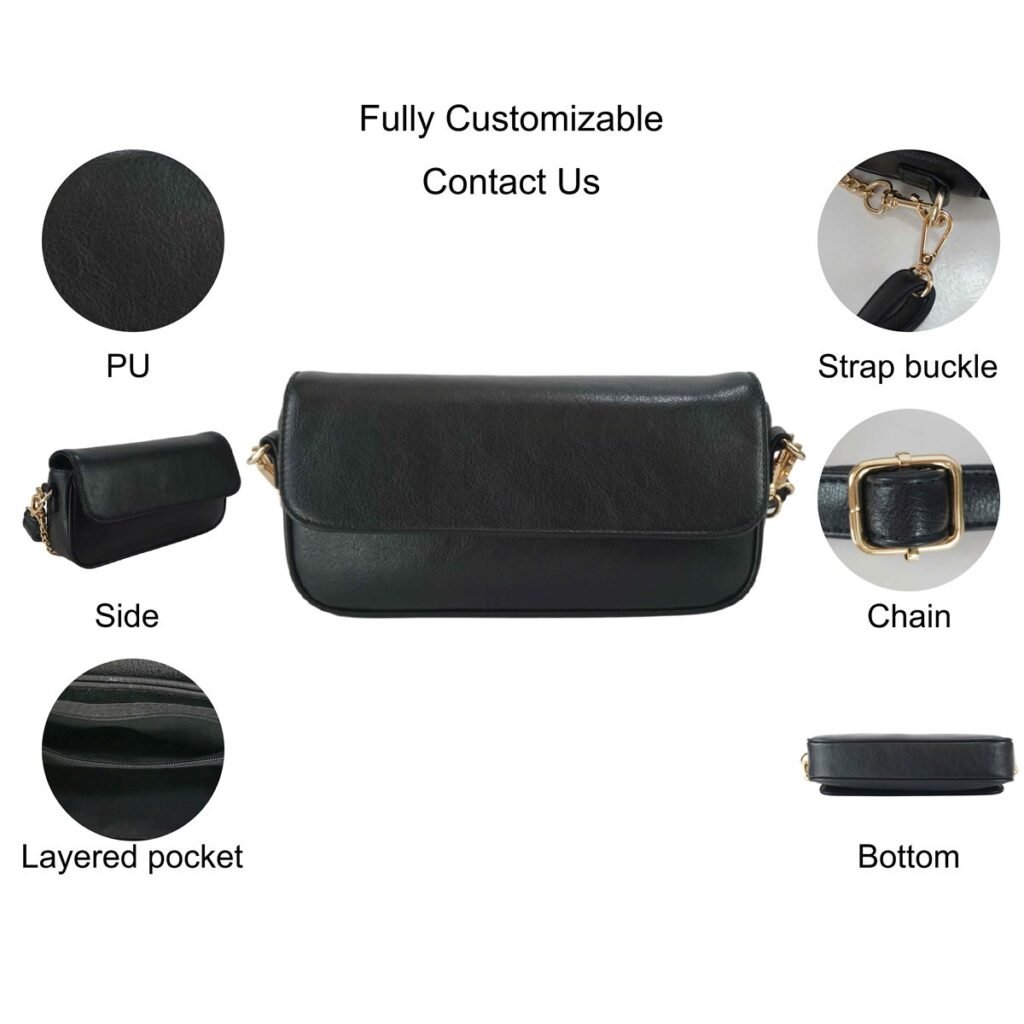
PU (Polyurethane) Leather:PU leather gives a sophisticated, modern appearance without the cost or ethical considerations of genuine leather. It is flexible, water-resistant, and can be finished with textures ranging from matte to glossy. PU leather is perfect for fashion-forward totes or corporate gifts.
Jute / Burlap: Jute offers a rustic, natural aesthetic. It’s strong and biodegradable, making it environmentally friendly. While jute can be coarse to the touch, proper lining can enhance comfort and functionality. Its rough texture also adds character and a distinct tactile identity.
Blends and Laminated Fabrics:Blended materials or laminated fabrics combine the best of multiple fibers—for example, cotton-polyester blends that balance softness and durability or laminated canvas that resists moisture while maintaining structure.
How Material Properties Affect Durability and User Experience
The choice of material directly influences a tote bag’s life cycle and how users perceive it. Several key properties play a role:
- Weight and Thickness: A heavier fabric can carry more weight but may make the bag bulkier. Lighter fabrics are easy to handle and fold, but they might wear out faster. Finding the right balance ensures comfort and longevity.
- Tensile Strength: This measures how much force the fabric can withstand before tearing. Bags that carry groceries, books, or equipment require high tensile strength materials like heavy canvas or reinforced polyester.
- Flexibility and Structure: Some applications benefit from structured materials that hold shape; others require soft, pliable fabrics for easy packing or casual use. Material flexibility directly affects perceived quality and usability.
- Water Resistance and Finish: Outdoor-use totes or commuter bags benefit from water-resistant fabrics. Nylon and laminated polyester are excellent in this regard, whereas untreated cotton absorbs moisture, which can be a limitation.
- Surface Texture: The tactile experience matters. Smooth synthetic fabrics feel modern, soft cotton is approachable and natural, and textured jute conveys authenticity. Texture also affects how prints and logos adhere and appear on the bag.
- Abrasion Resistance: High-friction scenarios—like a bag rubbing against clothing or rough surfaces—require materials that resist pilling, fraying, or tearing.
Every property contributes not only to durability but also to how a user interacts with the bag daily. Your choices here influence satisfaction, repeat use, and perceived value.
How Materials Influence Cost and Production Feasibility
Raw Material Cost: Natural fibers like cotton and jute are generally cost-effective, but premium canvas or PU leather may increase expenses. Synthetic fibers like nylon and polyester are highly consistent, which can streamline production and reduce wastage.
Manufacturing Complexity: Certain fabrics require specialized machinery, stitching techniques, or finishing processes. Thick canvas may need heavy-duty sewing machines; laminated fabrics need precise heat application. Knowing production requirements upfront can prevent costly delays.
Customization Options: Some materials accept prints, embroidery, or heat transfer better than others. For instance, smooth polyester and cotton canvas handle digital printing well, while textured jute may limit precision.
Supply Chain Considerations: Availability and lead times affect project scheduling. Locally sourced materials can shorten timelines, while rare or imported fabrics may cause delays or higher shipping costs.
Factors to Consider When Choosing Materials
When making the final selection, consider the following:
- Intended Use:Will the tote be for light shopping, heavy loads, daily commuting, or fashion purposes? Use dictates the balance between strength, weight, and flexibility.
- Target Audience Expectations:For premium customers, soft-touch PU leather or high-grade canvas communicates quality. For eco-conscious audiences, natural fibers or recycled materials resonate more.
- Design and Customization Needs:Consider whether the material supports logos, embossing, or color vibrancy. Some fabrics may limit design fidelity, which is critical for branding.
- Durability vs. Weight Trade-Off:Heavier, more durable fabrics often increase shipping costs and affect user comfort. Light fabrics may look sleek but wear out faster. Align this trade-off with expected use and lifespan.
- Environmental and Ethical Considerations:Increasingly, customers expect responsible sourcing. Materials like organic cotton, recycled polyester, or vegan leather can align the product with sustainable values.
- Maintenance and Longevity:Ask yourself how easy the material is to clean. Fabrics that stain easily or require special care may be less appealing for everyday use.
- Budget and Scalability: Ensure the material allows for cost-effective scaling. A beautiful, high-end fabric may be perfect for limited runs, but large-scale production may require alternatives that maintain quality without exceeding budget.
Conclusion
Choosing the right material for custom handbags is a meticulous decision that requires weighing factors such as appearance, functionality, cost, and production feasibility. From cotton canvas to PU leather, each choice will have an impact on durability, user experience, and brand image. By understanding the material properties, considering the intended use, and evaluating practical limitations, you can ensure that your handbag not only meets expectations but also offers lasting value.
The choice of material is the opportunity to perfectly integrate design, quality, and experience. Treating it as the core element of the handbag strategy rather than a secondary consideration, the final outcome will be reflected in every handbag delivered to the target audience.
If you are also looking for a bag manufacturer, RONEER is a factory with over a decade of experience. If you have any questions, you can contact our team and we will be more than happy to receive your message.