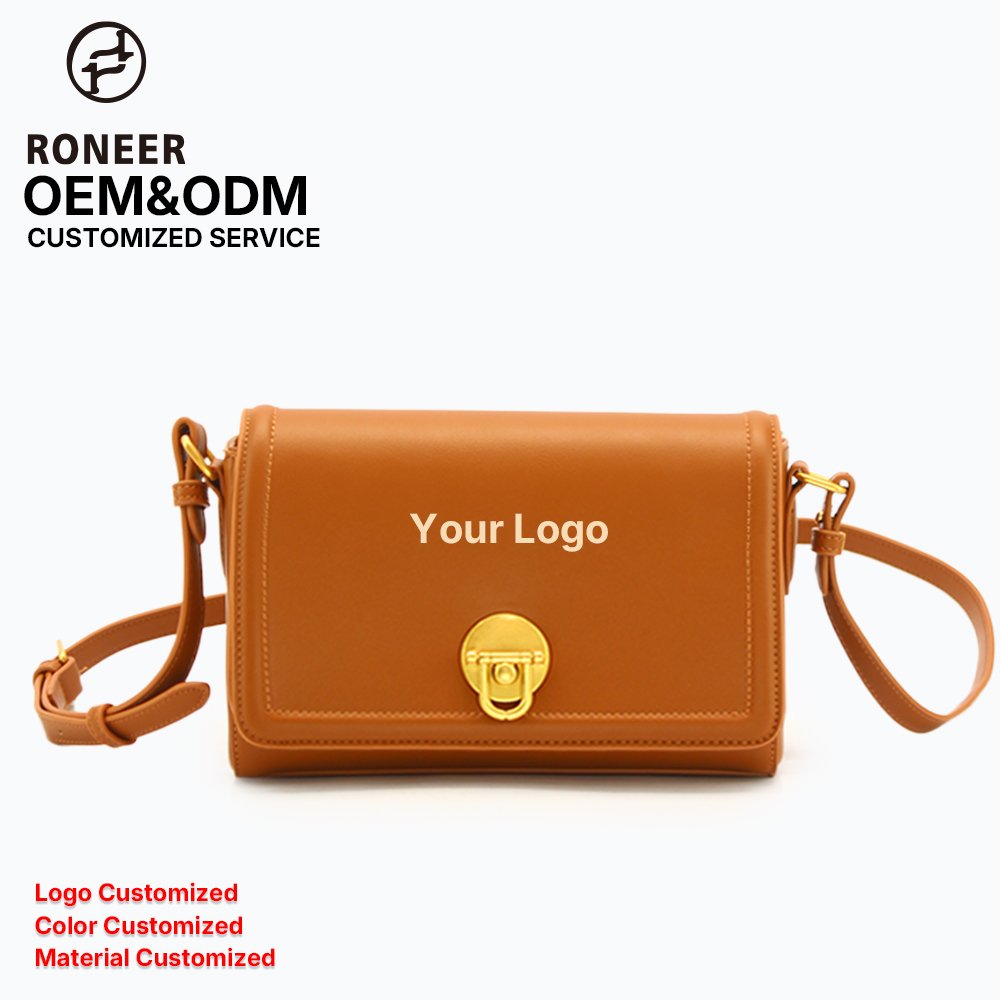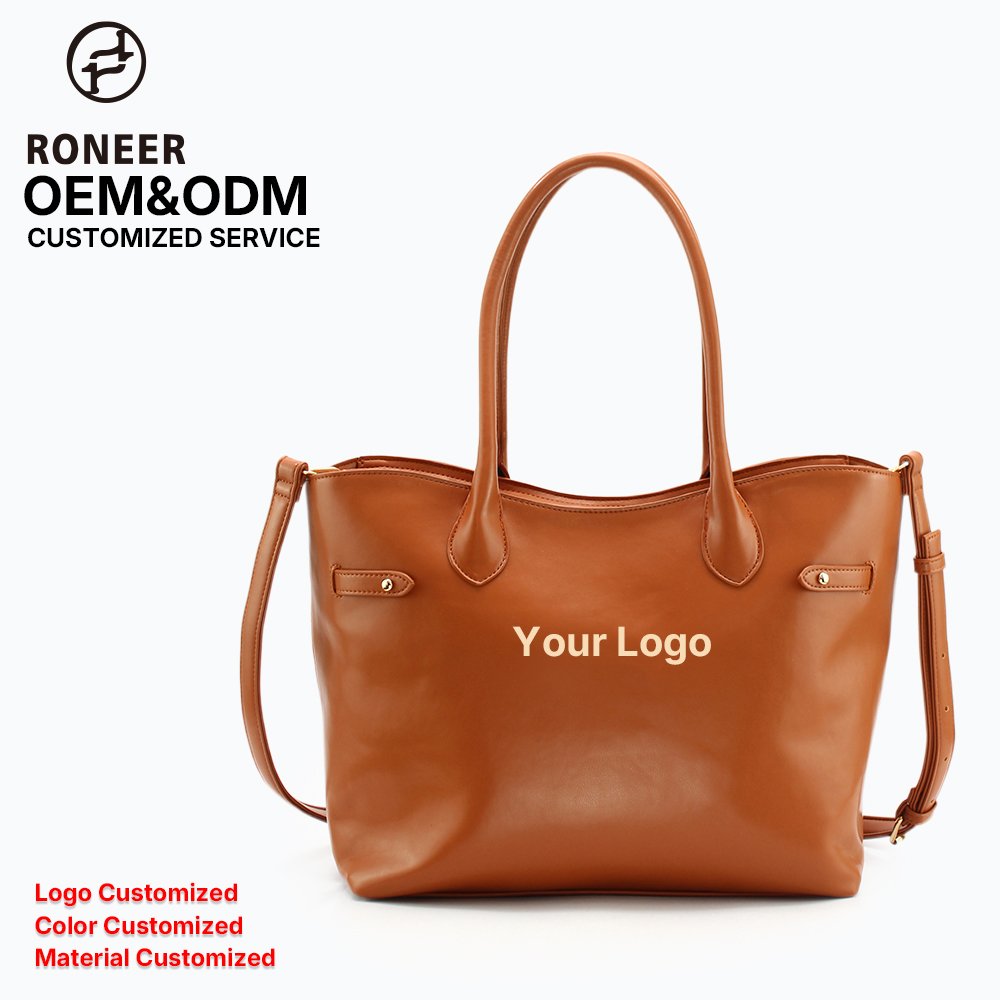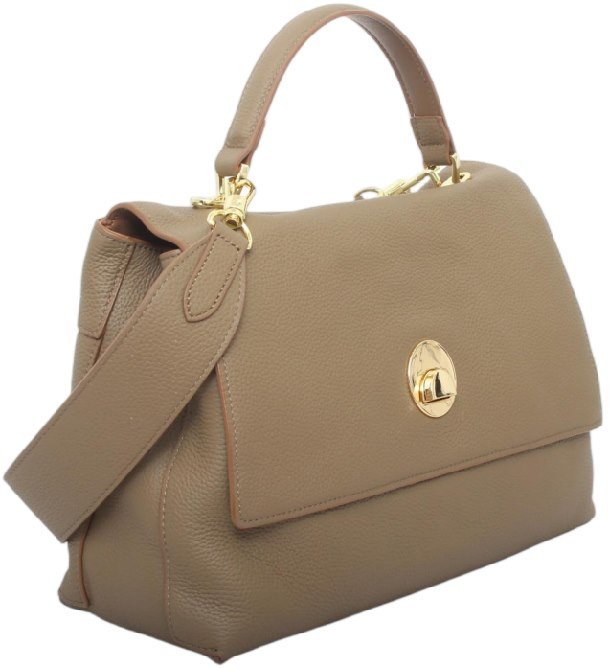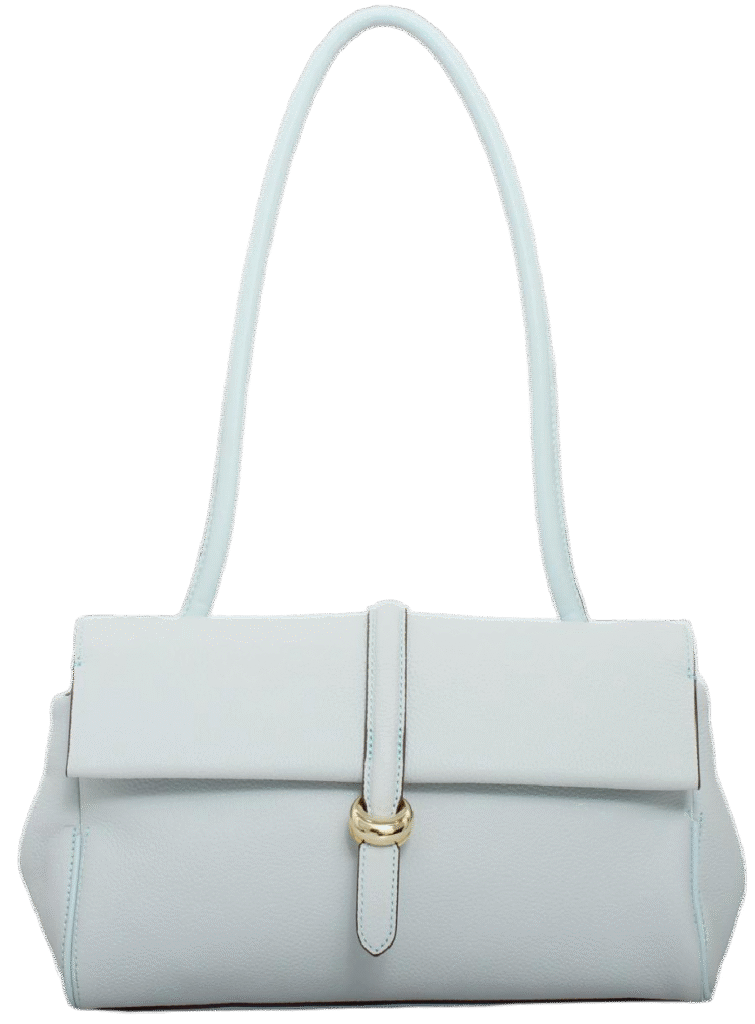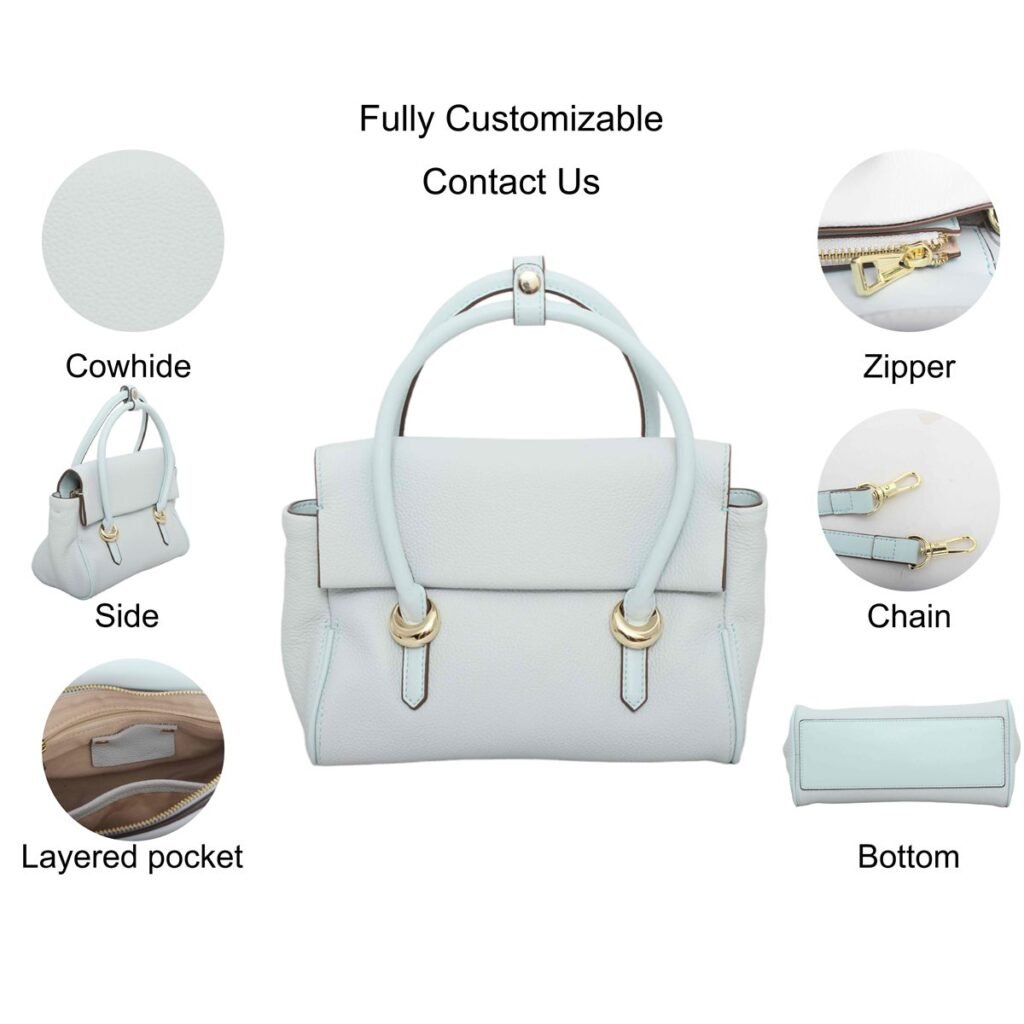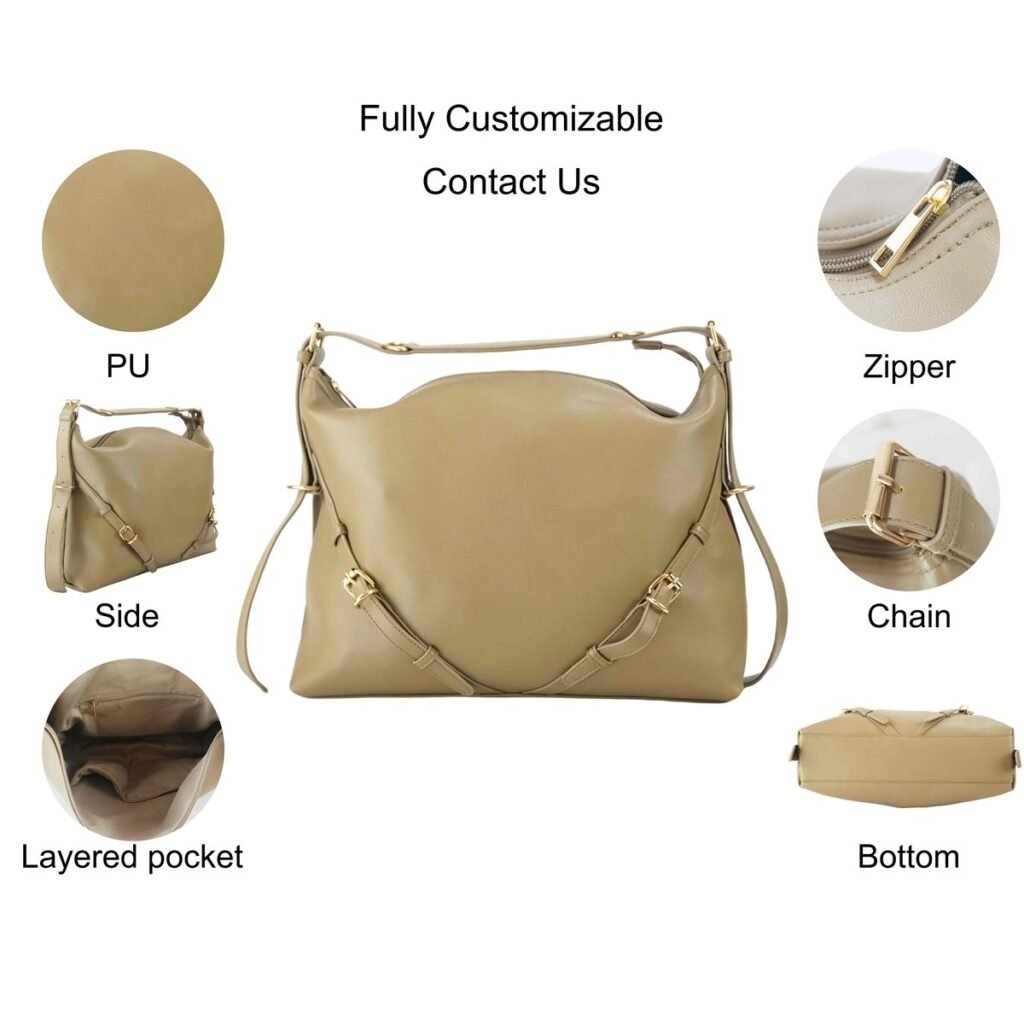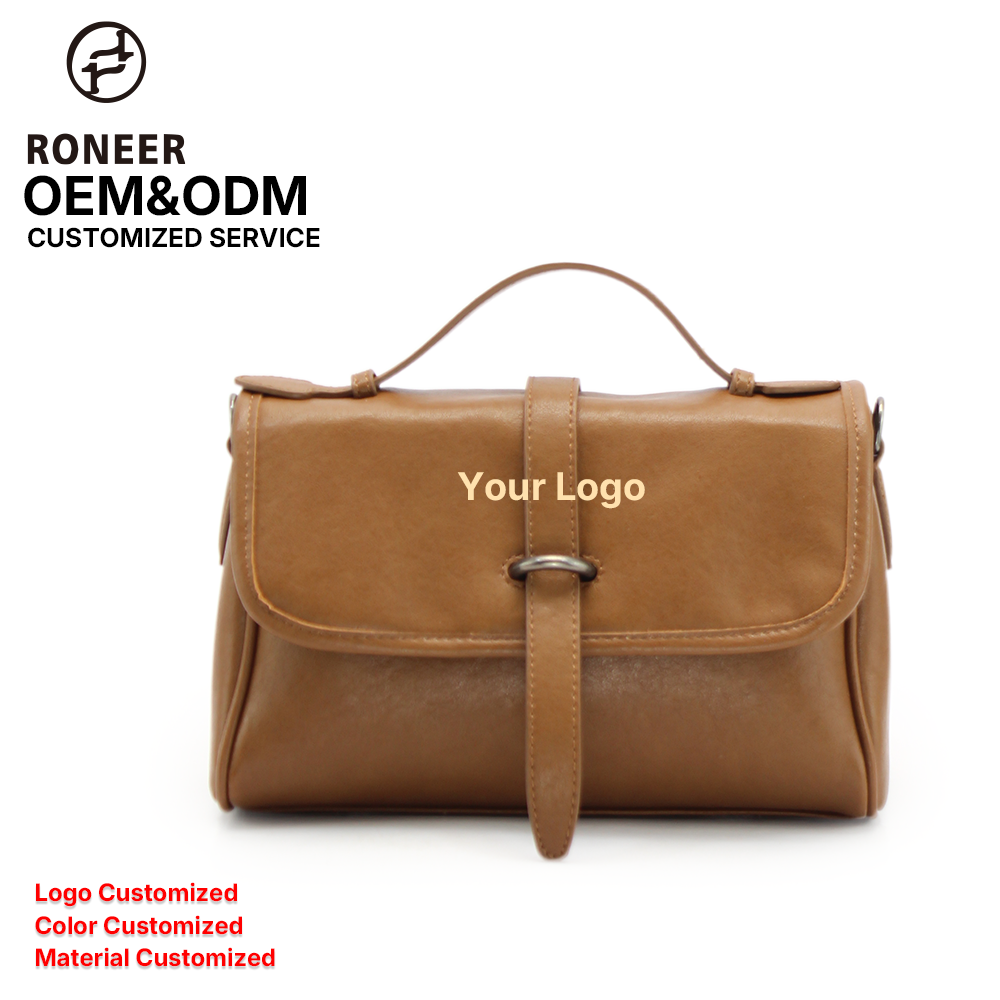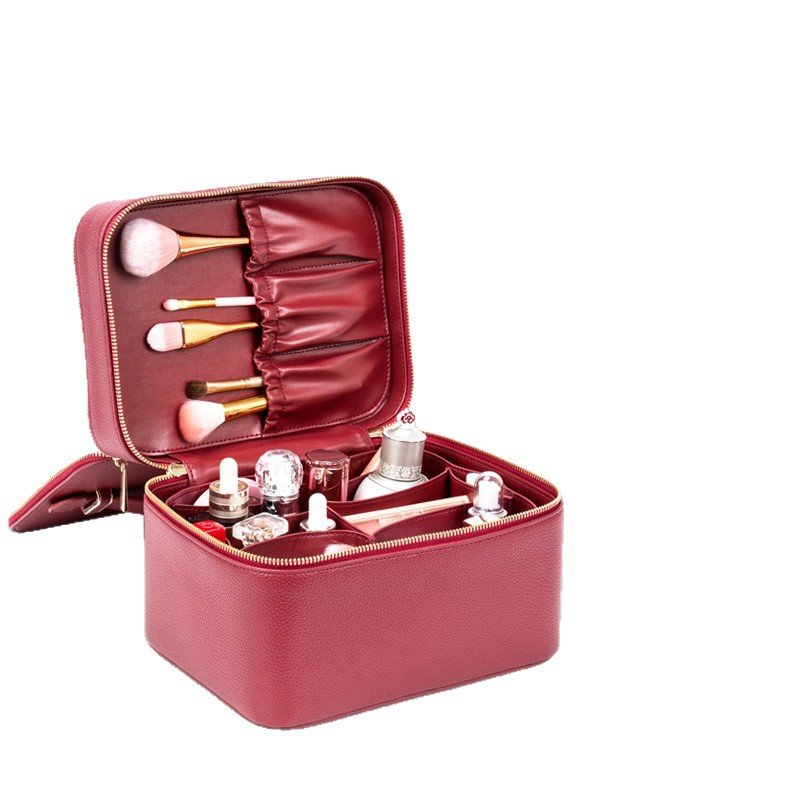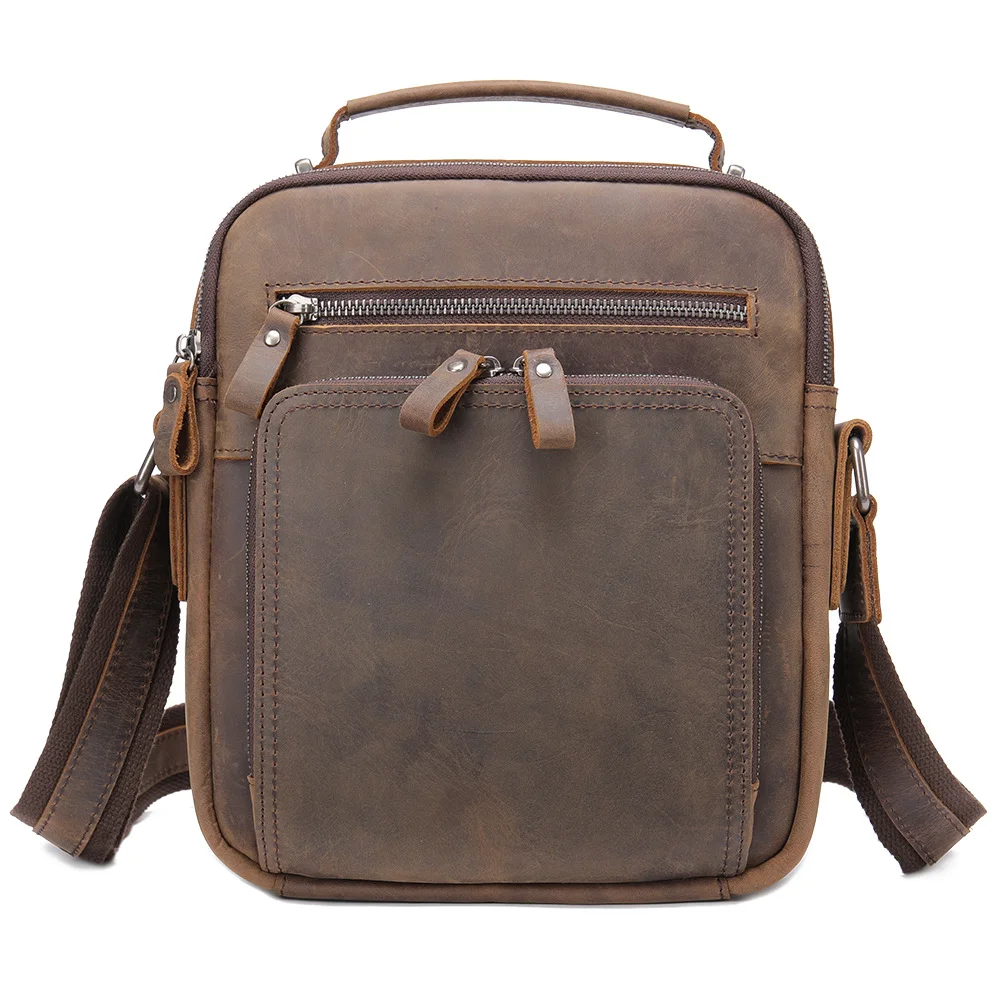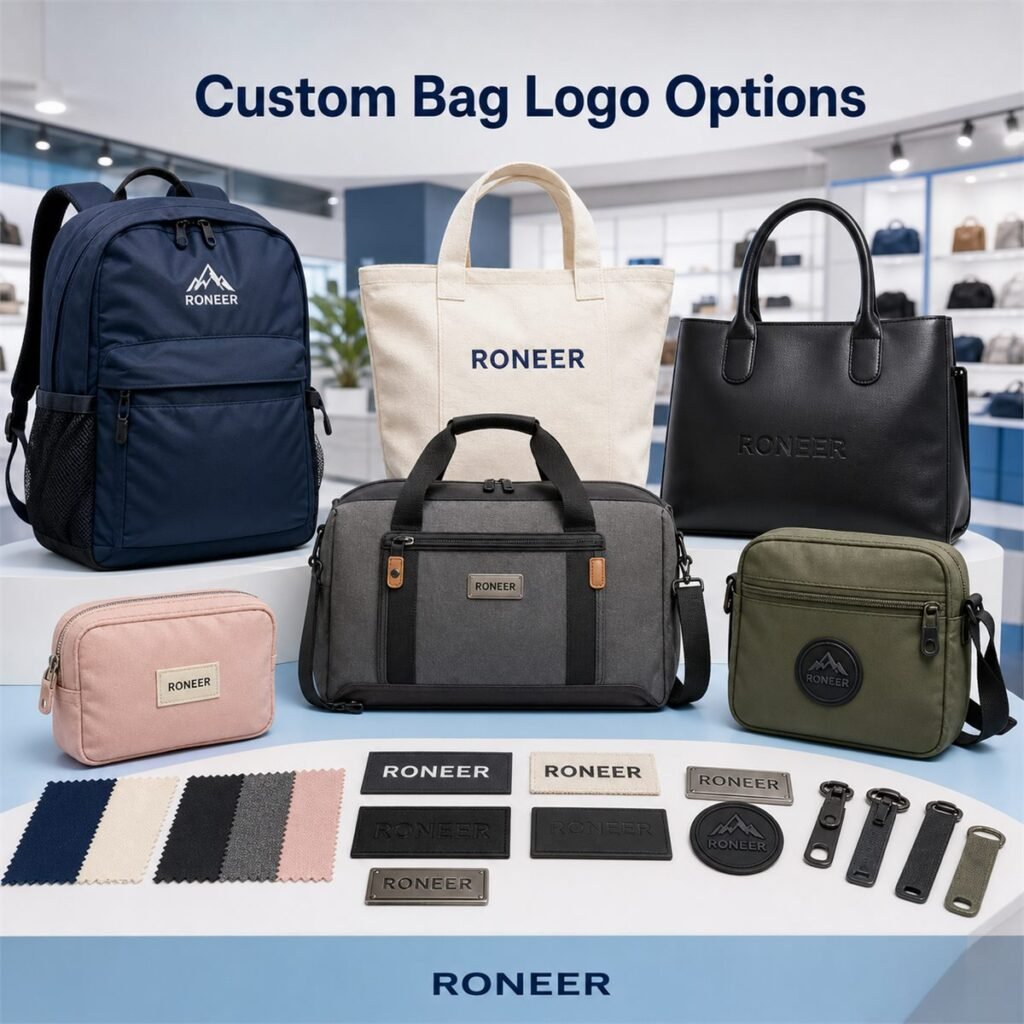









A bag can use good material, clean stitching, and a beautiful shape, but the wrong hardware can make the whole product feel cheap. A thin zipper puller, a weak snap hook, a scratched logo plate, or uneven plating can instantly lower the perceived value of a handbag, backpack, crossbody bag, cosmetic bag, or travel bag.
This is why custom bag hardware should not be treated as a small detail at the end of product development. Hardware affects appearance, function, durability, comfort, brand identity, and customer trust. For private label brands, fashion labels, corporate buyers, retailers, wholesalers, and e-commerce sellers, the right hardware can make a custom bag look more professional and retail-ready.
In OEM/ODM bag manufacturing, hardware decisions are closely connected with material, structure, logo method, MOQ, sampling time, cost, and quality control. A metal logo plate may make a handbag feel premium. A custom zipper puller can strengthen brand recognition. A strong D-ring or snap hook can improve strap durability. A good magnetic button can make a flap bag easier to use. Poor hardware, however, can create returns, complaints, and brand damage.
If you are developing custom bags with branded metal parts, RONEER custom bag manufacturing services can support OEM/ODM development, custom bag hardware selection, fast sampling, low MOQ planning, logo customization, packaging, strict quality control, and bulk production for global buyers.
What Is Custom Bag Hardware?
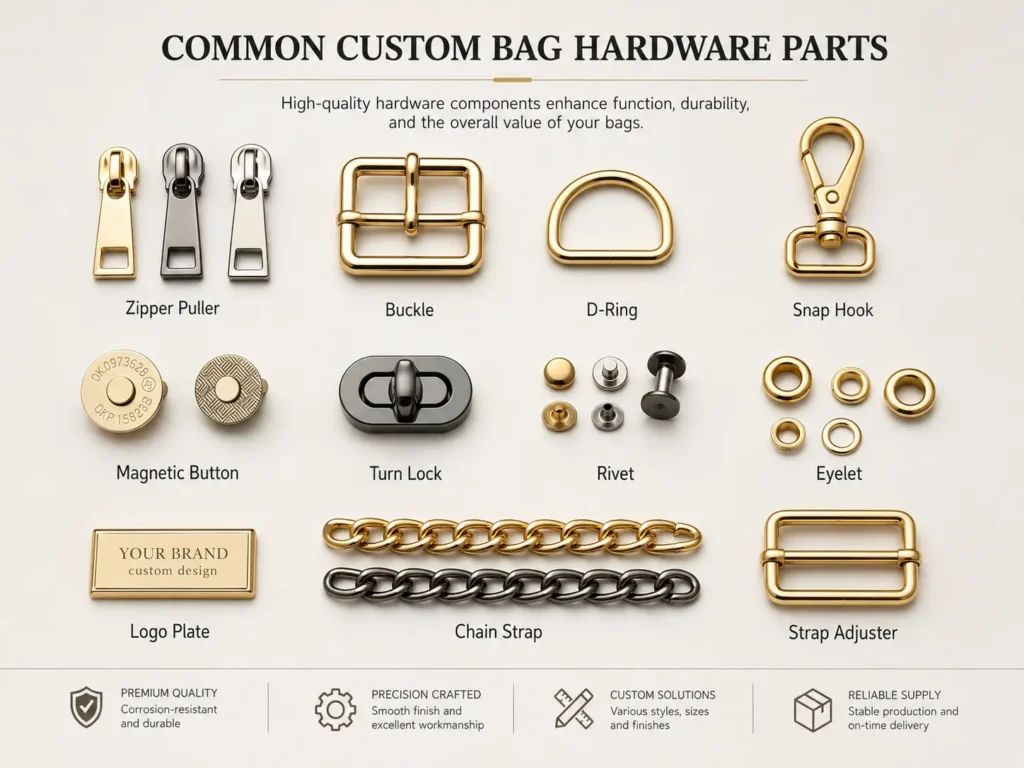
Custom bag hardware refers to the metal, plastic, rubber, or plated components used on bags for function, decoration, branding, closure, strap connection, and structural support. It can include zipper pullers, buckles, D-rings, snap hooks, magnetic buttons, turn locks, rivets, eyelets, chain straps, metal logo plates, strap adjusters, sliders, feet studs, handle connectors, and decorative metal parts.
In bag production, hardware is not only decorative. It often controls how the product opens, closes, carries weight, adjusts fit, connects straps, displays the logo, and supports daily use.
Common custom bag hardware options include:
Custom zipper pullers
Metal logo plates
D-rings
Snap hooks
Magnetic buttons
Turn locks
Buckles
Strap adjusters
Chain straps
Rivets
Eyelets
Feet studs
Handle connectors
Decorative metal trims
Metal labels
Slider buckles
Cord stoppers
Pull tabs
A professional bag factory should help buyers choose hardware based on product category, material, target price, order quantity, logo needs, and durability requirements. The best custom bag hardware is not always the most expensive. It should match the bag’s function, market position, MOQ, and final retail value.
Why Custom Bag Hardware Matters in Bag Manufacturing
Hardware is one of the fastest ways buyers judge product quality. Even when customers cannot identify the material specification, they can usually feel whether a zipper puller is thin, whether a buckle feels weak, or whether a logo plate looks cheap.
For handbags, hardware can define the style. Gold-tone metal parts may create a premium fashion look. Matte black hardware may feel modern and minimal. Gunmetal may suit travel or utility bags. Brushed silver may work for clean business styles.
For backpacks and travel bags, hardware must support strength and function. Strap adjusters, buckles, zipper pullers, D-rings, and hooks need to withstand repeated use.
For cosmetic bags and small pouches, custom bag hardware can improve brand identity through small details such as branded zipper pullers, metal labels, or small logo plates.
For crossbody bags, hardware is especially important because the strap system depends on D-rings, snap hooks, buckles, and connectors. Weak hardware can cause failure even if the bag body is well made.
If your project involves logo development, Logo Customization can connect custom bag hardware with metal logo plates, custom zipper pullers, debossed logos, woven labels, and branded packaging.
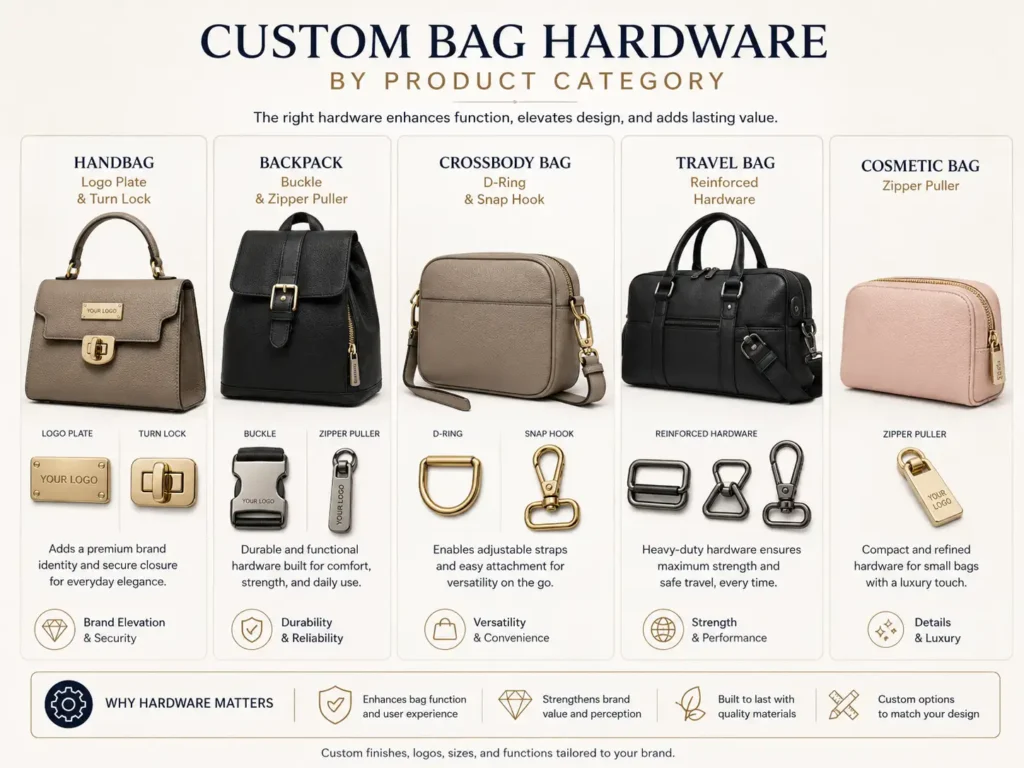
1. Choose Hardware Based on Bag Category
Different bag categories need different hardware logic. A handbag, backpack, cosmetic pouch, tote bag, crossbody bag, and travel bag should not use the same hardware standard.
Handbags often need metal logo plates, decorative buckles, chain straps, turn locks, magnetic closures, feet studs, and polished zipper pullers. The hardware should match the design, material, and brand positioning.
Backpacks need functional hardware such as zipper pullers, strap adjusters, plastic buckles, metal D-rings, webbing sliders, and reinforced pull tabs. Strength and comfort matter more than decoration.
Crossbody bags rely heavily on strap hardware. Snap hooks, D-rings, buckles, chain straps, and strap adjusters must be strong enough for daily use.
Cosmetic bags usually use smaller hardware. Zipper pullers, metal labels, small logo plates, and decorative tabs are common.
Travel bags require stronger custom bag hardware because they carry more weight. Zippers, pullers, buckles, hooks, rivets, and handle connectors should be checked carefully.
Tote bags may use simple hardware or no hardware at all, depending on style. PU tote bags may use logo plates, magnetic buttons, or feet studs, while canvas tote bags may use rivets, snap buttons, or metal eyelets.
A reliable factory should recommend hardware according to product use instead of applying the same parts to every bag.
2. Match Hardware Finish With Brand Positioning
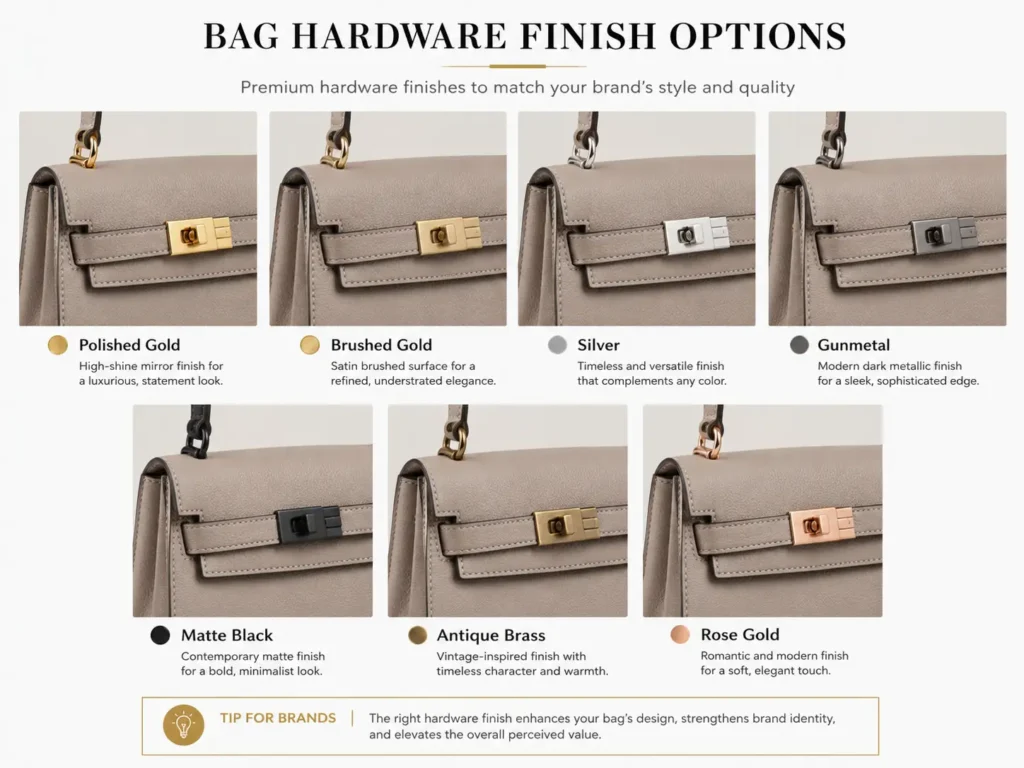
The hardware finish affects the overall look of the bag. Even when the shape and material stay the same, changing the hardware color can make the product feel more classic, sporty, luxury, casual, or technical.
Common hardware finishes include:
Polished gold
Light gold
Brushed gold
Silver
Brushed silver
Gunmetal
Matte black
Antique brass
Rose gold
Champagne gold
Bronze
Color-coated hardware
Gold hardware is often used for fashion handbags, cosmetic bags, and premium private label collections. Silver works well for clean, modern, and business-style products. Gunmetal suits casual, outdoor, and travel categories. Matte black is suitable for minimalist, streetwear, tactical, or utility-style bags. Antique brass can create a vintage or heritage look.
For custom bag hardware, finish consistency is very important. The zipper puller, logo plate, buckle, D-ring, snap hook, and rivets should match unless the design intentionally uses mixed finishes.
Before bulk production, buyers should confirm hardware color by physical sample, not only by digital image. Lighting, plating method, and material base can affect the final color.
3. Use Custom Zipper Pullers for Brand Recognition
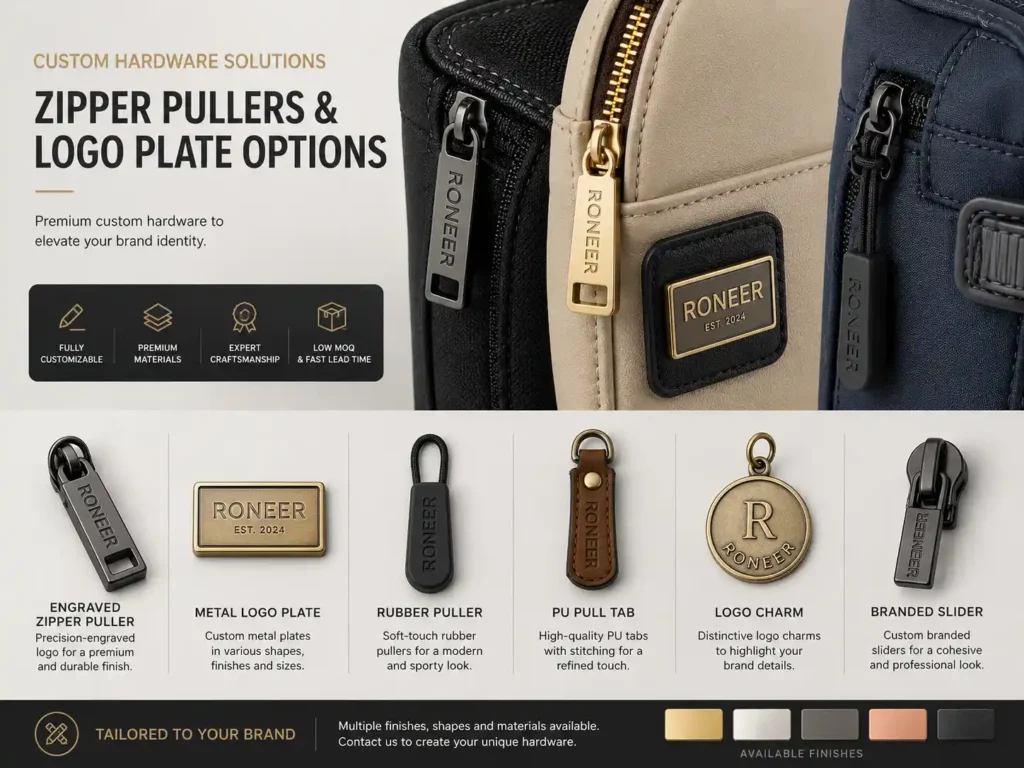
A custom zipper puller is one of the most practical hardware branding options. It is small, visible, useful, and suitable for many bag categories.
Custom zipper pullers can be made in different forms:
Metal puller with engraved logo
Rubber puller
PU leather puller
Webbing pull tab
Molded zipper puller
Round metal puller
Long rectangular puller
Logo-shaped puller
Color-matched puller
For handbags, metal zipper pullers can create a premium look. For backpacks and travel bags, rubber or webbing pullers may improve grip and durability. For cosmetic bags, small branded pullers can make the product feel more refined.
A custom zipper puller also helps private label brands build recognition without making the logo too large. It is especially useful for custom logo bags, crossbody bags, backpacks, travel pouches, cosmetic bags, and laptop bags.
For zipper performance expectations, buyers may reference YKK as a general industry resource for zipper and fastening components. This does not mean the product uses YKK unless the confirmed order specifies it.
A professional factory should check zipper puller size, weight, logo clarity, plating quality, and pull strength before bulk production.
4. Select Strong Strap Hardware for Daily Use
Strap hardware is one of the most important parts of crossbody bags, shoulder bags, backpacks, laptop bags, travel bags, and duffel bags.
Important strap hardware includes:
D-rings
O-rings
Square rings
Snap hooks
Swivel hooks
Slide adjusters
Buckles
Chain connectors
Webbing sliders
Strap end caps
Handle connectors
The hardware should match the weight of the bag. A lightweight cosmetic pouch does not need heavy metal hooks, but a travel duffel or laptop bag needs stronger parts. If the hardware is too weak, the strap may break during use. If it is too heavy, the bag may feel uncomfortable or expensive to ship.
For custom bag hardware, the connection point is just as important as the metal part itself. A strong D-ring is not useful if the stitching or reinforcement around the strap anchor is weak.
A good factory should inspect both hardware and construction. This includes checking strap stitching, reinforcement materials, webbing strength, metal thickness, hook movement, and plating condition.
5. Plan MOQ Before Developing Custom Hardware Molds
Many buyers want exclusive hardware, but custom molds can affect MOQ, sample cost, and lead time.
Custom molded hardware may include:
Logo zipper pullers
Metal logo plates
Special buckles
Unique turn locks
Custom snap hooks
Logo-shaped charms
Exclusive chain details
Custom magnetic closures
Decorative metal trims
These options can improve brand value, but they may require mold fees and higher minimum quantities. For startup brands or low MOQ orders, it may be smarter to begin with standard hardware plus one simple branded detail, such as a metal logo plate or engraved zipper puller.
A practical first-order strategy could be:
Use available bag shape
Choose standard hardware color
Add one branded zipper puller
Use a simple logo plate
Keep packaging practical
Upgrade hardware in the next order
For buyers managing MOQ and cost, smart ways to optimize custom backpack MOQ and costs can also apply to custom bag hardware planning, especially when balancing small batch production and future bulk orders.
A reliable factory should explain which hardware options are suitable for low MOQ and which require higher investment.
6. Check Hardware Compatibility With Materials
Hardware must work with the selected bag material. A heavy metal buckle may look premium on thick PU leather but feel unsuitable on thin nylon. A sharp-edged metal logo plate may damage soft fabric if not applied correctly. A magnetic button may need reinforcement behind the material to prevent tearing.
Material compatibility matters for:
PU leather
Microfiber leather
Genuine leather
Canvas
Nylon
Polyester
Oxford fabric
Mesh
TPU
PVC
RPET fabric
For PU leather handbags, metal logo plates, debossed hardware, magnetic closures, and chain straps may work well. For nylon backpacks, lighter hardware, webbing adjusters, rubber pullers, and durable buckles may be more practical. For canvas bags, rivets, eyelets, and leather patches may fit better. For transparent PVC or TPU bags, the hardware attachment method needs careful testing.
For broader material selection, Material Customization can help buyers compare material choices before confirming custom bag hardware.
A professional factory should test hardware on the actual material during sample development, not only on a sample board.
7. Confirm Hardware Color Consistency
Hardware color inconsistency can make a bag look unprofessional. A logo plate may appear light gold, while the zipper puller looks yellow gold and the D-ring looks rose gold. This mismatch is easy to notice, especially on premium handbags or private label products.
To avoid this issue, buyers should confirm:
Hardware color standard
Plating finish
Sample hardware set
Zipper teeth color
Logo plate color
D-ring color
Snap hook color
Buckle color
Rivet color
Chain color
Color tolerance
Batch consistency
For custom bag hardware, all visible metal parts should be reviewed together. A factory should provide a full hardware set during sampling when possible.
Buyers should also remember that plating color can vary between suppliers. If hardware comes from different sources, the color may not match perfectly. The factory should coordinate sourcing and confirm the final hardware set before production.
8. Inspect Plating, Rust Resistance, and Surface Quality
Hardware quality is not only about appearance. Plating, rust resistance, surface smoothness, and durability affect long-term customer satisfaction.
Common hardware quality issues include:
Scratches
Uneven plating
Rough edges
Color fading
Rust spots
Loose plating
Weak spring action
Poor hook rotation
Sharp corners
Logo engraving defects
Weak magnetic strength
Noisy chain movement
Depending on the buyer’s market, testing requirements may include salt spray testing, color fastness review, pull strength testing, or surface inspection. For some buyers, third-party inspection or testing may be required.
Organizations such as SGS may support material testing, inspection, color fastness review, or shipment verification depending on buyer requirements.
For responsible sourcing or material-related discussions, buyers can also review industry background from Textile Exchange when the project involves recycled or preferred materials. Hardware and material claims should always be supported by real documents.
A professional custom bag hardware process should include pre-production hardware approval and final inspection before shipment.
9. Build Hardware QC Into the Whole Bag Inspection
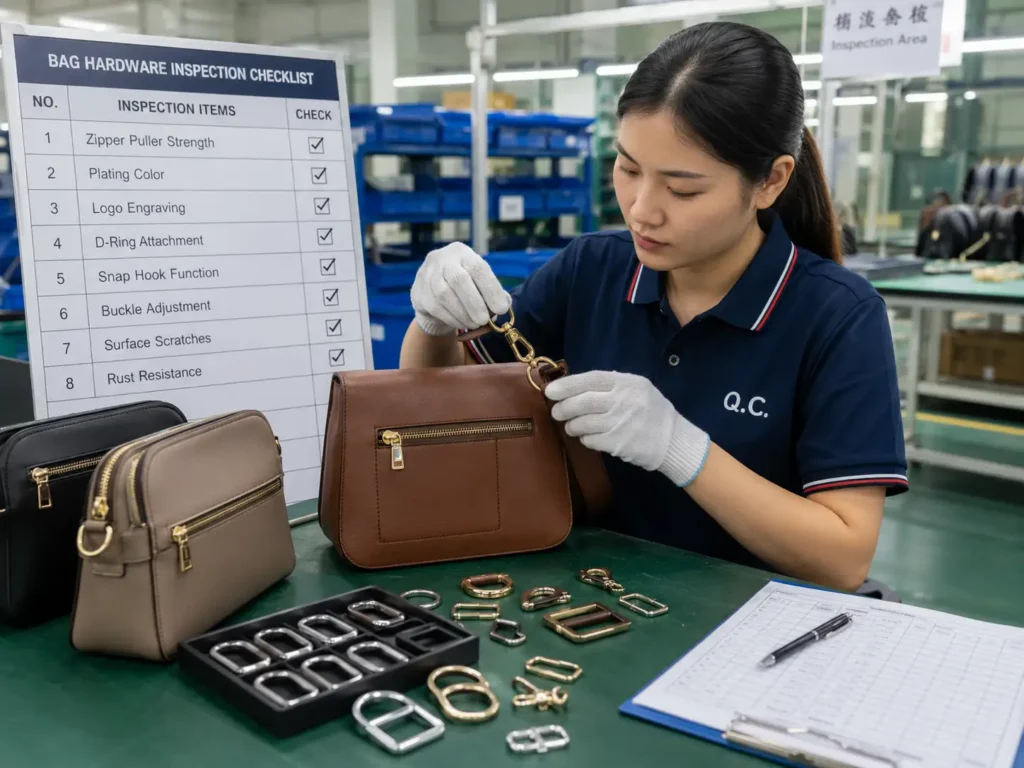
Hardware inspection should not happen only at the end. It should be part of sample review, pre-production approval, inline checking, and final inspection.
A custom bag hardware QC checklist may include:
Logo engraving clarity
Metal logo plate position
Zipper puller strength
Zipper smoothness
D-ring attachment
Snap hook function
Buckle adjustment
Magnetic button strength
Turn lock alignment
Rivet firmness
Chain strap movement
Plating color consistency
Surface scratch check
Rust inspection
Hardware quantity
Packaging protection
The approved sample should become the production standard. If the sample uses brushed gold hardware, bulk goods should not switch to polished gold without buyer approval. If the logo plate is centered on the sample, bulk production should follow the same placement.
For private label bags, hardware QC is especially important because hardware often carries the brand identity. A scratched logo plate or unclear engraved zipper puller can damage product presentation.
A reliable factory should inspect both the hardware itself and the way hardware is attached to the bag.
Custom Bag Hardware for Different Buyer Types
Fashion Brands
Fashion brands often care about visual consistency. Metal logo plates, chain straps, turn locks, decorative buckles, and gold hardware can help support seasonal collections and premium positioning.
E-Commerce Sellers
E-commerce sellers need hardware that looks good in photos but does not create too much cost or weight. Standard hardware with one branded detail is often a smart first step.
Startup Brands
Startup brands should avoid over-customizing hardware too early. A simple custom zipper puller or logo plate may be enough for the first order.
Wholesale Buyers
Wholesale buyers need repeatable hardware quality. The factory should maintain consistent plating, color, function, and sourcing for reorder stability.
Corporate Buyers
Corporate buyers may use custom bag hardware for branded gifts, travel bags, laptop bags, or promotional items. Logo visibility, durability, and cost control matter most.
Outdoor and Travel Brands
Outdoor and travel brands need strong hooks, buckles, adjusters, zippers, and reinforced connection points. Function is more important than decoration.
Common Mistakes Buyers Should Avoid
One common mistake is choosing hardware only because it looks premium. Heavy metal parts can increase cost, shipping weight, and strain on the bag structure.
Another mistake is using too many different hardware finishes in one product. Mixed gold, silver, gunmetal, and black parts can make the bag look inconsistent.
Some buyers request custom molds too early. This can increase MOQ and sample cost before the product has been tested.
Another issue is ignoring attachment strength. A buckle may be strong, but the strap stitching may fail if reinforcement is weak.
Logo hardware also needs careful review. A metal logo plate that is too large may overpower a small bag. A zipper puller logo that is too small may become unreadable.
The best approach is to confirm hardware function, appearance, cost, MOQ, and QC before bulk production.
FAQ
What is custom bag hardware?
Custom bag hardware refers to the metal, plastic, rubber, or plated components used on bags for function, decoration, branding, closure, and strap connection. It includes zipper pullers, buckles, D-rings, snap hooks, magnetic buttons, turn locks, rivets, eyelets, logo plates, chain straps, and strap adjusters.
Why is custom bag hardware important?
Custom bag hardware affects how a bag looks, works, carries weight, opens, closes, and presents the brand. Good hardware can improve perceived value, durability, and customer experience, while poor hardware can make even a well-made bag feel cheap.
What custom bag hardware options are available?
Common options include custom zipper pullers, metal logo plates, buckles, D-rings, snap hooks, magnetic closures, turn locks, rivets, eyelets, chain straps, strap adjusters, feet studs, handle connectors, and decorative metal trims.
Can custom bag hardware include my logo?
Yes. Custom bag hardware can include engraved zipper pullers, metal logo plates, logo buckles, logo charms, custom pull tabs, branded snap hooks, or decorative metal labels. The best logo hardware depends on bag type, material, MOQ, mold cost, and brand positioning.
What hardware finishes can be customized?
Common finishes include polished gold, brushed gold, silver, brushed silver, gunmetal, matte black, antique brass, rose gold, bronze, and color-coated finishes. Hardware color should match zippers, logo plates, buckles, D-rings, and other visible parts.
Does custom bag hardware affect MOQ?
Yes. Standard hardware usually supports lower MOQ, while exclusive molds, special logo zipper pullers, custom buckles, unique turn locks, or special plating may require higher MOQ or mold fees. Buyers should confirm hardware MOQ before sampling.
Which bags need stronger hardware?
Backpacks, travel bags, laptop bags, duffel bags, crossbody bags, and shoulder bags often need stronger hardware because straps, buckles, hooks, and connectors carry more weight. Cosmetic bags and small pouches may use lighter hardware.
How should buyers inspect custom bag hardware?
Buyers should inspect plating color, logo clarity, surface scratches, rust resistance, zipper puller strength, buckle function, snap hook movement, D-ring attachment, magnetic button strength, rivet firmness, and hardware placement before bulk shipment.
Can custom bag hardware be used for low MOQ orders?
Yes, but buyers should choose practical options. Standard hardware with custom logo details, such as a metal logo plate or engraved zipper puller, is often more realistic for low MOQ orders than fully custom molded hardware.
How can custom bag hardware improve private label bags?
Custom bag hardware can strengthen private label identity through logo plates, branded zipper pullers, custom buckles, matching metal finishes, and premium closure details. These small parts help make the product look more complete and brand-specific.
Conclusion
Custom bag hardware may seem like a small part of bag development, but it has a major impact on product value, function, durability, branding, and customer experience. A zipper puller, buckle, D-ring, snap hook, logo plate, or magnetic button can either strengthen the product or expose weak production planning.
For B2B buyers, the best hardware strategy starts with the bag category and target market. Handbags may need polished metal logo plates, turn locks, and chain straps. Backpacks need durable adjusters, zipper pullers, and buckles. Crossbody bags need strong D-rings, snap hooks, and strap hardware. Cosmetic bags may benefit from small branded zipper pullers or metal labels. Travel bags require stronger hardware that can handle weight and repeated use.
Before bulk production, buyers should confirm hardware type, finish, color consistency, logo method, mold cost, MOQ, material compatibility, plating quality, attachment strength, and inspection standards. A physical hardware sample or full hardware set is much more reliable than a digital image.
If you are looking for an experienced bag factory with flexible OEM/ODM support, fast sampling, low MOQ solutions, stable bulk production, strict quality control, export experience, and professional custom bag hardware support, RONEER provides customized bag manufacturing services for global fashion brands, wholesalers, retailers, corporate buyers, startup brands, and e-commerce businesses.