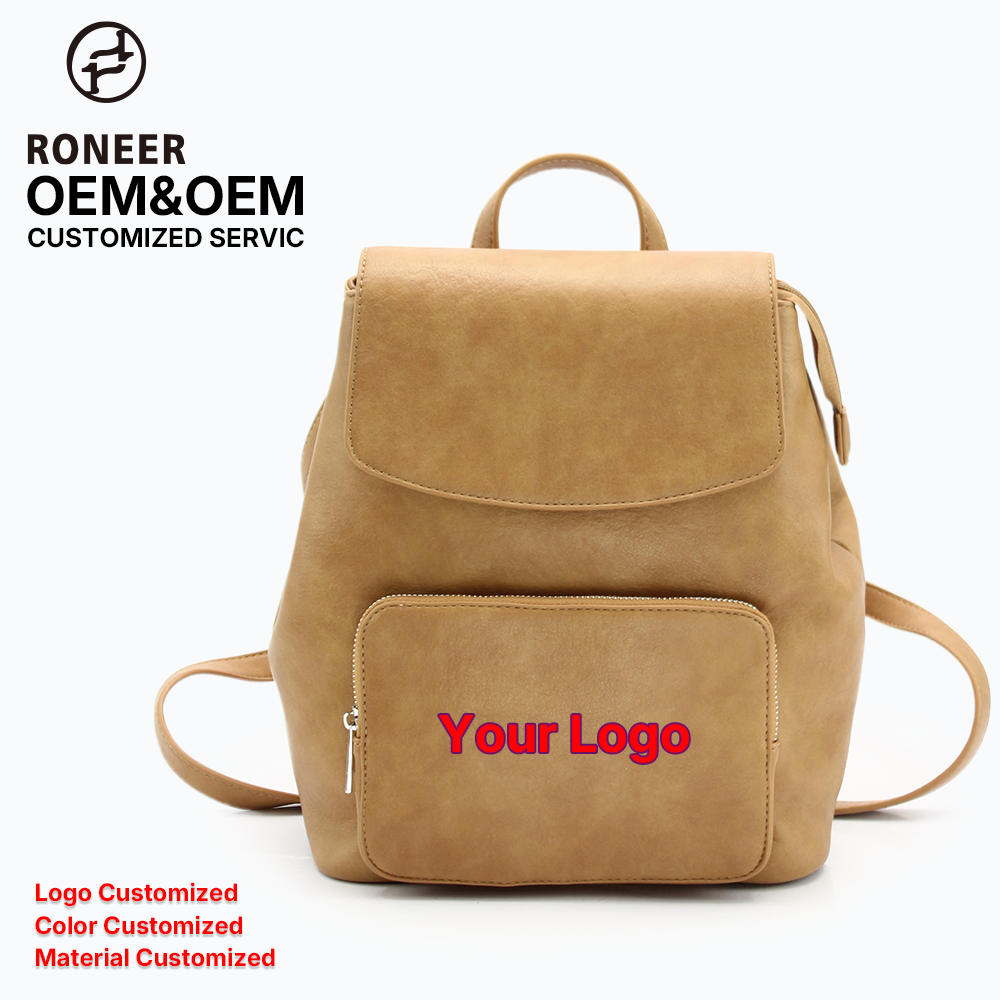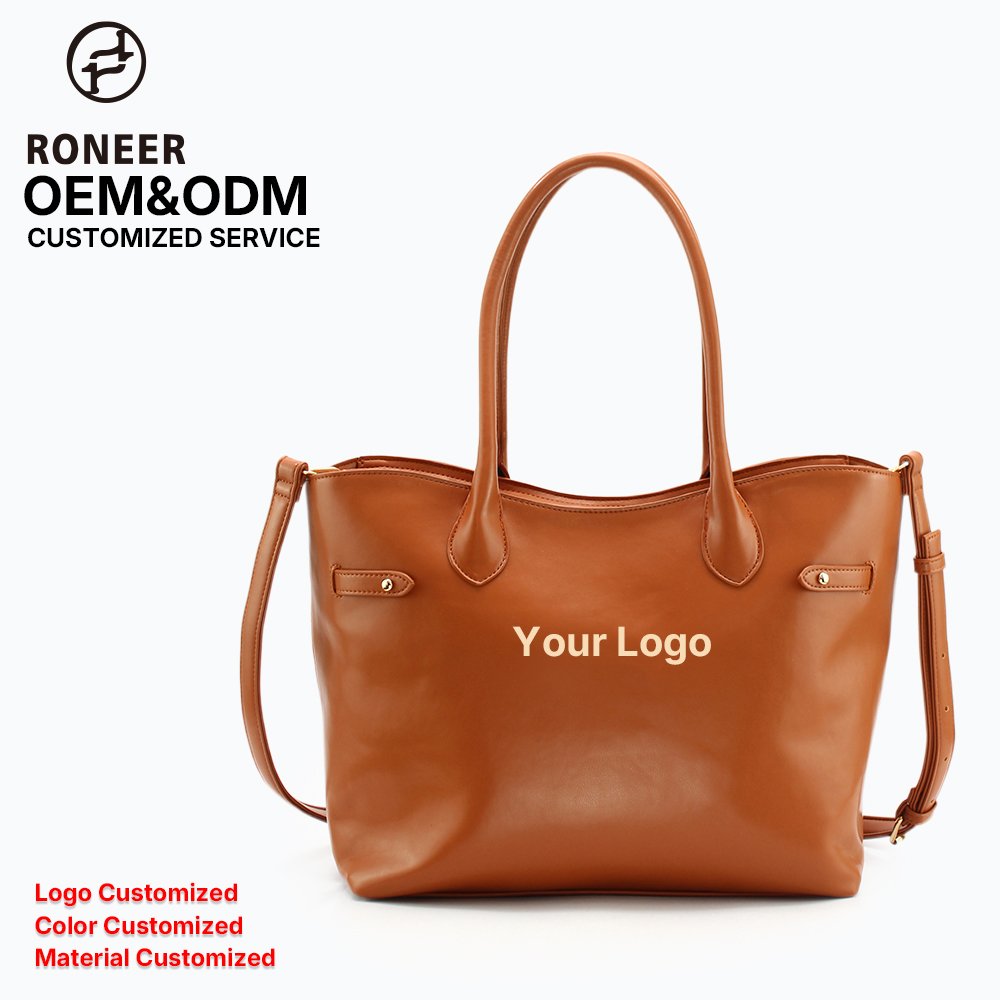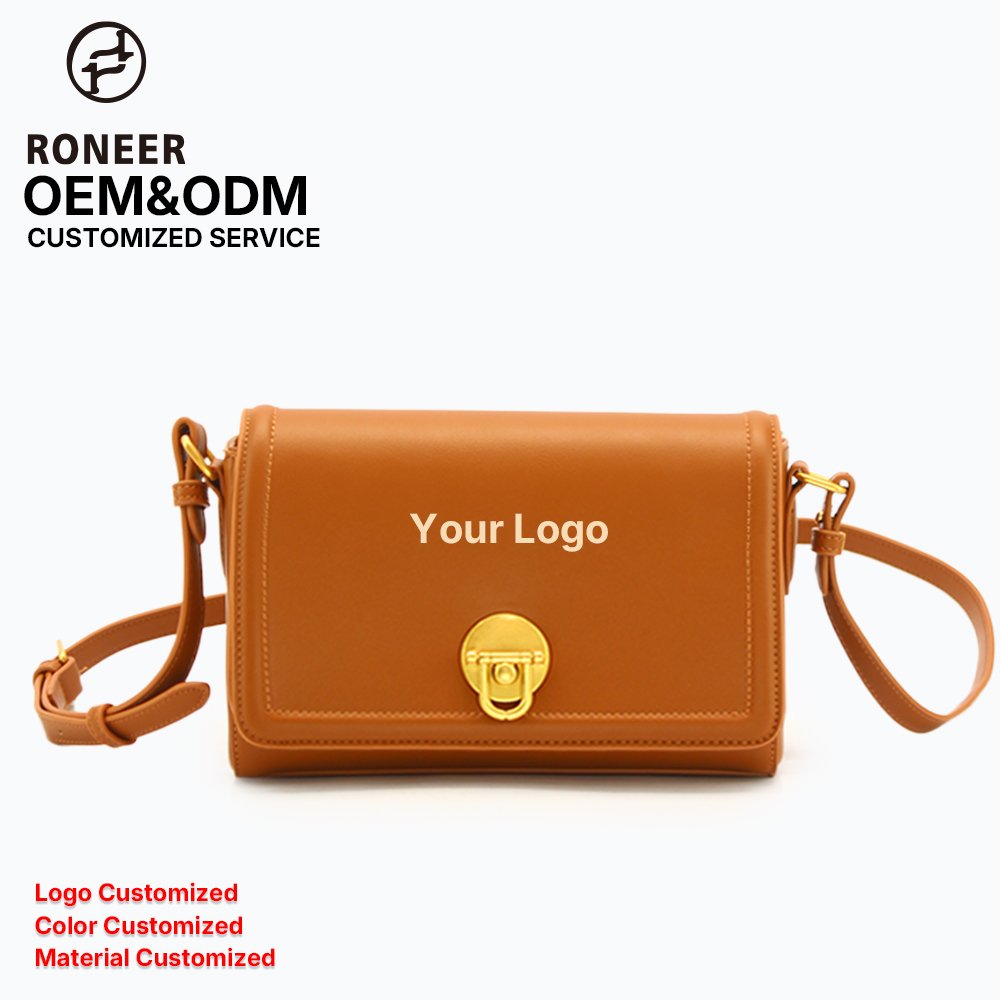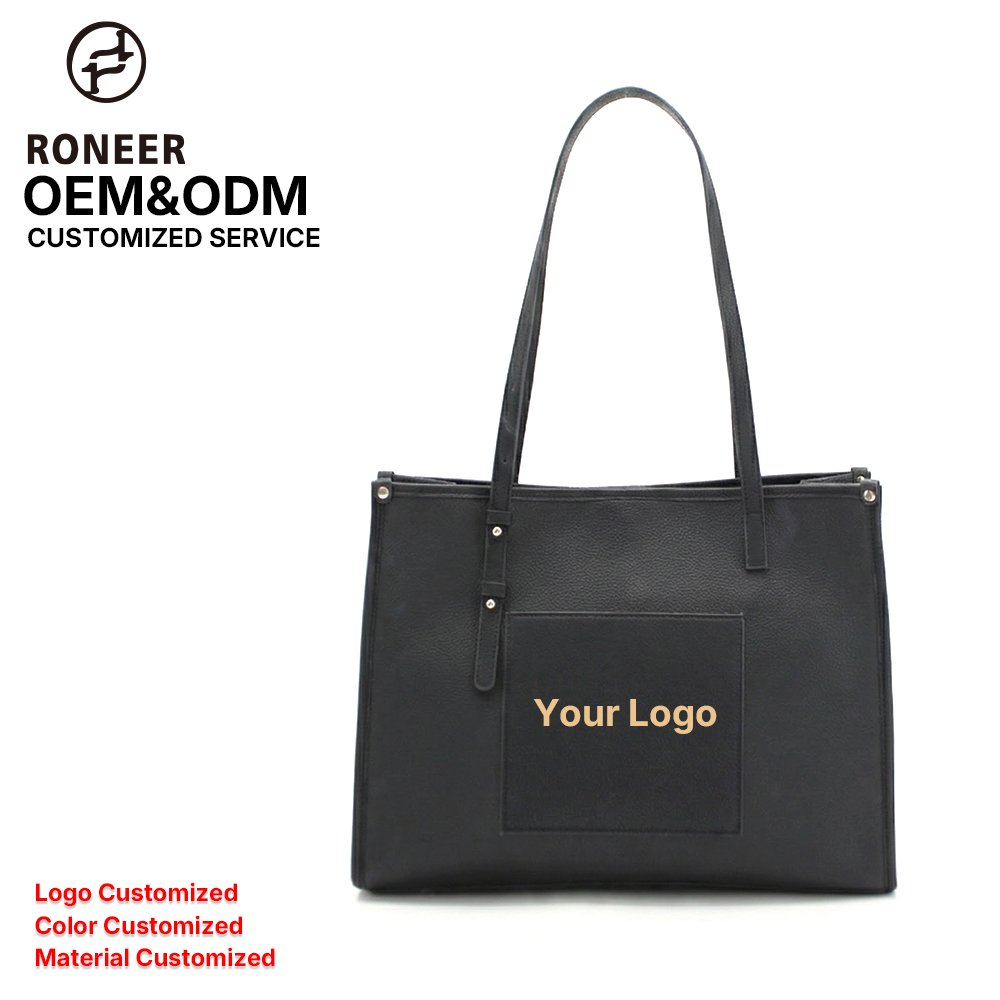




The environmental protection brand concept has gradually shifted from a beautiful vision to something that the brand must take seriously. In daily life, small changes in products often have a greater impact than grand declarations. Customized canvas bags are a great example. They are simple and practical, easy to integrate into daily life, and at the same time possess both functionality and environmental value.
They will not be forgotten after just one use like other products. Instead, they will continue to circulate, becoming an integral part of people’s daily lives, and subtly enhance brand awareness in a more natural way.
What Are Custom Canvas Bags?
Canvas bags are made from tightly woven cotton fabric — historically a sailcloth material, repurposed over the decades into one of the most durable everyday carriers available. A custom canvas bag takes that base material and transforms it into a branded object: your logo, your colorway, your message, woven into or printed onto a product that will move through the world on someone’s arm.
The customization options are broader than most assume. Weight matters — canvas fabric typically ranges from 8 oz to 16 oz per square yard, and heavier weights mean a bag that holds shape, survives regular use, and holds more without stressing the seams. Printing methods include screen printing, heat transfer, embroidery, and direct-to-fabric digital printing, each producing a different aesthetic result and interacting differently with the canvas texture. Gusset design, handle length, interior pockets, closure types — all of these are variables that affect how the bag functions and how prominently your brand appears in daily life.
What distinguishes a custom canvas bag from other branded merchandise is its staying power. A canvas bag used twice a week for two years will carry your brand through hundreds of public impressions without any repeat investment on your part. That’s not hypothetical — it’s the basic math of why durable branded merchandise consistently outperforms disposable alternatives on a cost-per-impression basis.
Why Are Custom Canvas Bags an Eco-Friendly Choice?
This requires an honest answer, not a marketing one. And the honest answer is: it depends entirely on how the bag is used.
Cotton cultivation is resource-intensive. Growing enough cotton to make a single tote bag requires significant water and, in conventional farming, pesticides and synthetic fertilizers. A 2018 study by the Danish Environmental Protection Agency found that a conventional cotton bag needs to be reused a substantial number of times to offset its production footprint relative to a single-use plastic bag. That number is high — in the thousands, under the strictest climate-impact metrics.
But here’s what that headline number often misses: plastic bags don’t stay in one place. They migrate into waterways, into soils, into the digestive systems of marine wildlife. Their end-of-life story is not a clean one. The Danish study and similar European life cycle assessments measured production and disposal within managed waste systems. They did not — and explicitly noted they did not — account for plastic litter and ocean contamination, which are precisely the real-world outcomes that drive regulatory bans.
When you account for the full picture, canvas bags consistently deliver environmental value at scale:
Biodegradability: At the end of its useful life, a cotton canvas bag can be composted. It breaks down. A plastic bag in a landfill or ocean does not — it fragments into microplastics that persist for centuries.
Reuse rate in practice: A well-designed canvas bag that a customer actually uses daily for grocery runs, commuting, and errands will accumulate enough reuses within one to two years to cross any meaningful environmental threshold. The key variable is bag quality. A flimsy canvas bag that falls apart after 20 uses provides neither environmental nor branding value.
Organic and recycled material options: Choosing certified organic cotton eliminates synthetic pesticide use. Recycled cotton options — made from post-industrial textile scraps — reduce both water consumption and raw material demand significantly compared to virgin cotton. These material upgrades close much of the lifecycle gap.
Water-based inks: Conventional printing often uses solvent-based inks containing volatile organic compounds. Water-based inks, now widely available, dramatically reduce the chemical footprint of the finished product.
The environmental case for custom canvas bags is not that they have zero impact — nothing does. It’s that their impact is bounded, recoverable, and tied to a material that behaves responsibly across its entire lifecycle when the right specifications are chosen.
How Do Custom Canvas Bags Support Sustainable Brand Building?
Brand equity is built through consistent signals over time. Consumers — and procurement decision-makers — register patterns. When a brand consistently shows up with choices that align with stated values, that alignment becomes a credibility asset. When a brand’s stated commitments and its actual product choices diverge, people notice.
Custom canvas bags work on multiple levels for sustainable branding:
Longevity as brand exposure. A disposable bag is seen once. A durable canvas bag is seen everywhere its owner goes for months or years. The brand impression isn’t just broader — it’s associated with a product the person has chosen to keep using, which signals positive brand affiliation rather than passive receipt of advertising.
Alignment with procurement criteria. Organizations across retail, hospitality, food and beverage, and professional services are increasingly measured by sustainability metrics — internally and by their own clients. Providing branded merchandise that actively supports those metrics rather than working against them makes your product a natural fit for organizations that care about their ESG profile.
Material as message. The physical experience of a well-made canvas bag — its weight, its texture, the way it holds its shape — communicates quality in a way that digital or paper materials cannot. When that tactile quality is combined with organic or recycled certification marks, the message layered into the object becomes complete: this was made by people who thought carefully about what they were making.
Differentiation through responsible sourcing. In a market where generic merchandise is abundant and cheap, being able to articulate a clear supply chain story — where the cotton was grown, what certifications apply, what printing process was used — is a concrete differentiator. It answers the question that increasingly gets asked before purchase decisions are made: “Can you tell us about the sustainability profile of these products?”
One thing worth naming directly: greenwashing is a real and documented phenomenon in branded merchandise. Labeling a product “eco-friendly” without substantiation is both ethically problematic and, in several jurisdictions, now legally risky. The strongest brands in this space build their sustainability claims on material certifications, third-party audits, and specific, verifiable production practices — not on broad language that can’t be backed up.
Which Countries Are Leading the Push for Eco-Friendly Packaging?
The regulatory landscape has shifted significantly, and the pace of change is accelerating. Understanding where legislation currently stands matters for any business sourcing branded materials for international distribution.
| Region / Country | Status | Year Enacted | Key Measure |
|---|---|---|---|
| European Union | Full Directive | 2021 – 2024 | Single-Use Plastics Directive; ≤40 bags per person per year target; 2024 amendment bans ultra-thin produce bags |
| France | 2040 Target | 2022 | Commitment to eliminate all single-use plastic packaging by 2040 |
| United Kingdom | Levy + Ban | 2015 – 2023 | Carrier bag charge led to ~98% reduction; 2023 bans on plastic cutlery and foam packaging |
| China | Phased Ban | 2020 – 2026 | Non-degradable bags banned in major cities; nationwide delivery packaging restrictions by 2025; recycled plastic standards by 2026 |
| Kenya | Strict Ban | 2017 | Heavy fines and imprisonment for violations; ~67% shift to reusable bags |
| Canada | Full Ban | 2022 – 2025 | Ban on production and import (2022); sales restrictions (2023); export ban phased through 2025 |
| Bangladesh | Pioneer Ban | 2002 | First country to ban lightweight plastic bags due to environmental and flooding concerns |
What Should You Consider When Choosing Eco-Friendly Custom Canvas Bags?
The decision involves more variables than color and logo placement. Here’s what actually matters:
Material specification and certification. The baseline question is whether the canvas is conventional cotton, organic cotton, or recycled cotton. Organic cotton eliminates synthetic pesticide use and is verifiable through certifications like GOTS (Global Organic Textile Standard). Recycled cotton, made from post-industrial or post-consumer textile waste, significantly reduces both water use and the demand for new raw material. Global Recycled Standard (GRS) certification verifies recycled content claims. Neither certification is marketing language — they require independent auditing and are the standard against which credible sustainability claims are measured.
Fabric weight and construction. A 10-oz canvas bag will hold its shape, carry meaningful loads, and survive regular machine washing. A 6-oz bag may look fine initially, but will degrade faster — reducing its reuse count and therefore its environmental justification. The structural investment in a heavier bag pays dividends in both brand longevity and actual sustainability performance.
Printing process and ink chemistry. Water-based inks are significantly less toxic than solvent-based alternatives and produce fewer volatile organic compounds during printing. For embroidery, thread composition matters — polyester threads are derived from petroleum; organic cotton or recycled polyester threads align better with an overall sustainability profile. Digital printing produces less waste than screen printing for short runs, while screen printing is more efficient at scale.
Dyeing and finishing processes. The coloring of canvas fabric is where a significant portion of chemical inputs occurs. Low-impact dyes, or natural dye processes, reduce water contamination downstream. Some manufacturers have adopted closed-loop water systems in dyeing facilities that recapture and treat process water before discharge — a meaningful infrastructure investment that’s worth asking about directly.
Supply chain transparency. Knowing where the cotton was grown, where the fabric was woven, and where the bags were sewn and printed gives you the ability to verify claims and respond to questions from your own customers or procurement teams. Certificates and audit reports from BSCI, SA8000, or similar labor standards frameworks address the ethical dimension of production alongside the environmental one.
Durability testing. Handle stitching, seam strength, and closure hardware are the failure points in most canvas bags. Bags that pass load-bearing and wear tests at the specification stage arrive in the field already validated for the usage scenarios they’ll face.
End-of-life guidance. A bag that includes basic care and disposal instructions — wash cold, air dry, compost natural fibers at the end of life — maximizes both its lifespan and its responsible disposal rate.
How Are Eco-Friendly Custom Canvas Bags Produced Responsibly?
Production responsibility operates across three interconnected dimensions: environmental inputs, chemical management, and labor practices. Understanding how each of these functions in a responsible supply chain lets you ask the right questions when evaluating suppliers.
Cotton sourcing. Responsible production begins at the fiber level. Organic cotton farming eliminates synthetic pesticides and fertilizers, relies on crop rotation and composting for soil health, and uses significantly less irrigation water than conventional high-yield cotton farming. Farms operating under GOTS certification are audited annually against both environmental and social criteria.
Recycled cotton sourcing takes a different path — collecting cutting scraps from garment manufacturing facilities, processing them into yarn, and reweaving them into fabric. This approach requires no new land, minimal water relative to virgin cotton production, and diverts textile waste from landfill. The resulting fabric typically blends recycled cotton with a small percentage of recycled polyester for structural integrity.
Weaving and fabric processing. Responsible mills operate with energy efficiency certifications, use renewable energy sources where available, and implement water treatment systems that prevent contaminated process water from entering local water supplies. The OEKO-TEX Standard 100 certification is worth looking for at this stage — it tests finished textile products for harmful substances and provides consumer-level assurance about chemical safety.
Printing facilities. Water-based ink systems require specialized equipment and chemistry management but produce far less hazardous waste than conventional solvent-based systems. A responsible printing facility will have wastewater treatment systems in place, properly manages and disposes of ink residues, and can provide material safety data sheets for all inks used in production.
Cutting and sewing. The labor conditions in this stage of production are where ethical sourcing concerns are most acute. Responsible manufacturers maintain factory audit programs, publish their supplier lists, and operate under binding codes of conduct for wages, working hours, and safety conditions. Certifications like Fair Trade, SA8000, or BSCI membership provide third-party verification rather than self-reported assurances.
Packaging and shipping. A canvas bag shipped in a plastic poly bag inside a non-recyclable box sends a conflicting message. Responsible producers package finished goods in recycled kraft paper or compostable poly bags, use minimal packaging, and provide recycled corrugated cartons for bulk shipment.
Quality control as a sustainability practice. This connection is often missed: rigorous quality control at production directly reduces the number of bags that fail early and get discarded. A bag that passes a 20kg load-bearing test on handles, has seams sewn to standard tension specifications, and uses colorfastness-verified inks will be used far more times than a bag that fails on any of those dimensions. Higher quality directly translates to higher environmental performance over a bag’s operational lifetime.
Conclusion
Choosing the right canvas bag partner is about more than finding a supplier who can print a logo on fabric. It’s about working with a manufacturer who understands material science, production standards, and the regulatory landscape your customers operate in — and who has the infrastructure to deliver on all three consistently.
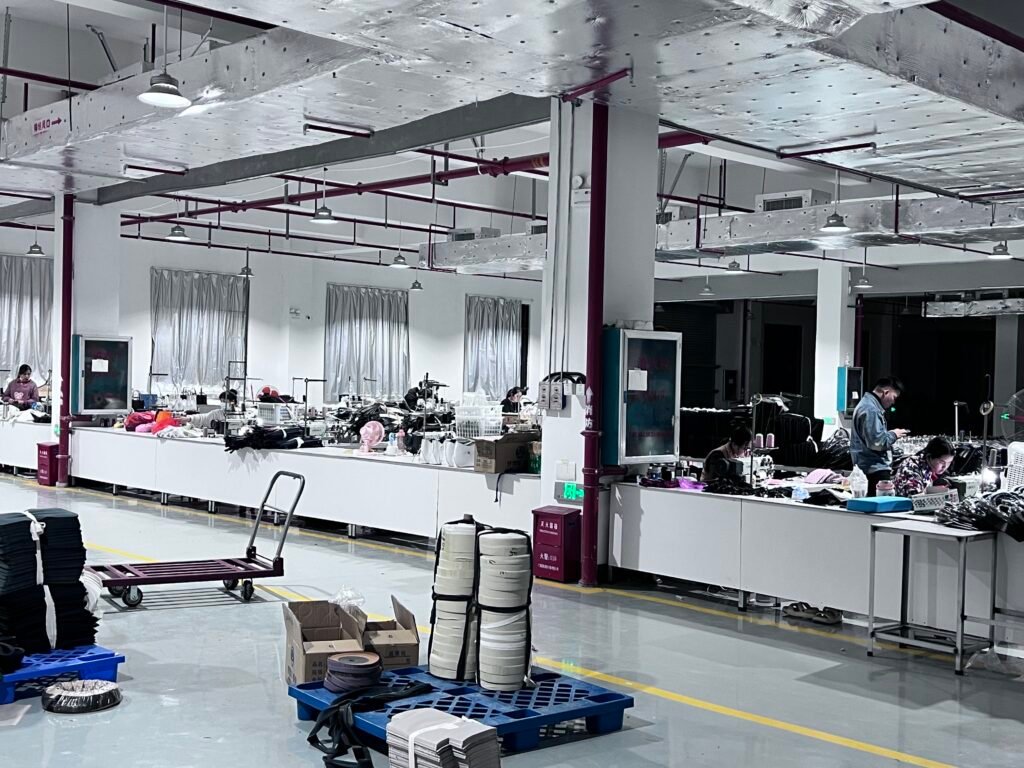
At RONEER, we bring that manufacturing depth to every custom canvas bag project. Based in Jiangmen, Guangdong — one of China’s most established production hubs for premium bag manufacturing — our facilities combine rigorous quality control systems with complete in-house testing equipment, so the specifications you agree on at the start are the specifications that arrive at your door. Our products reach customers in over 50 countries and regions, across retail, corporate gifting, and brand merchandise programs, and our reputation in those markets is built on one thing: delivering what we commit to, on time, at the quality level we promised.
Whether you’re sourcing organic cotton totes for a sustainability-focused retail program, branded canvas bags for a corporate identity campaign, or custom-printed totes designed to meet the packaging compliance requirements of EU or North American markets, we offer end-to-end customization — from material selection and certification guidance through to finished product delivery.
The canvas bag market is moving toward higher standards. Brands that move with it — specifying responsibly, sourcing transparently, and choosing manufacturing partners who can back their claims — will be the ones whose products stay in circulation longest. That’s the kind of partnership we’re built for.