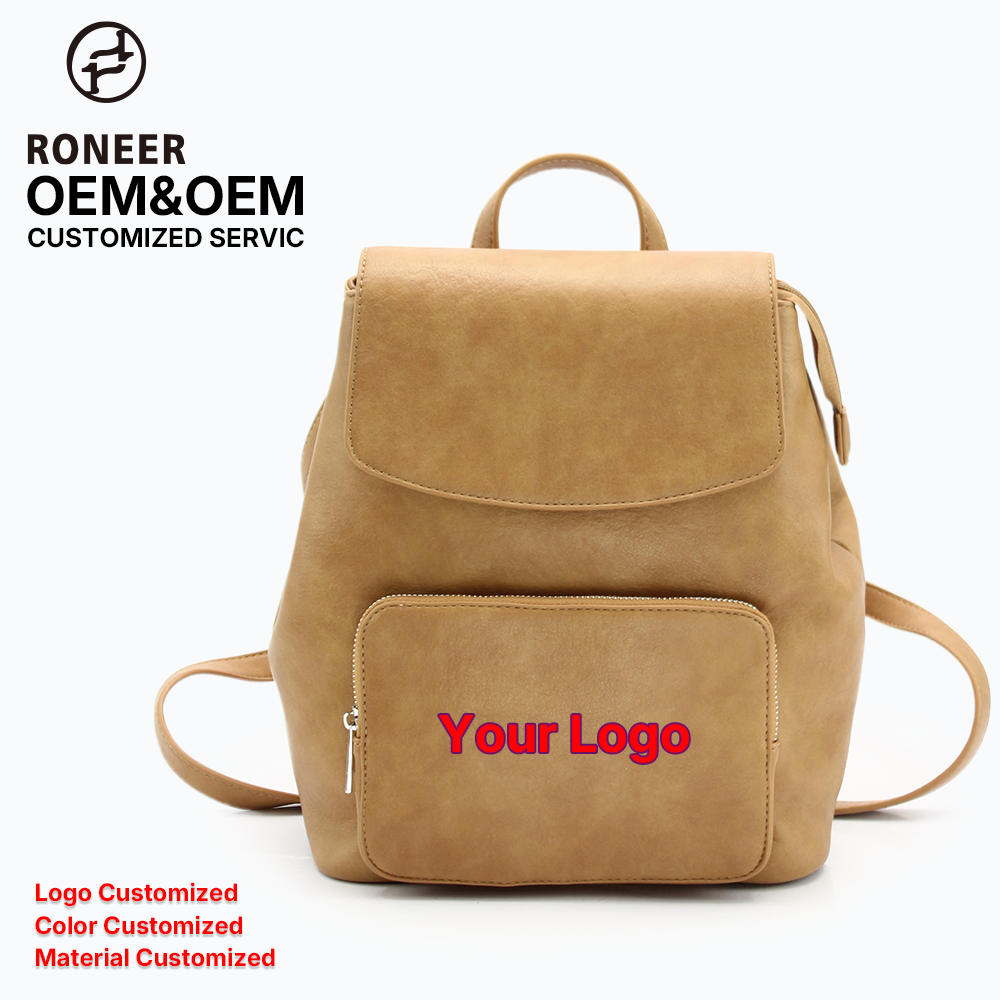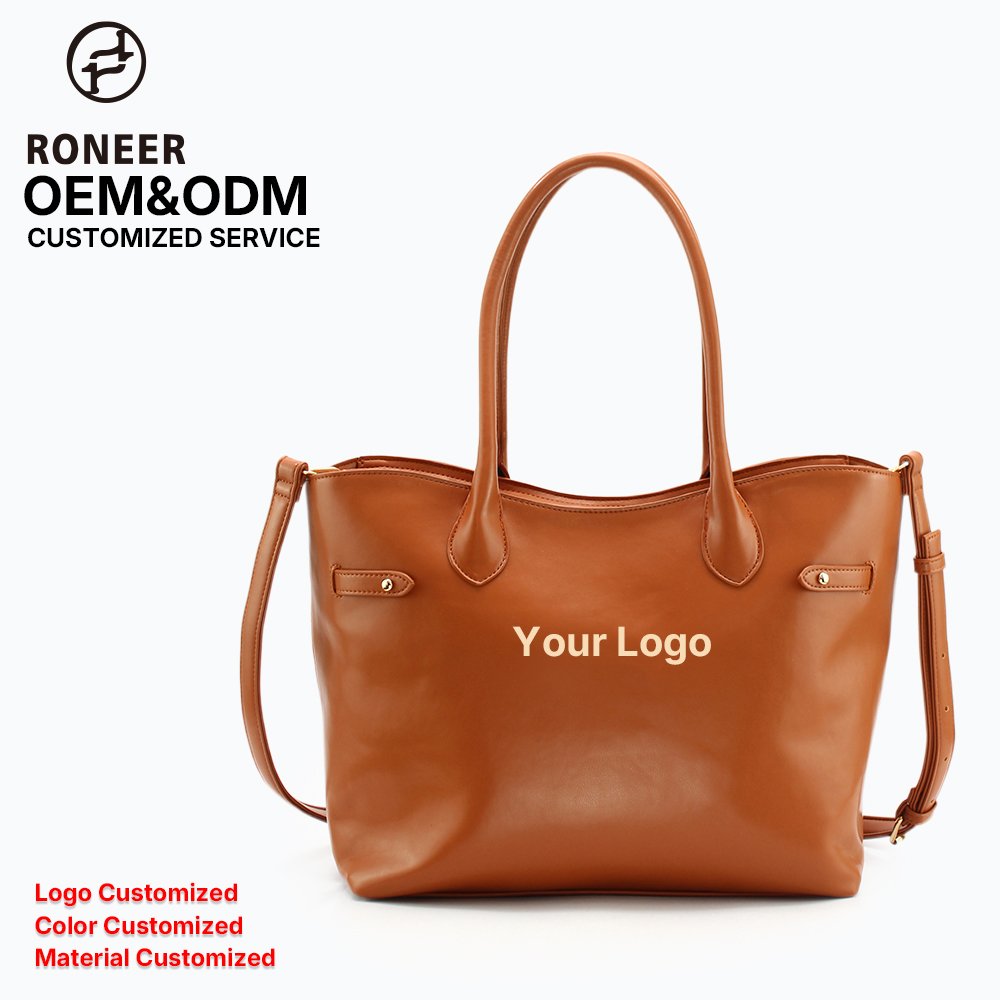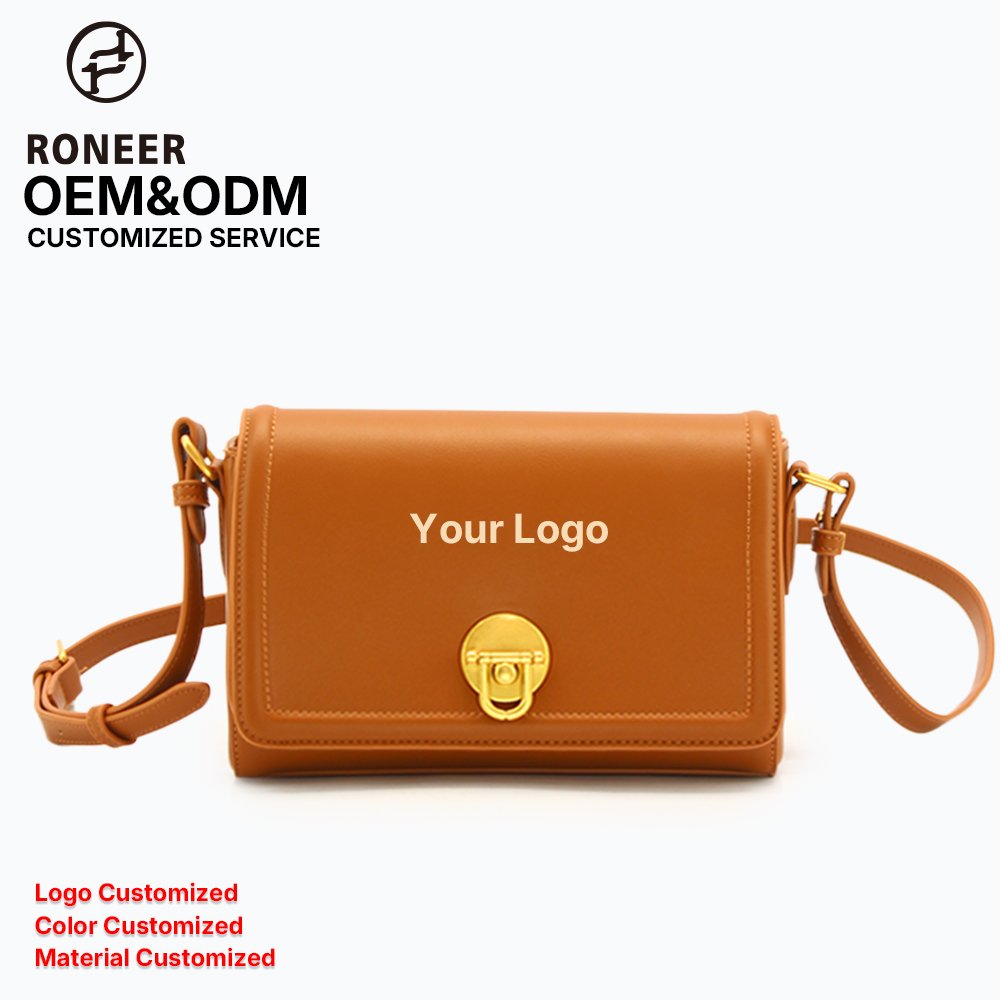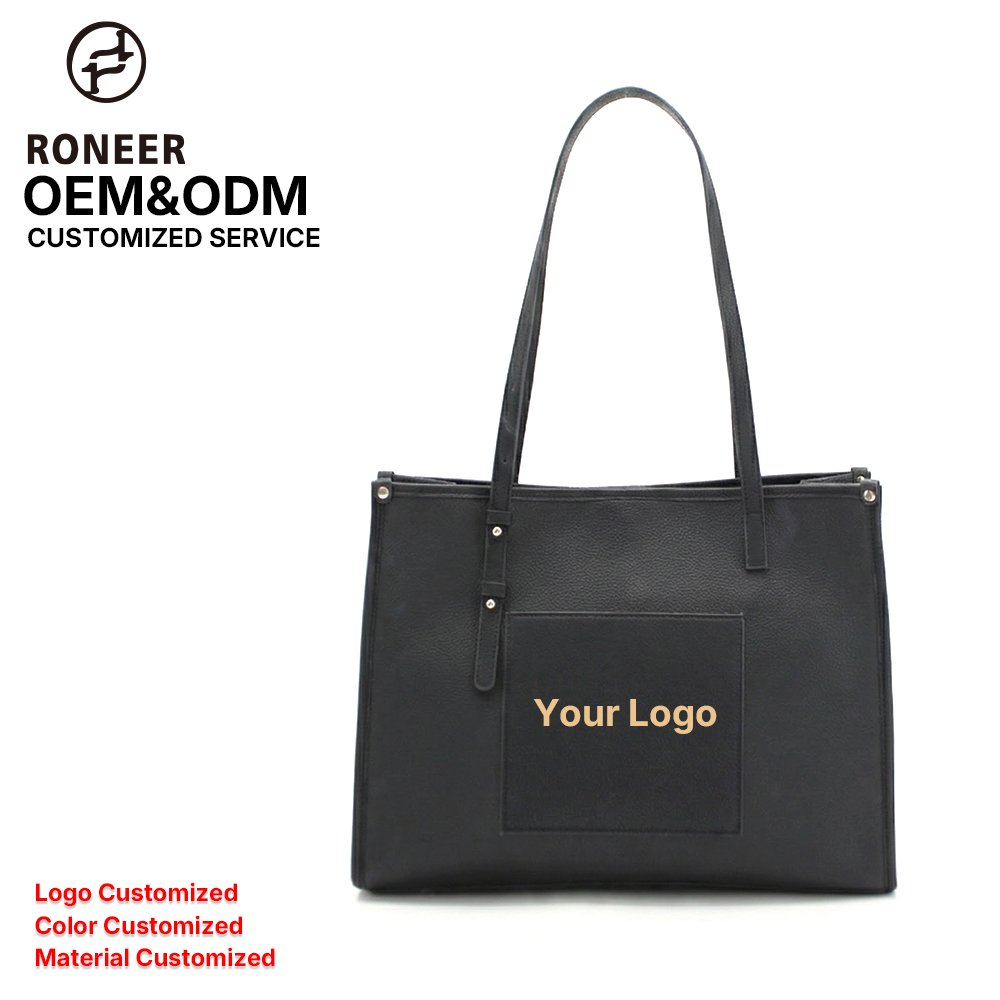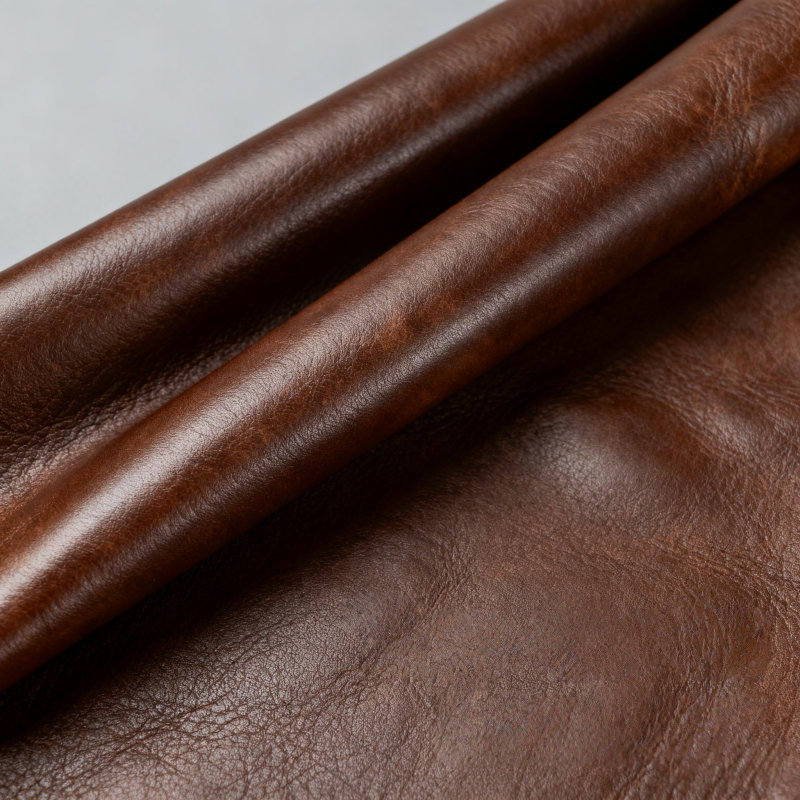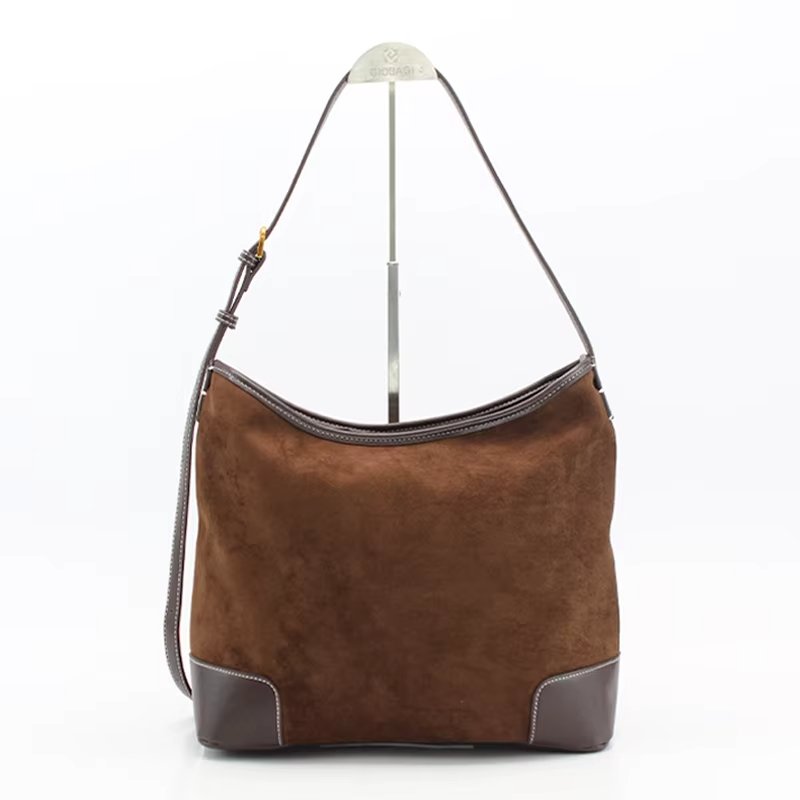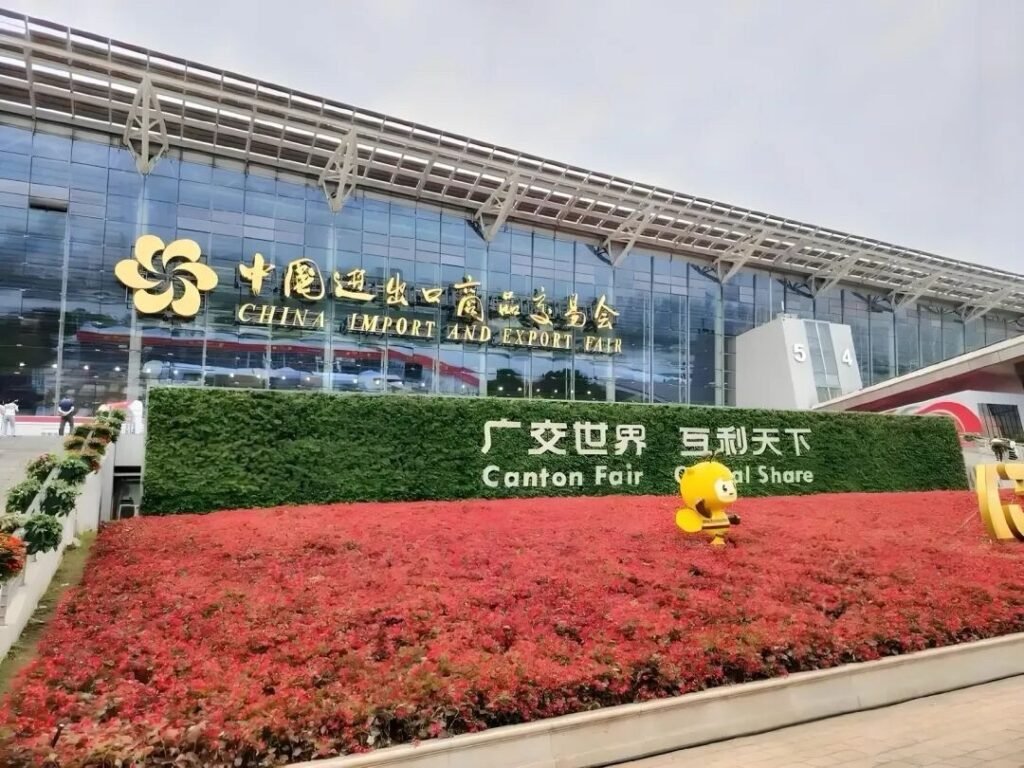





Choosing the right bag supplier is one of the most critical decisions you will make when developing a bag product line. If you are responsible for sourcing handbags, backpacks, travel bags, or business bags, the manufacturing partner you select will influence cost, product quality, development speed, and long-term brand stability.
Over the past twenty years, many global brands have gradually turned their attention to working with a chinese bag supplier. The reason goes far beyond simple manufacturing cost. China has built a deep and highly specialized ecosystem for bag production. From raw materials to hardware, from prototype development to large-scale production, the industry operates with a level of coordination that few regions can match.
If you are exploring suppliers in the global bag industry, understanding the practical advantages of sourcing from China can help you make more confident decisions. The following sections explain the key strengths that brands often experience when they collaborate with a Chinese bag manufacturer.
Competitive Pricing and Lower Production Costs
When you begin sourcing bags internationally, production cost is usually one of the first factors you analyze. Working with a bag supplier in China often provides clear cost advantages, but the reason is not simply lower labor costs. The real advantage comes from an extremely efficient manufacturing ecosystem.
China’s bag industry has developed large industrial clusters. Within these clusters, material suppliers, hardware manufacturers, packaging producers, and bag factories operate close to one another. This proximity significantly reduces procurement time and transportation costs.
When you work with a chinese bag supplier, materials such as PU leather, canvas, nylon fabrics, metal accessories, and zippers can often be sourced locally within a few hours. This efficient supply network allows factories to maintain competitive pricing while still producing reliable products.
Production specialization also plays a role. Many factories focus on specific product categories such as handbags, backpacks, laptop bags, or travel bags. Over time, workers refine their sewing techniques, assembly methods, and quality control systems. This specialization increases efficiency and lowers production costs without reducing product quality.
If you are developing a product line for retail distribution or brand expansion, lower manufacturing costs allow you to allocate more resources to design development, marketing strategy, and customer experience.
Strong Manufacturing Capacity and Scalability
Another important advantage you gain when working with a chinese bag supplier is production scalability. Manufacturing capacity becomes especially important when your brand begins to grow or when demand fluctuates across different seasons.
A professional bag supplier in China typically operates multiple production lines supported by trained technicians and skilled sewing workers. Many established factories employ hundreds of staff members, enabling them to handle both small and large orders efficiently.
This scalability gives you flexibility during different stages of product development. You might begin with a small batch to test the market. If the product performs well, production can scale rapidly without the need to change factories or adjust supply chains.
Factories with mature production systems usually implement strict internal quality control processes as well. Materials are inspected before production begins. Sewing lines are monitored during manufacturing. Finished products undergo final inspection before packaging and shipment.
Regions such as Shiling Town in Guangzhou—often known as one of the most important leather manufacturing centers—have developed strong craftsmanship traditions. Factories located in these areas benefit from decades of industry experience, skilled labor, and advanced production equipment.
When you collaborate with an experienced manufacturer operating in such an environment, production capacity and consistency become far easier to manage.
Wide Variety of Bag Styles and Materials
The global bag market evolves quickly. Fashion trends shift. Functional requirements change. Customers expect new designs, improved durability, and innovative materials.
One of the most valuable advantages you gain from working with a chinese bag supplier is access to an extremely wide range of materials and product styles.
Most professional bag supplier factories work with multiple material categories, including:
- Genuine leather
- Vegan leather
- PU and microfiber materials
- Nylon and polyester fabrics
- Canvas and cotton textiles
- Recycled and eco-friendly materials
Because material manufacturers operate close to bag production clusters, factories often have early access to new textures, coatings, and colors. This allows you to experiment with design ideas more easily when developing new products.
Hardware selection also plays a crucial role in bag design. Zippers, buckles, rivets, rings, and decorative metal elements can change the entire appearance of a bag. China’s extensive hardware manufacturing industry provides thousands of variations in shapes, finishes, and materials.
This diversity allows you to develop products that match different market segments. For example, a structured leather tote bag may target fashion retail markets, while lightweight nylon backpacks may serve outdoor or travel categories.
Manufacturers with long experience often contribute useful suggestions during the design stage. Their practical knowledge about material behavior, reinforcement structures, and stitching methods can help refine product concepts before mass production begins.

Flexible Customization and OEM / ODM Services
Customization is at the center of the bag industry. Most brands require unique designs that reflect their identity, product positioning, and target market.
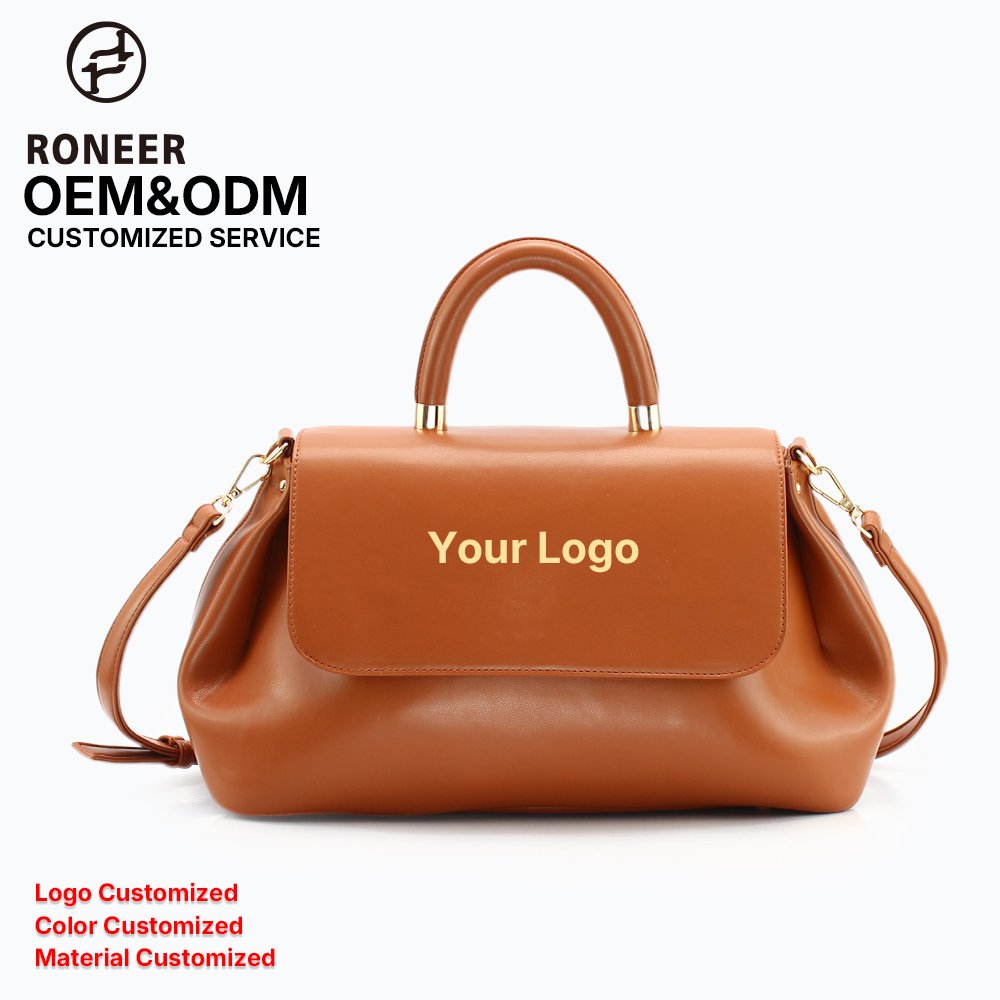
When you cooperate with a chinese bag supplier, you usually gain access to flexible OEM and ODM production systems that support product customization.
OEM manufacturing allows you to provide detailed specifications for the product. The factory then produces the bags according to your design drawings, material requirements, and brand guidelines.
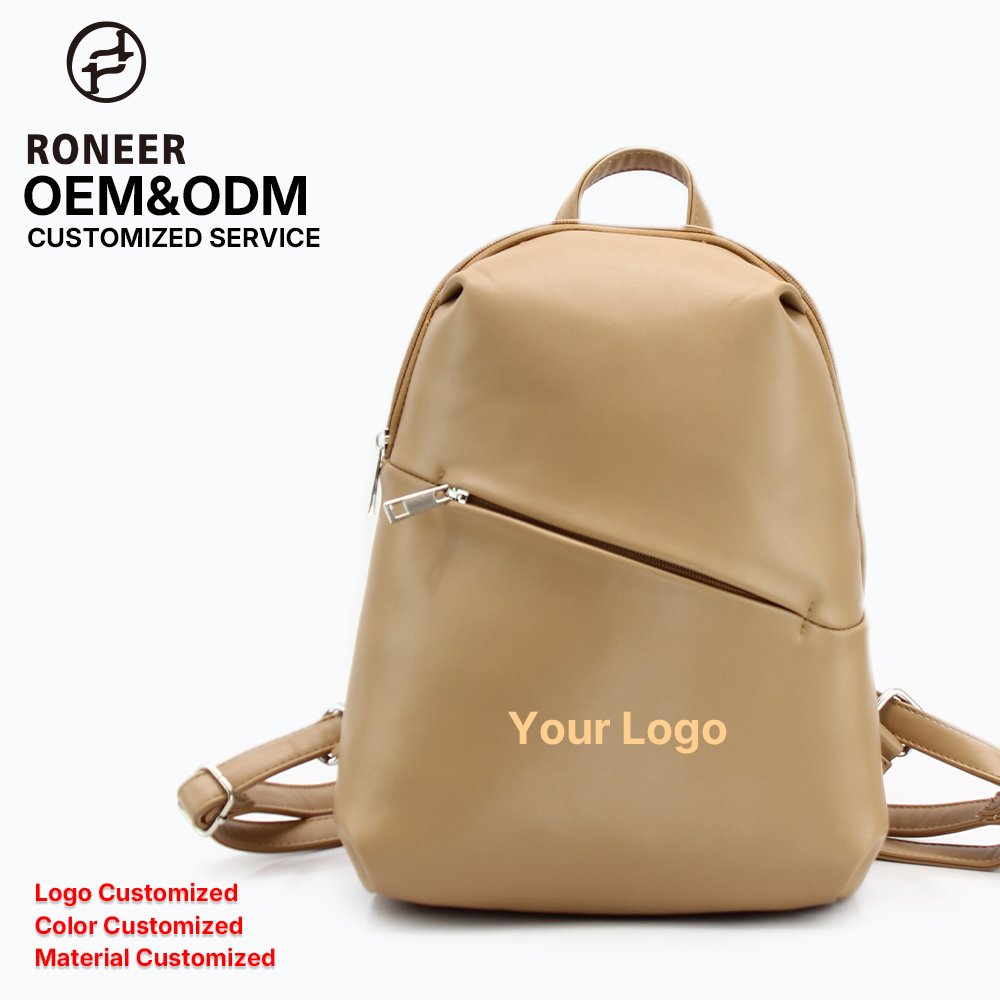
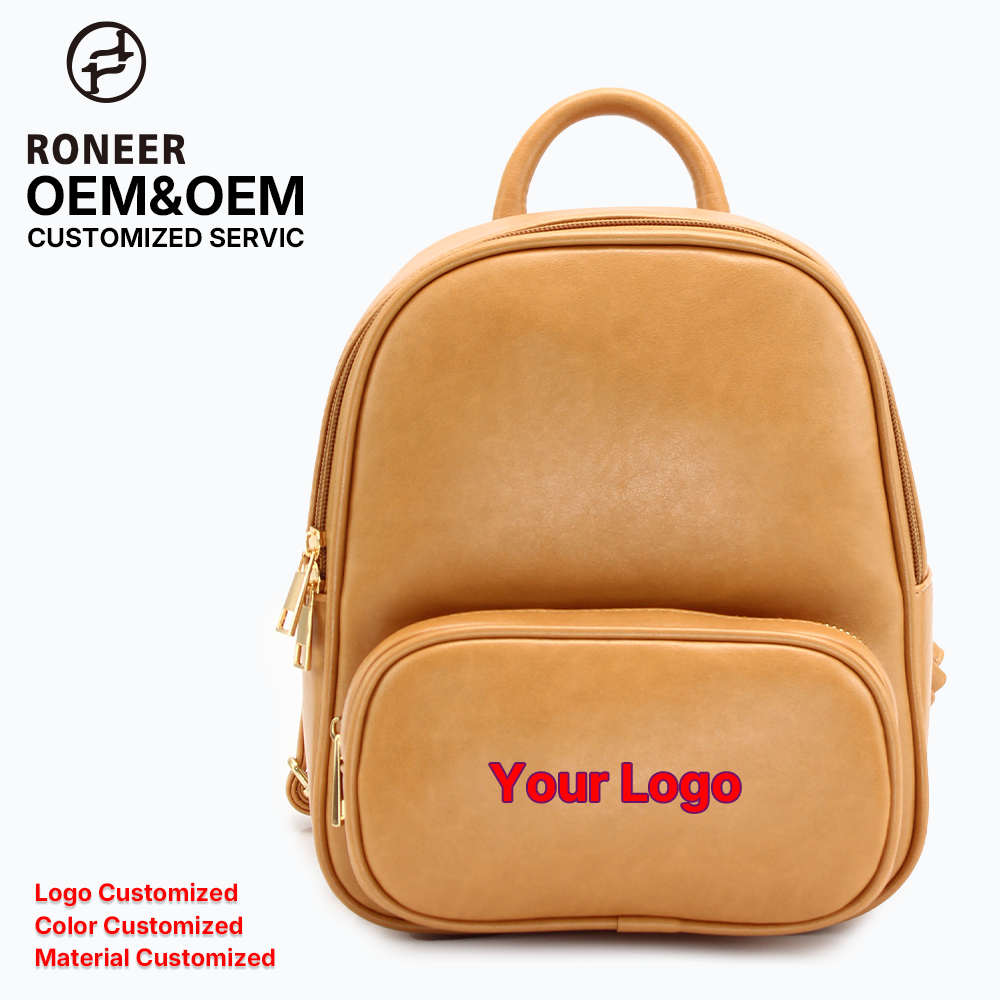
ODM production works slightly differently. The manufacturer provides existing bag designs that you can modify by adjusting materials, colors, logos, or structural elements. This approach helps accelerate product development when time is limited.
Customization options typically include:
- Embossed or metal logo applications
- Custom lining fabrics
- Private label packaging
- Color adjustments
- Material substitutions
- Structural modifications
During the development stage, factories often produce prototype samples. This step allows you to evaluate product structure, stitching precision, hardware durability, and overall balance before committing to full production.
Manufacturers with strong design and engineering teams can also help identify potential improvements during the sampling process. These small adjustments often lead to better durability and improved user experience.
In manufacturing environments similar to those used by RONEER, where structured development processes and experienced technicians support production, prototype development becomes an important stage for refining bag design before large-scale manufacturing begins.
Mature Supply Chain and Raw Material Availability
One of the strongest advantages of sourcing from China lies in the maturity of its manufacturing supply chain.
Producing a single bag involves dozens of specialized components. These include fabrics, leather panels, padding materials, stitching threads, metal accessories, zippers, lining fabrics, labels, and packaging elements.
In many countries, these components are produced by separate industries located far apart. This fragmentation can slow production and increase costs.
In China, however, these suppliers often operate within the same industrial regions. When you work with a bag supplier located inside these manufacturing clusters, the coordination between suppliers becomes extremely efficient.
For example:
- Leather processors supply materials directly to bag factories
- Hardware manufacturers produce custom buckles and decorative elements
- Textile mills provide lining fabrics and performance materials
- Packaging suppliers produce boxes, dust bags, and labels
Because these companies collaborate regularly, communication becomes faster, and production timelines become more predictable.
This integrated supply chain also supports material innovation. Many factories now work with environmentally responsible materials such as recycled polyester, eco-friendly synthetic leather, and biodegradable textiles.
Manufacturers with sustainability awareness often integrate these materials into their product development systems. In production environments comparable to those used by RONEER, eco-friendly materials are increasingly considered alongside durability and design aesthetics.
Extensive Export Experience and Global Logistics Support
International trade requires experience, especially when products must travel across multiple countries and regulatory environments.
An experienced Chinese bag supplier usually has a long history of exporting bags to global markets. This experience helps simplify the complex logistics process for buyers.
Factories that regularly ship products internationally understand how to prepare export documentation, manage customs requirements, and coordinate with shipping partners.
Typical export support includes:
- International freight coordination
- Customs documentation preparation
- Packaging standards for different regions
- Quality inspection before shipment
When you collaborate with a manufacturer that exports products to markets across Europe, North America, Asia, and South America, you benefit from their understanding of global trade expectations.
These factories often maintain relationships with freight forwarders, shipping agents, and logistics providers. As a result, transportation from factory warehouses to international ports can be organized efficiently.
Reliable delivery schedules are particularly important if you operate in seasonal markets such as fashion retail or travel accessories. Experienced manufacturers understand the importance of meeting production timelines and maintaining consistent communication throughout the process.
Manufacturing Expertise Built Through Long Industry Experience
Manufacturing expertise is built gradually through years of production practice. Experienced factories accumulate knowledge that improves product durability, production efficiency, and quality control.
Technicians learn how different materials behave during cutting and sewing. Pattern makers refine bag structures so that products maintain their shape during long-term use. Production managers optimize workflow to reduce errors and maintain consistent quality.
Many professional factories also invest in specialized testing equipment that evaluates product performance. These tests may examine stitching strength, zipper durability, abrasion resistance, and load capacity.
Such testing ensures that bags perform reliably under real-world conditions. For brands distributing products across international markets, consistent quality becomes essential for maintaining customer trust.
Factories located within major bag manufacturing regions benefit from a shared industry culture. Workers and technicians often carry skills and techniques developed through decades of production experience.
When you collaborate with a skilled bag supplier, you gain access to this accumulated expertise, which ultimately improves the quality and reliability of your product line.
Conclusion
If you are also looking for a reliable Chinese luggage supplier, this supplier not only understands product quality, but also has high production efficiency and is committed to long-term cooperation. Working with experienced manufacturers will have a significant impact on your procurement strategy.
RONEER is a professional luggage manufacturer based in China with over 20 years of experience, specializing in the design and production of leather luggage. Our team focuses on developing handbags, backpacks, travel bags, crossbody bags, computer bags, wallets, and other lifestyle accessories, while always adhering to exquisite craftsmanship and responsible material selection. With skilled technicians, stable production capacity, and extensive global market export experience.