 Italiano
  English
  Deutsch
  Español
  Français
  Русский
  日本語
日本語  العربية
  Türkçe
  한국어
한국어 Do you know the differences between makeup bags and toiletry bags? Many people tend to use these two products interchangeably, but in fact, they have significant differences in terms of function and design. As a manufacturer specializing in the production of makeup bags and toiletry bags, RONEER often encounters confusion regarding these two types of products during the development of daily products and communication with customers.
In this article, I will share with you the differences between makeup bags and toiletry bags. Let’s explore them together in the following content!
Beauty brands comparing these formats can review RONEER’s custom cosmetic bag manufacturing service for material, lining, compartment, logo, packaging, sampling, and production options.
What Is a Makeup Bag?
A makeup bag is a purpose-built storage solution for cosmetics, beauty tools, and application accessories. That sounds simple enough, but the category is remarkably broad in terms of format, material, and intended user.
At its core, the makeup bag exists to do one thing exceptionally well: keep products organized so they are easy to find, protect fragile items like pressed powders and palettes, and give users fast access during a routine — whether that is a morning touch-up at home or a full application setup in a film studio.
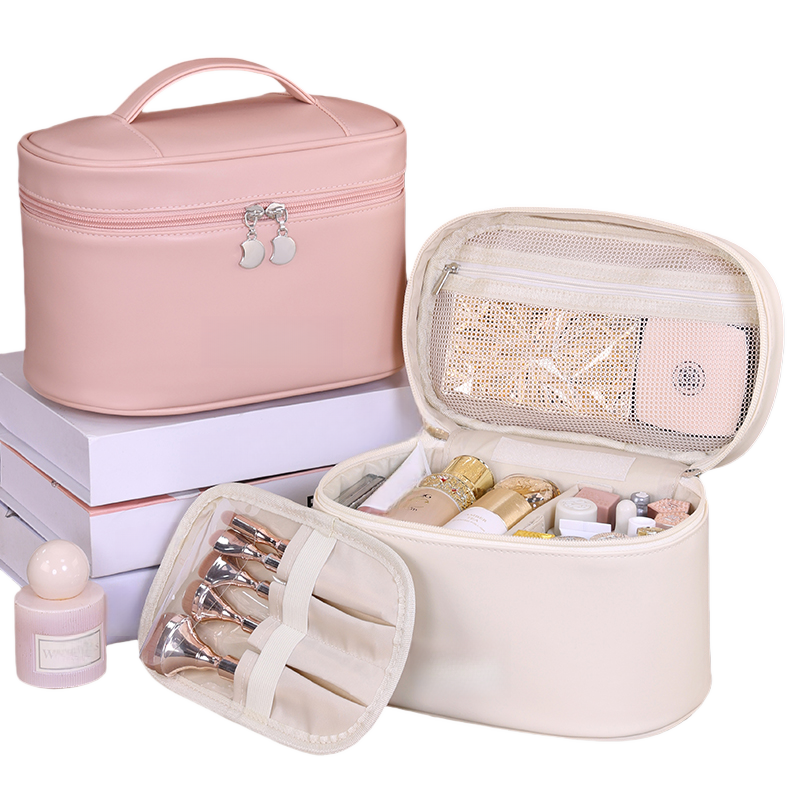
Unlike a generic pouch that holds things, a well-designed makeup bag has intentional structure. Elastic brush loops keep brushes upright and bristle-safe. Interior compartments separate skincare from color products. Clear PVC panels let users spot a specific shade without emptying the whole bag. Some designs include a built-in mirror. Others are roll-up brush rolls that lay flat on a vanity or kit table. A few high-end versions have removable palettes or modular inserts that allow the bag to expand or contract depending on the job.
The size range is wide. Clutch-style makeup bags designed for everyday carry measure around 18–22 cm in length — compact enough for a purse. Professional artist kits can be three or four times that size, with dedicated sections for face, eye, and lip products. Brush rolls sit in their own category: long and narrow when rolled, they unroll to reveal a full toolkit organized by brush type and size.
The interior experience matters more than the exterior in a makeup bag. Lining choices make a meaningful difference — velvet or microfiber lining looks premium and protects powders from scratching, while wipe-clean PU or laminated fabric lining is more practical for liquid products. The zipper quality matters enormously because a makeup bag gets opened dozens of times a day. The stitching around brush pockets and elastic loops is a consistent failure point in lower-quality versions.
Color, pattern, and aesthetic are significant purchase drivers for end consumers. Unlike a toiletry bag — where most buyers default to a neutral, functional design — a makeup bag often becomes an extension of personal style. This has direct implications for the range of colorways, patterns, and materials worth offering in any given collection.
What Is a Toiletry Bag?
A toiletry bag is designed around hygiene and grooming products — toothbrushes, razors, skincare, shampoo, deodorant, and the full suite of items most people reach for during a daily routine or pack for a trip. The category name is sometimes fluid: “wash bag,” “dopp kit,” “travel kit,” and “grooming bag” all refer to essentially the same thing with minor regional or demographic variations.
The defining design requirement is moisture resistance. Everything else follows from that.
A toiletry bag lives in close proximity to water. It sits on hotel bathroom ledges. It goes in and out of shower bags. Bottles leak — shampoo caps loosen, contact lens solution spills, and face washes have a remarkable ability to find their way into every corner. A toiletry bag that cannot handle moisture contamination is a toiletry bag that fails at its primary job.
This shapes the material selection entirely. Coated nylon, polyester with TPU lamination, EVA foam, and silicone are the standard materials for good reason — they resist absorption, clean easily with a damp cloth, and do not develop the mildew problems that fabric-lined alternatives often do after sustained use. The interior lining is frequently a separate, removable consideration so that the bag itself can be wiped down after a spill.
Toiletry bags tend to be larger than makeup bags because the products inside are larger — full-size bottles, electric shavers, hairdryers for travel, bulky moisturizer tubes. The interior is usually one open main compartment with perhaps one or two zippered pockets for smaller items, rather than the highly subdivided interior of a professional makeup bag. The reason is practical: when you are reaching for your toothpaste at 6 a.m., you want immediate access, not a compartmentalized search.
Hanging toiletry bags — those with a fold-out design and an integrated hook — are especially popular for travel because they allow the entire bag to hang from a towel rail or shower hook, keeping products at eye level without requiring counter space. This design is almost never seen in makeup bags, which prioritizes organizational display over vertical storage.
The hardware tends to be heavy-duty. Large, smooth-running zippers, reinforced handles, and sturdy hooks for hanging designs see consistent use over years of travel. Durability under daily use is a more prominent selling point in toiletry bags than in many makeup bag segments.
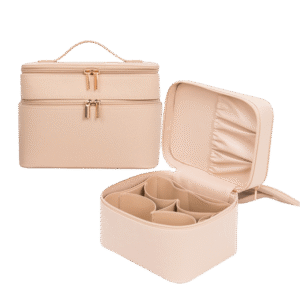
Key Differences Between a Makeup Bag and a Toiletry Bag
The comparison table above covers the key dimensions in detail. A few points deserve deeper attention because they consistently cause confusion in product development and sourcing conversations.
Interior architecture is the most substantive difference.
A makeup bag is engineered around a specific taxonomy of products. Brushes need pockets sized to individual brush handles. Palettes need flat compartments that prevent pressure and protect hinges. Small products like lip liners and eyeliners need to be retrievable without disturbing everything else. The entire interior design reflects the workflow of applying cosmetics — a sequence that users follow in roughly the same order every time.
A toiletry bag has no equivalent workflow. The interior prioritizes volume and moisture containment over sequence. The products inside are not related to each other in an application sense — you do not apply your razor after your shampoo in any organized way. The bag just needs to hold them safely and allow retrieval without too much searching.
Waterproofing is a requirement for toiletry bags and a preference for makeup bags.
This is a critical specification distinction. Toiletry bags should use fully sealed or laminated interiors — not just water-resistant fabric, but genuinely non-absorbent lining that will not degrade when a liquid product leaks. In makeup bags, a wipe-clean lining is a premium feature, but a fabric or velvet lining is entirely appropriate for users who primarily store dry products like pressed powders, eyeshadow palettes, and brushes.
Getting this wrong leads to product failures and returns. A makeup bag sold with claims of being suitable for travel skincare that turns out to have a velvet interior will frustrate buyers when their facial oil saturates the lining after one trip.
Aesthetics drive purchasing decisions very differently in the two categories.
Makeup bags are frequently fashion items. They appear on vanities, get photographed for social media, and signal something about the owner’s taste and beauty identity. This means color range, material feel, hardware finish, and overall visual design are meaningful product variables that influence purchasing and repeat orders.
Toiletry bags skew more utilitarian in most markets. The purchase drivers are durability, size, and how well the bag works in a hotel bathroom. That said, premium positioning is absolutely possible — leather dopp kits, high-end travel sets, and branded wellness products show that the category can carry significant aesthetic weight when the design is strong and the context is right.
Which One Should You Choose for Travel or Daily Use?
The right answer depends on what someone is actually packing — and where they are going.
For daily use, the division is fairly clean. If the daily routine centers on a skincare or grooming regimen with bottled or tube-based products, a toiletry bag organized with a clear-lined interior and durable zipper handles that routine well. If the daily routine involves cosmetics and brush-based application, a makeup bag with elastic loops and compartments will make the routine faster and keep products in better condition over time.
Where it gets interesting is travel, because travel compresses both routines into the same trip. Most people who wear makeup and travel frequently end up managing two separate bags — one for hygiene products, one for cosmetics. That is the cleaner solution from a functional standpoint because each bag can be optimized for what it holds.
The case for two separate bags over a single large bag is worth making clearly.
A single oversized bag that holds both cosmetics and toiletries creates a few recurring problems. The moisture issue is primary — even with careful packing, liquid products and cosmetics do not coexist well in a shared, unlined pouch. A leaking bottle of shampoo can ruin a pressed powder palette in a matter of minutes. Beyond that, retrieval becomes difficult. Finding a specific lip color buried under travel-size bottles is an avoidable frustration.
For business travelers who carry both, a small, structured makeup bag alongside a dedicated toiletry bag is a more practical system. For leisure travelers who carry minimal cosmetics, a toiletry bag with a separate small cosmetics pouch works well as a lighter alternative.
Daily users who do not travel frequently often find that a good makeup bag alone handles their needs. Skincare products in their routine tend to be housed separately on a bathroom shelf anyway. The makeup bag becomes a dedicated tool organizer that lives on the vanity and gets opened during the morning routine.
The key question to ask: what percentage of the contents are liquid and bottled versus dry and applicator-based? The higher the liquid percentage, the more you need the construction standards of a toiletry bag.
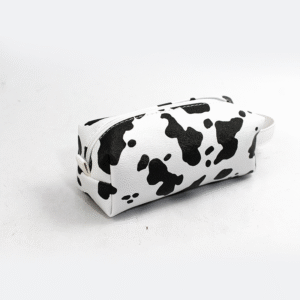
Can a Makeup Bag Be Used as a Toiletry Bag ?
Yes — with meaningful trade-offs that are worth understanding clearly before making the substitution.
Using a makeup bag as a toiletry bag works if the makeup bag has a wipe-clean or laminated interior lining and no fabric pockets that would absorb liquid. A PU leather makeup bag with a clear or laminated interior can handle travel toiletries reasonably well for a short trip. The limitations are capacity (most makeup bags are too small for a full set of toiletry bottles) and waterproofing (even a wipe-clean lining may not hold up to a leaking shampoo bottle in checked luggage). If the interior has velvet or fabric lining — common in premium makeup bags — the substitution will result in a damaged bag and stained products.
Using a toiletry bag as a makeup bag is more problematic because the toiletry bag’s interior is optimized for open-access retrieval of bottles, not the precision organization that cosmetics require. Brushes will rattle around. Palettes will sit flat in a compartment with no padding or protection. Small items like eyeliners and lip liners will sink to the bottom and become difficult to find. A toiletry bag can hold cosmetics without damaging them in most cases, but it cannot organize them in a way that makes application efficient.
The scenarios where substitution actually makes sense:
For a weekend trip where someone only carries a small skincare kit and a few cosmetics, a medium-sized makeup bag with a solid interior lining handles both perfectly well. The volume is right. The organization is useful for the skincare items too. The products are few enough that the lack of a hanging hook is not a problem.
For travel that involves primarily dry cosmetics — no liquid foundation, no toners, no essence — the moisture concern largely disappears. In that case, a makeup bag with fabric lining can double as a travel bag for powder, brushes, and dry tools without risk.
A better long-term solution for people who want one versatile bag is to look for designs explicitly positioned as hybrid travel and beauty organizers — bags with a modular interior that can be reconfigured, waterproof lining throughout, and a format that accommodates both brush pockets and open compartments for bottles. These designs exist and are more common in the premium segment.
What Materials and Designs Are Best for Each Type?
Material selection is where the spec sheet translates into real-world product performance. The right material for each bag type comes down to how the bag gets used, how often it gets cleaned, and what the end user expects in terms of durability and feel.
Makeup Bag: Materials and Design Priorities
Pelle PU is the workhorse of the makeup bag category. It is durable, wipes clean, photographs well, takes color and texture well, and costs significantly less than genuine leather while hitting a premium visual benchmark. For fashion-forward collections where aesthetics matter as much as function, PU leather is often the default choice.
Canvas and jacquard fabric bring a softer, more artisanal quality to the category. These materials do not wipe clean as easily as PU, which means they work better for bags intended for dry products. They photograph beautifully, particularly in lifestyle contexts, and hold up well to daily use if the construction is solid.
Clear PVC panels are a functional feature, not just a design choice. A clear-front pouch or a bag with a transparent interior pocket lets users find products at a glance without unpacking. For professional use contexts, this is a significant time-saver.
Interior lining choices map to use case. Velvet and microfiber lining signals premium positioning and protects dry products like pressed powders and eyeshadow palettes from impact. Wipe-clean laminated lining is more practical for users who store liquid or cream products. Offering both in a line serves different customer segments without requiring a completely different bag design.
For the interior structure, quality brush pockets use individual elastic loops rather than a shared wide elastic band — individual loops keep brushes from sliding and shifting. The elastic should be tight enough to hold but not so tight that it deforms brush handles over time. This is a detail that distinguishes a well-specified product from a generic one.
Toiletry Bag: Materials and Design Priorities
Coated nylon — particularly 210D or 420D nylon with a TPU or PVC coating — is the standard for quality toiletry bags. It is lightweight, resistant to abrasion, does not absorb moisture, and is easy to wipe clean. The weight matters for travel: a toiletry bag that adds 400–500 grams to a carry-on before a single product goes in will frustrate frequent travelers.
EVA (ethylene-vinyl acetate) molded cases are used in structured toiletry bags that need to protect rigid or fragile contents — electric shavers, contact lens cases, and glass bottles. EVA cases hold their shape under pressure and provide genuine impact protection that fabric-sided bags cannot match.
Interior lining should be fully sealed, not just treated. A seam-sealed interior where the lining is bonded to the shell fabric — rather than stitched in a way that leaves needle holes — provides better protection against liquid infiltration. This is a specification that is easy to overlook in early product reviews but becomes immediately apparent when a customer’s bag absorbs a shampoo leak.
Hanging hook design requires hardware quality attention. The hook is one of the highest-stress components in a hanging toiletry bag — it bears the full loaded weight of the bag every time it is used. A flimsy hook that bends under load or a hook housing that tears away from the bag fabric is the most common failure point in this category. The attachment method matters as much as the hook material.
Drain holes are worth including in toiletry bags that will be used in wet environments — fabric bags placed on shower floors or wet bathroom surfaces benefit from small drainage points that prevent standing water from accumulating inside. Rarely seen in standard designs, this is a detail that stands out positively in product testing.
Conclusione
The difference between a makeup bag and a toiletry bag is not just a labeling question — it is a design question, a materials question, and ultimately a user experience question. Makeup bags are organizational tools built around the workflow of cosmetics application. Toiletry bags are moisture-resistant carriers built around the practicalities of hygiene and travel. Each has its own performance requirements, and designing or sourcing either category well means understanding those requirements from the start.
If you are building a bag collection, developing a private label line, or looking to expand your product range in either category, the details covered here — material selection, interior architecture, waterproofing standards, and hardware specifications — are the variables that determine whether a product performs well in real use or ends up generating returns and complaints.
A RONEER, we have spent 19 years manufacturing bags out of Jiangmen, China, with our production facility in Huadu. We work with multiple factories, which means we can scale production, maintain quality standards across different product types, and bring genuine manufacturing expertise to both makeup bag and toiletry bag development. Whether you need help with material sourcing, construction specifications, sample development, or full production runs, we understand this category from the ground up.
If you are looking for a manufacturing partner — not just a supplier — visit our website and leave your contact details. We are glad to hear from you and look forward to building something great together.