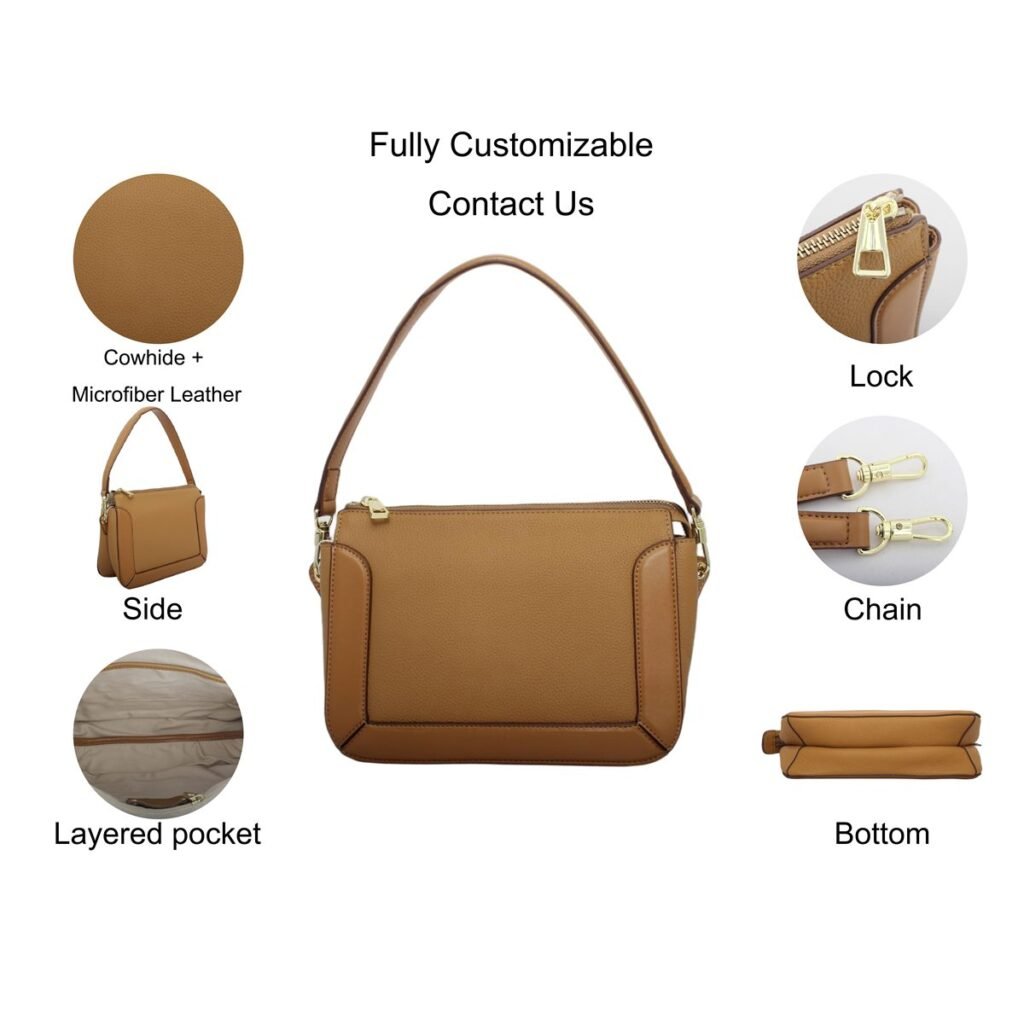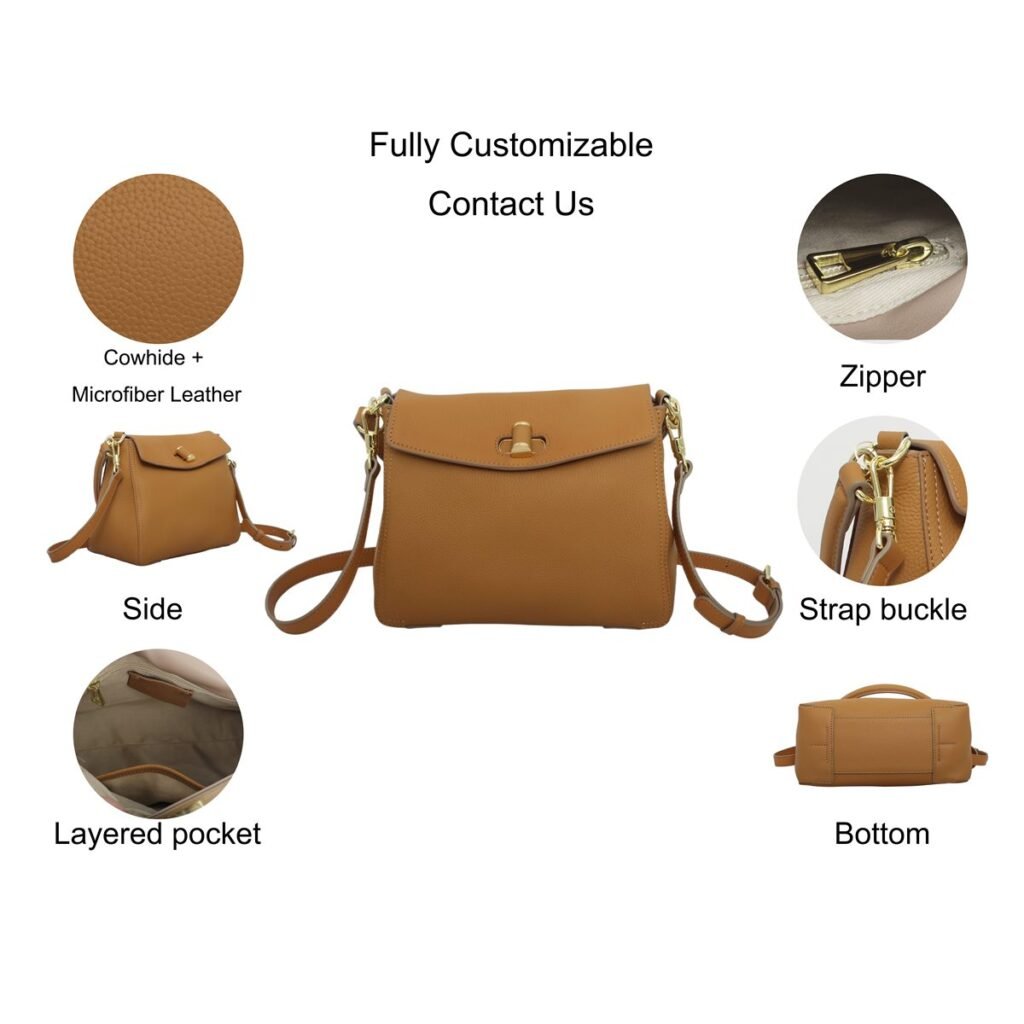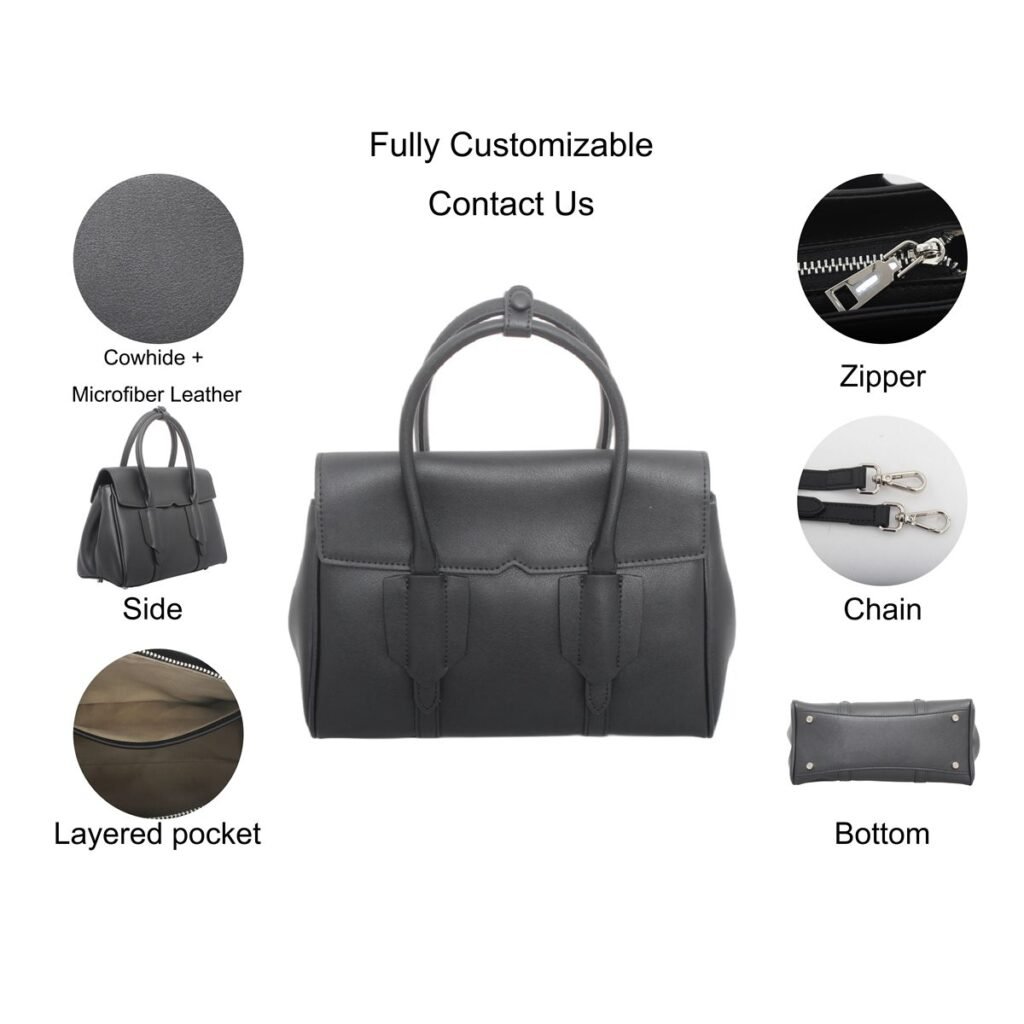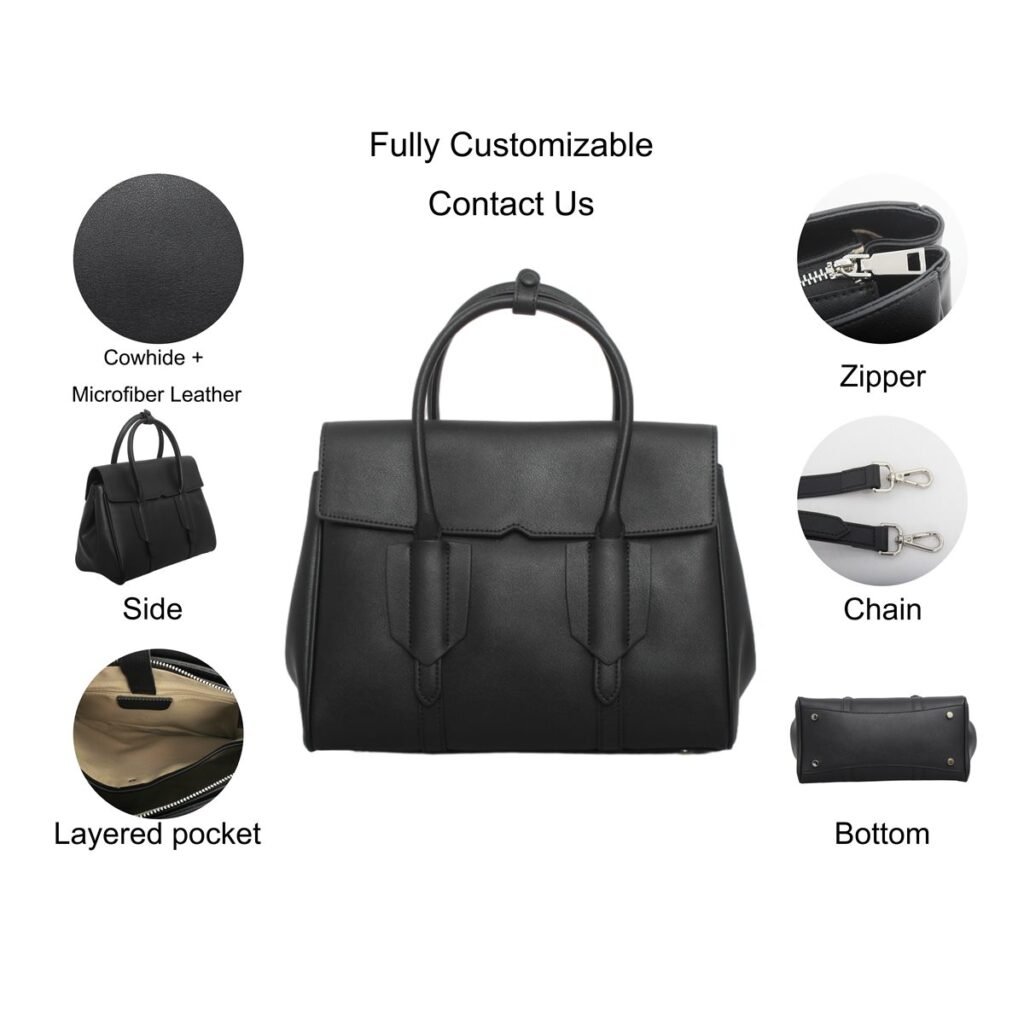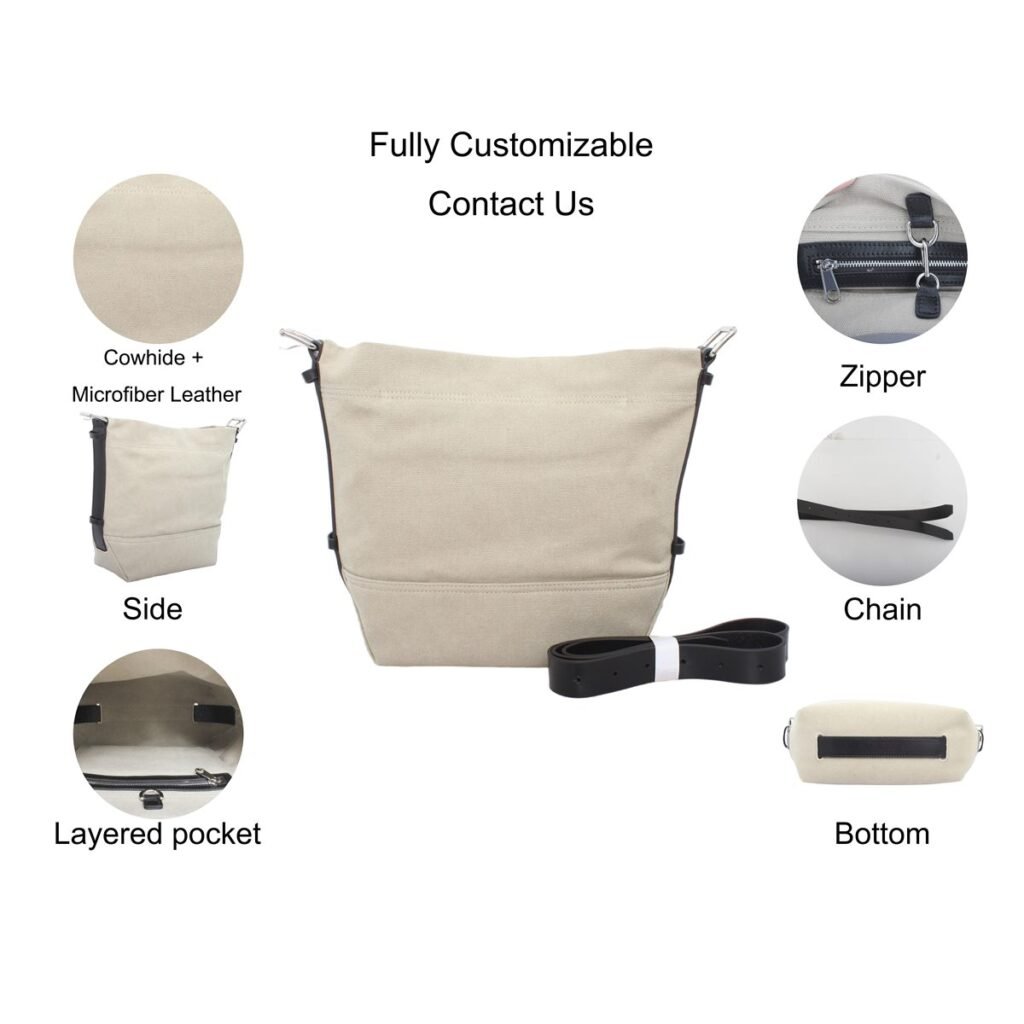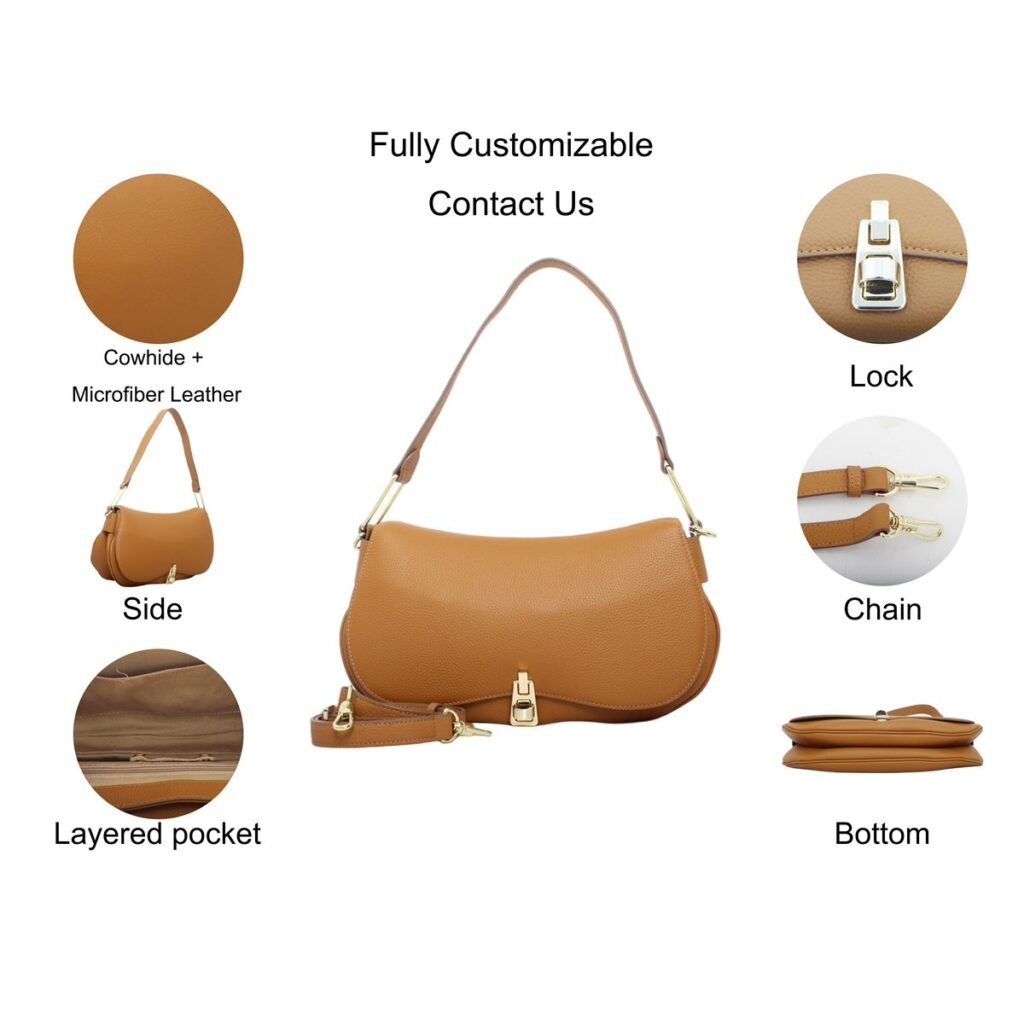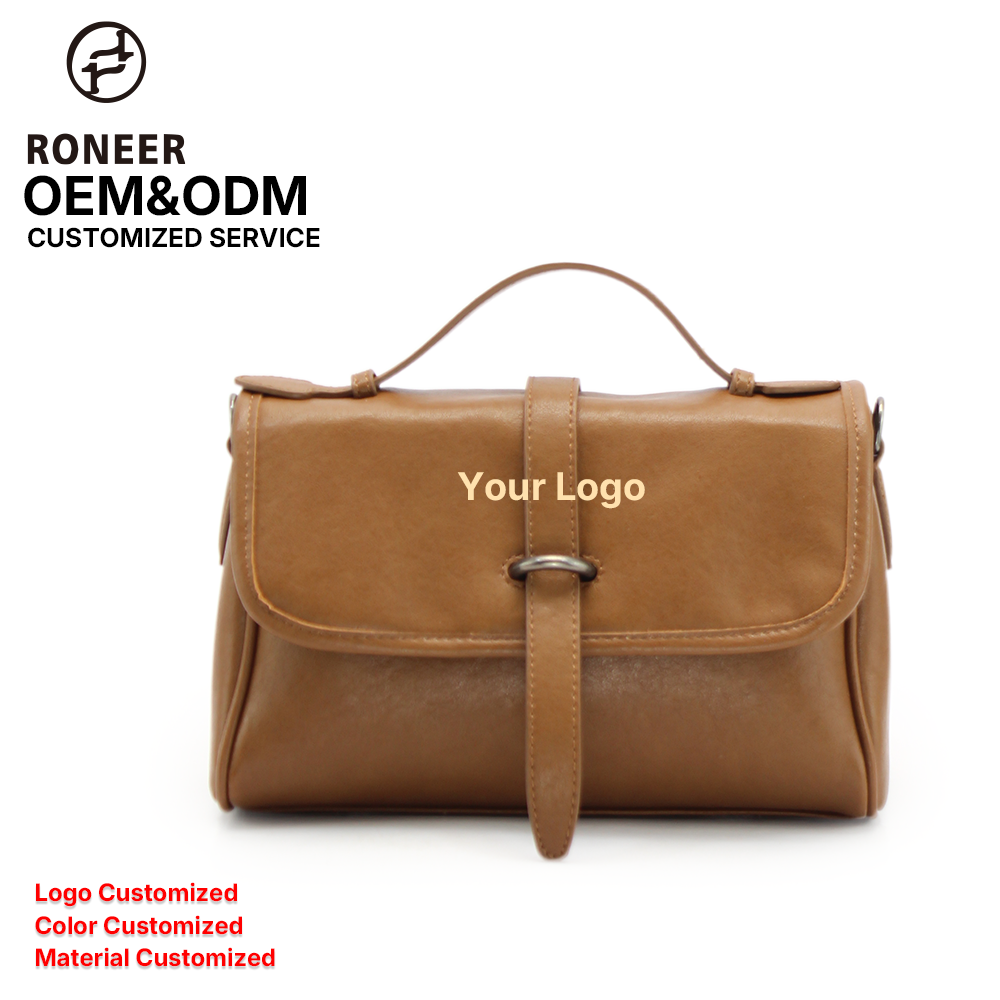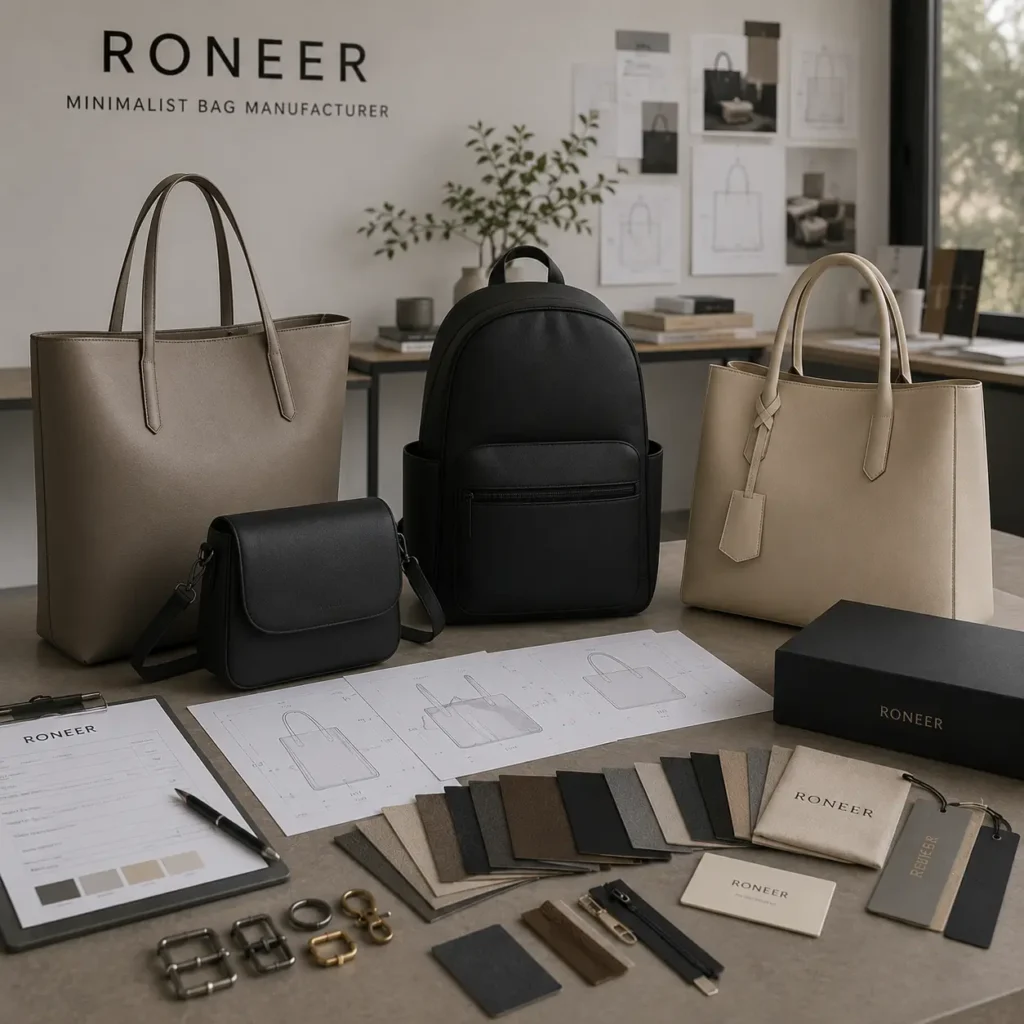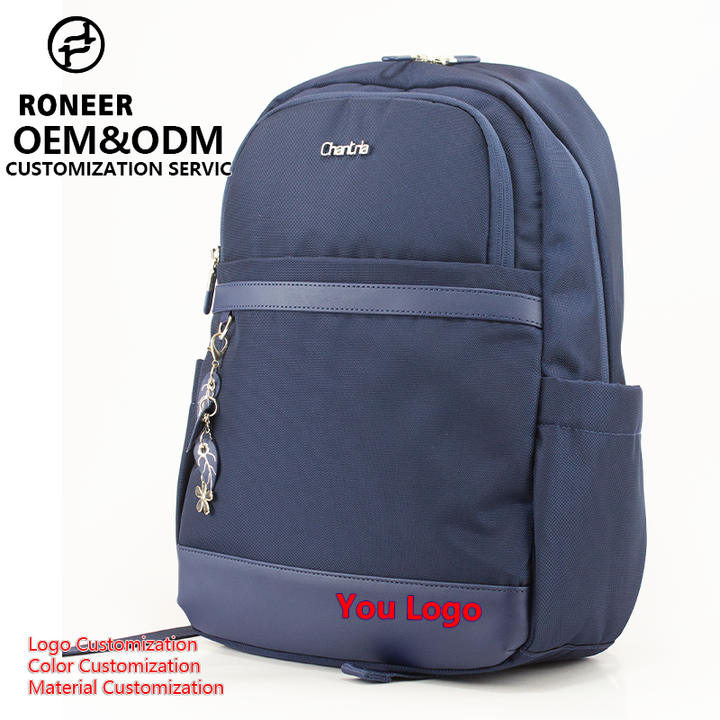









A polished factory website does not prove that the supplier can produce your bag.
Professional photographs, competitive prices, quick replies, and claims about working with international brands may create a strong first impression. However, none of these signals confirms that the supplier understands your product structure, can source the correct materials, will control bulk quality, or can reproduce an approved sample during future reorders.
Learning how to find a bag manufacturer requires more than searching for factories and requesting prices. Buyers need to define the product, select suitable sourcing channels, identify the correct factory type, verify the supplier, compare complete quotations, develop physical samples, and test production performance.
The right manufacturer is not always the largest factory or the supplier offering the lowest MOQ. It is the production partner whose category experience, technical ability, order requirements, communication, quality controls, and commercial terms match the project.
This guide explains how to find a bag manufacturer through ten practical steps. It is written for startup brands, fashion companies, wholesalers, retailers, Amazon sellers, corporate buyers, designers, and established businesses developing handbags, backpacks, travel bags, cosmetic bags, laptop bags, wallets, or other custom bag products.
1. Define the Bag Before Searching for a Factory
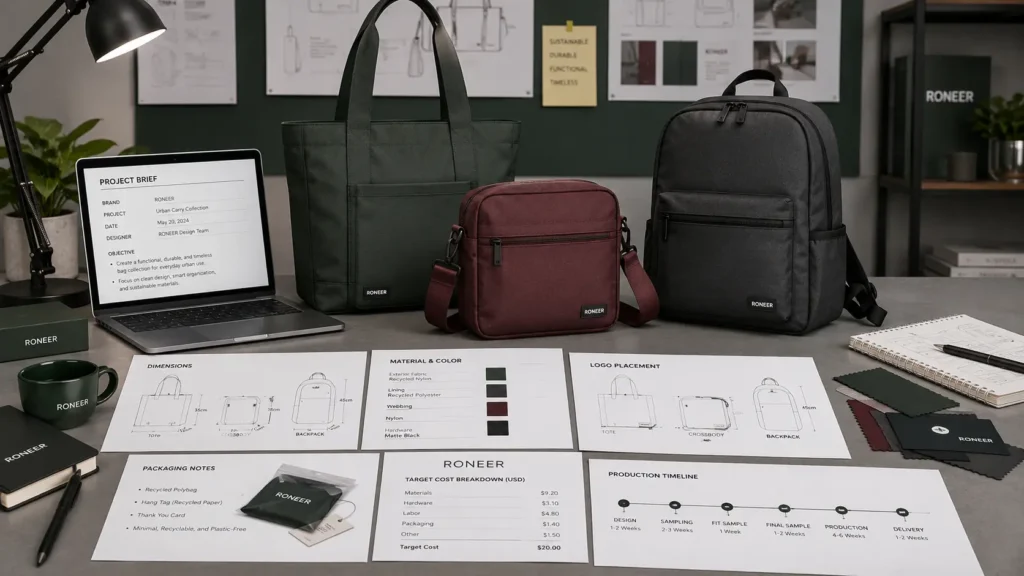
The first step in how to find a bag manufacturer is defining what the factory is expected to produce.
A message such as “I need high-quality custom bags at a good price” does not provide enough information for accurate sourcing. Different bags require different materials, machinery, sewing skills, pattern development, quality checks, and production systems.
A factory specializing in lightweight promotional totes may not be suitable for a structured leather handbag. A leather-goods workshop may not be the best choice for a technical hiking backpack with webbing, mesh, padding, molded components, and performance fabrics.
Prepare a basic product brief containing:
- Bag category
- Intended customer
- Use scenario
- Approximate dimensions
- Exterior material
- Lining
- Structure
- Compartments
- Closure
- Handles and straps
- Hardware finish
- Logo method
- Target quantity
- Number of colors
- Packaging
- Destination market
- Target launch date
Reference images can communicate appearance, but they should not replace written specifications. Buyers should explain which details are essential and which details may be adjusted according to production feasibility.
Founders still developing their commercial plan can review this guide on how to start a handbag business before beginning factory outreach.
A clear brief helps unsuitable suppliers remove themselves from the process and allows relevant manufacturers to respond with more accurate questions.
2. Identify the Right Type of Bag Manufacturer
Understanding factory type is essential when deciding how to find a bag manufacturer.
Not every supplier shown online operates in the same way.
Direct manufacturer
A direct manufacturer controls some or all of the production process, such as pattern development, cutting, preparation, sewing, assembly, inspection, and packing.
Trading company
A trading company coordinates orders through external factories. It may provide useful sourcing, communication, product management, and export services, but it does not necessarily control production directly.
Development studio
A development studio may specialize in design, tech packs, patterns, prototypes, and small sampling. Bulk production may be transferred to another facility.
Wholesale supplier
A wholesaler sells existing products with limited customization. Logo application or packaging changes may be available, but original product development is usually limited.
OEM manufacturer
An OEM manufacturer develops the buyer’s original design from specifications, drawings, samples, or tech packs.
ODM manufacturer
An ODM manufacturer provides an existing factory-developed structure that can be modified through materials, colors, logos, straps, lining, hardware, or packaging.
None of these models is automatically better. The correct choice depends on originality, quantity, budget, schedule, technical complexity, and the level of project management required.
A startup may benefit from a supplier that provides development guidance and flexible quantities. A larger brand may prioritize capacity, compliance systems, repeatability, and supply-chain documentation.
3. Use Several Sourcing Channels
A buyer learning how to find a bag manufacturer should not rely on only one platform.
Different sourcing channels reveal different types of suppliers.
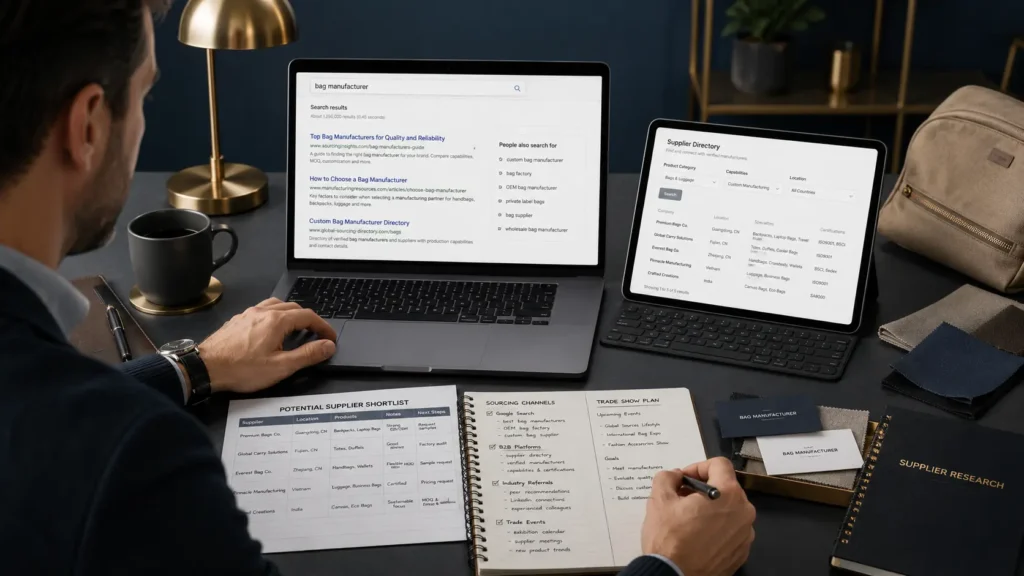
Google search
Use specific searches rather than broad terms.
Examples include:
- Custom leather handbag manufacturer
- Low MOQ backpack manufacturer
- Private label cosmetic bag factory
- OEM travel bag manufacturer
- Custom laptop bag manufacturer
- Recycled nylon bag manufacturer
- Small batch handbag manufacturer
- Custom tote bag factory for startups
More specific searches reduce irrelevant results and help identify manufacturers that actively serve your category.
B2B sourcing platforms
Alibaba, Global Sources, Made-in-China, and similar platforms allow buyers to compare many suppliers quickly.
Platform badges, years of membership, transaction history, or audit indicators can support initial screening, but they should not replace independent verification.
Trade shows
Industry exhibitions allow buyers to inspect samples, compare suppliers, discuss materials, and evaluate communication in person.
A trade-show booth still does not prove that all displayed products were made by the exhibitor, so buyers should ask about factory location, product ownership, and production arrangements.
Industry referrals
Designers, sourcing professionals, material suppliers, packaging vendors, freight forwarders, and other brands may provide relevant factory introductions.
A referral should shorten the search, not eliminate due diligence.
Domestic manufacturing resources
Brands seeking U.S.-based production can review the SBA manufacturer and supplier resources. The suitability of any listed supplier still needs to be assessed against the individual bag project.
The best sourcing process usually produces a longlist first and then narrows it to a smaller group of relevant suppliers.
4. Screen for Product-Category Fit
One of the most important lessons in how to find a bag manufacturer is that category fit matters more than a general claim such as “we manufacture all kinds of bags.”
Ask each supplier to show products with comparable:
- Material
- Shape
- Construction
- Internal organization
- Handle attachment
- Strap system
- Hardware
- Edge finishing
- Padding
- Logo application
- Packaging level
A factory that produces thousands of drawstring bags may still struggle with a structured handbag. A fashion-handbag factory may not understand waterproof seam construction for an outdoor bag.
Comparable-product evidence is more useful than unrelated catalog volume.
Ask:
- Which bag category represents most of your production?
- Have you produced a similar structure?
- Which materials do you use most often?
- Is pattern development completed internally?
- Is sampling completed at the same location as bulk production?
- Which processes are outsourced?
- Can you show an unbranded comparable sample?
- What construction risk do you see in this design?
The quality of the supplier’s questions also matters. A capable manufacturer should identify missing information and explain technical concerns instead of immediately issuing a final price.
Buyers specifically considering Chinese factories can review RONEER’s guide to evaluating a custom bag manufacturer in China.
5. Send a Standardized Request for Quotation
It is difficult to understand how to find a bag manufacturer when every supplier receives different information.
Send the same RFQ package to each shortlisted factory.
Include:
- Product brief
- Drawings or tech pack
- Dimensions
- Materials
- Hardware
- Logo artwork
- Estimated quantity
- Color breakdown
- Packaging
- Target market
- Sample requirements
- Delivery target
- Requested trade term
Ask suppliers to separate:
- Sample fee
- Pattern fee
- Mold or tooling fee
- Unit price
- Logo cost
- Packaging cost
- Testing cost
- Inspection cost
- Shipping estimate
- Payment terms
Two quotations are not comparable when one supplier includes custom hardware and branded packaging while another uses standard components and basic polybags.
Buyers should also ask how long the quotation remains valid. Material, hardware, freight, exchange-rate, and production conditions can change.
A quotation should clearly identify assumptions. Vague language such as “premium material” or “high-quality hardware” should be replaced with measurable specifications.
6. Understand MOQ Before Selecting a Supplier
MOQ is often treated as a single number, but a bag project may contain several minimums.
Ask about:
- MOQ per style
- MOQ per color
- MOQ per material
- MOQ per logo method
- MOQ for custom-dyed fabric
- MOQ for printed lining
- MOQ for custom hardware
- MOQ for packaging
- Reorder MOQ
A factory may accept 300 bags overall but require 300 pieces in one material color. A packaging supplier may require more boxes than the bag factory requires finished products.
When learning how to find a bag manufacturer, do not assume that the lowest MOQ creates the lowest risk.
Very small quantities can result in:
- Higher unit prices
- Limited material choices
- Standard hardware
- Less efficient production
- More difficult color matching
- Higher packaging cost per unit
A slightly higher MOQ may be more practical when it provides better materials, more stable production, and easier repeat ordering.
RONEER’s guide to custom bag MOQ explains how material purchasing, logo methods, hardware, packaging, and production efficiency affect quantity requirements.
7. Verify the Supplier Before Paying
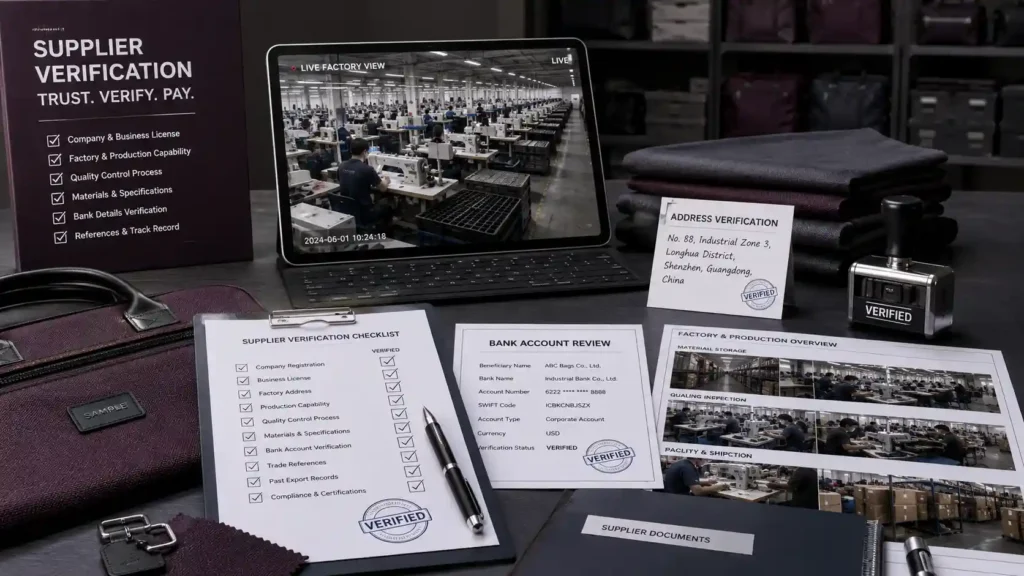
Supplier verification is a critical part of how to find a bag manufacturer.
Request information that can be checked across several documents and communication channels:
- Registered business name
- Factory or office address
- Company registration information
- Invoice entity
- Bank-account beneficiary
- Website domain
- Company email
- Production location
- Main contact details
- Exporting entity where applicable
The company name on the quotation, contract, invoice, and bank account should be reviewed carefully. Differences may have legitimate explanations, but the supplier should explain them before payment.
Verification methods may include:
- Live video calls
- Recorded production videos
- Factory visits
- Independent audits
- Third-party inspections
- Business-document review
- Reference checks
- Sample shipments
- Small pilot orders
During a live factory video, ask the supplier to move through relevant areas rather than showing only a prepared showroom.
Useful areas include:
- Material storage
- Pattern room
- Cutting
- Preparation
- Sewing
- Assembly
- Hardware installation
- Quality control
- Packing
- Finished-goods storage
Do not treat certificates as decorative sales material. Check the company name, facility address, scope, issuing body, audit date, expiry date, and whether the document applies to the production location assigned to your order.
8. Use Sampling as the Main Factory Test
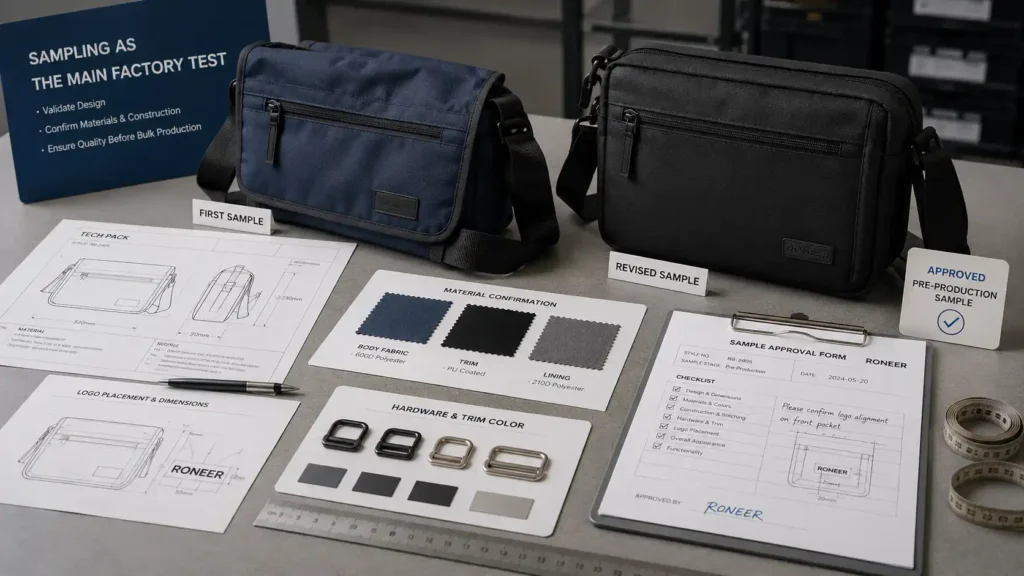
A buyer can learn more from one properly managed sample than from dozens of sales messages.
That is why physical sampling is central to how to find a bag manufacturer.
Sampling tests:
- Interpretation of instructions
- Pattern-making ability
- Material sourcing
- Construction knowledge
- Communication
- Problem solving
- Revision control
- Attention to detail
- Timing
- Packaging understanding
Before sample development, confirm:
- Sample fee
- Payment method
- Estimated timeline
- Available materials
- Number of revisions
- Shipping responsibility
- Ownership of patterns
- Tooling ownership
- Refund or credit policy
- What happens after approval
Check the sample for:
- Dimensions
- Proportion
- Material
- Color
- Weight
- Capacity
- Strap length
- Handle comfort
- Pocket access
- Closure function
- Zipper movement
- Hardware finish
- Logo position
- Stitching
- Reinforcement
- Lining
- Edge finishing
- Packaging
Photos and videos are helpful during development, but they do not fully communicate weight, hand feel, balance, comfort, stiffness, zipper resistance, or material quality.
RONEER’s bag sampling process explains how specifications, materials, logo tests, revisions, sample approval, and bulk preparation connect.
The approved sample should be identified, dated, and stored as the bulk-production reference.
9. Compare Communication and Production Control
Fast replies alone do not prove that a factory is reliable.
When evaluating how to find a bag manufacturer, examine the quality of communication.
A capable supplier should:
- Answer specific questions directly
- Identify missing information
- Explain technical limitations
- Record approved changes
- Separate confirmed facts from estimates
- Notify the buyer before substitutions
- Provide realistic timelines
- Maintain consistent documents
- Confirm production standards in writing
Communication problems during sampling often become larger problems during bulk production.
Be cautious when a supplier:
- Avoids technical questions
- Changes quoted materials without explanation
- Promises every requirement immediately
- Refuses physical sampling
- Pushes for bulk payment before approval
- Uses different business names without explanation
- Claims to manufacture for famous brands without verifiable evidence
- Offers copied luxury logos or protected designs
- Gives a final price without specifications
- Cannot explain its inspection system
A professional manufacturer may say that a requested construction, material, price, or deadline is not practical. That response can be more valuable than an unrealistic promise.
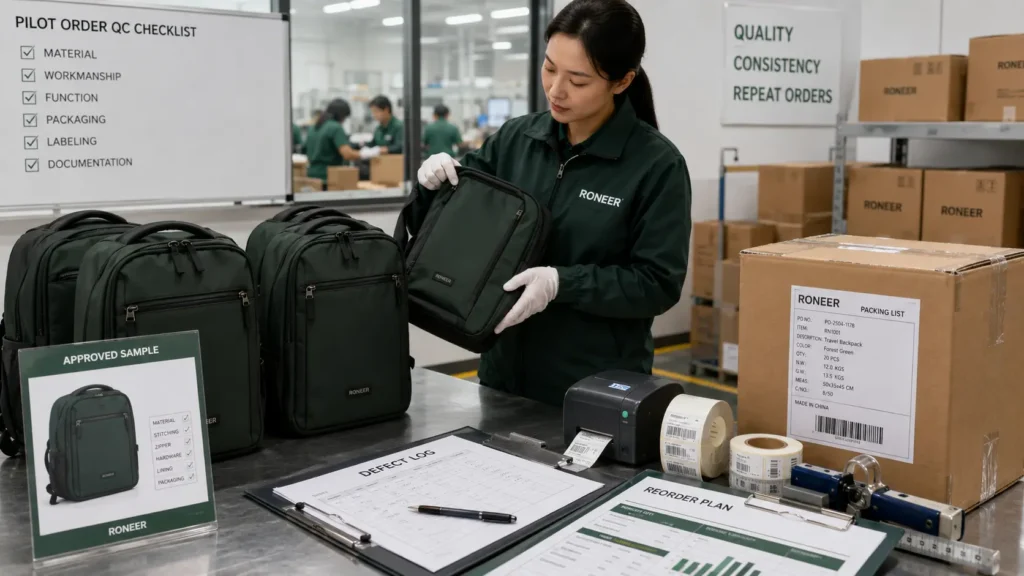
10. Start With a Controlled Pilot Order
The final stage in how to find a bag manufacturer is testing bulk performance.
A perfect development sample does not guarantee a consistent production order. Sample-room workers may be more experienced, use more time, or select materials more carefully than a standard production line.
A controlled first order allows the buyer to evaluate:
- Material consistency
- Color consistency
- Measurement control
- Stitching
- Hardware
- Logo application
- Production communication
- Delivery timing
- Packaging
- Defect handling
- Documentation
- Reorder preparation
Before production, confirm:
- Final specification
- Approved sample
- Material card
- Color reference
- Hardware finish
- Logo artwork
- Packaging standard
- Quantity by SKU
- Tolerances
- Inspection method
- Shipment terms
Independent bag and accessory testing or inspection services may be considered when appropriate. SGS provides industry information on bags and accessories testing and inspection, although the correct testing plan depends on the material, product, destination, and buyer requirements.
For textile bags sold in the United States, applicable labeling may need to address fiber content, country of origin, and the responsible company. Buyers should review the FTC textile-labeling guidance and confirm whether the rules apply to the specific product.
Imported bags may also require country-of-origin marking that is conspicuous and understandable to the ultimate purchaser. Product-specific decisions should be confirmed through the U.S. Customs and Border Protection guidance or qualified customs professionals.
A Practical Bag Manufacturer Scorecard
Use the same scorecard for each supplier.
| Evaluation Area | Questions to Ask |
|---|---|
| Category fit | Does the factory regularly produce this bag type? |
| Technical ability | Can it explain construction risks and solutions? |
| Materials | Can it source and repeat the required material? |
| Sampling | Does the sample match the specification? |
| MOQ | Are minimums clear by style, color, material, and packaging? |
| Quotation | Are all costs and assumptions separated? |
| Communication | Are answers clear, consistent, and documented? |
| Verification | Can the company and production location be confirmed? |
| Quality control | Are inspection points and tolerances defined? |
| Capacity | Can the factory support the order and reorder schedule? |
| Packaging | Can it meet retail, e-commerce, and export requirements? |
| Commercial terms | Are payment, lead time, ownership, and defect terms clear? |
A scoring system does not replace judgment, but it prevents a buyer from selecting a supplier based only on personality or the lowest unit price.
Questions to Send a Potential Bag Manufacturer
A serious inquiry can include the following questions:
- Which bag categories represent most of your production?
- Have you produced a similar structure and material?
- Are you a direct factory, trading company, or development studio?
- Which production processes are completed in-house?
- What is the MOQ per style and color?
- What materials are available for smaller orders?
- How is sample pricing calculated?
- How many revisions are included?
- Who owns the patterns and custom tooling?
- What is the production lead time after sample approval?
- How do you inspect materials and finished bags?
- Can you provide private label packaging?
- How do you manage material substitutions?
- What is the reorder MOQ?
- Can the same material and hardware be repeated later?
These questions help buyers determine whether the supplier understands long-term production rather than only the first transaction.
Common Mistakes When Searching for a Manufacturer
Contacting too many unrelated factories
A large supplier list creates work without improving quality. Start broad, then narrow the list according to product-category fit.
Sending only a product photograph
A photograph does not communicate dimensions, materials, internal structure, logo, quality tolerance, packaging, or quantity.
Comparing incomplete quotations
Prices cannot be compared unless specifications, materials, hardware, logos, packaging, and commercial terms are aligned.
Treating MOQ as the only startup criterion
Low MOQ is useful only when the supplier can also produce an acceptable sample and stable bulk order.
Approving production from photos
Physical approval is safer when material feel, weight, structure, fit, function, and finish matter.
Paying an unverified account
Verify the beneficiary name and explain any difference between the manufacturer, exporter, invoice entity, and payment recipient.
Believing famous-brand claims
Claims about manufacturing for major brands should not replace verifiable evidence. Factories should also respect confidential customer information.
Ordering custom packaging too early
Approve final bag dimensions and protection requirements before producing large quantities of boxes or inserts.
FAQ About How to Find a Bag Manufacturer
1. How do I find a bag manufacturer for a startup?
To understand how to find a bag manufacturer for a startup, begin with one clearly defined bag, a realistic quantity, and a complete product brief. Search for factories with comparable category experience, then compare communication, sampling, MOQ, material options, quality controls, and commercial terms.
2. Where can I search for custom bag manufacturers?
Buyers can use Google, B2B sourcing platforms, trade shows, industry directories, sourcing professionals, referrals, social networks, and domestic manufacturing resources. Use several channels instead of relying on one platform.
3. How do I know whether a bag supplier is a real factory?
Request the registered company name, production address, business documents, live factory video, production records, and verifiable payment information. Factory visits, audits, inspections, physical samples, and pilot orders can provide stronger evidence.
4. Should I work with a factory or trading company?
A direct factory may provide closer production access, while a trading company may offer useful sourcing and project management. The correct option depends on the product, order size, communication needs, and how much coordination the buyer can manage.
5. What information should I send to a manufacturer?
Send the bag category, dimensions, materials, lining, hardware, logo artwork, structure, pockets, straps, target quantity, colors, packaging, destination market, sample requirements, and required schedule.
6. How many factories should I contact?
A practical process may begin with a broader longlist and narrow it to three to five relevant suppliers. The objective is not to collect the highest number of prices but to identify factories that match the product.
7. What is a reasonable MOQ for custom bags?
MOQ depends on style, color, material, logo, hardware, packaging, and production system. Existing materials and standard components may support smaller quantities than custom-dyed fabric, exclusive hardware, or printed lining.
8. Do I need a tech pack to find a bag manufacturer?
A tech pack is strongly recommended for original OEM development. Simple ODM or private label projects may use an organized specification sheet, but all approved details should still be documented.
9. Should I order a sample from every shortlisted factory?
Not necessarily. Conduct initial screening first, then order samples from the strongest candidates. Sampling several relevant factories may be useful when the project is important and production capabilities are difficult to compare remotely.
10. How can I compare bag-manufacturer quotations?
Use one standardized RFQ and compare materials, structure, hardware, lining, logo, packaging, MOQ, sample fee, tooling, lead time, payment terms, inspection, and shipping terms.
11. What are the biggest red flags when searching for a bag factory?
Major red flags include vague quotations, refusal to make samples, inconsistent company names, pressure for payment, copied branded products, unexplained substitutions, unrealistic promises, and an inability to explain production or inspection.
12. Can I find a low MOQ bag manufacturer?
Yes, but low MOQ conditions should be confirmed by style, color, material, logo, hardware, and packaging. Buyers should balance quantity flexibility with sample quality, communication, production stability, and repeat-order capability.
13. How does RONEER help brands find a suitable production solution?
RONEER supports OEM and ODM custom bag projects through product review, material selection, sample development, logo customization, MOQ planning, packaging, bulk-production coordination, quality communication, export packing, and repeat-order documentation. The suitable solution depends on product type, quantity, budget, target market, and schedule.
Conclusion
Learning how to find a bag manufacturer begins with defining the product clearly. A factory cannot provide an accurate technical proposal, MOQ, quotation, or sample when the buyer has not confirmed the bag category, dimensions, materials, structure, logo, quantity, and packaging direction.
The next stage in how to find a bag manufacturer is selecting suppliers with relevant category experience. A large general factory is not automatically better than a smaller specialist. Buyers should request evidence of comparable materials, structures, processes, and quality requirements.
Verification should occur before significant payment. Business information, factory location, production capability, bank details, documents, videos, samples, and commercial terms should create a consistent picture of the supplier.
Sampling is one of the strongest tests in how to find a bag manufacturer. A physical sample reveals how the supplier interprets instructions, sources materials, solves construction issues, controls dimensions, applies branding, communicates revisions, and prepares the product for production.
MOQ and price should be evaluated together with quality, materials, packaging, lead time, and future repeatability. The lowest quotation may reflect different specifications or weaker production controls.
The final answer to how to find a bag manufacturer is to build a structured selection process: define the project, search through several channels, screen for product fit, send a standardized RFQ, verify the supplier, approve a physical sample, and test bulk performance through a controlled first order.
RONEER supports global brands, startups, wholesalers, retailers, e-commerce sellers, and corporate buyers developing handbags, backpacks, cosmetic bags, travel bags, crossbody bags, wallets, and other private label products. Support can include OEM/ODM development, material customization, sample coordination, branding, packaging, MOQ planning, bulk production, quality communication, export preparation, and repeat-order records.
A manufacturer should not be selected because its website looks impressive or its price is the lowest. It should be selected because the evidence shows that it can understand the product, communicate clearly, reproduce the approved standard, and support the brand after the first order.