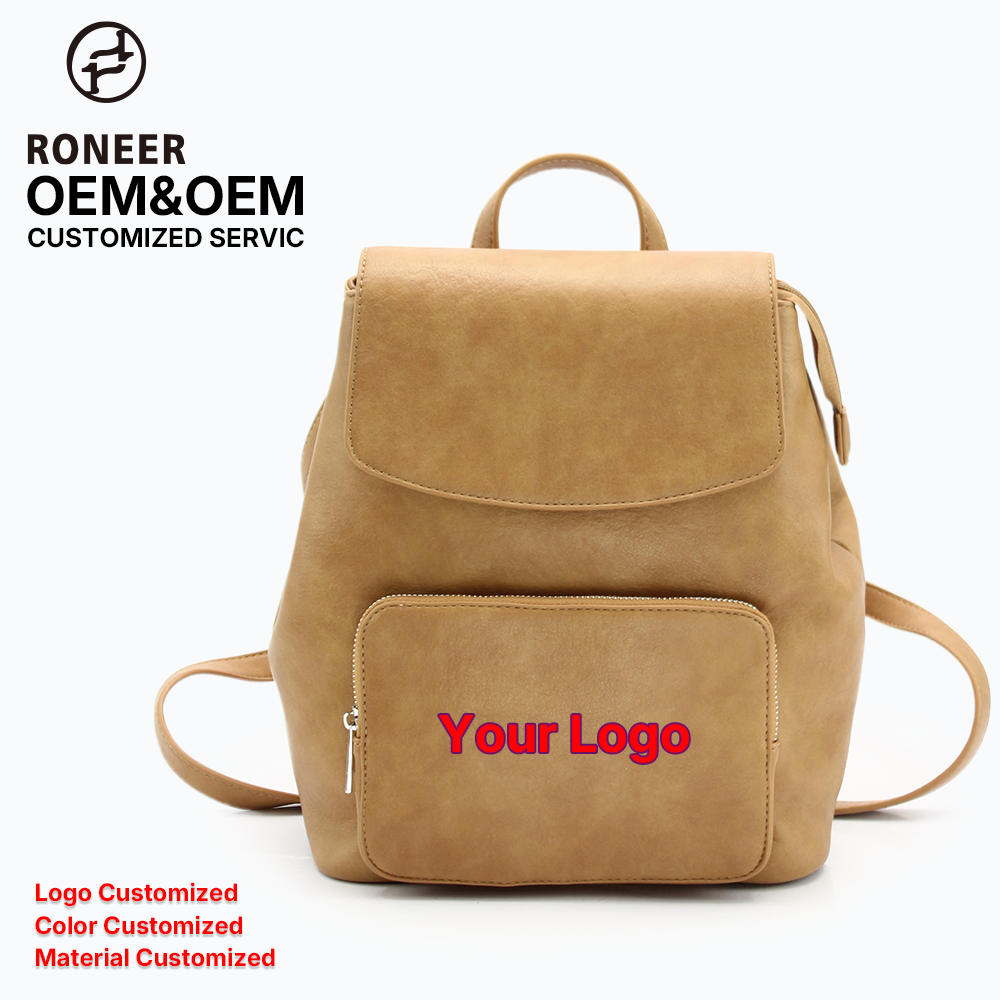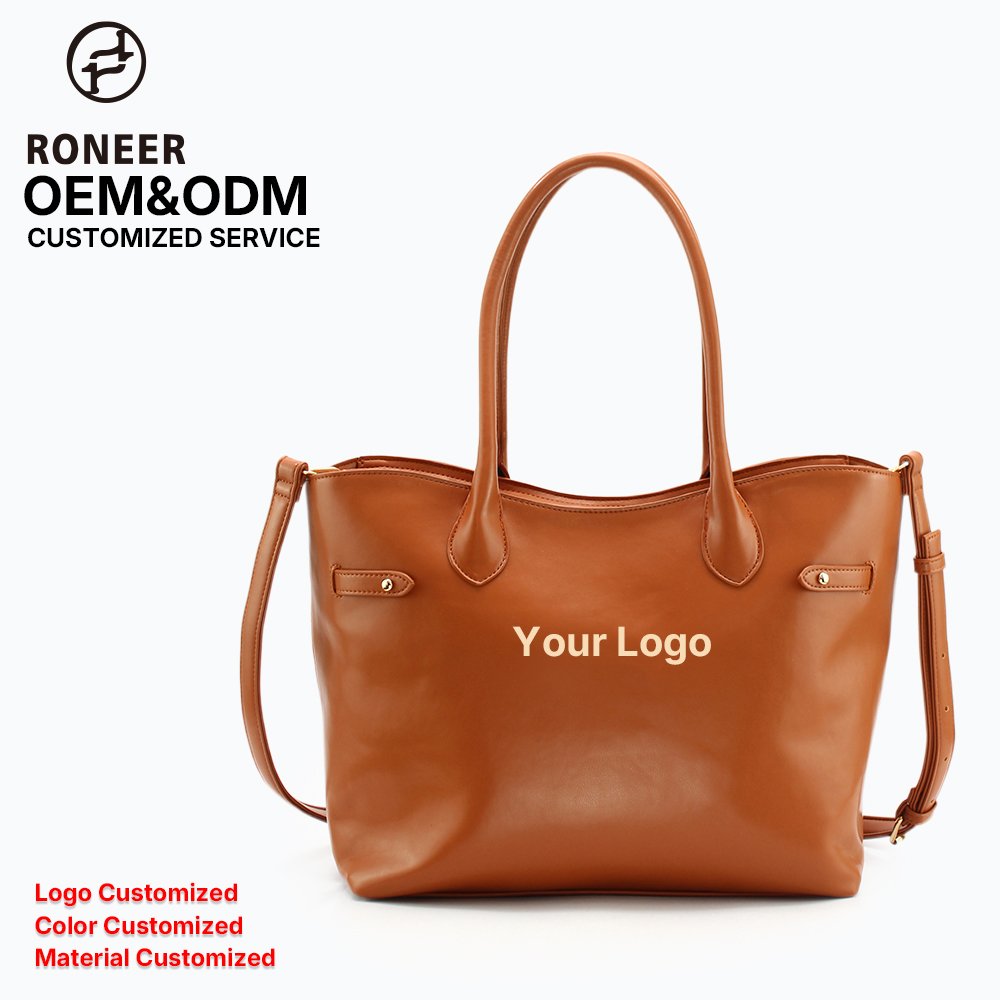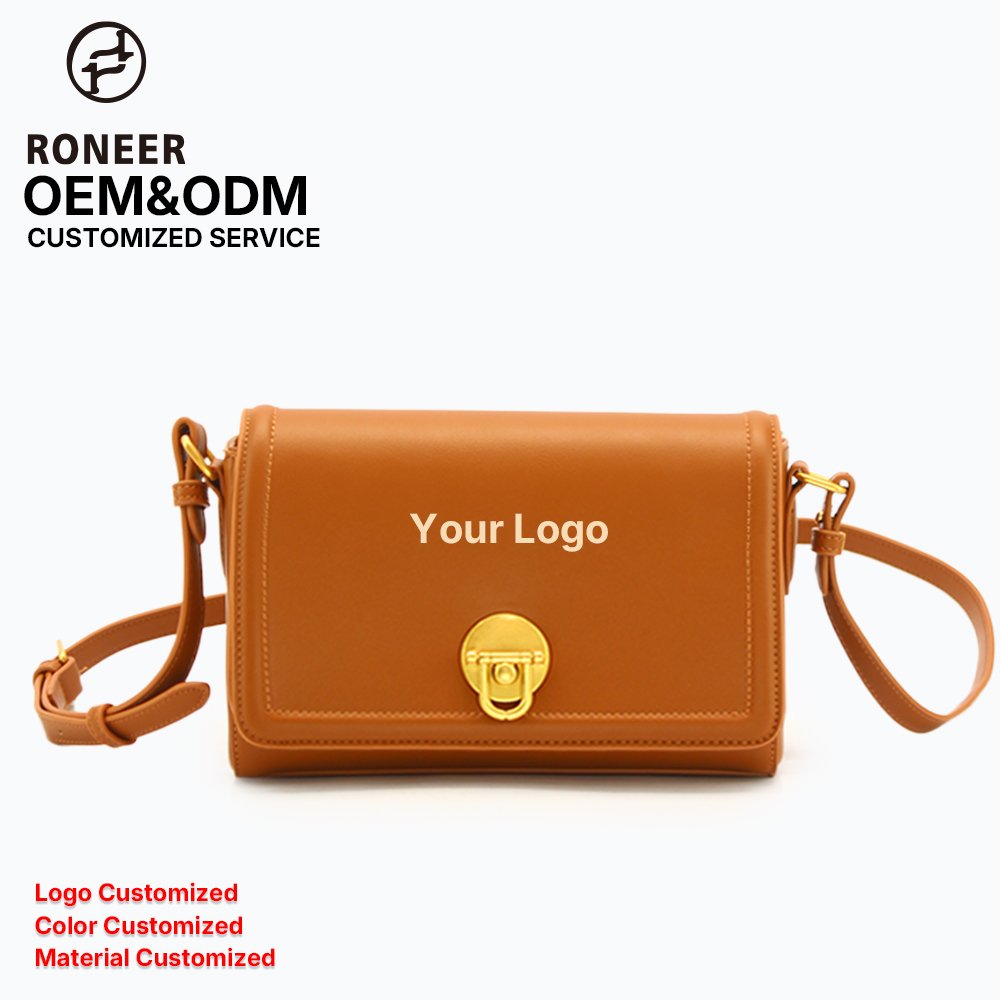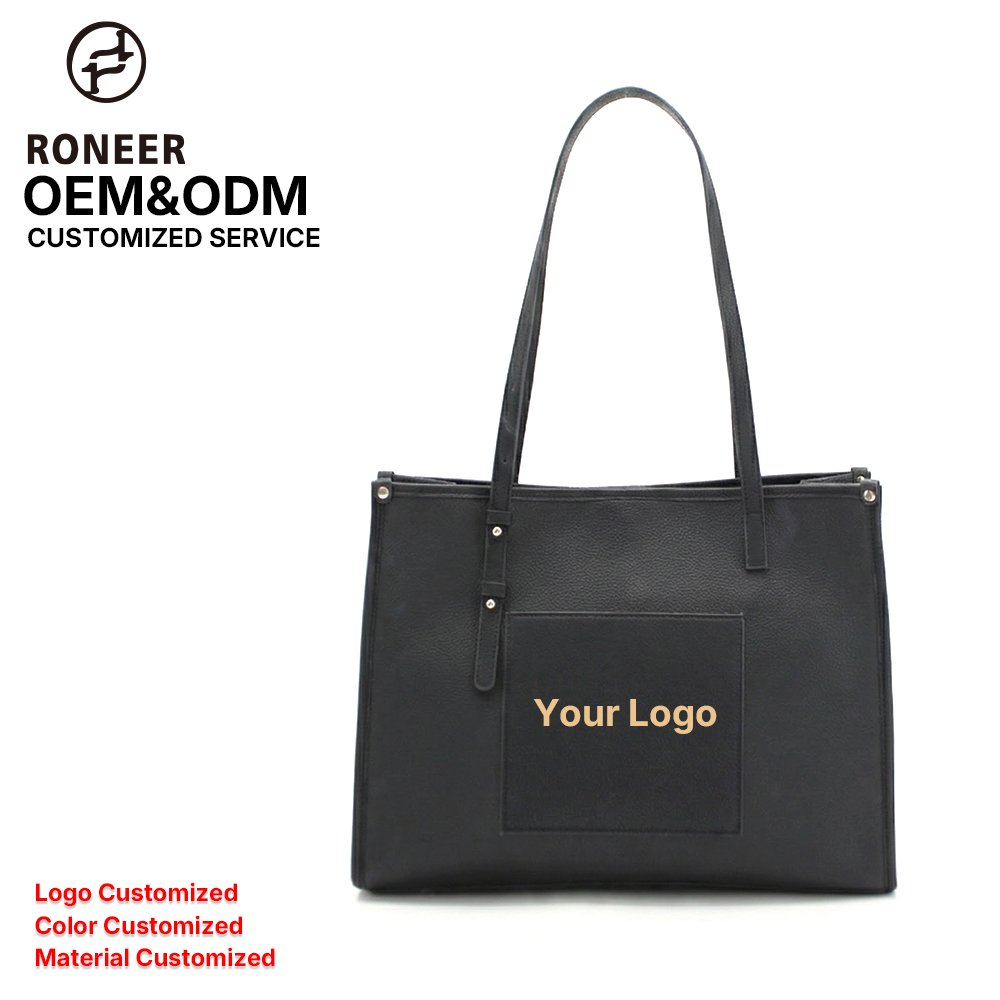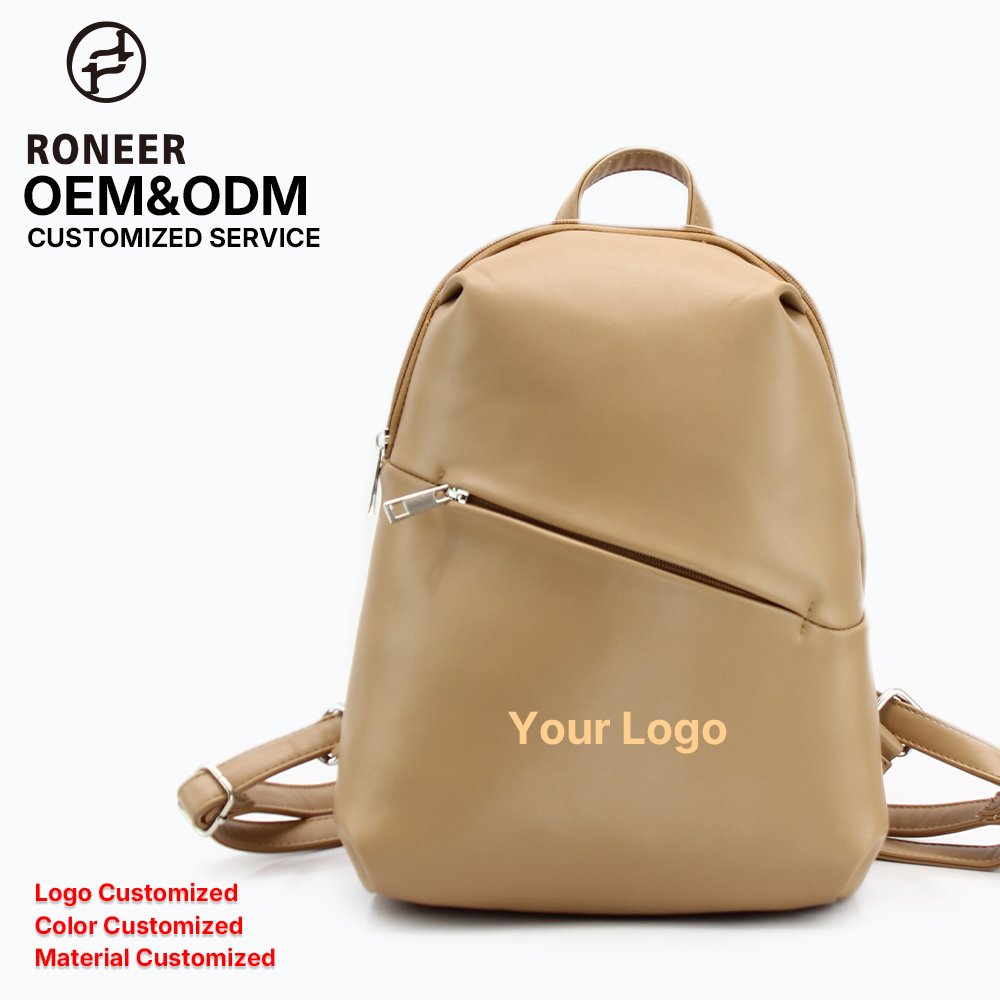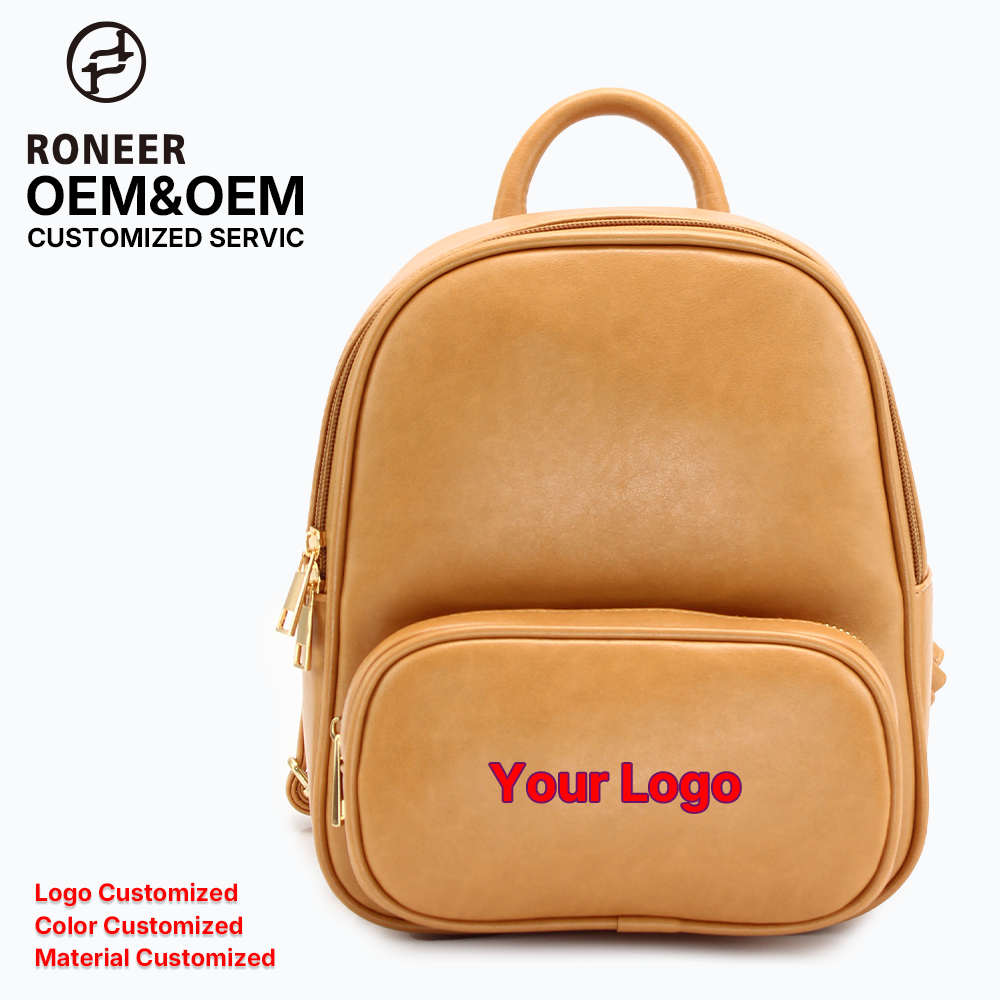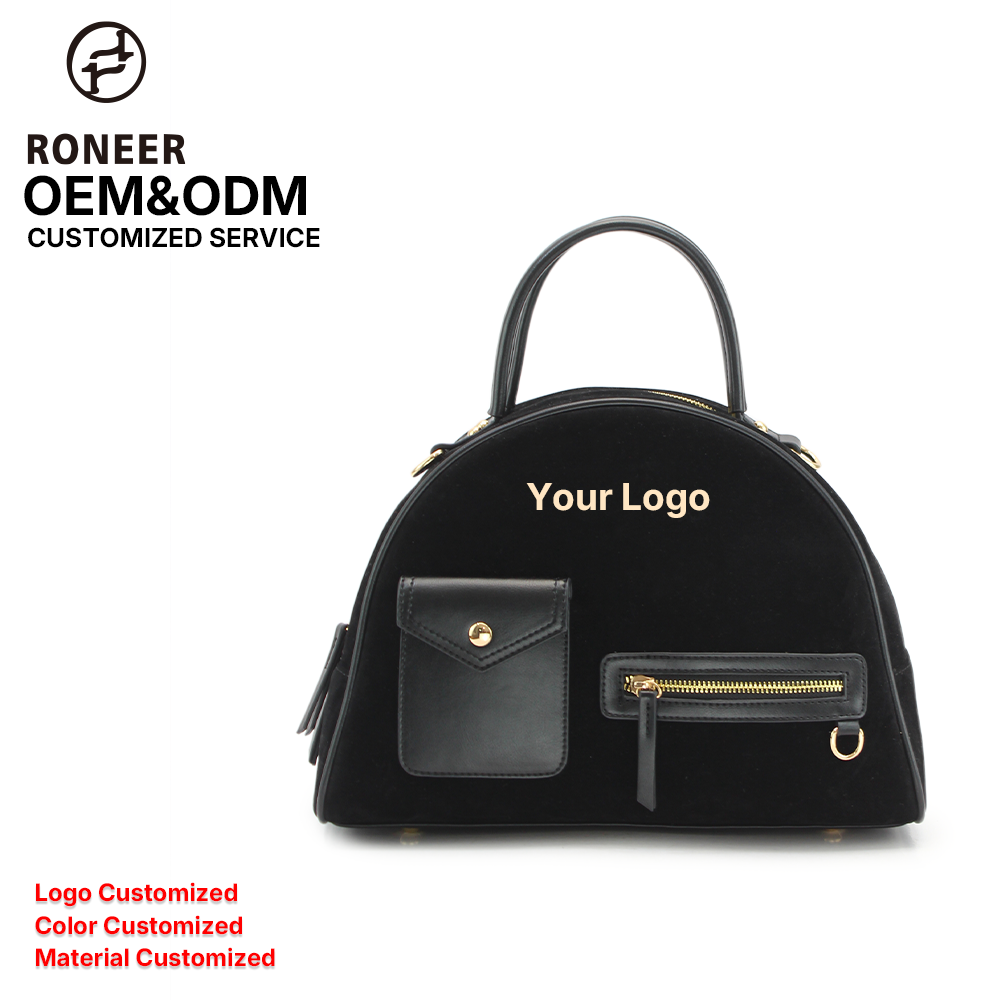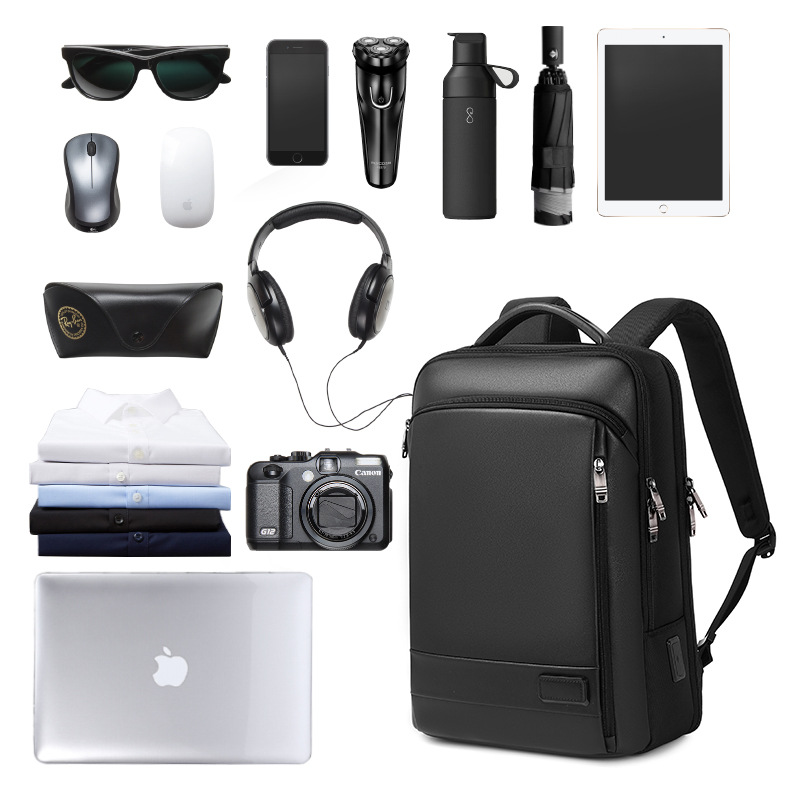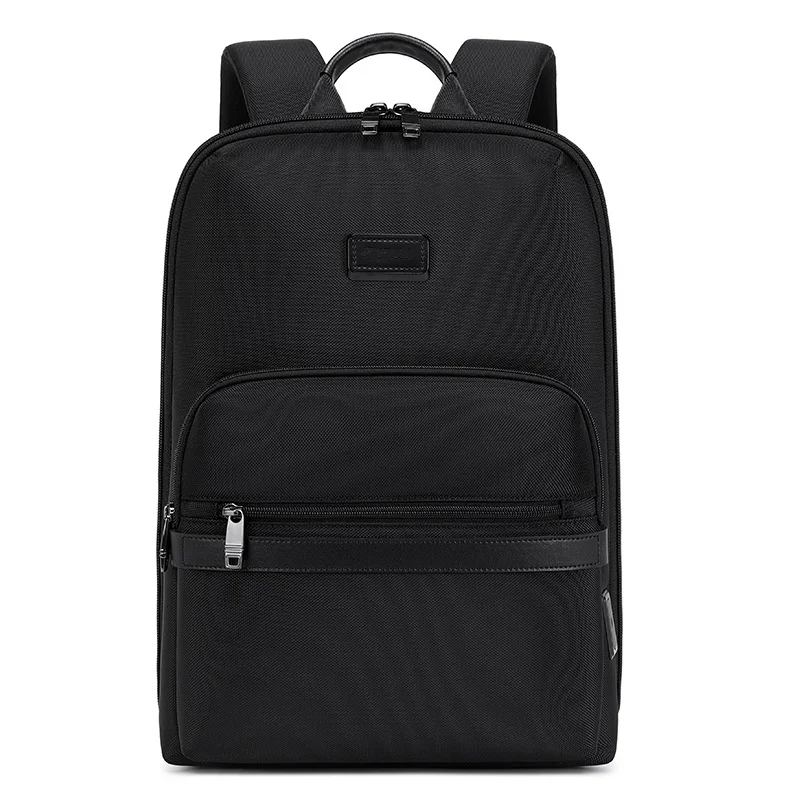





For professionals who rely on handbags every day, the importance of choosing the right bag will soon become apparent. A well-made leather notebook bag is not merely about its appearance or first impression. For many professionals, it carries much more than just a computer. It protects sensitive information, supports daily work efficiency, and reflects your image in a serious business environment.
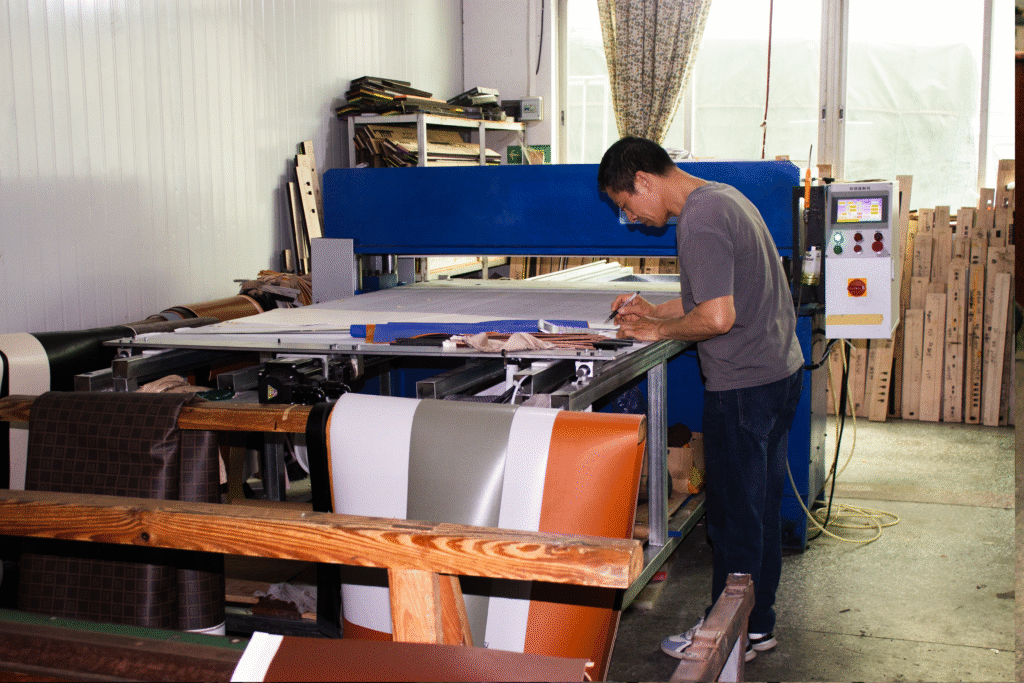
As a leather notebook handbag manufacturer with over a decade of experience, RONEER closely collaborates with numerous factories, materials, and production processes. Through long-term participation, I have witnessed with my own eyes how the subtle differences in leather selection, structural design, and craftsmanship significantly affect the performance of the bag over time. Some handbags may look very imposing at first, but they fail in a real working environment. At the same time, others are built based on the right priorities and have quietly proven their worth year after year.
In this article, I will take you through the truly important factors when choosing a professional leather laptop handbag. This guide does not focus on surface functions but is based on practical manufacturing insights and long-term usage experience to help you make confident and informed decisions – supporting your work, protecting important parts, and meeting daily needs.
Choose the Right Size Based on Your Laptop
From my experience, size is where many laptop handbags go wrong. A bag can be made from good leather and still fail in daily use if the laptop does not fit properly from the start.
One common mistake is choosing a bag based only on screen size. Laptops with the same screen size can still differ in width, thickness, and weight. If the bag is too tight, the corners take constant pressure. Over time, zippers, seams, and edges wear out much faster than expected.
- A tight fit causes stress: When there is no extra room, the laptop presses directly against the leather and padding. Every time the bag is picked up or set down, that pressure adds up. After months of use, this often leads to deformation around the edges.
- Too much space creates a different problem: If the laptop moves freely inside the bag, it increases impact risk. Sudden stops, quick turns, or placing the bag on the floor can cause internal damage. Over time, loose movement also weakens the padding and internal structure.
- Depth is often overlooked: A laptop handbag usually carries more than just a laptop. Chargers, documents, and notebooks add thickness. If the bag is too shallow, pressure builds at the bottom, which is one of the first areas to lose shape during long-term use.
Experts suggest: What you should pursue is balance. The laptop should be able to slide smoothly into the bag, be placed stably, and leave enough space for the padding to play its due role. A bag of the right size is very natural to use and can maintain its shape for a longer time.
Pay Attention to Leather Quality and Durability
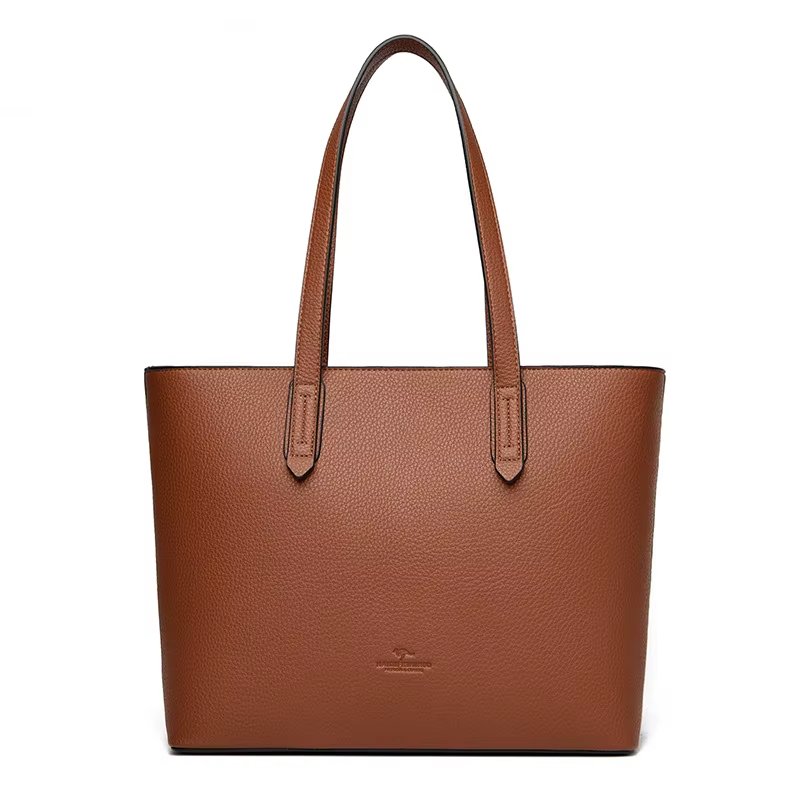
If a handbag needs to travel with you every day—to the office, meeting rooms, and business trips—then the quality of the leather will decide how long it truly lasts. Many bags look good at first, but after some time, they begin to lose shape, develop wrinkles, or crack at the corners. In most cases, this is not caused by how the bag is used, but by leather that was never meant for long-term professional use.
Try not to judge leather only by how soft it feels. Durable leather is not always soft to the first touch. Instead, it feels firm and dense. When you press it gently, it slowly springs back rather than collapsing right away. This kind of leather holds its shape better and stays stable even when carrying a laptop and daily essentials over and over again.
Thickness matters, but thicker is not always better. What matters more is consistency. If certain areas of the bag use thinner leather, those spots will weaken and deform first. From a manufacturing point of view, a well-made handbag uses the right type of leather in the right places, rather than treating every panel the same.
Tanning also plays an important role. Leather for laptop handbags needs a balance between structure and flexibility. That is too soft; it may feel comfortable early on, but it often loses support over time. Leather that keeps its shape usually feels more solid at first, but proves its value after years of use.
You can also learn a lot from the surface. Natural grain and small variations are usually positive signs. Leather that looks overly smooth or painted often ages faster under daily friction.
In the end, durable leather proves itself over time—not on day one. The right leather handbag becomes a dependable part of your work, not something you replace every year.
Look for Proper Protection and Padding
If you use a laptop handbag every day, protection is something you only notice when it is missing. From my experience, many bags appear protective at first, but problems show up later, once daily use starts to add up.
Leather gives structure, but it does not absorb shock. No matter how good the leather is, real protection depends on how the padding is designed and placed inside the bag.
Padding should support the laptop, not disappear under pressure. When padding is too soft, it slowly compresses. Over time, the laptop sits closer to the outer shell, and the level of protection drops without you realizing it.
The bottom of the bag deserves special attention. Most impact happens when the bag is set down. Without proper bottom padding, that force goes straight through the bag. In long-term use, bags with reinforced bases clearly hold up better.
Protection should not stop at the flat panels. Sides and corners take constant stress during movement. If these areas are left thin or unprotected, wear appears quickly, and structure breaks down sooner than expected.
A separate laptop compartment also makes a difference. It keeps the laptop away from chargers, books, and other hard items. When everything shares one space, pressure builds where it should not.
Good protection is quiet. You do not feel it on the first day. But after months and years, it shows in a laptop that stays safe and a bag that keeps its shape.
Check Storage Space and Interior Organization
Storage space is not about how much a bag can hold, but how well it handles what you carry every day. From my experience, poor interior design often causes more frustration than low-quality materials.
A common issue is open space with no structure. When everything is placed into one main compartment, items shift constantly. Chargers press against the laptop, documents bend, and small tools sink to the bottom. Over time, this not only slows you down but also puts unnecessary stress on the bag.
Good interior organization creates clear roles for different items. The laptop should have its own space. Accessories like chargers and cables should stay where they belong. When items stop moving around, the bag feels lighter and more controlled during daily use.
Balance is another detail many people overlook. Heavier items should sit closer to the body side of the bag. This improves comfort and helps the bag keep its shape. In long-term use, balanced storage reduces strain on handles and straps.
Accessibility matters more than people expect. Items you use often should be easy to reach without fully opening the bag. This saves time during busy workdays and reduces wear caused by constant digging and pulling.
Pick a Style That Fits Your Work and Lifestyle
People usually regard style as a matter of personal taste, but in daily work, the key to style lies in whether it is appropriate. A suitable style should blend naturally into your working environment without drawing unnecessary attention.
A handbag may look very beautiful in a photo, but it might not be suitable in actual situations. Simple lines and balanced proportions are often more suitable for various occasions such as meetings, offices, and business trips. As time goes by, these designs will become more elegant and be able to adapt to the constantly changing working environment.
Your daily work habits can also affect your choice of bags. If your daily work requires frequent movement, commuting, or business trips, then a well-structured bag can help maintain its shape and protect the items inside. Although the soft style looks casual and relaxed, it is often more prone to deformation in daily use.
Color selection is more important than many people imagine. Neutral tones are easier to match and are more durable and less prone to fading. They are also more adaptable to different clothing and professional occasions, reducing the need to change bags.
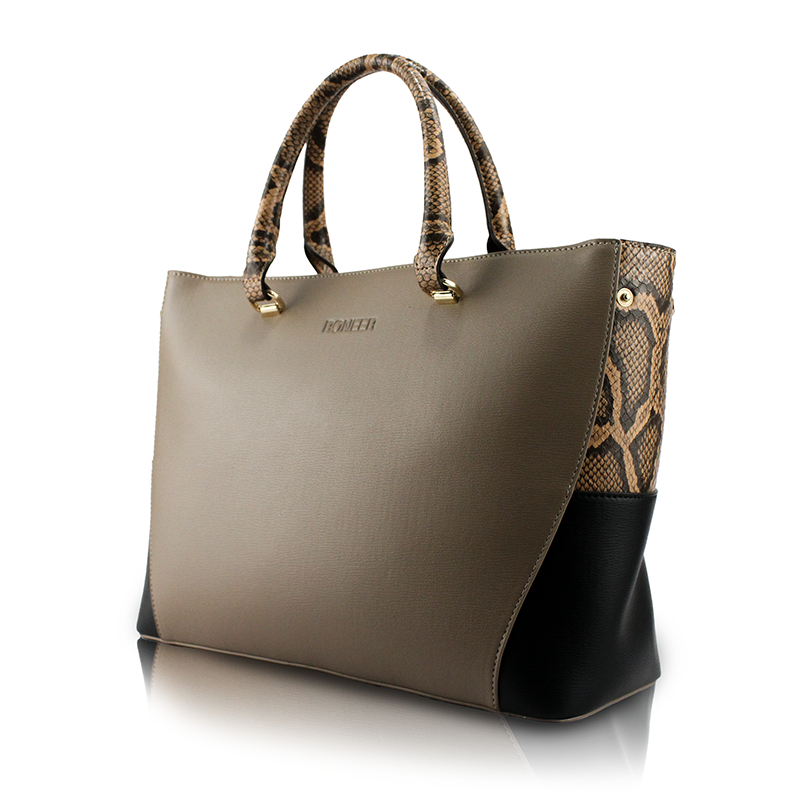
Details can influence people’s impression of a bag. Understated hardware accessories and simple workmanship are usually more durable and more professional. Overly complicated decorative elements may seem impressive at first glance, but they often appear out of place in a serious working environment.
A suitable style should make people feel effortless. A carefully selected leather handbag can not only support your work but also fit your lifestyle. Moreover, even when the trend fades, it remains evergreen.
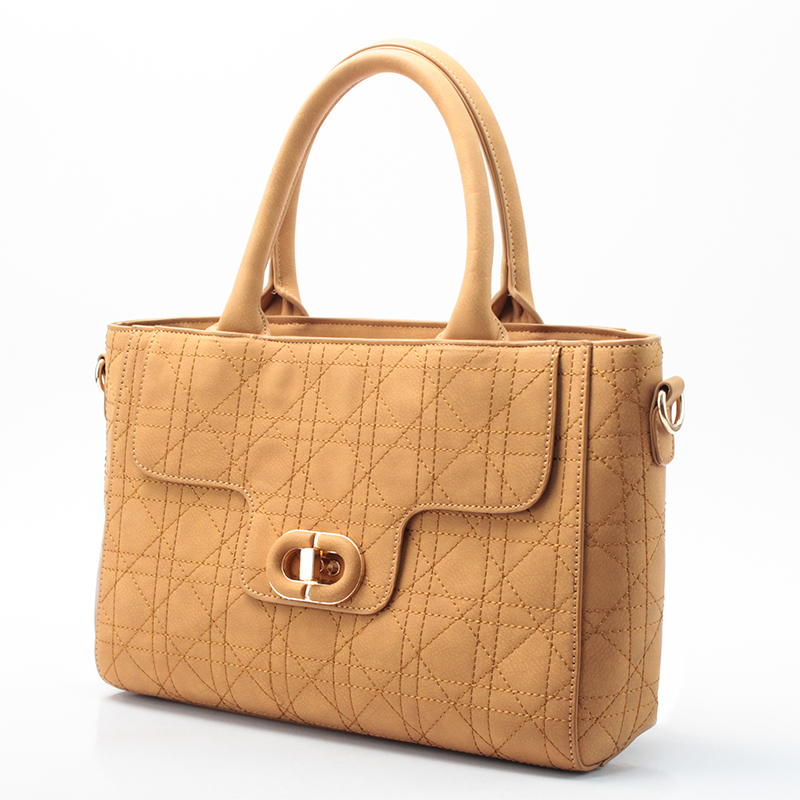
Consider Comfort and Long-Term Use
On the first day of use, almost any handbag feels acceptable. The real difference shows up later—after full workdays, long walks, and repeated commutes. From my experience, comfort is something a bag earns over time.
After a few weeks, weight distribution starts to matter. A bag that pulls to one side or hangs awkwardly creates strain, even if it is not especially heavy. Good design keeps weight close to the body and balanced, so carrying feels natural rather than forced.
Months into daily use, handles and straps reveal their quality. Poorly designed handles dig into the hand. Thin or unpadded straps begin to feel tiring on the shoulder. These details may seem minor at first, but they shape how the bag feels every single day.
As time goes on, structure plays a bigger role. When a bag starts to sag, everything inside shifts. This changes how weight is carried and makes the bag less comfortable to use. Bags built for long-term use maintain their shape, which keeps comfort consistent.
Conclusion
A leather notebook bag that is used for a long time is essentially an investment in one’s work efficiency, sense of security, and professional image. What you need to consider are: whether the size is reasonable, whether the leather is durable, whether the structure and protection are in place, whether the interior is orderly, whether the style is appropriate, and whether it is comfortable to carry for a long time. These factors may not be obvious in the short term, but with daily use, their importance will be continuously magnified.
When designing and manufacturing each leather notebook bag, RONEER always adheres to the core standard of “long-term use”. From the selection of leather material, structural design, to internal protection and load-bearing balance, we repeatedly refine every detail to ensure that the bag retains its form, function, and texture even after years of use.
We do not seek a fleeting visual impact, but rather aim to be a reliable partner in your work – low-key, professional, and durable, supporting you every day without you even realizing it.
If you are looking for a professional leather notebook bag that truly stands the test of time, RONEER will be your choice. We look forward to collaborating with you!