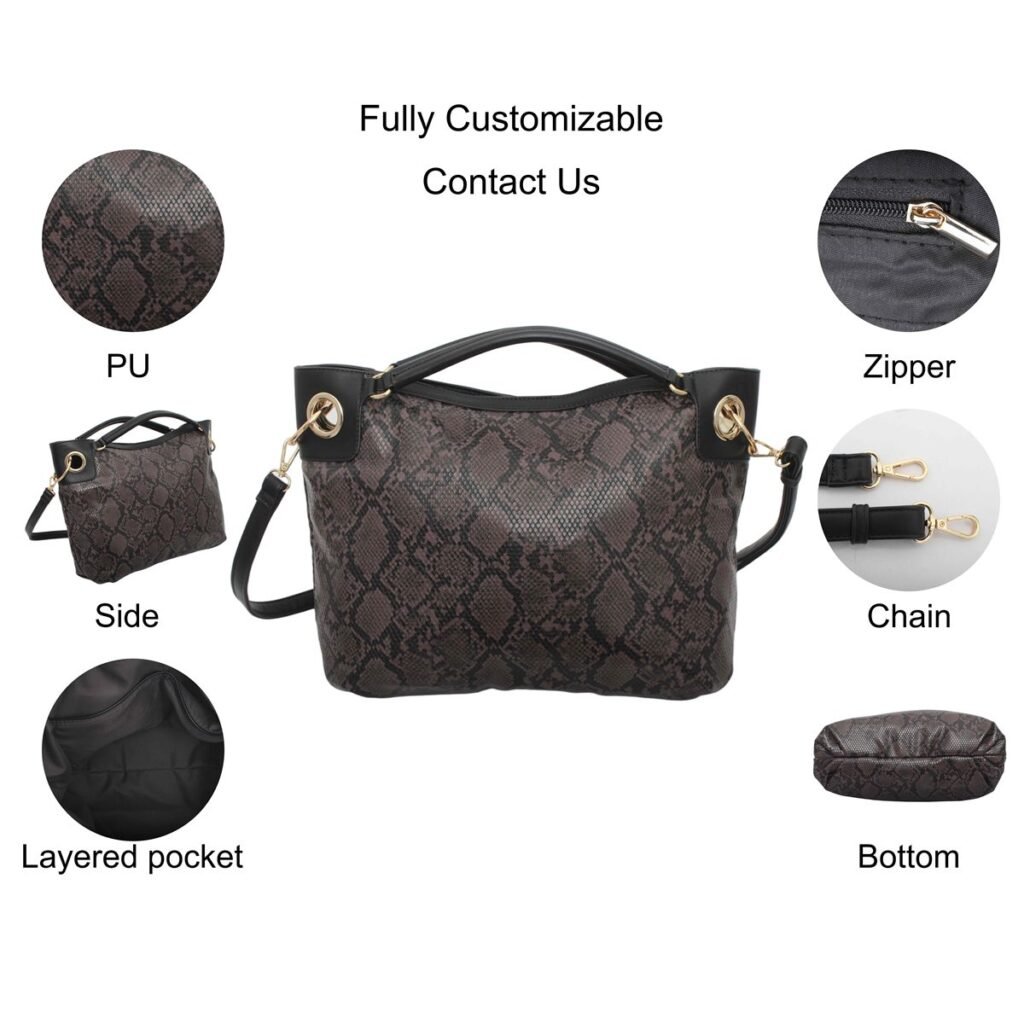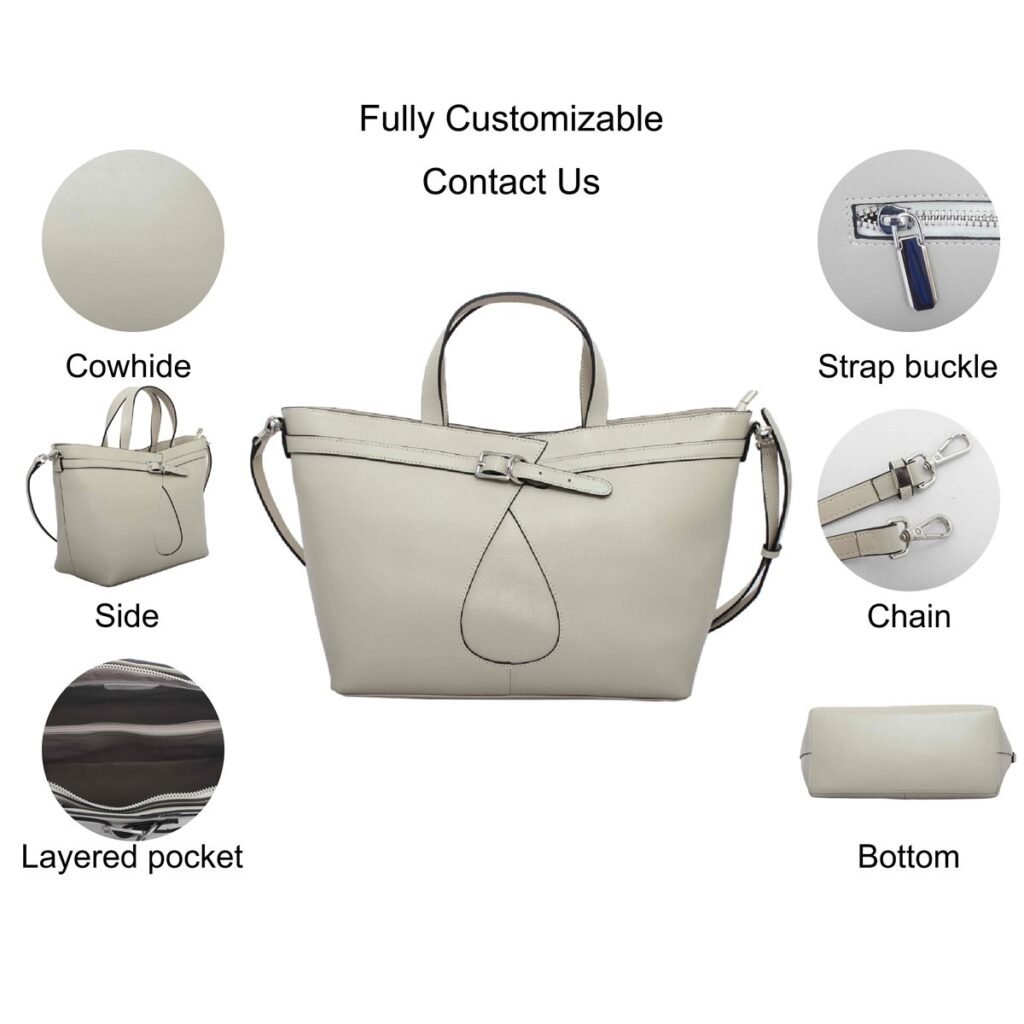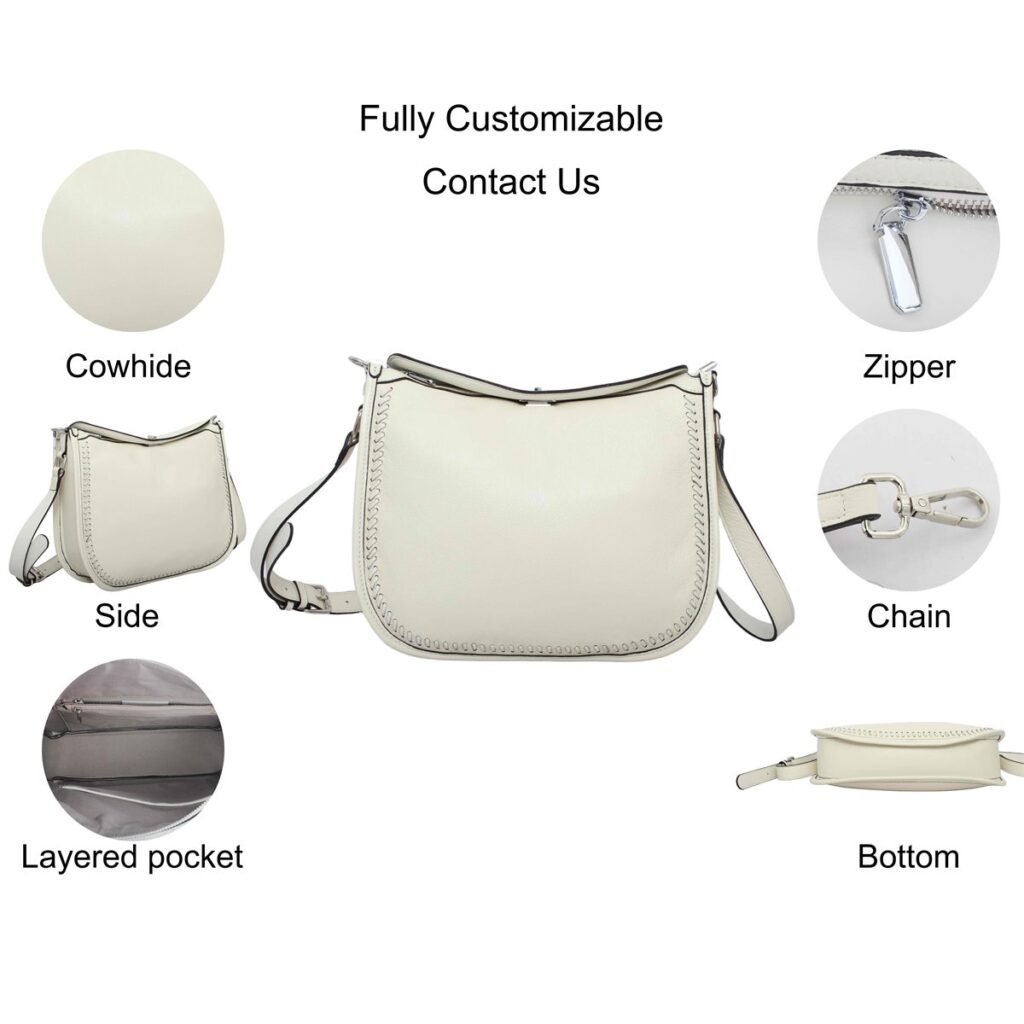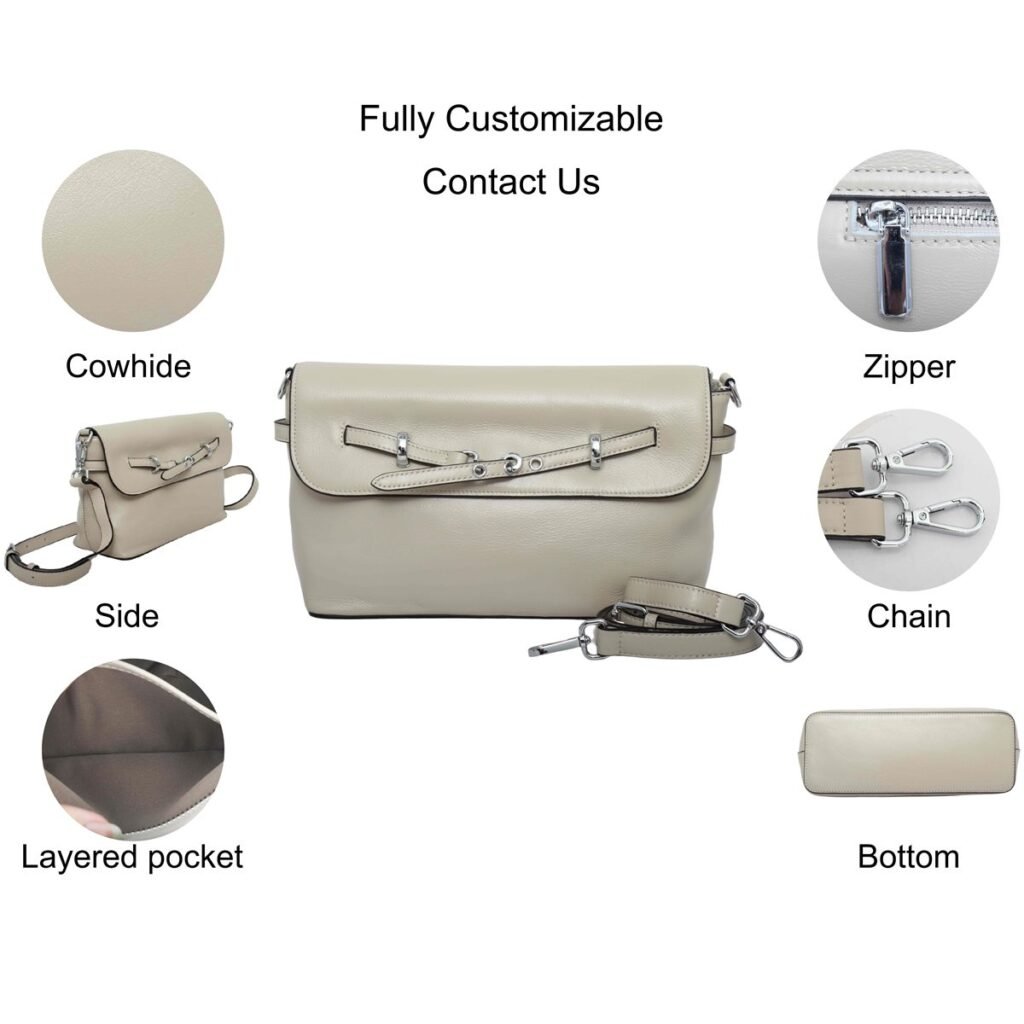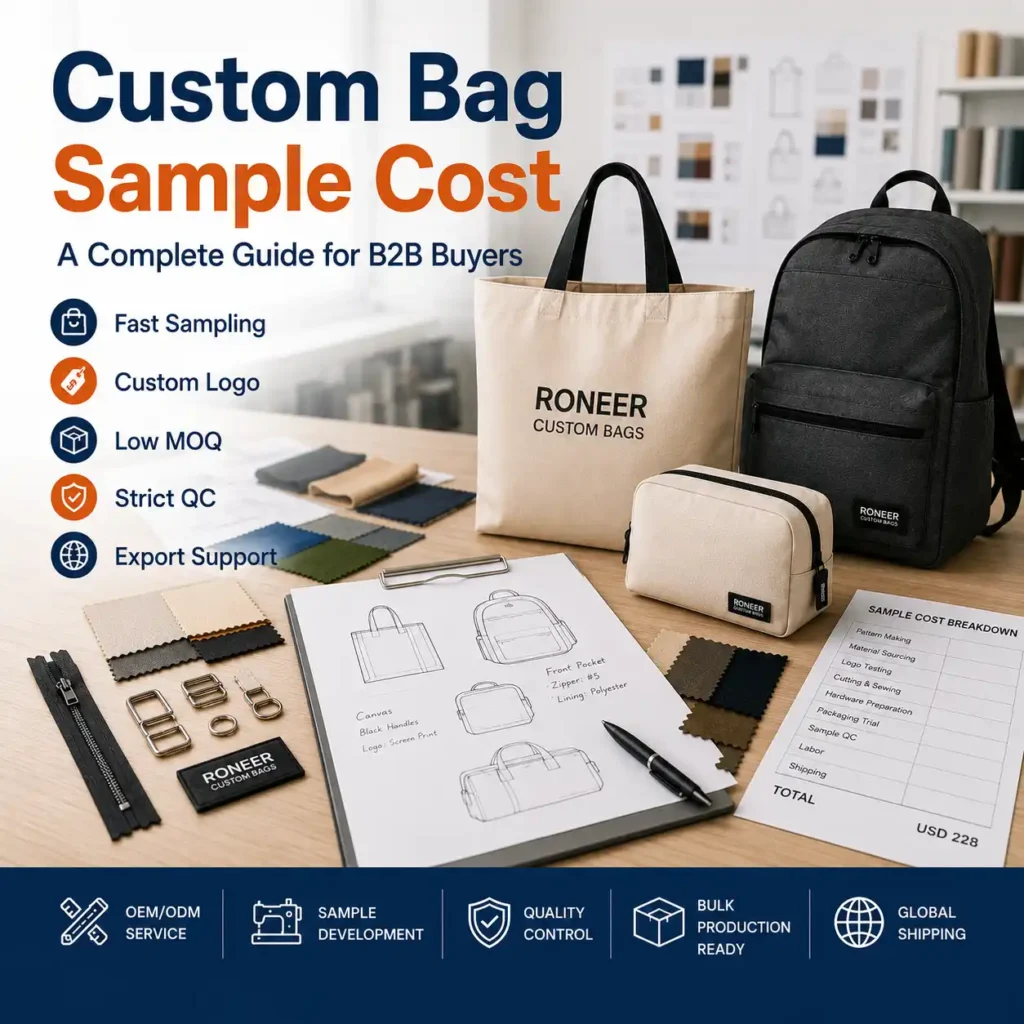










Bag QC inspection is one of the most important steps in OEM/ODM bag production. A custom bag may look good in a sample photo, but bulk production can still have problems if the factory does not check materials, stitching, logo placement, zippers, hardware, lining, measurements, packaging, and export cartons carefully.
For B2B buyers, bag QC inspection is not only about finding defects at the end of production. It is about reducing risk before shipment. A missed stitching issue, wrong logo color, weak zipper puller, scratched hardware plate, incorrect carton label, or poor packaging method can lead to customer complaints, returns, warehouse problems, or retail rejection.
RONEER supports custom bag projects with material customization, logo customization, sample development, low MOQ planning where feasible, strict QC, export packing, and global shipping coordination. Buyers can review RONEER’s overall manufacturing capabilities through RONEER custom bag manufacturing service.
This guide explains how bag QC inspection works, what buyers should check before bulk shipment, and how a clear QC process helps protect both product quality and brand reputation.
Why Bag QC Inspection Matters Before Shipment
Many quality problems are easier to fix before shipment than after goods arrive. Once bags are packed into cartons and shipped internationally, even a small defect can become expensive. Rework, replacement, discounts, freight cost, and customer complaints can damage profit and trust.
A practical bag QC inspection process helps buyers confirm:
- The bulk goods match the approved sample
- Materials are correct and consistent
- Logo position and color are accurate
- Stitching is clean and strong
- Zippers open and close smoothly
- Hardware has the correct finish
- Lining and inner pockets are functional
- Measurements are within tolerance
- Packaging matches the buyer’s requirement
- Carton labels and export packing are correct
For private label buyers, QC is also about brand consistency. The customer may not know the factory, but they will judge the brand when they open the product. That is why bag QC inspection should be treated as part of the product development system, not only a final check.
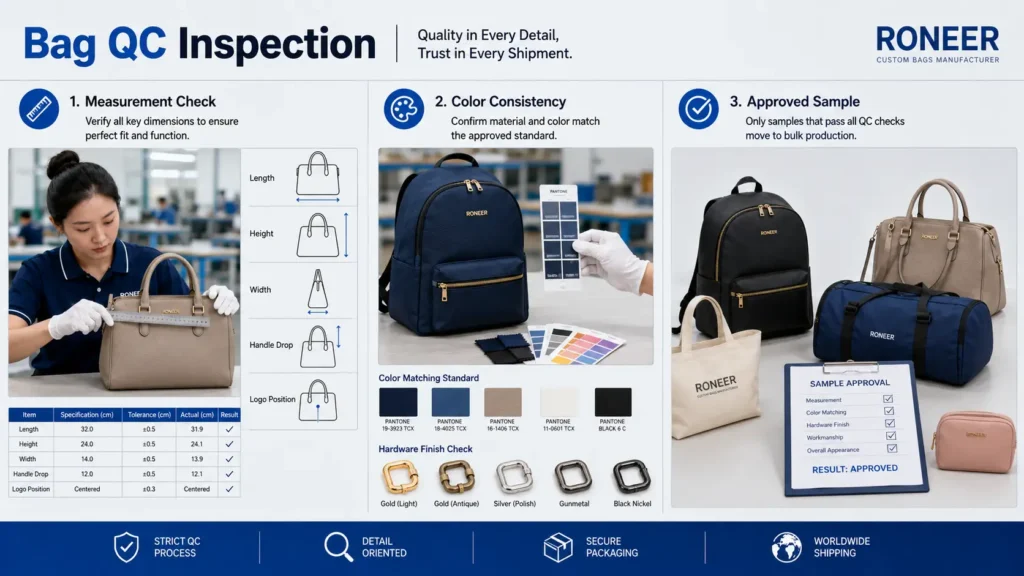
1. Start With Approved Samples and QC Standards
A proper bag QC inspection cannot happen without an approved reference. Before production starts, the buyer and factory should confirm what the final bag should look like.
Important approval references include:
- Approved sample
- Material swatches
- Color standard
- Logo artwork
- Hardware finish sample
- Zipper specification
- Lining material
- Measurement chart
- Packaging sample
- Carton mark format
- Buyer comments and revisions
Without clear, approved standards, inspection becomes subjective. One inspector may accept a small color difference while another may reject it. One buyer may allow slight thread trimming issues while another may see them as unacceptable.
For custom bags, the approved sample should become the main reference for production and final bag QC inspection. Any change after sample approval should be recorded clearly.
2. Material Inspection
Material quality is the foundation of every bag. If the material is wrong, many later production steps cannot fix the issue. Material inspection should happen before cutting and again during production when needed.
Common material checks include:
- Material type
- Color consistency
- Surface texture
- Thickness
- Hand feel
- Coating quality
- Scratches or marks
- Odor
- Color transfer risk
- Peeling risk
- Fabric defects
- Wrinkles or creases
- Batch consistency
Different bag materials need different inspection points. PU leather should be checked for surface marks, peeling, grain consistency, and color difference. Nylon and polyester should be checked for fabric defects, coating, color fastness, and weave quality. Canvas should be checked for shrinkage, color variation, and stains. Waterproof or coated fabrics should be checked for coating defects and surface performance.
Buyers can review RONEER’s تخصيص المواد service when selecting materials and setting QC expectations before production.
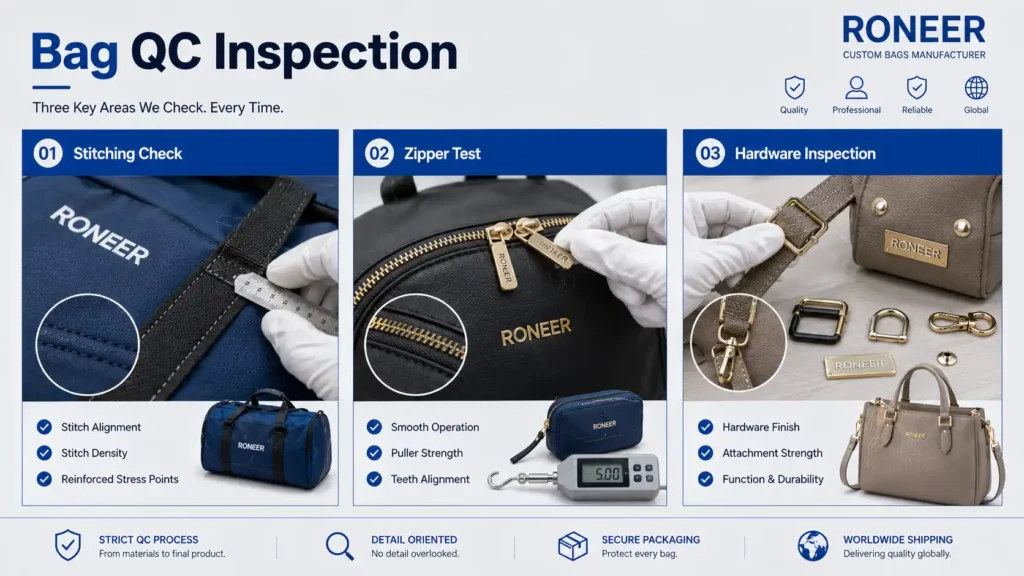
3. Stitching and Sewing Inspection
Stitching quality strongly affects durability and appearance. Even if the material is good, poor sewing can make the bag look cheap or fail during use.
A good bag QC inspection should check:
- Stitch density
- Straight stitching lines
- Loose threads
- Broken stitches
- Skipped stitches
- Reinforcement stitches
- Edge stitching
- Bartack positions
- Seam allowance
- Binding tape
- Stress points
- Handle attachment
- Strap attachment
- Bottom corner strength
For backpacks, travel bags, and tote bags, stress points are especially important. Handles, shoulder straps, D-ring tabs, and side seams need stronger reinforcement. For handbags and wallets, stitching should also look clean and consistent because customers inspect these details closely.
Loose threads should be trimmed before packing, but inspectors should also check whether loose threads are only surface issues or signs of weak sewing.
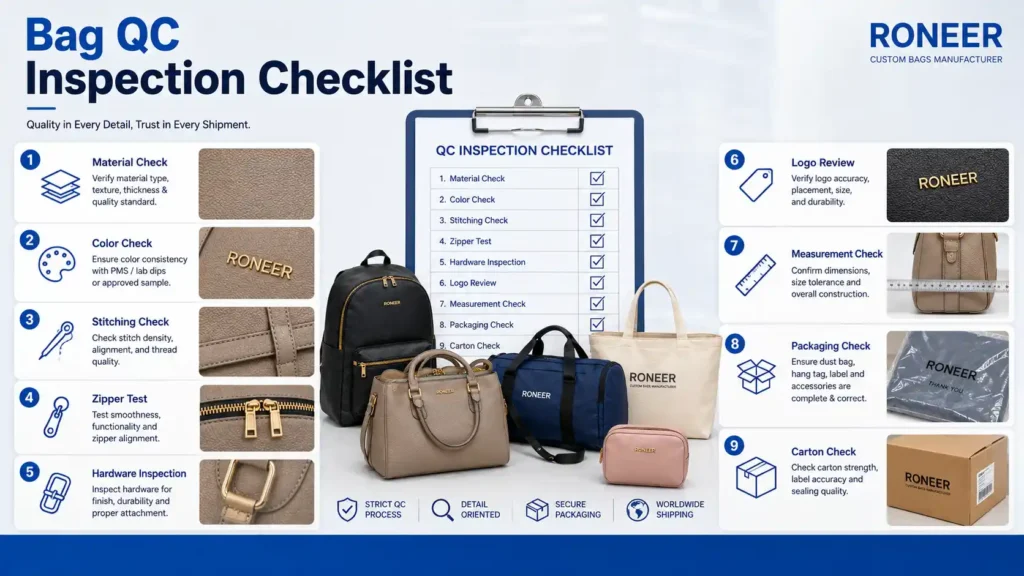
4. Zipper and Puller Inspection
Zippers are used repeatedly, so they are one of the most important functional components in bag QC inspection. A bag with a weak zipper can fail quickly, even if the body material is good.
Zipper checks should include:
- Smooth opening and closing
- Correct zipper size
- Correct zipper tape color
- Slider movement
- Puller strength
- Puller attachment
- Zipper teeth alignment
- Stopper quality
- No stuck points
- No broken teeth
- No sharp edges
- Correct zipper direction
- Waterproof zipper function if required
For zipper category reference, buyers can use YKK as an industry reference for zipper and fastening components. This does not mean RONEER automatically uses YKK unless the buyer requests and approves it. Actual zipper brand, specification, color, and cost should be confirmed during order negotiation.
If the bag uses a custom zipper puller, the puller should be checked together with the slider. A nice-looking puller is not useful if it is too heavy, poorly attached, or difficult to grip.
5. Hardware Inspection
Hardware affects both function and perceived value. Buckles, D-rings, hooks, rivets, magnetic snaps, zipper sliders, logo plates, metal feet, and decorative chains should all match the approved sample.
Hardware inspection should check:
- Hardware color
- Plating consistency
- Surface scratches
- Rust or oxidation
- Sharp edges
- Logo clarity
- Attachment strength
- Buckle function
- Hook function
- D-ring strength
- Rivet fixing
- Magnetic snap strength
- Chain movement
- Metal-to-material friction
For bags with metal logo plates or premium hardware, packaging protection is also important. Glossy gold, light gold, silver, and black nickel hardware can scratch during transport if protective film, tissue paper, foam sheet, or correct packing is not used.
Buyers can review RONEER’s تخصيص الشعار options when planning metal plates, zipper pullers, rubber patches, woven labels, and other custom logo hardware.
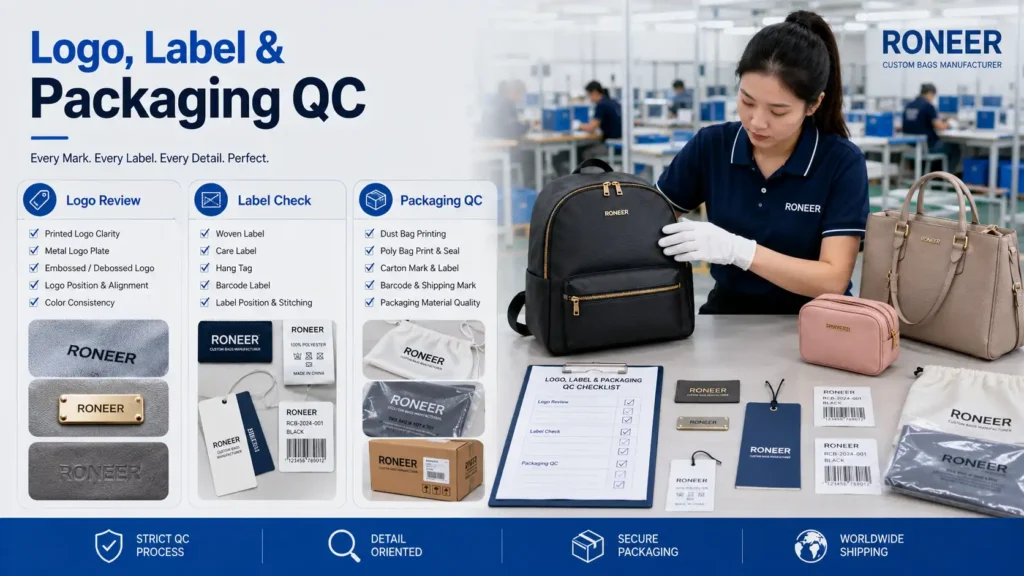
6. Logo and Branding Inspection
Logo mistakes are highly visible. A small logo error can make the whole order unusable for private label buyers. Bag QC inspection should confirm that all branding details match the approved artwork.
Logo checks include:
- Logo size
- Logo position
- Logo color
- Logo clarity
- Print opacity
- Embroidery density
- Metal logo finish
- Debossing or embossing effect
- Heat transfer adhesion
- Woven label placement
- Inner label wording
- Hang tag artwork
- Care label accuracy
- Packaging logo consistency
Different logo methods have different risks. Screen printing may have edge blur or poor opacity. Heat transfer may have adhesion problems. Embroidery may cause puckering. Metal plates may have plating defects. Debossing may not be deep enough. Woven labels may have the wrong color or text.
A good QC process checks the logo on the finished bag, not only on a separate component.
Need Custom Bags for Your Brand?
Contact RONEER for OEM/ODM production, fast sampling, low MOQ options, custom logo solutions, material customization, strict QC, and export packing support.
7. Lining and Inner Structure Inspection
The outside of a bag may look correct, but customers use the inside every day. Lining and inner structure should be included in bag QC inspection, especially for backpacks, handbags, wallets, travel bags, cosmetic bags, and laptop bags.
Inspectors should check:
- Lining material
- Lining color
- Lining fit
- Loose lining
- Inner pocket size
- Zipper pocket function
- Laptop compartment size
- Card slot size
- Mesh pocket strength
- Care label position
- Woven label position
- Inner bottom shape
- Seam finishing
- Cleanliness inside the bag
A lining that is too loose can wrinkle or get caught in the zipper. A pocket that is too shallow may not hold a phone. A laptop sleeve that is too tight may fail the product promise. A care label with wrong information can create compliance and customer service problems.
For material safety and harmful substance background, OEKO-TEX can be used as an industry reference. Buyers should confirm actual testing or documentation requirements based on the material, market, and retailer requirements.
8. Measurement and Tolerance Check
Measurement mistakes are common in bag production. Bags are soft products, so small differences may happen, but the acceptable tolerance should be agreed upon before production.
Common measurement points include:
- Length
- Height
- Width
- Handle drop
- Strap length
- Strap width
- Pocket size
- Zipper opening
- Laptop compartment size
- Wallet card slot size
- Bottom width
- Gusset size
- Logo position
- Hardware position
For structured handbags and wallets, tolerance should be tighter. For soft tote bags or fabric pouches, tolerance may be more flexible. The key is to define acceptable tolerance in advance and inspect finished goods against the approved measurement chart.
If the buyer sells online, measurement accuracy is important because product pages often list dimensions. Wrong dimensions can lead to complaints or returns.
9. Color Consistency and Appearance Inspection
Color consistency affects product photos, retail display, and reorder stability. Bag QC inspection should compare bulk goods with the approved color standard.
Color checks include:
- Main body color
- Side panel color
- Lining color
- Zipper tape color
- Stitching thread color
- Logo color
- تشطيب الأجهزة
- Patch color
- Strap color
- Packaging color
Color can vary between material batches, dye lots, coating processes, and suppliers. A small difference may be acceptable, but large color differences can make the order look inconsistent.
For private label collections, buyers should keep physical color standards for future repeat orders. This helps the factory compare new production with previous approved standards.
10. Functional Testing
A bag is not only a visual product. It must work in daily use. Functional checks should be included in bag QC inspection, especially for products designed for travel, school, work, outdoor use, or heavy carrying.
Common functional checks include:
- Zipper opening and closing
- Buckle operation
- Magnetic snap function
- Hook rotation
- Strap adjustment
- Handle strength
- Shoulder strap strength
- Pocket usability
- Laptop compartment fit
- Trolley sleeve fit
- Drawstring function
- Waterproof zipper function if required
- Load-bearing test if needed
For backpacks, duffel bags, travel bags, and laptop bags, load-bearing and strap strength are important. For cosmetic bags, zipper and lining usability matter more. For wallets, the card slot size and zipper smoothness should be checked carefully.
Functional testing should match the product’s use. Over-testing a simple pouch may not be necessary, but under-testing a heavy travel bag can create real risk.
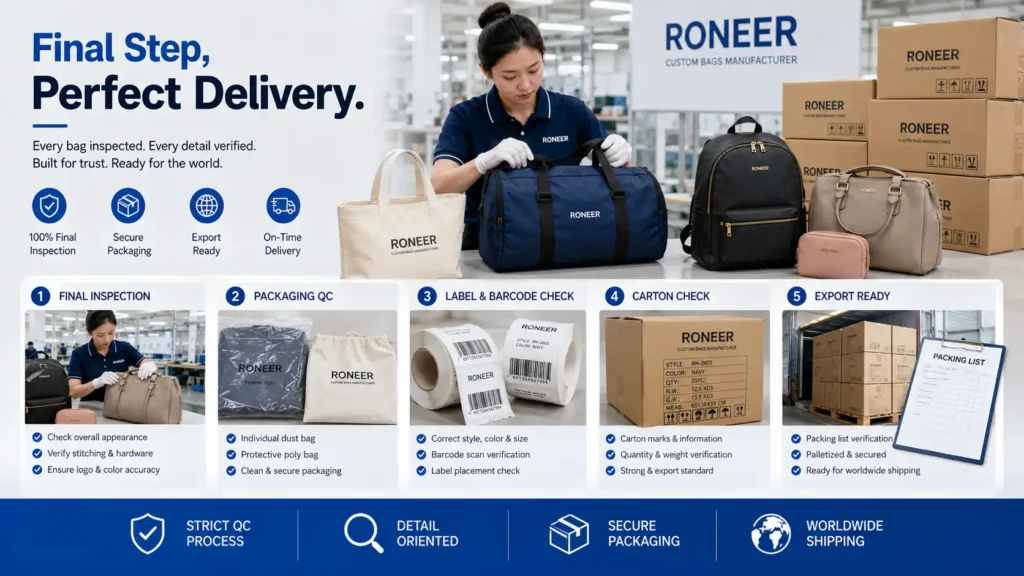
11. Packaging and Carton Inspection
Packaging is part of the final product. A good bag can arrive damaged if the packing is poor. Packaging inspection should confirm that each bag is protected, labeled, and packed according to the buyer’s requirements.
Packaging checks include:
- Poly bag size
- Dust bag size
- ورق مناديل
- Hardware protective film
- Foam sheet
- Hang tag
- Care card
- Barcode label
- SKU label
- Color label
- Gift box
- Carton mark
- Carton size
- Carton weight
- Quantity per carton
- Carton sealing
- Export carton strength
For private label projects, packaging QC should also check logo consistency across hang tags, dust bags, poly bags, care cards, gift boxes, and cartons.
Buyers can review RONEER’s تخصيص العبوات service when planning dust bags, poly bags, hang tags, barcode labels, gift boxes, and export cartons together.
12. Pre-Shipment Bag QC Inspection
Pre-shipment inspection is the final review before goods leave the factory. It helps buyers confirm the order is ready for export.
A pre-shipment bag QC inspection usually checks:
- Finished product appearance
- Major and minor defects
- Quantity
- Measurements
- Workmanship
- الوظيفة
- Logo and labels
- التعبئة والتغليف
- علامات الكرتون
- Export readiness
For inspection and quality control background, buyers can refer to SGS. The specific inspection method, sample size, AQL level, and acceptance standard should be confirmed between the buyer, factory, and any third-party inspection provider if used.
RONEER follows sample review, production checking, final inspection, and export packing review to help buyers reduce avoidable quality risks before shipment.
Common Bag QC Inspection Defects
Material Defects
Scratches, stains, color differences, peeling, coating problems, fabric holes, wrinkles, and odor issues.
Sewing Defects
Loose threads, skipped stitches, uneven stitching, weak stress points, poor binding, and open seams.
Zipper Defects
Stuck sliders, broken teeth, weak pullers, wrong zipper tape color, poor stopper quality, and rough movement.
Hardware Defects
Scratches, color mismatch, rust, sharp edges, weak attachment, plating inconsistency, and poor logo clarity.
Logo Defects
Wrong logo size, wrong position, poor print clarity, weak embossing, incorrect color, and wrong label wording.
Packaging Defects
Wrong barcode, wrong carton mark, poor carton sealing, missing dust bag, missing hang tag, incorrect quantity, and weak export packing.
How RONEER Helps Buyers With Bag QC Inspection
RONEER helps buyers manage bag QC inspection from sample development to final export packing. The goal is to make sure custom bags match the approved sample, buyer specifications, and shipment requirements.
RONEER can support:
- Sample approval review
- Material checking
- Color standard confirmation
- Logo inspection
- فحص الخياطة
- Zipper and hardware checking
- Lining and pocket inspection
- Measurement review
- Packaging QC
- التحقق من علامات الكرتون
- Export packing inspection
- Final shipment preparation
For startups, RONEER can help create practical QC standards that match the product level and budget. For established brands, RONEER can follow more detailed inspection requirements across multiple bag styles and repeat orders.
FAQ About Bag QC Inspection
1. What is bag QC inspection?
Bag QC inspection is the process of checking custom bags before, during, and after production to confirm that materials, stitching, logo, hardware, zippers, lining, measurements, packaging, and cartons match the approved standards.
2. Why is bag QC inspection important for OEM/ODM buyers?
Bag QC inspection helps OEM/ODM buyers reduce defects, avoid shipment problems, protect brand reputation, and confirm that bulk production matches the approved sample before goods are exported.
3. What should be included in a bag QC inspection checklist?
A bag QC inspection checklist should include material quality, color consistency, stitching, zipper function, hardware finish, logo position, lining, measurements, labels, packaging, carton marks, quantity, and final appearance.
4. When should bag QC inspection happen?
Bag QC inspection can happen during material checking, pre-production sample approval, in-line production inspection, final inspection, and pre-shipment inspection. For custom bags, checking only at the end is usually not enough.
5. What defects are most common in custom bag production?
Common defects include loose threads, uneven stitching, zipper problems, hardware scratches, logo misplacement, color difference, lining wrinkles, incorrect measurements, dirty surfaces, weak packaging, and wrong carton labels.
6. Can RONEER support bag QC inspection for private label orders?
Yes. RONEER supports bag QC inspection for private label orders, including logo checking, packaging review, barcode labels, hang tags, dust bags, carton marks, material consistency, and final export packing.
7. How does bag QC inspection reduce buyer risk?
Bag QC inspection reduces risk by finding issues before shipment. It helps buyers avoid receiving bags with poor stitching, wrong logo details, weak hardware, incorrect packaging, or carton mistakes that can create returns and complaints.
8. What should buyers check for zipper quality?
Buyers should check zipper smoothness, slider movement, zipper tape color, puller strength, teeth alignment, stopper quality, opening direction, and whether the zipper matches the approved sample.
9. What should buyers check for hardware quality?
Buyers should check hardware finish, plating consistency, scratches, rust risk, sharp edges, attachment strength, logo clarity, buckle function, D-ring strength, rivet fixing, and overall match with other hardware parts.
10. What should buyers check for packaging QC?
Packaging QC should check dust bags, poly bags, hang tags, care cards, barcode labels, SKU labels, gift boxes, carton marks, carton strength, quantity per carton, and final export packing method.
11. Does bag QC inspection affect lead time?
Yes. Bag QC inspection can add time to production planning, but it helps avoid bigger delays caused by rework, rejected goods, replacement production, or shipment disputes.
12. Why choose RONEER for bag QC inspection?
RONEER helps buyers manage bag QC inspection with OEM/ODM support, sample approval review, material checking, logo inspection, hardware and zipper testing, packaging QC, strict final inspection, export packing, and global shipping coordination.
الخاتمة
Bag QC inspection is a critical part of custom bag manufacturing because it protects product quality before goods leave the factory. For B2B buyers, QC is not only about checking finished bags. It is about confirming materials, workmanship, logo details, hardware, zippers, lining, measurements, packaging, and export cartons against the approved standard.
A strong bag QC inspection process helps buyers reduce production risk, protect brand reputation, avoid shipment disputes, and improve customer satisfaction. It also makes repeat orders easier because approved samples, color standards, logo records, measurement charts, packaging details, and carton requirements can be reused for future production.
RONEER supports OEM/ODM buyers with bag QC inspection, material customization, custom logo options, low MOQ suggestions where feasible, fast sampling, stable bulk production, packaging QC, strict final inspection, export carton packing, and global shipping experience.
Before shipment, buyers should confirm the physical sample standard, inspection checklist, acceptable tolerance, logo approval, hardware finish, zipper function, packaging details, and carton marks. When bag QC inspection is managed carefully from development to final packing, the finished order becomes more consistent, more reliable, and easier to scale across future bag collections.