 English
  Deutsch
  Español
  Français
  Italiano
  Русский
  日本語
日本語  العربية
  Türkçe
  한국어
한국어 Introduction
Understanding the differences between OEM and ODM backpack manufacturing is essential for any business developing custom backpacks. Whether you are a brand owner, wholesaler, or e-commerce seller, your choice of production model directly impacts product design, cost structure, lead time, and long-term scalability.
Working with a professional custom bag manufacturer helps you decide between OEM and ODM backpack production models more effectively.
OEM manufacturing refers to producing goods based on buyer specifications—learn more from this OEM definition
When comparing OEM and ODM backpack solutions, the key consideration is how much control you want over your product. OEM manufacturing allows you to create fully customized backpacks based on your own specifications, while ODM provides pre-designed models that can be quickly adapted.
Material selection also plays a critical role—explore different custom backpack materials to improve durability and product performance.
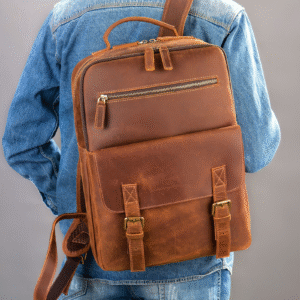
1. Product Design Ownership
The most fundamental difference in OEM and ODM backpack production lies in design control.
- OEM Manufacturing → Buyers provide detailed designs, including structure, materials, and features
- ODM Manufacturing → Factories offer ready-made backpack designs
ODM involves factory-developed designs that can be customized—see detailed ODM meaning
With OEM, you can build unique custom backpacks tailored to your brand identity. In contrast, ODM allows you to skip the design stage and move directly into production.
👉 Result: OEM ensures originality, while ODM focuses on speed
2. Customization Flexibility
Customization is a major factor when evaluating OEM and ODM backpack manufacturing options.
- OEM → Full flexibility (materials, colors, compartments, logo placement)
- ODM → Limited customization based on existing designs
To make the right decision, you also need to choose a custom backpack manufacturer with strong development capabilities.
👉 Result: OEM enables differentiation, ODM improves efficiency
3. Development Time and Speed
Time-to-market is another critical difference in OEM and ODM backpack strategies.
- OEM → Longer timeline due to design, prototyping, and revisions
- ODM → Faster production since designs are already available
A structured product development process is essential for successful OEM projects.
👉 Result: ODM accelerates launch, OEM supports strategic growth
4. Cost and Investment
Cost structure is a key consideration in OEM and ODM backpack manufacturing.
- OEM → Higher upfront costs (design, sampling, development)
- ODM → Lower initial investment
An experienced backpack manufacturer can help balance cost, customization, and production efficiency.
Efficient production also relies on a strong manufacturing supply chainto ensure quality and delivery.
👉 Result: ODM lowers entry cost, OEM increases long-term value
5. Branding and Market Positioning
Brand identity is strongly influenced by your choice of OEM and ODM backpack production.
- OEM → Unique products aligned with brand positioning
- ODM → Standardized products with limited differentiation
Brands that want unique custom backpacks often prefer OEM production for full design control.
👉 Result: OEM strengthens branding, ODM supports quick sales
6. Production Scalability
Scalability is another important factor in OEM and ODM backpack manufacturing.
- OEM → Flexible for continuous product improvement and scaling
- ODM → Easy to start but less adaptable for future upgrades
OEM allows you to refine designs and expand product lines over time, while ODM is typically used for initial testing phases.
👉 Result: OEM supports long-term growth, ODM is ideal for testing
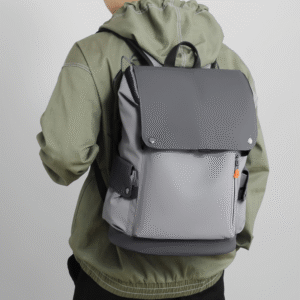
OEM and ODM Backpack: Which Option Is Right for You?
Choosing between OEM and ODM backpack manufacturing depends on your business model:
- Startups → ODM reduces risk and speeds up product launch
- Growing brands → Combine ODM for testing and OEM for scaling
- Established brands → OEM ensures full control and consistency
- E-commerce sellers → Start with ODM, then transition to OEM
Working with an OEM custom backpack manufacturer allows you to scale efficiently while maintaining product quality.
Applications in Custom Backpack Projects
Understanding OEM and ODM backpack strategies helps optimize different business scenarios:
- Retail Brands → Need exclusive designs → OEM ensures differentiation
- Corporate Buyers → Require fast turnaround → ODM reduces lead time
- Online Sellers → Test market demand → ODM first, OEM later
- Outdoor Brands → Require performance features → OEM supports customization
Material performance also depends on fabric selection—this backpack materials guide explains key options.
FAQ About OEM and ODM Backpack Manufacturing
1. What is the difference between OEM and ODM backpack production?
OEM involves custom designs provided by the buyer, while ODM uses pre-designed products from the factory.
2. Which is more cost-effective?
ODM has lower upfront costs, while OEM offers better long-term profitability.
3. Can ODM backpacks be customized?
Yes, but customization is limited compared to OEM.
4. Which option is better for branding?
OEM is ideal for building a strong and unique brand identity.
5. Can businesses switch between OEM and ODM?
Yes, many companies start with ODM and later move to OEM as they grow.
Conclusion
Choosing between OEM and ODM backpack manufacturing is a strategic decision that directly affects your product quality, cost efficiency, and brand positioning. While ODM offers faster production and lower initial investment, OEM provides greater flexibility and long-term competitive advantages.
At RONEER, we specialize in both OEM and ODM solutions, helping clients navigate the complexities of OEM and ODM backpack production. From design consultation and material selection to sampling and mass production, we deliver reliable quality and efficient manufacturing support.
Working with a professional custom backpack manufacturer ensures your products are competitive, scalable, and aligned with your brand goals.