 English
  Deutsch
  Español
  Français
  Italiano
  Русский
  日本語
日本語  العربية
  Türkçe
  한국어
한국어 When your company decides to start purchasing luggage from China, you will soon encounter a problem: Apart from production, what else can the luggage factories in China offer?You might think initially that the luggage factory merely produces products based on the drawings. However, in reality, a mature Chinese luggage manufacturer usually gets involved in multiple stages of product development, ranging from design and development to material engineering, sample production, production management, brand promotion, and even global export logistics.
Therefore, it is of utmost importance for you to understand these services, as they directly affect product quality, development speed, and brand consistency. In China, especially in the Huadu District of Guangzhou, factories with strong R&D capabilities can transform creativity into producible products, control material properties, and achieve stable large-scale production.
In this article, I will guide you to understand why you should choose Chinese luggage factories and what services they offer. Why can China become the dominant force in procurement? Let’s find out in the following content!
What Is a Bag Factory?
A bag factory is a specialized manufacturing facility that designs, develops, and produces various types of bags using industrial sewing, pattern engineering, and material processing techniques.
Unlike small workshops that only assemble products, professional factories operate with structured departments such as:
- product development teams
- pattern engineers
- sample rooms
- material sourcing teams
- production lines
- quality control departments
- export and logistics teams
Each department plays a role in turning a design concept into a finished product ready for international markets.
Most Chinese bag factories manufacture several categories of bags, including:
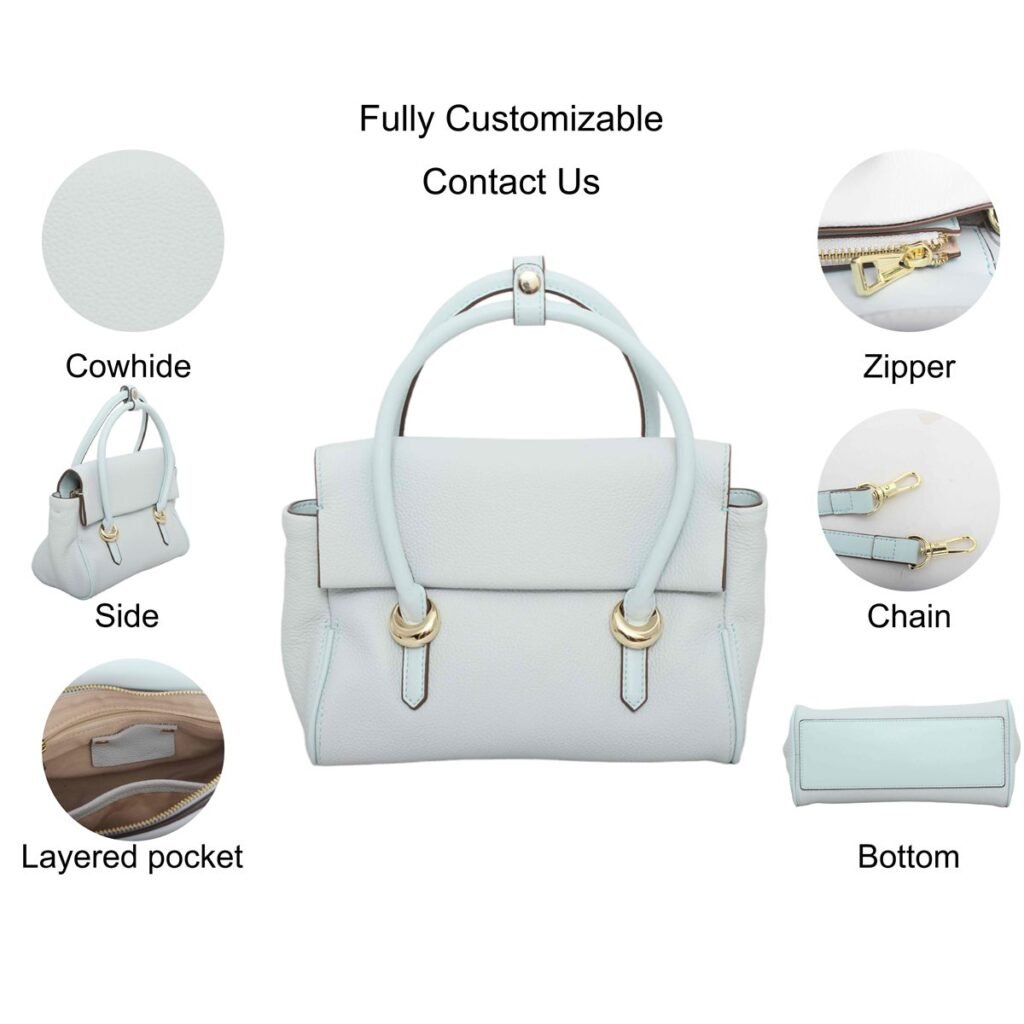
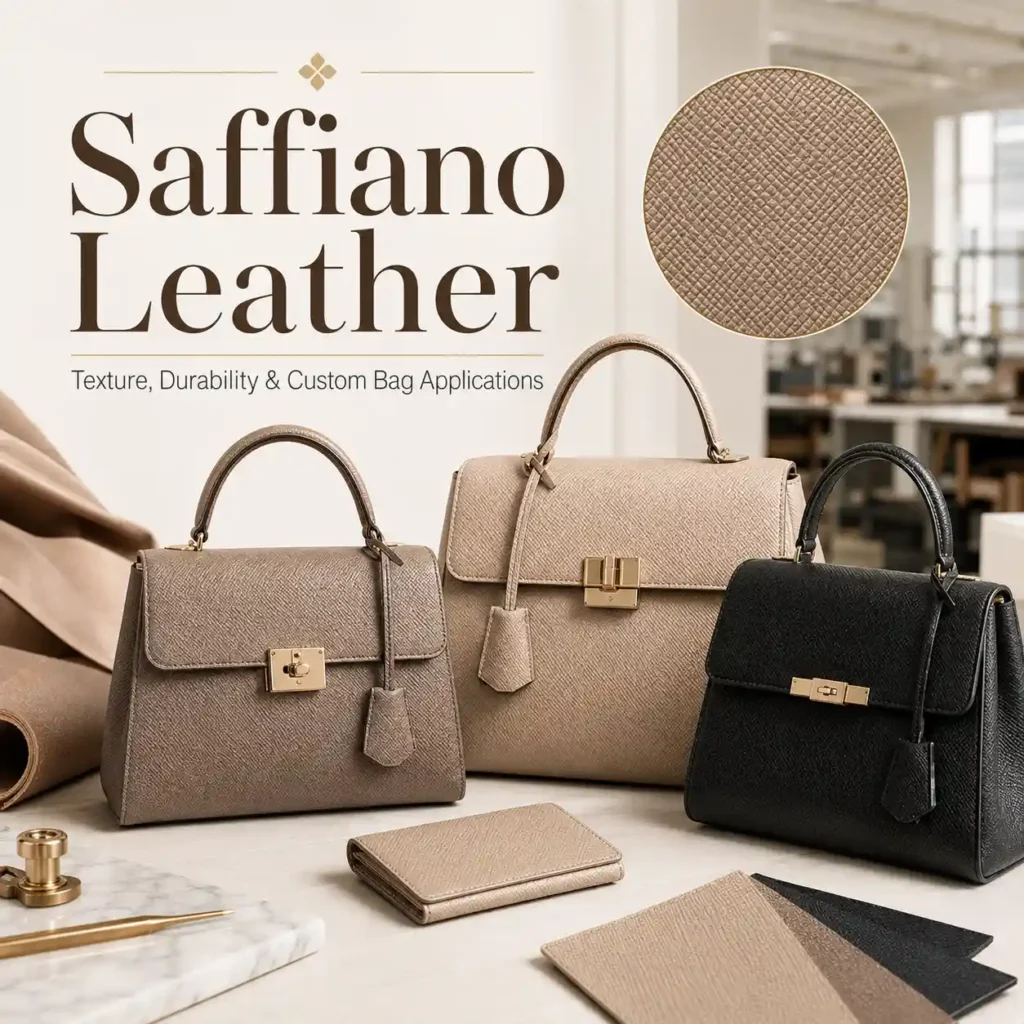
Handbags: Often produced with PU leather, genuine leather, or synthetic materials. These products require attention to structure, stitching precision, and appearance.
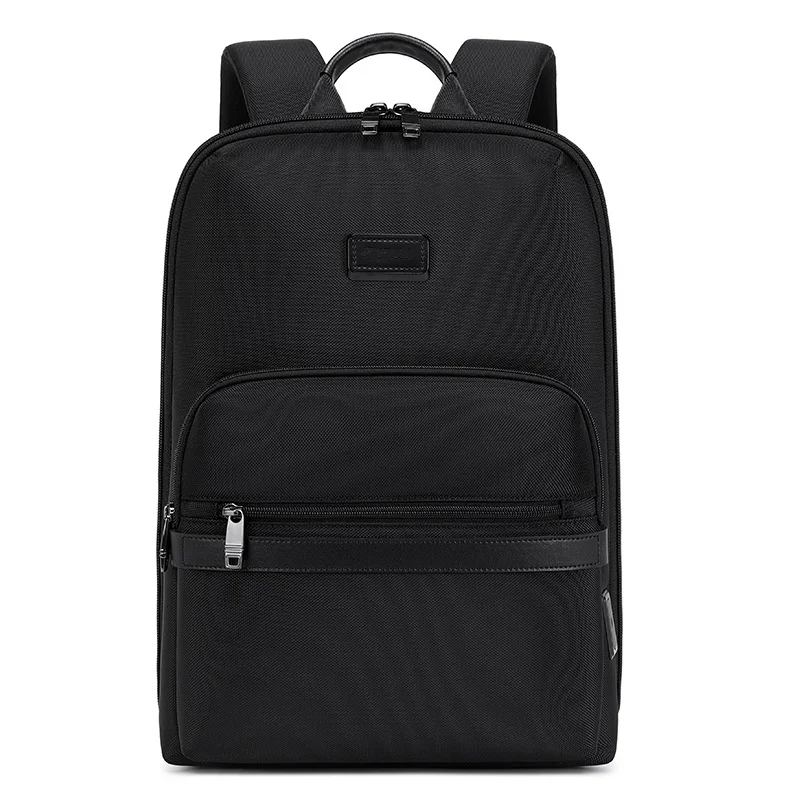
Backpacks: Common in travel, outdoor, school, and laptop segments. Backpacks usually require reinforcement stitching, padding systems, and hardware testing.
Tote Bags: Widely used for retail, fashion brands, and promotional products. These can be made from canvas, polyester, recycled materials, or leather.
Travel Bags: Including duffel bags, weekender bags, and carry-on luggage. Travel bags require durable materials, heavy-duty zippers, and reinforced handles.
Custom Bag Design & Development Services
Once you have found a suitable factory, you should start from the product development stage. This is often where experienced factories can maximize their value. Many purchasers, when in contact with the factory, usually only provide initial ideas rather than complete technical designs. Professional luggage factories can transform these ideas into producible products through a standardized development process.
In RONEER, we have over ten years of experience in the luggage industry and have collaborated with 60+ countries. We have our own design team. So you don’t need to worry about product development. We will provide one-stop customization services. If you are interested in us, please contact us right away!
Logo Customization
Factories offer multiple methods for integrating logos into bag designs. During development, the factory helps determine which method fits the material, structure, and brand positioning.
Common logo integration options include:
- embossed logos on leather or PU materials
- printed logos on fabric panels
- metal logo plates
- embroidered branding elements
- woven labels or rubber patches
Choosing the correct technique affects durability, cost, and appearance.
Size and Structure Design
Many buyers start with reference photos or concept sketches. Pattern engineers then create technical patterns that define:
- bag dimensions
- pocket placements
- internal compartments
- strap construction
- reinforcement points
Structure design is critical because it determines how the bag maintains its shape during use.
Pattern and Color Development
Bag factories maintain relationships with fabric mills and material suppliers. This allows them to help brands develop specific colorways and surface patterns.
During development, teams can assist with:
- custom color matching
- printed fabric development
- seasonal color updates
- material surface treatments
These adjustments ensure the final product aligns with the brand’s visual identity.
Prototype and Sample Creation
Before production begins, the factory creates prototypes. This stage allows both sides to evaluate the product in physical form.
Prototypes help identify:
- ergonomic issues
- structural weaknesses
- material compatibility
- hardware performance
Material Selection for Different Types of Bags
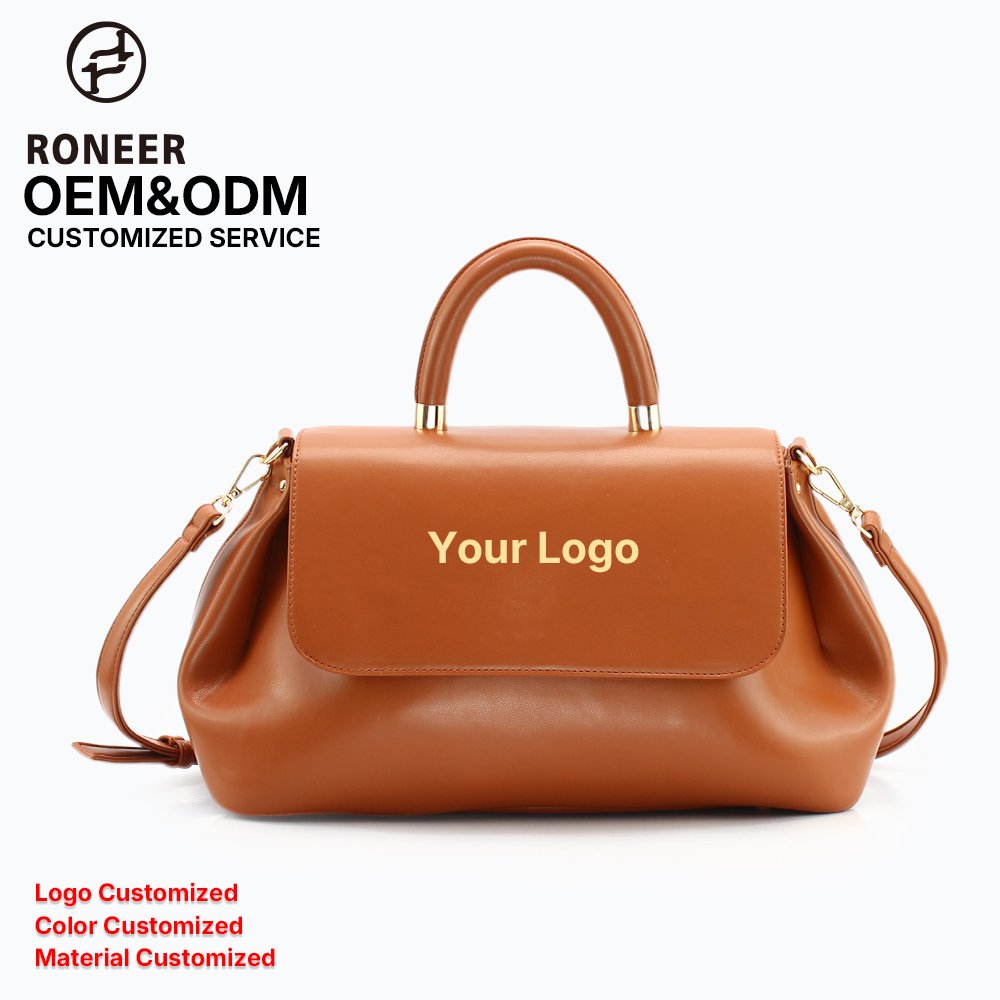
Most factories will offer choices of materials. Here, I have compiled the common ones.
| Material | Key Characteristics | Typical Bag Types | Advantages | Considerations |
|---|---|---|---|---|
| PU Leather | Cost-effective, color stable | Handbags, fashion bags | Affordable leather look, consistent texture | Less breathable than genuine leather |
| Genuine Leather | Natural animal leather | Premium handbags, briefcases | High durability, premium feel | Higher cost and maintenance |
| Nylon | Lightweight synthetic fiber | Backpacks, outdoor bags | Water resistant, strong tensile strength | Can appear less premium visually |
| Canvas | Thick woven cotton fabric | Tote bags, casual bags | Durable, natural texture | Can absorb water if untreated |
| Polyester | Synthetic leather with a smooth surface | Backpacks, travel bags | Cost effective, color stable | Slightly heavier than nylon |
| Recycled Materials | Fabric made from recycled fibers | Eco-focused bags | Sustainable appeal, growing demand | Supply consistency may vary |
Expert advice: The choice of materials depends on various factors: the intended use of the bag, the target retail price, brand positioning, expected durability, environmental factors, etc. Factories usually provide material suggestions based on the product’s functions.
Sampling and Product Development
Before placing a bulk order, you usually want to see and touch the product first. That is why sampling is an important step when working with a professional bag factory. A sample helps you check whether the design, structure, and materials actually work in real life, not just on paper.
Most bag factories follow a clear sampling process so the product can move smoothly from an idea to a production-ready model.
Sample Development
Once the design details are confirmed, the factory starts making the first sample. This sample is built using the selected materials, hardware, and construction methods.
At this stage, the goal is simple: turn the design into a real bag so you can evaluate how it looks and feels.
You can check things like:
- overall shape and proportions
- material texture and color
- zipper and hardware quality
- stitching details
- How comfortable the bag is to carry
Sometimes a design that looks perfect in a drawing may need small adjustments once it becomes a physical product.
Pattern Making
Behind every well-made bag is a precise pattern. Pattern makers create technical templates that guide how each piece of material will be cut and sewn.
These patterns define:
- panel shapes
- seam positions
- pocket construction
- reinforcement areas
Accurate patterns are what make it possible to produce hundreds or thousands of bags with consistent quality.
Sample Confirmation
After the sample is finished, it is sent for review. This is the moment where you can carefully examine every detail and decide whether anything should be improved.
Common feedback at this stage might include:
- adjusting strap length
- changing pocket sizes
- replacing hardware
- improving internal structure
Small changes here can make a big difference in the final product.
Design Modification
Based on the feedback, the factory updates the design and makes adjustments if needed. Sometimes a second sample is created to confirm the changes.
This step helps make sure the product is fully ready for production, both in terms of appearance and functionality.
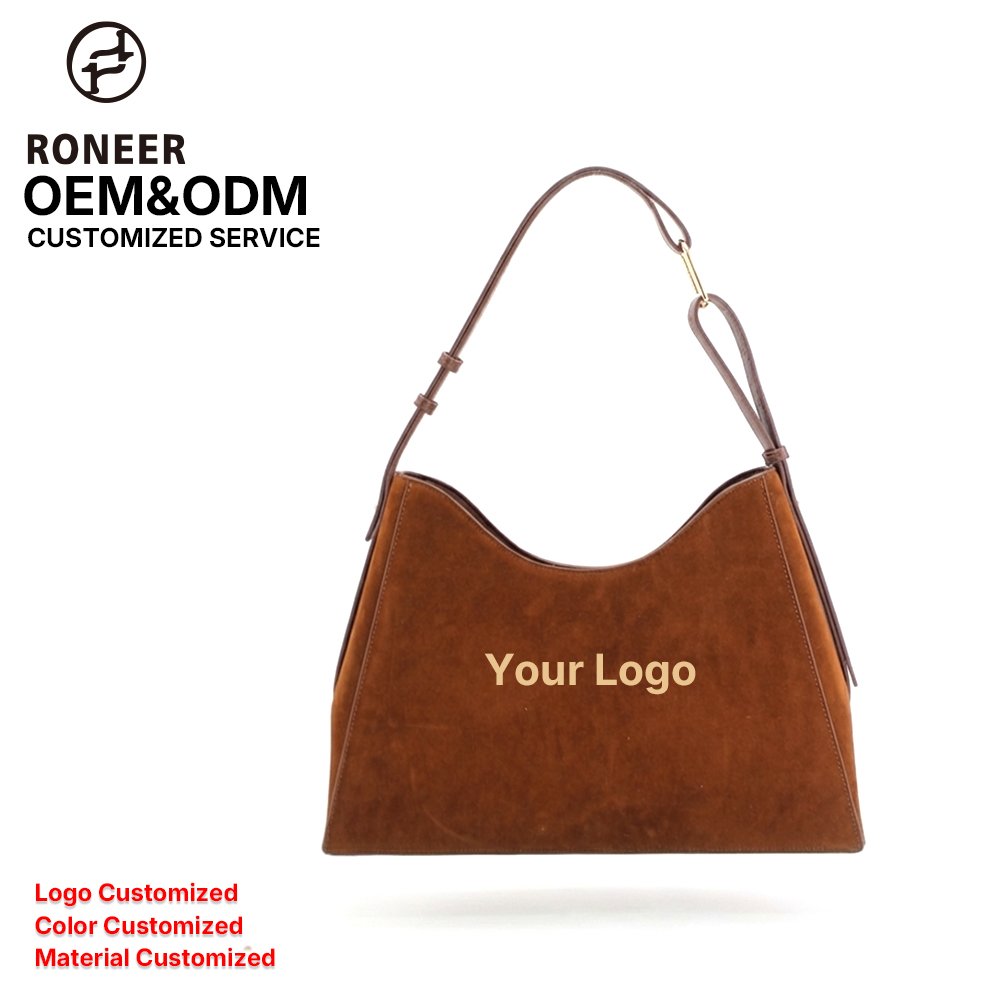
Before you move into mass production, most factories offer sample services so you can evaluate the product first. In our development process, sample production typically takes around one week, giving you enough time to review the bag and make final decisions with confidence.
Mass Production and Quality Control
Production Lines
Most factories divide production into multiple stages:
- material cutting
- panel preparation
- sewing assembly
- hardware installation
- trimming and finishing
- final inspection
Each stage is handled by trained workers specializing in specific operations.
Skilled Workers
Bag manufacturing requires technical sewing skills, particularly for:
- leather stitching
- structural reinforcement
- curved seams
- hardware installation
Experienced workers help ensure consistency across large production volumes.
Quality Inspection
Quality control usually occurs at several stages:
- incoming material inspection
- in-line production checks
- final product inspection
Factories often follow standard quality control procedures that check:
- stitching accuracy
- hardware function
- dimensional accuracy
- surface appearance
Packaging Process
After passing final inspection, products move to the packaging department.
Typical packaging steps include:
- cleaning and thread trimming
- inserting stuffing materials to maintain shape
- protective dust bags or poly bags
- Carton packing according to export standards
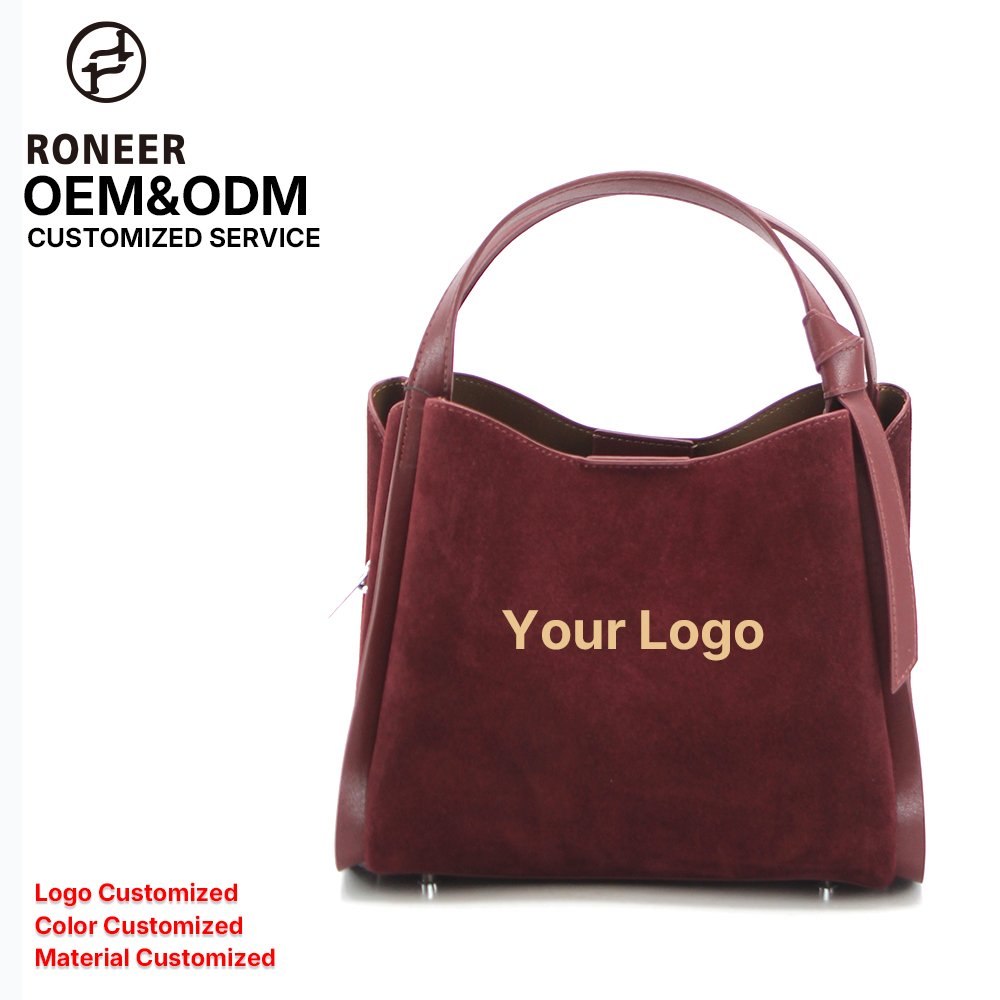
Logo Printing and Branding Services
Embossed Logo
Embossing presses a logo into leather or PU surfaces using heat and pressure.
This method produces a clean, subtle branding effect, often used on premium bags.
Silk Screen Printing
Screen printing applies ink directly onto fabric surfaces.
It works well for canvas or polyester bags and supports bold graphic logos.
Metal Logo Plates
Metal logos add a decorative and durable branding element.
They are typically attached using rivets or screws and are commonly used on handbags.
Embroidery
Embroidery stitches the logo directly into the fabric surface.
This method provides strong durability and is often used for backpacks or sports bags.
Heat Transfer Printing
Heat transfer uses heat and pressure to apply graphics onto fabric materials.
This technique allows detailed logos or multi-color designs.
Selecting the correct branding method requires balancing:
- design appearance
- production cost
- material compatibility
- durability requirements
Packaging, Shipping and Global Export Support
Manufacturing is only one part of the supply chain. Export logistics also play an important role when sourcing bags internationally.
Professional factories typically provide export support services that simplify the shipping process.
Custom Packaging
Factories can produce branded packaging such as:
- printed poly bags
- custom dust bags
- branded cartons
- retail-ready packaging
Custom packaging supports brand presentation and retail distribution.
Carton Packaging
For international shipping, products are packed into export cartons designed to protect goods during transportation.
Carton specifications consider:
- product size
- container space efficiency
- weight limits for air or sea freight
Shipping Terms
Factories usually support common international trade terms such as:
- EXW (Ex Works)
- FOB (Free On Board)
- DDP (Delivered Duty Paid)
Each option determines how shipping responsibilities are divided between the buyer and supplier.
Cooperation With Freight Forwarders
Many factories work closely with freight forwarders who handle:
- customs documentation
- cargo consolidation
- sea freight booking
- air freight arrangements