









When choosing a bag for your brand, it’s not just about picking a good-looking style. The type of bag you choose will directly affect your brand image, determine what kind of customers you can attract, and is also related to the performance of your series in the fierce market. It’s quite normal for many brands to hesitate between crossbody bags and handbags. Both have stable audience groups and long-term sales records. Different design directions and brand positioning will make one of the bag styles more suitable for your brand.
We have 18 years of experience in the bag industry in China and have witnessed too many brands repeatedly weighing this crucial decision. If done right, both brand value and market performance will be enhanced. If you make the wrong choice, you may miss the opportunity. In this article, we will explore the differences between crossbody bags and handbags to help you more clearly identify the direction that best suits your brand.
What Is a Crossbody Bag?
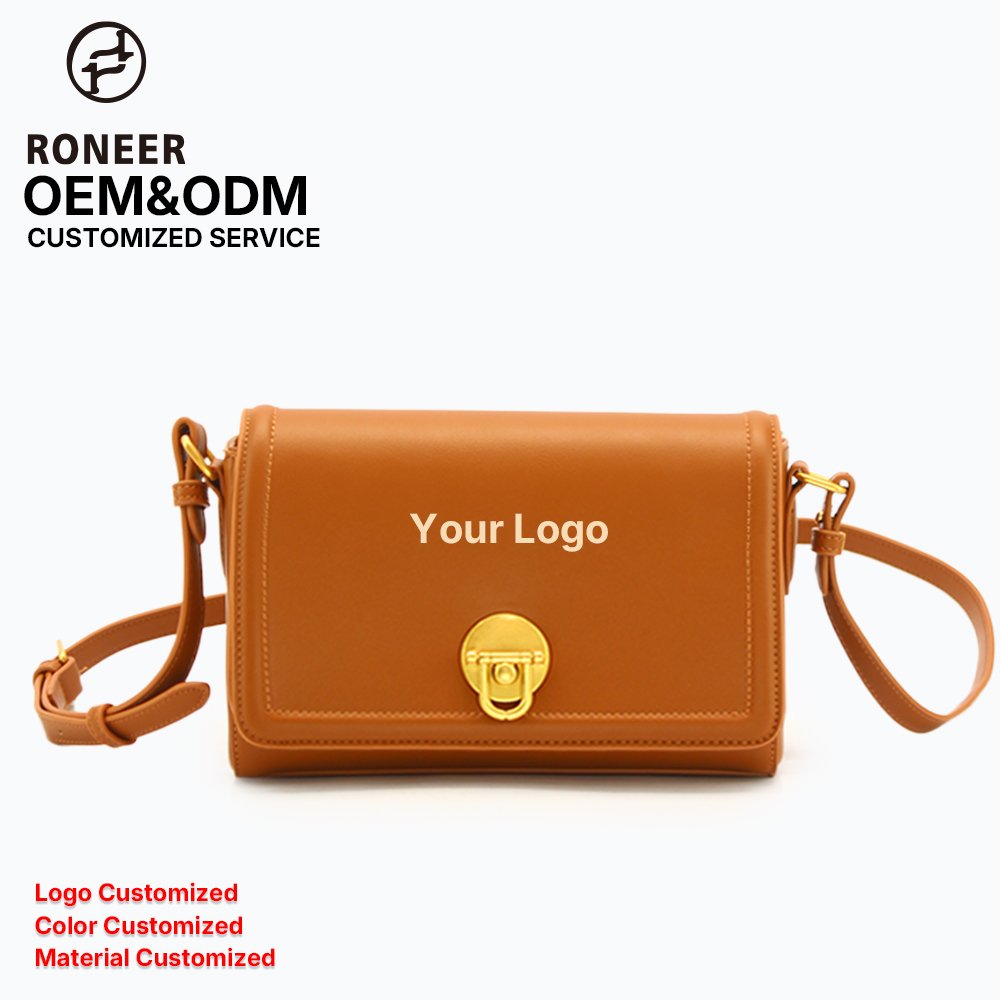
A crossbody bag is a type of bag with a long shoulder strap that can be slung diagonally across the body, usually hanging on the opposite side of the hip or waist. This design is not only fashionable but also practical. It can evenly distribute weight, allowing you to carry your personal belongings easily while allowing your hands to move freely.
Crossbody bags come in a wide variety of styles and sizes, ranging from small and simple everyday items to large-capacity ones that can hold tablets, mineral water, and other items. Many crossbody bags are also equipped with secure zippers or fasteners, as well as multiple compartments for easy organization and sorting.
Its most attractive aspect lies in its balance of functionality and fashion sense. For modern urban life, crossbody bags are especially suitable for people who need to move frequently and pursue convenience. For a brand, launching a crossbody bag can convey an image of being lightweight, flexible, and modern urban.
In addition, crossbody bags often exude a casual yet refined vibe, making them highly suitable for urban commuting, travel, or daily outings. Understanding these features can help you better match the lifestyle and preferences of your target customers when designing products.

What Is a Handbag?
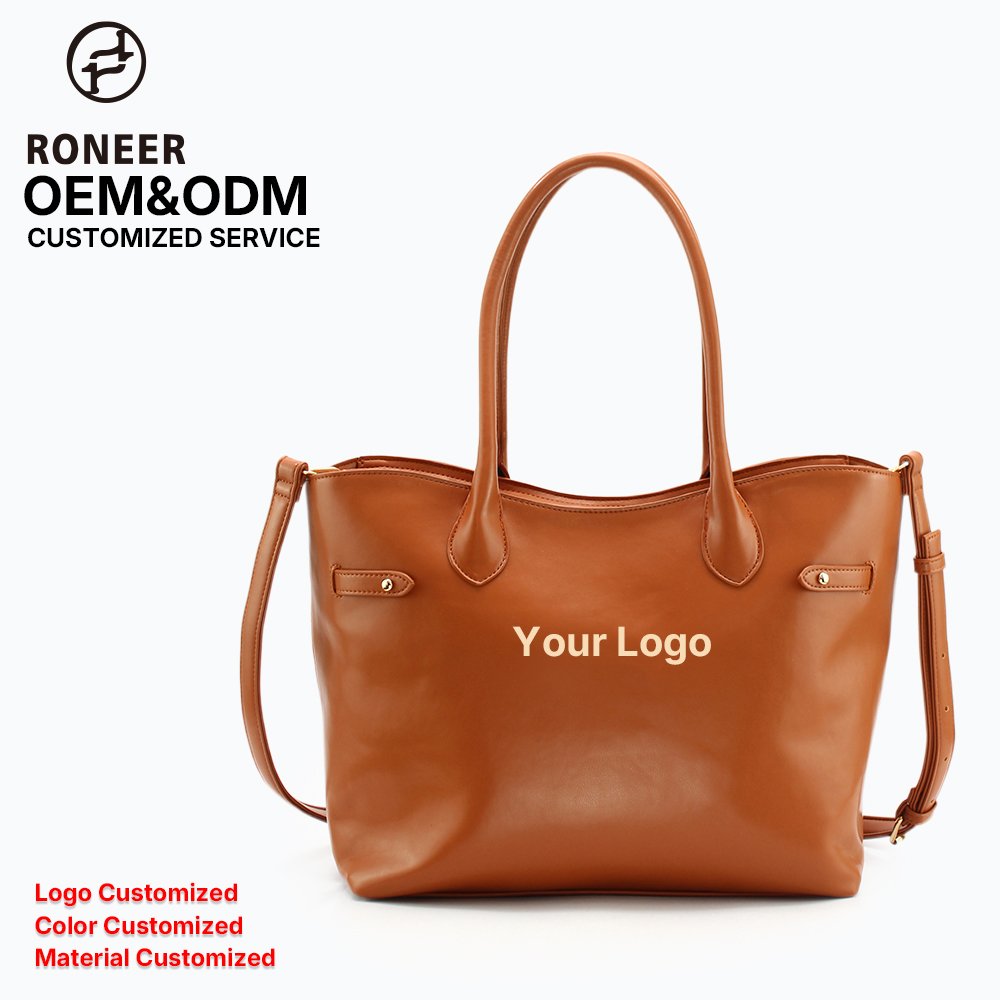
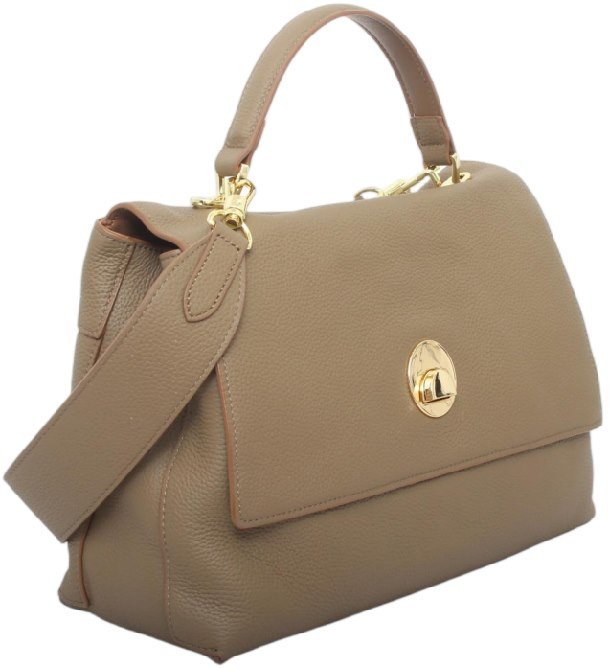
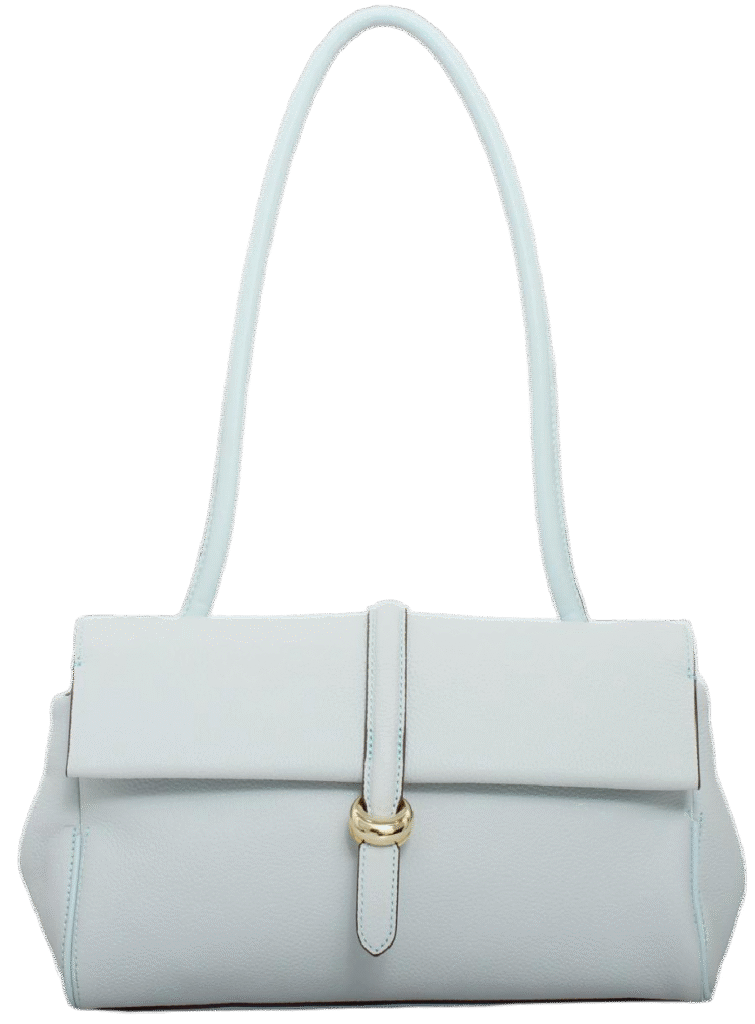
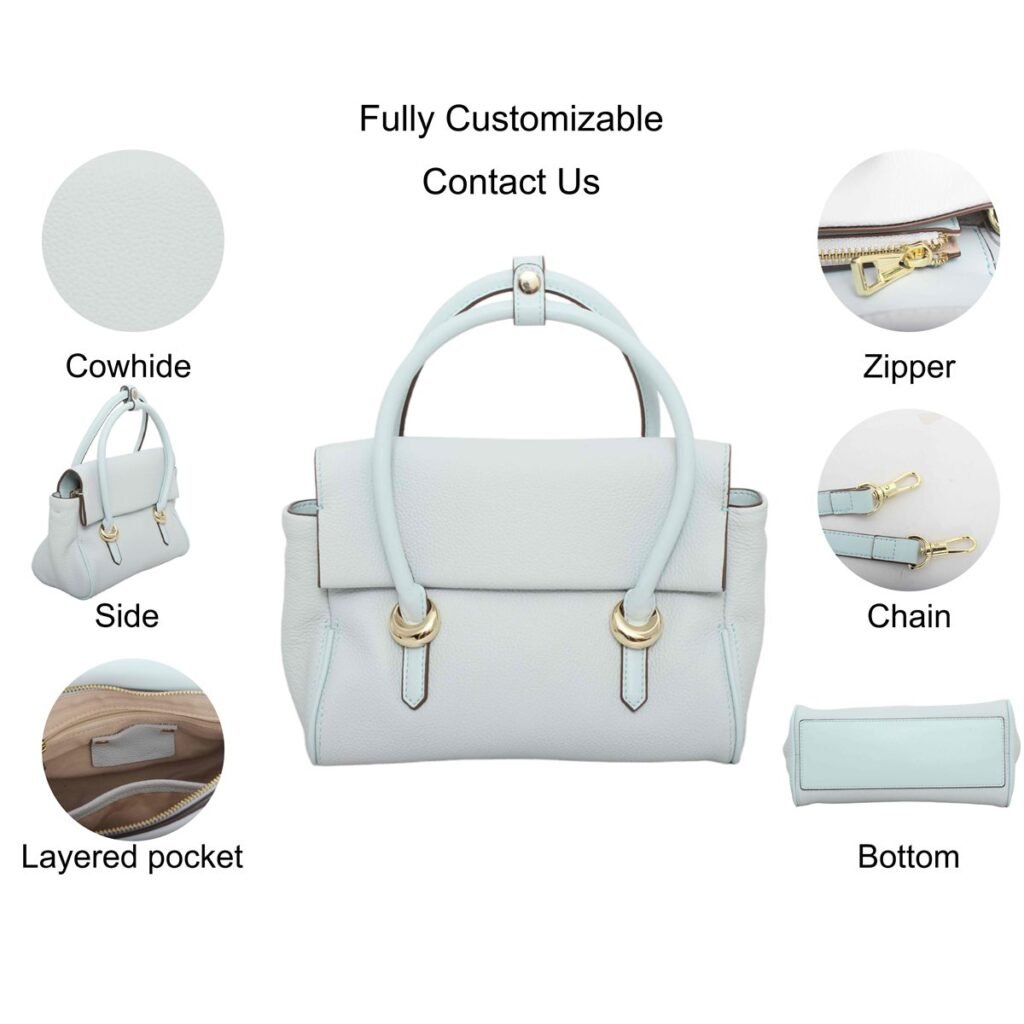
A handbag is a kind of bag mainly carried by hand, but it can also be carried with a shoulder strap. It is not only practical but also emphasizes the overall shape and texture, which can add a touch of refinement to daily outfits.
Handbags come in a wide variety of styles and sizes, ranging from small evening bags to large ones that can hold daily necessities, with suitable options available. It usually has a clear internal structure with distinct compartments, making it convenient to store mobile phones, wallets, cosmetics, etc., allowing you to use it in an organized manner.
Compared with crossbody bags, handbags emphasize elegance and formality more. It is very suitable for work, business occasions, or people who pursue fashionable looks. For brands, launching handbags means emphasizing quality, details, and classic design, which can convey a high-end, exquisite, and professional brand image.
A handbag is not merely a tool for carrying things; it is also a manifestation of one’s taste and status. Understanding its features can help you make a reasonable layout in your brand series and better meet customers’ demands for both functionality and aesthetics.
What Is the Difference Between Crossbody Bags and Handbags?
| Dimension | Crossbody Bags | Commuting, travel, daily errands, and outdoor activities |
|---|---|---|
| Primary Carrying Style | Worn across the body; hands-free | Carried by hand; some styles include shoulder straps |
| Overall Style | Casual, relaxed, everyday-friendly | Elegant, polished, fashion-forward |
| Typical Use Cases | Commuting, travel, daily errands, and outdoor activities | Work, business meetings, social events, formal occasions |
| Structure | Softer, lighter, simpler construction | More structured, defined shapes with stronger form |
| Capacity | Usually small to medium; ideal for essentials | Often medium to large; fits more items |
| User Priorities | Convenience, comfort, mobility | Style, presentation, personal expression |
| Design Focus | Functionality, weight, wearability | Craftsmanship, silhouette, detailing, materials |
| Target User Profile | Active lifestyles, younger consumers, on-the-go users | Professionals, fashion-conscious customers, trend-driven shoppers |
| Brand Message | Modern, flexible, youthful | Refined, premium, sophisticated |
| Manufacturing Complexity | Lower complexity, shorter development cycles | Higher craftsmanship demands and more detailed construction |
| Market Trend Alignment | Strong alignment with mobility and lightweight trends | Popular with the comeback of classic and structured silhouettes |
| Price Positioning | Generally more accessible; great for volume styles | Wider pricing range; ideal for signature or hero items |
| Sustainability Adaptability | Easy to adapt to eco-friendly materials and lightweight builds | Requires more planning due to structured components |
| Styling Flexibility |
Which Bag Type Fits Your Target Audience Better?
Knowing your audience is the most important factor. The product category you choose should match the lifestyle, habits, and priorities of the people you design for. Bag choices are emotional. They reflect how customers live and what they need day-to-day.
Here are key considerations when evaluating your audience:
a. Lifestyle Speed
- Fast-paced, urban, active audiences lean heavily toward crossbody bags.
- Professional, style-driven, or more curated audiences lean toward handbags.
b. Age Groups
Crossbody bags often appeal to younger customers who want mobility. But they also work well for older customers seeking lightweight convenience.
Handbags appeal strongly to buyers focused on fashion identity, workwear, or special-event styles.
c. Daily Needs
- If your customers carry small essentials: phone, wallet, keys → crossbody bags fit well.
- If they carry planners, makeup items, work-related objects → handbags serve them better.
d. Style Preferences
Some customers prefer minimalism. Others prefer bold accessories. If your audience loves refined details, structured shapes, and craftsmanship, handbags align naturally.
If they prefer simple, clean, functional pieces, crossbody bags lead.
e. Purchasing Behavior
Crossbody bags often attract repeat buyers who want fresh colors or seasonal variations.
Handbags attract buyers who treat the purchase as an investment piece, which may lead to fewer but higher-value purchases.
f. Mobility vs. Presentation
If your audience values freedom of movement—travelers, commuters, students, busy city workers—crossbody bags win.
If your audience values presentation—professionals, creators, trend-focused shoppers—handbags win.
Understanding these patterns helps you match your product direction to your buyer’s habits, which ultimately increases conversions and customer loyalty.

How Do Current Market Trends Influence Your Decision?
When choosing between a crossbody bag and a handbag, market trends can have a significant impact on your brand. Consumers’ lifestyles are constantly changing, and their aesthetics and demands are also evolving. Therefore, understanding these trends can help you make more reliable and forward-looking judgments.
Nowadays, a clear trend is that people are increasingly fond of designs that “free up both hands”. Whether it’s for commuting, traveling, or daily outings, people all hope that their bags are light, stable, and easy to carry. Such demand has made crossbody bags the first choice for many consumers and kept them popular in the market for a long time.
But at the same time, handbags with distinct structures and clean lines have also regained attention. More and more consumers are beginning to favor simple and stylish bags, not only to match their outfits but also because such bags better demonstrate quality and taste. This is a very good development direction for brands that emphasize craftsmanship and details.
Many people now hope that a bag can be switched between different occasions, such as commuting during the day and partying at night, and that one bag is enough. As a result, many brands began to experiment with convertible designs, allowing bags to be carried both diagonally and by hand, thereby attracting a wider range of users.
The influence of social media platforms should not be ignored either. Handbags are often more conspicuous in photos and videos. Their structural sense can better highlight the design style of a brand, thus giving them an advantage in visual promotion. Relatively speaking, crossbody bags are closer to daily life and are suitable for a “genuine and relaxed” style. They are also deeply loved by users who are accustomed to sharing life-related content.
As people’s pace of life quickens, traveling, outdoor activities, and walking to work are becoming increasingly common, which has driven the development of lightweight trends and made crossbody bags more advantageous. For brands that are positioned more refined or in a business style, handbags remain an indispensable and important category.
Finally, many consumers have begun to pay attention to the environmental friendliness of materials and production methods. Crossbody bags with relatively simple structures are more likely to be made of eco-friendly materials. However, due to their complex structure, handbags require more materials and craftsmanship, and brands also need to make more detailed plans in the direction of sustainability.
Understanding these trends can help you determine which bag style is more in line with your brand goals. Following the trend does not mean blindly following the crowd, but rather making your choices closer to the real needs of consumers and making your products more competitive.
Which Bag Style Fits Your Brand Best?
There is no standard answer when choosing between a crossbody bag and a handbag. More importantly, can they keep pace with your brand personality, design direction, and user expectations? The bag style itself is a form of expression. What you choose means what you want the brand to say.
You can judge from several simple but crucial perspectives:
What kind of impression does your brand want to give people?
If you are pursuing a style that is relaxed, modern, friendly, and close to daily life, a crossbody bag will convey this atmosphere more naturally.
If you want a brand to be more refined, stable, or powerful, the distinct lines of a handbag will tell your story more clearly for you.
What are your techniques and materials suitable for?
If your clients are good at soft materials, lightweight structures, or teams that need to iterate quickly, they are mostly more suitable for making crossbody bags.
If your strengths lie in a stiff structure, detailed polishing, or more advanced leather craftsmanship, a handbag will make these advantages more prominent.
Who do you want to attract?
If your customers prefer lightweight, fast-moving, and frequently traveling consumers, they mostly have a preference for crossbody bags.
Users who need to commute, attend events, or pay attention to their overall look are more likely to be attracted by handbags.
What is your brand story?
The crossbody bag is very suitable for expressing “companionship, freedom, and daily life”.
A handbag is more like a symbol of “temperament, taste, and confidence”.
The bag style should follow the story you want to tell.
What kind of flagship product do you want to create?
Crossbody bags are easy to change and can be easily expanded into a long-term series.
Handbags have a high degree of recognition and are more suitable to be the signature products of a brand.
In which price range are you going to compete?
Crossbody bags have a wide acceptance, are suitable for bulk sales, and are also easily absorbed by the mass market quickly.
Handbags are more suitable for high-premium products to create a sense of brand value.
How do you hope the brand will develop in the future?
Want to make the series more life-like, easy, and scalable? It will be smoother to start with a crossbody bag.
Want to make your brand more mature and recognizable? A handbag is more likely to become your base plate.
In simple terms, the style that suits you best is the one that enables your brand to “speak”, attract the right people, and align with your future plans.

Conclusion
In brand building, choosing the right bag style is not just a matter of stylistic preference; it’s a strategic decision concerning brand positioning, target audience, and future competitiveness. Whether you want to emphasize convenience, lightness, and everyday practicality with a crossbody bag, or showcase quality, structural beauty, and a fashionable attitude with a handbag, choosing a direction that truly matches your brand’s personality and user needs will make your products more attractive, your series more expandable, and your brand more compelling. Understanding market trends, clearly defining your target customers, and leveraging your factory and design advantages will help you make more accurate decisions. Ultimately, the most suitable bag is not the most fashionable one, but the one that best represents your brand and continuously creates value.
We are a Chinese bag manufacturer, dedicated to enhancing your brand. If you are interested in our services, please leave your information on our website. We look forward to collaborating with you!